
Nutrition comparison
Enchilada vs Chimichanga: Which Is Healthier?
Enchiladas are baked while chimichangas are deep-fried, creating a massive difference in calories, fat, and health impact. Learn which to choose and why.
Overall winner · Enchilada
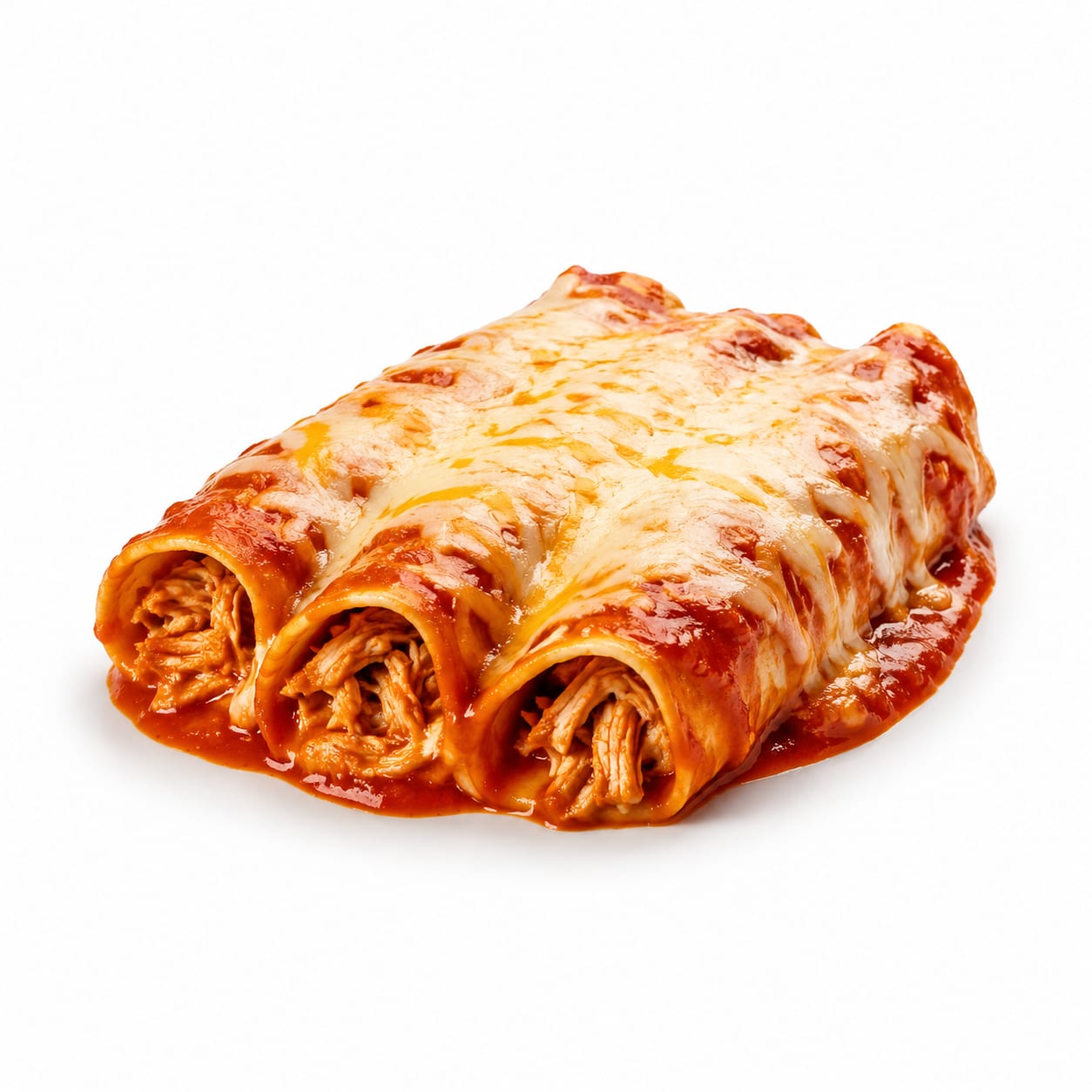
Enchilada
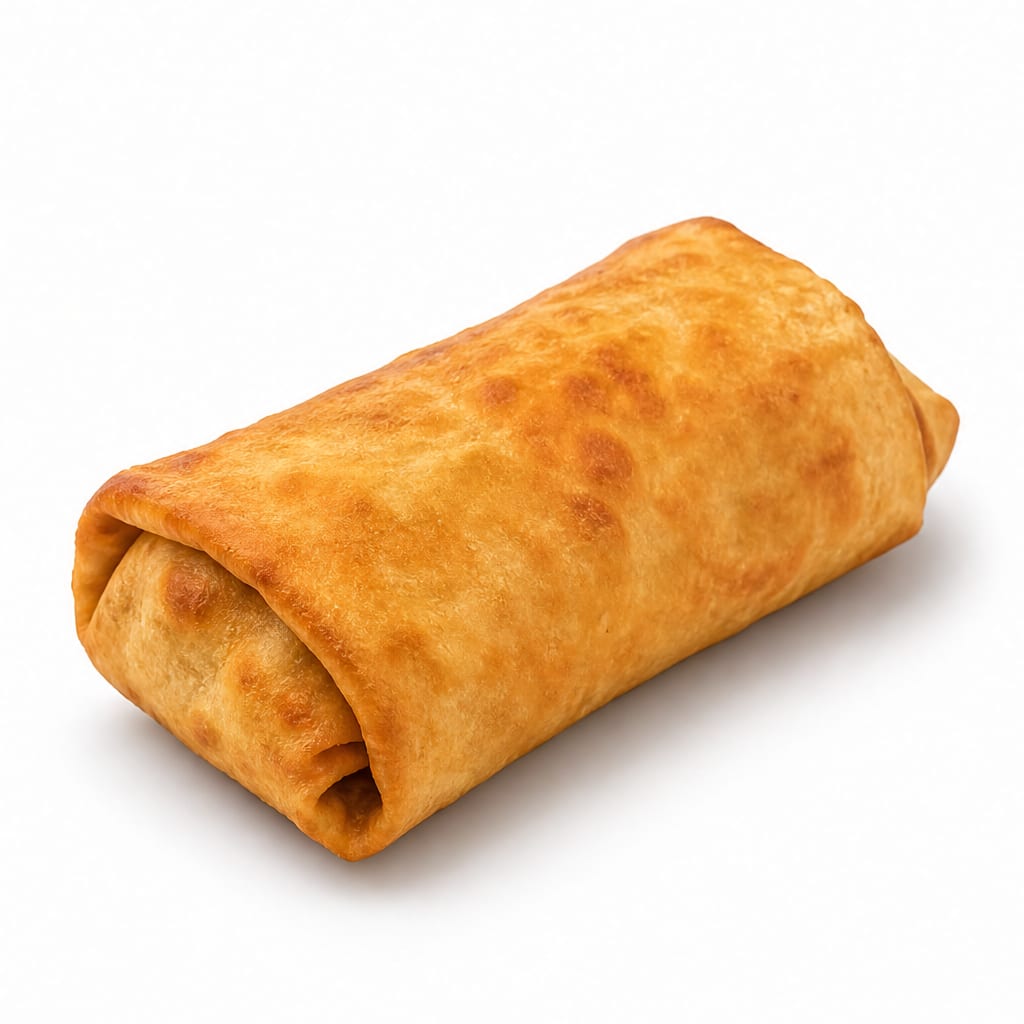
Chimichanga
Enchiladas win comfortably because baking instead of deep-frying saves hundreds of calories and significant fat without sacrificing flavor or satisfaction.
Enchiladas score significantly higher due to lower calorie density, less fat, and easier digestion. Chimichangas are not inherently toxic but their deep-fried preparation creates a substantial nutritional gap that matters for regular consumption.
Chimichangas deliver a crispy, indulgent crunch but cost you roughly double the calories and fat of an enchilada.
At a glance
Executive summary
Overall
Enchilada
Healthier
Enchilada
More practical
Enchilada
Daily use
Enchilada
Key comparison lenses
calorie and fat comparison from frying vs baking
The single biggest difference is that chimichangas are deep-fried while enchiladas are baked, dramatically changing fat and calorie content
digestive comfort and heaviness
Fried foods sit heavier and cause more digestive discomfort, a major everyday concern with these dishes
heart health and long-term impact
Regular fried food consumption raises cardiovascular risk significantly compared to baked alternatives
sodium load from restaurant preparation
Both dishes are typically high-sodium restaurant items, but preparation differences matter
weight management suitability
Users choosing between these are often concerned about which fits better into a calorie-conscious lifestyle
Best choice for
Enchilada
- People watching their weight or calorie intake
- Anyone with sensitive digestion or acid reflux
- Those eating Mexican food more than once a week
- Anyone concerned about heart health
Chimichanga
- Occasional indulgence seekers wanting maximum crunch
- Those who find baked dishes less satisfying
- People not calorie-conscious who prioritize texture
Least suitable for
Enchilada
- Someone craving that deep-fried crunch specifically
Chimichanga
- People with GERD or heartburn issues
- Anyone on a calorie-restricted diet
- Those with gallbladder problems or fat intolerance
- People managing high cholesterol
Deep comparison
Dimension by dimension
Each lens scores both foods and breaks down who each option suits.
- Dimension 1 · Priority 95Enchilada
Calorie Density
Enchilada · 65Chimichanga · 25A typical restaurant enchilada runs 300-400 calories, while a chimichanga easily hits 600-900 calories due to oil absorption from frying.
Tradeoff
That crispy shell costs you 200-500 extra calories per serving with no additional nutritional benefit.
Why it matters
Eating chimichangas regularly instead of enchiladas could mean gaining an extra pound every 1-2 weeks without changing anything else.
Real-world impact
One chimichanga can eat up nearly half your daily calories if you're aiming for 1,800-2,000.
Enchilada
- Weight management
- Calorie tracking
- Eating out without blowing your budget
Better for
Chimichanga
- Weight control
- Portion management
- Staying within calorie goals
Worse for
- Dimension 2 · Priority 92Enchilada
Fat Content and Quality
Enchilada · 60Chimichanga · 20Deep-frying a chimichanga adds 20-35g of fat compared to an enchilada's 10-18g, much of it from cheap frying oils.
Tradeoff
The frying oil is typically refined vegetable oil heated to high temperatures, adding inflammatory omega-6 fats with minimal nutritional value.
Why it matters
Regular intake of deep-fried restaurant foods is linked to higher inflammation markers and heart disease risk.
Real-world impact
A single chimichanga can contain 40-60g of total fat, approaching or exceeding your entire daily recommended limit.
Enchilada
- Heart health
- Cholesterol management
- Anti-inflammatory eating patterns
Better for
Chimichanga
- Cardiovascular health
- Gallbladder stress
- Blood lipid profiles
Worse for
- Dimension 3 · Priority 88Enchilada
Digestive Comfort
Enchilada · 65Chimichanga · 30Enchiladas are far gentler on the stomach. Fried chimichangas commonly trigger heartburn, bloating, and sluggish digestion.
Tradeoff
The heavy grease coating from deep-frying slows gastric emptying and relaxes the esophageal sphincter, a double hit for reflux sufferers.
Why it matters
If you've ever felt like a brick is sitting in your stomach after Mexican food, it was probably the chimichanga.
Real-world impact
Chimichangas are a top trigger food for acid reflux and indigestion complaints, especially when eaten in the evening.
Enchilada
- Acid reflux sufferers
- People with IBS or sensitive stomachs
- Late dinner situations
Better for
Chimichanga
- GERD and heartburn
- Post-meal comfort
- Sleep quality when eaten at dinner
Worse for
- Dimension 4 · Priority 72It depends
Satiety and Satisfaction
Enchilada · 60Chimichanga · 58Both are filling due to protein and tortilla content. Chimichangas feel heavier but not necessarily more satisfying long-term.
Tradeoff
The chimichanga's heaviness can feel satisfying in the moment but leads to a sluggish crash later, while enchiladas provide steadier satiety.
Why it matters
Feeling stuffed is not the same as feeling satisfied. The enchilada leaves room for the rest of your day.
Real-world impact
After a chimichanga lunch, expect the 2pm energy dip. After enchiladas, you can still function at work.
Enchilada
- Sustained energy after eating
- Productive afternoons
- Avoiding food coma
Better for
- Those who find baked dishes less indulgent
Worse for
Chimichanga
- Maximum fullness sensation
- Craving that heavy comfort food feeling
Better for
- Post-meal alertness
- Evening plans after dinner
Worse for
- Dimension 5 · Priority 75Enchilada
Sodium Load
Enchilada · 40Chimichanga · 28Both are high-sodium restaurant items, but chimichangas typically pack more due to seasoned frying batters and heavier cheese toppings.
Tradeoff
Neither is a low-sodium choice, but enchiladas usually have 800-1200mg versus chimichangas at 1200-2000mg per serving.
Why it matters
If you have blood pressure concerns, both are challenging, but chimichangas push you closer to your daily sodium limit in one meal.
Real-world impact
A chimichanga can deliver nearly a full day's sodium allowance, leaving almost no room for the rest of your meals.
Enchilada
- Blood pressure management
- More sodium budget remaining for other meals
Better for
Chimichanga
- Hypertension risk
- Water retention and bloating
Worse for
- Dimension 6 · Priority 65Enchilada
Nutritional Value of Base Ingredients
Enchilada · 55Chimichanga · 40Enchiladas use corn tortillas which are whole grain and naturally gluten-free. Chimichangas use refined flour tortillas with less fiber.
Tradeoff
Corn tortillas provide more fiber and micronutrients like magnesium and potassium, while flour tortillas are more processed and lower in nutrients.
Why it matters
The tortilla difference might seem small, but it affects blood sugar response and fiber intake over time.
Real-world impact
Choosing corn-based enchiladas gives you a steadier blood sugar curve compared to the refined flour in chimichangas.
Enchilada
- Fiber intake
- Blood sugar stability
- Gluten-free needs
Better for
Chimichanga
- Celiac or gluten sensitivity
- Whole grain goals
Worse for
Timeline
Health impact over time
Short-term
Hours to days
Enchilada
- Moderate fullness without excessive heaviness
- Manageable blood sugar response if filled with protein
- Some sodium-related bloating possible
Chimichanga
- Significant post-meal sluggishness and food coma
- High likelihood of heartburn or acid reflux within 1-2 hours
- Noticeable bloating from sodium and fat combined
- Blood sugar spike from refined flour plus fat
Long-term
Months to years
Enchilada
- Moderate calorie intake allows occasional inclusion in a balanced diet
- Sodium remains a concern if eaten frequently
- Relatively sustainable for weekly restaurant Mexican food
Chimichanga
- Regular consumption significantly raises cardiovascular risk
- Consistent high-calorie intake promotes weight gain
- Frequent fried food intake linked to higher inflammation markers
- Gallbladder stress from repeated high-fat meals
Risk profile
Safety & processing
Enchiladas involve sauce, cheese, and tortilla but avoid the deep-frying step that introduces oxidized oils and potentially acrylamide compounds. Chimichangas add a significant layer of processing through high-heat frying in refined oils, making them the more processed and concerning option.
Enchilada
Sodium overload
mediumRestaurant enchilada sauces are heavily salted. One serving can approach 50-60% of daily sodium limits.
Foodborne illness from improper holding
lowBaked casseroles held at improper temperatures can harbor bacteria, but this is a general restaurant risk, not specific to enchiladas.
Chimichanga
Acrylamide exposure from deep-frying
mediumFrying flour tortillas at high temperatures creates acrylamide, a probable carcinogen. The crispier the chimichanga, the more acrylamide formed.
Oxidized oil consumption
mediumRestaurant frying oils are reheated repeatedly, creating oxidized compounds that promote inflammation and cellular damage.
Sodium overload
highChimichangas combine salted fillings, frying batter seasonings, and heavy cheese toppings, often exceeding 1500mg sodium per serving.
Who wins for whom
Audience fit
Same foods, different winners depending on your goal.
children
EnchiladaEnchiladas are easier for kids to digest and introduce less fried food into their diet. The milder sauce is also more kid-friendly.
daily consumption
EnchiladaNeither should be eaten daily, but enchiladas are far more sustainable as an occasional regular choice without major health consequences.
diabetes
EnchiladaCorn tortillas have a lower glycemic impact than refined flour, and the lower fat content avoids the delayed blood sugar spike common with high-fat fried foods.
elderly
EnchiladaOlder adults often have slower digestion and more reflux sensitivity. Enchiladas are gentler and less likely to cause discomfort.
muscle gain
It dependsBoth can provide adequate protein depending on filling. Chimichangas offer more calories which can help bulking, but the fat quality is poor.
weight loss
EnchiladaEnchiladas save 200-500 calories per serving compared to chimichangas, making them the only realistic option for calorie-controlled eating.
Your move
Decision guide
Choose Enchilada
- You want Mexican food without the post-meal regret
- You're watching calories, fat, or heart health markers
- You have acid reflux, GERD, or sensitive digestion
- You eat Mexican restaurant food more than twice a month
- You need to function after lunch instead of crashing
Choose Chimichanga
- It's a rare celebration and you want maximum indulgence
- You specifically crave that deep-fried crunch nothing else provides
- You're not calorie-conscious and prioritize texture above all
- You're splitting one as an appetizer rather than eating a full portion
Either works if
- You're getting mostly vegetables and beans as the filling either way
- You're making them at home where you control the oil and sodium
Avoid both if
- You're on a strict low-sodium diet for blood pressure or kidney disease
- You need to avoid dairy and both are loaded with cheese
- You have celiac disease and cannot confirm gluten-free tortillas
Final recommendation
Choose enchiladas as your regular go-to and save chimichangas for rare occasions. The baking versus frying difference is not a minor detail — it fundamentally changes the calorie, fat, and inflammatory profile of your meal. If you love chimichangas, consider asking for a soft version or splitting one with someone to reduce the impact.
Practical
Consumer tips
- 1
Ask for enchiladas with extra veggies and less cheese to cut sodium and boost fiber
- 2
Request sauce on the side to control sodium and moisture levels
- 3
If you order a chimichanga, eat half and take the rest home — it's still satisfying reheated
- 4
Choose chicken or bean fillings over beef to reduce saturated fat in either dish
- 5
Skip the sour cream and guacamole add-ons if watching calories — the chimichanga already has enough fat
- 6
Ask if the restaurant can make a 'soft chimichanga' — essentially an unfried version with the same fillings
- 7
Drink plenty of water after either dish to help flush excess sodium