
Nutrition comparison
Enchilada vs Empanada: Nutrition, Calories, and Health Comparison
Compare Enchilada vs Empanada to see which is healthier. Discover the differences in calories, fat, carbs, and the best choice for your diet.
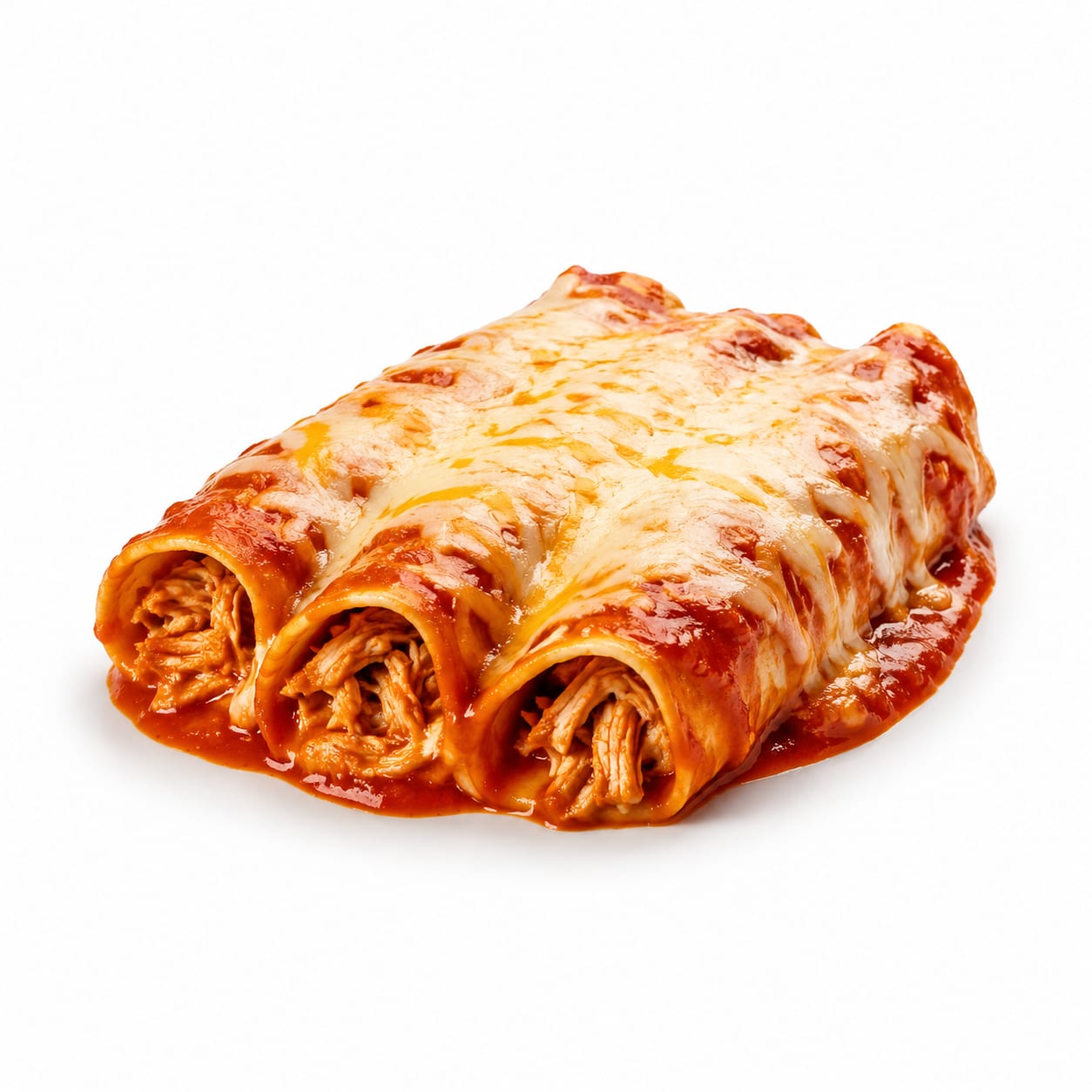
Enchilada
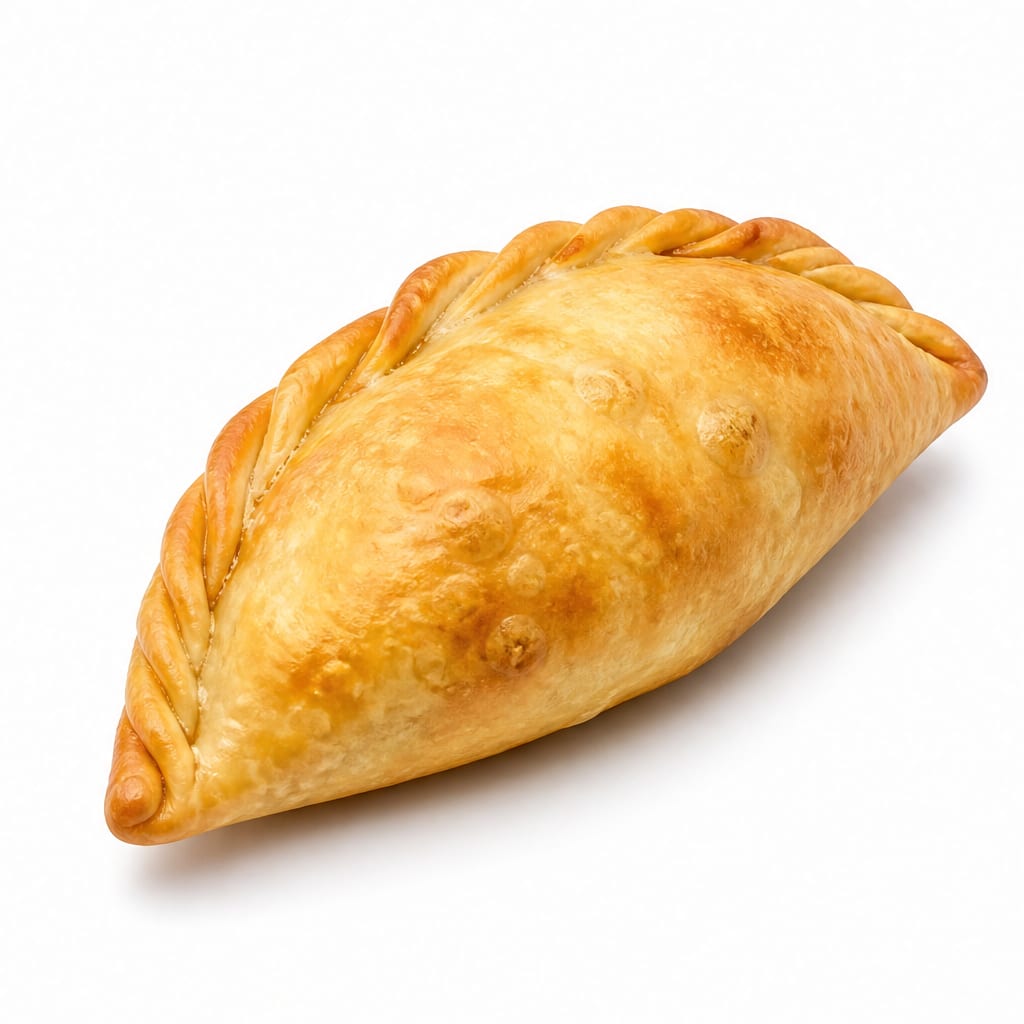
Empanada
Enchiladas offer more volume and moisture with less fat, while empanadas deliver a crispy, portable bite but pack more calories per ounce.
Enchiladas generally score higher due to being baked and offering more vegetable content via sauce, whereas empanadas are often deep-fried making them more calorie-dense and heavier on refined carbs.
Moisture, volume, and lighter carbs versus portability, crunch, and calorie density.
At a glance
Executive summary
Overall
It depends
Healthier
Enchilada
More practical
Empanada
Daily use
Enchilada
Key comparison lenses
Calorie density and fat content
Empanadas are typically deep-fried, making them significantly more calorie-dense than baked, sauce-covered enchiladas.
Convenience and portability
Empanadas are handheld and highly portable, whereas enchiladas require a fork and knife due to the sauce.
Carbohydrate quality
Enchiladas use corn tortillas (whole grain), while empanadas use refined wheat flour pastry dough.
Sodium and sauce intake
Enchiladas are smothered in sauce which can drive up sodium levels quickly compared to the drier empanada.
Best choice for
Enchilada
- Dine-in meals needing more vegetable intake
- Lower-fat Mexican food cravings
- People watching calorie density
Empanada
- On-the-go snacking
- Party appetizers
- Need for a shelf-stable portable meal
Least suitable for
Enchilada
- Eating while walking or driving
- Low-sodium diets if using canned sauce
Empanada
- Low-fat diets
- Weight loss due to high calorie density
Deep comparison
Dimension by dimension
Each lens scores both foods and breaks down who each option suits.
- Dimension 1 · Priority 92Enchilada
Calorie Density & Fat Profile
Enchilada · 75Empanada · 40Enchiladas are typically baked and sauced, keeping fat lower, while empanadas are often deep-fried, drastically increasing calories and fat.
Tradeoff
You trade the crispy, rich texture of fried dough for a softer, lighter meal with fewer calories.
Why it matters
High-fat fried foods are easy to overeat and can sluggish your afternoon energy.
Real-world impact
Eating two empanadas can feel heavy and greasy, whereas two enchiladas feel more like a balanced, filling meal.
Enchilada
- Managing daily calories
- Avoiding greasy stomach feelings
Better for
- Craving a satisfying crunch
Worse for
Empanada
- High-calorie needs
- Backpacking or hiking fuel
Better for
- Weight management
- Heart-healthy diets
Worse for
- Dimension 2 · Priority 78Enchilada
Carbohydrate Quality
Enchilada · 72Empanada · 45Enchiladas use corn tortillas which are whole grain and naturally gluten-free, while empanadas use refined wheat flour pastry dough.
Tradeoff
Whole grain corn provides more fiber and steadier blood sugar compared to the quick-digesting refined white flour.
Why it matters
Refined flour pastries spike blood sugar faster, leading to quicker energy crashes.
Real-world impact
An empanada might leave you hungry again in an hour, while an enchilada's corn base offers steadier, longer-lasting energy.
Enchilada
- Gluten-free diets
- Blood sugar stability
Better for
- Low-carb dieters
Worse for
Empanada
- Those needing quick energy
- Picky eaters who prefer white flour
Better for
- Gluten intolerance
- Fiber-focused diets
Worse for
- Dimension 3 · Priority 70It depends
Sodium & Sauce Content
Enchilada · 55Empanada · 65Enchiladas rely heavily on seasoned sauces that can be very high in sodium, while empanadas rely on seasoned fillings with less liquid salt.
Tradeoff
Saucy moisture and flavor versus drier, concentrated seasoning with generally lower liquid sodium.
Why it matters
Sauce-heavy restaurant dishes can easily exceed daily sodium limits, leading to bloating and thirst.
Real-world impact
Restaurant enchiladas can cause noticeable bloating the next day from salt, whereas empanadas might just make you thirsty.
Enchilada
- Needing hydration with meals
- Getting more lycopene from tomato or chili sauces
Better for
- Salt-sensitive individuals
Worse for
Empanada
- Lower liquid sodium intake
- Preference for dry, easy-to-eat format
Better for
- Those who need high moisture meals for digestion
Worse for
- Dimension 4 · Priority 85Empanada
Convenience & Portability
Enchilada · 25Empanada · 95Empanadas are the ultimate handheld food, while enchiladas are a messy, saucy plate meal.
Tradeoff
Sit-down saucy meal versus grab-and-go convenience.
Why it matters
Food format dictates when and where you can actually eat it in real life.
Real-world impact
You can easily eat an empanada while commuting, but an enchilada requires a fork, knife, and napkins.
Enchilada
- Sit-down family dinners
- Leftovers that reheat well in sauce
Better for
- Eating while walking
- Picnics without tables
Worse for
Empanada
- Road trips
- Party finger food
- Quick desk lunches
Better for
- Formal dining
- Kids who make a mess with crumbs
Worse for
Timeline
Health impact over time
Short-term
Hours to days
Enchilada
- High satiety from volume and moisture
- Potential bloating from sodium if restaurant-made
Empanada
- Quick energy from refined carbs and fat
- Possible greasy stomach feeling if deep-fried
Long-term
Months to years
Enchilada
- Better heart health profile if made with lean protein and baked
- Risk of hypertension if frequently relying on high-sodium sauces
Empanada
- Weight gain risk from frequent fried food consumption
- Higher inflammatory markers from refined flour and fryer oils
Risk profile
Safety & processing
Both are processed restaurant or packaged foods. Empanadas often involve refined dough conditioners and deep-frying oils, while enchiladas lean on processed sauces and pre-shredded cheeses.
Enchilada
Foodborne illness from dairy/meat
mediumCheese and meat fillings must be kept hot; thick sauce can sometimes mask early spoilage odors.
Empanada
Oxidized frying oils
mediumRepeatedly heated fryer oils in restaurant settings can create inflammatory compounds inside the pastry.
Who wins for whom
Audience fit
Same foods, different winners depending on your goal.
children
EmpanadaKids love handheld foods, and empanadas are much easier for small hands to manage without making a mess.
daily consumption
EnchiladaLess fat and a better carbohydrate profile make enchiladas a more sustainable everyday meal choice.
diabetes
EnchiladaCorn tortillas have a lower glycemic impact and more fiber than refined wheat pastry dough, leading to steadier blood sugar.
elderly
EnchiladaThe softer texture of sauce-soaked enchiladas is much easier to chew and swallow than crispy pastry dough.
muscle gain
It dependsBoth can be stuffed with lean beef or chicken, so the protein content depends entirely on the filling chosen.
weight loss
EnchiladaLower calorie density and higher moisture content from the sauce makes enchiladas more filling for fewer calories.
Your move
Decision guide
Choose Enchilada
- You want a sit-down meal with more veggies and sauce
- You are watching your fat and calorie intake
- You prefer corn over wheat flour
Choose Empanada
- You need a portable snack for on-the-go
- You are craving something crispy and savory
- You want an appetizer for a gathering
Either works if
- You just need a satisfying savory meal
- You are customizing with lean proteins at home
Avoid both if
- You are on a strict low-sodium diet
- You are avoiding dairy and gluten
Final recommendation
Choose enchiladas for a sit-down meal that fills you up without weighing you down, or pick empanadas when you need a crispy, portable bite on the run.
Practical
Consumer tips
- 1
Ask for baked empanadas instead of fried to save hundreds of calories and avoid heavy oils.
- 2
Make enchiladas at home with low-sodium sauce and lean chicken for a highly nutritious, filling meal.
- 3
Use an air fryer for empanadas to get the crunch without the deep-frying penalty.
- 4
Load enchiladas with black beans and veggies to boost fiber and make them even more satisfying.