
Nutrition comparison
Enchilada vs Lasagna: Which Comfort Food Is Healthier?
Compare enchiladas and lasagna on calories, protein, sodium, gluten, and more. Find out which comfort food fits your health goals and when to choose each.
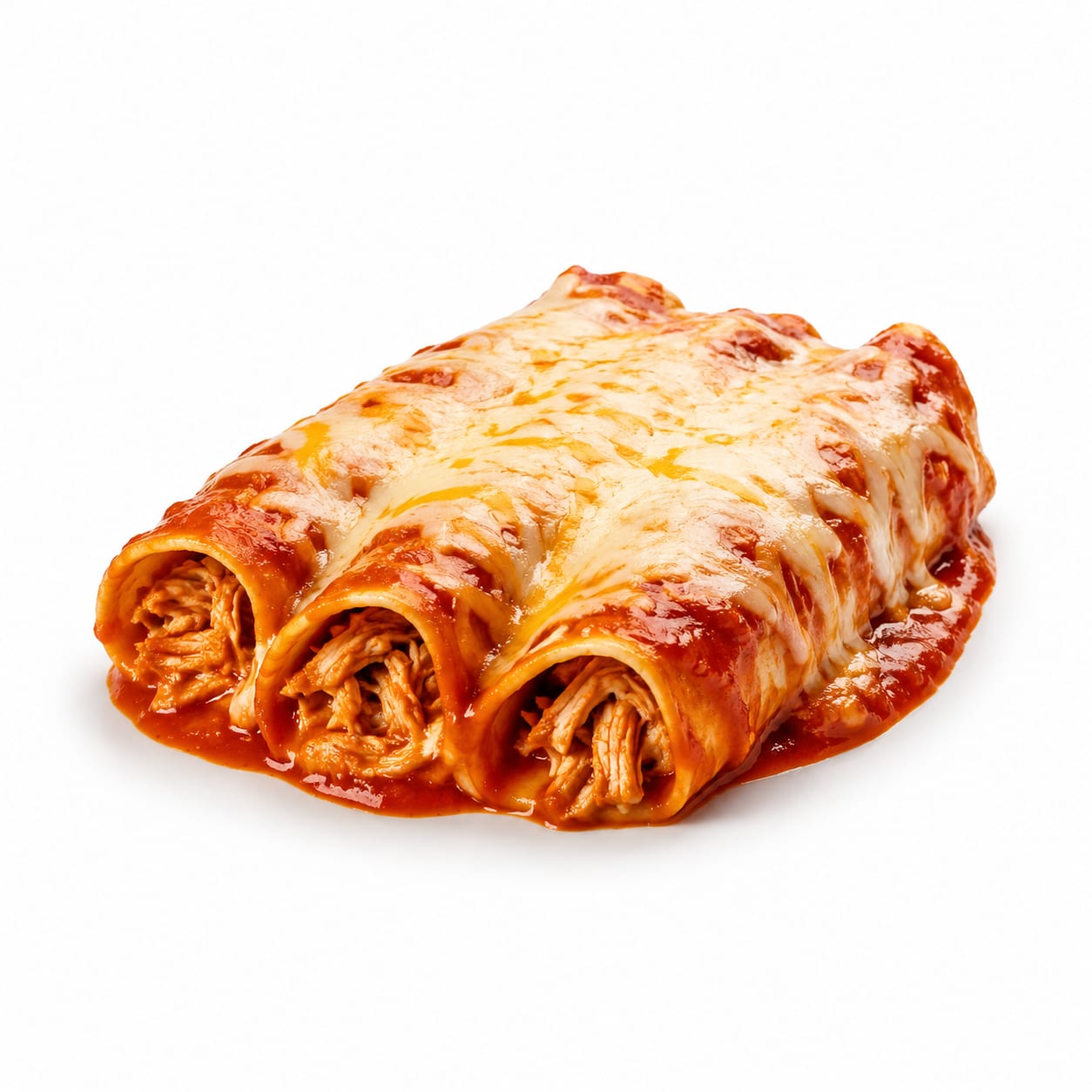
Enchilada
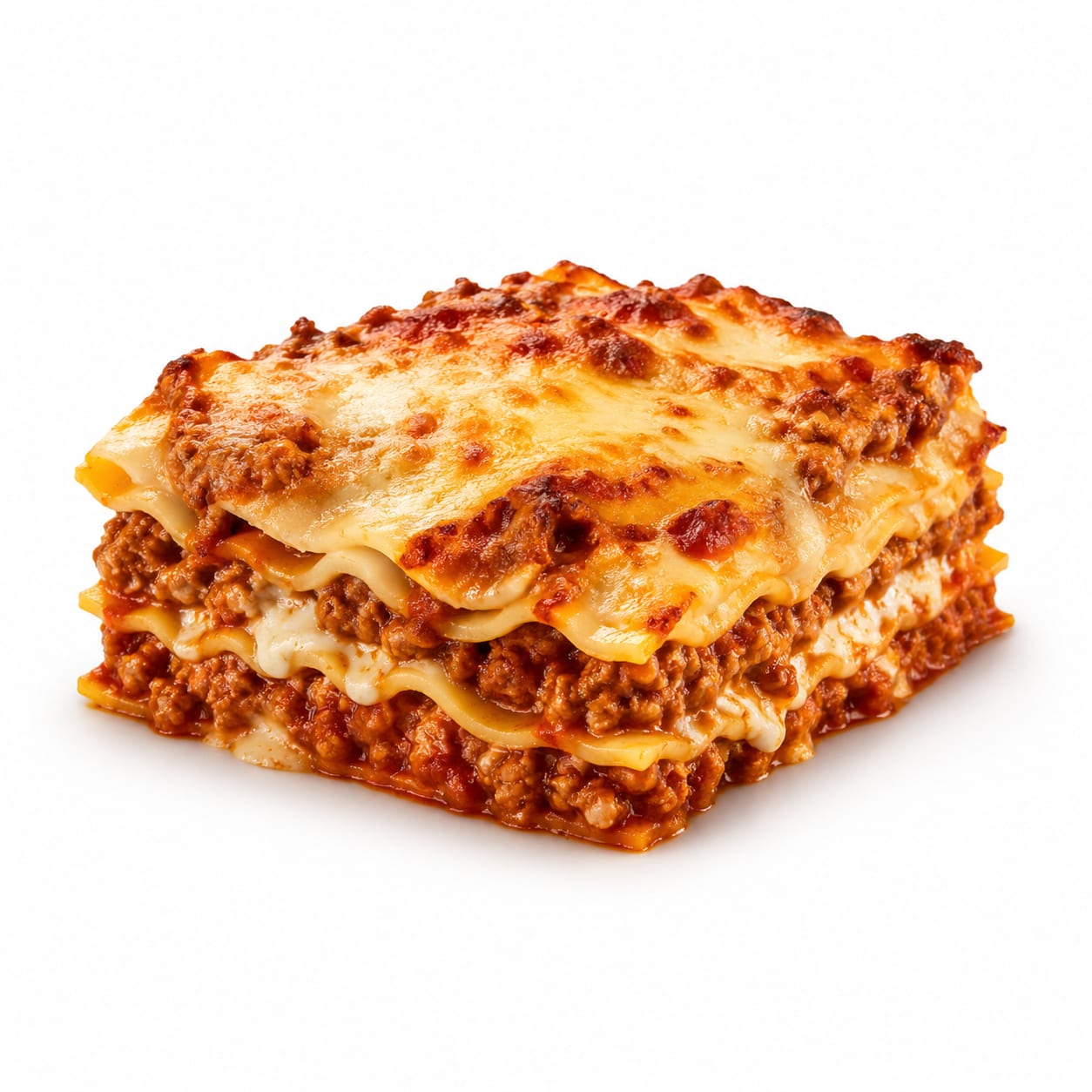
Lasagna
Enchiladas are lighter per serving and gluten-free friendly, while lasagna delivers more protein but hits harder with calories and saturated fat.
Enchiladas score modestly higher due to lower calorie density, gluten-free tortillas, and the potential for bean-based fiber. Lasagna loses ground on saturated fat and calorie load but wins on protein and calcium. Neither is a health food — the gap is meaningful but not dramatic.
Enchiladas trade higher sodium for fewer calories and a lighter feel; lasagna trades heaviness for more protein and calcium but with significantly more saturated fat.
At a glance
Executive summary
Overall
It depends
Healthier
Enchilada
More practical
Lasagna
Daily use
Enchilada
Key comparison lenses
comfort food calorie tradeoff
Both are heavy comfort foods, so understanding which hits harder calorically is the top concern
gluten and digestive tolerance
Enchiladas use corn tortillas while lasagna uses wheat pasta, a major difference for gluten-sensitive eaters
sodium and heart health impact
Both dishes are sodium bombs from cheese, sauce, and seasoning, making heart health a key filter
satiety and portion control
Both are very filling but in different ways — lasagna is denser while enchiladas feel lighter per piece
meal prep and leftovers practicality
Both reheat well but lasagna is the classic make-ahead dish, affecting real-world eating frequency
Best choice for
Enchilada
- Gluten-sensitive or celiac individuals
- People tracking calories who want comfort food
- Those who prefer lighter but satisfying meals
- Anyone avoiding wheat-based carbs
Lasagna
- Athletes needing high protein intake
- Families meal-prepping for the week
- Anyone wanting maximum satiety from one plate
- Calcium-focused eaters like older adults
Least suitable for
Enchilada
- People on strict low-sodium diets
- Anyone sensitive to spicy or acidic sauces
- Those avoiding corn or nightshades
Lasagna
- People managing heart disease or high cholesterol
- Gluten-sensitive or celiac individuals
- Anyone counting calories closely
- Those who feel sluggish after heavy meals
Deep comparison
Dimension by dimension
Each lens scores both foods and breaks down who each option suits.
- Dimension 1 · Priority 92Enchilada
Calorie Density and Portion Control
Enchilada · 62Lasagna · 45A single enchilada typically runs 250–350 calories, while a modest lasagna portion easily hits 400–550 calories.
Tradeoff
Enchiladas let you eat a satisfying portion without blowing past calorie targets. Lasagna's density makes portion control much harder — a reasonable-looking slice can be deceptively caloric.
Why it matters
Both foods are indulgent, but the ability to stop at one or two enchiladas gives you more control than cutting into a lasagna pan.
Real-world impact
Two enchiladas feel like a complete meal at ~600 calories. One lasagna slice can match that before you add anything else.
Enchilada
- Calorie-conscious eaters
- People who like visual portion control
- Anyone trying to lose weight without giving up comfort food
Better for
- Anyone assuming all Mexican food is low-calorie — cheese and sauce add up fast
Worse for
Lasagna
- Those who need high calorie intake
- People doing intense training and needing energy surplus
Better for
- Mindless eaters — lasagna's density makes it easy to overconsume without noticing
Worse for
- Dimension 2 · Priority 88Enchilada
Saturated Fat and Heart Health
Enchilada · 55Lasagna · 38Lasagna layers multiple cheeses and often includes fatty meat sauce, pushing saturated fat significantly higher than enchiladas.
Tradeoff
Enchiladas still carry saturated fat from cheese, but lasagna's ricotta-mozzarella-parmesan combo is a triple hit that adds up quickly per serving.
Why it matters
Regular high saturated fat intake raises LDL cholesterol over time. If you eat these dishes weekly, the difference compounds.
Real-world impact
A lasagna slice can deliver 15–25g saturated fat — near or past the daily limit. Enchiladas typically land in the 8–14g range depending on filling.
Enchilada
- People with high cholesterol
- Anyone with family history of heart disease
- Those trying to reduce saturated fat without eliminating comfort food
Better for
- Cheese-heavy enchilada varieties can still push saturated fat into concerning territory
Worse for
Lasagna
- No one specifically benefits from higher saturated fat
Better for
- Anyone with existing cardiovascular risk factors should treat lasagna as an occasional indulgence
Worse for
- Dimension 3 · Priority 82Lasagna
Protein Quality and Quantity
Enchilada · 55Lasagna · 72Lasagna typically delivers more protein per serving thanks to layered meat sauce and multiple cheese types.
Tradeoff
Enchiladas provide solid protein from meat or beans, but lasagna's combination of ricotta, mozzarella, and ground meat creates a higher total protein yield.
Why it matters
Protein supports muscle maintenance, satiety, and metabolic health. Higher protein meals keep you full longer and reduce snacking later.
Real-world impact
A lasagna slice often hits 25–35g protein. Two enchiladas typically reach 18–28g depending on filling.
Enchilada
- Bean-filled enchiladas offer plant protein with fiber — a combo lasagna cannot match
Better for
- Cheese-only enchiladas can be lower in total protein than expected
Worse for
Lasagna
- Athletes and active individuals needing higher protein per meal
- Older adults trying to prevent muscle loss
- Anyone who finds high-protein meals more satisfying
Better for
- Protein comes packaged with high saturated fat, which is not ideal for heart health
Worse for
- Dimension 4 · Priority 80It depends
Sodium Load
Enchilada · 42Lasagna · 45Both dishes are sodium landmines. Enchilada sauce and seasoning push salt high, while lasagna's cheese and canned tomatoes do the same.
Tradeoff
Neither wins here. Enchilada sauce can be extremely salty, but lasagna's combined cheese and sauce layers often edge slightly higher overall.
Why it matters
A single serving of either can deliver 800–1500mg sodium — half or more of your daily limit. If you have blood pressure concerns, both require caution.
Real-world impact
Eating either dish at a restaurant likely means consuming your entire sodium budget for the day in one meal.
Enchilada
- Homemade enchiladas with low-sodium sauce can reduce salt significantly
Better for
- Restaurant enchiladas with pre-made sauce are sodium disasters
Worse for
Lasagna
- Homemade lasagna with fresh tomatoes and less cheese offers similar sodium control
Better for
- Pre-made frozen lasagna is among the highest-sodium meals in any grocery aisle
Worse for
- Dimension 5 · Priority 76Enchilada
Carbohydrate Type and Blood Sugar
Enchilada · 60Lasagna · 48Corn tortillas have a lower glycemic impact than wheat pasta sheets, and bean fillings add fiber that slows digestion further.
Tradeoff
Enchiladas using corn tortillas and bean fillings create a slower blood sugar rise. Lasagna's refined pasta layers digest faster, especially with sugary marinara.
Why it matters
Steadier blood sugar means better energy, fewer cravings, and less insulin stress — especially important for prediabetics.
Real-world impact
After lasagna, you are more likely to feel a food coma. After enchiladas, especially bean-filled, energy tends to hold steadier.
Enchilada
- Prediabetics and insulin-resistant individuals
- Anyone who hates the post-meal crash
- Bean-filled enchilada fans getting extra fiber benefits
Better for
- Rice-and-enchilada combos double down on carbs and negate the advantage
Worse for
Lasagna
- Post-workout eaters who actually want faster carb replenishment
Better for
- Diabetics should be cautious — lasagna's refined carbs spike blood sugar quickly
Worse for
- Dimension 6 · Priority 85Enchilada
Digestive Tolerance and Gluten
Enchilada · 75Lasagna · 40Corn tortillas are naturally gluten-free, making enchiladas accessible for celiac and gluten-sensitive eaters. Lasagna's wheat pasta is a non-starter for this group.
Tradeoff
Even for people without gluten issues, corn tortillas are often easier to digest than dense wheat pasta layered with heavy cheese.
Why it matters
Roughly 6–7% of the population has non-celiac gluten sensitivity, and many more report feeling lighter without wheat. This is a clear differentiator.
Real-world impact
Gluten-sensitive people can enjoy enchiladas freely but must avoid traditional lasagna entirely or seek gluten-free versions.
Enchilada
- Celiac individuals
- Gluten-sensitive eaters
- Anyone who feels bloated after wheat-heavy meals
Better for
- Some enchilada sauces contain flour as thickener — always verify
Worse for
Lasagna
- No digestive advantage to wheat pasta over corn tortillas
Better for
- Gluten-free lasagna noodles exist but are often gummy and unsatisfying
Worse for
- Dimension 7 · Priority 72Enchilada
Fiber Content
Enchilada · 58Lasagna · 40Enchiladas frequently include beans and use corn tortillas, both of which contribute meaningful fiber. Lasagna is typically fiber-poor unless vegetables are deliberately added.
Tradeoff
Bean and cheese enchiladas can deliver 6–10g fiber per serving. Standard lasagna often falls below 3–4g unless it is a vegetable-heavy recipe.
Why it matters
Fiber improves fullness, supports gut health, and slows sugar absorption. Most people are already falling short on daily fiber intake.
Real-world impact
Choosing bean enchiladas over standard lasagna can meaningfully close your daily fiber gap.
Enchilada
- Bean-filled enchilada fans
- Anyone struggling to hit 25g+ fiber daily
- Gut health-focused eaters
Better for
- Cheese-only enchiladas lose most of the fiber advantage
Worse for
Lasagna
- Vegetable lasagna variants can close the fiber gap
Better for
- Traditional meat lasagna is one of the lowest-fiber comfort meals possible
Worse for
- Dimension 8 · Priority 70Lasagna
Meal Prep and Leftover Quality
Enchilada · 55Lasagna · 78Lasagna is arguably the ultimate leftover — it reheats beautifully and often tastes better the next day. Enchiladas can get soggy and lose texture.
Tradeoff
Lasagna's layered structure holds up to refrigeration and reheating. Enchiladas tend to soften and can fall apart, especially if sauced heavily.
Why it matters
If you cook once and eat for three days, lasagna is the more practical and enjoyable choice for days two and three.
Real-world impact
Making a lasagna pan on Sunday gives you reliable meals through Wednesday. Enchiladas are best eaten fresh or within a day.
Enchilada
- Small-batch cooking where everything gets eaten immediately
Better for
- Meal preppers who need food to last several days
Worse for
Lasagna
- Busy families meal-prepping on weekends
- Anyone who values leftovers that actually taste good
- Batch cooks feeding a household
Better for
- Solo cooks who might tire of lasagna before finishing a full pan
Worse for
Timeline
Health impact over time
Short-term
Hours to days
Enchilada
- Moderate fullness without the heavy food coma that lasagna causes
- Possible heartburn from spicy enchilada sauce in sensitive individuals
- More stable energy over the following 2–3 hours compared to lasagna
Lasagna
- Very full, sometimes uncomfortably heavy feeling after a standard portion
- Higher likelihood of post-meal drowsiness from the refined carb and fat combo
- Possible bloating, especially for gluten-sensitive individuals who eat it anyway
Long-term
Months to years
Enchilada
- Weekly enchilada consumption is manageable if you watch sodium and cheese portions
- Bean-based versions support gut health and cholesterol management over time
- Corn tortillas avoid the inflammatory concerns some associate with refined wheat
Lasagna
- Regular lasagna consumption raises saturated fat intake significantly, impacting heart health
- Low fiber intake from standard recipes does not support long-term gut health
- High calorie density makes weight creep more likely if portions are not carefully managed
Risk profile
Safety & processing
Both are homemade-style dishes that become more processed depending on whether you use canned sauce, pre-shredded cheese, or store-bought components. Restaurant and frozen versions of either are significantly more processed with added preservatives, emulsifiers, and sodium. Homemade versions of both can be quite clean with whole ingredients.
Enchilada
Spice and sauce contamination
lowEnchilada sauce from bulk sources can sometimes carry contamination, but this is rare with reputable brands or homemade versions.
Cheese temperature abuse
mediumCheese-filled enchiladas left at room temperature too long can develop bacterial growth, especially at buffets or potlucks.
Corn tortilla mold
lowFresh corn tortillas have a short shelf life and can mold quickly if not stored properly.
Lasagna
Dairy spoilage in leftovers
mediumLasagna's multiple cheese layers make it more vulnerable to spoilage if refrigeration is delayed or inadequate.
Undercooked meat sauce
mediumDense meat sauce in the center of a large pan may not reach safe temperatures if lasagna is not baked long enough.
Listeria risk with ricotta
lowRicotta cheese has been associated with listeria outbreaks in the past, though this is uncommon with pasteurized products.
Who wins for whom
Audience fit
Same foods, different winners depending on your goal.
children
It dependsKids often prefer the milder, cheesier taste of lasagna, but enchiladas with mild sauce are equally kid-friendly. It depends on the child's palate.
daily consumption
EnchiladaNeither should be eaten daily, but enchiladas are lighter and more adaptable to healthier preparations if consumed frequently.
diabetes
EnchiladaCorn tortillas and bean fillings create a slower glycemic response than refined wheat pasta layers.
elderly
LasagnaHigher calcium from multiple cheeses and softer texture make lasagna more practical for older adults concerned about bone density and chewing ease.
muscle gain
LasagnaHigher protein per serving from layered meat and cheese supports muscle-building goals more effectively.
weight loss
EnchiladaLower calorie density and better portion control make enchiladas easier to fit into a calorie deficit without feeling deprived.
Your move
Decision guide
Choose Enchilada
- You are watching calories but still want satisfying comfort food
- You or someone you cook for is gluten-sensitive or celiac
- You want steadier energy without the post-meal crash
- You prefer bean-based fillings for fiber and gut health
- You are cooking for one or two and want a quicker meal
Choose Lasagna
- You need high protein for athletic training or muscle maintenance
- You are meal-prepping for a family and want excellent leftovers
- You want maximum comfort and indulgence for a special occasion
- Calcium intake is a priority for bone health
- You are feeding a crowd and need one dish that serves everyone
Either works if
- You are eating at a restaurant and both look good — pick what sounds most appealing
- You are comfortable managing portions and neither will derail your goals
- You plan to make a healthier homemade version of either
Avoid both if
- You are on a strict low-sodium diet — both are sodium-heavy
- You are managing severe heart disease and need to minimize saturated fat
- You are trying to eat minimally processed foods — neither fits that framework well
Final recommendation
For everyday eating, enchiladas are the smarter choice — lighter, gluten-free friendly, and easier to portion. For occasions where indulgence and protein matter more, lasagna delivers. The real win is making either at home where you control the sodium, cheese, and filling quality.
Practical
Consumer tips
- 1
Make enchiladas with black bean filling to maximize fiber and reduce saturated fat from meat
- 2
Use low-sodium enchilada sauce or make your own with dried chiles and broth for massive sodium savings
- 3
For lasagna, swap half the ricotta with cottage cheese to cut fat while keeping protein high
- 4
Add spinach or zucchini layers to lasagna to boost fiber without changing the flavor much
- 5
Always check restaurant nutrition info — both dishes can exceed 1000mg sodium per serving when dining out
- 6
If meal-prepping lasagna, cut it into individual portions before refrigerating for better portion control later
- 7
Freeze enchiladas individually on a sheet pan before bagging — they reheat much better this way