
Nutrition comparison
Enchilada vs Tamale: Which Is Healthier? Nutrition Comparison
Enchilada vs tamale nutrition breakdown comparing calories, carbs, protein, sodium, and blood sugar impact. Find out which Mexican favorite fits your health goals.
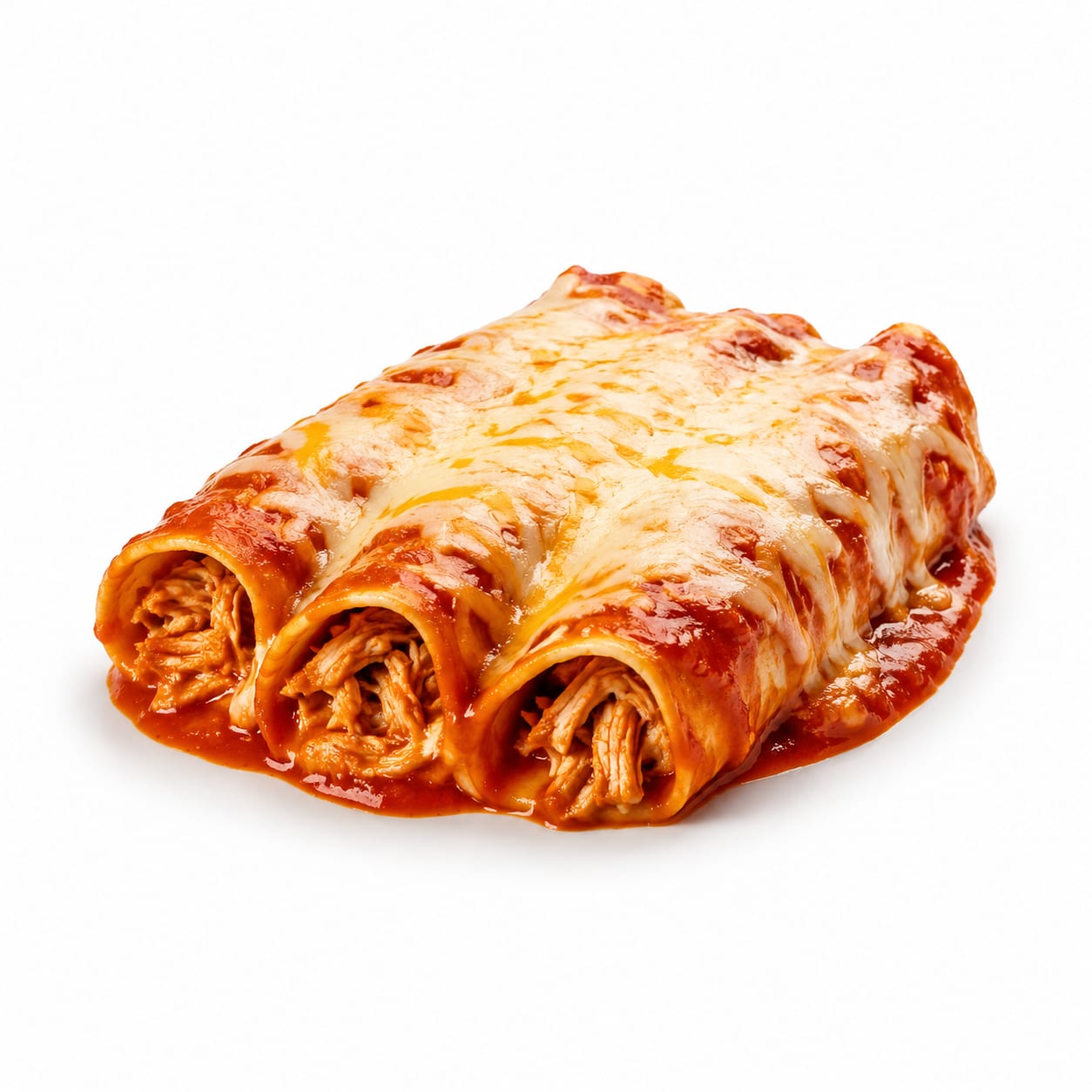
Enchilada
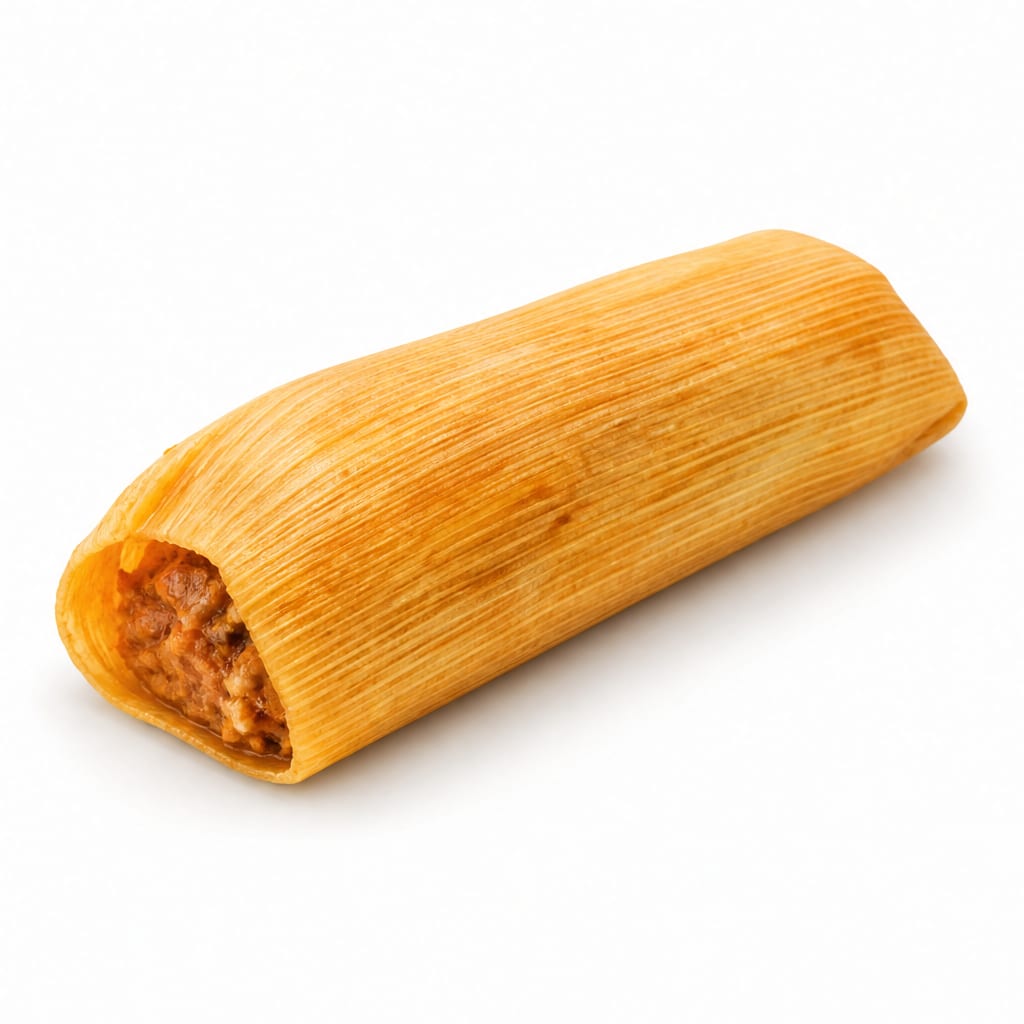
Tamale
Enchiladas win for lighter eating and better protein-to-carb ratio, while tamales win for portable comfort and steadier energy from dense masa.
Enchiladas score slightly higher due to better protein-to-carb ratio and more flexibility in making them lighter. Tamales lose ground on calorie density and glycemic load but win on satisfaction and portability. Both are heavily influenced by preparation style.
Enchiladas give you more filling and less starch per bite, but tamales deliver a more satisfying, self-contained meal that travels well.
At a glance
Executive summary
Overall
It depends
Healthier
Enchilada
More practical
Tamale
Daily use
It depends
Key comparison lenses
calorie density and portion control
Tamales pack more calories per bite due to dense masa, while enchiladas offer more sauce and filling relative to carbs
blood sugar impact
Both are carb-heavy Mexican staples but tamales deliver a larger glycemic load from concentrated corn masa
sodium and heart health
Enchiladas often drown in salty sauce and cheese, making sodium a key differentiator
satiety and meal satisfaction
Users want to know which keeps them fuller longer without overeating
traditional vs restaurant preparation
Both foods vary wildly between homemade and restaurant versions, affecting all nutritional outcomes
Best choice for
Enchilada
- People watching carb intake
- Those wanting higher protein relative to calories
- Anyone seeking a lighter dinner that won't sit heavy
- Diners who prefer saucier, more vegetable-friendly meals
Tamale
- Active people needing sustained energy
- Those wanting a portable, self-contained meal
- Anyone seeking traditional comfort food with steady fuel
- People who eat fewer but more substantial meals
Least suitable for
Enchilada
- People avoiding high sodium from sauces and cheese
- Those sensitive to spicy or acidic sauces
- Anyone needing a grab-and-go meal
Tamale
- People managing diabetes or blood sugar
- Those on low-carb or keto diets
- Anyone counting calories closely
- People who struggle with portion control around dense foods
Deep comparison
Dimension by dimension
Each lens scores both foods and breaks down who each option suits.
- Dimension 1 · Priority 92Enchilada
calorie density and portion control
Enchilada · 62Tamale · 45Enchiladas are easier to eat in moderation because the sauce and filling create volume without as much dense starch.
Tradeoff
A single tamale can pack 250-350 calories in a compact package, making it easy to overeat when having two or three.
Why it matters
Dense foods bypass your natural fullness signals. You can finish three tamales before your brain registers fullness.
Real-world impact
Two enchiladas feel like a complete meal. Two tamales might leave you wanting more despite similar calories.
Enchilada
- Controlling total calorie intake
- Feeling like you ate a larger volume of food
Better for
- People who need high-calorie meals for weight gain
Worse for
Tamale
- Getting maximum calories in minimum space
- Backpacking or situations needing compact energy
Better for
- Anyone trying to lose weight without tracking portions
- Mindless eaters who keep reaching for more
Worse for
- Dimension 2 · Priority 88Enchilada
blood sugar stability
Enchilada · 55Tamale · 40Enchiladas spread carbs across sauce, filling, and tortilla, while tamales concentrate most calories in refined corn masa.
Tradeoff
Tamales deliver a big carb hit in a small package, spiking blood sugar faster and higher than the more balanced enchilada.
Why it matters
That masa-heavy tamale can cause an energy crash 90 minutes later, especially if the filling is light on protein.
Real-world impact
After a tamale lunch you might feel sleepy by 2pm. An enchilada with chicken filling keeps energy steadier.
Enchilada
- People with prediabetes or diabetes
- Anyone prone to afternoon energy crashes
- Those pairing meals with sedentary work
Better for
- Situations requiring maximum glycogen loading
Worse for
Tamale
- Athletes before endurance activity
- Manual laborers needing quick fuel
Better for
- Insulin-resistant individuals
- Anyone monitoring A1C
Worse for
- Dimension 3 · Priority 85Tamale
sodium and heart health
Enchilada · 38Tamale · 55Enchiladas swim in salt-laden sauce and melted cheese, while tamales rely more on the masa with moderate seasoning.
Tradeoff
The enchilada sauce alone can deliver 500-800mg sodium before you even add cheese. Tamales stay drier and lighter on salt.
Why it matters
A single enchilada plate can hit 2000mg sodium. That is nearly a full day's worth for someone with hypertension.
Real-world impact
After enchiladas you might wake up puffy and thirsty. Tamales are less likely to cause that bloated next-day feeling.
Enchilada
- People who need extra hydration stimulus
Better for
- Salt-sensitive individuals
- People on low-sodium diets
Worse for
Tamale
- Anyone with high blood pressure
- People watching sodium for kidney health
- Those prone to bloating and water retention
Better for
- Those who add extra salty salsa on top
Worse for
- Dimension 4 · Priority 80Tamale
satiety and meal satisfaction
Enchilada · 60Tamale · 72Tamales deliver a dense, comforting fullness that lasts for hours. Enchiladas satisfy differently through volume and richness.
Tradeoff
Tamales feel like a complete fuel-up. Enchiladas feel more like a proper dinner but may leave you hungry sooner.
Why it matters
If you need to go 5-6 hours before eating again, a tamale's dense energy holds you longer.
Real-world impact
A lunch of two tamales can carry you to dinner. Two enchiladas might have you snacking by 4pm.
Enchilada
- People who prefer feeling light after meals
- Those who eat smaller, more frequent meals
Better for
- Long shifts without food access
Worse for
Tamale
- Workers who cannot snack between meals
- Anyone needing long-lasting fuel
- People who find carb-heavy meals deeply satisfying
Better for
- People who dislike feeling heavy after eating
Worse for
- Dimension 5 · Priority 78Enchilada
protein quality and filling nutrition
Enchilada · 68Tamale · 50Enchiladas typically pack more protein per calorie because the filling-to-starch ratio favors meat, beans, or cheese.
Tradeoff
Tamales are mostly masa by weight, with filling as a smaller component. Enchiladas let the filling star.
Why it matters
Protein is what makes a meal actually restorative. More protein per bite means better muscle maintenance and less cravings later.
Real-world impact
A chicken enchilada can deliver 20-25g protein. A tamale with the same filling might only give you 10-12g.
Enchilada
- People prioritizing protein intake
- Older adults needing muscle-supporting meals
- Post-workout recovery eating
Better for
- Vegans relying on cheese-free versions
Worse for
Tamale
- Carb-loaders before intense exercise
Better for
- Anyone needing high-protein meals
- People trying to maintain muscle while losing fat
Worse for
- Dimension 6 · Priority 74Tamale
convenience and portability
Enchilada · 40Tamale · 82Tamales are self-contained, hand-held, and travel beautifully. Enchiladas are a saucy plate meal that stays on the table.
Tradeoff
You can eat a tamale while driving or walking. An enchilada requires a fork, plate, and probably napkins.
Why it matters
The best meal is the one you actually eat. Portability determines whether you grab something healthy or default to fast food.
Real-world impact
Tamales in a cooler are road trip gold. Enchiladas are strictly a sit-down experience.
Enchilada
- Dinner parties and sit-down meals
- Buffet-style gatherings
Better for
- Commuters
- Anyone eating at their desk
Worse for
Tamale
- Lunchboxes and work meals
- Camping and outdoor eating
- Meal prep for grab-and-go mornings
Better for
- Formal dining situations
Worse for
Timeline
Health impact over time
Short-term
Hours to days
Enchilada
- Likely thirst from high sodium in sauce and cheese
- Heavy fullness from combined fat and sauce volume
- Possible heartburn from spicy enchilada sauce on an empty stomach
Tamale
- Steady carb-fueled energy for 2-3 hours
- Dense fullness that may feel heavy if you eat too many
- Less thirst and bloating compared to saucy dishes
Long-term
Months to years
Enchilada
- Regular consumption may contribute to high sodium intake patterns
- Cheese-heavy versions increase saturated fat exposure
- Restaurant versions can normalize oversized portions
Tamale
- Frequent consumption may challenge blood sugar management
- High calorie density can quietly drive weight gain
- Traditional lard-based masa raises saturated fat concerns with regular intake
Risk profile
Safety & processing
Both are traditional foods with long cultural histories. Enchiladas get a medium additive concern because canned sauces and processed cheese are common in restaurant versions. Tamales stay closer to whole ingredients: masa, filling, husk. Homemade versions of both are far cleaner than restaurant or frozen versions.
Enchilada
Foodborne illness from improperly stored dairy
mediumCheese and cream sauces can harbor bacteria if left at room temperature. Restaurant buffets are the highest risk.
Sodium-related health effects
mediumNot an acute safety risk but a cumulative health concern with regular consumption of high-sauce preparations.
Tamale
Lard quality and oxidation
lowTraditional tamales use lard which can oxidize if not stored properly. Most commercial tamales now use vegetable shortening.
Undercooked masa
lowImproperly steamed tamales can have raw dough in the center. Rare but possible with rushed preparation.
Who wins for whom
Audience fit
Same foods, different winners depending on your goal.
children
TamaleTamales are easier for small hands to hold, milder in flavor without spicy sauce, and feel like a fun self-contained package kids enjoy.
daily consumption
It dependsNeither is ideal for daily consumption, but if forced to choose: enchiladas for active younger adults needing protein, tamales for older or more sedentary people who eat smaller portions and need steady energy.
diabetes
EnchiladaLower glycemic load per serving and more balanced macronutrient distribution. The sauce and filling slow carb absorption compared to dense masa.
elderly
EnchiladaSofter texture from sauce-soaked tortillas is easier to chew. Higher protein helps prevent age-related muscle loss. Lower carb load suits slower metabolisms.
muscle gain
EnchiladaMore protein per serving from the filling-forward structure. Chicken or beef enchiladas support muscle recovery better than masa-heavy tamales.
weight loss
EnchiladaEnchiladas offer better portion control and higher protein relative to calories, making it easier to stay in a deficit without feeling deprived.
Your move
Decision guide
Choose Enchilada
- You want more protein and less starch per meal
- Blood sugar management is a priority
- You are eating at home with time to sit down
- You prefer saucy, flavorful dishes over dense comfort food
- You are tracking calories and need better portion awareness
Choose Tamale
- You need portable food for work, travel, or outdoor activities
- You want long-lasting energy for physical labor or exercise
- Comfort and satisfaction matter more than macros
- You are feeding kids who like handheld foods
- You eat fewer but more substantial meals per day
Either works if
- You are eating at a quality Mexican restaurant with fresh preparation
- You can control the filling and ingredients at home
- Occasional indulgence within a balanced diet
- You simply crave one over the other
Avoid both if
- You need a low-sodium meal and cannot control preparation
- You are on a strict low-carb or keto diet
- You have a corn allergy or intolerance
- You are looking for a light, vegetable-forward meal
Final recommendation
For most people managing everyday health, enchiladas are the slightly smarter choice because they deliver more protein and less carb density per bite. But tamales have a real place for active people who need compact, lasting fuel. The real decision comes down to context: enchiladas for sit-down dinners where you want balance, tamales for on-the-go days when you need sustained energy. Whichever you choose, homemade beats restaurant every time for sodium and ingredient control.
Practical
Consumer tips
- 1
Ask for enchiladas with less cheese and extra filling to boost protein while cutting saturated fat
- 2
Choose chicken or bean fillings over cheese-only for both foods to improve nutritional value
- 3
If buying frozen tamales, check the ingredient list for partially hydrogenated oils and choose brands without them
- 4
Make enchiladas with salsa verde instead of red sauce for significantly less sodium
- 5
Steam tamales at home and freeze extras for convenient grab-and-go meals throughout the month
- 6
Pair either food with a side of vegetables or a simple salad to balance the plate and add fiber
- 7
For tamales, choose ones with more visible filling and less masa for better macronutrient balance
- 8
Limit yourself to two enchiladas or two tamales per meal and fill the rest of your plate with greens