
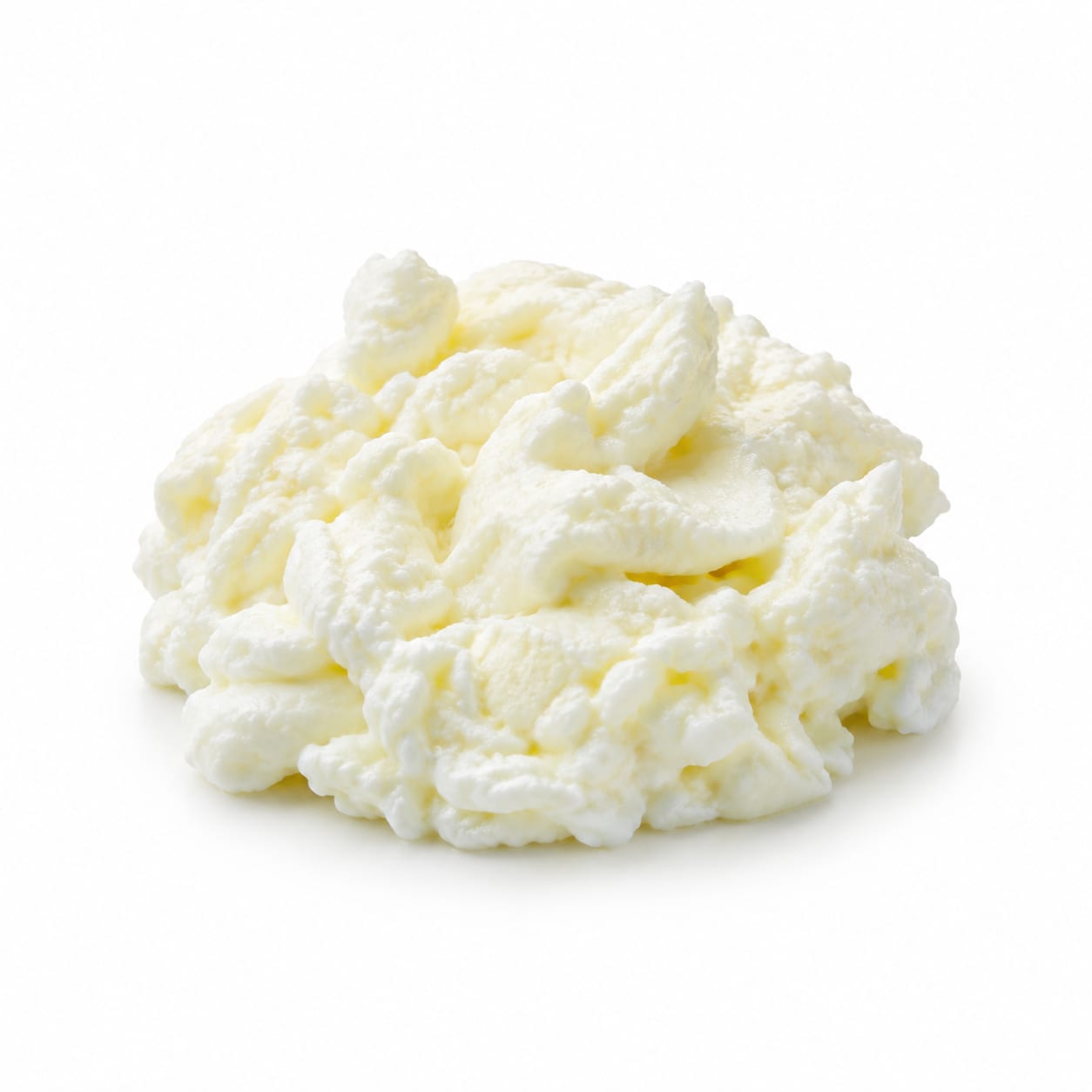
Animal Protein
Egg White
Egg white is the clear, protein-rich liquid of an egg that contains almost no fat or carbohydrates.
The clear liquid contained within an egg, primarily composed of water and protein, with virtually no fat or cholesterol.
lean pure protein source
Typical serving · 33g
Common varieties · raw, pasteurized liquid, powdered, hard-boiled
Overall context score across nutrition, safety, and diet fit
At a glance
Quick facts
Simple indicators based on nutrition, processing, and diet fit.
The story
What makes it unique
Egg whites are rapidly digested, providing a highly bioavailable source of protein with minimal fat and zero carbohydrates. They promote satiety through protein content but lack the fat-induced fullness of whole eggs. Macronutrient profile is predominantly water (88%) and protein (11%). Processing is minimal unless purchasing liquid pasteurized forms.
Varieties: raw · pasteurized liquid · powdered · hard-boiled
Per 100g
Nutrition breakdown
Macro balance and key metrics at a glance.
Energy
Density 0.52 kcal/g
Protein
Carbs
Fat
Fiber
Sugar
0.7 g
Sodium
166 mg
Potassium
163 mg
Glycemic index
0
Glycemic load
0
Water content
88%
Standout compounds
Nutrient highlights
Protein
highSupports muscle repair, growth, and satiety
Selenium
moderateActs as an antioxidant and supports thyroid function
Riboflavin
moderateEssential for energy metabolism and cellular function
Potassium
lowSupports fluid balance and nerve signals
Wellness map
Health scores & processing
NOVA processing scale
minimally processed · Whole food
Raw or cooked egg whites are whole, unmodified foods. Liquid or powdered versions undergo pasteurization and dehydration but remain minimally processed.
Diet compatibility
- Weight loss
- Muscle gain
- Diabetes
- Gut health
- Low carb
- High protein
- Heart health
Relative standing
Food rankings
Qualitative ranks compared to similar whole foods.
- Satietygood
- Blood sugarexcellent
- Nutrient densitymoderate
- Fitness fuelexcellent
- Processing qualityexcellent
Eat with confidence
Food safety profile
Egg whites are generally safe when cooked or pasteurized. Raw egg whites pose a moderate risk of Salmonella contamination and contain avidin, which can bind to biotin and reduce its absorption if consumed raw in large quantities.
Evidence confidence 95%
- Pesticideslow
- Antibioticslow
- Heavy metalslow
- Contaminationmoderate
Watch for
- salmonella
- avian pathogens
Safer choices
Pasteurized liquid egg whites or thoroughly cooked egg whites.
Prep tips
Cook thoroughly until opaque. Avoid cross-contamination by washing hands and surfaces after handling raw eggs.
Raw egg consumption carries a risk of Salmonella enteritidis, though commercial pasteurization significantly reduces this risk.
Deep dive
Health analysis
How this food may fit different goals and preparation choices.
Weight loss
Extremely low energy density and high protein content make egg whites ideal for creating a caloric deficit while preserving lean muscle mass.
Blood sugar
Contains virtually zero carbohydrates, resulting in no glycemic impact and excellent blood sugar stability.
Fitness & energy
Provides fast-digesting, high-quality protein that is highly effective for post-workout muscle protein synthesis.
Gut health
Easily digestible and well-tolerated, though raw egg whites contain avidin which can hinder biotin absorption.
Processing quality
A whole, unprocessed food in its natural state, unless purchased as liquid or powdered pasteurized products.
Food safety
Safe when cooked or pasteurized; raw consumption carries a risk of Salmonella and biotin deficiency.
Common mistakes
Discarding all yolks unnecessarily, missing out on vital fat-soluble vitamins and beneficial fats.
Best preparation
Hard-boiling, poaching, or scrambling with minimal added fats to maintain low calorie count.
Practical guide
Best use cases
When and how this food fits real eating patterns.
Post-workout recovery
Fast-digesting protein stimulates muscle protein synthesis immediately after exercise without adding slow-digesting fats.
High-volume low-calorie eating
Large portions can be consumed for very few calories, helping dieters feel full while maintaining a caloric deficit.
Cholesterol-conscious diets
Provides high-quality animal protein without any dietary cholesterol for individuals managing blood lipid levels.
Balance sheet
Pros & cons
Upsides
- Extremely low in calories and fat
- Pure, high-quality complete protein
- Zero cholesterol and zero carbohydrates
- Fast digestion ideal for post-workout
- Very versatile in cooking and baking
Trade-offs
- Lacks the micronutrients found in the yolk
- Lower satiety compared to whole eggs due to zero fat content
- Raw consumption poses a Salmonella risk
- Contains avidin which can block biotin absorption if eaten raw
Fit check
Who is it for?
Great match
- calorie-restricted diets
- post-workout recovery
- cholesterol-sensitive individuals
- bodybuilding contest prep
Consider alternatives
- strict ketogenic diets
- those seeking maximum nutrient density per calorie
- budget-conscious consumers wasting yolks
- endurance athletes needing sustained energy
Side by side
How it compares
Open the full head-to-head analysis for nutrition, safety, and practical tradeoffs.
This food
Egg White
VS95% alike
Compare with
Whole Egg
Whole eggs include the yolk, adding fat, cholesterol, and micronutrients, while egg whites are pure protein with minimal calories.
Egg whites are lower in calories and better for strict fat loss, while whole eggs provide more nutrients and keep you fuller longer.
This food
Egg White
VS85% alike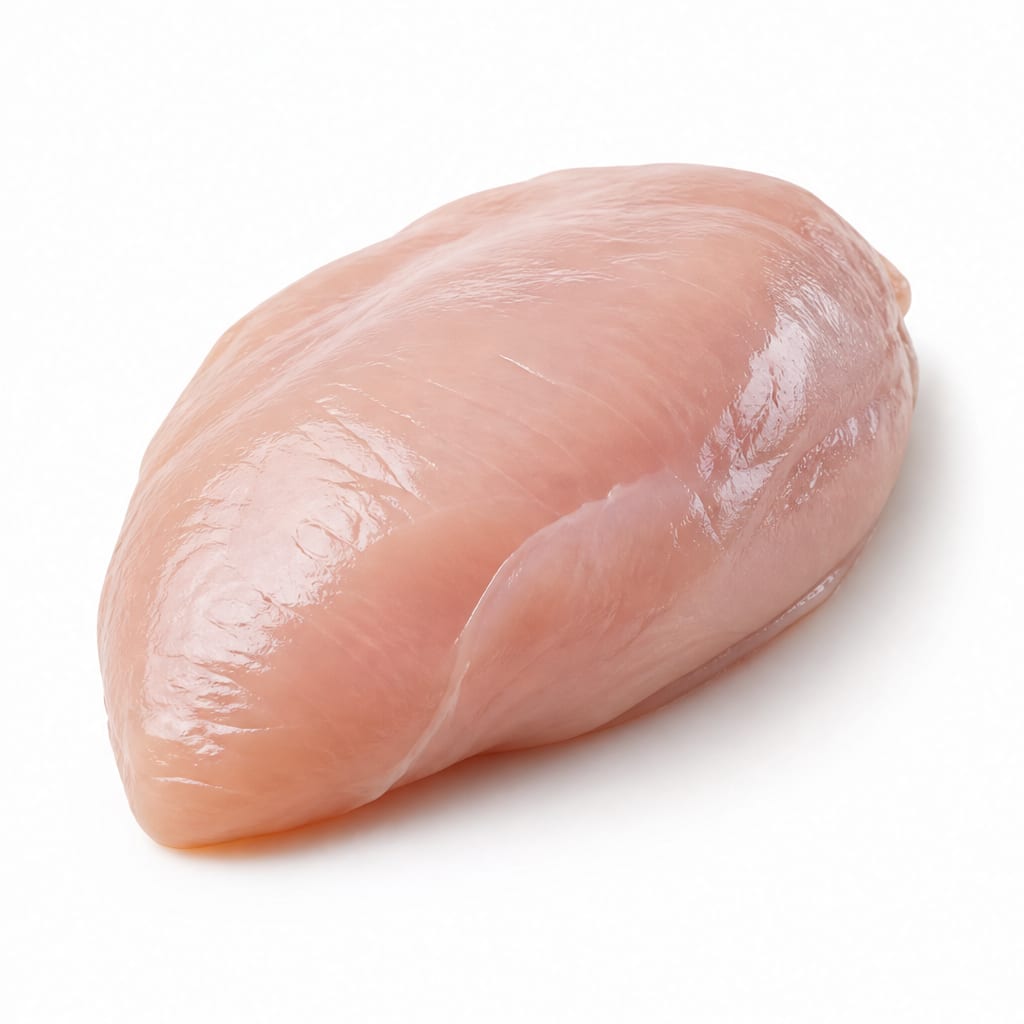
Compare with
Chicken Breast
Both are lean protein sources, but chicken breast offers a denser protein profile per serving, whereas egg whites offer faster digestion.
Chicken breast provides more protein per serving and greater satiety, while egg whites are lower in calories and faster to digest.
This food
Egg White
VS75% alike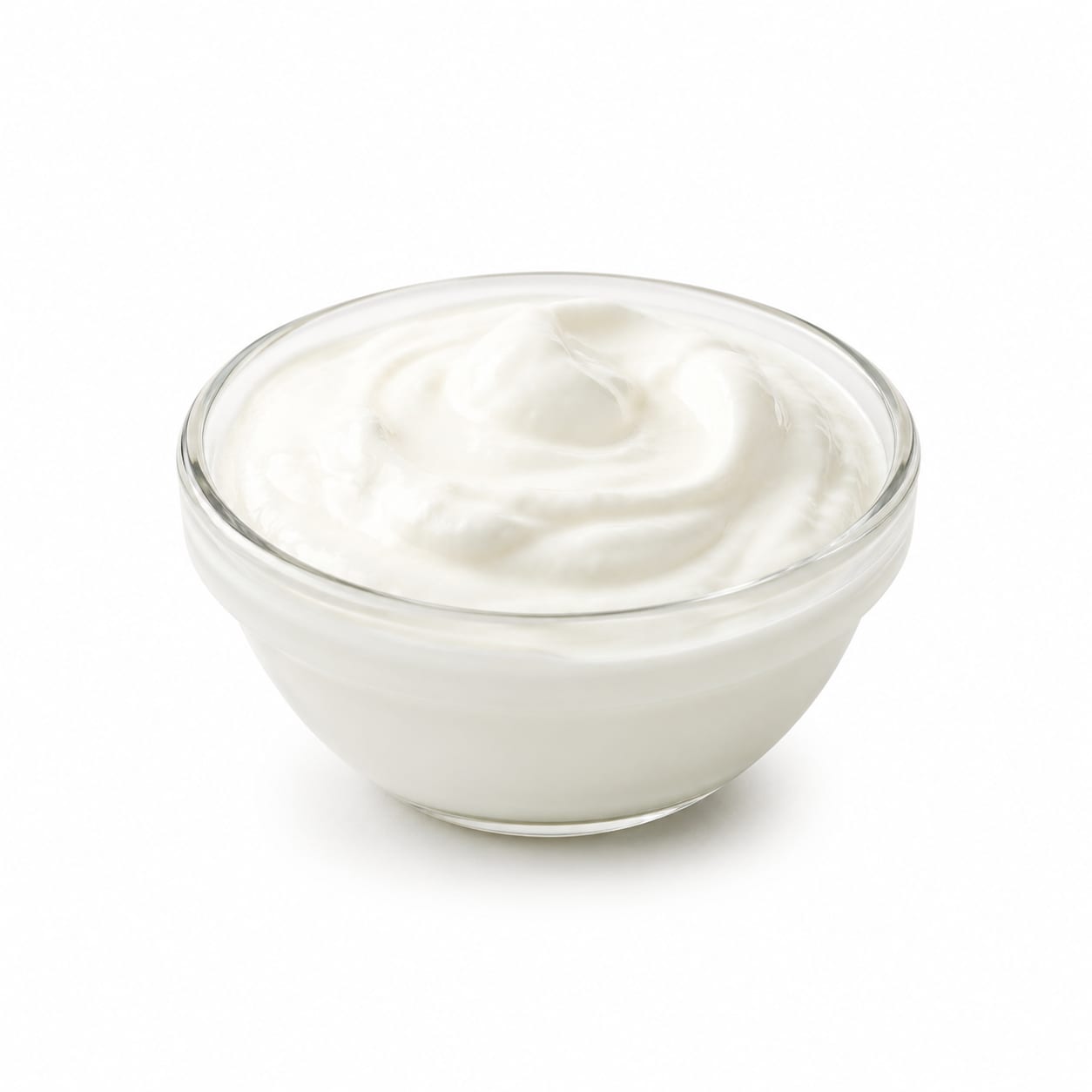
Compare with
Greek Yogurt
Greek yogurt contains carbs and fat depending on the variety, while egg whites are pure protein. Yogurt offers probiotics for gut health.
Egg whites are lower in calories and carbs, making them better for weight loss, while Greek yogurt offers gut health benefits and thicker texture.
This food
Egg White
VS70% alike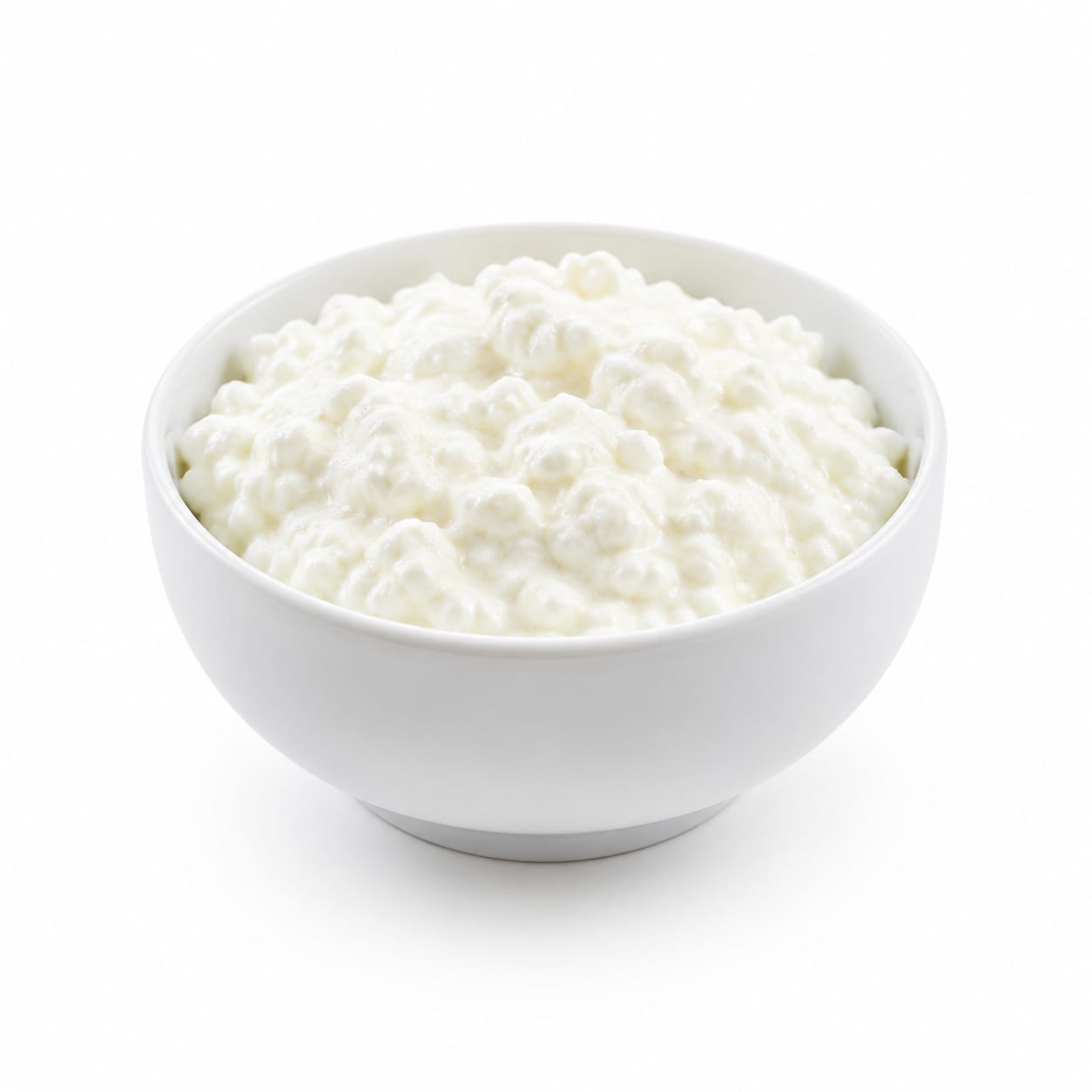
Compare with
Cottage Cheese
Cottage cheese contains casein protein for slow digestion, while egg whites digest quickly. Cottage cheese includes fat and carbs unless fat-free.
Egg whites are faster digesting and lower in calories, while cottage cheese provides slow-digesting casein protein for prolonged satiety.
This food
Egg White
VS80% alike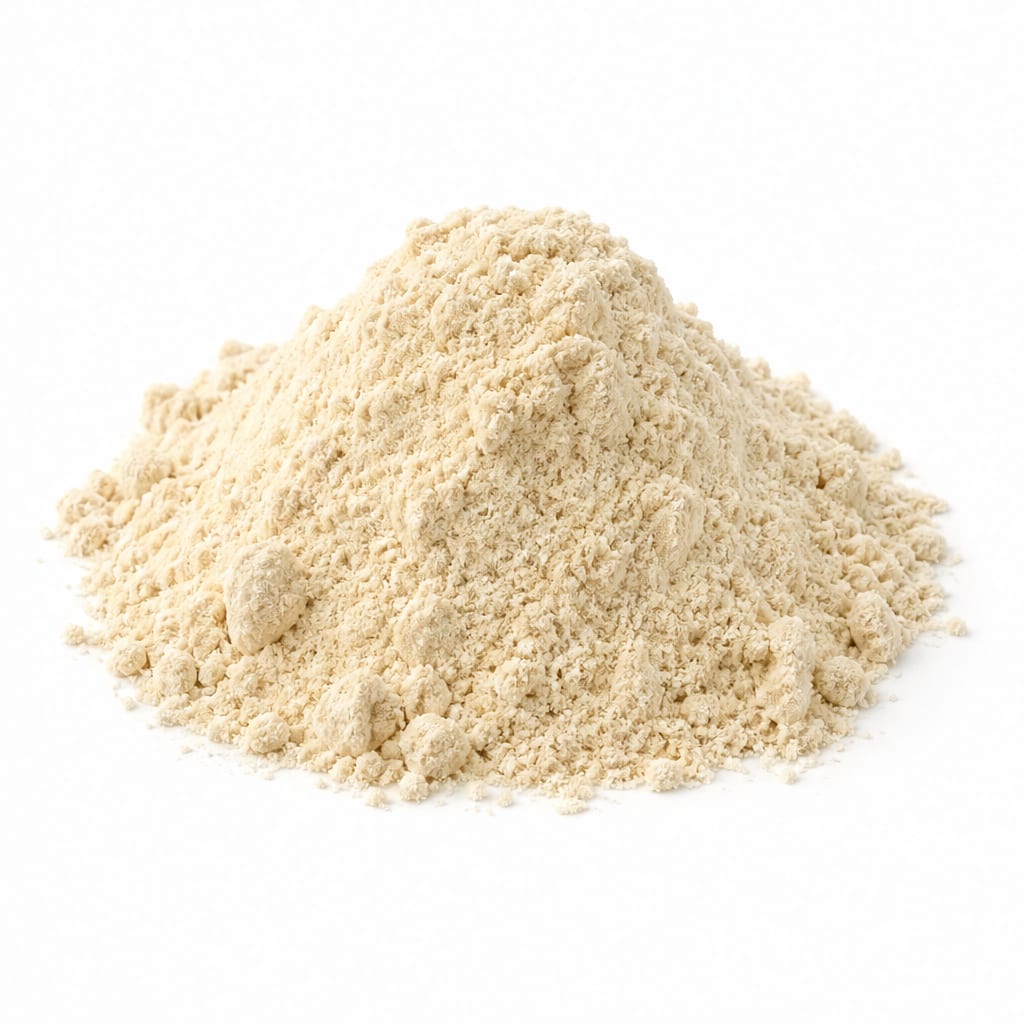
Compare with
Whey Protein
Whey protein is more processed but offers higher protein density and faster absorption than egg whites, which are a whole food.
Whey protein offers faster absorption and more protein per scoop, while egg whites are a whole food with lower processing.
This food
Egg White
VS65% alike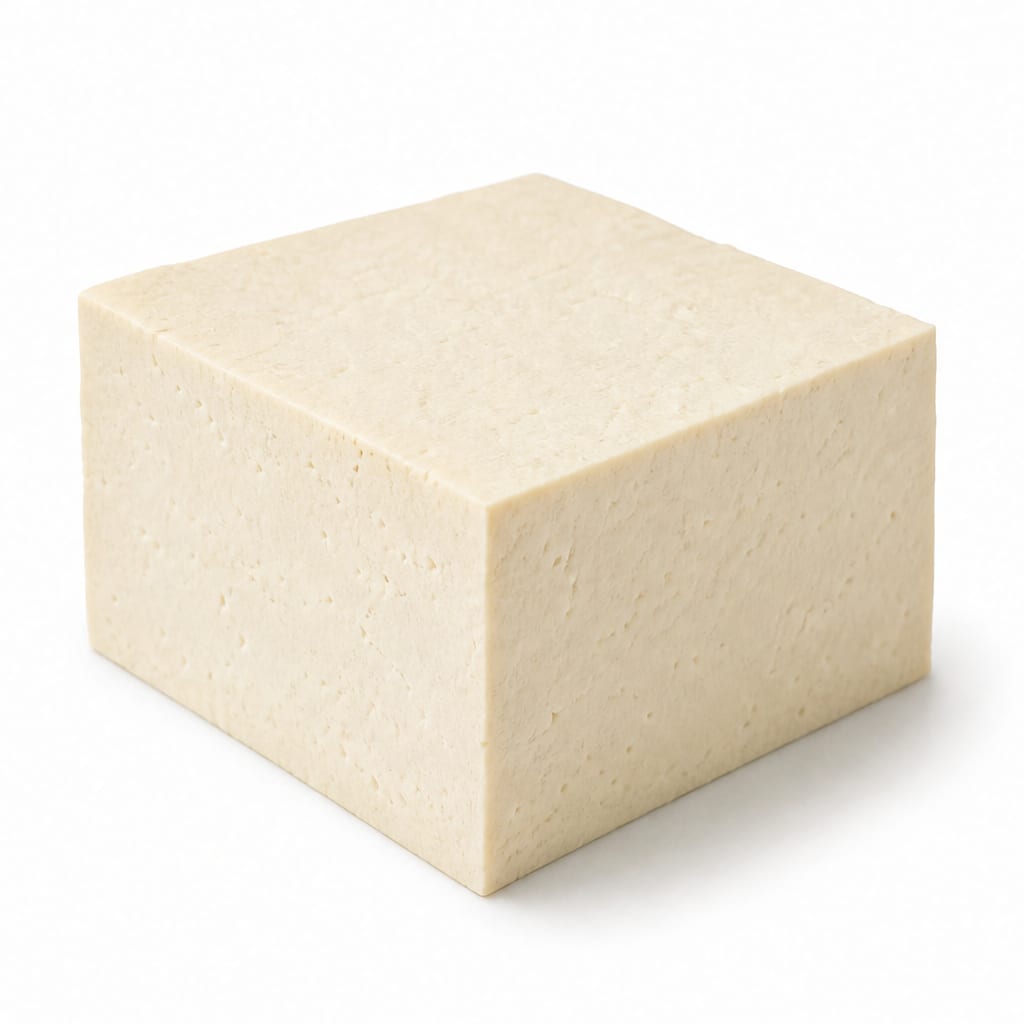
Compare with
Tofu
Tofu contains plant protein and some fat, whereas egg whites are fat-free animal protein. Tofu is lower in protein density per calorie.
Egg whites provide more protein per calorie and are fat-free, while tofu offers plant-based protein with healthy fats and fiber.
This food
Egg White
VS80% alike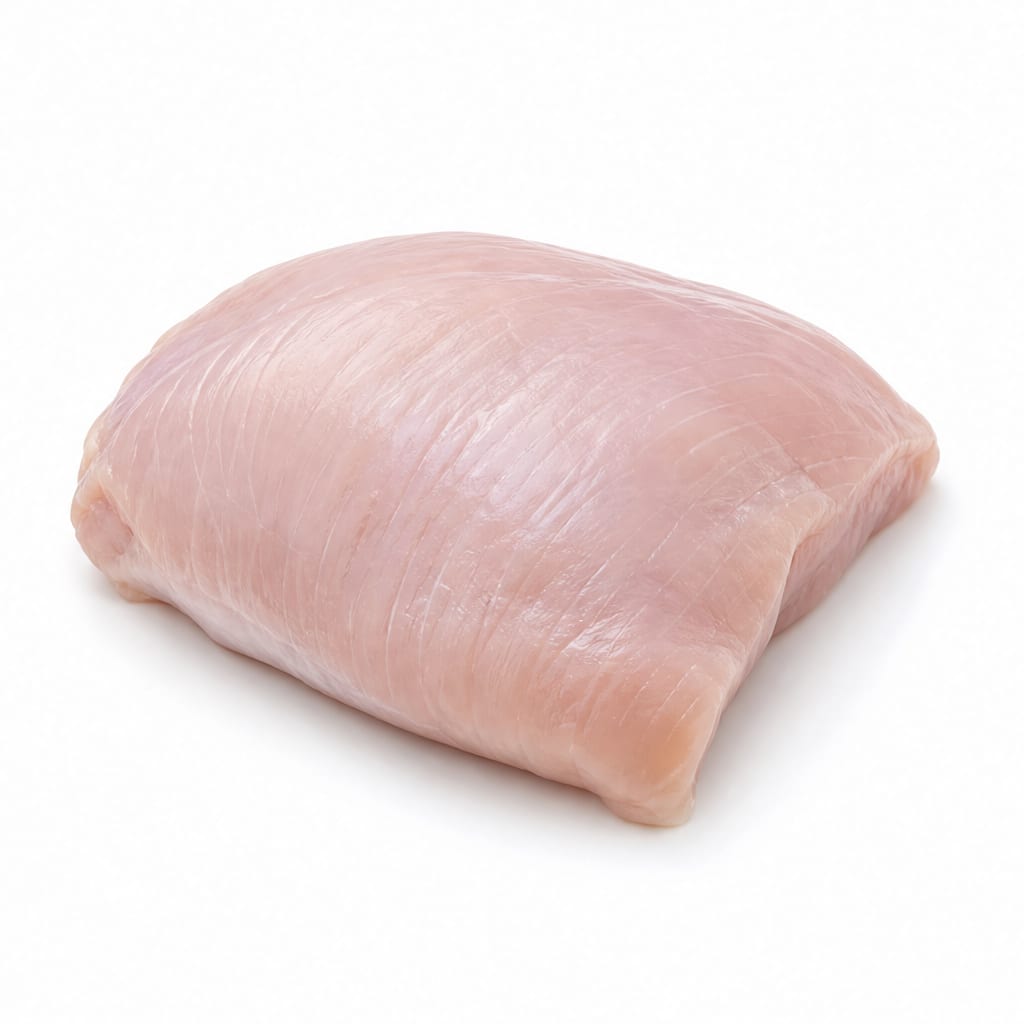
Compare with
Turkey Breast
Both are very lean proteins. Turkey breast is denser in protein and more satiating, while egg whites are faster digesting.
Turkey breast provides denser protein and stronger satiety, while egg whites offer faster digestion and fewer calories per gram.
This food
Egg White
VS70% alike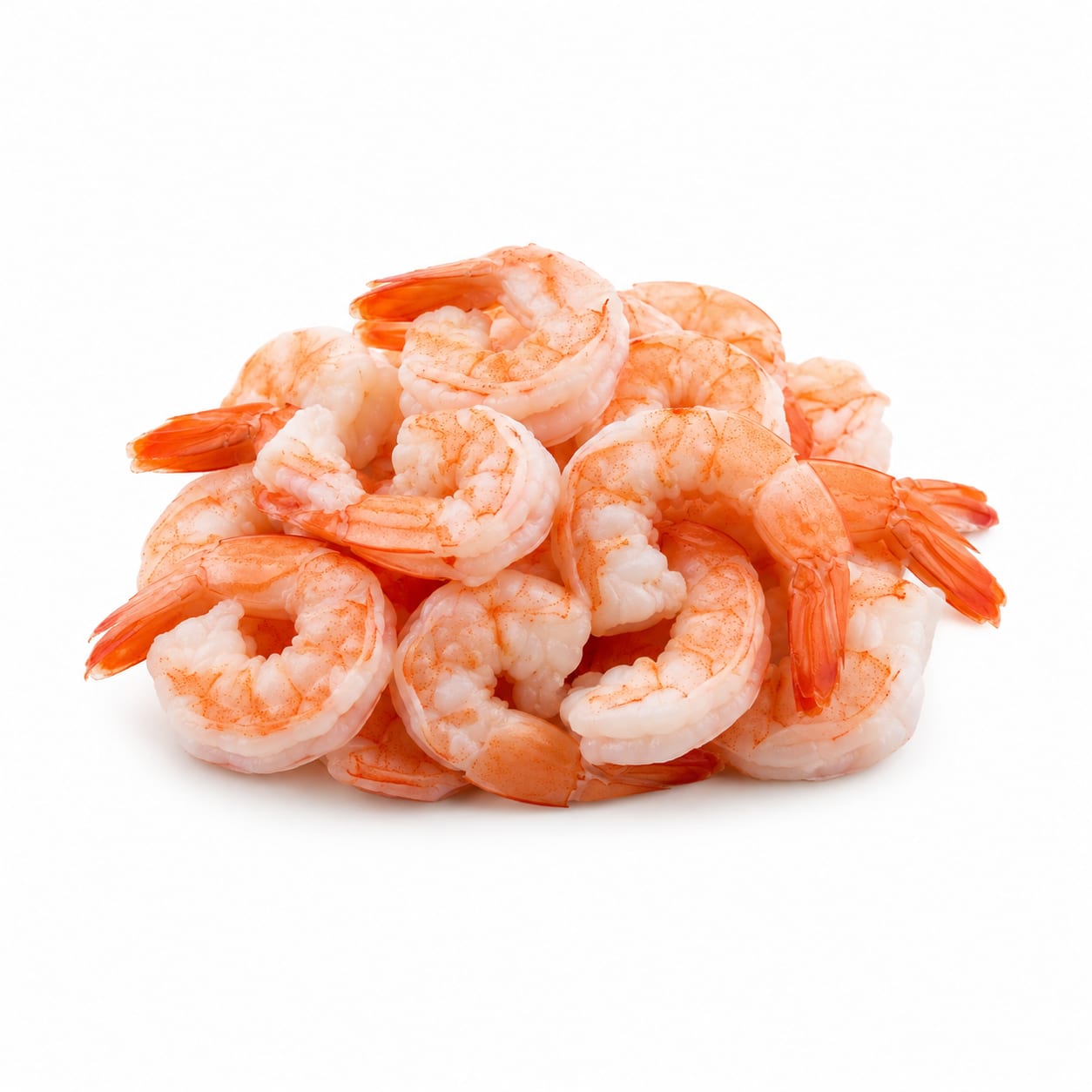
Compare with
Shrimp
Shrimp is very low in calories and high in protein like egg whites, but provides different micronutrients like iodine and cholesterol.
Egg whites are cheaper and easier to consume in volume for protein, while shrimp offers a denser protein source with more flavor.
This food
Egg White
VS60% alike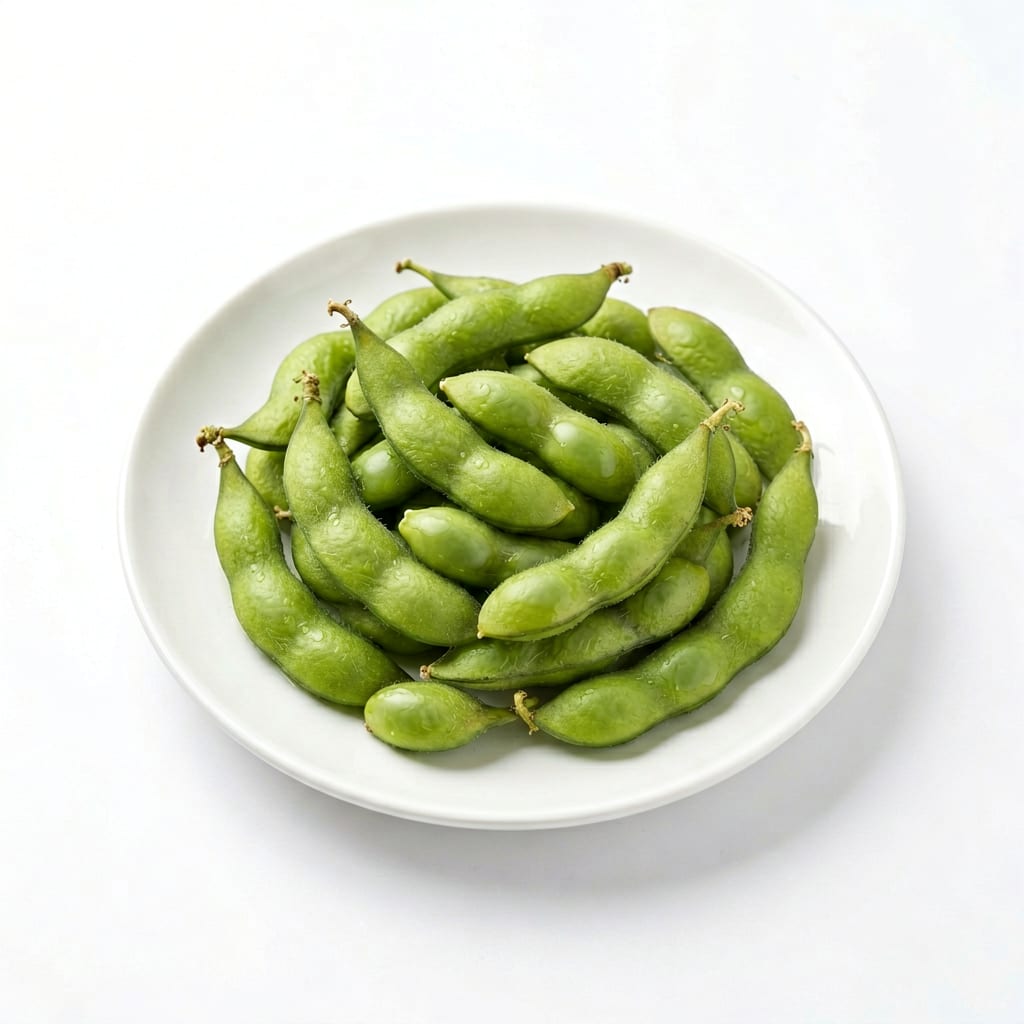
Compare with
Edamame
Edamame provides fiber and healthy fats alongside protein, whereas egg whites are pure protein with zero fiber or fat.
Egg whites are lower in calories and pure protein, while edamame provides fiber and healthy fats for better overall satiety.
This food
Egg White
VS55% alike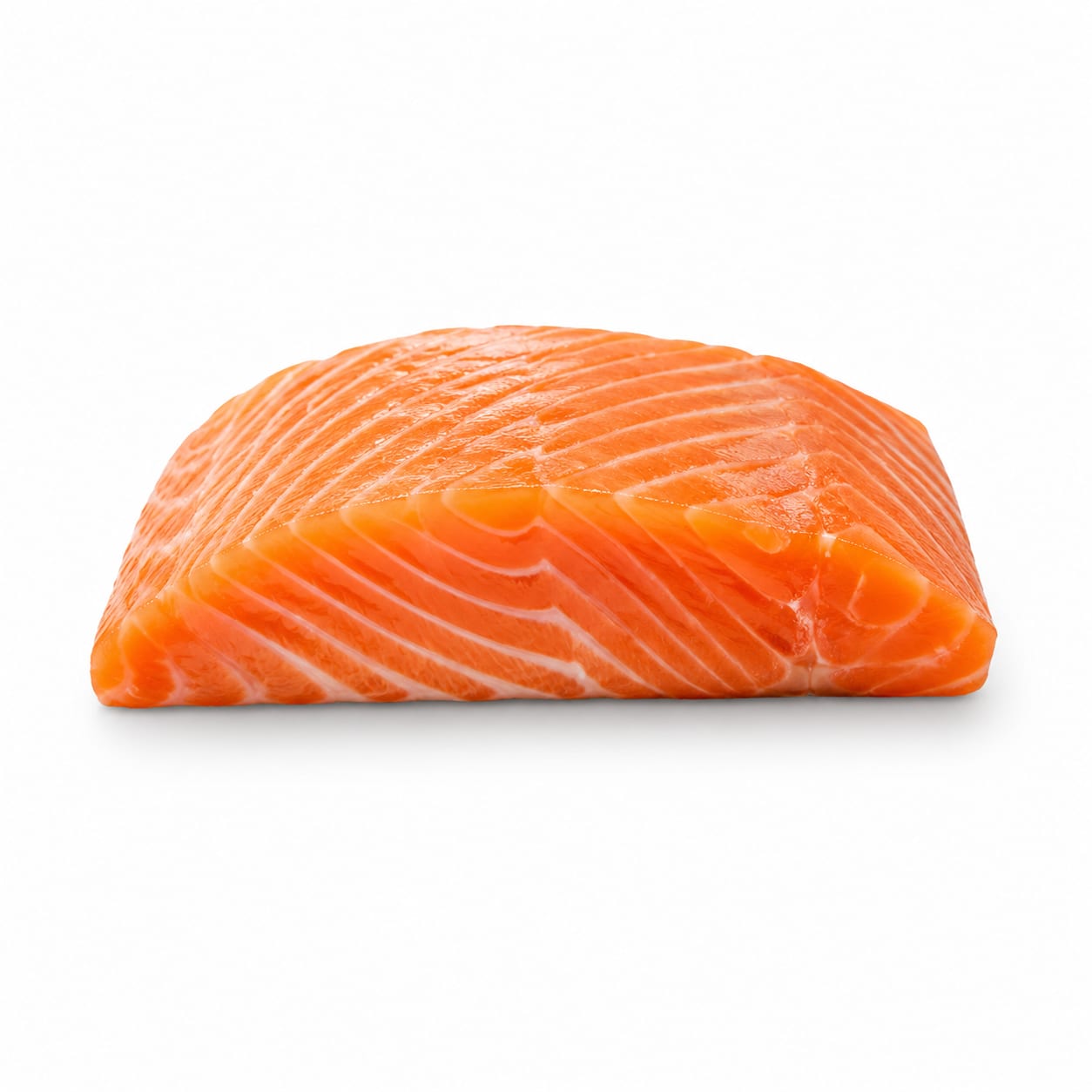
Compare with
Salmon
Salmon is rich in omega-3 fatty acids and calories, while egg whites are fat-free. Salmon offers superior micronutrition but is worse for strict calorie restriction.
Egg whites are far lower in calories and fat for dieting, while salmon provides essential omega-3 fats and more robust satiety.
Common questions
FAQ
Answers aligned with how people search for this food.
Are egg whites good for weight loss?
Yes, egg whites are excellent for weight loss because they are very low in calories and high in protein, which helps increase satiety and preserve lean muscle mass during a calorie deficit.
How much protein is in an egg white?
One large egg white contains about 3.6 grams of protein and only 17 calories, making it a highly efficient protein source.
Can you eat egg whites every day?
Yes, eating egg whites daily is safe for most people and provides a consistent, low-fat source of high-quality protein without raising cholesterol levels.
Is it better to eat whole eggs or egg whites?
It depends on your goals. Whole eggs provide better overall nutrition and satiety due to the healthy fats and vitamins in the yolk, while egg whites are better for strict calorie restriction and low-fat diets.
Are liquid egg whites healthy?
Yes, liquid egg whites are healthy and convenient. They are typically pasteurized, making them safe to consume raw or lightly cooked, and retain the same protein content as fresh egg whites.
Do egg whites raise cholesterol?
No, egg whites contain no dietary cholesterol and virtually no fat, so they do not raise blood cholesterol levels.
Transparency
Data confidence
Estimated confidence for nutrition data, interpretation, safety notes, and comparisons.
Nutrition data
Health analysis
Food safety
Comparisons