
Nutrition comparison
Egg White vs Cottage Cheese: Which Protein Source Is Better for You?
Compare egg whites and cottage cheese for protein, calories, sodium, and satiety. Find out which lean protein fits your diet goals better with practical tradeoffs.
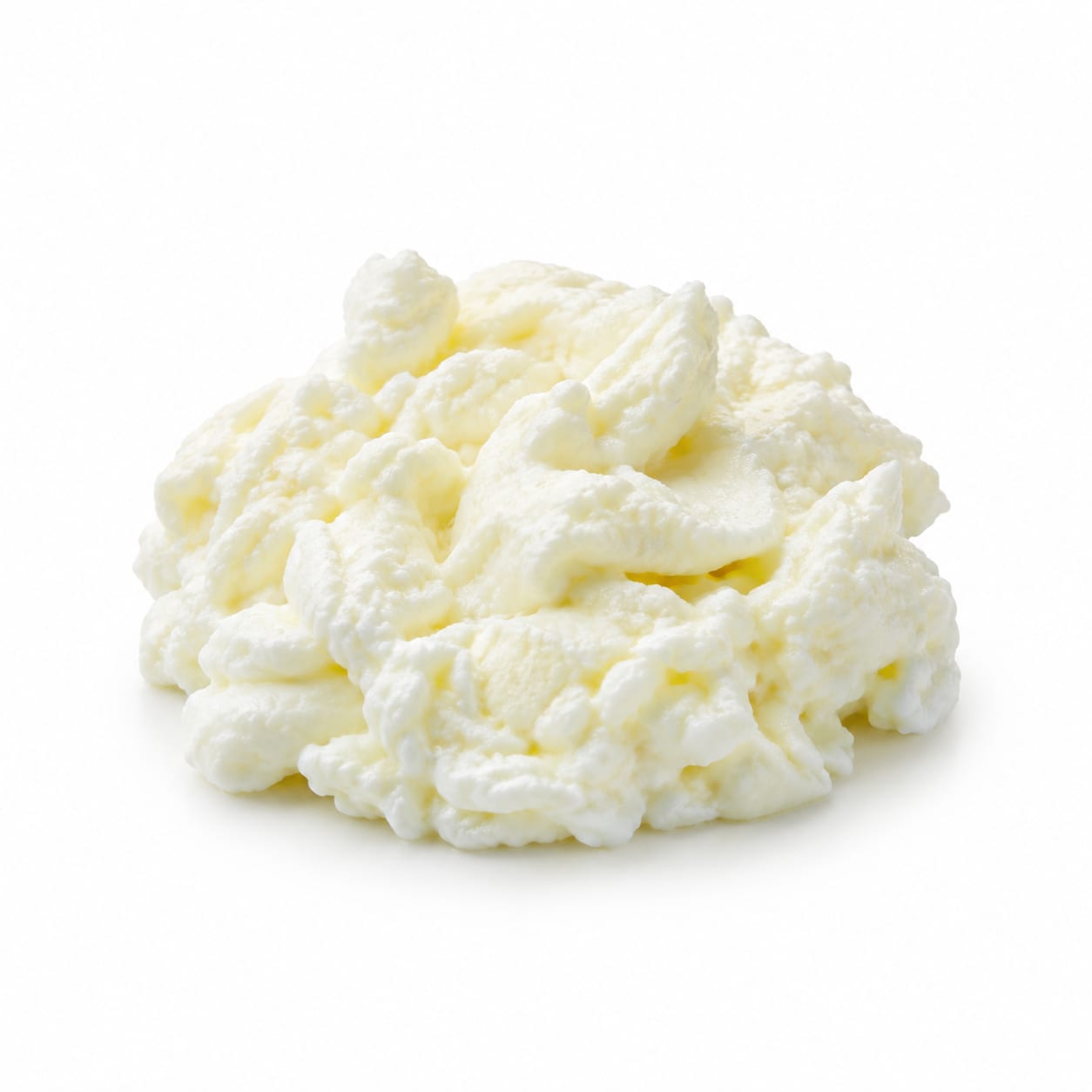
Egg White
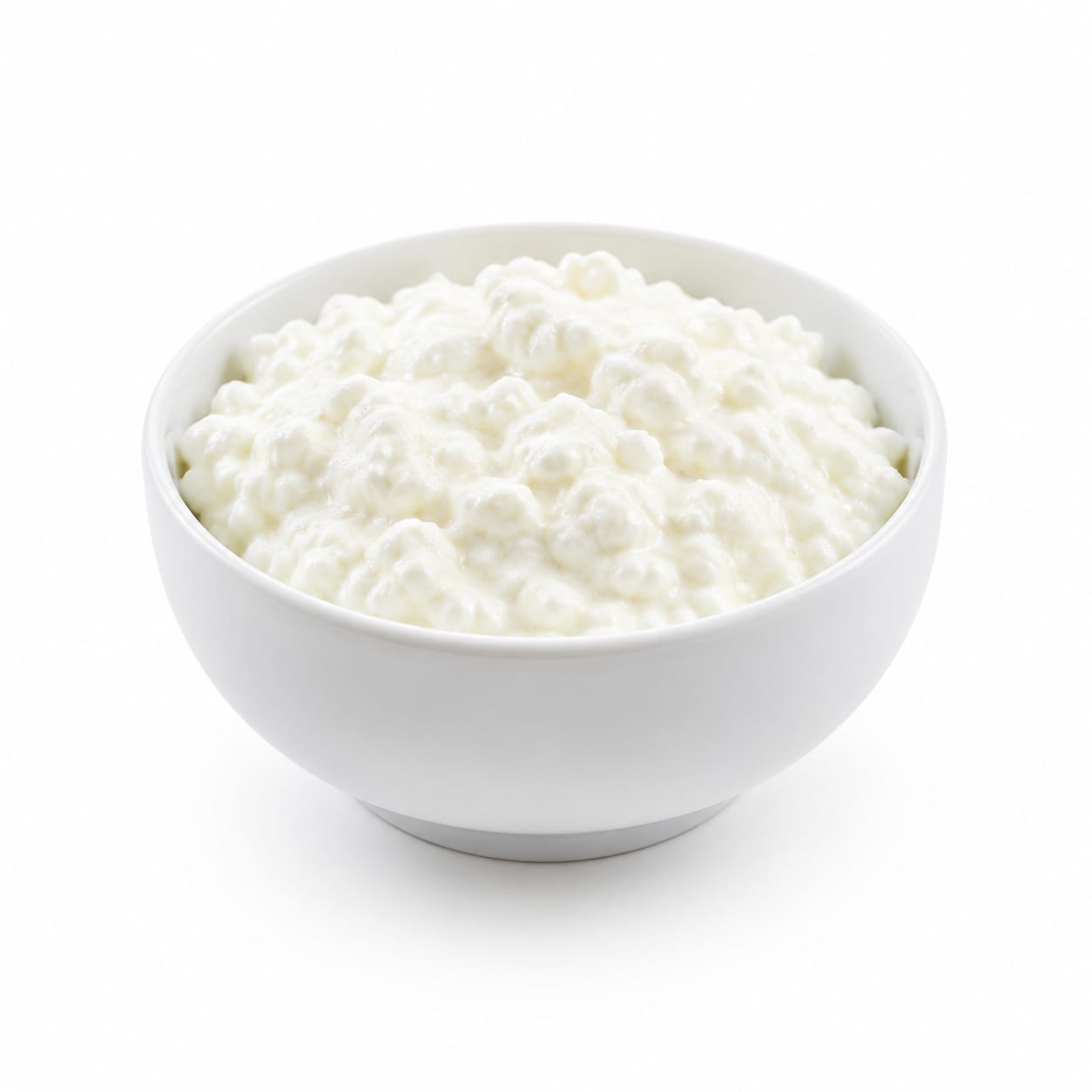
Cottage Cheese
Egg whites win on calorie efficiency and sodium, while cottage cheese wins on convenience, calcium, and sustained fullness from casein protein.
Cottage cheese edges ahead due to better satiety, convenience, and micronutrient content, but egg whites remain superior for calorie efficiency and sodium. The close scores reflect that neither is universally better.
Egg whites give you more protein per calorie with almost no sodium, but cottage cheese keeps you fuller longer and requires zero cooking.
At a glance
Executive summary
Overall
It depends
Healthier
It depends
More practical
Cottage Cheese
Daily use
Cottage Cheese
Key comparison lenses
lean protein source selection
Both foods are popular low-fat, high-protein options commonly compared by people tracking macros or building muscle
weight loss diet optimization
Calorie-to-protein ratio is a major decision factor for cutting phases and fat loss diets
satiety and hunger management
Casein versus egg protein digest differently, affecting how long you stay full between meals
convenience and meal prep practicality
Ready-to-eat versus requires cooking is a daily lifestyle tradeoff
sodium and blood pressure concerns
Cottage cheese is notably higher in sodium, which matters for many health-conscious users
Best choice for
Egg White
- People strictly tracking calories and macros
- Those on low-sodium diets
- Anyone avoiding dairy or lactose
- Pre-contest bodybuilders needing pure lean protein
- People with high blood pressure concerns
Cottage Cheese
- Busy people who need grab-and-go protein
- Anyone wanting longer-lasting satiety between meals
- Older adults needing more calcium
- Post-workout recovery when casein's slow release helps overnight
- People who find egg whites too bland to stick with
Least suitable for
Egg White
- People who find bland food unsustainable long-term
- Anyone needing quick no-cook protein options
- Those wanting calcium and bone support from food
- People who get hungry again quickly after eating
Cottage Cheese
- People on strict low-sodium diets
- Those with lactose intolerance or dairy sensitivity
- Anyone counting every calorie during aggressive fat loss
- People avoiding animal dairy for ethical or environmental reasons
Deep comparison
Dimension by dimension
Each lens scores both foods and breaks down who each option suits.
- Dimension 1 · Priority 95Cottage Cheese
Protein Quality and Satiety
Egg White · 75Cottage Cheese · 85Cottage cheese provides casein protein, which digests slowly and keeps you full for hours. Egg white protein is high-quality but digests faster, leaving you hungry sooner.
Tradeoff
Egg whites have slightly higher protein digestibility scores, but cottage cheese's casein delivers longer-lasting fullness that matters more in real life.
Why it matters
If you're eating protein to stay satisfied between meals, slow-digesting casein beats fast-digesting egg white protein for hunger control.
Real-world impact
A cottage cheese snack at 3pm can carry you to dinner. An egg white snack at 3pm often leaves you reaching for something else by 4:30.
Egg White
- Quick amino acid availability right after morning workouts
- Situations where you want a light protein hit without feeling heavy
Better for
- Hunger returns within 1-2 hours for most people
- Harder to use as a standalone satiating snack
Worse for
Cottage Cheese
- Staying full between widely spaced meals
- Late-night protein that sustains you through the night
- Reducing overall daily snacking and calorie intake
Better for
- Slower protein delivery may not be ideal right after intense training
- Heavier feeling in the stomach if eaten before activity
Worse for
- Dimension 2 · Priority 90Egg White
Calorie Efficiency
Egg White · 92Cottage Cheese · 70Egg whites deliver more protein per calorie than cottage cheese, making them the leaner choice for aggressive fat loss phases.
Tradeoff
You sacrifice convenience and satiety to get the lowest possible calorie count with egg whites.
Why it matters
When every calorie counts during a cut, egg whites let you hit protein targets with minimal energy intake.
Real-world impact
Five egg whites give you 17g protein for only 85 calories. A half cup of 2% cottage cheese gives 12g protein for about 90 calories.
Egg White
- Aggressive calorie-cutting phases
- Getting maximum protein volume within tight calorie budgets
- Bodybuilding contest prep
Better for
- Can feel restrictive and unsustainable at very low calorie intakes
- Risk of under-eating if you rely solely on egg whites
Worse for
Cottage Cheese
- Moderate deficits where satiety matters more than calorie precision
- Maintenance phases where a few extra calories prevent overeating later
Better for
- Higher calorie density makes it easier to accidentally overshoot daily targets
Worse for
- Dimension 3 · Priority 82Egg White
Sodium Load
Egg White · 95Cottage Cheese · 40Egg whites are naturally very low in sodium. Cottage cheese contains 300-400mg per serving, which is significant for anyone watching blood pressure.
Tradeoff
Cottage cheese's sodium comes from salt added during processing for preservation and taste. Low-sodium versions exist but are harder to find and less palatable.
Why it matters
For the 1 in 3 adults with hypertension, cottage cheese's sodium can be a dealbreaker at regular consumption levels.
Real-world impact
Two servings of cottage cheese can deliver half your daily sodium limit. Egg whites deliver essentially zero sodium without any special version needed.
Egg White
- People with high blood pressure
- Anyone already eating processed or restaurant foods high in sodium
- Kidney health concerns
Better for
- None significant for sodium
Worse for
Cottage Cheese
- Athletes who lose sodium through heavy sweating
- People who otherwise eat very low-sodium diets and need some salt
Better for
- Can push daily sodium intake over recommended limits easily
- Problematic when combined with other common high-sodium foods throughout the day
Worse for
- Dimension 4 · Priority 80Cottage Cheese
Convenience and Practicality
Egg White · 55Cottage Cheese · 88Cottage cheese is ready to eat straight from the container. Egg whites require cooking, which adds time and cleanup every single time.
Tradeoff
Liquid egg whites can be microwaved quickly, but the texture and taste still need help from seasonings or other ingredients.
Why it matters
The best protein source is the one you'll actually eat consistently. Convenience often beats nutritional perfection in real life.
Real-world impact
Opening a cottage cheese container takes 5 seconds. Cooking egg whites takes 5-10 minutes plus pan cleanup. That difference adds up over weeks and months.
Egg White
- People who enjoy cooking and meal prep routines
- Mornings when you have time for a hot breakfast
Better for
- Requires cooking equipment and cleanup
- Not portable for most situations
- Raw egg whites are unsafe to consume
Worse for
Cottage Cheese
- Office workers who need desk-friendly protein
- Anyone packing food for travel or commuting
- Post-gym protein when you're too tired to cook
- Late-night snacking without waking up the house with cooking
Better for
- Needs refrigeration and has a shorter shelf life once opened
- Can be messy and smelly in shared office environments
Worse for
- Dimension 5 · Priority 75Cottage Cheese
Micronutrient Density
Egg White · 35Cottage Cheese · 78Cottage cheese provides meaningful calcium, phosphorus, selenium, and B vitamins. Egg whites are surprisingly nutrient-poor since most vitamins and minerals live in the yolk.
Tradeoff
Egg whites are essentially pure protein with almost nothing else. Cottage cheese delivers a broader nutritional profile alongside its protein.
Why it matters
If you're replacing whole foods with lean protein sources, you need to consider what else you're losing. Egg whites contribute almost no vitamins or minerals.
Real-world impact
A serving of cottage cheese covers about 10% of your daily calcium needs. Egg whites cover essentially 0% of almost any micronutrient target.
Egg White
- Situations where you're already getting plenty of micronutrients from other foods and supplements
Better for
- Risk of micronutrient gaps if egg whites replace too many whole foods
- Zero calcium contribution
Worse for
Cottage Cheese
- Older adults who need calcium for bone health
- Anyone not taking a multivitamin or eating dairy elsewhere
- Women concerned about bone density
Better for
- Lower in some B vitamins compared to whole eggs with yolks
Worse for
- Dimension 6 · Priority 70Egg White
Digestive Tolerance
Egg White · 85Cottage Cheese · 60Egg whites are gentle on most digestive systems. Cottage cheese contains lactose, which causes bloating or discomfort for a significant portion of adults.
Tradeoff
Lactose-free cottage cheese exists but costs more and has fewer options. Egg whites have no such widespread intolerance concern.
Why it matters
About 65% of the global population has some degree of lactose malabsorption. For those people, cottage cheese can cause gas, bloating, or worse.
Real-world impact
If you feel bloated after cottage cheese, you're not imagining it. Switching to egg whites often resolves the discomfort immediately.
Egg White
- People with lactose intolerance or dairy sensitivity
- Anyone with IBS who reacts to dairy
- Those who experience bloating from cottage cheese
Better for
- Very rare egg white allergies can cause severe reactions
Worse for
Cottage Cheese
- People who tolerate dairy well and enjoy the creamy texture
- Those who find egg whites cause egg-specific sensitivities (rare but possible)
Better for
- Lactose causes digestive distress in most of the global population to some degree
- Can trigger IBS symptoms in sensitive individuals
Worse for
- Dimension 7 · Priority 68It depends
Versatility and Taste
Egg White · 70Cottage Cheese · 72Both foods are blank canvases that take on the flavors you add. Cottage cheese works in both sweet and savory contexts without cooking. Egg whites shine in cooked dishes but need more effort.
Tradeoff
Egg whites require cooking creativity to be enjoyable. Cottage cheese is an acquired texture that some people never learn to love.
Why it matters
Taste and texture preferences are highly personal. The nutritionally superior food means nothing if you can't stand eating it.
Real-world impact
Some people love cottage cheese straight from the tub. Others find the texture off-putting no matter what. Egg whites are neutral but boring without hot sauce or seasoning.
Egg White
- Omelets, scrambles, and baked goods where egg whites blend seamlessly
- People who prefer hot meals over cold snacks
Better for
- Limited to cooked applications
- Bland and watery without aggressive seasoning
Worse for
Cottage Cheese
- Smoothies where it adds creaminess and protein without cooking
- Sweet snacks with fruit, honey, or cinnamon
- Savory bowls with tomatoes, pepper, and herbs
Better for
- Curds texture is polarizing and hard to hide
- Doesn't work well in most cooked recipes
Worse for
Timeline
Health impact over time
Short-term
Hours to days
Egg White
- Quick protein absorption supports muscle repair after workouts
- Very light on the stomach, easy to eat before or after exercise
- Minimal bloating compared to dairy options
- Low sodium means no water retention or puffiness
Cottage Cheese
- Casein protein creates prolonged fullness that reduces between-meal snacking
- Calcium provides quick support for muscle contraction and nerve function
- Higher sodium may cause temporary water retention in sensitive people
- Lactose can trigger immediate bloating or gas in intolerant individuals
Long-term
Months to years
Egg White
- Sustained low-calorie high-protein intake supports lean body composition
- Very low sodium intake protects cardiovascular health over decades
- Absence of dairy means missing out on long-term bone density benefits from calcium
- Risk of nutrient gaps if egg whites displace whole eggs or other nutrient-rich foods
Cottage Cheese
- Regular calcium intake supports bone mineral density, especially important for women post-menopause
- Casein's sustained amino acid delivery may protect against age-related muscle loss
- Consistent sodium exposure at higher levels can contribute to hypertension risk over time
- Dairy consumption is associated with reduced colorectal cancer risk in some studies
Risk profile
Safety & processing
Egg whites are one of the most natural protein sources available, separated directly from the egg. Cottage cheese undergoes curdling, draining, and salting, with some brands adding stabilizers, gums, or preservatives.
Egg White
Salmonella from raw egg whites
mediumRaw egg whites should never be consumed unpasteurized. Carton egg whites are typically pasteurized and safe, but fresh-cracked raw whites carry salmonella risk.
Egg white allergy
highEgg white allergy is one of the most common food allergies, especially in children. Reactions can range from hives to anaphylaxis in severe cases.
Cottage Cheese
Listeria contamination
mediumSoft dairy products like cottage cheese can harbor listeria, especially if pasteurization was incomplete or storage was improper. Particularly risky for pregnant women.
High sodium exposure
mediumRegular consumption of standard cottage cheese delivers 300-400mg sodium per serving, contributing to hypertension risk when combined with typical dietary sodium intake.
Dairy sensitivity and intolerance
lowNot a safety threat but a quality-of-life concern. Lactose causes discomfort in most of the global population to varying degrees.
Who wins for whom
Audience fit
Same foods, different winners depending on your goal.
children
Cottage CheeseChildren benefit from cottage cheese's calcium for growing bones, and most kids find the mild creamy taste more appealing than plain egg whites. Watch sodium content though.
daily consumption
Cottage CheeseCottage cheese is easier to eat daily due to convenience and satiety. Egg whites can feel like a chore to prepare and season every single day, leading to inconsistency.
diabetes
Egg WhiteBoth foods have minimal impact on blood sugar, but egg whites have zero carbs and zero sodium, making them slightly cleaner for metabolic health management.
elderly
Cottage CheeseOlder adults need calcium for bone density and casein for preventing age-related muscle loss. Cottage cheese delivers both, though sodium should be monitored.
muscle gain
Cottage CheeseCottage cheese's casein protein provides a steady amino acid stream that supports muscle recovery over longer periods, especially overnight. The extra calories also help in a surplus.
weight loss
Egg WhiteEgg whites deliver more protein per calorie, making it easier to maintain a calorie deficit while hitting protein targets. However, cottage cheese's satiety advantage means some people eat less overall with it.
Your move
Decision guide
Choose Egg White
- You're in an aggressive fat loss phase and every calorie matters
- You have high blood pressure or need to limit sodium
- You're lactose intolerant or avoiding dairy entirely
- You enjoy cooking and don't mind the prep time
- You want the cleanest, most natural protein source possible
Choose Cottage Cheese
- You need grab-and-go protein for busy schedules
- Staying full between meals is your biggest challenge
- You want calcium and bone health benefits from your protein
- You're in a muscle-building phase and can afford the extra calories
- You find egg whites too boring to eat consistently
Either works if
- You're simply trying to increase daily protein intake from lean sources
- You rotate between foods to keep your diet interesting
- You have no specific sodium, lactose, or calorie constraints
Avoid both if
- You have egg allergies and severe dairy intolerance simultaneously
- You're looking for a complete meal rather than a protein supplement
- You need fiber-rich foods to support digestive health
- You want plant-based protein sources only
Final recommendation
Use both strategically: egg whites for low-calorie cooked meals and cottage cheese for convenient, filling snacks. If you must pick one, cottage cheese wins for daily sustainability, but egg whites are the better choice when sodium or calorie precision matters most.
Practical
Consumer tips
- 1
Buy carton egg whites for convenience — they're pasteurized, pre-separated, and pour directly into the pan
- 2
Look for low-sodium cottage cheese if blood pressure is a concern — it cuts sodium by 40-50%
- 3
Add cottage cheese to smoothies for a creamy texture and protein boost without cooking
- 4
Season egg whites aggressively — salsa, everything bagel seasoning, or hot sauce make them actually enjoyable
- 5
Try mixing both: egg white scramble with a cottage cheese side gives you fast and slow protein together
- 6
If cottage cheese texture bothers you, blend it into a smooth paste — it becomes like ricotta or cream cheese
- 7
Freeze cottage cheese in portions if you can't finish the container before it spoils