
Nutrition comparison
Egg White vs Shrimp: Which Lean Protein Is Better for You?
Compare egg whites and shrimp for protein quality, micronutrients, cholesterol, safety, and cost. Find out which lean protein fits your health goals and budget.
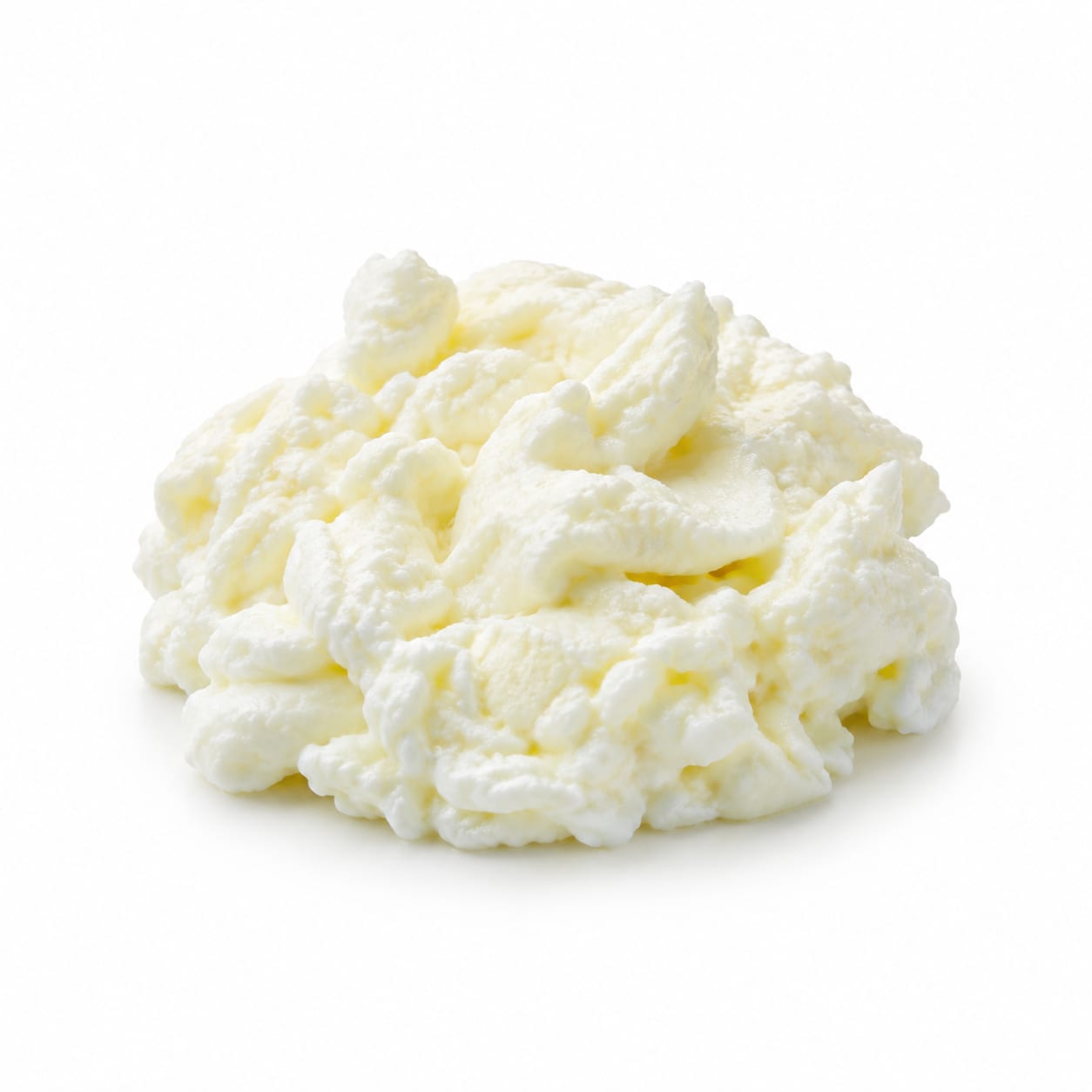
Egg White
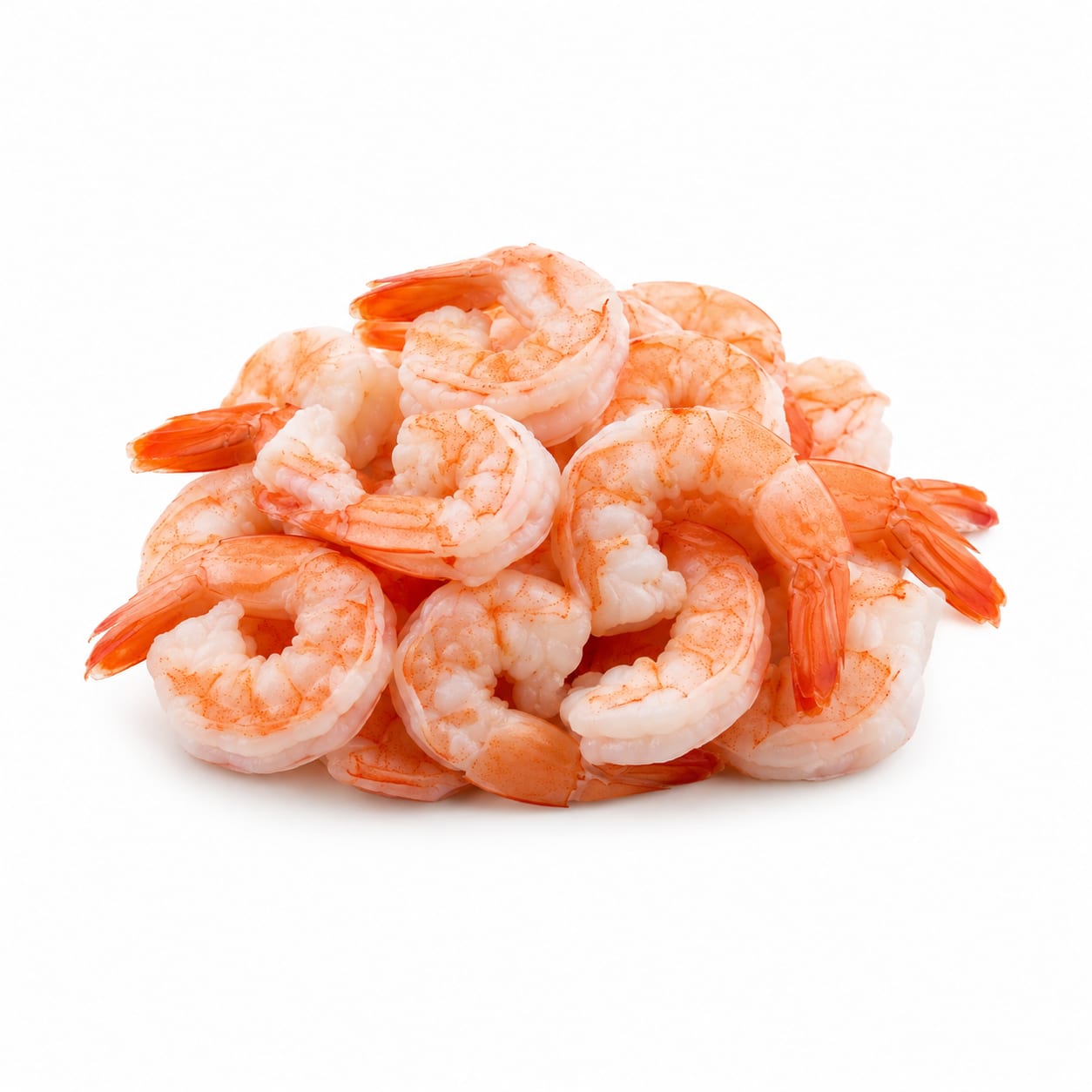
Shrimp
Shrimp delivers far more nutrition per bite, but egg whites win on cost, convenience, and zero-cholesterol purity. Your choice hinges on budget versus nutrient density.
Shrimp scores higher due to superior micronutrient density and satiety value, but egg whites remain competitive because of unbeatable cost, zero cholesterol, and everyday practicality.
Micronutrient richness and meal satisfaction versus affordability and heart-health simplicity.
At a glance
Executive summary
Overall
It depends
Healthier
Shrimp
More practical
Egg White
Daily use
Egg White
Key comparison lenses
lean protein source selection
Both are top-tier lean proteins; users are likely deciding which fits their goals better
cholesterol and heart health concerns
Shrimp carries dietary cholesterol while egg whites contain none, a common worry for heart-conscious eaters
contaminant and safety awareness
Shrimp faces microplastic and antibiotic residue issues; egg whites carry salmonella risk if raw
micronutrient value comparison
Shrimp delivers significant minerals and B12 while egg whites are nearly micronutrient-empty
budget and everyday practicality
Egg whites are dramatically cheaper, making daily use far more realistic for most people
Best choice for
Egg White
- Strict cholesterol-lowering diets
- Bodybuilders cutting calories on a budget
- People with shellfish allergies
- Daily high-volume low-calorie meal prep
Shrimp
- Those needing B12, iodine, or selenium
- People wanting more satisfying meals with less volume
- Pescatarian diets
- Anyone prioritizing nutrient density over cost
Least suitable for
Egg White
- People needing micronutrient support from protein sources
- Those who find bland food unsatisfying and overeat later
- Vegans and egg-allergic individuals
Shrimp
- Anyone with shellfish allergy
- Very tight grocery budgets
- People anxious about dietary cholesterol despite current evidence
Deep comparison
Dimension by dimension
Each lens scores both foods and breaks down who each option suits.
- Dimension 1 · Priority 95Shrimp
Protein Quality and Density
Egg White · 82Shrimp · 88Both deliver excellent complete protein, but shrimp packs slightly more protein per calorie and includes taurine, a beneficial amino acid absent in egg whites.
Tradeoff
Egg whites offer marginally purer protein with zero fat; shrimp adds a small amount of fat but brings taurine and more protein per gram.
Why it matters
For muscle maintenance and recovery, both work well. The difference is small enough that preference and budget should decide.
Real-world impact
After a workout, either will support recovery. Shrimp may feel slightly more like a real meal rather than a supplement.
Egg White
- Zero-fat protein needs
- Strict macro tracking where fat must stay near zero
Better for
- Anyone bored by bland protein sources
Worse for
Shrimp
- Post-workout meals wanting whole-food satisfaction
- Older adults needing taurine for cardiovascular support
Better for
- Strict zero-fat diet phases
Worse for
- Dimension 2 · Priority 85Shrimp
Micronutrient Value
Egg White · 18Shrimp · 86Egg whites are nearly micronutrient-empty. Shrimp delivers substantial B12, selenium, iodine, phosphorus, and zinc — nutrients many people under-consume.
Tradeoff
Choosing egg whites means getting protein without the nutritional extras. Shrimp turns your protein serving into a multivitamin.
Why it matters
If your protein source is one of your few animal foods, shrimp contributes meaningfully to your daily nutrient needs. Egg whites contribute almost nothing beyond protein.
Real-world impact
Regular shrimp eaters get a reliable B12 and selenium boost. Egg white eaters need to find those nutrients elsewhere or risk gaps over time.
Egg White
- Situations where you already take a multivitamin or eat nutrient-dense foods elsewhere
Better for
- People relying on protein sources as nutritional anchors in their diet
Worse for
Shrimp
- Anyone not supplementing B12 or selenium
- Thyroid health support through natural iodine intake
- Older adults at risk for B12 deficiency
Better for
- Those who already exceed selenium upper limits from supplements or Brazil nuts
Worse for
- Dimension 3 · Priority 80Shrimp
Satiety and Meal Satisfaction
Egg White · 45Shrimp · 78Shrimp has umami flavor, satisfying texture, and enough fat to signal fullness. Egg whites are bland and watery, often leaving you hungry again sooner.
Tradeoff
Egg whites let you eat high volume for few calories, but that volume feels hollow. Shrimp delivers less volume but more genuine satisfaction.
Why it matters
Meals that actually satisfy reduce snacking later. Bland protein can trigger cravings that undo the calories you saved.
Real-world impact
A shrimp-based dinner feels like a real meal. An egg-white-based dinner often feels like a diet chore that leaves you raiding the pantry at 9 PM.
Egg White
- Volume eaters who prefer large portions regardless of flavor
- Smoothie or baking recipes where egg whites disappear into the mix
Better for
- Emotional eaters who need meals to feel rewarding
- People prone to post-dinner cravings
Worse for
Shrimp
- Evening meals where satisfaction prevents late-night snacking
- Anyone who has quit diets because the food felt punishing
Better for
- Those who struggle with portion control on delicious foods
Worse for
- Dimension 4 · Priority 80Egg White
Heart Health Profile
Egg White · 95Shrimp · 68Egg whites contain zero cholesterol and zero saturated fat. Shrimp has notable dietary cholesterol, though current evidence suggests this matters less than once believed for most people.
Tradeoff
Egg whites are the cleaner choice on paper for cholesterol management. Shrimp's cholesterol impact is modest for most, but not negligible for hyper-responders.
Why it matters
If your doctor has specifically flagged your cholesterol, egg whites are the safer bet. For everyone else, shrimp's cholesterol is unlikely to move the needle significantly.
Real-world impact
Most healthy people can eat shrimp regularly without blood cholesterol changes. But if you have familial hypercholesterolemia, egg whites are the worry-free option.
Egg White
- People on physician-ordered low-cholesterol diets
- Familial hypercholesterolemia patients
- Anyone monitoring lipid panels closely
Better for
- No real downside here — egg whites are heart-health neutral at worst
Worse for
Shrimp
- Healthy individuals with normal cholesterol levels
- Those whose doctors have confirmed dietary cholesterol has minimal effect on their labs
Better for
- Cholesterol hyper-responders who experience blood lipid spikes from dietary cholesterol
Worse for
- Dimension 5 · Priority 75Egg White
Contaminant and Safety Risk
Egg White · 78Shrimp · 55Egg whites carry salmonella risk when raw but are safe cooked. Shrimp faces microplastic contamination, antibiotic residues in farmed varieties, and occasional heavy metal concerns.
Tradeoff
Egg whites have one well-understood, easily managed risk. Shrimp carries multiple contamination vectors that are harder to control as a consumer.
Why it matters
You can eliminate egg white risk by cooking. Shrimp risks persist regardless of preparation and depend heavily on sourcing quality.
Real-world impact
Cooking egg whites makes them safe. Buying cheap farmed shrimp means accepting unknown antibiotic and contaminant exposure that no cooking step removes.
Egg White
- Anyone concerned about microplastic ingestion
- People who want simple food safety they can control
Better for
- Raw egg white consumers in protein shakes (salmonella risk)
Worse for
Shrimp
- Wild-caught shrimp buyers who trust their sourcing
- Those who prioritize variety over risk minimization
Better for
- Budget shoppers buying farmed imported shrimp
- Pregnant women cautious about multiple contaminant categories
Worse for
- Dimension 6 · Priority 70Egg White
Cost and Everyday Practicality
Egg White · 92Shrimp · 40Egg whites are among the cheapest protein sources available. Shrimp is expensive and often treated as a luxury or occasion food rather than a daily staple.
Tradeoff
Egg whites make daily high-protein eating affordable. Shrimp's cost limits how often most people can realistically eat it.
Why it matters
The best protein source is the one you can actually afford to eat consistently. Nutrition only works if it fits your budget long-term.
Real-world impact
A week of egg white breakfasts costs a few dollars. A week of shrimp dinners can cost thirty or more. That gap matters for most households.
Egg White
- Students and budget-conscious meal preppers
- Families feeding multiple people protein daily
- Anyone who needs protein multiple times per day
Better for
- No real cost downside — egg whites are exceptionally affordable
Worse for
Shrimp
- Special occasion meals where cost is less relevant
- People with higher food budgets prioritizing quality over quantity
Better for
- Anyone trying to hit high protein targets on a tight budget
Worse for
Timeline
Health impact over time
Short-term
Hours to days
Egg White
- Quick, light protein with no digestive heaviness
- Minimal satiety — may feel hungry again within an hour or two
- Virtually no blood sugar impact
Shrimp
- More satisfying meal experience with sustained fullness
- Mild anti-inflammatory benefit from omega-3s and astaxanthin
- Potential mild digestive sensitivity in people unaccustomed to shellfish
Long-term
Months to years
Egg White
- Consistent low-calorie protein intake supports weight maintenance
- Risk of micronutrient gaps if egg whites replace all nutrient-dense protein sources
- Zero cholesterol intake supports cardiovascular lab targets
Shrimp
- Better thyroid function from consistent iodine intake
- Improved selenium status supports immune and antioxidant defenses
- Potential cumulative exposure to contaminants if sourcing is poor
Risk profile
Safety & processing
Both are whole foods in their natural form. However, farmed shrimp often undergoes treatment with sodium tripolyphosphate to retain moisture, and some egg white products in cartons contain added stabilizers. Fresh shell eggs separated at home and wild-caught shrimp are the cleanest versions of each.
Egg White
Salmonella from raw or undercooked egg whites
mediumEasily eliminated by cooking to 160°F. Risk is primarily relevant for raw protein shakes or undercooked preparations.
Shrimp
Microplastic contamination
mediumShellfish are filter feeders that accumulate microplastics. Wild-caught generally has less than farmed, but no source is free of concern.
Antibiotic residues in farmed shrimp
highImported farmed shrimp, particularly from Southeast Asia, has documented issues with unapproved antibiotic use. Buying wild-caught or domestic farmed reduces this significantly.
Allergic reactions
highShellfish is a top allergen. Reactions can be severe and life-threatening. Even trace cross-contamination matters for sensitive individuals.
Who wins for whom
Audience fit
Same foods, different winners depending on your goal.
children
ShrimpGrowing children benefit far more from the B12, iodine, zinc, and selenium in shrimp. Egg whites provide protein but lack the nutrients kids need for development.
daily consumption
Egg WhiteCost, simplicity, and zero cholesterol make egg whites the more sustainable daily habit. Shrimp is better as a several-times-per-week choice.
diabetes
Egg WhiteZero carbs, zero fat, zero cholesterol — egg whites are metabolically neutral. Shrimp is also fine but carries cholesterol that adds complexity to dietary management.
elderly
ShrimpOlder adults often lack B12, selenium, and appetite. Shrimp's nutrient density and satisfying flavor address both concerns better than bland egg whites.
muscle gain
It dependsBoth provide excellent complete protein. Egg whites are cheaper for high-volume intake; shrimp adds taurine and micronutrients that support recovery. Budget should decide.
weight loss
Egg WhiteLower calorie per gram of protein and much cheaper, making sustained calorie deficit eating more realistic over months.
Your move
Decision guide
Choose Egg White
- Your grocery budget is tight and you need affordable daily protein
- You are managing high cholesterol under medical supervision
- You want a neutral-tasting protein that blends into anything
- You eat a varied diet and get micronutrients from other foods already
Choose Shrimp
- You want your protein to actually contribute meaningful vitamins and minerals
- Meal satisfaction matters to you and bland food triggers overeating
- You can afford quality wild-caught or domestic shrimp
- You are older, pregnant, or have elevated B12 or selenium needs
Either works if
- You purely need lean complete protein and both are available
- You rotate protein sources throughout the week anyway
- Neither food is a staple — you eat them occasionally alongside other proteins
Avoid both if
- You have both egg and shellfish allergies
- You are vegan or avoiding all animal products
- Your doctor has advised a low-protein diet for kidney issues
Final recommendation
Eat egg whites daily for affordable, worry-free protein. Add shrimp several times a week for the micronutrients and satisfaction that egg whites cannot provide. Together they cover each other's weaknesses beautifully.
Practical
Consumer tips
- 1
Buy wild-caught or domestically farmed shrimp to avoid antibiotic residue concerns
- 2
Separate your own egg whites from whole eggs instead of buying cartons to avoid added stabilizers
- 3
Cook egg whites thoroughly — runny egg whites are not worth the salmonella risk
- 4
Pair egg whites with vegetables or whole grains to compensate for their lack of micronutrients
- 5
Freeze extra shrimp within two days of purchase or buy frozen, which is often fresher than 'fresh' counter shrimp
- 6
If cholesterol is a concern, shrimp is likely fine in moderation, but confirm with your doctor rather than avoiding it based on outdated advice