
Nutrition comparison
Egg White vs Edamame: Which Protein Source Is Better for You?
Compare egg whites and edamame for protein, satiety, nutrients, and weight loss. Learn which lean protein source fits your goals and when to choose each.
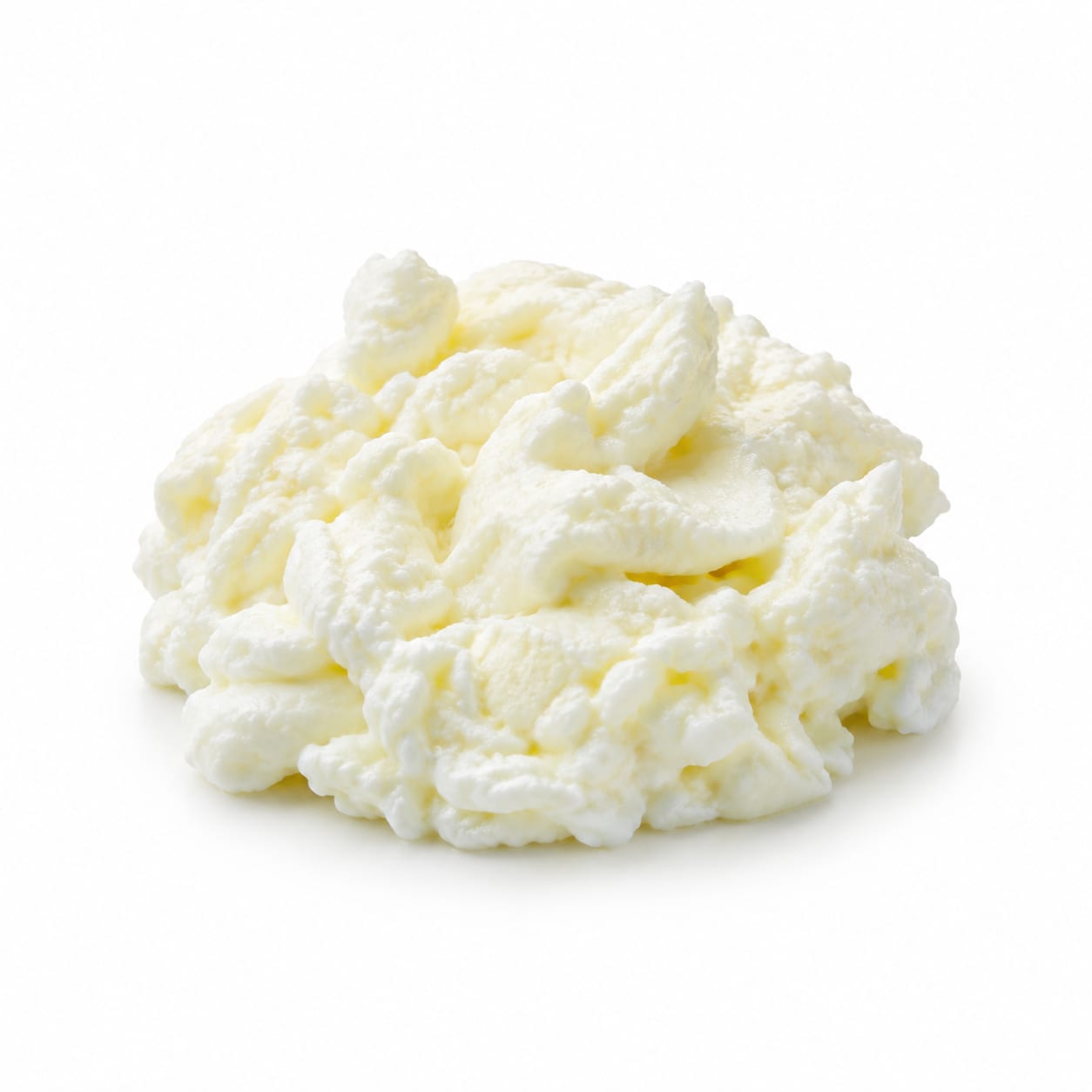
Egg White
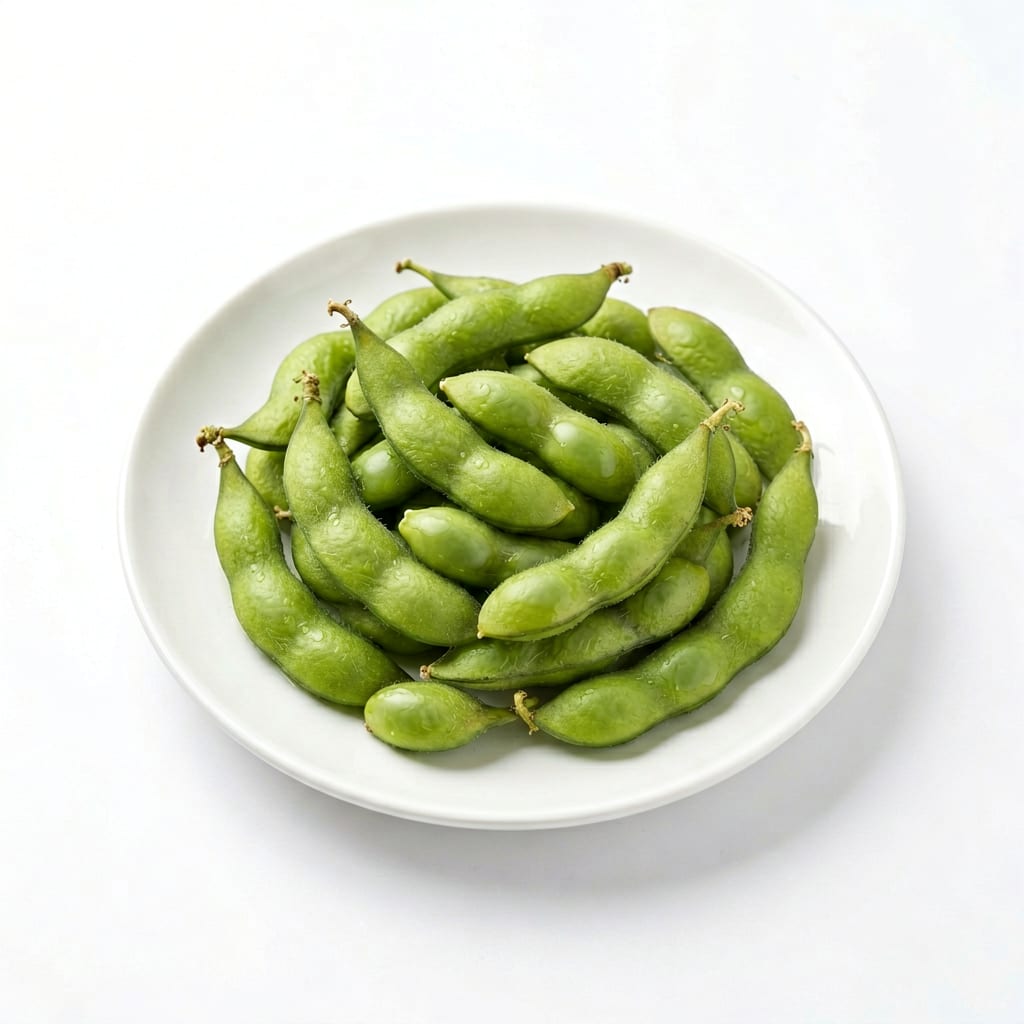
Edamame
Egg whites win on pure protein efficiency and lowest calories, but edamame delivers a more complete, satisfying, and nutrient-rich package that most people will stick with longer.
Edamame scores notably higher because it provides protein plus fiber, healthy fats, and micronutrients in a satisfying whole-food package. Egg whites excel at one thing — lean protein — but lack the nutritional breadth and satiety that make a food sustainable for daily use.
Maximum protein per calorie versus whole-food satiety and nutrient breadth — egg whites are leaner but emptier, edamame is slightly higher in calories but far more filling and nutritionally complete.
At a glance
Executive summary
Overall
It depends
Healthier
Edamame
More practical
Edamame
Daily use
Edamame
Key comparison lenses
lean protein source comparison
Both are popular lean protein choices, but they deliver protein in fundamentally different ways with different tradeoffs
whole food vs fractionated food
Egg whites are a separated food part while edamame is a complete whole food, raising questions about nutrient completeness and satiety
plant-based vs animal protein decision
Users often weigh these when deciding between animal and plant protein sources for daily use
weight loss protein optimization
Both are low-calorie, high-protein options frequently recommended for fat loss diets
snack vs meal ingredient suitability
Edamame works as a standalone snack while egg whites typically need preparation and pairing
Best choice for
Egg White
- Strict calorie counters needing maximum protein with minimal calories
- Post-workout recovery when you need fast-digesting protein
- People avoiding soy due to allergy or thyroid concerns
- Bodybuilders in a cutting phase chasing the leanest possible protein
Edamame
- People who want a satisfying snack that actually keeps them full
- Anyone seeking fiber alongside their protein
- Plant-based eaters looking for a complete protein source
- Those wanting micronutrients and antioxidants, not just macros
Least suitable for
Egg White
- People prone to hunger and overeating — too low in satiety factors
- Anyone seeking a convenient grab-and-go snack
- Those with egg allergies
- People who find bland food demotivating to their diet
Edamame
- People with soy allergies
- Those on very strict low-calorie protocols where every calorie counts
- People with hypothyroidism concerned about soy isoflavones
- Anyone avoiding GMO foods who cannot source organic edamame
Deep comparison
Dimension by dimension
Each lens scores both foods and breaks down who each option suits.
- Dimension 1 · Priority 95Egg White
protein quality and efficiency
Egg White · 92Edamame · 78Egg whites provide the highest biological value protein available — more complete and absorbable than nearly any other source per calorie.
Tradeoff
Egg white protein is superior in amino acid completeness and digestibility, but edamame still delivers solid protein with the bonus of fiber and micronutrients that egg whites completely lack.
Why it matters
If your sole goal is maximizing protein absorption with zero waste calories, egg whites are hard to beat. But protein quality alone does not determine how satisfying or sustainable a food is.
Real-world impact
After egg whites, you may feel full briefly but get hungry again within an hour. After edamame, the fullness lingers much longer thanks to fiber and fat slowing digestion.
Egg White
- Maximum muscle protein synthesis per calorie consumed
- Fast-digesting protein right after workouts
- Zero fat or carb macros to account for
Better for
- No fiber means protein digests quickly and hunger returns fast
- Missing micronutrients that support protein metabolism like magnesium and B6
Worse for
Edamame
- Sustained amino acid release over hours rather than a quick spike
- Protein that comes packaged with fiber for digestive health
Better for
- Slightly lower leucine content per serving compared to egg white
- Plant protein absorbs about 10-20% less efficiently than egg protein
Worse for
- Dimension 2 · Priority 92Edamame
satiety and fullness
Egg White · 45Edamame · 88Edamame is dramatically more filling because it combines protein, fiber, and fat — the three satiety triggers. Egg whites rely on protein alone.
Tradeoff
You eat fewer calories with egg whites but likely feel hungrier sooner. Edamame costs more calories but keeps you satisfied for hours.
Why it matters
In real life, the food that keeps you full prevents overeating later. A 70-calorie egg white snack often leads to more snacking within the hour.
Real-world impact
A cup of edamame can replace a full snack and hold you until your next meal. Two egg whites leave you scanning the fridge 45 minutes later.
Egg White
- When you need something light before a meal without ruining appetite
Better for
- High risk of compensatory eating after the quick fullness fades
- May trigger snack-seeking behavior within an hour
Worse for
Edamame
- Afternoon snacking when you need to make it to dinner
- Preventing the cascade of cravings that follows unsatisfying low-calorie snacks
- Replacing higher-calorie snack foods with something genuinely filling
Better for
- Higher calorie load means less room in a very tight calorie budget
Worse for
- Dimension 3 · Priority 88Edamame
nutrient density
Egg White · 25Edamame · 90Edamame is a nutritional powerhouse with folate, vitamin K, manganese, iron, and antioxidants. Egg whites are essentially pure protein with almost nothing else.
Tradeoff
Egg whites give you one nutrient exceptionally well. Edamame gives you many nutrients well, including some you cannot easily get elsewhere.
Why it matters
Long-term health is built on nutrient breadth, not just protein intake. Relying heavily on egg whites can create subtle gaps in folate, iron, and fiber.
Real-world impact
Regular edamame eaters get meaningful folate and iron contributions toward daily needs. Egg white eaters need to ensure they get these nutrients from other sources.
Egg White
- When your diet already has abundant vegetables and you only need protein
Better for
- Essentially zero contribution to vitamin and mineral needs
- The yolk contains nearly all the egg's nutrients — the white is nutritionally one-dimensional
Worse for
Edamame
- Anyone whose diet could use more folate, iron, or vitamin K
- People who want their protein source to contribute to overall micronutrient goals
- Women of childbearing age who benefit from extra folate
Better for
- Phytic acid can slightly reduce absorption of some minerals like iron and zinc
Worse for
- Dimension 4 · Priority 82Edamame
blood sugar stability
Egg White · 60Edamame · 85Both are low-glycemic, but edamame's fiber creates a slower, steadier digestive process that supports more stable blood sugar over time.
Tradeoff
Egg whites will not spike blood sugar at all, but they also will not sustain energy. Edamame provides a slower-burning fuel that prevents crashes.
Why it matters
Blood sugar stability is not just about avoiding spikes — it is about avoiding the troughs that follow. Fiber helps smooth the whole curve.
Real-world impact
Edamame as an afternoon snack prevents the energy crash that sends people reaching for coffee or sweets. Egg whites alone rarely prevent that crash.
Egg White
- Will never raise blood sugar under any circumstances
- Safe for very insulin-resistant individuals when paired with complex carbs
Better for
- No fiber means no blood sugar buffering effect for the rest of your meal
Worse for
Edamame
- Fiber slows glucose absorption from any carbs eaten alongside it
- More effective at preventing the blood sugar dips that trigger cravings
Better for
- Contains some carbohydrates, which requires insulin response, though minimal
Worse for
- Dimension 5 · Priority 78Edamame
convenience and practicality
Egg White · 55Edamame · 82Edamame can be eaten straight from the pod as a snack. Egg whites require cooking, separation, or buying liquid cartons, and rarely satisfy on their own.
Tradeoff
Egg whites are versatile in recipes but need preparation and pairing. Edamame is ready to eat and self-contained as a snack.
Why it matters
The food you can grab easily is the food you actually eat. Convenience often determines whether a healthy choice becomes a real habit.
Real-world impact
Frozen edamame microwaves in 2 minutes and needs nothing else. Egg whites require a pan, heat, and usually seasoning or vegetables to feel like a meal.
Egg White
- Blends seamlessly into smoothies, oatmeal, and baking for hidden protein
- Liquid egg whites from cartons are quick for scrambles and omelets
Better for
- Raw egg whites are unsafe and unappetizing — cooking is mandatory
- Bland on their own and need salt, salsa, or vegetables to be palatable
Worse for
Edamame
- Frozen steamed edamame is a 2-minute snack with zero cleanup
- Portable for lunch boxes and office snacking
- Does not require cooking equipment or seasoning to be enjoyable
Better for
- Shelling takes a moment if buying in-pod varieties
- Less versatile in recipes compared to egg whites
Worse for
- Dimension 6 · Priority 85Edamame
long-term diet sustainability
Egg White · 50Edamame · 84Edamame is easier to eat regularly without feeling deprived. Egg whites are so lean and plain that most people tire of them or compensate with other foods.
Tradeoff
The leanest option is not always the most sustainable one. Foods that satisfy make long-term adherence far more likely.
Why it matters
The best diet food is the one you can eat five years from now, not just five days from now. Boredom and hunger derail more diets than any other factor.
Real-world impact
People who switch from egg whites to more satisfying proteins often eat less overall because they stop compensating with extra snacks.
Egg White
- Works well as one component of a varied diet rather than a daily staple
Better for
- Monotony risk is high — most people find daily egg whites tedious within weeks
- The feeling of restriction often leads to rebound overeating
Worse for
Edamame
- The combination of taste, texture, and fullness makes it a sustainable daily habit
- Does not feel like diet food, which reduces psychological fatigue
Better for
- Soy fatigue is possible if eaten excessively without variety
Worse for
- Dimension 7 · Priority 70Egg White
safety and contamination
Egg White · 80Edamame · 65Egg whites have salmonella risk when raw but are safe when cooked. Edamame carries GMO and pesticide concerns since most US soy is conventionally grown and heavily treated.
Tradeoff
Cooking eliminates the main egg white risk. For edamame, choosing organic mitigates most concerns but adds cost and limits availability.
Why it matters
Both foods are generally safe, but the nature of the risks differs — acute bacterial risk for eggs versus chronic exposure risk for conventional soy.
Real-world impact
Always cook egg whites thoroughly. Always choose organic edamame when possible to avoid GMO and pesticide exposure.
Egg White
- No pesticide residue concerns
- No GMO issues
- Cooking eliminates the primary safety risk completely
Better for
- Salmonella risk if consumed raw or undercooked
- Egg allergies are among the most common food allergies
Worse for
Edamame
- No risk of bacterial foodborne illness like salmonella
- No cholesterol-related concerns
Better for
- Over 90% of US soy is GMO — organic is important
- Soy is heavily pesticide-treated when conventionally grown
- Soy allergy is a common concern especially in children
Worse for
Timeline
Health impact over time
Short-term
Hours to days
Egg White
- Quick protein absorption supports immediate muscle recovery after exercise
- Very low calorie intake may leave you hungry again within 30-60 minutes
- Bland taste may trigger cravings for saltier or more flavorful foods shortly after eating
Edamame
- Sustained fullness for 2-3 hours due to the fiber-protein-fat combination
- Steady energy without the crash that follows many quick-digesting snacks
- Mild digestive adjustment period if your body is not used to high-fiber foods
Long-term
Months to years
Egg White
- Excellent for maintaining lean muscle mass with minimal caloric cost
- Risk of nutrient gaps if egg whites replace whole eggs or other nutrient-rich proteins too often
- Missing choline and B vitamins from the yolk may affect brain health if not compensated elsewhere
Edamame
- Fiber supports gut microbiome diversity and long-term digestive health
- Isoflavones may support bone density and cardiovascular health over time
- Thyroid effects are minimal for most people but worth monitoring for those with existing hypothyroidism
Risk profile
Safety & processing
Both are close to their natural state. Fresh egg whites are simply separated from the yolk. Edamame is young soybeans steamed or boiled, often frozen at peak freshness. Liquid egg white cartons may contain minor preservatives, so read labels if this matters to you.
Egg White
Salmonella contamination
mediumRaw or undercooked egg whites can carry salmonella. Always cook to 160°F. This risk is fully eliminated by proper cooking.
Biotin deficiency from raw consumption
lowRaw egg whites contain avidin, which binds biotin and prevents absorption. Cooking deactivates avidin. This is only a concern with regular raw egg white consumption.
Edamame
GMO exposure
mediumOver 90% of US soy is genetically modified. Choose organic edamame to avoid GMO varieties entirely.
Pesticide residue
mediumConventional soy is one of the most pesticide-treated crops. Organic edamame significantly reduces this exposure.
Soy allergy reactions
highSoy is a top 8 allergen. Reactions can range from mild hives to anaphylaxis in sensitive individuals.
Who wins for whom
Audience fit
Same foods, different winners depending on your goal.
children
EdamameEdamame is a fun, finger-friendly snack kids enjoy, and it provides iron, folate, and fiber critical for growing bodies. Egg whites are safe but less exciting and less nutrient-dense for kids.
daily consumption
EdamameEdamame's combination of satisfaction, nutrients, and enjoyment makes it a more sustainable daily habit. Egg whites work better as an occasional tool than a daily staple.
diabetes
EdamameBoth are excellent low-glycemic choices, but edamame's fiber provides additional blood sugar stabilization benefits and helps prevent the post-meal dips that trigger cravings for sugary foods.
elderly
EdamameOlder adults benefit from edamame's fiber for digestive health, vitamin K for bone density, and folate for cognitive support. The nutrient breadth matters more at this stage than pure protein efficiency.
muscle gain
Egg WhiteEgg whites provide faster-absorbing, higher biological value protein that is ideal for post-workout muscle protein synthesis, and the lower calorie cost allows more total protein intake within a macro budget.
weight loss
It dependsEgg whites are lower calorie but edamame keeps you full longer, which often prevents overeating later. For strict calorie counters, egg whites. For sustainable fat loss, edamame.
Your move
Decision guide
Choose Egg White
- You are in a strict cutting phase and need maximum protein with minimum calories
- You want fast-digesting protein right after a workout
- You have a soy allergy or avoid soy for thyroid reasons
- You already eat plenty of fiber-rich foods and only need a clean protein boost
Choose Edamame
- You want a satisfying snack that prevents overeating later in the day
- You care about getting fiber, vitamins, and minerals from your protein source
- You are plant-based or trying to eat more plant proteins
- You find lean protein snacks boring and want something you actually look forward to
Either works if
- You need a low-glycemic protein source for blood sugar management
- You are building a high-protein diet and want variety between animal and plant sources
- You have no allergies to either eggs or soy
Avoid both if
- You have both egg and soy allergies
- You are on a very low-protein diet for kidney disease management
Final recommendation
For most people, edamame is the better everyday protein snack — it fills you up, delivers real nutrients, and feels like actual food rather than a diet chore. Keep egg whites in your rotation for post-workout protein or when you need the leanest possible option, but do not rely on them as your primary protein source. The food that satisfies you is the food that supports long-term health, and edamame satisfies in ways egg whites simply cannot.
Practical
Consumer tips
- 1
Always choose organic edamame to avoid GMO soy and pesticide exposure — the price difference is small but the health impact is meaningful
- 2
If using liquid egg whites from a carton, check for added sodium or preservatives — some brands add salt
- 3
Pair egg whites with vegetables or whole grains to compensate for their lack of fiber and micronutrients
- 4
Keep frozen shelled edamame on hand for quick snacks — it microwaves in under 2 minutes
- 5
If you have hypothyroidism, moderate your edamame intake and avoid eating it within hours of taking thyroid medication
- 6
Do not drink raw egg whites for protein — cooking is essential for both safety and biotin absorption
- 7
Rotate between egg whites and edamame throughout the week to get the benefits of both without over-relying on either