
Nutrition comparison
Egg White vs Chicken Breast: Which Lean Protein Is Better for You?
Compare Egg White and Chicken Breast for protein density, satiety, calories, and meal prep convenience. Find out which lean protein fits your goals better.
Overall winner · Chicken Breast
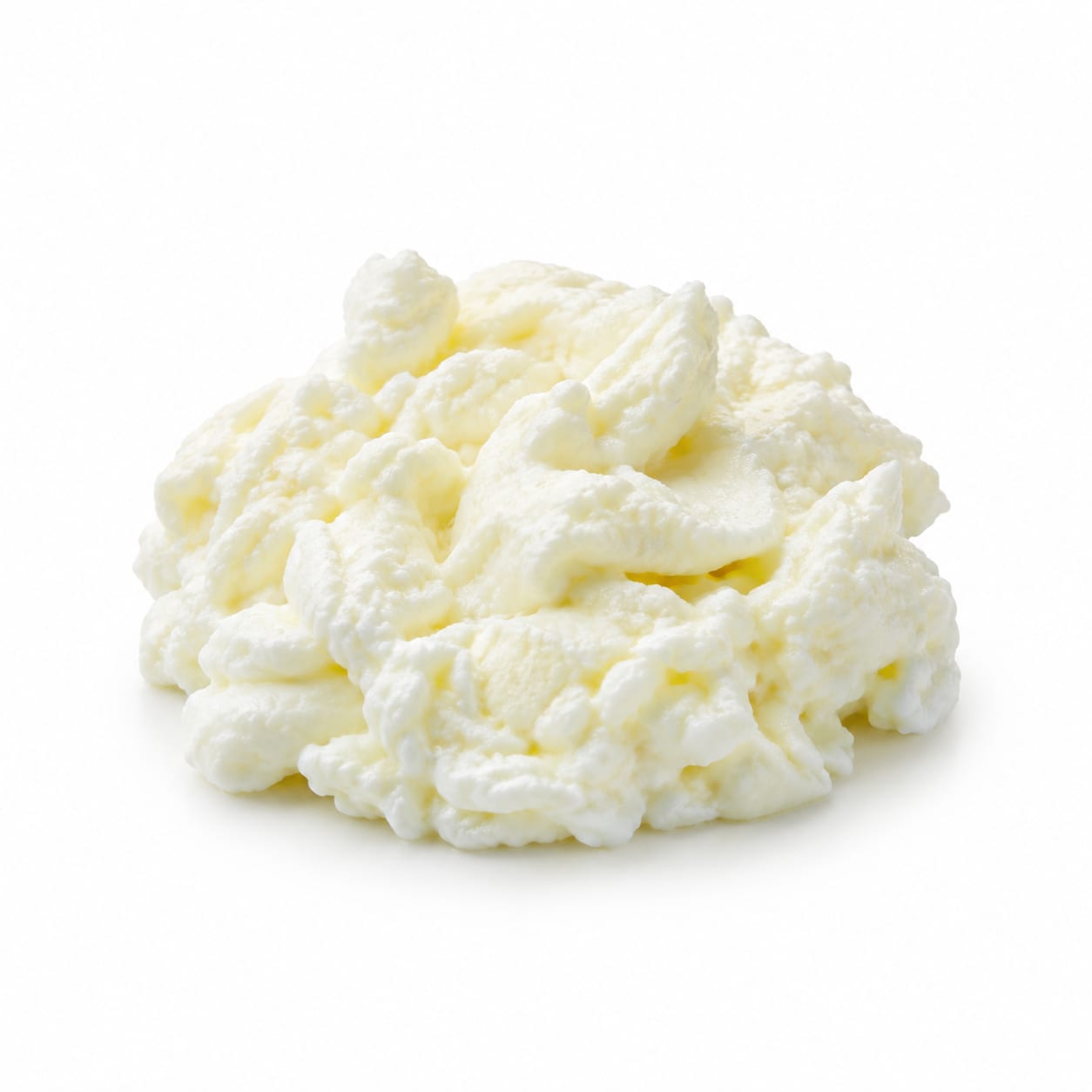
Egg White
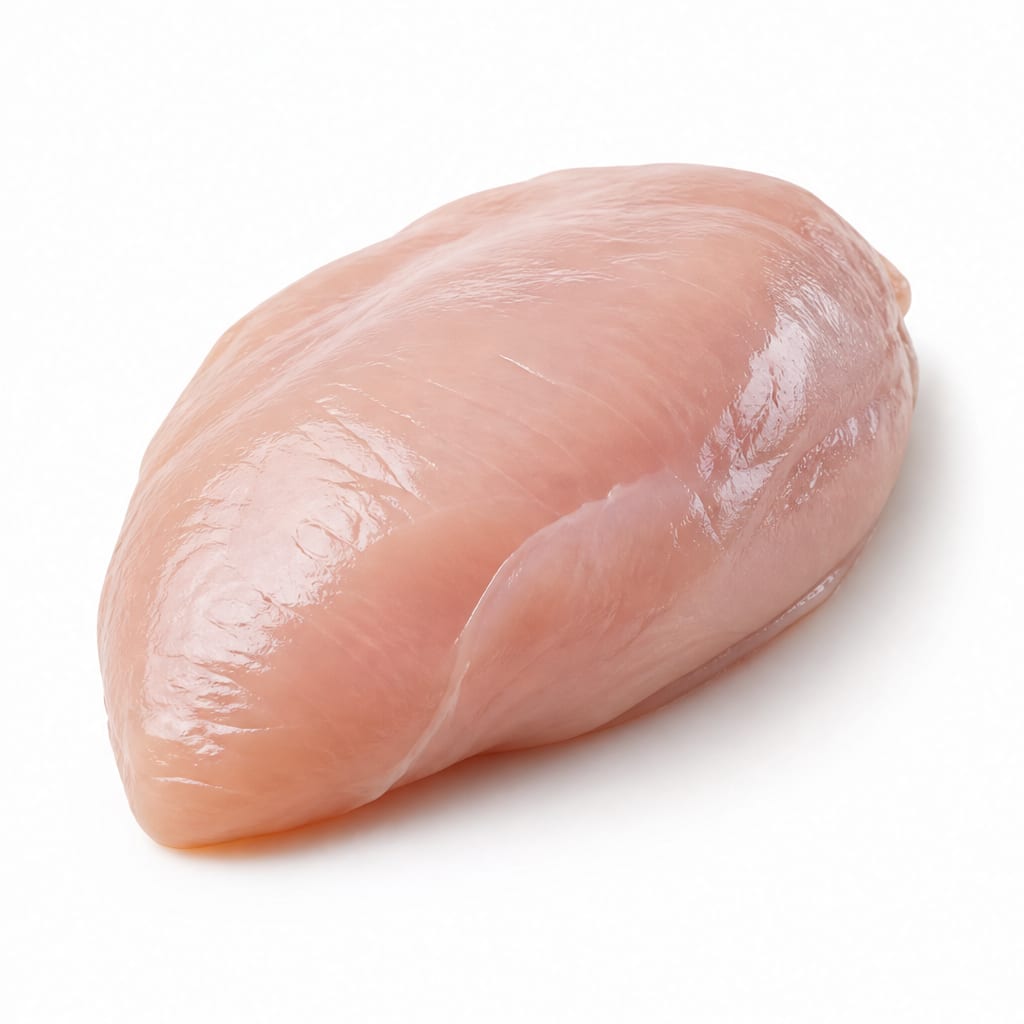
Chicken Breast
Chicken Breast delivers more protein, more satiety, and more micronutrients per serving, making it the stronger all-around lean protein. Egg Whites win on calorie efficiency and convenience but fall short on filling power and nutritional depth.
Chicken Breast scores notably higher due to superior protein density, satiety, and micronutrient content. Egg Whites remain excellent for ultra-low-calorie contexts but lack the nutritional breadth and staying power that most people need from a primary protein source.
Egg Whites give you the lowest-calorie protein hit available, while Chicken Breast gives you substantially more protein and fullness for slightly more calories.
At a glance
Executive summary
Overall
Chicken Breast
Healthier
Chicken Breast
More practical
It depends
Daily use
Chicken Breast
Key comparison lenses
lean protein source selection
Both foods are top-tier lean protein options, and users are almost always deciding which fits their macro goals better
weight loss optimization
Extremely common decision point for calorie-conscious eaters choosing between these two staples
muscle building protein density
Athletes and lifters frequently compare these for post-workout protein efficiency
meal prep convenience
Practical everyday concern since preparation time and versatility differ significantly
budget-friendly protein
Cost per gram of protein matters for sustained long-term dietary adherence
Best choice for
Egg White
- People counting every calorie strictly
- Quick breakfast protein needs
- Those who find chicken hard to digest
- Anyone needing fast-cooking protein in under 2 minutes
- Pre-workout light protein without feeling heavy
Chicken Breast
- Athletes and lifters needing high protein intake
- People who stay full longer between meals
- Meal preppers cooking in bulk for the week
- Anyone prioritizing iron and B vitamins
- Dinner-centric protein eaters
Least suitable for
Egg White
- People needing high satiety from their protein
- Anyone tired of bland food without seasoning effort
- Those with egg allergies
- Endurance athletes needing substantial post-workout recovery meals
Chicken Breast
- People without reliable refrigeration or cooking access
- Those who dislike dry meat textures
- Budget-constrained households needing cheap daily protein
- Anyone wanting instant no-cook protein options
Deep comparison
Dimension by dimension
Each lens scores both foods and breaks down who each option suits.
- Dimension 1 · Priority 95Chicken Breast
Protein Density and Quality
Egg White · 65Chicken Breast · 92Chicken Breast provides roughly 31g of protein per 100g compared to 11g in Egg Whites. The protein quality is excellent in both, but Chicken Breast delivers far more total protein per bite.
Tradeoff
Egg Whites offer perfectly digestible protein with a strong amino acid profile, but you need a large volume to match the protein in a modest chicken portion.
Why it matters
If you need 40g of protein after a workout, that is roughly 130g of chicken versus nearly 400g of Egg Whites. Volume matters for real-world eating.
Real-world impact
A single chicken breast at dinner easily hits your protein target. Hitting the same with Egg Whites means eating a lot of volume or combining with other proteins.
Egg White
- Light protein intake before morning workouts
- Smaller protein portions spread across many meals
Better for
- Anyone needing 30g+ protein per meal without eating large volumes
Worse for
Chicken Breast
- Hitting high daily protein targets efficiently
- Post-workout recovery meals needing substantial protein
- Single-meal protein satisfaction
Better for
- Small frequent meals where a lighter protein load is preferred
Worse for
- Dimension 2 · Priority 90Chicken Breast
Satiety and Fullness
Egg White · 55Chicken Breast · 88Chicken Breast keeps you full for hours. Egg Whites digest quickly and leave you hungry again soon.
Tradeoff
Egg Whites feel light and easy on the stomach, which is great before exercise but terrible for preventing afternoon cravings.
Why it matters
Protein that does not keep you full leads to more snacking, more calories overall, and worse adherence to any eating plan.
Real-world impact
A chicken breast at lunch keeps you satisfied until dinner. Egg Whites at lunch often mean you are reaching for a snack by 3pm.
Egg White
- Pre-workout meals where feeling heavy is a problem
- Light evening protein when you want to sleep comfortably
Better for
- Anyone prone to between-meal hunger and snacking
Worse for
Chicken Breast
- Main meals where staying full for 4-5 hours matters
- Preventing late-night snacking by eating satisfying dinners
Better for
- Meals right before intense exercise where a full stomach hurts performance
Worse for
- Dimension 3 · Priority 85Egg White
Calorie Efficiency
Egg White · 95Chicken Breast · 78Egg Whites are one of the lowest-calorie protein sources available at roughly 52 calories per 100g. Chicken Breast sits at 165 calories per 100g.
Tradeoff
Egg Whites give you maximum protein per calorie but you sacrifice the micronutrients and satiety that come with Chicken Breast's slightly higher calorie load.
Why it matters
For aggressive calorie-cutting phases, every calorie counts and Egg Whites are nearly unmatched for protein-to-calorie ratio.
Real-world impact
On a 1200-calorie diet, Egg Whites let you hit protein targets while leaving more room for other foods. Chicken Breast still works but eats into your calorie budget faster.
Egg White
- Very low-calorie diet phases
- Competition prep where precise macro control matters
- Adding protein to meals without adding meaningful calories
Better for
- Anyone already struggling to eat enough calories
Worse for
Chicken Breast
- Maintenance phases where calorie budget is more flexible
- Building muscle while in a slight surplus
Better for
- Aggressive cuts where even 100 extra calories feels costly
Worse for
- Dimension 4 · Priority 75Chicken Breast
Micronutrient Value
Egg White · 30Chicken Breast · 80Chicken Breast contains meaningful amounts of niacin, B6, phosphorus, selenium, and zinc. Egg Whites are surprisingly nutrient-poor since nearly all vitamins and minerals reside in the yolk.
Tradeoff
Choosing Egg Whites means sacrificing the micronutrient package that whole protein sources normally provide. You need to get those nutrients elsewhere.
Why it matters
Relying heavily on Egg Whites as your primary protein can create subtle nutrient gaps over time, especially in B vitamins and minerals.
Real-world impact
A diet heavy on Egg Whites and light on variety might leave you feeling slightly run down over weeks. Chicken Breast quietly covers more nutritional bases.
Egg White
- Situations where other foods already provide abundant micronutrients
Better for
- Restrictive diets where every food needs to contribute multiple nutrients
Worse for
Chicken Breast
- Diets where protein sources also need to carry micronutrient weight
- Older adults needing B6 and niacin support
- Anyone eating limited food variety
Better for
- Situations where excess niacin or phosphorus is a medical concern
Worse for
- Dimension 5 · Priority 72It depends
Convenience and Preparation
Egg White · 82Chicken Breast · 68Egg Whites cook in under 2 minutes and require minimal cleanup. Chicken Breast takes 15-25 minutes to cook properly and dries out easily if overcooked.
Tradeoff
Egg Whites are faster and simpler but offer less culinary variety. Chicken Breast takes more effort but can be prepped in bulk and used in diverse dishes throughout the week.
Why it matters
The best protein source is the one you actually prepare consistently. Convenience often beats nutritional superiority in real life.
Real-world impact
At 7am before work, Egg Whites win easily. On Sunday meal prep day, Chicken Breast makes more sense for the whole week ahead.
Egg White
- Rushed mornings with minimal cooking time
- Small kitchens without full cooking setups
- Quick protein additions to smoothies or oatmeal
Better for
- Anyone wanting diverse flavor profiles and meal variety
Worse for
Chicken Breast
- Weekly batch cooking sessions
- Grilling or slow cooker meal prep
- Making multiple meals from one cooking session
Better for
- Time-pressed individuals who will skip cooking and grab convenience food instead
Worse for
- Dimension 6 · Priority 68Egg White
Cost Per Gram of Protein
Egg White · 85Chicken Breast · 65Egg Whites typically deliver protein at a lower cost per gram than Chicken Breast, especially when bought in carton form.
Tradeoff
The cost savings are real but modest. You still need to eat more volume of Egg Whites to get equivalent protein, which slightly narrows the gap.
Why it matters
For families or individuals on tight budgets, protein cost directly affects whether they can sustain their diet long-term.
Real-world impact
A carton of Egg Whites costing $4 provides roughly 100g of protein. The same $4 in Chicken Breast gives you about 65-75g of protein.
Egg White
- Budget-conscious meal planning
- Students and young adults with limited food budgets
Better for
- None significant from a cost perspective
Worse for
Chicken Breast
- Situations where quality and satiety matter more than cost
Better for
- Households where protein costs dominate the grocery budget
Worse for
- Dimension 7 · Priority 60Egg White
Digestive Tolerance
Egg White · 88Chicken Breast · 72Egg Whites are extremely easy to digest and gentle on the stomach. Chicken Breast can be heavy for some people, especially when lean and overcooked.
Tradeoff
Easy digestion is great for sensitive stomachs but also means faster return of hunger.
Why it matters
People with digestive issues or recovering from illness need protein that does not cause discomfort.
Real-world impact
After a stomach bug or during a stressful workday, Egg Whites sit lightly. Chicken Breast can feel like a brick if your digestion is off.
Egg White
- Sensitive digestion or recovery from illness
- Pre-workout meals where heavy food causes discomfort
- Older adults with reduced digestive capacity
Better for
- None significant from a digestive perspective
Worse for
Chicken Breast
- Healthy digestion where this is not a concern
Better for
- Anyone with GI sensitivity to dense animal proteins
Worse for
Timeline
Health impact over time
Short-term
Hours to days
Egg White
- Quick-digesting protein that feels light in the stomach
- Minimal blood sugar impact due to near-zero carbs and fat
- Rapid protein availability for muscle synthesis
- Low risk of post-meal sluggishness
Chicken Breast
- Strong and lasting fullness that reduces snacking urges
- Steady amino acid release over several hours
- More sustained energy without crashes
- Can feel heavy if eaten in large portions before activity
Long-term
Months to years
Egg White
- Possible B vitamin and mineral gaps if used as primary protein without dietary variety
- Excellent for maintaining lean muscle with minimal caloric cost
- Very low long-term disease risk as a food choice itself
- May contribute to inadequate total protein intake if portions are not deliberately increased
Chicken Breast
- Strong support for muscle maintenance and metabolic health over decades
- B vitamin intake supports energy metabolism and nervous system function
- Selenium and phosphorus contribute to immune and bone health
- Risk of dietary boredom if preparation lacks variety
Risk profile
Safety & processing
Both Egg Whites and Chicken Breast are whole-food protein sources with minimal processing. Carton Egg Whites are slightly more processed than cracking whole eggs, but still contain only Egg Whites and sometimes a preservative. Chicken Breast is as close to unprocessed as animal protein gets. Neither raises meaningful additive concerns.
Egg White
Salmonella from undercooked eggs
mediumRisk is low with modern pasteurized carton Egg Whites but present when separating from whole eggs at home. Always cook thoroughly.
Allergic reactions
highEgg allergy is one of the most common food allergies, especially in children. Reactions can be severe.
Biotin deficiency with raw consumption
lowRaw Egg Whites contain avidin which binds biotin. This is only a concern with chronic raw consumption and is eliminated by cooking.
Chicken Breast
Salmonella and Campylobacter from undercooked chicken
highChicken is a leading carrier of foodborne pathogens. Proper cooking to 165°F and safe handling are essential.
Antibiotic residues
mediumConventionally raised chicken may carry antibiotic residues. Choosing organic or antibiotic-free reduces this concern.
Heterocyclic amines from high-heat cooking
lowCharring or overcooking chicken at high temperatures can form compounds linked to cancer risk. Moderate cooking temperatures are safer.
Who wins for whom
Audience fit
Same foods, different winners depending on your goal.
children
Chicken BreastChildren benefit more from the B vitamins, zinc, and iron in Chicken Breast. Egg White allergy risk is also higher in children, making Chicken Breast the safer nutritional choice.
daily consumption
Chicken BreastChicken Breast provides a more complete nutritional package and better satiety for daily reliance. Egg Whites work daily too but require more dietary support from other foods to avoid nutrient gaps.
diabetes
It dependsBoth have negligible impact on blood sugar. Egg Whites are slightly lighter for glucose-sensitive individuals, but Chicken Breast's superior satiety helps prevent overeating that worsens insulin resistance.
elderly
Chicken BreastOlder adults need higher leucine thresholds to maintain muscle and benefit greatly from B6, niacin, and selenium. Chicken Breast covers more of these needs in a single food.
muscle gain
Chicken BreastHigher protein per serving and greater leucine content per typical portion make Chicken Breast more efficient for building muscle, especially when high total protein intake matters.
weight loss
It dependsEgg Whites win for aggressive calorie restriction due to unmatched calorie-to-protein ratio. Chicken Breast wins for sustainable weight loss because it keeps you full longer and reduces overall snacking.
Your move
Decision guide
Choose Egg White
- You are in an aggressive calorie-cutting phase and need maximum protein per calorie
- You want quick-cooking protein for breakfast or pre-workout meals
- You have a sensitive stomach and need gentle, easily digested protein
- You are on a tight budget and need affordable daily protein
- You prefer lighter meals that do not leave you feeling heavy
Choose Chicken Breast
- You want to stay full for hours and reduce between-meal snacking
- You are building muscle and need high protein density per meal
- You want your protein source to also deliver B vitamins and minerals
- You meal prep weekly and want versatile protein for multiple dishes
- You eat 2-3 main meals and want each one to be nutritionally substantial
Either works if
- You simply need clean lean protein and both fit your calorie budget
- You rotate protein sources throughout the week for variety
- You have no digestive issues, allergies, or extreme calorie constraints
Avoid both if
- You have kidney disease and need to limit protein intake
- You are vegan or avoiding all animal products
- You need high-fat protein sources for a ketogenic diet
Final recommendation
Make Chicken Breast your primary lean protein for main meals where satiety and nutritional completeness matter. Keep Egg Whites as your secret weapon for low-calorie protein boosts, quick breakfasts, and pre-workout fuel. Using both strategically gives you the best of both worlds without the downsides of relying on either one alone.
Practical
Consumer tips
- 1
Buy carton Egg Whites for convenience and food safety — they are pasteurized and skip the messy separation step
- 2
Cook Chicken Breast to 165°F but pull it from heat just before as carryover heat finishes the job — this prevents dryness
- 3
Egg Whites in smoothies add protein without changing flavor, making them an easy upgrade for breakfast shakes
- 4
Marinate Chicken Breast in yogurt or citrus before cooking to keep it tender and add flavor without excess calories
- 5
Freeze individual Chicken Breast portions flat for faster thawing and less waste
- 6
Combine both in a meal: Egg Whites at breakfast, Chicken Breast at dinner for balanced protein distribution
- 7
Season Egg Whites generously — they are bland on their own and need herbs, spices, or hot sauce to be enjoyable long-term
- 8
Choose organic or antibiotic-free Chicken Breast when budget allows to reduce exposure to antibiotic residues