
Nutrition comparison
Egg White vs Whey Protein: Which Is Better for Your Goals?
Compare Egg White and Whey Protein on protein quality, convenience, satiety, and cost. Find out which lean protein source fits your fitness and lifestyle goals better.
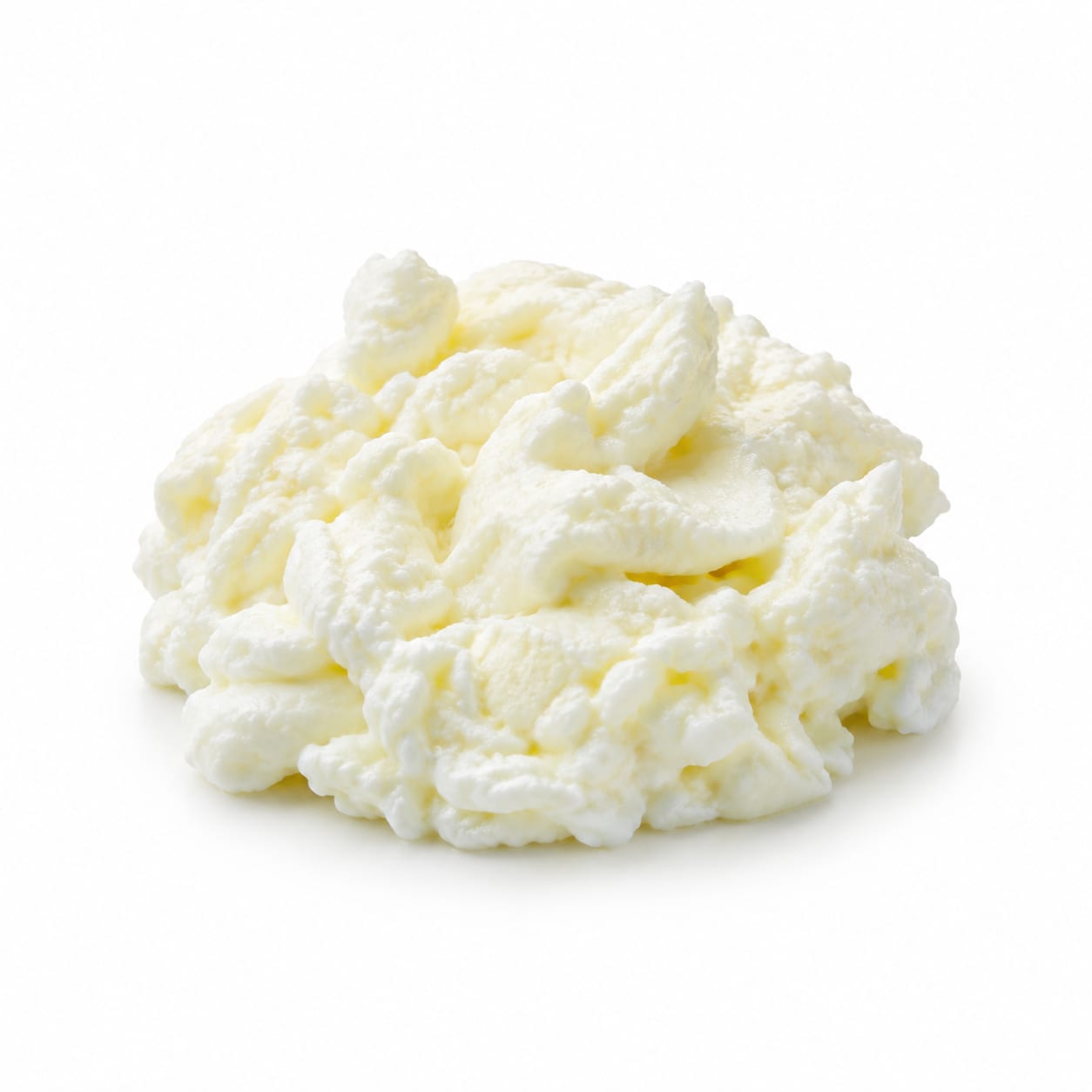
Egg White
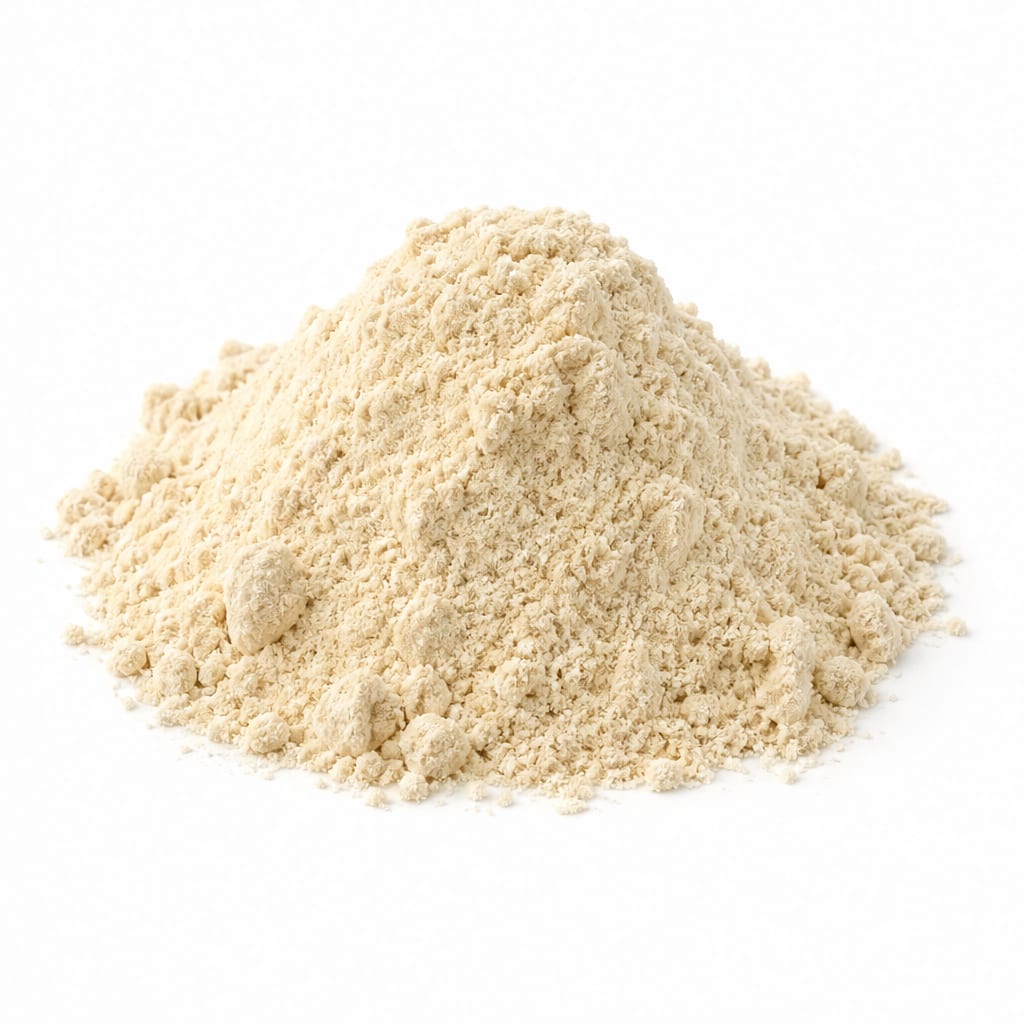
Whey Protein
Whey Protein delivers faster absorption and unmatched convenience, while Egg Whites offer a more natural, whole-food protein experience with better satiety.
Whey Protein scores slightly higher due to superior protein quality and convenience, but Egg Whites remain competitive through naturalness and satiety. The close scores reflect that neither is universally better — context determines the winner.
Speed and convenience versus naturalness and fullness — Whey Protein gets protein into your muscles faster, but Egg Whites keep you satisfied longer and feel more like real food.
At a glance
Executive summary
Overall
It depends
Healthier
Egg White
More practical
Whey Protein
Daily use
It depends
Key comparison lenses
lean protein source selection for fitness goals
Both foods are primarily valued for their high protein content with minimal fat, making them direct competitors for anyone tracking macros
post-workout recovery optimization
Absorption speed differs significantly between these two, which directly affects recovery timing decisions
whole food versus supplement philosophy
Egg Whites represent a real food approach while Whey Protein is a derived supplement, raising processing and sustainability concerns
digestive sensitivity and tolerance
Lactose intolerance and egg allergies are both common, making tolerance a key deciding factor
budget-friendly protein sourcing
Cost per gram of protein differs meaningfully and affects long-term adherence
Best choice for
Egg White
- People who prioritize whole, minimally processed foods
- Anyone seeking better satiety between meals
- Those with lactose intolerance or dairy sensitivity
- Budget-conscious consumers needing reliable protein
- Breakfast eaters who want a filling morning meal
Whey Protein
- Athletes needing rapid post-workout recovery
- Busy people who need protein in under 30 seconds
- Anyone struggling to hit daily protein targets easily
- Strength athletes prioritizing leucine content for muscle growth
- Travelers who need portable protein options
Least suitable for
Egg White
- People with egg allergies or sensitivities
- Anyone needing instant protein on the go
- Post-workout scenarios requiring fastest possible absorption
- Those who dislike cooking or meal prep
Whey Protein
- People with lactose intolerance unless using isolate
- Anyone avoiding processed or supplemented foods
- Those sensitive to artificial sweeteners or flavors
- Individuals prone to overconsumption of liquid calories
Deep comparison
Dimension by dimension
Each lens scores both foods and breaks down who each option suits.
- Dimension 1 · Priority 95Whey Protein
Protein Quality and Absorption Speed
Egg White · 78Whey Protein · 94Whey Protein absorbs significantly faster and has a higher leucine content, making it more effective for triggering muscle protein synthesis immediately after exercise.
Tradeoff
Egg Whites provide steady, slower-releasing protein that sustains amino acid availability longer, but lack the rapid spike that benefits post-workout recovery.
Why it matters
If you just finished lifting weights, the speed at which amino acids reach your muscles directly affects how efficiently recovery begins.
Real-world impact
After a tough gym session, Whey Protein starts rebuilding muscle within 30 minutes. Egg Whites take over an hour to deliver the same amino acid surge.
Egg White
- Sustained protein delivery between meals
- Overnight amino acid availability when consumed before bed as part of a meal
Better for
- Delayed recovery when timing matters most
Worse for
Whey Protein
- Immediate post-workout muscle recovery
- Quickly closing the protein gap after fasting periods
Better for
- Short-lived amino acid spike requiring sooner follow-up meals
Worse for
- Dimension 2 · Priority 90Whey Protein
Convenience and Practicality
Egg White · 45Whey Protein · 92Whey Protein requires only a shaker bottle and water. Egg Whites need cooking, monitoring, and cleanup — a 15-minute process versus a 30-second one.
Tradeoff
The effort of cooking Egg Whites forces you to slow down and eat mindfully, while Whey Protein's ease can become a crutch that replaces real meals.
Why it matters
When life gets busy, convenience often determines whether you actually hit your protein goal or skip it entirely.
Real-world impact
At 6 AM before work, mixing a Whey Protein shake takes moments. Cooking Egg Whites means waking up earlier or skipping breakfast protein.
Egg White
- Building structured meal routines around real food
- Encouraging mindful eating habits
Better for
- Time-pressed mornings and on-the-go nutrition
Worse for
Whey Protein
- Office workers with limited kitchen access
- Gym-goers who need protein immediately after workouts
- Travel and commute scenarios
Better for
- Developing reliance on supplements instead of food skills
Worse for
- Dimension 3 · Priority 85Egg White
Satiety and Fullness
Egg White · 82Whey Protein · 55Egg Whites provide a solid food experience that physically fills your stomach and triggers stretch receptors. Whey Protein is consumed as liquid, which leaves hunger returning faster.
Tradeoff
You feel fuller after eating Egg Whites, but the preparation effort is real. Whey Protein is easy to drink but may leave you reaching for snacks within an hour.
Why it matters
If you are trying to lose weight or control cravings, satiety is often more important than total protein content.
Real-world impact
An Egg White omelet at breakfast can keep you full until lunch. A Whey Protein shake at 8 AM often has you hungry again by 10.
Egg White
- Weight management through natural portion control
- Reducing between-meal snacking urges
Better for
- Pre-workout meals where feeling heavy is undesirable
Worse for
Whey Protein
- Situations where light nutrition is preferred over fullness
Better for
- Anyone prone to overeating when meals do not feel satisfying
Worse for
- Dimension 4 · Priority 80Egg White
Processing and Naturalness
Egg White · 90Whey Protein · 40Egg Whites are a single-ingredient whole food. Whey Protein undergoes multiple filtration, drying, and flavoring steps before reaching your shaker cup.
Tradeoff
Whey Protein's processing enables its rapid absorption and convenience, but introduces additives like sweeteners, emulsifiers, and flavorings that some people prefer to avoid.
Why it matters
Long-term health patterns are built on food quality, not just macronutrient totals. Minimally processed foods generally support better metabolic outcomes.
Real-world impact
Egg Whites contain exactly one ingredient. A typical Whey Protein tub lists 10-20 ingredients including sucralose, soy lecithin, and natural flavors.
Egg White
- Clean-eating advocates and whole-food prioritizers
- People concerned about cumulative additive exposure
Better for
- No functional downside beyond cooking time
Worse for
Whey Protein
- Anyone who values functional performance over ingredient purity
Better for
- Risk of consuming hidden emulsifiers and sweeteners daily
Worse for
- Dimension 5 · Priority 75Egg White
Digestive Tolerance
Egg White · 85Whey Protein · 60Egg Whites are gentle on most digestive systems. Whey Protein commonly causes bloating, gas, or discomfort, especially in lactose-sensitive individuals.
Tradeoff
Whey Protein isolate reduces lactose content significantly, but even isolate can cause issues for sensitive people. Egg Whites rarely cause digestive distress unless you have an egg allergy.
Why it matters
Digestive discomfort undermines consistency. The best protein source is the one you can actually tolerate daily without dreading it.
Real-world impact
Many people report gas and bloating from Whey Protein shakes. Egg Whites are one of the most easily digested protein sources available.
Egg White
- Lactose-intolerant individuals
- People with sensitive digestion or IBS tendencies
Better for
- People with egg white allergies, which can be severe
Worse for
Whey Protein
- Those who tolerate dairy well and experience no issues
Better for
- Anyone experiencing bloating or GI distress from dairy proteins
Worse for
- Dimension 6 · Priority 68Egg White
Cost Per Gram of Protein
Egg White · 82Whey Protein · 65Egg Whites deliver protein at a lower cost per gram than most Whey Protein products, especially when bought in carton form rather than separating whole eggs.
Tradeoff
Whey Protein sometimes goes on sale or comes in bulk tubs that narrow the gap, but Egg Whites consistently win on raw cost efficiency.
Why it matters
Protein needs are daily needs. A source that costs 30-40% more adds up to hundreds of dollars per year.
Real-world impact
A carton of Egg Whites costs roughly $0.03 per gram of protein. Mid-range Whey Protein runs about $0.05 per gram. Over a year, that difference is substantial.
Egg White
- Families feeding multiple people on a budget
- Students and anyone watching grocery spending
Better for
- No real downside here — Egg Whites are simply cheaper
Worse for
Whey Protein
- Situations where time savings justify the premium
Better for
- Long-term use becomes expensive compared to whole food alternatives
Worse for
- Dimension 7 · Priority 65Egg White
Versatility in Meals
Egg White · 80Whey Protein · 50Egg Whites can be scrambled, made into omelets, folded into baked goods, or added to smoothies. Whey Protein is limited to shakes, smoothies, and occasional baking.
Tradeoff
Whey Protein's flavoring makes it pleasant to drink alone, but it cannot replace the textural role Egg Whites play in actual meals and recipes.
Why it matters
Dietary variety prevents burnout. The more ways you can prepare a protein source, the longer you will stick with it.
Real-world impact
You can make Egg White muffins, wraps, stir-fries, and pancakes. Whey Protein is really just a shake or a smoothie bowl ingredient.
Egg White
- Home cooks who enjoy meal variety
- People who get bored eating the same thing daily
Better for
- No significant downside beyond cooking requirement
Worse for
Whey Protein
- Anyone satisfied with simple shake-based nutrition
Better for
- Limited culinary applications beyond beverages
Worse for
Timeline
Health impact over time
Short-term
Hours to days
Egg White
- Provides steady, sustained energy without blood sugar spikes
- Promotes physical fullness that reduces impulse snacking
- Requires cooking time which may delay eating when very hungry
Whey Protein
- Rapid amino acid delivery supports immediate muscle recovery
- Liquid form may leave you hungry sooner than solid food
- Can cause temporary bloating or GI discomfort in sensitive individuals
Long-term
Months to years
Egg White
- Consistent whole-food protein intake supports metabolic health
- Minimal additive exposure reduces cumulative chemical burden
- May help maintain healthier eating patterns through meal structure
Whey Protein
- Excellent muscle preservation during aging when used consistently
- Daily exposure to sweeteners and emulsifiers may affect gut microbiome over years
- Convenience supports long-term adherence to high-protein diets for busy people
Risk profile
Safety & processing
Egg Whites are essentially a single-ingredient whole food with nothing added. Whey Protein undergoes microfiltration, spray drying, and typically includes sweeteners, flavorings, and anti-caking agents. If ingredient simplicity matters to you, Egg Whites win clearly.
Egg White
Salmonella from raw Egg Whites
mediumProper cooking eliminates this risk entirely. Avoid drinking raw Egg Whites unless using pasteurized carton products.
Egg allergy reactions
highEgg allergies can cause severe reactions in sensitive individuals. This is one of the top eight allergens and should be taken seriously.
Whey Protein
Contaminant exposure in poorly regulated products
mediumSome Whey Protein products have tested positive for heavy metals or protein spiking. Choose third-party tested brands.
Lactose-related digestive distress
mediumConcentrate forms contain meaningful lactose. Isolate reduces but may not eliminate this issue for highly sensitive people.
Artificial sweetener consumption with daily use
lowSucralose and acesulfame potassium are common in flavored Whey Protein. While generally recognized as safe, daily lifelong exposure remains debated.
Who wins for whom
Audience fit
Same foods, different winners depending on your goal.
children
Egg WhiteWhole food protein is more appropriate for developing bodies. The sweeteners and processing in Whey Protein are unnecessary for children who can meet protein needs through real food.
daily consumption
It dependsIf you cook daily and value whole foods, Egg Whites are ideal. If convenience determines whether you hit protein targets, Whey Protein is the more sustainable choice.
diabetes
Egg WhiteBoth have minimal impact on blood sugar, but Egg Whites carry zero additive risk and provide better satiety, which helps with the weight management essential for diabetes control.
elderly
Whey ProteinOlder adults often struggle with appetite and cooking fatigue. Whey Protein's ease of consumption helps prevent the dangerous protein deficiency common in aging populations.
muscle gain
Whey ProteinWhey Protein's superior leucine content and rapid absorption make it more effective for triggering muscle protein synthesis, especially in the critical post-workout window.
weight loss
Egg WhiteEgg Whites provide stronger satiety from solid food, which naturally reduces overall calorie intake compared to liquid protein that leaves you hungry sooner.
Your move
Decision guide
Choose Egg White
- You prefer eating real food over drinking supplements
- Digestive sensitivity to dairy is a concern
- You want to feel full and satisfied after eating
- Budget is a significant factor in your food choices
- You enjoy cooking and preparing meals
Choose Whey Protein
- Post-workout recovery speed is your top priority
- You frequently lack time to prepare protein-rich meals
- You struggle to hit daily protein targets through food alone
- You have no lactose sensitivity and tolerate dairy well
- You need portable protein for travel or office nutrition
Either works if
- You simply need more lean protein in your diet
- Your primary goal is hitting a daily protein macro target
- You have no allergies or sensitivities to either food
Avoid both if
- You have kidney disease requiring protein restriction without medical supervision
- You already exceed your protein needs through other sources
- You have severe allergies to both eggs and dairy
Final recommendation
Use both strategically. Whey Protein after workouts when speed matters, and Egg Whites at meals when satiety and naturalness matter. This combination gives you the best of both worlds without forcing a false either-or choice.
Practical
Consumer tips
- 1
Buy Egg Whites in carton form for convenience — they are pasteurized and skip the messy separation step
- 2
Choose Whey Protein isolate over concentrate if you are lactose sensitive
- 3
Look for Whey Protein brands with third-party testing certifications like NSF or Informed Choice
- 4
Avoid Whey Protein products with long ingredient lists — fewer additives is always better
- 5
Mix Egg Whites into oatmeal or smoothies for an easy protein boost without cooking
- 6
If Whey Protein causes bloating, try a smaller serving size before switching brands
- 7
Freeze Egg Whites in ice cube trays for portion-controlled convenience later
- 8
Unflavored Whey Protein isolate exists and eliminates sweetener concerns entirely