
Nutrition comparison
Egg White vs Whole Egg: Which Is Actually Better for You?
Complete nutrition comparison of Egg Whites vs Whole Eggs. Covers protein, cholesterol, satiety, weight loss, and whether the yolk is worth the calories. Evidence-based verdict inside.
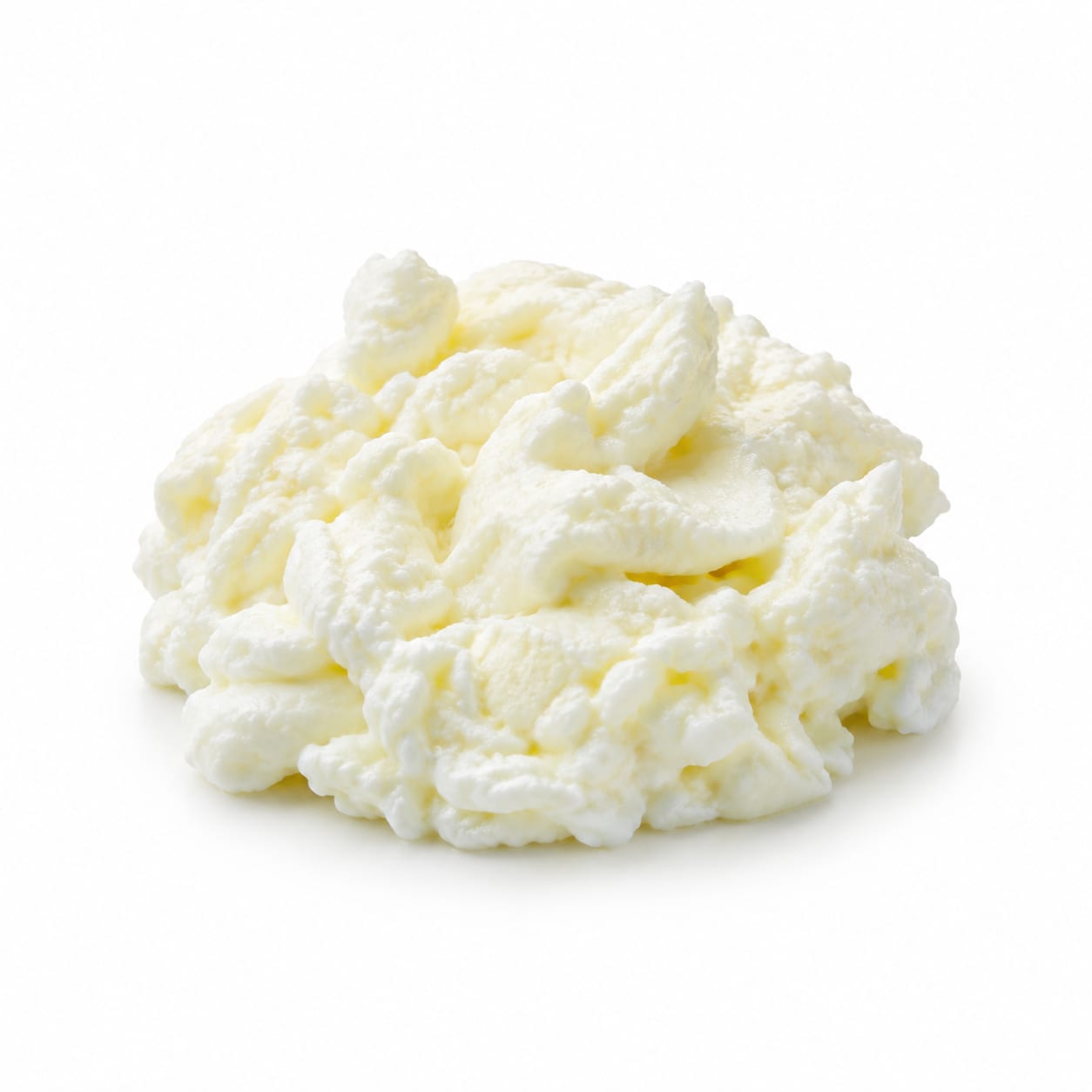
Egg White

Whole Egg
Egg Whites win on pure protein-per-calorie, but Whole Eggs deliver dramatically more nutrition overall. Most people are better off eating the whole egg.
Whole Eggs score significantly higher because they provide complete nutrition including choline, vitamin D, vitamin A, and healthy fats that Egg Whites simply lack. Egg Whites are excellent at one thing — lean protein — but that narrow advantage does not outweigh the broad nutritional gap for most people.
You trade calories and cholesterol for choline, vitamin D, vitamin A, and lasting fullness. The yolk is not the enemy most people think it is.
At a glance
Executive summary
Overall
It depends
Healthier
Whole Egg
More practical
Whole Egg
Daily use
Whole Egg
Key comparison lenses
Protein efficiency vs nutritional completeness
The core tension: Egg Whites deliver pure protein with minimal calories, while Whole Eggs offer complete nutrition including brain-boosting choline and fat-soluble vitamins
Cholesterol and heart health concerns
Many users choose Egg Whites specifically to avoid dietary cholesterol, making this the most common decision driver
Calorie budgeting for weight loss
Egg Whites are a classic cutting food, but Whole Eggs may provide better satiety per calorie eaten
Muscle building and athletic performance
Both are staple protein sources for athletes, but the yolk changes the nutritional profile significantly
Satiety and real-world eating satisfaction
Whole Eggs keep you fuller longer, which matters more than raw calorie counts for sustainable eating
Best choice for
Egg White
- Strict calorie-cutting phases where every calorie counts
- Bodybuilders in the final weeks before a show
- People with genetically high cholesterol who respond to dietary cholesterol
- Large-volume eaters who want more food for fewer calories
Whole Egg
- Everyday balanced nutrition
- Brain health and cognitive function support
- Kids who need fat-soluble vitamins for development
- Anyone wanting to stay full longer between meals
- Older adults needing choline and vitamin D
Least suitable for
Egg White
- Children needing nutrient density for growth
- People looking for lasting satiety from meals
- Anyone avoiding waste (tossing yolks is wasteful)
- Those seeking brain-supportive nutrients like choline
Whole Egg
- Strict calorie-restricted diets under 1200 calories
- People with familial hypercholesterolemia
- Those eating 4+ eggs daily with existing heart disease
Deep comparison
Dimension by dimension
Each lens scores both foods and breaks down who each option suits.
- Dimension 1 · Priority 92Whole Egg
Protein Quality and Quantity
Egg White · 78Whole Egg · 88Egg Whites have slightly higher protein density per calorie, but Whole Eggs have better protein quality thanks to the yolk's amino acid complement and fat that aids absorption.
Tradeoff
Egg Whites give you more grams of protein per calorie, but Whole Eggs give you protein your body actually uses more effectively alongside the fats needed for hormone production.
Why it matters
Protein in isolation is less useful than protein consumed with the cofactors that help your body process it. The yolk makes the white's protein work better.
Real-world impact
A Whole Egg breakfast keeps you building muscle and feeling satisfied. An Egg White breakfast leaves you hungry again in 90 minutes despite similar protein content.
Egg White
- Hitting high protein targets while staying in a steep calorie deficit
- Post-workout shakes where you want pure protein without fat slowing digestion
Better for
- Missing fat-soluble vitamins that support protein synthesis
- Lower satiety means more snacking later
Worse for
Whole Egg
- Sustainable muscle gain phases where total nutrition matters
- General health alongside athletic performance
Better for
- Slightly fewer grams of protein per 100 calories
- Extra calories from fat add up if you eat many eggs
Worse for
- Dimension 2 · Priority 95Whole Egg
Nutritional Completeness
Egg White · 25Whole Egg · 92This is not close. Whole Eggs are one of the most nutritionally complete foods available. Egg Whites are essentially just protein and water.
Tradeoff
By discarding the yolk, you discard nearly all the vitamins, minerals, and brain-supporting compounds. You get lean protein but lose almost everything else.
Why it matters
Choline, vitamin D, vitamin A, vitamin B12, iron, and selenium all live in the yolk. These are nutrients most people are already deficient in.
Real-world impact
Eating Whole Eggs supports your brain, immune system, bones, and energy levels. Eating only Egg Whites supports your muscles and not much else.
Egg White
- Situations where you are already getting vitamins and minerals from other sources
Better for
- Severely lacking in vitamins A, D, E, K
- Zero choline, a critical brain nutrient most people underconsume
- Missing iron, selenium, and B12
Worse for
Whole Egg
- Anyone wanting a single food that covers multiple nutritional bases
- People who do not take a multivitamin
- Brain health and cognitive longevity
Better for
- Higher calorie load if you need to restrict intake
Worse for
- Dimension 3 · Priority 85Whole Egg
Satiety and Fullness
Egg White · 55Whole Egg · 85Whole Eggs are significantly more filling. The fat and protein combination triggers stronger satiety signals than protein alone.
Tradeoff
Egg Whites are lighter and lower in calories, but that lightness means you will be hungry again sooner. Whole Eggs cost more calories but buy you hours of fullness.
Why it matters
Satiety is the single most important factor for sustainable weight management. A food that keeps you full prevents overeating later.
Real-world impact
Three Whole Eggs at breakfast can carry you to lunch. Three Egg Whites leave you reaching for a snack by 10 AM.
Egg White
- Light pre-workout meals where you want protein without feeling heavy
- Late-night eating where you want minimal calories before bed
Better for
- Hunger returns quickly, leading to more total calories consumed across the day
- Feels unsatisfying and may trigger cravings
Worse for
Whole Egg
- Breakfast that actually holds you until the next meal
- Preventing afternoon energy crashes and cravings
Better for
- Can feel too heavy right before intense exercise
Worse for
- Dimension 4 · Priority 80It depends
Heart Health and Cholesterol
Egg White · 82Whole Egg · 68Egg Whites have zero cholesterol. Whole Eggs contain about 186mg per egg. But for most people, dietary cholesterol has minimal impact on blood cholesterol.
Tradeoff
If you have a cholesterol condition, Egg Whites are the safer bet. For everyone else, the saturated fat and cholesterol in Whole Eggs are unlikely to harm your heart and may even improve your lipid profile.
Why it matters
Fear of egg yolks is based on outdated science. But a small subset of people — hyper-responders — genuinely need to limit dietary cholesterol.
Real-world impact
For 70-80% of people, eating Whole Eggs daily does not raise heart disease risk. For the remaining 20-30%, it might. The problem is knowing which group you are in without bloodwork.
Egg White
- People with diagnosed high LDL cholesterol
- Familial hypercholesterolemia carriers
- Anyone whose doctor specifically recommended limiting cholesterol
Better for
- Missing heart-healthy nutrients like omega-3s from enriched eggs
Worse for
Whole Egg
- People with normal cholesterol levels
- Those whose bloodwork shows improved HDL from egg consumption
Better for
- Potential LDL increase in cholesterol hyper-responders
- Saturated fat content concerns for those with existing heart disease
Worse for
- Dimension 5 · Priority 75Egg White
Calorie Efficiency
Egg White · 92Whole Egg · 58Egg Whites deliver roughly 3.6g protein per 17 calories. Whole Eggs deliver about 6g protein per 72 calories. Egg Whites are dramatically more calorie-efficient.
Tradeoff
If you are counting every calorie, Egg Whites let you eat a massive volume of protein for very few calories. But you sacrifice nutrition and satisfaction to get there.
Why it matters
For aggressive weight loss phases, calorie density matters. For maintenance or muscle gain, it matters much less.
Real-world impact
A cup of Egg Whites gives you 26g protein for 126 calories. Two Whole Eggs give you 12g protein for 144 calories. The math favors Egg Whites for pure cutting.
Egg White
- Steep calorie deficits where protein preservation is critical
- Competition prep for bodybuilders
- Volume eaters who want large portions
Better for
- Can lead to under-eating and nutrient deficiencies if relied on too heavily
Worse for
Whole Egg
- Maintenance phases where calorie efficiency matters less
- Active people who need the energy from dietary fat
Better for
- Calories add up fast when eating 3-4 Whole Eggs daily
Worse for
- Dimension 6 · Priority 65Whole Egg
Practicality and Cost
Egg White · 55Whole Egg · 85Whole Eggs are cheaper, simpler, and produce no waste. Egg Whites require either separating eggs (wasteful and messy) or buying cartons (more expensive and slightly more processed).
Tradeoff
Convenience favors Whole Eggs unless you buy liquid Egg Whites in cartons. But carton Egg Whites are more processed and cost roughly double per gram of protein.
Why it matters
The easier a food is to prepare and afford, the more likely you will eat it consistently. Consistency beats optimization.
Real-world impact
Cracking and cooking Whole Eggs takes 5 minutes. Separating eggs for Egg Whites adds time and creates waste. Carton Egg Whites save time but cost more and taste slightly different.
Egg White
- Carton Egg Whites are convenient for quick protein additions to smoothies or oats
Better for
- Separating eggs is tedious and wastes the yolk
- Carton Egg Whites are more processed and expensive
- Egg White omelets are less satisfying and harder to cook well
Worse for
Whole Egg
- Cheaper per gram of total nutrition
- No waste — you eat the whole thing
- Simpler cooking with better texture and flavor
Better for
- Slightly more cleanup if you are careful about yolk spills
Worse for
Timeline
Health impact over time
Short-term
Hours to days
Egg White
- Light, clean energy without any heavy or sluggish feeling
- Quick protein absorption for post-workout recovery
- May leave you hungry again within 1-2 hours
- Very easy on digestion with almost no fat to process
Whole Egg
- Lasting fullness that can carry you 4-5 hours between meals
- Steadier energy release from the fat-protein combination
- Choline supports immediate focus and mental clarity
- Rich, satisfying mouthfeel that makes meals feel complete
Long-term
Months to years
Egg White
- Possible nutrient gaps if Egg Whites replace all Whole Eggs without supplementation
- Choline deficiency risk, which may affect liver health and cognitive function over time
- Excellent for maintaining lean muscle mass during prolonged calorie restriction
- No cholesterol concerns even with very high consumption
Whole Egg
- Choline intake supports brain health and may reduce dementia risk
- Vitamin D and vitamin A from yolks support immune function and bone density long-term
- Most studies show 1-2 Whole Eggs daily do not increase heart disease risk for healthy people
- Lutein and zeaxanthin from yolks protect eye health and reduce macular degeneration risk
Risk profile
Safety & processing
Both are whole, natural foods. However, carton Egg Whites often contain added preservatives or stabilizers, making them slightly more processed than cracking a Whole Egg. If you separate Egg Whites yourself, both options are equally natural — but you waste the yolk.
Egg White
Salmonella from raw Egg Whites
mediumRaw Egg Whites carry salmonella risk similar to Whole Eggs. Cooking eliminates this. Avoid raw Egg Whites unless pasteurized.
Biotin deficiency from excessive raw Egg White consumption
mediumRaw Egg Whites contain avidin, which binds biotin and prevents absorption. Cooking deactivates avidin. This only matters if you consume large amounts of raw Egg Whites regularly.
Whole Egg
Salmonella from undercooked eggs
mediumSame risk as Egg Whites. Cook thoroughly to eliminate. Pasteurized eggs are available for recipes requiring raw eggs.
Allergen exposure
lowEgg allergy is one of the most common food allergies, primarily triggered by proteins in the Egg White. Whole Eggs carry the same allergy risk since they contain the white.
Who wins for whom
Audience fit
Same foods, different winners depending on your goal.
children
Whole EggChildren need choline for brain development, vitamin A for growth, and healthy fats for hormone production. Egg Whites provide protein but miss nearly everything else a growing child needs.
daily consumption
Whole EggFor most people, 1-2 Whole Eggs daily provides meaningful nutrition without health risks. Egg Whites daily are fine but nutritionally incomplete as a standalone protein source.
diabetes
Whole EggWhole Eggs have minimal impact on blood sugar and the fat content slows gastric emptying, creating steadier glucose response. Egg Whites also work well, but Whole Eggs offer more nutritional benefit without additional blood sugar risk.
elderly
Whole EggOlder adults are at higher risk for choline deficiency, vitamin D deficiency, and muscle loss. Whole Eggs address all three simultaneously. The satiety also helps prevent under-eating, a common problem in elderly populations.
muscle gain
Whole EggWhole Eggs provide a more complete amino acid profile alongside fats that support testosterone production and hormone balance. The leucine content in the yolk also enhances muscle protein synthesis.
weight loss
It dependsEgg Whites win for aggressive calorie-cutting because of their protein-to-calorie ratio. Whole Eggs win for sustainable weight loss because they keep you full longer and prevent overeating later in the day.
Your move
Decision guide
Choose Egg White
- You are in a strict cutting phase and every calorie matters
- Your doctor told you to reduce dietary cholesterol
- You already get plenty of healthy fats and fat-soluble vitamins from other sources
- You want maximum protein volume for minimum calories
- You are a bodybuilder or physique competitor in contest prep
Choose Whole Egg
- You want the most nutritious option for everyday eating
- You care about brain health, eye health, and immune function
- You want meals that actually keep you full
- You do not have a cholesterol problem
- You are feeding children or older adults
- You want the simplest, cheapest, most satisfying option
Either works if
- You are mixing both in an omelet — this is actually the smartest approach for many people
- You rotate based on your daily calorie and fat budget
- You have no specific health restrictions and just want good protein
Avoid both if
- You have a confirmed egg allergy
- You are following a strict vegan diet
- You have salmonella risk concerns and cannot ensure proper cooking
Final recommendation
For most people, the smartest move is eating Whole Eggs. The fear of dietary cholesterol is outdated for the majority of the population, and the nutritional benefits of the yolk are substantial. If you are cutting calories aggressively or have a diagnosed cholesterol issue, mix one Whole Egg with several Egg Whites — you get the yolk's nutrition and the whites' lean protein without overdoing either. The best real-world strategy is rarely all-or-nothing.
Practical
Consumer tips
- 1
The 1-yolk-to-3-whites ratio is a sweet spot used by many nutrition coaches — you get flavor, nutrition, and leanness in one meal
- 2
Buy pasteurized Whole Eggs if you want to make safe protein smoothies or recipes with raw eggs
- 3
Omega-3 enriched eggs are worth the small premium — they deliver meaningful amounts of DHA from the yolk
- 4
Do not throw away yolks if you can avoid it — use them in other recipes, feed them to pets, or cook them for someone who is not restricting calories
- 5
Egg Whites from cartons are convenient but check the ingredient list for added stabilizers or sodium
- 6
If your bloodwork shows high LDL, try replacing half your Whole Eggs with Egg Whites and retest in 3 months before eliminating yolks entirely
- 7
Farm-raised or pasture-raised eggs have meaningfully more vitamin D and omega-3s than conventional eggs — the yolk quality matters