
Nutrition comparison
Egg White vs Salmon: Nutrition, Protein, and Health Comparison
Compare Egg White vs Salmon for protein, omega-3s, weight loss, and muscle gain. Find out which is healthier for your diet and lifestyle goals.
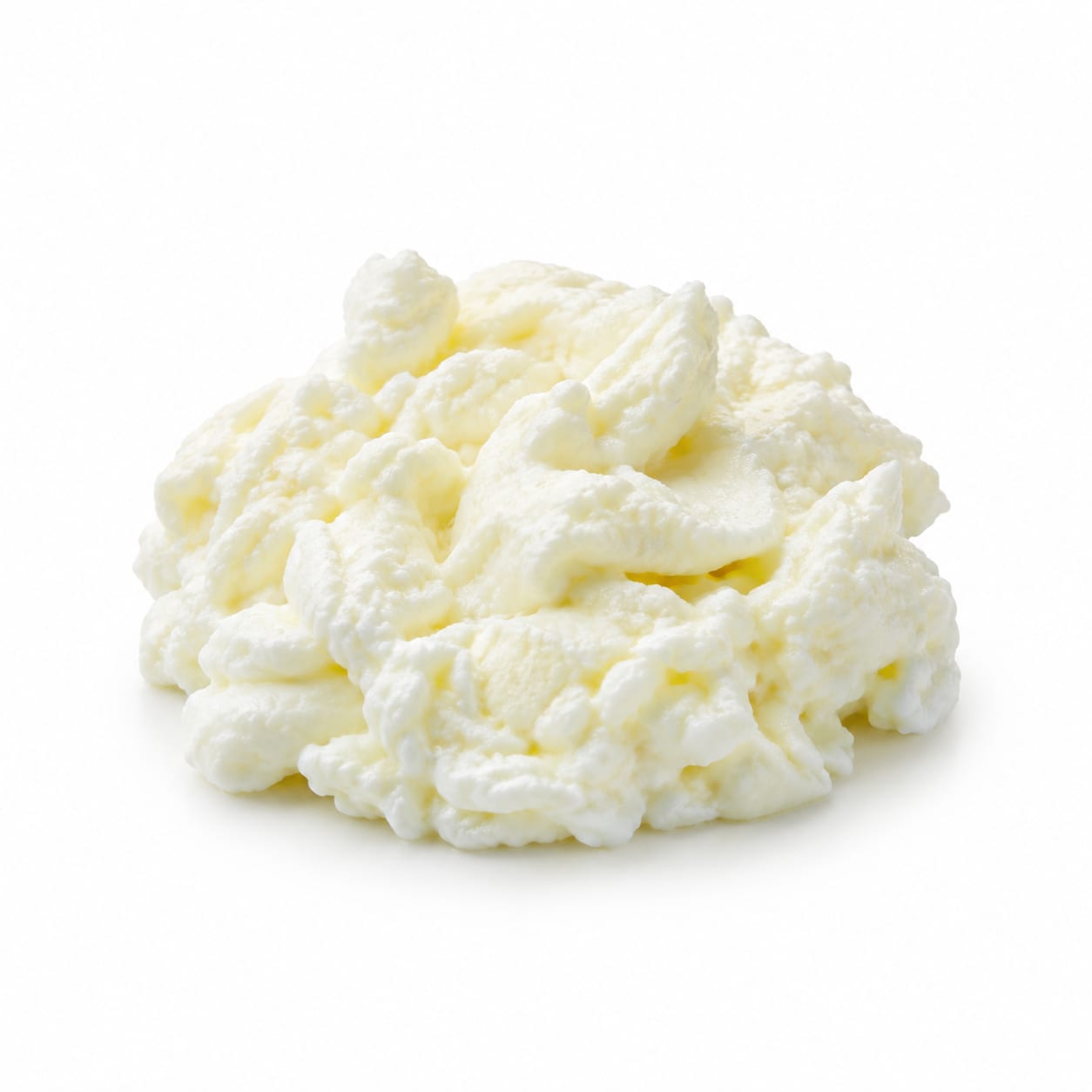
Egg White
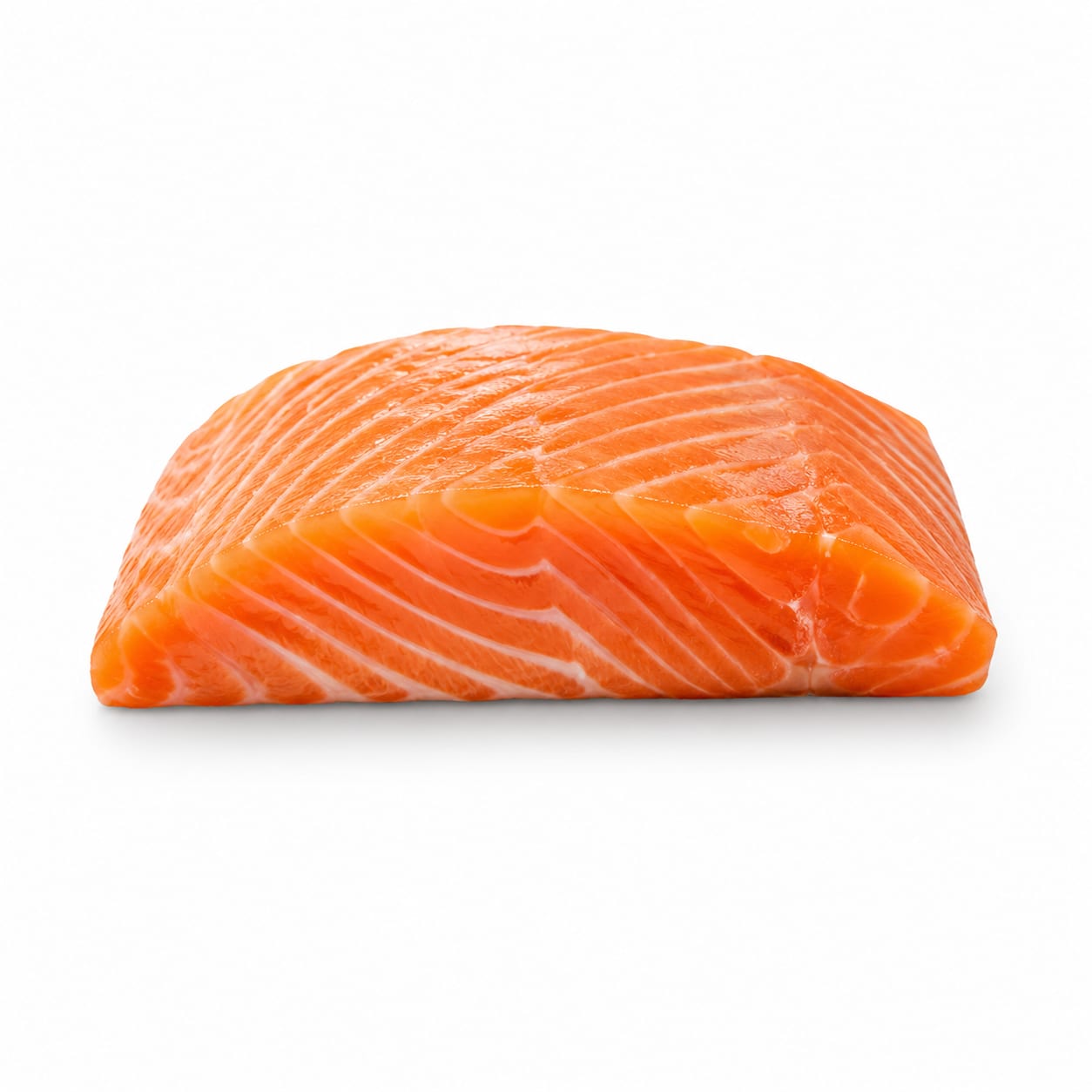
Salmon
Egg whites offer pure low-calorie protein, while salmon delivers powerhouse fats and micronutrients that support long-term health.
Salmon scores higher for overall nutritional value and long-term health benefits, but Egg White remains a top-tier choice for specific low-calorie protein needs.
Stripping away fat and calories for lean protein versus embracing healthy fats for full-body nourishment.
At a glance
Executive summary
Overall
It depends
Healthier
Salmon
More practical
Egg White
Daily use
It depends
Key comparison lenses
Lean protein versus nutrient-dense whole food protein
Users comparing these two are usually deciding between maximizing protein per calorie and getting broader health benefits from natural fats.
Heart and brain health optimization
Salmon brings omega-3s which egg whites completely lack, making this a major deciding factor for long-term health.
Weight management and satiety strategies
Egg whites are a classic cutting food for calorie restriction, while salmon offers deeper satiety through healthy fats.
Best choice for
Egg White
- Strict calorie counters
- Bodybuilders cutting fat
- Those needing pure protein without any dietary fat
Salmon
- People focused on heart and brain health
- Those needing natural Vitamin D and B12
- Anyone seeking deep, lasting satiety
Least suitable for
Egg White
- People who need omega-3 fatty acids
- Those looking for satiating fats to curb cravings
- Anyone seeking broad micronutrient coverage
Salmon
- People on strict low-fat diets
- Tight grocery budgets
- Those concerned about heavy metal accumulation from frequent fish consumption
Deep comparison
Dimension by dimension
Each lens scores both foods and breaks down who each option suits.
- Dimension 1 · Priority 95Salmon
Protein Quality and Satiety
Egg White · 80Salmon · 92Egg whites have slightly higher protein density by calorie, but salmon keeps you full much longer because of its fat content.
Tradeoff
You get more protein per bite with Egg White, but you will likely feel hungry again sooner compared to eating Salmon.
Why it matters
Satiety dictates how much you eat later in the day. A meal that keeps you full helps prevent afternoon energy crashes and late-night snacking.
Real-world impact
A salmon lunch will likely carry you straight to dinner, while an egg white lunch might leave you reaching for a snack by 3 PM.
Egg White
- Post-workout recovery where fat might slow digestion
- Maximum protein volume on a strict calorie cap
Better for
- Situations requiring prolonged fullness
Worse for
Salmon
- Long workdays where you need lasting energy
- Preventing evening cravings
Better for
- Right before an intense workout when you need quick digestion
Worse for
- Dimension 2 · Priority 95Salmon
Fat Profile and Heart Health
Egg White · 10Salmon · 98Salmon is loaded with omega-3 fatty acids, while Egg White contains zero fat at all.
Tradeoff
Avoiding all fat means zero omega-3s, which are critical for heart and brain health.
Why it matters
Omega-3s reduce inflammation, support mood stability, and protect your heart. You cannot get these from fat-free foods.
Real-world impact
Eating salmon a few times a week can meaningfully improve your blood markers and mental clarity, whereas egg whites leave this nutritional gap unfilled.
Egg White
- Medical conditions requiring severe fat restriction
Better for
- Anyone needing essential fatty acids
Worse for
Salmon
- Cardiovascular health support
- Brain fog and mood regulation
- Reducing joint inflammation
Better for
- Those with gallbladder issues struggling to digest fats
Worse for
- Dimension 3 · Priority 85Egg White
Calorie Efficiency and Weight Loss
Egg White · 95Salmon · 70Egg whites are incredibly low in calories while packing high protein, making them a dieter's dream.
Tradeoff
You can eat a massive volume of Egg White for few calories, but Salmon provides more metabolic and satiety benefits per calorie.
Why it matters
When cutting calories, volume eating helps you feel physically full without overshooting your daily limit.
Real-world impact
You can eat a giant bowl of scrambled egg whites for under 200 calories, whereas a salmon portion disappears quickly but costs more calories.
Egg White
- Aggressive calorie-cutting phases
- Volume eating to feel physically stuffed
Better for
- Those who find fat-free diets miserable and hard to sustain
Worse for
Salmon
- Sustainable weight maintenance
- Preventing metabolic adaptation from severe dieting
Better for
- Very low-calorie diet protocols
Worse for
- Dimension 4 · Priority 80Salmon
Micronutrient Density
Egg White · 25Salmon · 95Salmon is a nutritional powerhouse, while Egg White is essentially just protein and water.
Tradeoff
Choosing Egg White means missing out on vital nutrients like Vitamin D, B12, and selenium that Salmon provides naturally.
Why it matters
Relying solely on Egg White for protein can create hidden micronutrient gaps over time, affecting energy and immunity.
Real-world impact
Regular Salmon eaters often notice better energy and immune resilience, whereas relying only on Egg Whites might leave you feeling flat despite hitting protein goals.
Egg White
- Situations requiring pure fuel without micronutrient interactions
Better for
- Long-term diets lacking variety
Worse for
Salmon
- Boosting Vitamin D in winter months
- Supporting red blood cell production with B12
Better for
- Those avoiding specific vitamins due to medical interactions
Worse for
- Dimension 5 · Priority 70Egg White
Food Safety and Contaminants
Egg White · 85Salmon · 65Egg Whites are very clean, while Salmon carries a risk of heavy metals and ocean pollutants.
Tradeoff
Salmon's nutritional benefits come with the reality of ocean contamination, whereas Egg White is a simple, low-risk protein source.
Why it matters
Mercury and PCBs can build up over time if you eat fish too frequently, impacting neurological health.
Real-world impact
You can eat Egg Whites every single day without worry, but Salmon should be rotated and sourced carefully to avoid toxin buildup.
Egg White
- Daily, unlimited consumption
- People avoiding heavy metals
Better for
- Consuming raw without proper pasteurization
Worse for
Salmon
- Those who eat a varied diet and do not rely solely on fish
Better for
- Pregnant women eating high-mercury fish too often
Worse for
Timeline
Health impact over time
Short-term
Hours to days
Egg White
- Quick protein without feeling heavy or sluggish
- Steady blood sugar without a fat digestion delay
Salmon
- Deep, comfortable satiety that lasts for hours
- Sustained energy without a crash
Long-term
Months to years
Egg White
- Maintains muscle mass efficiently on a cut
- Missing out on omega-3 benefits if eaten exclusively
Salmon
- Significantly supports heart and brain health
- Reduces systemic inflammation and joint pain
Risk profile
Safety & processing
Both are whole, single-ingredient foods. Liquid Egg White cartons are slightly more processed than cracking a whole egg, but still very clean. Wild-caught Salmon is as natural as it gets.
Egg White
Salmonella
mediumRisk is present if consuming raw or undercooked egg whites, though commercial pasteurized cartons eliminate this danger.
Salmon
Mercury and PCBs
mediumHeavy metals and industrial pollutants accumulate in fish. Farmed salmon can also have higher contaminant levels and antibiotic residues compared to wild-caught.
Parasites
lowRaw or undercooked salmon can carry parasites, making proper cooking or sushi-grade freezing essential.
Who wins for whom
Audience fit
Same foods, different winners depending on your goal.
children
SalmonThe omega-3s and Vitamin D in salmon are crucial for brain development and growing bones.
daily consumption
Egg WhiteNo heavy metal accumulation risk means you can eat it every day safely, unlike salmon which should be limited to a few times a week.
diabetes
Egg WhiteZero fat and zero carbs make it incredibly gentle on blood sugar, though both are excellent diabetic-friendly choices.
elderly
SalmonOmega-3s protect against cognitive decline and heart disease, which are major concerns for aging populations.
muscle gain
It dependsEgg White offers faster digestion post-workout, but Salmon provides the anti-inflammatory fats that aid long-term joint and muscle recovery.
weight loss
Egg WhiteThe extreme calorie-to-protein ratio makes it easier to stay in a deficit while keeping protein high.
Your move
Decision guide
Choose Egg White
- You are strictly counting calories to lose weight
- You need a cheap, clean protein source for daily use
- You already get healthy fats from other sources like avocado or olive oil
Choose Salmon
- You want to improve your heart and brain health
- You need a meal that keeps you full for hours without snacking
- You want a nutrient-dense food that covers multiple vitamin needs
Either works if
- You need a zero-carb, high-quality protein source
- You are building a balanced plate and need a protein anchor
Avoid both if
- You have an egg or fish allergy
Final recommendation
Let your primary goal guide you. If your priority is cutting calories while keeping protein high, Egg White is your best friend. If you want to invest in long-term heart health, brain function, and deep satiety, Salmon is the clear winner. Ideally, mix both into your week to get the benefits of lean protein and essential omega-3s.
Practical
Consumer tips
- 1
Canned wild-caught salmon is a budget-friendly way to get omega-3s without the premium fresh fish price.
- 2
Liquid egg whites in a carton are pasteurized, making them safe to drink raw in smoothies or cook instantly.
- 3
Pair Egg White with a healthy fat source like avocado to mimic the satiety you would get from Salmon.
- 4
Limit Salmon to 2-3 servings a week to balance omega-3 benefits with heavy metal safety.