
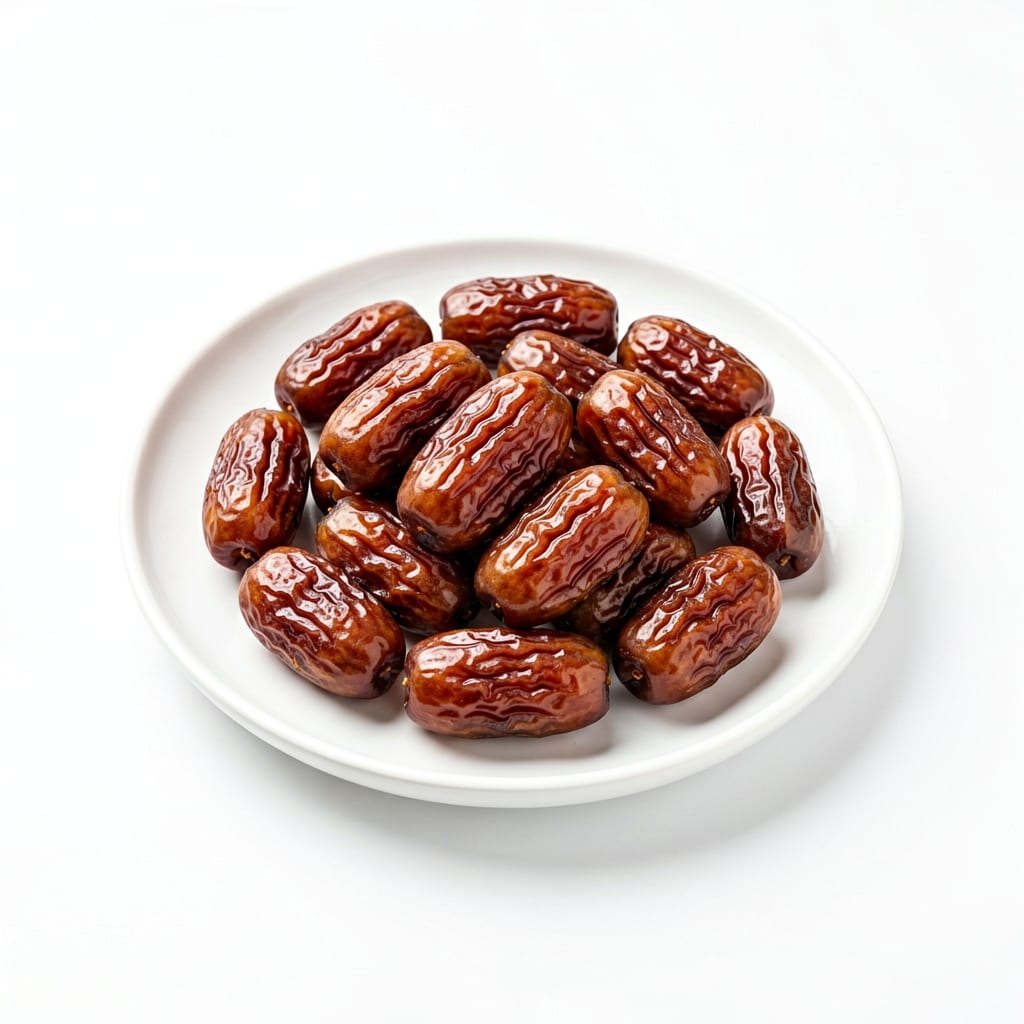
Fruit
Date
Dates are naturally sweet, energy-dense fruits with a chewy texture, often used as a whole-food sweetener or endurance snack.
Dates are sweet, chewy fruits grown on the date palm tree, widely consumed as a natural sweetener or high-energy snack.
fast-digesting high-carbohydrate fruit
Typical serving · 40g
Common varieties · medjool, deglet noor, barhi, halawy, khadrawy +1 more
Overall context score across nutrition, safety, and diet fit
At a glance
Quick facts
Simple indicators based on nutrition, processing, and diet fit.
The story
What makes it unique
Dates are high in simple sugars (glucose and fructose) providing rapid digestion and energy, but contain sufficient dietary fiber to moderate the glycemic response compared to refined sugars. They offer high satiety relative to other sweeteners but are energy-dense.
Varieties: medjool · deglet noor · barhi · halawy · khadrawy · zahidi
Per 100g
Nutrition breakdown
Macro balance and key metrics at a glance.
Energy
Density 2.77 kcal/g
Protein
Carbs
Fat
Fiber
Sugar
63 g
Sodium
1 mg
Potassium
696 mg
Glycemic index
47
Glycemic load
35
Water content
21%
Standout compounds
Nutrient highlights
Potassium
highSupports muscle function and fluid balance
Dietary Fiber
highPromotes gut health and slows sugar absorption
Magnesium
moderateAids in energy production and bone health
Antioxidants
moderateReduces oxidative stress and inflammation
Wellness map
Health scores & processing
NOVA processing scale
minimally processed · Whole food
Most whole dates are simply dried and packaged without added sugars or preservatives, qualifying as minimally processed.
Diet compatibility
- Weight loss
- Muscle gain
- Diabetes
- Gut health
- Low carb
- High protein
- Heart health
Relative standing
Food rankings
Qualitative ranks compared to similar whole foods.
- Satietygood
- Blood sugarmoderate
- Nutrient densitygood
- Fitness fuelexcellent
- Processing qualityexcellent
Eat with confidence
Food safety profile
Dates are generally safe, but improper storage can lead to mold or yeast growth. Washing before consumption removes potential surface dust and residues.
Evidence confidence 85%
- Pesticidesmoderate
- Antibioticslow
- Heavy metalslow
- Contaminationmoderate
Watch for
- mold
- yeast
- pesticide residues
- sulfites
Safer choices
Organic dates to minimize pesticide exposure; unsulfured varieties to avoid sulfite sensitivities.
Prep tips
Rinse dates under running water before eating to remove dust, processing residues, or potential surface contaminants.
Sulfites are sometimes used as preservatives in dried dates, which can affect sensitive individuals.
Deep dive
Health analysis
How this food may fit different goals and preparation choices.
Weight loss
High energy density makes overconsumption easy; best used in small quantities to satisfy sweet cravings without triggering a binge on refined sugar.
Blood sugar
While naturally high in sugar, the fiber slows glucose absorption, yielding a lower glycemic impact than table sugar, but portion control is essential for diabetics.
Fitness & energy
Excellent pre-workout fuel; the simple sugars provide rapid energy while the potassium helps prevent cramping.
Gut health
Significant fiber content supports bowel regularity and feeds beneficial gut bacteria.
Processing quality
Typically a whole, unprocessed food that retains its natural vitamin and mineral profile.
Food safety
Low risk overall, but washing is recommended to remove potential surface contaminants or sulfites.
Common mistakes
Treating dates as a free food due to their natural origin; their high caloric density can easily contribute to weight gain if not portioned.
Best preparation
Eaten whole, blended into smoothies, or chopped into oatmeal; can also be pureed into a paste as a whole-food sweetener for baking.
Practical guide
Best use cases
When and how this food fits real eating patterns.
pre-workout energy boost
Provides fast-digesting carbs and potassium for exercise fuel.
natural baking sweetener
Blended into a paste to replace refined sugar in desserts and smoothies.
digestive regularity
High fiber content helps alleviate constipation and support bowel movements.
Balance sheet
Pros & cons
Upsides
- Rich in dietary fiber for gut health
- Provides rapid, natural energy for athletes
- High in potassium and magnesium
- Contains beneficial antioxidants
- Serves as a whole-food alternative to refined sugar
Trade-offs
- High in calories and natural sugars
- Easy to overconsume due to small size and sweet taste
- Not suitable for low-carb or keto diets
- Requires portion control for blood sugar management
Fit check
Who is it for?
Great match
- endurance athletes
- pre-workout fueling
- replacing refined sugar in recipes
- relieving constipation
Consider alternatives
- strict weight loss diets
- low-carb or ketogenic diets
- severe diabetics without portion control
Side by side
How it compares
Open the full head-to-head analysis for nutrition, safety, and practical tradeoffs.
This food
Date
VS85% alike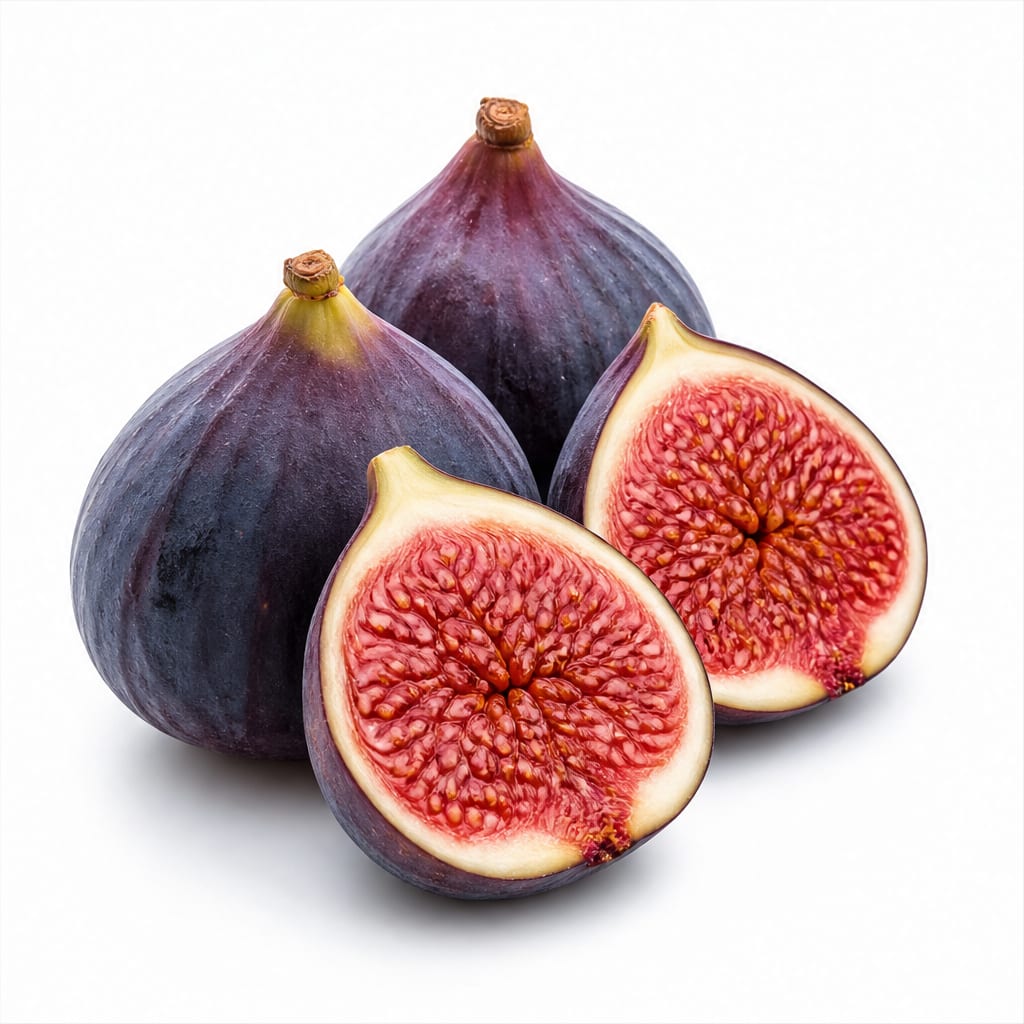
Compare with
Figs
Dates are sweeter and higher in carbs, while figs offer slightly more fiber per calorie and a lower sugar content.
Figs are lower in sugar and better for blood sugar control, while dates provide more concentrated energy for workouts.
This food
Date
VS80% alike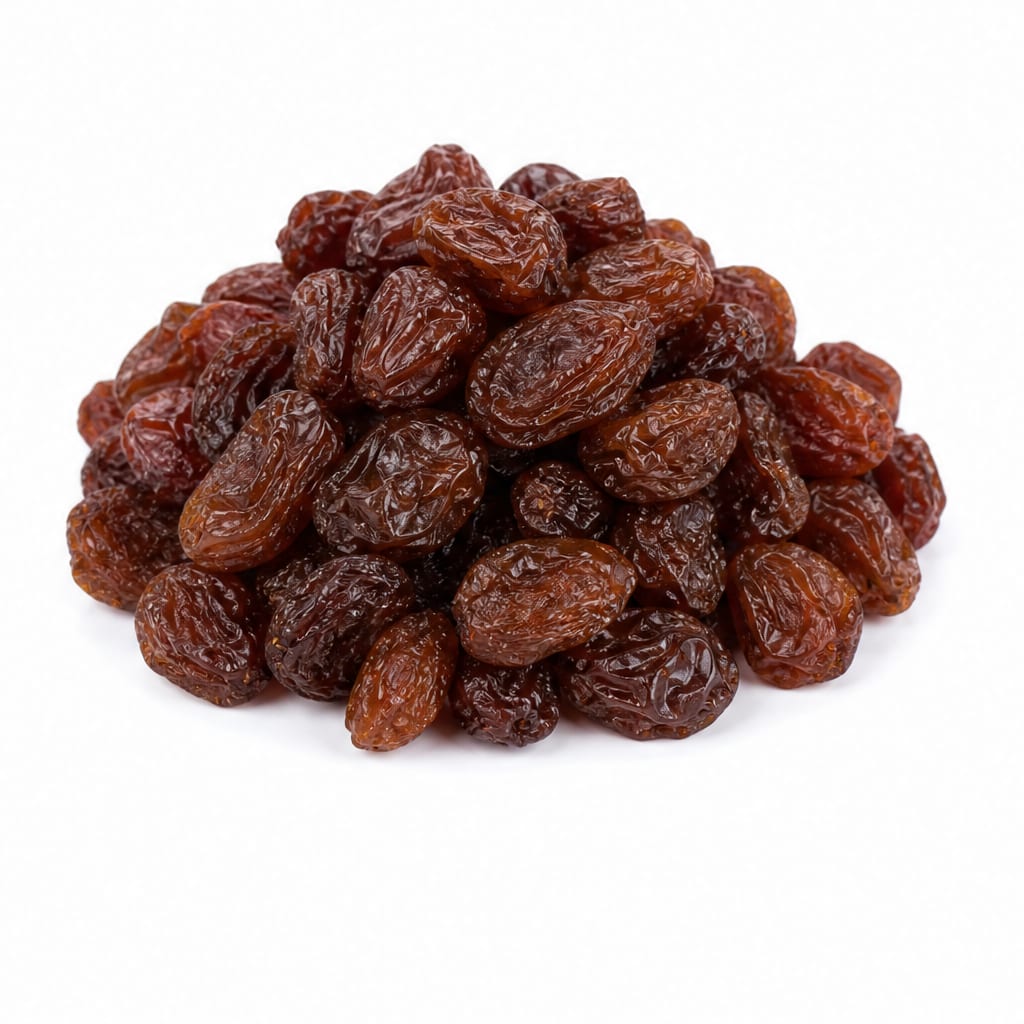
Compare with
Raisins
Raisins are lower in calories per gram but dates provide more fiber and a thicker texture.
Dates offer more fiber and a slower energy release than raisins, making them better for sustained athletic performance.
This food
Date
VS90% alike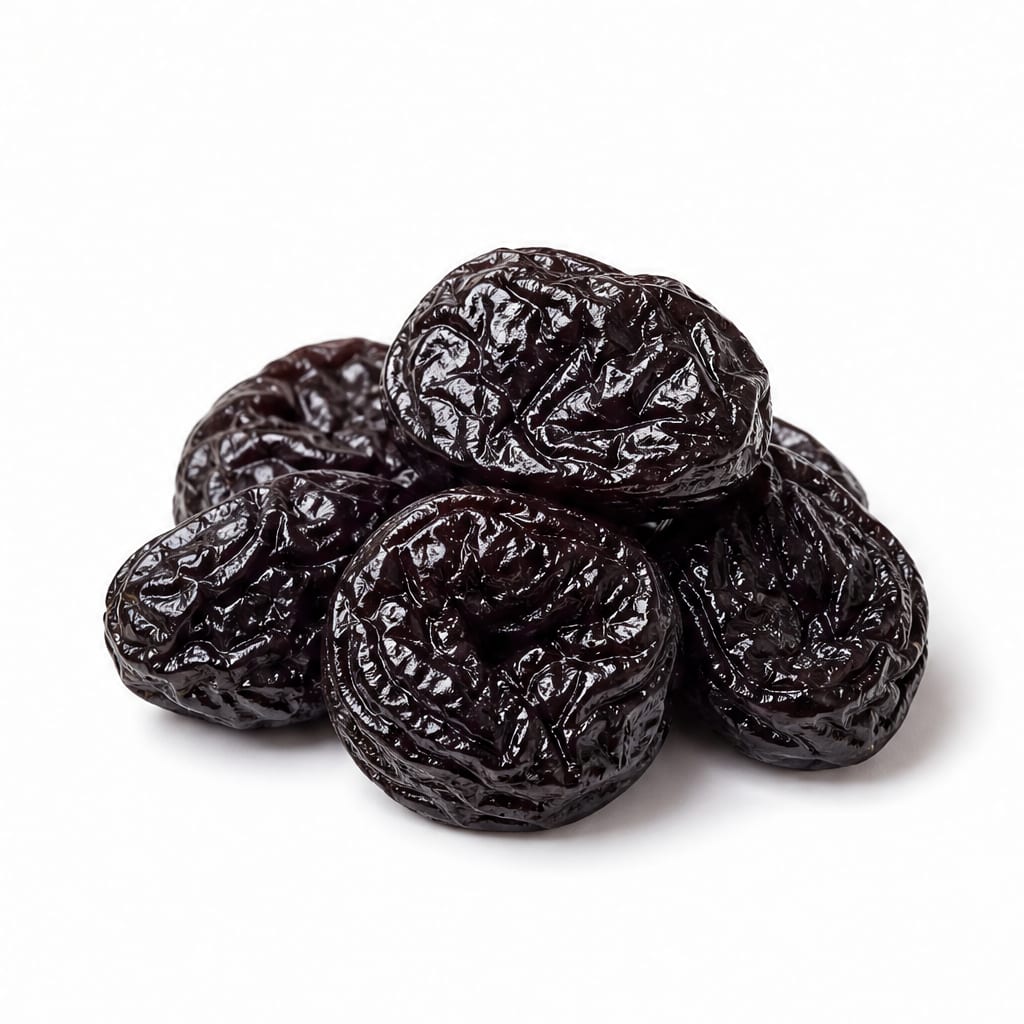
Compare with
Prunes
Prunes are lower in sugar and better known for digestive regularity, while dates are superior for quick energy.
Prunes are lower in sugar and better for digestion, while dates are a sweeter, faster-digesting energy source.
This food
Date
VS75% alike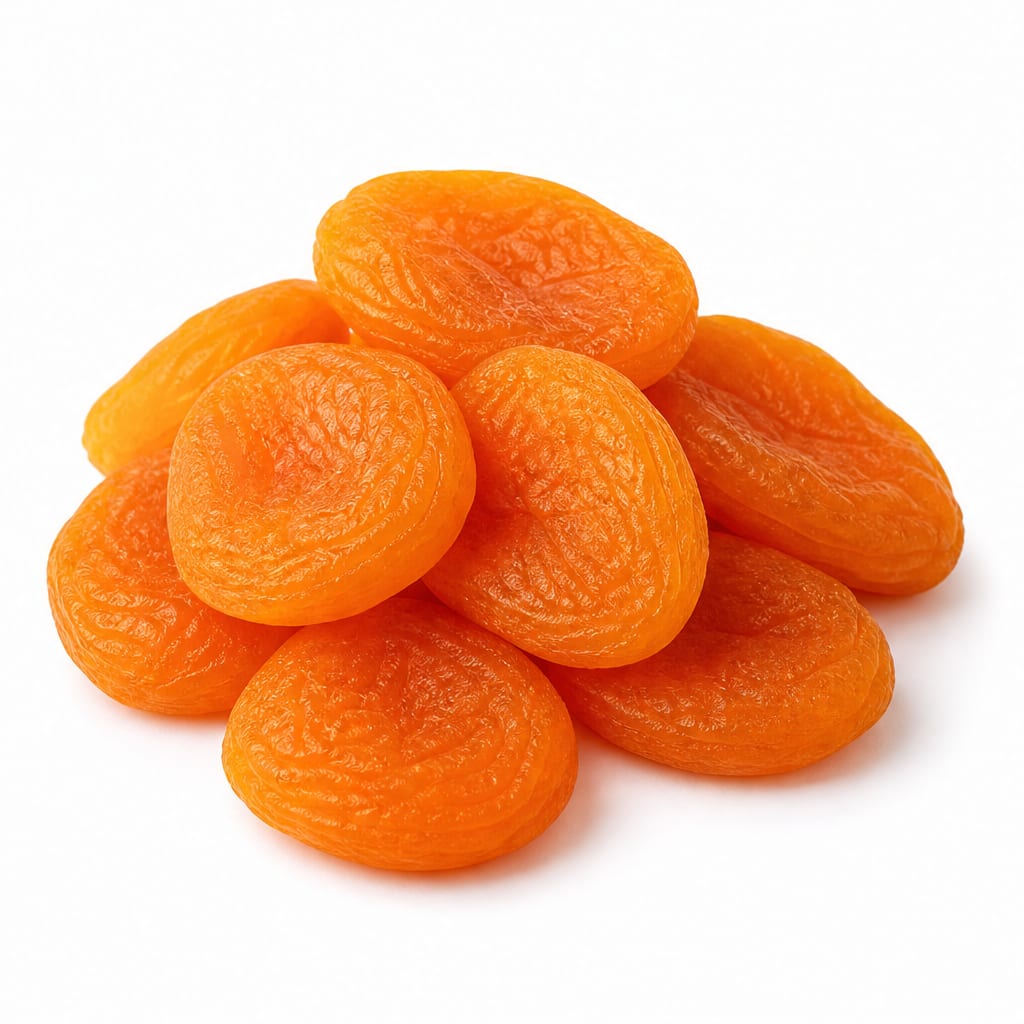
Compare with
Dried Apricots
Apricots are significantly lower in sugar and calories, making them better for weight loss, while dates excel in potassium.
Dried apricots are lower in calories and sugar for weight loss, while dates provide more carbs and potassium for fitness fuel.
This food
Date
VS70% alike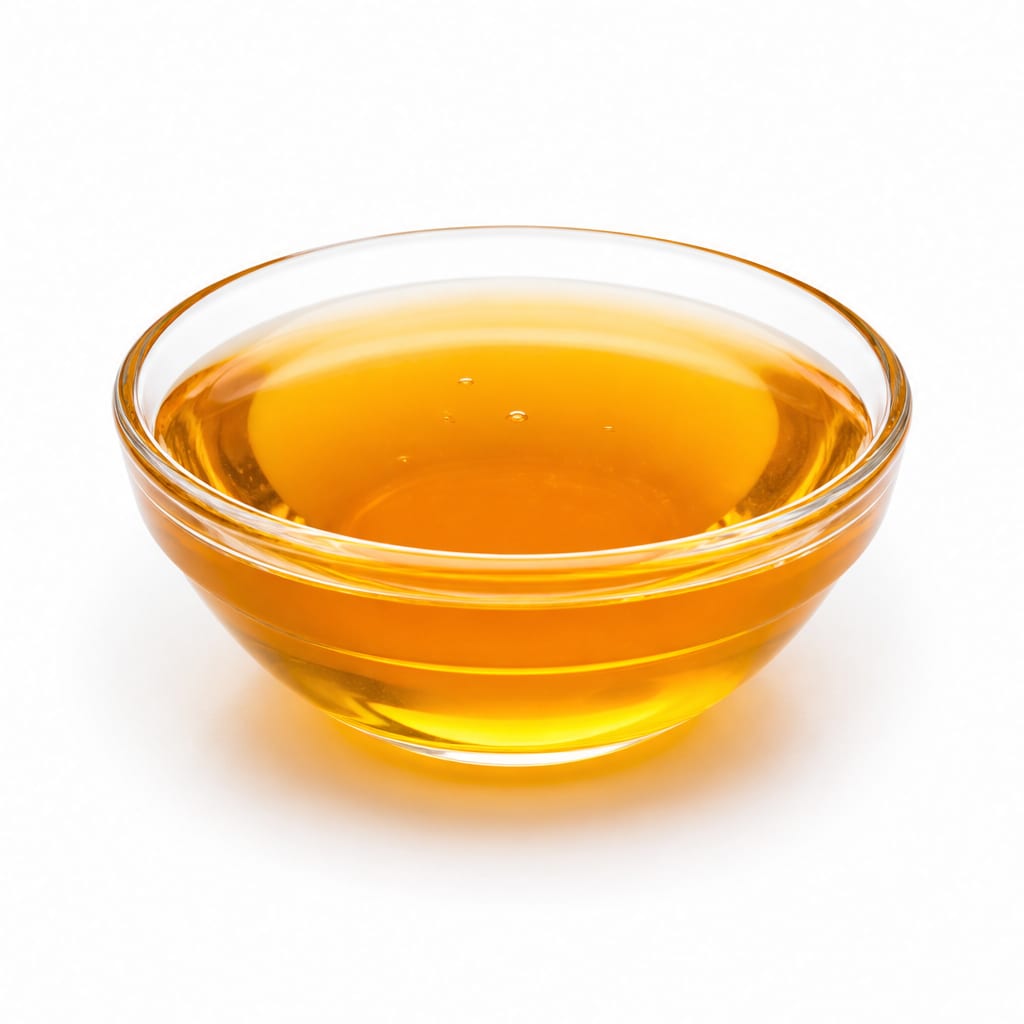
Compare with
Honey
Honey is a liquid sweetener with no fiber, whereas dates provide fiber and a slower glycemic response.
Dates contain fiber and minerals that honey lacks, making them a more satiating and nutrient-dense sweetener.
This food
Date
VS65% alike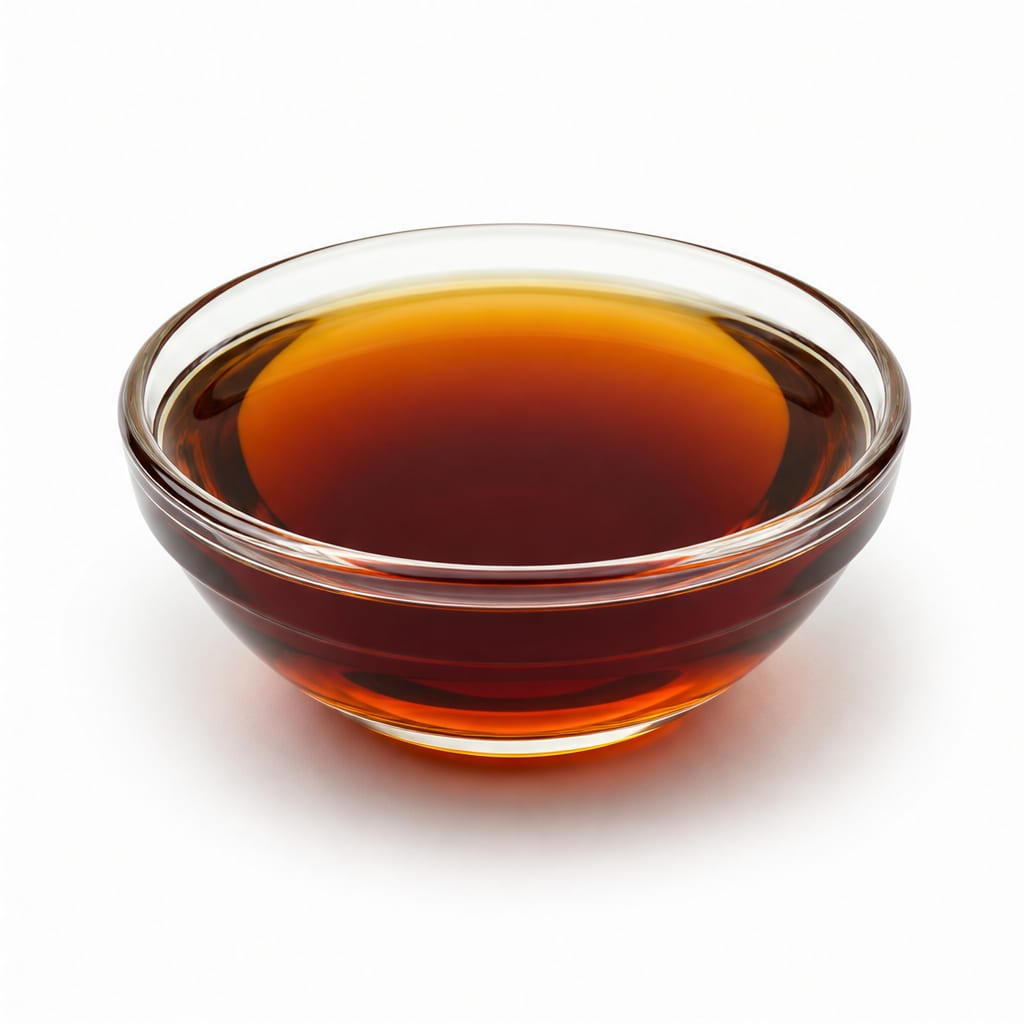
Compare with
Maple Syrup
Maple syrup lacks fiber and is purely sugar, while dates offer a whole-food package with minerals and gut-friendly fiber.
Unlike maple syrup, dates provide dietary fiber and a slower glycemic response, making them a healthier whole-food sweetener.
This food
Date
VS80% alike
Compare with
Bananas
Bananas are less calorie-dense and more hydrating, while dates provide a more concentrated source of carbs and potassium.
Bananas are lower in calories and better for weight loss, while dates offer more concentrated carbs and potassium for endurance.
This food
Date
VS60% alike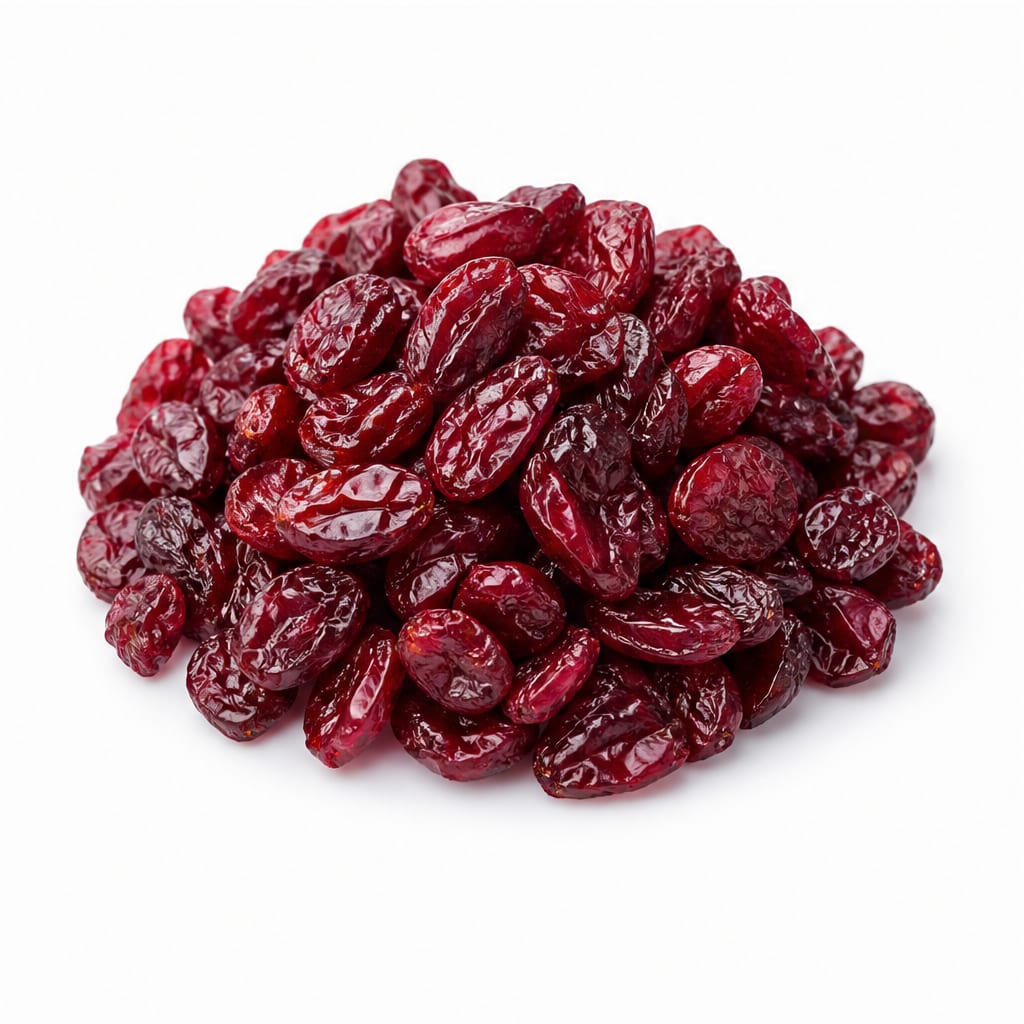
Compare with
Dried Cranberries
Dried cranberries are often sweetened with added sugar, whereas dates are naturally sweet with no added sugars needed.
Dates are naturally sweet with no added sugars, unlike most dried cranberries, and offer more fiber per serving.
This food
Date
VS50% alike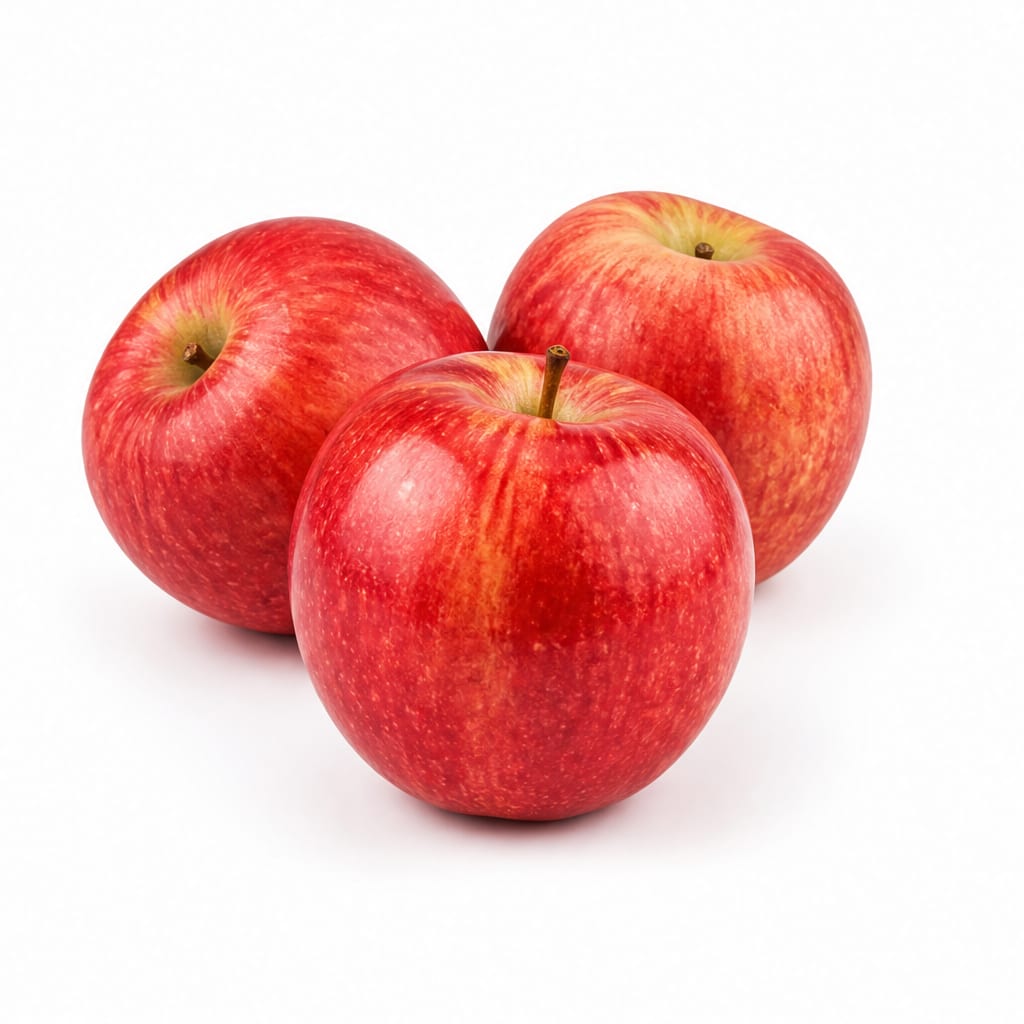
Compare with
Apples
Apples are low-calorie and high-volume, ideal for weight loss, while dates are energy-dense and better for athletic fueling.
Apples are lower in calories and better for satiety, while dates provide dense, fast energy for athletic performance.
This food
Date
VS40% alike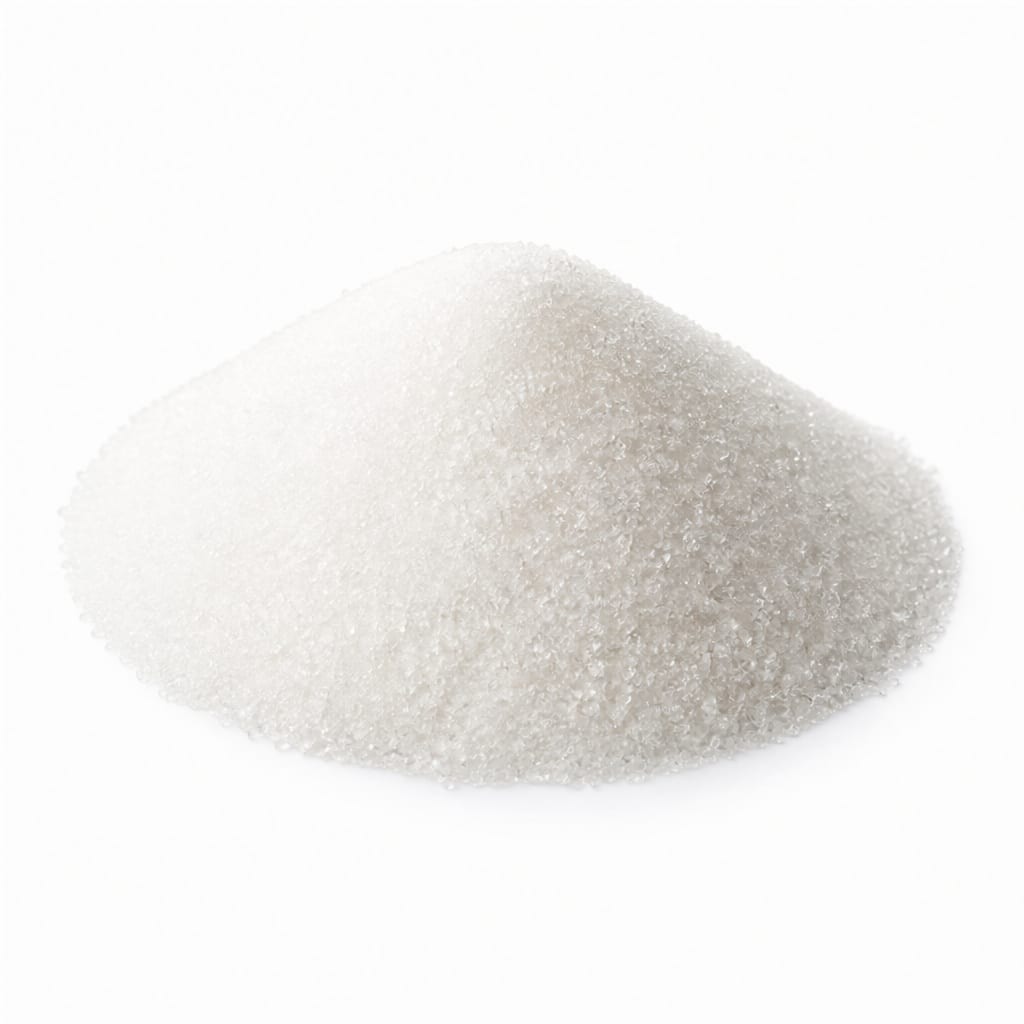
Compare with
White Sugar
White sugar provides empty calories with no nutrients, while dates offer fiber, minerals, and antioxidants alongside their sweetness.
Dates provide fiber, potassium, and antioxidants, making them vastly superior to empty-calorie white sugar for sweetening.
Common questions
FAQ
Answers aligned with how people search for this food.
Are dates good for weight loss?
Dates are high in calories and sugar, so they are not ideal for weight loss unless consumed in strict moderation to curb sweet cravings.
Can diabetics eat dates?
Diabetics can eat dates in small portions because their fiber moderates blood sugar spikes, but the high carbohydrate content requires careful tracking.
Are dates healthier than refined sugar?
Yes, dates contain fiber, potassium, and antioxidants, making them a much more nutritious sweetener than empty refined sugar.
Do dates spike blood sugar?
Dates cause a moderate rise in blood sugar rather than a sharp spike, thanks to their fiber content, but large portions will significantly raise glucose.
How many dates can I eat a day?
Eating 1 to 3 dates per day is generally recommended to get the benefits of fiber and nutrients without consuming excess sugar and calories.
Are dates good for constipation?
Yes, dates are high in fiber and contain natural sugars that can help promote bowel movements and relieve constipation.
Are Medjool dates better than regular dates?
Medjool dates are larger, softer, and sweeter than common varieties like Deglet Noor, but their nutritional profiles are very similar.
Can you eat dates on a keto diet?
No, dates are very high in carbohydrates and sugar, making them incompatible with a strict ketogenic diet.
Transparency
Data confidence
Estimated confidence for nutrition data, interpretation, safety notes, and comparisons.
Nutrition data
Health analysis
Food safety
Comparisons