
Nutrition comparison
Dates vs Maple Syrup: Which Natural Sweetener Is Actually Better?
Compare dates and maple syrup on nutrition, blood sugar impact, fiber, and real-world usability. Find out which natural sweetener fits your health goals and cooking needs.
Overall winner · Date
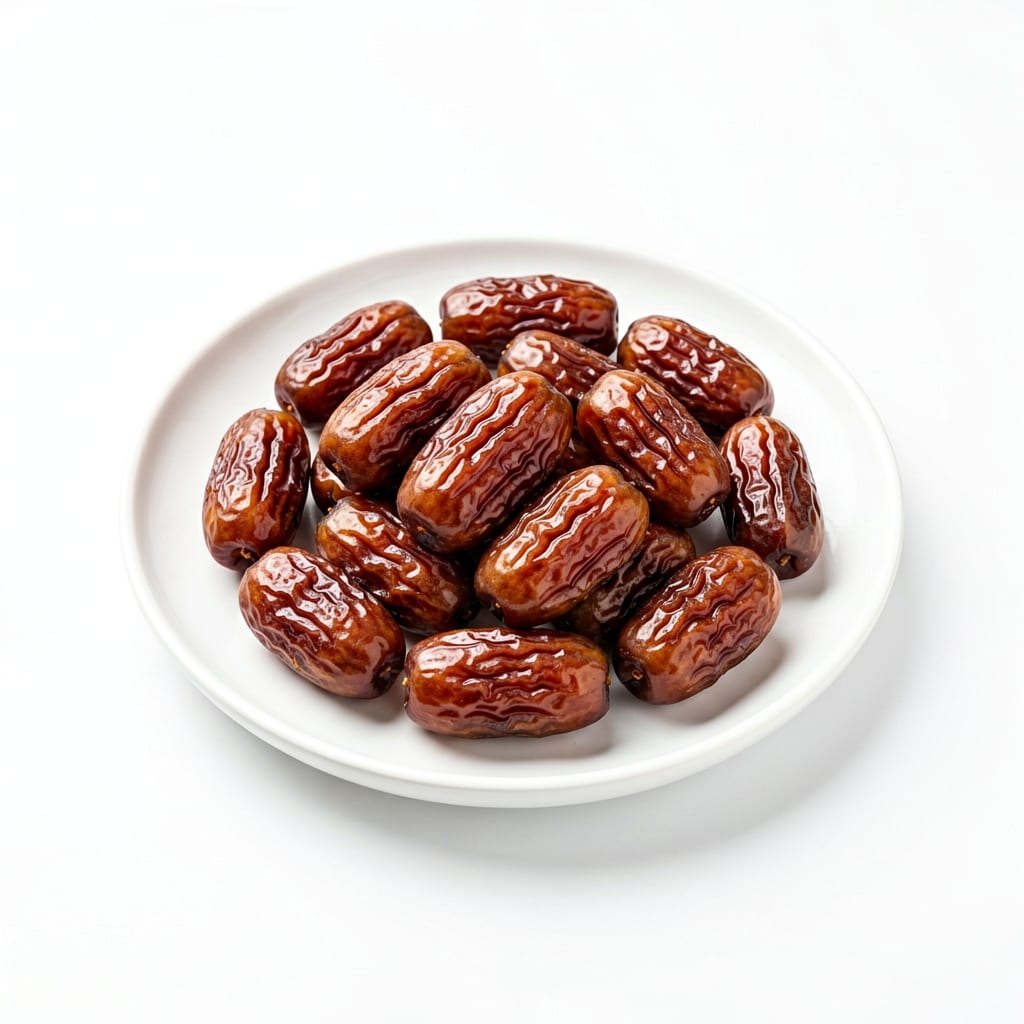
Date
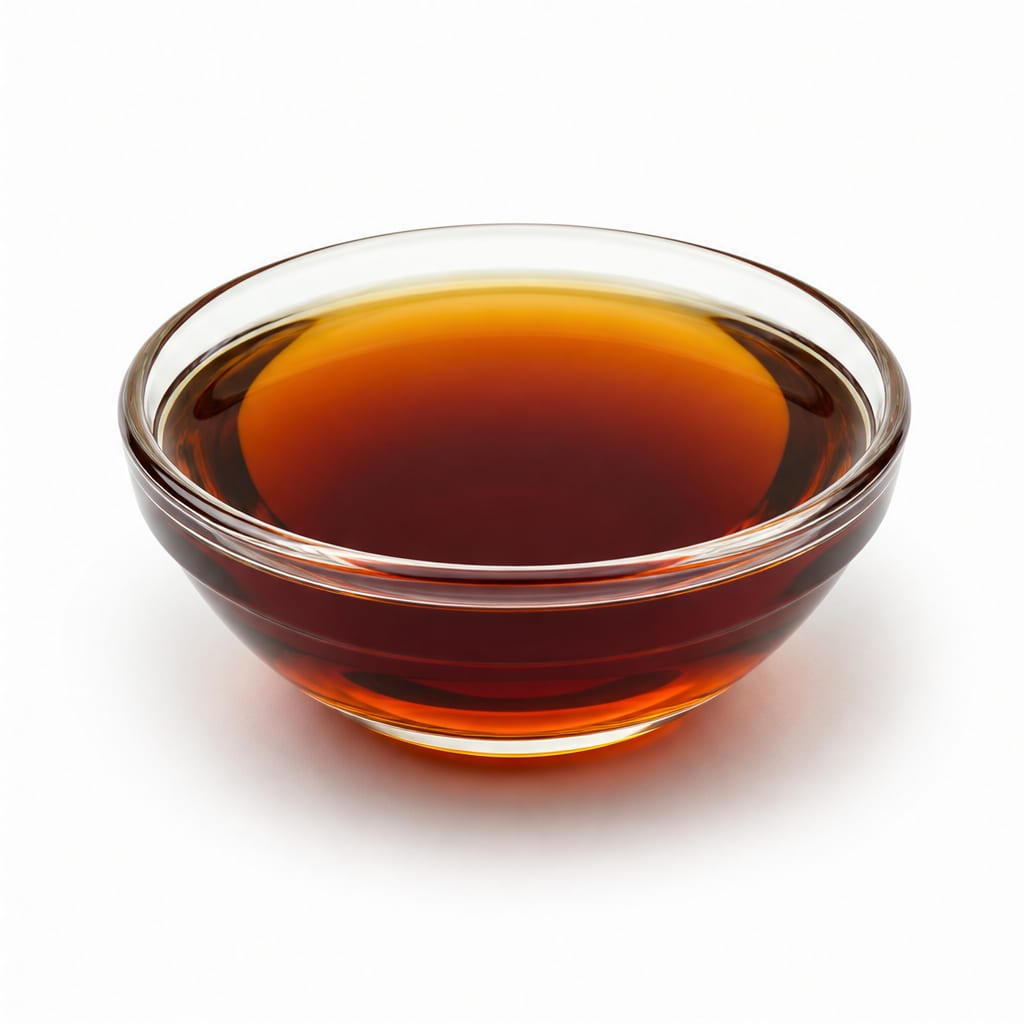
Maple Syrup
Dates deliver more nutrition per calorie thanks to fiber, minerals, and antioxidants, while maple syrup offers smoother sweetness with less chewing effort but almost no fiber.
Dates score notably higher due to fiber, mineral density, and satiety benefits. Maple syrup is not unhealthy but offers minimal nutritional value beyond sugar and trace minerals, making it closer to a flavor tool than a food.
Fiber and fullness versus liquid convenience and recipe versatility.
At a glance
Executive summary
Overall
Date
Healthier
Date
More practical
Maple Syrup
Daily use
Date
Key comparison lenses
natural sweetener comparison
Both are popular natural sweeteners people choose instead of refined sugar
blood sugar impact
Both are sugar-dense and users are likely concerned about glycemic effects
nutrient density tradeoff
Dates offer fiber and minerals while maple syrup offers convenience with fewer nutrients
baking and recipe substitution
Users commonly weigh these two when sweetening recipes naturally
weight management
Calorie density and satiety differ significantly between these options
Best choice for
Date
- People wanting a filling sweet snack that curbs hunger
- Those prioritizing digestive health and regularity
- Athletes needing quick energy with some sustained release
- Anyone reducing ultra-processed sweeteners
Maple Syrup
- Home bakers wanting predictable liquid sweetening
- People who find dried fruit too chewy or heavy
- Those sweetening beverages where solids won't dissolve
- Anyone wanting light sweetness without added bulk
Least suitable for
Date
- People strictly limiting carbohydrate intake
- Those with fructose malabsorption or IBS triggers
- Anyone needing a dissolving sweetener for drinks
Maple Syrup
- People managing diabetes or insulin resistance
- Those seeking satiety from their sweetener
- Anyone watching calorie density without portion control
Deep comparison
Dimension by dimension
Each lens scores both foods and breaks down who each option suits.
- Dimension 1 · Priority 92Date
blood sugar stability
Date · 55Maple Syrup · 30Dates cause a slower blood sugar rise than maple syrup thanks to their fiber content, though both are high-sugar foods that require portion awareness.
Tradeoff
Neither is ideal for tight glucose control, but dates at least slow the spike somewhat.
Why it matters
Steadier energy means fewer afternoon crashes and less cravings an hour later.
Real-world impact
Eating two dates with nuts feels satisfying for a while. Maple syrup on pancakes often leaves you hungry again within 90 minutes.
Date
- Pre-workout energy with slightly more staying power
- Snacking where you want to avoid a sharp crash
Better for
- Anyone needing minimal glycemic impact
Worse for
Maple Syrup
- Quick sugar hit during endurance activity when you want fast absorption
Better for
- People with insulin resistance or prediabetes
- Those prone to energy crashes after sweet meals
Worse for
- Dimension 2 · Priority 88Date
satiety and fullness
Date · 70Maple Syrup · 20Dates are genuinely filling due to fiber and the physical act of chewing. Maple syrup adds calories without any fullness signal.
Tradeoff
You can easily overconsume maple syrup calories because your body barely registers them as food.
Why it matters
Liquid calories are the easiest way to accidentally eat too much without feeling satisfied.
Real-world impact
Three dates feel like a snack. Three tablespoons of maple syrup disappear into oatmeal unnoticed.
Date
- Afternoon snacking when you need something substantial
- Replacing a dessert with something that actually fills you
Better for
- Eating right before a meal when you want appetite intact
Worse for
Maple Syrup
- Situations where you want sweetness without feeling full
Better for
- Emotional eating patterns where calories add up fast
- Anyone tracking calories who struggles with portion awareness
Worse for
- Dimension 3 · Priority 80Date
mineral and micronutrient density
Date · 72Maple Syrup · 40Dates provide meaningful potassium, magnesium, copper, and vitamin B6. Maple syrup contains manganese and zinc but in smaller overall quantities.
Tradeoff
Dates function almost like a multivitamin with sugar attached. Maple syrup is sugar with a faint mineral dusting.
Why it matters
If you are eating something sweet anyway, getting real nutrients along with it changes the value proposition.
Real-world impact
Six dates cover about a third of your daily potassium needs. Maple syrup would require unrealistic amounts for similar mineral intake.
Date
- Covering mineral gaps through snacks
- Active people losing electrolytes through sweat
Better for
- Relying on dates as a primary mineral source without variety
Worse for
Maple Syrup
- Contributing trace manganese in an otherwise nutrient-rich diet
Better for
- Counting on maple syrup for any meaningful nutrition
Worse for
- Dimension 4 · Priority 78Date
digestive health
Date · 75Maple Syrup · 15Dates are rich in fiber which supports gut health and regularity. Maple syrup contains essentially zero fiber.
Tradeoff
Dates actively help your digestive system. Maple syrup simply passes through without contributing anything.
Why it matters
Most people already fall short on fiber, so every source matters more than it seems.
Real-world impact
Regular date eaters often notice improved digestion. Maple syrup offers no such benefit.
Date
- Anyone struggling with irregularity
- People trying to increase daily fiber without supplements
Better for
- People with fructose intolerance or FODMAP sensitivities
Worse for
Maple Syrup
- Those on a low-residue diet before medical procedures
Better for
- Anyone needing digestive support from their food choices
Worse for
- Dimension 5 · Priority 72Maple Syrup
versatility and recipe convenience
Date · 55Maple Syrup · 82Maple syrup pours, dissolves, and blends effortlessly into anything. Dates require soaking, blending, or chopping for most recipe uses.
Tradeoff
Maple syrup saves time and effort. Dates require more preparation but can replace both sweetener and fat in some recipes.
Why it matters
The best healthy ingredient is the one you actually use consistently.
Real-world impact
Stirring maple syrup into yogurt takes two seconds. Making date paste adds ten minutes of prep and cleanup.
Date
- No-bake energy bites and raw desserts
- Recipes where you want sweetness plus binding texture
Better for
- Quick morning routines with no prep time
- Any recipe requiring dissolved sweetener
Worse for
Maple Syrup
- Sweetening coffee, tea, or smoothies
- Baking where liquid sweetener is expected
- Pancakes and breakfast foods
Better for
- Recipes where you want added body and chew
Worse for
- Dimension 6 · Priority 65Date
antioxidant content
Date · 68Maple Syrup · 55Both contain antioxidants but of different types. Dates offer carotenoids and phenolics. Maple syrup contains quebecol and other unique phenolic compounds.
Tradeoff
Dates have more total antioxidant capacity per serving. Maple syrup has rare compounds not found elsewhere.
Why it matters
Antioxidant diversity matters more than quantity alone, but serving size reality limits maple syrup's contribution.
Real-world impact
You would eat two or three dates as a snack but rarely consume enough maple syrup for meaningful antioxidant intake.
Date
- Daily snacking where cumulative antioxidant intake adds up
Better for
- People who only eat dates occasionally
Worse for
Maple Syrup
- Adding unique phenolic compounds to a diverse diet
Better for
- Anyone expecting therapeutic antioxidant benefits from a sweetener
Worse for
Timeline
Health impact over time
Short-term
Hours to days
Date
- Quick energy boost with slightly delayed crash due to fiber
- Noticeable fullness that can reduce snacking between meals
- Possible digestive discomfort if eating many at once due to fiber load
Maple Syrup
- Rapid blood sugar spike followed by a quicker drop
- No satiety signal, leaving hunger unchanged despite calorie intake
- Instant sweetness satisfaction without chewing effort
Long-term
Months to years
Date
- Improved digestive regularity from consistent fiber intake
- Better mineral status particularly for potassium and magnesium
- Risk of excess calorie intake if portions are not managed since dates are calorie-dense
Maple Syrup
- Easier overconsumption of sugar calories due to lack of fullness signals
- Minimal nutritional benefit beyond sweetness and trace minerals
- Potential contribution to metabolic issues if used as a daily staple in large amounts
Risk profile
Safety & processing
Dates grow on trees and are simply dried, making them one of the least processed sweet options available. Maple syrup is boiled tree sap, which is a traditional and relatively simple process, but it still qualifies as processed since heat concentrates the sugars and alters the raw sap significantly.
Date
sulfite sensitivity
mediumSome commercially dried dates are treated with sulfites, which can trigger reactions in sensitive individuals. Look for unsulfured varieties.
mold and mycotoxins
lowImproperly stored dates can develop mold. Refrigeration after opening prevents this.
fructose malabsorption
mediumDates are high in fructose and can cause bloating or gas in people with FODMAP sensitivities.
Maple Syrup
adulteration with corn syrup
mediumCheaper maple syrup products are sometimes cut with corn syrup or other fillers. Pure maple syrup is worth verifying.
sugar crystallization and spoilage
lowMaple syrup can develop mold on the surface if not refrigerated after opening, though it is generally safe if removed promptly.
Who wins for whom
Audience fit
Same foods, different winners depending on your goal.
children
DateDates offer nutrients growing bodies need alongside the sweetness kids want. Maple syrup adds sugar without meaningful nutrition.
daily consumption
DateA date or two daily contributes fiber, minerals, and antioxidants. Daily maple syrup adds sugar calories with minimal nutritional return.
diabetes
It dependsNeither is great for blood sugar, but dates have fiber that slows absorption. However, portion control is easier with measured maple syrup. Individual response varies.
elderly
DateOlder adults often need more fiber and potassium, both of which dates provide. Maple syrup's liquid form is easier to consume but nutritionally thin.
muscle gain
DateDates provide quick carbs with some potassium and magnesium, both useful for recovery, plus the fiber is less concerning when you are eating at a surplus.
weight loss
DateFiber and chewing slow you down and create fullness, making it harder to accidentally overeat compared to liquid maple syrup calories.
Your move
Decision guide
Choose Date
- You want a sweet snack that actually fills you up
- Digestive health and fiber intake are priorities
- You are looking for a whole-food sweetener with real nutrients
- You need pre-workout or hiking energy that lasts beyond the first 20 minutes
- You want to reduce reliance on liquid sweeteners entirely
Choose Maple Syrup
- You need a dissolving sweetener for drinks, baking, or oatmeal
- Chewy textures bother you or cause jaw fatigue
- You want light sweetness without adding bulk or body to a dish
- You are making pancakes, waffles, or French toast and want the classic experience
- You prefer measuring sweetness by the tablespoon rather than counting pieces
Either works if
- You are replacing refined white sugar with something more natural
- You want occasional sweetness rather than daily use
- Your overall diet is already nutrient-dense and you just need a sweetener
Avoid both if
- You are on a strict low-carb or ketogenic diet
- You have poorly controlled diabetes and need to minimize all sugar sources
- You are trying to break a sugar addiction and need to reduce sweet tastes entirely
Final recommendation
Keep both in your kitchen but use them differently. Dates are your everyday sweet snack and smoothie sweetener. Maple syrup is your weekend pancake ritual and baking tool. If you must pick one for health reasons, dates win because they give your body something useful alongside the sugar.
Practical
Consumer tips
- 1
Medjool dates are the creamiest and most dessert-like variety, worth the extra cost for snacking
- 2
Deglet Noor dates are smaller and less sweet, better for chopping into recipes
- 3
Always refrigerate dates after opening to prevent mold and maintain texture
- 4
Grade A dark maple syrup has more flavor and antioxidants than grade A golden
- 5
Freeze maple syrup in ice cube trays for pre-portioned sweetening that lasts months
- 6
Soak hard dates in warm water for 15 minutes to soften them before blending into paste
- 7
Blend dates with a little water to make a pourable syrup substitute that works in most recipes
- 8
Check maple syrup labels for 'pure' on the front — anything else likely contains fillers