
Nutrition comparison
Date vs White Sugar: Which Sweetener Is Actually Better for You?
Dates deliver fiber, minerals, and antioxidants with their sweetness. White sugar gives you empty calories and a blood sugar crash. See the full nutritional comparison.
Overall winner · Date

Date
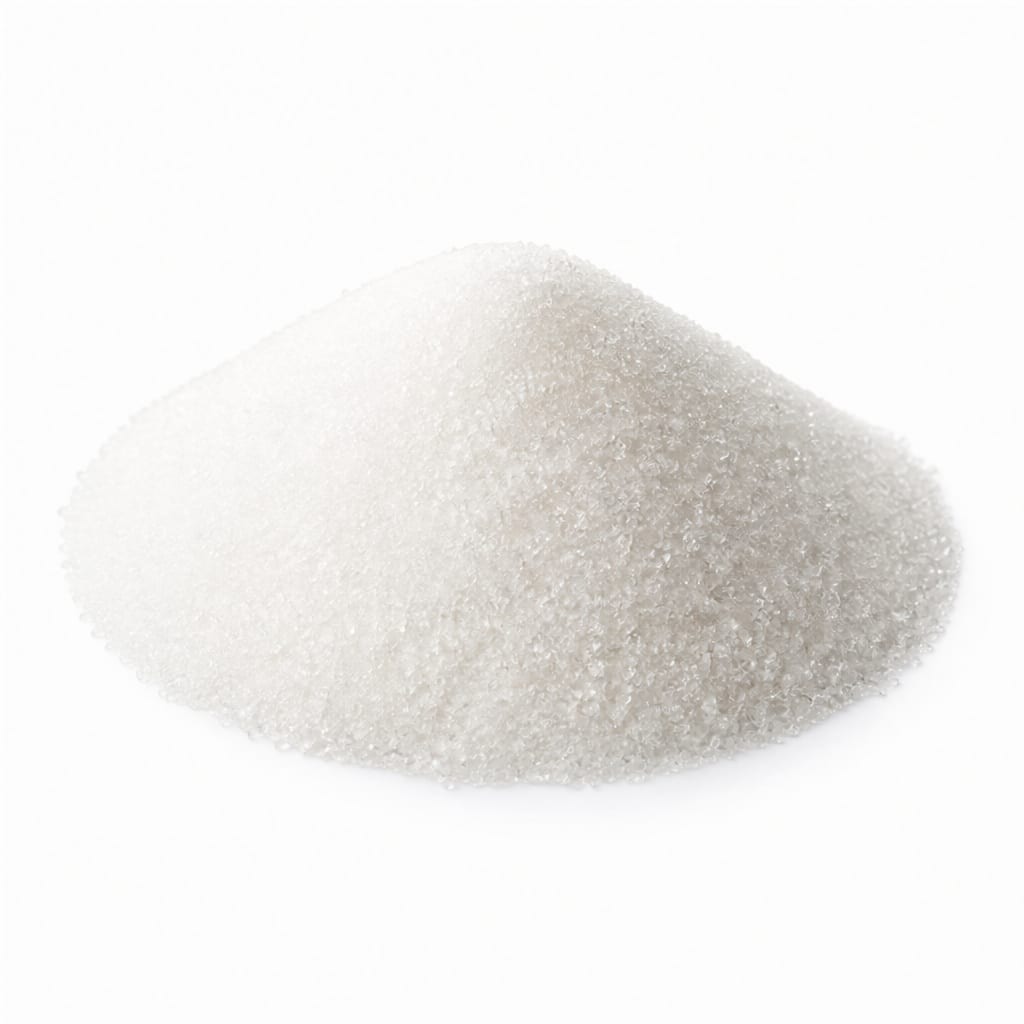
White Sugar
Dates are the clearly superior sweetener — they deliver sweetness alongside fiber, minerals, and antioxidants, while white sugar provides empty calories with zero nutritional value.
Dates score moderately because they are still sugar-dense and calorie-heavy, but they earn significant points for fiber, minerals, and antioxidants. White sugar scores near the bottom because it provides calories with zero accompanying nutrition.
Dates cost more and are less versatile in recipes, but they offer real nutrition instead of metabolic dead weight.
At a glance
Executive summary
Overall
Date
Healthier
Date
More practical
White Sugar
Daily use
Date
Key comparison lenses
natural vs refined sweetener
The core question: is a whole-food sweetener meaningfully better than a refined one?
blood sugar management
Both are sugar-dense, so glycemic impact is the biggest shared concern
nutritional empty vs whole food
White sugar delivers calories with zero nutrients; dates bring fiber, minerals, and antioxidants
baking and cooking substitution
Many people wonder if dates can replace sugar in recipes
weight management
Both are calorie-dense sweeteners, but satiety differs significantly
Best choice for
Date
- Smoothies and energy bites
- Pre-workout quick energy
- Natural baking sweetening
- People avoiding refined sugar
- Snacking with nutritional value
White Sugar
- Precise baking recipes
- Caramelizing and candy-making
- Preserving and jam-making
- Budget-conscious households
- Situations requiring neutral sweetness
Least suitable for
Date
- Strict low-carb or keto diets
- Blood sugar sensitive individuals in large amounts
- Recipes needing neutral-flavored sweetness
- Tight grocery budgets
White Sugar
- Daily consumption by anyone
- Metabolic syndrome or diabetes management
- Anti-inflammatory eating patterns
- Children's regular diet
Deep comparison
Dimension by dimension
Each lens scores both foods and breaks down who each option suits.
- Dimension 1 · Priority 95Date
Nutritional Density
Date · 72White Sugar · 0Dates offer potassium, magnesium, iron, B6, and antioxidants. White sugar offers nothing beyond calories.
Tradeoff
You pay more calories per serving with dates, but you actually get nutrients in return.
Why it matters
Eating sweet foods that also nourish you is fundamentally different from eating sweet foods that deplete you.
Real-world impact
A few dates with almonds is a satisfying snack. A spoonful of sugar leaves you hungry again in 20 minutes.
Date
- Getting minerals alongside sweetness
- Snacking that actually satisfies
- Replacing empty-calorie desserts
Better for
- Counting every calorie strictly — dates are nutrient-dense but not low-calorie
Worse for
White Sugar
- Situations where zero nutrients is fine, like decorative sugar on a cookie
Better for
- Any scenario where you eat this daily and expect health benefits
Worse for
- Dimension 2 · Priority 90Date
Blood Sugar Impact
Date · 38White Sugar · 8Both spike blood sugar, but dates do it more gently thanks to fiber slowing absorption.
Tradeoff
Neither is a low-glycemic food, but dates avoid the sharp crash that white sugar causes.
Why it matters
The fiber in dates means your body processes the sugar more gradually, reducing the spike-crash-crave cycle.
Real-world impact
White sugar in coffee can trigger a mid-morning energy crash. A date with breakfast gives steadier energy.
Date
- More stable energy after eating
- Less intense sugar cravings afterward
- Pairing with protein for balanced snacks
Better for
- Large amounts still spike blood sugar significantly
Worse for
White Sugar
- Nothing — white sugar always spikes blood sugar faster
Better for
- Rapid spike and crash cycle
- Triggers more cravings soon after eating
- Particularly harmful for insulin resistance
Worse for
- Dimension 3 · Priority 85Date
Fiber Content
Date · 65White Sugar · 0A single date provides about 1.6g of fiber. White sugar provides zero.
Tradeoff
This fiber is what makes dates filling and white sugar is not.
Why it matters
Fiber slows digestion, feeds gut bacteria, and helps you feel full — all things white sugar cannot do.
Real-world impact
Three dates can hold you over between meals. Three teaspoons of sugar cannot.
Date
- Gut health support
- Feeling full after eating sweet food
- Slower sugar absorption
Better for
- Still not a high-fiber food per calorie — vegetables are far better sources
Worse for
White Sugar
- No advantage — zero fiber
Better for
- Contributes nothing to daily fiber needs
- May worsen constipation if replacing fiber-rich foods
Worse for
- Dimension 4 · Priority 70White Sugar
Convenience and Versatility
Date · 35White Sugar · 82White sugar dissolves instantly, measures precisely, and works in any recipe. Dates require blending or chopping and add moisture and flavor.
Tradeoff
White sugar is far easier to cook with, but you pay the health cost for that convenience.
Why it matters
In baking, sugar does more than sweeten — it affects texture, browning, and structure. Dates cannot fully replicate this.
Real-world impact
Making meringues or caramel requires white sugar. Dates simply cannot do that job.
Date
- Blended into smoothies or energy balls easily
- Natural sweetness for oatmeal or yogurt
Better for
- Cannot caramelize or crystallize
- Adds unwanted moisture to some recipes
- Shorter shelf life once opened
Worse for
White Sugar
- Precise baking measurements
- Dissolving in cold or hot liquids instantly
- Caramelizing and candy-making
- Shelf-stable for years without refrigeration
Better for
- Convenience comes with zero nutritional payoff
Worse for
- Dimension 5 · Priority 80Date
Satiety and Overeating Risk
Date · 55White Sugar · 10Dates are self-limiting — their chewiness and fiber make you stop naturally. White sugar is easy to overconsume invisibly.
Tradeoff
Dates are harder to binge on, but they are still calorie-dense if you eat many.
Why it matters
Sugar hidden in processed foods adds up without you noticing. Dates you have to chew and think about.
Real-world impact
It is easy to consume 10 teaspoons of sugar in soda without feeling full. Eating 10 dates would feel like a meal.
Date
- Built-in portion control from chewiness and fiber
- You feel when you have had enough
Better for
- Still easy to overeat if you love them — 6 dates is roughly 300 calories
Worse for
White Sugar
- No advantage for satiety
Better for
- Invisible calories in drinks and processed foods
- No fullness signal to stop consumption
- Directly stimulates appetite and cravings
Worse for
- Dimension 6 · Priority 72Date
Antioxidant and Anti-inflammatory Value
Date · 60White Sugar · 0Dates contain polyphenols, carotenoids, and flavonoids. White sugar has none and may actively promote inflammation.
Tradeoff
Dates give you a small antioxidant boost with your sweet treat. White sugar may increase inflammation.
Why it matters
Chronic low-grade inflammation is linked to heart disease, diabetes, and aging. Every anti-inflammatory food choice adds up.
Real-world impact
Swapping sugar for dates in your morning oatmeal is a small but real upgrade to your inflammatory profile.
Date
- Polyphenols that fight oxidative stress
- Potential anti-inflammatory compounds
Better for
- Antioxidant content is modest compared to berries or dark chocolate
Worse for
White Sugar
- No antioxidant value whatsoever
Better for
- Excess consumption linked to increased inflammatory markers
- May advance glycation end-products that accelerate aging
Worse for
Timeline
Health impact over time
Short-term
Hours to days
Date
- Quick energy from natural sugars
- Moderate satiety from fiber content
- Mild blood sugar rise, less severe crash than refined sugar
White Sugar
- Rapid blood sugar spike
- Energy crash within 30-60 minutes
- Immediate cravings for more sweet food
- No satiety whatsoever
Long-term
Months to years
Date
- Better mineral intake when used as primary sweetener
- Supports digestive regularity from fiber
- Still contributes to sugar-related issues if overconsumed
White Sugar
- Increased risk of insulin resistance with regular use
- Contributes to fatty liver when consumed in excess
- Promotes weight gain without providing any nutritional buffer
- Associated with higher cardiovascular risk markers
Risk profile
Safety & processing
Dates grow on trees and are simply dried. White sugar undergoes extensive refining including chemical purification with lime and carbon dioxide, stripping away every trace of the original plant.
Date
Sulfite sensitivity
lowSome dried dates are treated with sulfites. Most whole dates are not, but check labels if you are sensitive.
Mold contamination
lowImproperly stored dates can develop mold. Store in airtight containers and refrigerate after opening.
White Sugar
Dental decay
mediumWhite sugar is highly cariogenic. It feeds oral bacteria that produce acid, eroding tooth enamel directly.
Metabolic harm from regular consumption
highDaily intake of added white sugar is strongly linked to obesity, type 2 diabetes, and cardiovascular disease.
Who wins for whom
Audience fit
Same foods, different winners depending on your goal.
children
DateDates offer sweetness with nutrients and fiber, supporting growth. White sugar trains preference for empty sweetness.
daily consumption
DateA few dates daily can fit into a healthy diet. Daily white sugar has no health justification and clear metabolic downsides.
diabetes
It dependsNeither is ideal for diabetes. Dates have a lower glycemic index but still contain significant sugar. Both require strict portion control.
elderly
DateDates provide easily chewable energy with minerals and fiber that support bone density and digestion in aging bodies.
muscle gain
DateDates provide quick carbs with potassium and magnesium that support muscle function. Neither is a protein source.
weight loss
DateDates are more filling per calorie, making it easier to eat less overall. White sugar adds calories without any satiety signal.
Your move
Decision guide
Choose Date
- You want sweetness with actual nutritional value
- You are trying to reduce refined sugar intake
- You need a pre-workout or afternoon energy snack
- You are making smoothies, energy balls, or oatmeal
- You care about fiber and mineral intake
Choose White Sugar
- You are making caramel, meringue, or candy that requires crystallization
- You need precise measurements for a baking recipe
- Budget is the primary concern
- You need a neutral-flavored sweetener that disappears into a dish
Either works if
- You only use sweeteners occasionally in small amounts
- You are adding a tiny amount to a large recipe
Avoid both if
- You are on a strict keto or very low-carb diet
- You have severe blood sugar control issues and need to minimize all sugar sources
- You are trying to break a sugar addiction completely
Final recommendation
Replace white sugar with dates wherever you can — in smoothies, oatmeal, baking, and snacking. The nutritional gap between them is enormous. Save white sugar for the rare recipes where nothing else works, and keep it occasional, not daily.
Practical
Consumer tips
- 1
Blend pitted dates with water to make date paste — a direct 1:1 substitute for sugar in many recipes
- 2
Stick to 2-3 dates per serving to keep sugar intake reasonable
- 3
Pair dates with a protein or fat source like almonds or peanut butter to further slow sugar absorption
- 4
Choose Medjool dates for eating raw and Deglet Noor for baking — they have different moisture levels
- 5
Avoid dates coated in syrup or added sugar — check the ingredient list for just one item: dates
- 6
Store dates in the fridge after opening to prevent mold and maintain softness