
Nutrition comparison
Dates vs Raisins: Which Dried Fruit Is Healthier for You?
Compare dates and raisins on blood sugar impact, fiber, calories, iron, and additives. Find out which dried fruit fits your health goals and everyday snacking needs.
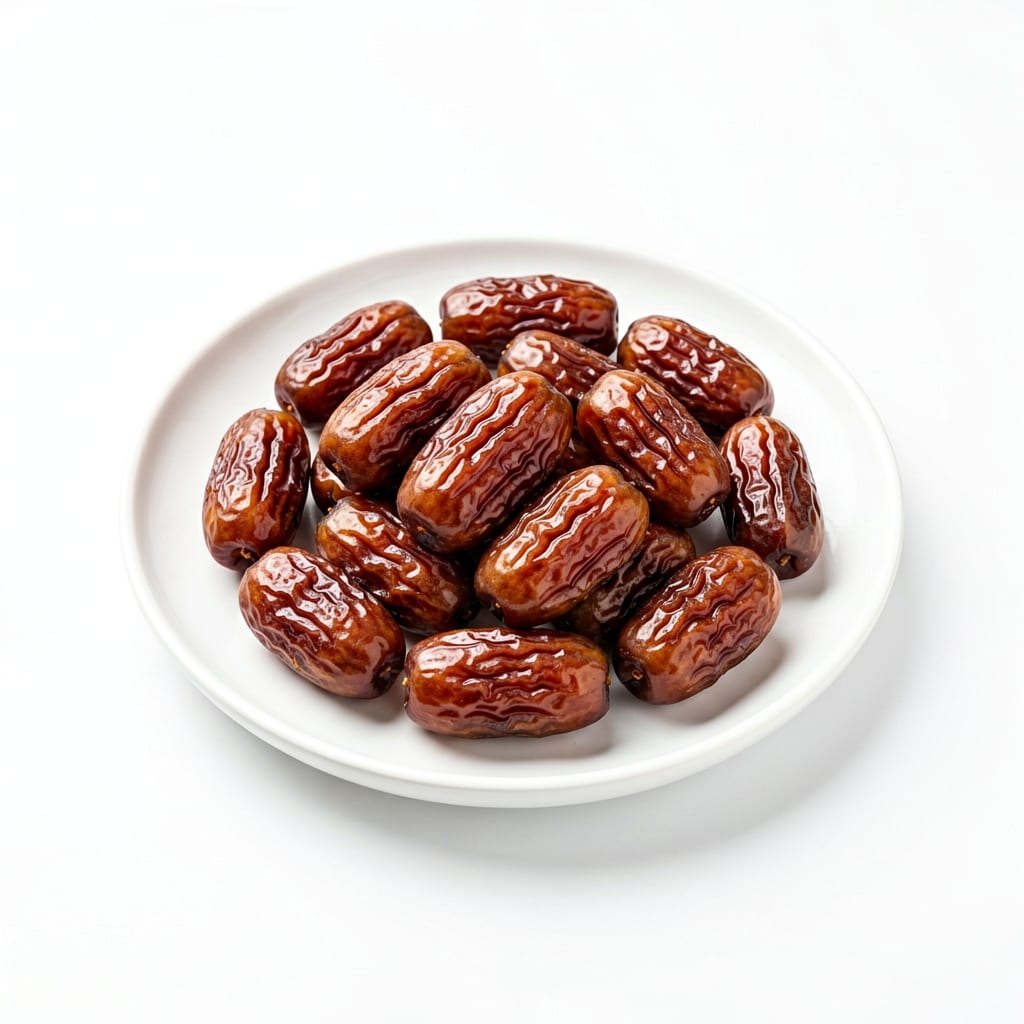
Date
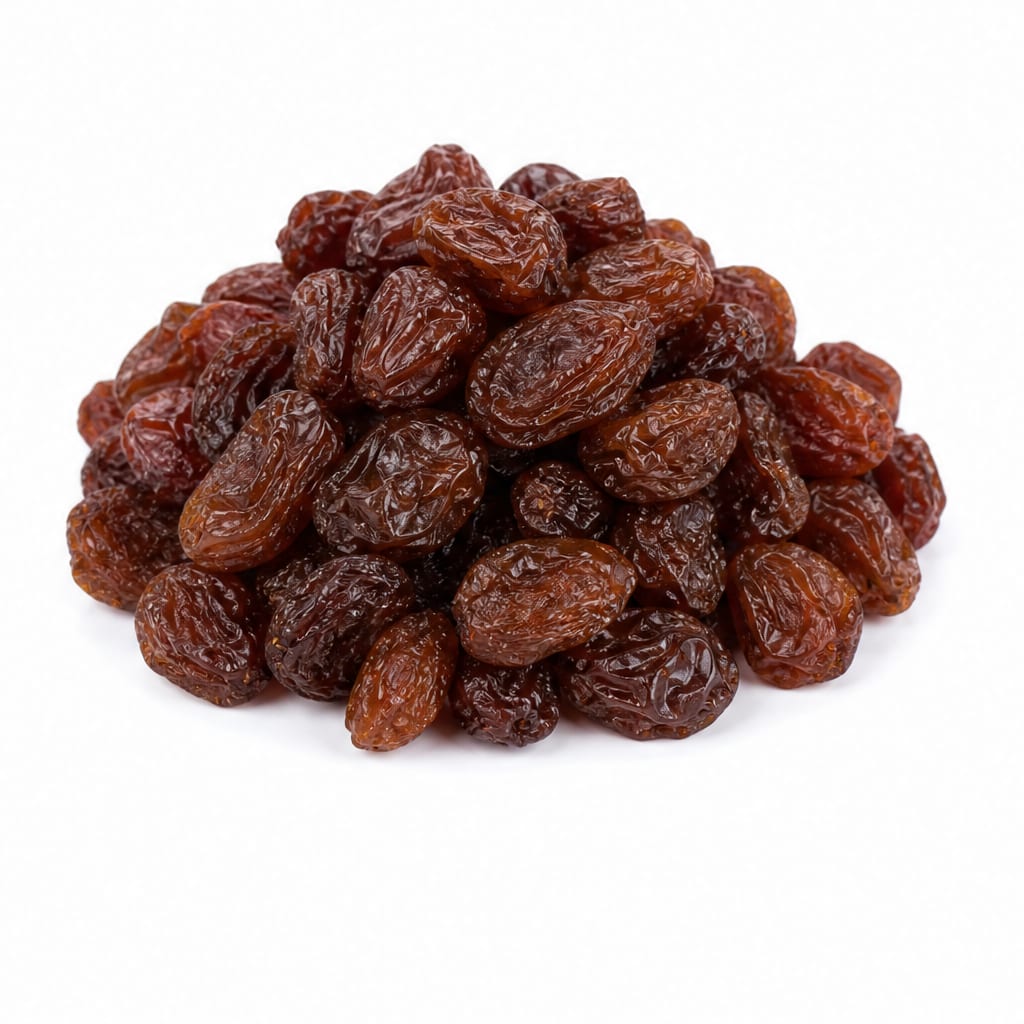
Raisins
Dates offer more fiber and a lower glycemic impact, while raisins are slightly lower in calories and richer in iron. The better pick depends on your blood sugar sensitivity and mineral priorities.
Dates score higher due to superior fiber content, lower glycemic impact, and cleaner ingredient profile. Raisins remain competitive with lower calories and better iron content, but their higher glycemic load and common preservative use narrow the gap.
Dates give you steadier energy and more fullness per bite, but raisins are lighter on calories and better for iron needs.
At a glance
Executive summary
Overall
It depends
Healthier
Date
More practical
Raisins
Daily use
Date
Key comparison lenses
blood sugar management
Both are concentrated sugar sources, making glycemic impact the top concern for most users
snack choice for energy
People commonly reach for dried fruits as quick-energy snacks, so comparing sustained vs quick energy matters
weight management
Calorie density and overeating potential are significant with both foods
mineral and nutrient density
Each offers distinct mineral profiles that matter for different dietary gaps
ingredient transparency and additives
Raisins often contain preservatives like sulfur dioxide while dates typically do not
Best choice for
Date
- People managing blood sugar who still want natural sweetness
- Those needing more fiber to stay full between meals
- Athletes wanting sustained pre-workout fuel
- Anyone avoiding sulfites and preservatives
Raisins
- People watching calorie intake closely
- Those needing an iron boost, especially vegetarian diets
- Bakers wanting a versatile, affordable dried fruit
- Anyone wanting a lighter snack that is easy to portion
Least suitable for
Date
- People strictly limiting carbohydrate or sugar intake
- Those prone to overeating calorie-dense foods
- Anyone needing a very low-calorie snack option
Raisins
- People with sulfite sensitivity, especially from golden raisins
- Those sensitive to rapid blood sugar spikes
- Anyone wanting a high-fiber snack to stay full
Deep comparison
Dimension by dimension
Each lens scores both foods and breaks down who each option suits.
- Dimension 1 · Priority 92Date
blood sugar stability
Date · 62Raisins · 45Dates have a lower glycemic index despite their sweetness, thanks to more fiber slowing sugar absorption.
Tradeoff
Raisins hit your bloodstream faster, which can be useful during exercise but problematic for sedentary snacking.
Why it matters
If you are sitting at a desk, a faster sugar spike from raisins means a quicker crash and renewed hunger.
Real-world impact
Dates give you energy that fades gently over an hour. Raisins can feel like a quick jolt followed by a dip within 30 minutes.
Date
- Sustained afternoon energy without the crash
- Pre-meal snacking that does not spike then drop you
- Diabetics seeking the safer dried fruit option
Better for
- Situations demanding instant energy availability
Worse for
Raisins
- Quick fuel during endurance sports
- Rapid recovery sugar after intense workouts
Better for
- Sedentary snacking where blood sugar spikes are unwanted
- Late-night eating when insulin sensitivity is lower
Worse for
- Dimension 2 · Priority 88Date
satiety and fullness
Date · 70Raisins · 48Dates are significantly more filling per piece due to higher fiber and denser texture.
Tradeoff
That fullness comes with more calories per serving, so portion control still matters.
Why it matters
A snack that actually satisfies you prevents the cascade of reaching for more food 20 minutes later.
Real-world impact
Two dates can hold you over between lunch and dinner. The same calorie amount in raisins leaves you wanting more.
Date
- Bridging long gaps between meals
- Reducing overall daily snacking frequency
Better for
- When you want a light pre-meal bite that does not spoil appetite
Worse for
Raisins
- Light snacking when you want flavor without feeling heavy
Better for
- Controlling hunger-driven overeating throughout the day
Worse for
- Dimension 3 · Priority 85Raisins
calorie efficiency
Date · 42Raisins · 60Raisins deliver slightly fewer calories per serving, making them easier to fit into tight calorie budgets.
Tradeoff
The calorie savings are modest and can vanish if you eat more raisins because they are less filling.
Why it matters
For someone on a strict 1500-calorie plan, every calorie needs to work harder toward fullness or nutrition.
Real-world impact
A quarter cup of raisins costs you about 108 calories. A quarter cup of chopped dates runs closer to 125. The difference adds up over a week but only if portions stay controlled.
Date
- Getting more satiety per calorie if you can stop at one or two
Better for
- Very low-calorie diet phases
Worse for
Raisins
- Strict calorie counting where every number matters
- Mixing into oatmeal or yogurt where small amounts add flavor without huge calorie cost
Better for
- Situations where low satiety leads to eating more overall
Worse for
- Dimension 4 · Priority 78It depends
mineral and micronutrient density
Date · 68Raisins · 65Dates win on potassium, magnesium, and copper. Raisins win on iron and are comparable on potassium per calorie.
Tradeoff
Your mineral priority determines the winner here. Vegetarians needing iron should lean toward raisins.
Why it matters
Iron deficiency is the most common nutrient gap globally, while potassium shortfall affects blood pressure management.
Real-world impact
A handful of raisins covers about 5% of daily iron needs, which matters for plant-based eaters. Dates offer more magnesium, which helps with sleep and muscle recovery.
Date
- Magnesium support for sleep and muscle function
- Potassium intake for blood pressure management
- Copper for iron metabolism and energy production
Better for
- Addressing iron deficiency
Worse for
Raisins
- Iron needs, especially for vegetarian and vegan diets
- Potassium per calorie for those watching intake closely
Better for
- Magnesium replenishment after exercise
Worse for
- Dimension 5 · Priority 70Date
ingredient transparency and additives
Date · 85Raisins · 55Most dates are sold with zero additives. Many raisins, especially golden varieties, contain sulfur dioxide or oils.
Tradeoff
Organic or naturally dried raisins exist but cost more and are harder to find.
Why it matters
Sulfite sensitivity affects roughly 1% of people and can trigger headaches, breathing issues, or skin reactions.
Real-world impact
You can grab a package of Medjool dates and the ingredient list says 'dates.' A typical raisin bag may list raisins, vegetable oil, and sulfur dioxide.
Date
- Avoiding sulfites and preservatives entirely
- Clean-label eating with single-ingredient foods
Better for
- None significant on this dimension
Worse for
Raisins
- Situations where preservatives are not a personal concern
Better for
- Sulfite-sensitive individuals must seek out unsulfured varieties
- Clean-label diets that reject added oils and preservatives
Worse for
- Dimension 6 · Priority 72Raisins
versatility and convenience
Date · 58Raisins · 75Raisins are easier to mix, bake, and distribute across dishes. Dates are stickier and require more prep for most uses.
Tradeoff
Dates shine as a natural sweetener base for energy balls and smoothies, but that is a narrower use case.
Why it matters
A food you actually use in multiple ways delivers more nutritional value than one that sits in the pantry.
Real-world impact
Raisins toss easily into salads, cereal, and trail mix. Dates usually need pitting and chopping, which adds friction to everyday use.
Date
- Blending into smoothies for natural sweetness and thickness
- Making homemade energy bars and date-sweetened desserts
Better for
- On-the-go snacking where sticky texture is annoying
- Baking recipes requiring even distribution of small pieces
Worse for
Raisins
- Quick scattering into oatmeal, salads, or baked goods
- Trail mix and snack packs where uniform small pieces work better
- Kids' lunchboxes where sticky fingers are a concern
Better for
- Recipes needing a binding or sweetening paste
Worse for
Timeline
Health impact over time
Short-term
Hours to days
Date
- Provides steady energy release over 45-60 minutes due to fiber content
- Can feel heavy if eaten in large quantities because of dense texture
- Natural sugars may still cause mild spikes if consumed on an empty stomach in excess
Raisins
- Delivers quick energy within 15-20 minutes, useful for immediate fuel needs
- Less likely to cause a feeling of fullness, which can lead to eating more than intended
- Sulfites in some varieties may trigger headaches or mild reactions in sensitive individuals
Long-term
Months to years
Date
- Higher fiber intake supports digestive regularity and gut health over time
- Consistent potassium and magnesium intake benefits cardiovascular health
- Risk of excess calorie intake if portions are not managed, potentially contributing to weight gain
Raisins
- Iron contribution supports prevention of deficiency, especially in plant-based diets
- Frequent consumption without portion control may contribute to elevated blood sugar patterns
- Preservative exposure from sulfured varieties is low risk but unnecessary with cleaner alternatives available
Risk profile
Safety & processing
Dates are typically sun-dried or dehydrated with no additives, making them a genuinely single-ingredient food. Raisins often undergo additional processing including sulfur dioxide treatment for color preservation and light oil coating to prevent clumping. Unsulfured and organic raisins close this gap but are less common on shelves.
Date
sulfite contamination from shared processing facilities
lowDates themselves do not contain sulfites, but cross-contamination is possible in facilities that process multiple dried fruits.
mold and mycotoxin exposure from improper storage
mediumDates' high moisture content compared to other dried fruits makes them more susceptible to mold if stored in warm, humid conditions.
Raisins
sulfite sensitivity reactions
mediumSulfur dioxide is commonly used in golden raisins and some regular raisins. Reactions can include headaches, hives, or breathing difficulty in sensitive individuals.
added vegetable oils
lowMany commercial raisins are lightly coated with oils to prevent sticking. This adds unnecessary processed fat and potential oxidation concerns.
lead contamination in some sources
lowSome raisin samples have shown trace lead levels, likely from soil. Risk is low but worth noting for frequent consumers, especially children.
Who wins for whom
Audience fit
Same foods, different winners depending on your goal.
children
RaisinsRaisins are easier for small hands to manage, less sticky, and widely available in kid-friendly packs. Choose unsulfured varieties to avoid preservative exposure.
daily consumption
DateThe cleaner ingredient profile, better fiber content, and steadier energy make dates more sustainable as a daily staple in moderate amounts.
diabetes
DateDates have a lower glycemic index and more fiber, resulting in a gentler blood sugar response. Both require strict portion control, but dates are the safer option.
elderly
DateDates' higher fiber supports digestive regularity, which is a common concern with aging. Their softer texture is also easier to chew for those with dental issues.
muscle gain
DateDates provide more potassium and magnesium for muscle recovery, plus steadier carbs that pair well with protein for balanced post-workout nutrition.
weight loss
RaisinsRaisins offer slightly fewer calories per serving and are easier to portion in small amounts. However, their lower satiety means you must be disciplined about serving size.
Your move
Decision guide
Choose Date
- You want a satisfying snack that actually curbs hunger between meals
- Blood sugar stability is a priority for you
- You prefer foods with no additives or preservatives
- You need magnesium support for sleep, recovery, or stress management
- You make smoothies or energy bars and want a natural sweetener base
Choose Raisins
- You are counting calories carefully and want a lighter dried fruit option
- You need more iron in your diet, especially on a plant-based eating plan
- You want a versatile add-in for oatmeal, baking, and salads
- You need quick-access energy during endurance activities
- You prefer a non-sticky snack for lunchboxes or on-the-go eating
Either works if
- You just want a natural whole-food sweet treat in moderation
- You are mixing dried fruit into a balanced trail mix with nuts and seeds
- You rotate between options for variety without relying on either daily
Avoid both if
- You are on a strict low-carb or ketogenic diet
- You have difficulty controlling portions with sweet, calorie-dense foods
- You are managing severe blood sugar issues and need to limit all concentrated sugar sources
Final recommendation
For most people, dates are the slightly better everyday choice due to more fiber, steadier energy, and a cleaner ingredient label. Raisins are the better pick when calories, iron, or convenience matter most. Whichever you choose, keep portions to a small handful, as both foods are concentrated sources of sugar and calories that can easily exceed your needs.
Practical
Consumer tips
- 1
Look for unsulfured raisins to avoid preservative exposure. They are darker in color but taste the same.
- 2
Refrigerate dates after opening to prevent mold, especially Medjool varieties with higher moisture.
- 3
Pit dates before storing them in bulk to save prep time later and avoid biting into a pit unexpectedly.
- 4
Pair either dried fruit with a protein or fat source like nuts to slow sugar absorption and extend fullness.
- 5
Avoid both foods that list added sugar in the ingredients. The natural sugar is already high enough.
- 6
If buying raisins, check for added oils in the ingredient list. Many brands coat them unnecessarily.
- 7
Freeze raisins for a firmer texture that takes longer to eat, which naturally slows consumption.