
Nutrition comparison
Dates vs Honey: Which Natural Sweetener Is Healthier?
Compare dates and honey on nutrition, blood sugar impact, satiety, and safety. Discover which natural sweetener is better for weight loss, diabetes, and daily use.
Overall winner · Date
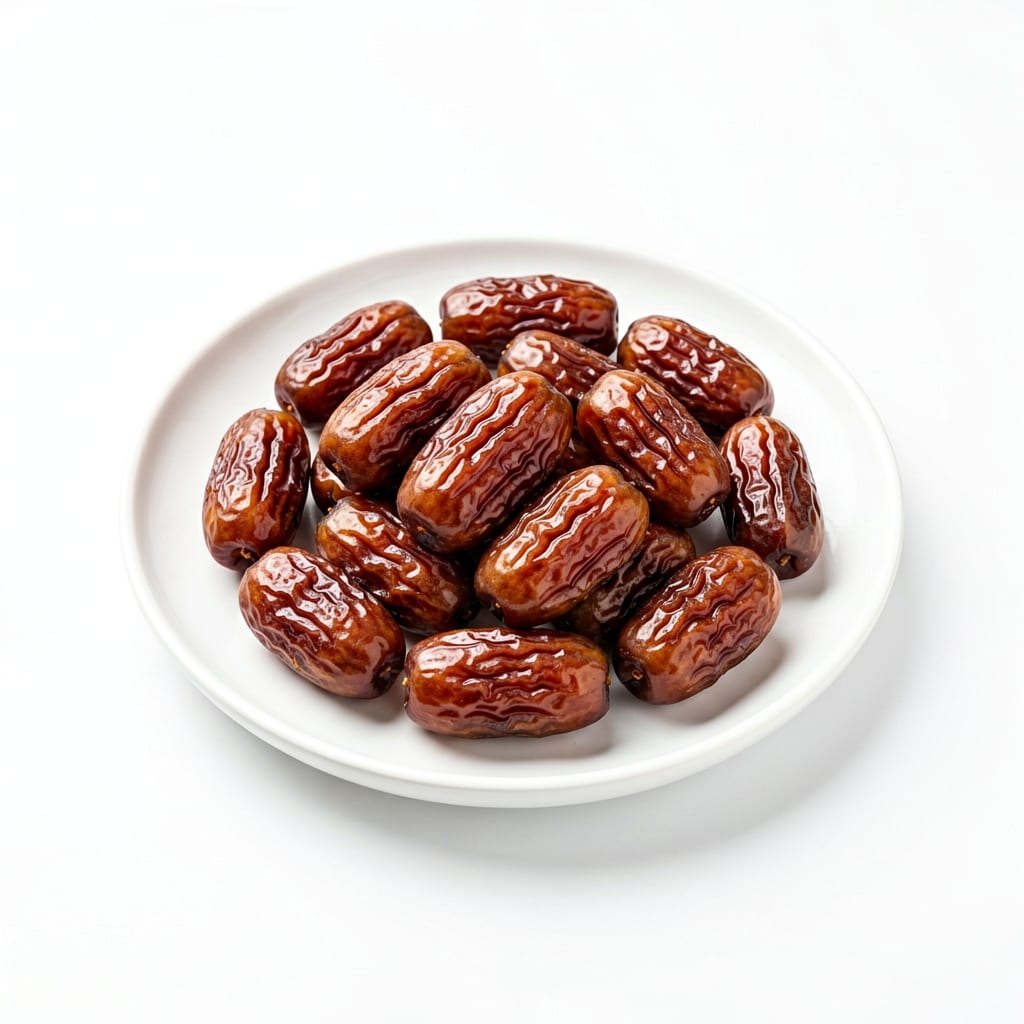
Date
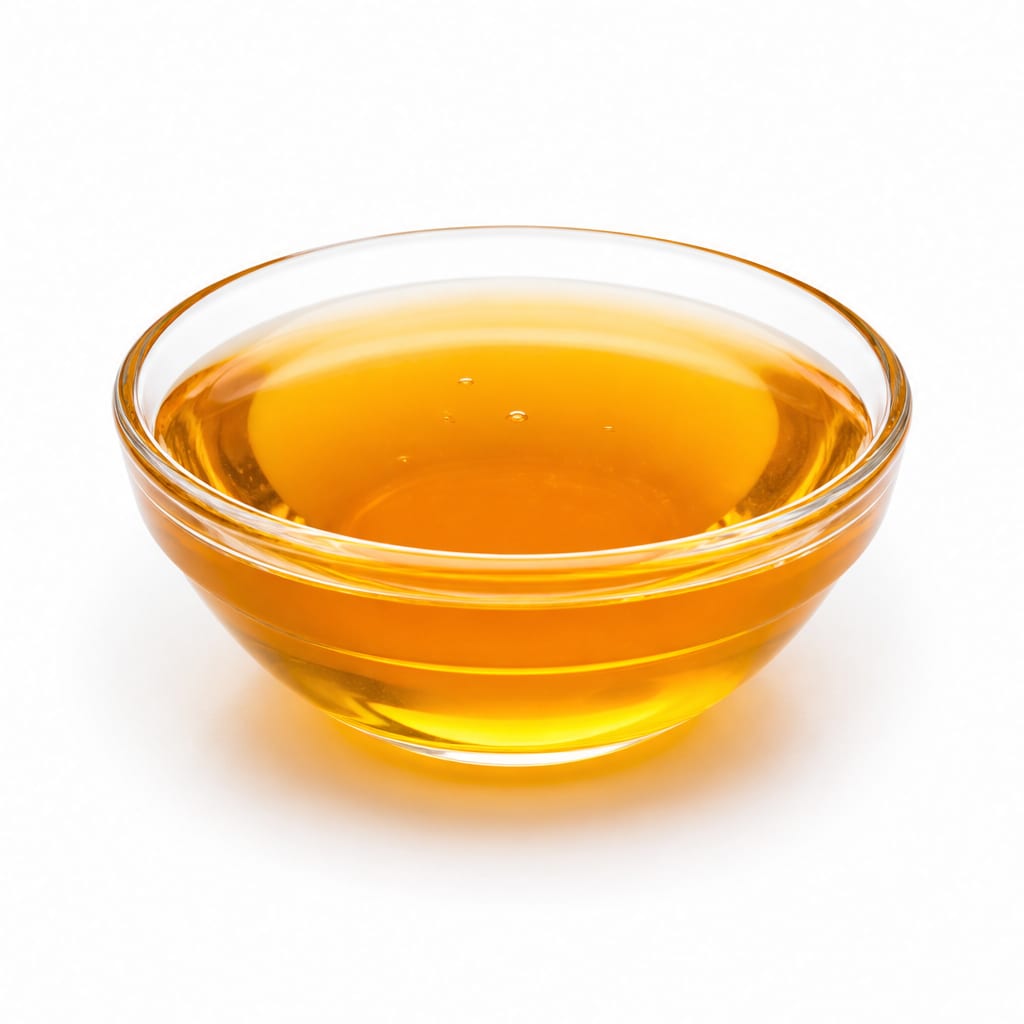
Honey
Dates win on nutrient density and satiety, while honey offers smoother sweetness and unique antibacterial benefits. For everyday sweetening, dates give you more per calorie.
Dates score notably higher due to fiber, mineral content, and satiety value. Honey remains useful for specific purposes but offers less nutritional return per calorie and carries infant safety concerns.
Dates provide fiber, minerals, and fullness but are denser and chewier. Honey dissolves easily and soothes throats but spikes blood sugar faster with zero fiber.
At a glance
Executive summary
Overall
Date
Healthier
Date
More practical
Honey
Daily use
Date
Key comparison lenses
natural sweetener comparison for daily use
Both are popular natural sweeteners people choose instead of refined sugar
blood sugar and glycemic impact
Both are sugar-dense and users need to understand how each affects blood sugar differently
nutrient density tradeoff
Dates offer fiber and minerals while honey offers enzymes and antioxidants — a meaningful tradeoff
digestive health and gut tolerance
Fiber in dates supports digestion; honey has prebiotic properties but lacks fiber
safety for children and infants
Honey carries infant botulism risk, a critical safety distinction
Best choice for
Date
- People wanting more nutrients per sweet bite
- Those who need more fiber in their diet
- Active individuals needing sustained energy
- Anyone trying to feel full rather than just sweetened
Honey
- Sore throat or cough relief
- Beverage sweetening where dissolving matters
- Baking recipes requiring liquid sweetener
- People wanting antibacterial and throat-soothing properties
Least suitable for
Date
- Infants under 6 months (choking hazard, though no botulism risk)
- People strictly limiting carbohydrate intake
- Recipes needing a pourable liquid sweetener
Honey
- Infants under 12 months due to botulism risk
- People with severe blood sugar management needs
- Those seeking satiety or fullness from their sweetener
Deep comparison
Dimension by dimension
Each lens scores both foods and breaks down who each option suits.
- Dimension 1 · Priority 92Date
Nutrient Density
Date · 78Honey · 42Dates deliver meaningful amounts of potassium, magnesium, copper, manganese, and vitamin B6 alongside their sweetness. Honey is mostly sugar with trace minerals.
Tradeoff
You get significantly more micronutrients from dates but at a higher calorie cost per serving.
Why it matters
If you are going to consume sugar calories anyway, dates make those calories work harder for you.
Real-world impact
A couple of dates with almond butter feels like a nourishing snack. A spoonful of honey feels like just sugar.
Date
- Potassium intake — about 15% DV per 100g
- Magnesium and copper support
- B-vitamin contribution
Better for
- Higher calorie density per serving
Worse for
Honey
- Trace enzymes and bee-derived compounds
- Chrysin and other flavonoids in raw varieties
Better for
- Essentially empty sugar calories beyond trace minerals
Worse for
- Dimension 2 · Priority 90Date
Blood Sugar Impact
Date · 45Honey · 32Both spike blood sugar, but dates have a lower glycemic index due to fiber slowing absorption. Honey hits faster with no fiber buffer.
Tradeoff
Neither is ideal for blood sugar control, but dates are meaningfully gentler due to their fiber content.
Why it matters
The difference between a quick spike and a moderate rise affects energy crashes and cravings within hours.
Real-world impact
Honey in tea can leave you hungry again in 30 minutes. Dates with nuts keep you steadier for longer.
Date
- Fiber slows glucose absorption
- Lower glycemic index around 42-55 vs honey at 58-60
- Less dramatic crash afterward
Better for
- Still a high-sugar food that requires portion control
Worse for
Honey
- Slightly less total carbohydrate per tablespoon serving
Better for
- Rapid blood sugar spike with no fiber to buffer it
- Can trigger stronger cravings after the initial rush fades
Worse for
- Dimension 3 · Priority 85Date
Satiety and Fullness
Date · 72Honey · 25Dates are genuinely filling due to fiber and physical bulk. Honey provides calories with almost zero satiety.
Tradeoff
Dates can replace a snack. Honey only replaces a sweetener.
Why it matters
Feeling full after eating sweet food prevents overconsumption later in the day.
Real-world impact
Three dates satisfy like a small meal. Three tablespoons of honey just make you want more sweetness.
Date
- Nearly 7g fiber per 100g
- Physical chewiness signals fullness to the brain
- Can replace a proper snack, not just add sweetness
Better for
- Easy to overeat if not paying attention to quantity
Worse for
Honey
- No real satiety advantage
Better for
- Liquid sugar form bypasses fullness signals almost entirely
Worse for
- Dimension 4 · Priority 78Date
Digestive Health
Date · 70Honey · 52Dates support regularity and gut health through substantial fiber. Honey offers prebiotic oligosaccharides but in tiny amounts.
Tradeoff
Dates actively improve digestion over time. Honey has mild prebiotic potential but you would need large amounts to benefit, which brings too much sugar.
Why it matters
Constipation and irregularity are common issues that fiber directly addresses.
Real-world impact
Regular date consumption helps keep you regular. Honey is unlikely to move the needle on gut health.
Date
- Significant fiber for bowel regularity
- Promotes beneficial gut bacteria through prebiotic fiber
- Traditional remedy for constipation with real evidence
Better for
- High sugar can feed harmful gut bacteria if overconsumed
Worse for
Honey
- Oligosaccharides have prebiotic potential
- Manuka honey has specific gut-soothing properties
Better for
- Fiber content is negligible
- Practical prebiotic dose requires unrealistic honey intake
Worse for
- Dimension 5 · Priority 72Honey
Culinary Versatility
Date · 55Honey · 82Honey dissolves, drizzles, and blends effortlessly into anything. Dates require blending, chopping, or soaking for most uses beyond snacking.
Tradeoff
Honey is far easier to use as a sweetener. Dates need more prep but work well in smoothies and energy bites.
Why it matters
Convenience determines whether you actually use a food regularly or it sits in the pantry.
Real-world impact
Honey stirs into tea in seconds. Making date paste takes 10 minutes and a food processor.
Date
- Excellent in smoothies and energy balls
- Adds caramel-like depth to baked goods
- Works as a whole-food snack with no preparation
Better for
- Requires processing for most sweetener applications
- Can be too thick or chunky for delicate recipes
Worse for
Honey
- Dissolves instantly in hot and cold liquids
- Drizzles beautifully over yogurt and oatmeal
- Essential in marinades, dressings, and glazes
- Shelf-stable and pourable for years
Better for
- Cannot provide the chewy texture dates offer in baking
Worse for
- Dimension 6 · Priority 70Date
Safety and Contamination
Date · 80Honey · 55Honey carries a well-documented infant botulism risk. Dates have minor sulfite concerns in dried varieties but are generally safer across populations.
Tradeoff
Honey is unsafe for infants under 12 months. Dates are safe for all ages with proper portioning.
Why it matters
Households with babies must treat honey as a hazard, not a health food.
Real-world impact
One spoonful of honey can hospitalize an infant. Dates pose no equivalent risk.
Date
- No infant botulism risk
- Generally recognized as safe for all age groups
Better for
- Some commercially dried dates contain sulfites
- Choking hazard for very young children if not cut up
Worse for
Honey
- Natural antibacterial properties reduce spoilage risk
- Never expires when stored properly
Better for
- Clostridium botulinum spores dangerous for infants under 12 months
- Adulteration is common in commercial honey supply chains
Worse for
- Dimension 7 · Priority 65It depends
Antioxidant and Anti-inflammatory Value
Date · 62Honey · 60Both offer antioxidants but from different sources. Dates provide carotenoids and phenolics. Honey provides flavonoids and catalase. Raw honey edges ahead in antibacterial properties.
Tradeoff
Dates offer broader antioxidant variety. Honey offers unique antibacterial compounds you cannot get elsewhere.
Why it matters
Antioxidant diversity matters more than total amount for long-term health protection.
Real-world impact
Honey on a wound or sore throat has real medicinal effect. Dates eaten regularly contribute to long-term antioxidant intake.
Date
- Carotenoids support eye health
- Phenolic acids contribute to cellular defense
- Consistent daily intake builds antioxidant reserves
Better for
- No unique antibacterial properties
Worse for
Honey
- Manuka honey has clinically proven antibacterial activity
- Hydrogen peroxide and bee defensin-1 in raw honey
- Sore throat and wound healing applications
Better for
- Antioxidant content varies wildly by floral source and processing
- Heat processing destroys most beneficial compounds
Worse for
Timeline
Health impact over time
Short-term
Hours to days
Date
- Quick energy from natural sugars with a gentler rise than honey
- Fiber provides immediate fullness that curbs further snacking
- Natural sugars can cause a mild crash if eaten alone in large amounts
Honey
- Rapid blood sugar spike provides fast energy but fades quickly
- Soothing effect on sore throat and cough within minutes
- No satiety signal, which can lead to consuming more sweet foods shortly after
Long-term
Months to years
Date
- Regular fiber intake supports cardiovascular and digestive health over time
- Potassium and magnesium contribute to blood pressure regulation
- Consistent overconsumption still contributes to excess sugar intake and weight gain
Honey
- Trace antioxidant intake may offer mild anti-inflammatory benefit
- No fiber contribution means no long-term digestive improvement
- Daily use as a primary sweetener adds up to significant sugar load without nutritional offset
Risk profile
Safety & processing
Both are whole and natural in their best forms. Dates grow on palms and are simply dried. Honey is extracted from combs and strained. However, commercial honey faces widespread adulteration with corn syrup, and some dried dates are treated with sulfites. Choose organic dates and raw local honey for maximum integrity.
Date
Sulfite sensitivity in commercially dried dates
lowSome producers add sulfur dioxide to preserve color. Organic and naturally dried varieties avoid this. Sulfites trigger reactions in about 1% of the population, particularly asthmatics.
Choking hazard for toddlers
mediumWhole dates are sticky and dense. Always cut into small pieces for children under 4.
Honey
Infant botulism
highHoney can contain Clostridium botulinum spores. Infants under 12 months lack the gut maturity to handle them. This can cause life-threatening illness. Never give honey to babies under one year.
Adulteration with cheaper syrups
mediumStudies suggest a significant portion of commercial honey is cut with corn or rice syrup. Buy local, raw, or verified sources to reduce this risk.
Who wins for whom
Audience fit
Same foods, different winners depending on your goal.
children
DateDates are safe for all ages when cut into small pieces. Honey is strictly unsafe for infants under 12 months due to botulism risk.
daily consumption
DateDaily date consumption contributes fiber, minerals, and antioxidants. Daily honey consumption mainly adds sugar without meaningful nutritional return.
diabetes
DateNeither is ideal, but dates have a lower glycemic index and fiber that slows absorption. Honey spikes blood sugar faster with no mitigating fiber.
elderly
DateDates provide fiber for common constipation issues and potassium for blood pressure management. Honey offers less nutritional support for age-related concerns.
muscle gain
It dependsHoney provides faster sugar for post-workout glycogen replenishment. Dates offer more potassium and magnesium for recovery. Both work depending on timing — honey immediately after training, dates as a sustained energy snack before.
weight loss
DateFiber and physical bulk make dates more satisfying per calorie, reducing the urge to overeat. Honey adds sugar calories with no fullness payoff.
Your move
Decision guide
Choose Date
- You want the most nutrition per sweet calorie
- Blood sugar stability matters to you
- You need a sweet snack that actually fills you up
- You have children under 12 months in the household
- Digestive regularity is a priority
Choose Honey
- You need a liquid sweetener for tea, coffee, or recipes
- Sore throat or cough relief is the goal
- You want a shelf-stable sweetener that never spoils
- You bake frequently and need easy incorporation
- You prefer raw Manuka honey for its antibacterial properties
Either works if
- You simply want a natural alternative to refined sugar
- Portion control is not a concern for you
- You rotate sweeteners for variety
Avoid both if
- You are strictly limiting all sugar intake
- You have severe blood sugar management needs and cannot afford any concentrated sweetener
- You are on a very low carbohydrate or ketogenic diet
Final recommendation
For most people seeking a daily natural sweetener, dates offer more nutritional value, better satiety, and gentler blood sugar impact. Keep honey on hand for sore throats, baking, and beverages, but reach for dates when you want sweetness that actually nourishes you. The fiber difference alone makes dates the smarter default choice.
Practical
Consumer tips
- 1
Blend pitted dates with a splash of water to make a versatile date paste that replaces honey in most recipes
- 2
Choose Medjool dates for eating raw — they are softer and more caramel-like. Deglet Noor dates work better for baking
- 3
Buy raw unfiltered honey from local producers to avoid adulteration and get the most beneficial compounds
- 4
Freeze dates to extend shelf life — they thaw quickly and taste great cold
- 5
Never give honey to a child under 12 months, even in cooked or baked form
- 6
Pair dates with a protein or fat source like nuts or cheese to further slow sugar absorption
- 7
Avoid honey labeled simply as 'pure' — this often means it has been pasteurized and filtered, removing most beneficial enzymes