
Nutrition comparison
Dates vs Prunes: Which Dried Fruit Is Healthier for You?
Compare dates and prunes on blood sugar, digestion, bone health, and weight management. Learn which dried fruit fits your goals and when each one wins.
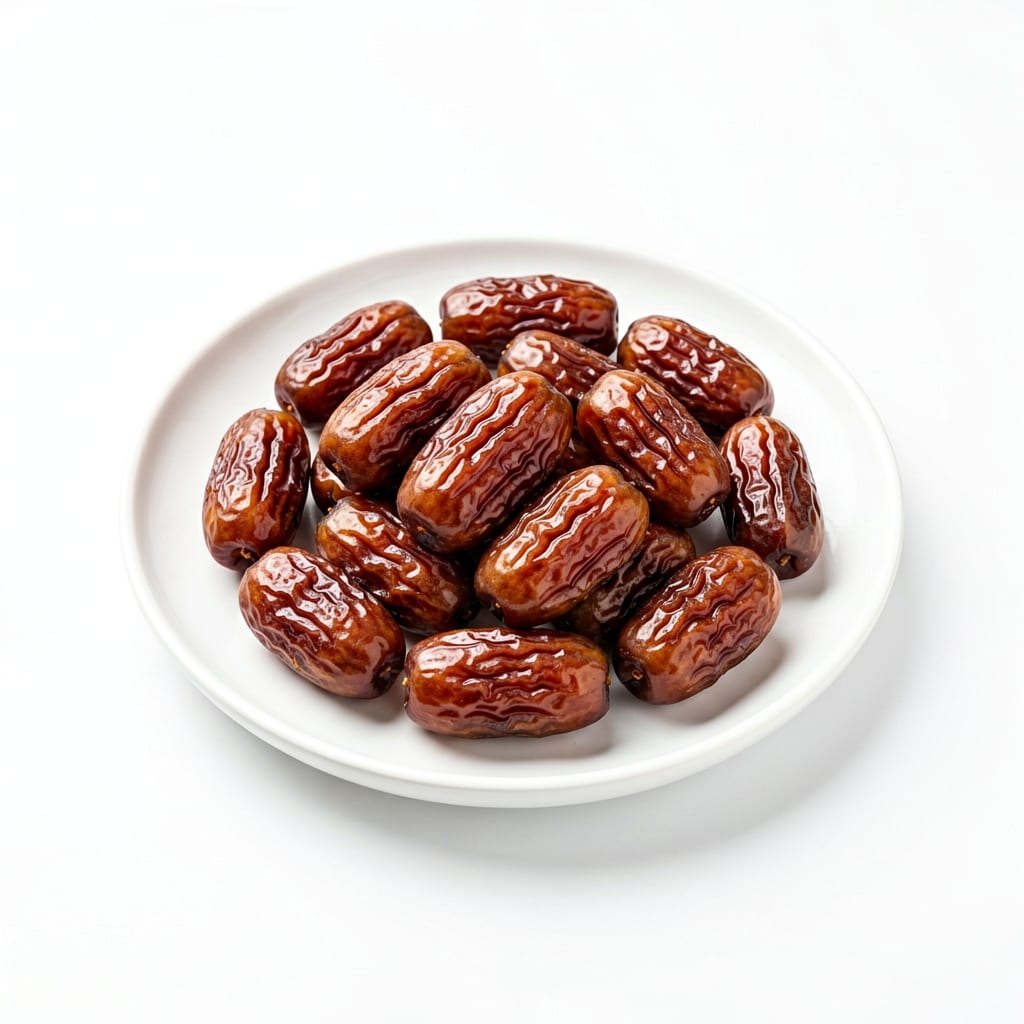
Date
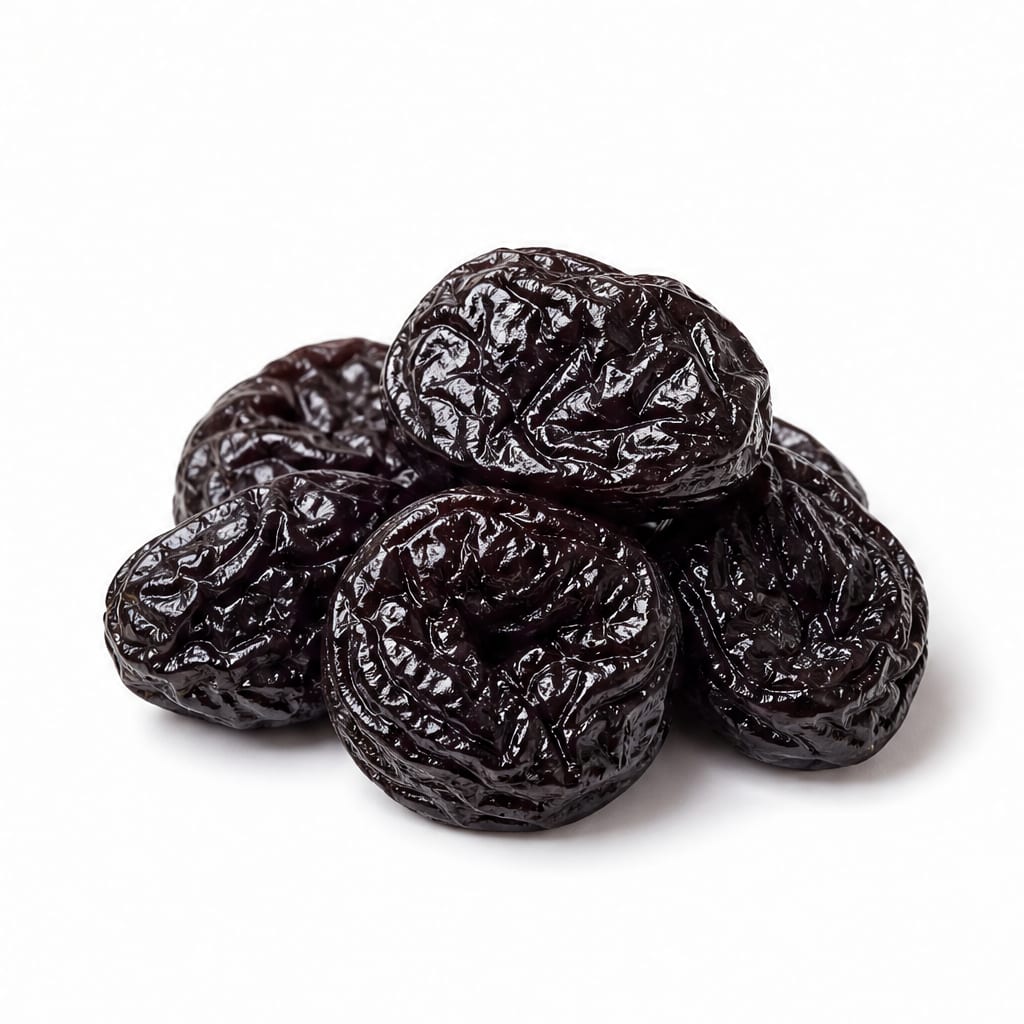
Prunes
Prunes win for digestion, blood sugar control, and bone health. Dates win for quick energy, natural sweetness in recipes, and taste appeal.
Prunes score higher due to better blood sugar stability, superior fiber content, digestive benefits, and bone health support. Dates remain valuable for energy and taste but their higher sugar load and easier overeating pull the score down for general health.
Dates offer faster energy and recipe versatility but spike blood sugar harder. Prunes digest slower, keep you fuller, and support gut and bone health but taste less indulgent.
At a glance
Executive summary
Overall
It depends
Healthier
Prunes
More practical
Date
Daily use
Prunes
Key comparison lenses
digestive health and regularity
Prunes are famously linked to digestion; users comparing these foods likely care about gut health and regularity
blood sugar management
Both are sweet dried fruits with significant sugar content, making glycemic impact a top concern
natural sweetener alternative
Dates are widely used as a whole-food sweetener in recipes and smoothies
snack choice for energy
Both are portable, shelf-stable energy snacks popular with athletes and busy people
bone health support
Prunes have emerging evidence for bone density, a unique differentiator worth highlighting
Best choice for
Date
- Pre-workout quick energy
- Natural sweetener in baking and smoothies
- Picky eaters who find prunes unappealing
- Labor prep (traditional use for cervical ripening)
Prunes
- Chronic constipation and sluggish digestion
- Blood sugar management in prediabetes
- Bone density concerns in postmenopausal women
- Sustained energy without the sugar crash
Least suitable for
Date
- People managing diabetes or insulin resistance
- Anyone prone to overeating sweet foods
- Those watching calorie intake closely
Prunes
- People with sorbitol sensitivity or IBS
- Anyone who finds the taste or texture off-putting
- Those needing rapid carbohydrate refueling
Deep comparison
Dimension by dimension
Each lens scores both foods and breaks down who each option suits.
- Dimension 1 · Priority 95Prunes
blood_sugar_stability
Date · 35Prunes · 60Prunes have a lower glycemic index (around 29) compared to dates (around 42-55 depending on variety), making them gentler on blood sugar.
Tradeoff
Dates deliver faster energy but with a steeper rise and fall. Prunes release sugar more gradually, avoiding the crash.
Why it matters
If you are prediabetic, insulin resistant, or sensitive to energy dips, this difference affects how you feel within 30 minutes of eating.
Real-world impact
A date with breakfast can leave you hungry again by midmorning. Prunes as a snack keep you steadier until lunch.
Date
- Endurance athletes needing quick carbs mid-run
- Hypoglycemic recovery from low blood sugar episodes
Better for
- Anyone monitoring HbA1c levels
- People who experience sugar crashes and irritability
Worse for
Prunes
- Prediabetics trying to flatten glucose spikes
- Office workers avoiding the afternoon energy crash
Better for
- Situations demanding immediate carbohydrate replenishment
Worse for
- Dimension 2 · Priority 95Prunes
digestive_health_and_fiber
Date · 55Prunes · 90Prunes deliver roughly 3 grams of sorbitol per serving plus soluble and insoluble fiber, making them one of the most effective natural remedies for constipation.
Tradeoff
Dates provide decent fiber but lack the sorbitol and unique phenolic compounds that stimulate bowel motility.
Why it matters
Chronic constipation affects roughly 16% of adults and is one of the most common reasons people seek out prunes specifically.
Real-world impact
Three prunes at bedtime often produce results by morning. Dates would not have the same reliable laxative effect.
Date
- People who want mild fiber without bathroom urgency
Better for
- Those specifically seeking reliable constipation relief
Worse for
Prunes
- Anyone dealing with chronic constipation
- Older adults with slowed digestion
- Post-surgical patients on opioids causing constipation
Better for
- People with IBS or sorbitol intolerance who get diarrhea easily
Worse for
- Dimension 3 · Priority 80Date
energy_and_sweetness
Date · 88Prunes · 55Dates are significantly sweeter and more calorie-dense, providing faster usable energy per bite.
Tradeoff
That sweetness makes dates more versatile in recipes but also easier to overconsume.
Why it matters
When you need fuel fast or want to replace refined sugar in a recipe, dates perform better. When you want a snack that does not trigger a binge, prunes are safer.
Real-world impact
Two Medjool dates blended into a smoothie replace honey or maple syrup naturally. Prunes would make the same smoothie taste noticeably less sweet.
Date
- Pre-workout fuel 30 minutes before exercise
- Healthy baking as a whole-food sweetener
- Labor-inducing recipes (traditional midwife recommendation)
Better for
- Late-night snacking where sugar disrupts sleep
- Anyone who struggles to stop at one or two
Worse for
Prunes
- Afternoon snacking without triggering a sweet tooth spiral
Better for
- Recipes where sweetness is the primary goal
Worse for
- Dimension 4 · Priority 70Prunes
bone_health
Date · 30Prunes · 82Prunes are the only fruit with clinical evidence showing they can slow bone loss and improve bone density markers in postmenopausal women.
Tradeoff
Dates contain some bone-supportive minerals like magnesium and potassium but lack the specific polyphenols and boron concentration that make prunes unique.
Why it matters
Osteoporosis affects 1 in 3 women over 50. Dietary interventions that slow bone loss are rare and valuable.
Real-world impact
Eating 5-6 prunes daily for 6-12 months has shown measurable bone density improvements in clinical trials. No equivalent evidence exists for dates.
Date
- Those specifically seeking dietary bone protection
Worse for
Prunes
- Postmenopausal women concerned about osteoporosis
- Anyone with a family history of bone density issues
- Older adults looking for food-based bone support
Better for
- Dimension 5 · Priority 75Prunes
satiety_and_overeating_risk
Date · 40Prunes · 68Prunes are more filling per calorie due to higher fiber and sorbitol, while dates are easier to overeat because they taste like candy.
Tradeoff
Dates feel more rewarding in the moment but less satisfying overall. Prunes feel less exciting but keep hunger at bay longer.
Why it matters
A snack that stops itself at 2-3 pieces is safer for weight management than one where you easily eat 6-8.
Real-world impact
It is easy to eat 5 Medjool dates (around 330 calories) without feeling full. Five prunes (around 100 calories) feel more substantial.
Date
- Athletes who genuinely need the extra calories
Better for
- Anyone tracking calories who finds portion control hard with sweets
Worse for
Prunes
- Weight-conscious snackers
- Emotional eaters who need built-in portion control
Better for
- Underweight individuals needing calorie density
Worse for
- Dimension 6 · Priority 65Prunes
antioxidant_and_nutrient_profile
Date · 58Prunes · 72Prunes rank among the top 10 antioxidant-rich foods in the USDA database. Dates offer good potassium and copper but a less diverse phenolic profile.
Tradeoff
Dates excel in potassium and some B vitamins. Prunes offer broader antioxidant coverage plus vitamin K, which dates lack significantly.
Why it matters
Antioxidant diversity matters more than total quantity for long-term cellular protection and inflammation reduction.
Real-world impact
Regular prune consumption is linked to lower inflammatory markers. Dates provide minerals but less documented anti-inflammatory benefit.
Date
- Those specifically needing potassium (post-cramping, low-potassium diets)
Better for
- Those prioritizing diverse polyphenol intake
Worse for
Prunes
- People seeking broad antioxidant coverage from food
- Anyone with chronic inflammation concerns
Better for
Timeline
Health impact over time
Short-term
Hours to days
Date
- Quick blood sugar rise within 15-30 minutes of eating
- Mild satiety that fades faster than prune-based snacks
- Possible energy spike followed by a dip if eaten alone on an empty stomach
Prunes
- Noticeable digestive stimulation within 6-12 hours, especially if eaten at bedtime
- Steadier energy without the sharp crash
- Possible gas or bloating in sorbitol-sensitive individuals, especially above 4-5 prunes
Long-term
Months to years
Date
- Regular consumption without portion control may contribute to elevated fasting blood sugar over time
- Decent mineral intake (potassium, magnesium) supports cardiovascular function
- No specific disease-prevention evidence comparable to prunes for bone or gut health
Prunes
- Clinically supported improvements in bone mineral density with 5-6 daily prunes over months
- More consistent bowel regularity reduces hemorrhoid and diverticular disease risk
- Lower glycemic load over years may support better insulin sensitivity than date-heavy habits
Risk profile
Safety & processing
Both are simply dried fruits with minimal processing. Some commercial dates are steamed or treated with moisture to maintain softness. Some prunes contain potassium sorbate as a preservative. Check labels if you want the cleanest option.
Date
Added moisture treatments and sulfites
lowSome commercial dates are steamed or lightly treated to maintain softness. Rarely, sulfites may be present, which affects sensitive individuals.
High sugar feeding gut dysbiosis
mediumRegular large portions of dates may feed undesirable gut bacteria in people with existing dysbiosis or SIBO due to the concentrated fructose load.
Prunes
Potassium sorbate preservative
lowSome packaged prunes contain potassium sorbate to prevent mold. Generally recognized as safe but avoidable by choosing organic or preservative-free brands.
Sorbitol-induced digestive distress
mediumSorbitol in prunes can cause significant gas, bloating, and diarrhea in sensitive people, especially above 4-5 prunes per sitting or in those with IBS.
Who wins for whom
Audience fit
Same foods, different winners depending on your goal.
children
DateKids generally prefer the sweet caramel-like taste of dates. Prunes may be rejected for texture and flavor, and their laxative effect can cause accidents in young children.
daily consumption
PrunesPrunes offer broader health benefits with less blood sugar disruption, making them a safer daily habit for most people.
diabetes
PrunesLower glycemic index, more fiber, and sorbitol slow glucose absorption. Dates can still work in small portions but require more caution.
elderly
PrunesPrunes address two major elderly health concerns simultaneously: constipation and bone density. The lower glycemic load also suits slower metabolisms.
muscle gain
DateDates provide faster carbohydrates around workouts and more calorie density, which helps when you need to eat more to grow.
weight loss
PrunesPrunes are more filling per calorie, less likely to trigger overeating, and have a lower glycemic load, making them easier to fit into a calorie-controlled plan.
Your move
Decision guide
Choose Date
- You need quick pre-workout or mid-run fuel
- You want a natural whole-food sweetener for smoothies, energy balls, or baking
- You struggle to eat enough calories and need calorie-dense options
- You find prunes unpalatable and would simply not eat them
Choose Prunes
- Constipation is a regular problem for you
- You are postmenopausal or concerned about bone density
- You want a daily snack that supports steady energy without sugar spikes
- You tend to overeat sweet foods and need something self-limiting
Either works if
- You just want a whole-food alternative to processed snacks or candy
- You are looking for portable, shelf-stable fruit for hiking or travel
- You need potassium-rich foods after heavy sweating
Avoid both if
- You have fructose intolerance or malabsorption
- You are on a strict low-carb or ketogenic diet
- You have severe IBS and react to high-FODMAP foods
Final recommendation
For most people seeking a daily health-supporting snack, prunes are the smarter choice due to their digestive benefits, bone health evidence, and better blood sugar profile. Save dates for when you specifically need their sweetness or quick energy, treating them more like a natural dessert than an everyday staple.
Practical
Consumer tips
- 1
Start with 2-3 prunes daily and increase gradually to avoid sudden digestive changes
- 2
Choose Medjool dates for eating raw and Deglet Noor for baking where less moisture is preferred
- 3
Look for prunes without potassium sorbate if you want to avoid preservatives entirely
- 4
Pair either fruit with a handful of nuts to slow sugar absorption and increase satiety
- 5
Freeze dates for a caramel-like treat that takes longer to eat, reducing overconsumption
- 6
Soak prunes in warm water overnight for a gentler, more predictable digestive effect by morning