
Nutrition comparison
Dates vs Dried Apricots: Nutrition, Sugar, and Health Comparison
Compare Dates vs Dried Apricots to see which dried fruit is healthier. Learn about sugar content, vitamins, sulfites, and the best choice for your diet.
Overall winner · Dried Apricots
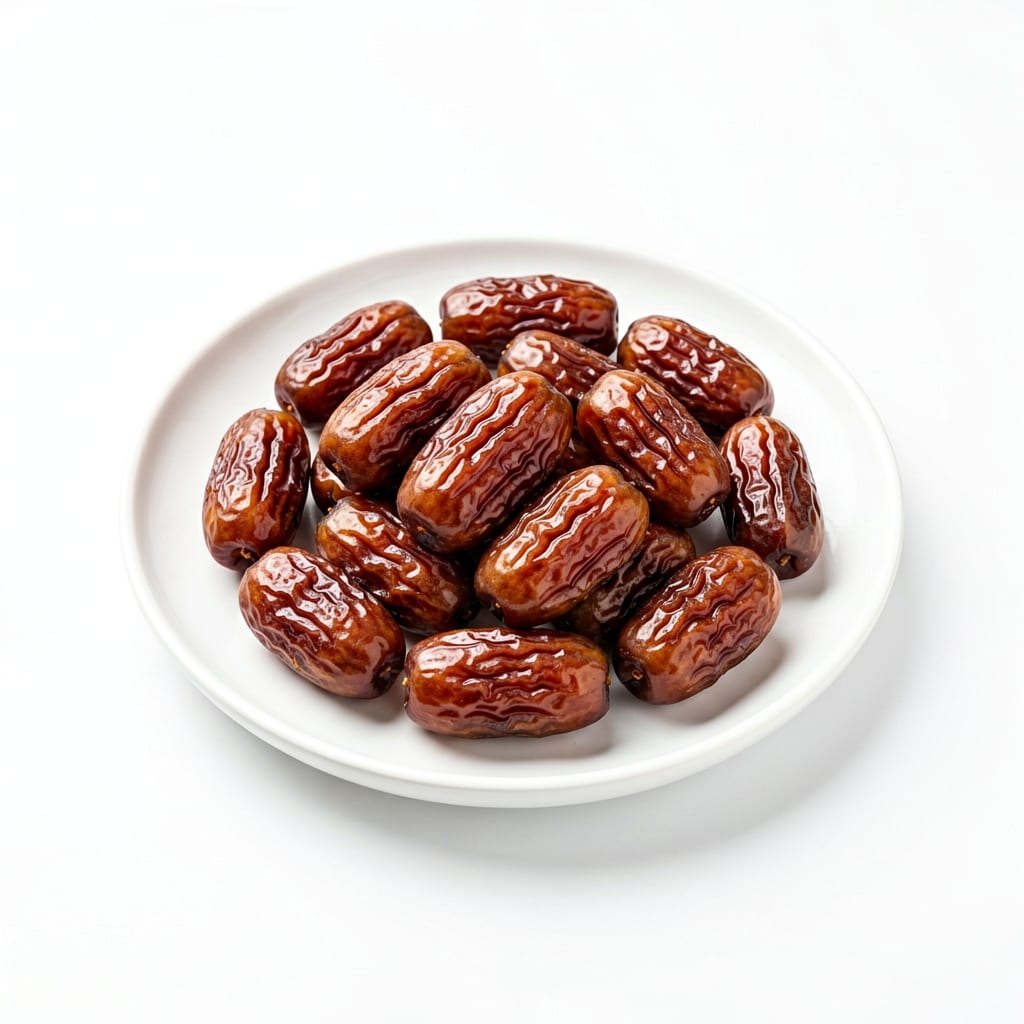
Date
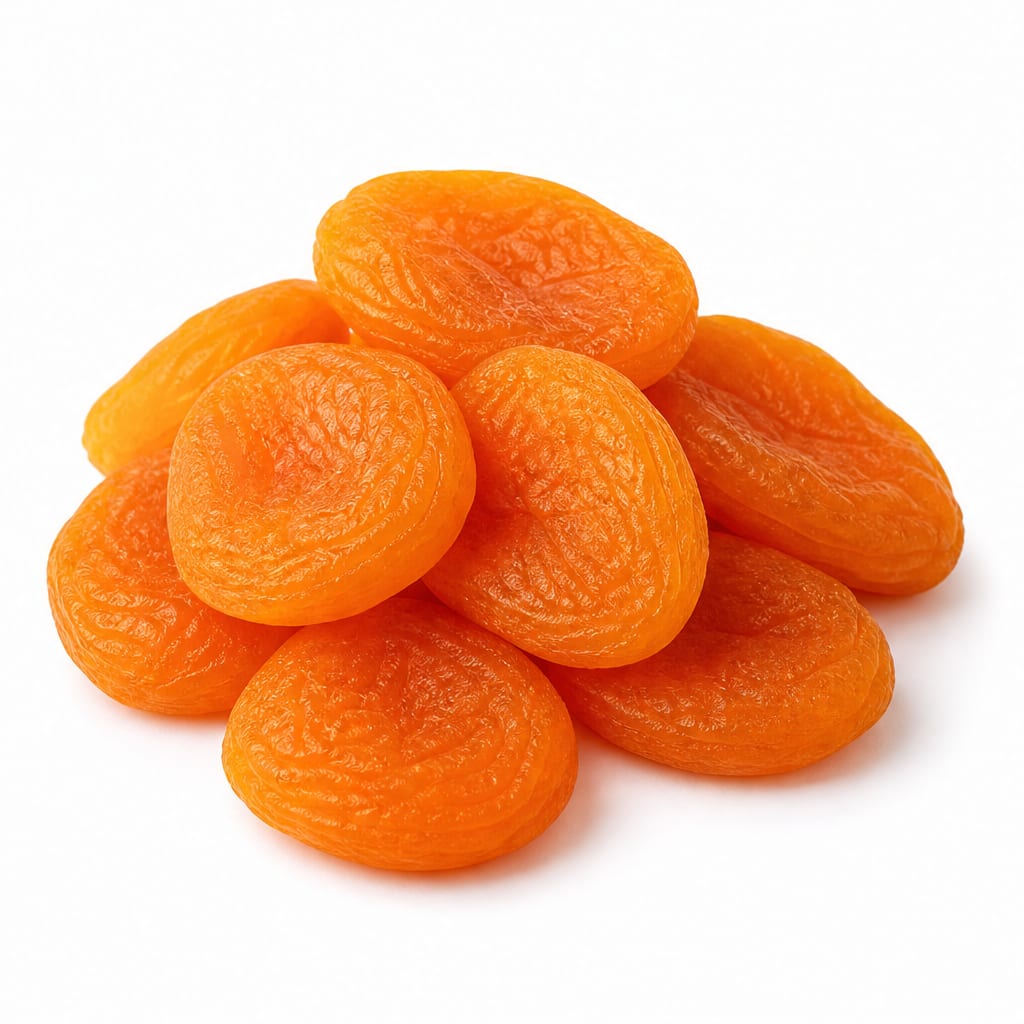
Dried Apricots
Dried Apricots edge out Dates thanks to a superior micronutrient profile and lower sugar content, though Dates remain the better choice for quick, natural energy.
Dried Apricots score higher due to their exceptional vitamin and mineral density per calorie and lower sugar load. Dates score respectably because they are a phenomenal whole-food sweetener and energy source, but their high sugar content and lower micronutrient variety narrow their everyday health utility.
You trade the rapid, sweet energy of Dates for the vitamin-rich, slightly steadier energy of Dried Apricots.
At a glance
Executive summary
Overall
Dried Apricots
Healthier
Dried Apricots
More practical
Date
Daily use
Dried Apricots
Key comparison lenses
Sugar content and blood sugar impact
Both are concentrated sources of natural sugars, but the glycemic load and real-world snacking behavior differ significantly.
Micronutrient density per calorie
Dried fruits are often eaten for their vitamin and mineral content, making the nutrient-to-calorie ratio a key deciding factor.
Additive and preservative exposure
Dried Apricots are frequently treated with sulfites, while Dates are typically preservative-free, impacting safety for sensitive individuals.
Portion control and satiety
Calorie density and sweetness levels affect how easy it is to overeat these foods, which is a common trap with dried fruit.
Best choice for
Date
- Pre-workout energy
- Natural sweetening in smoothies or baking
- People sensitive to sulfites
Dried Apricots
- Boosting iron and vitamin A
- A lower-calorie sweet snack
- Managing blood sugar spikes
Least suitable for
Date
- Strict low-carb diets
- People watching their sugar intake
- Large portion snackers due to high calorie density
Dried Apricots
- Sulfite-sensitive individuals (unless unsulfured)
- Those needing quick, dense energy for endurance sports
Deep comparison
Dimension by dimension
Each lens scores both foods and breaks down who each option suits.
- Dimension 1 · Priority 95Dried Apricots
Blood Sugar & Energy
Date · 60Dried Apricots · 75Dried Apricots have less sugar and a lower glycemic impact, making them easier on your blood sugar.
Tradeoff
Dates give you a faster, more intense energy spike, but that comes with a harder crash.
Why it matters
Steadier energy means fewer afternoon slumps and less cravings later.
Real-world impact
Snacking on Dried Apricots feels lighter and won't leave you reaching for more sugar 30 minutes later.
Date
- Endurance athletes needing fast carbs
- Quick pre-workout fuel
Better for
- People with insulin resistance
- Those prone to sugar crashes
Worse for
Dried Apricots
- Avoiding the sugar crash
- Mid-afternoon desk snacking
Better for
- Situations requiring immediate, dense energy
Worse for
- Dimension 2 · Priority 90Dried Apricots
Micronutrient Density
Date · 55Dried Apricots · 90Dried Apricots are a nutritional powerhouse, packed with Vitamin A, iron, and potassium.
Tradeoff
You miss out on the massive Vitamin A and iron boost that Dried Apricots offer if you choose Dates.
Why it matters
Vitamin A supports vision and immunity, while iron fights fatigue—areas where Dried Apricots clearly excel.
Real-world impact
Eating Dried Apricots feels like taking a natural multivitamin, especially for skin and energy levels.
Date
- Potassium replenishment
Better for
- Those needing an iron boost
- People wanting more vitamins per calorie
Worse for
Dried Apricots
- Improving iron levels
- Supporting eye health
- Boosting immunity
Better for
- Those who dislike tart flavors
Worse for
- Dimension 3 · Priority 85Date
Additives & Sulfites
Date · 95Dried Apricots · 50Dates are almost always sold pure, while Dried Apricots frequently contain sulfites for color preservation.
Tradeoff
Bright orange Dried Apricots look appealing but carry a sulfite risk, whereas Dates are naturally preservative-free.
Why it matters
Sulfites can trigger asthma and allergic reactions in sensitive people.
Real-world impact
You can grab any bag of Dates without reading the ingredient list, but you must check Dried Apricots for added sulfur dioxide.
Date
- Sulfite-sensitive individuals
- Those wanting a 100% whole food with no additives
Better for
- Those who prefer visually vibrant fruit
Worse for
Dried Apricots
- People who prefer a tart flavor over pure sweetness
Better for
- Asthmatics
- People prone to allergies
Worse for
- Dimension 4 · Priority 80Dried Apricots
Satiety & Portion Control
Date · 65Dried Apricots · 80Dried Apricots are less calorie-dense, making it easier to eat a satisfying portion without overdoing it.
Tradeoff
Dates are so sweet and calorie-dense that it's easy to eat too many before feeling full.
Why it matters
Managing calorie intake is easier when a snack naturally limits itself.
Real-world impact
Four Dried Apricots feel like a substantial snack, while four Dates disappear quickly and leave you wanting more.
Date
- Bulking up on a budget
Better for
- People who struggle with portion control
Worse for
Dried Apricots
- Weight management
- Mindful snacking
Better for
- Those needing high calorie intake
Worse for
Timeline
Health impact over time
Short-term
Hours to days
Date
- Quick energy surge
- Rapid blood sugar spike
- Satisfies intense sweet cravings
Dried Apricots
- Moderate energy lift
- Less of a sugar rush
- Potential sulfite sensitivity reactions (if sulfured)
Long-term
Months to years
Date
- Risk of weight gain if overconsumed
- Potential blood sugar dysregulation if eaten in large amounts
- Good potassium intake for heart health
Dried Apricots
- Improved iron status and reduced fatigue
- Better vision and immune health from Vitamin A
- Lower long-term diabetes risk compared to higher sugar dried fruits
Risk profile
Safety & processing
Dates are typically a true whole food with nothing added. Dried Apricots are often treated with sulfur dioxide to maintain their bright color, making them slightly more processed unless you buy the brown unsulfured variety.
Date
Pesticide residue
lowDates have a thick skin that protects the flesh, and residue is typically minimal even in conventional farming.
Dried Apricots
Sulfite sensitivity
highSulfur dioxide is commonly used to preserve the orange color of Dried Apricots, which can trigger asthma or headaches in sensitive individuals.
Added sugar
lowSome brands add extra sugar or corn syrup to enhance sweetness, though this is less common than sulfites.
Who wins for whom
Audience fit
Same foods, different winners depending on your goal.
children
DateDates are naturally free of sulfites and have a sweet, kid-friendly taste without the risk of allergic reactions from preservatives.
daily consumption
Dried ApricotsThe broader micronutrient profile and lower sugar content make Dried Apricots a more sustainable daily choice, provided you choose unsulfured varieties.
diabetes
Dried ApricotsDried Apricots have a lower glycemic load and less sugar per serving, making them slightly safer for blood sugar management, though both require strict portion control.
elderly
Dried ApricotsThe high iron, potassium, and Vitamin A content in Dried Apricots supports bone health, vision, and energy levels common concerns in older adults.
muscle gain
DateDates provide a denser, faster-digesting carbohydrate source that is perfect for post-workout glycogen replenishment.
weight loss
Dried ApricotsDried Apricots offer more volume and nutrients for fewer calories, making it easier to stay within your daily limits.
Your move
Decision guide
Choose Date
- You need quick, easily digestible carbs before or after a workout.
- You want a natural, whole-food sweetener for smoothies or baking.
- You are sensitive to sulfites and want a worry-free dried fruit.
Choose Dried Apricots
- You want a nutrient-dense snack with high iron and Vitamin A.
- You are watching your sugar or calorie intake but crave something sweet.
- You buy unsulfured varieties and want a lighter, slightly tart snack.
Either works if
- You just need a shelf-stable, natural sweet treat.
- You are looking to increase your daily potassium intake.
Avoid both if
- You are on a strict very-low-carb or ketogenic diet.
- You have severe blood sugar control issues and cannot manage dried fruit portions.
Final recommendation
Opt for Dried Apricots as your everyday snack for the vitamin boost and better blood sugar control, but keep Dates on hand for pre-workout fuel or natural sweetening. Always choose unsulfured Dried Apricots when possible to avoid preservatives.
Practical
Consumer tips
- 1
Always look for brown Dried Apricots instead of bright orange to avoid sulfites.
- 2
Pair either fruit with a handful of nuts or some Greek yogurt to blunt the blood sugar spike.
- 3
Stick to a serving size of about 1/4 cup to keep sugar intake in check.
- 4
Use Dates to replace refined sugar in energy balls or smoothies for a natural sweetness upgrade.