
Nutrition comparison
Dates vs Apples: Which Fruit Is Healthier for Snacking, Energy, and Blood Sugar?
Compare dates and apples side by side. Discover which is better for weight loss, blood sugar control, athletic performance, and daily snacking. Practical nutrition tradeoffs explained.

Date
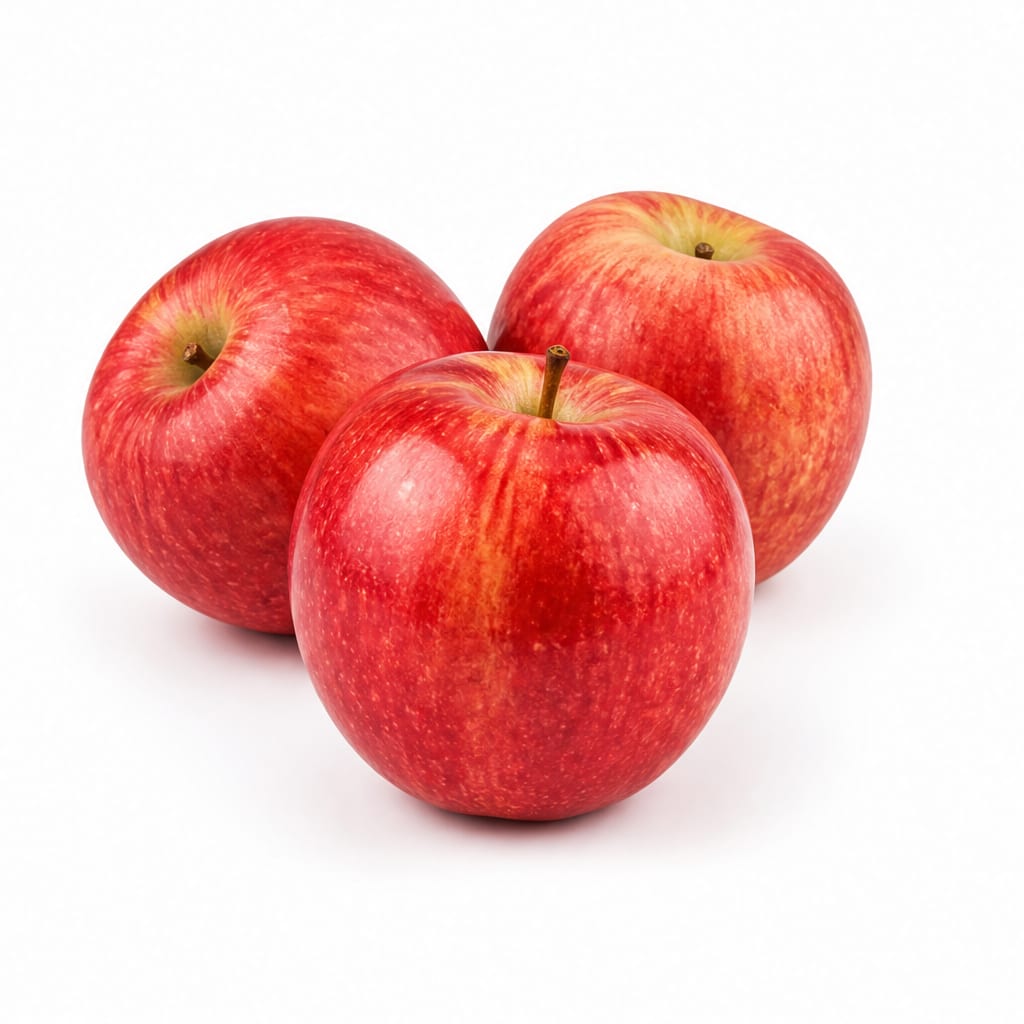
Apples
Apples win for everyday snacking and blood sugar control. Dates win when you need concentrated, fast energy.
Apples score higher for general health due to lower sugar, better satiety, and easier portion control. Dates score well for nutrient density and athletic utility but lose ground on blood sugar impact and overeating risk.
Dates deliver quick energy and dense nutrition but at a high sugar cost. Apples give you more food volume, steadier energy, and easier portion control.
At a glance
Executive summary
Overall
It depends
Healthier
Apples
More practical
Apples
Daily use
Apples
Key comparison lenses
blood sugar management
Dates are extremely sugar-dense compared to apples, making glycemic impact the single most important differentiator
weight management and snacking
Calorie density differs dramatically — easy to overeat dates while apples provide more volume per calorie
athletic and energy needs
Dates are a natural energy gel replacement, while apples serve as a lighter everyday snack
digestive health
Both offer fiber but in different forms and amounts, affecting digestion differently
practical everyday eating
Shelf life, portability, and eating behavior differ significantly between these two fruits
Best choice for
Date
- Athletes needing quick carbs post-workout
- Hikers and endurance athletes seeking compact energy
- People struggling to get enough calories
- Natural sweetener replacement in smoothies or baking
- Those needing a portable, shelf-stable energy source
Apples
- Daily snackers watching their weight
- People managing blood sugar or prediabetes
- Anyone who wants a filling snack under 100 calories
- Kids lunchboxes and school snacks
- Mindless snackers who eat while working or watching TV
Least suitable for
Date
- People with diabetes or insulin resistance
- Anyone tracking calories closely
- Binge eaters or those who struggle with portion control
- Those on a low-sugar or keto diet
Apples
- Endurance athletes needing calorie density
- Underweight individuals needing easy calories
- Those who find raw fruit difficult to digest
Deep comparison
Dimension by dimension
Each lens scores both foods and breaks down who each option suits.
- Dimension 1 · Priority 95Apples
Blood Sugar Stability
Date · 30Apples · 75Dates spike blood sugar fast. Apples release energy slowly due to lower sugar density and higher water content.
Tradeoff
A single Medjool date has about 16g of sugar in a tiny package. A whole apple has similar sugar but with far more volume and water, slowing absorption.
Why it matters
If you are prediabetic, insulin resistant, or just trying to avoid afternoon energy crashes, this difference is enormous.
Real-world impact
Eating three dates feels like nothing in your stomach but hits your bloodstream like candy. An apple keeps you feeling steady for an hour or more.
Date
- Post-workout glycogen replenishment
- Hypoglycemia recovery when blood sugar drops
- Quick pre-exercise fuel within 30 minutes of activity
Better for
- Sitting at a desk job with minimal activity
- Late-night snacking before bed
- Anyone already struggling with sugar cravings
Worse for
Apples
- Stable energy between meals
- Avoiding the sugar crash cycle
- Managing prediabetes or type 2 diabetes
Better for
- During intense exercise when you need fast glucose
- Recovering from a blood sugar crash
Worse for
- Dimension 2 · Priority 90Apples
Satiety and Fullness
Date · 35Apples · 80Apples fill you up. Dates barely register in your stomach despite packing significant calories.
Tradeoff
A medium apple is about 95 calories and physically satisfying to eat. Three dates match that calorie count but vanish in seconds.
Why it matters
If you snack to feel full, apples deliver. Dates can leave you reaching for more food minutes later.
Real-world impact
You can eat five dates before feeling anything and consume over 300 calories. One apple and you are done snacking.
Date
- When you need calories without feeling full, like during long hikes
- Adding to smoothies for thickness and sweetness without bulk
Better for
- Portion control — very easy to eat too many
- Mindless snacking while distracted
Worse for
Apples
- Weight loss or maintenance snacking
- Curbbing afternoon hunger between lunch and dinner
- Emotional eaters who need physical satisfaction from food
Better for
- Situations where you need compact energy, not volume
Worse for
- Dimension 3 · Priority 88Apples
Calorie Density and Weight Management
Date · 25Apples · 82Dates are calorie bombs by fruit standards. Apples are one of the lowest-calorie filling snacks available.
Tradeoff
Per 100 grams, dates deliver roughly 280 calories while apples deliver about 52. That is a five-fold difference.
Why it matters
For most people trying to maintain or lose weight, calorie density is the single biggest predictor of success.
Real-world impact
A small handful of dates can match the calories of a full meal. An apple is almost always a safe bet.
Date
- Athletes who burn 3000+ calories daily
- Backpacking trips where weight-to-calorie ratio matters
- Healthy weight gain strategies
Better for
- Sedentary lifestyles
- Evening snacking on the couch
- Anyone whose doctor recommended cutting calories
Worse for
Apples
- Calorie counting or tracking
- Reducing overall daily intake without feeling deprived
- Replacing higher-calorie snacks
Better for
- Multi-day hiking or endurance events
- Growing teenagers who need more calories
Worse for
- Dimension 4 · Priority 80Date
Nutrient Density
Date · 85Apples · 68Dates pack more minerals per bite — especially potassium, magnesium, and iron. Apples are decent but less concentrated.
Tradeoff
Dates earn their nutrient density by being dehydrated and concentrated. You get more nutrients but also far more sugar.
Why it matters
If you are active and burning through minerals, dates offer genuine replenishment. If you are sedentary, the sugar cost may outweigh the mineral benefit.
Real-world impact
Two dates after a sweaty workout give you meaningful potassium and magnesium. An apple gives you some vitamin C and hydration but fewer minerals.
Date
- Post-workout electrolyte replenishment
- Iron support for plant-based eaters
- Pregnancy nutrition when extra minerals matter
Better for
- Getting nutrients alongside excessive sugar
- Kidney patients who must limit potassium
Worse for
Apples
- Vitamin C intake
- Everyday mineral needs without sugar overload
- Hydration support from high water content
Better for
- Intense athletic recovery when mineral losses are high
Worse for
- Dimension 5 · Priority 85Date
Athletic and Energy Performance
Date · 90Apples · 50Dates are nature's energy gel. Apples are too slow and watery for serious fueling during exercise.
Tradeoff
Runners and cyclists literally use dates as race fuel. Apples cause stomach bouncing and do not deliver carbs fast enough.
Why it matters
If you exercise hard for over an hour, dates are genuinely performance-enhancing. Apples are better saved for recovery.
Real-world impact
Stuff two dates in your jersey pocket and you have 30 minutes of fuel. An apple would be awkward to carry and slow to digest mid-run.
Date
- Mid-run or mid-ride fueling
- Pre-workout energy within 30 minutes
- Post-workout glycogen reload
- Marathon and ultra-endurance events
Better for
- Sedentary days when that sugar goes nowhere
- Right before bed
Worse for
Apples
- Light exercise recovery
- Gentle morning fuel before yoga or walking
Better for
- High-intensity or long-duration exercise fueling
- Competitive athletic performance
Worse for
- Dimension 6 · Priority 75It depends
Digestive Health
Date · 72Apples · 74Both support digestion but in different ways. Dates are famous for relieving constipation. Apples provide gentler, more regular fiber.
Tradeoff
Dates have more total fiber and are a known natural laxative. Apples offer pectin, which feeds gut bacteria more gently.
Why it matters
If you are constipated, dates work faster. If you have IBS or sensitive digestion, apples are usually safer.
Real-world impact
Three dates can get things moving by morning. An apple a day keeps things regular without urgency.
Date
- Occasional constipation relief
- Quick fiber boost when intake has been low
Better for
- IBS flare-ups — concentrated fiber can trigger gas and bloating
- Diarrhea-prone individuals
Worse for
Apples
- Daily regularity maintenance
- IBS or sensitive stomachs that react to concentrated fiber
- Gut microbiome support from pectin
Better for
- Acute constipation when you need fast relief
Worse for
- Dimension 7 · Priority 65Date
Convenience and Shelf Life
Date · 88Apples · 55Dates last months at room temperature and need no refrigeration. Apples bruise, brown, and go mealy.
Tradeoff
Dates are the ultimate pantry snack — grab and go anytime. Apples need more care and do not travel as well.
Why it matters
If you stock up infrequently or need emergency snacks, dates are more reliable. But that convenience makes overeating easier too.
Real-world impact
Keep a bag of dates in your desk and they are good for weeks. An apple in your bag turns into a bruised mess by afternoon.
Date
- Desk drawer or car emergency snacks
- Travel and backpacking
- Pantry stocking for busy weeks
Better for
- The convenience makes mindless eating too easy
- Sticky texture is messy on fingers
Worse for
Apples
- Fresh fruit cravings with crisp texture
- Kids who enjoy the crunch and juiciness
Better for
- Shorter shelf life requires more frequent shopping
- Bruising during transport
Worse for
Timeline
Health impact over time
Short-term
Hours to days
Date
- Quick blood sugar spike within 15-30 minutes of eating
- Fast energy lift, especially noticeable during or after exercise
- Possible sugar crash if eaten without protein or fat
- Can trigger cravings for more sweet foods
- May relieve constipation within hours
Apples
- Steady, gentle energy rise without sharp spikes
- Physical fullness from water and fiber volume
- Minimal blood sugar disruption in most people
- Crunch and chewing satisfaction that signals the brain you ate
- Mild hydration from high water content
Long-term
Months to years
Date
- Regular overconsumption may contribute to elevated fasting blood sugar
- High mineral intake supports bone and muscle health when portions are controlled
- Natural laxative effect may reduce reliance on fiber supplements
- Risk of calorie creep if eaten daily without adjusting other food
- Antioxidant content supports cellular health, though less diverse than berries
Apples
- Consistent daily apple consumption linked to lower cardiovascular risk in multiple studies
- Pectin fiber supports healthy cholesterol levels over time
- Low calorie density helps maintain healthy weight almost effortlessly
- Hydration from regular water-rich fruit intake supports kidney function
- Quercetin flavonoids may reduce inflammatory markers with daily consumption
Risk profile
Safety & processing
Both are whole, unprocessed fruits. Dried dates are simply dehydrated with no additives in most commercial forms. Fresh apples are as natural as it gets. The main concern is sulfites in some dried dates and pesticide residue on conventional apple skins.
Date
Sulfite preservatives in some commercial dates
lowSome brands add sulfur dioxide to preserve color. Check labels if you are sensitive to sulfites or have asthma.
Mold and mycotoxins in improperly stored dates
mediumDates are moist and sweet — ideal for mold if stored in warm, humid conditions. Inspect before eating and discard any with white spots or fermented smell.
Dental caries from sticky sugar adherence
mediumDate sugar sticks to teeth more than most fruits. Rinse or brush after eating to prevent cavities, especially in children.
Apples
Pesticide residue on conventional apple skins
mediumApples consistently rank in the top five on the EWG Dirty Dozen list. Buy organic when possible or wash thoroughly with baking soda solution.
Wax coatings on supermarket apples
lowMany conventional apples are coated with shellac or carnauba wax for shine. Harmless but unappetizing to some. Scrub or peel if concerned.
Cyanogenic compounds in apple seeds
lowApple seeds contain amygdalin, which releases cyanide when crushed. You would need to chew hundreds of seeds for toxicity, but avoid making a habit of eating them.
Who wins for whom
Audience fit
Same foods, different winners depending on your goal.
children
ApplesApples are fun to eat, hydrating, and harder to overconsume. Dates are sticky, concentrated sugar that can contribute to dental issues and sugar habits in kids.
daily consumption
ApplesAn apple a day is genuinely sustainable for most people. Daily dates add up quickly in sugar and calories unless you are very active.
diabetes
ApplesApples have a lower glycemic load and cause gentler blood sugar rises. Dates can spike glucose significantly and require careful portioning.
elderly
ApplesOlder adults often need lower-calorie options and blood sugar stability. Apples are gentler on the system and provide hydration. Dates may be useful for constipation but pose blood sugar risks.
muscle gain
DateDates provide fast carbohydrates that replenish glycogen after training, plus minerals like potassium and magnesium that support muscle recovery.
weight loss
ApplesApples provide more volume and chewing satisfaction for a fraction of the calories. Dates are too easy to overeat when weight is a concern.
Your move
Decision guide
Choose Date
- You are an endurance athlete who needs compact, fast fuel
- You struggle to get enough calories and need energy-dense snacks
- You are looking for a natural alternative to processed energy gels
- You need occasional constipation relief
- You want a natural sweetener for smoothies, oatmeal, or baking
Choose Apples
- You want a satisfying everyday snack that supports weight management
- You are watching your blood sugar or have prediabetes
- You tend to snack mindlessly and need built-in portion control
- You want something hydrating and refreshing, not dense and sweet
- You are packing snacks for kids or a busy workday
Either works if
- You want whole-food fruit snacks instead of processed options
- You are generally healthy and active with no blood sugar concerns
- You are building a fruit-based dessert or snack plate
Avoid both if
- You are on a strict very-low-carb or ketogenic diet
- You have a fructose intolerance or malabsorption issue
- You are on a strict calorie-restricted medical diet without fruit allowance
Final recommendation
Keep both in your kitchen but assign them different jobs. Apples are your daily driver — the snack you reach for between meals without thinking. Dates are your specialty tool — the one you use before a workout, after a long hike, or when you need something sweet that actually does something for your body. The biggest mistake is treating dates like apples. They are not the same food just because they both grow on trees.
Practical
Consumer tips
- 1
Pair dates with a handful of nuts or a spoon of nut butter to slow sugar absorption and add staying power
- 2
Limit dates to two or three per sitting unless you are actively exercising
- 3
Wash apples under running water with a pinch of baking soda to reduce pesticide residue more effectively than water alone
- 4
Choose Medjool dates for eating plain — they are softer and more caramel-like. Deglet Noor dates work better for baking and cooking
- 5
Refrigerate dates after opening to prevent mold and extend shelf life to several months
- 6
If you find apples boring, try different varieties — Honeycrisp and Fuji are sweeter, Granny Smith is tart and crisp, Pink Lady hits a balance
- 7
Freeze sliced apples with cinnamon for a simple dessert alternative that feels like a treat
- 8
Chop one date into tiny pieces and scatter over oatmeal instead of using honey or maple syrup — you get sweetness with fiber and minerals