
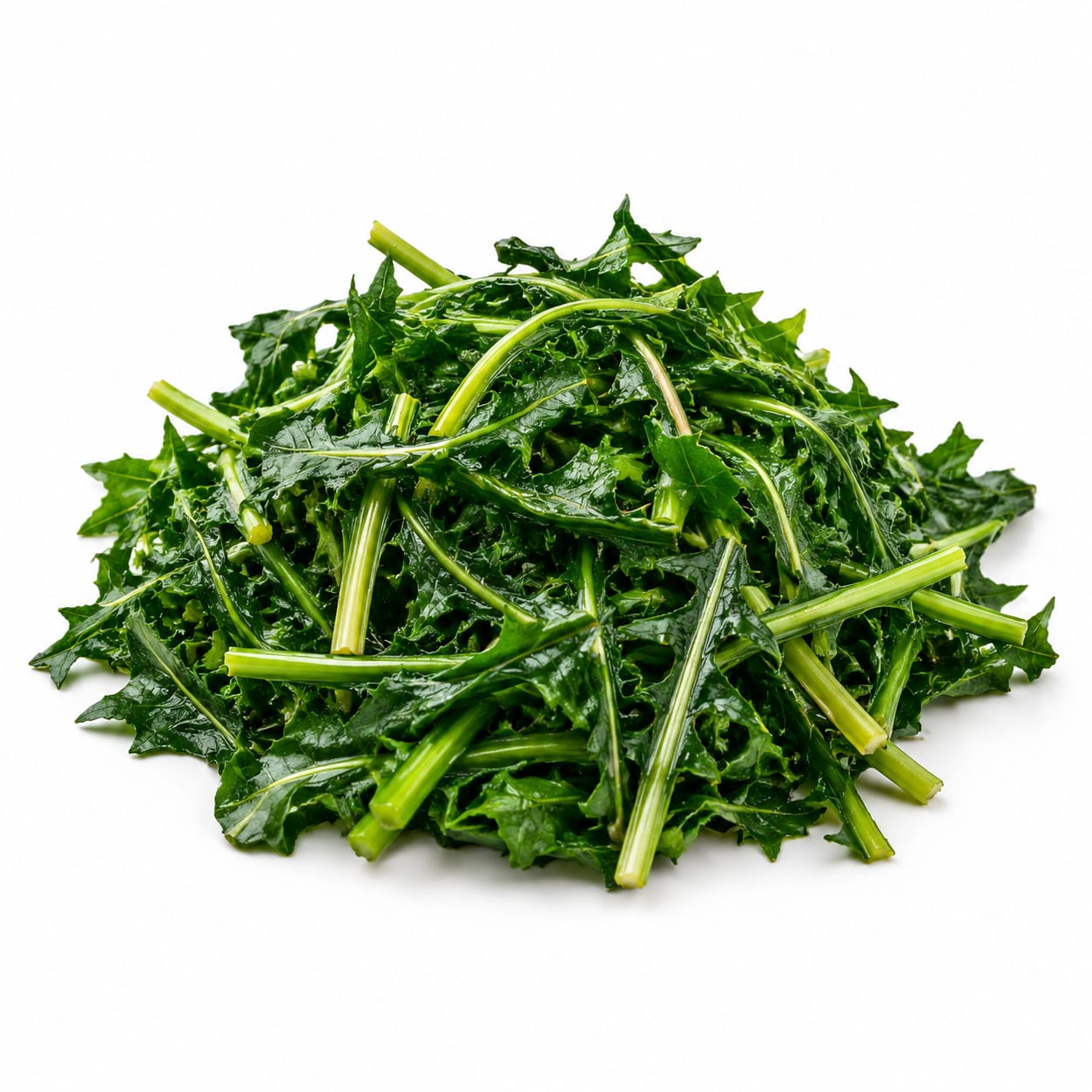
Leafy Green Vegetable
Dandelion Greens
A highly nutritious, bitter leafy green packed with vitamins K and A, often used in salads or sautéed.
Dandelion greens are the edible leaves of the common dandelion plant, known for their slightly bitter flavor and exceptional nutrient density, often foraged or cultivated as a specialty salad green.
high-volume low-calorie bitter green
Typical serving · 85g
Common varieties · common dandelion, french dandelion, italian dandelion, broad-leaved
Overall context score across nutrition, safety, and diet fit
At a glance
Quick facts
Simple indicators based on nutrition, processing, and diet fit.
The story
What makes it unique
Dandelion greens are very low in energy density and digest slowly due to their high fiber and water content. They provide a robust macronutrient profile dominated by complex carbohydrates and fiber, with minimal fat and protein. As a minimally processed whole food, they retain all natural phytochemicals and bitter compounds that stimulate digestion.
Varieties: common dandelion · french dandelion · italian dandelion · broad-leaved
Per 100g
Nutrition breakdown
Macro balance and key metrics at a glance.
Energy
Density 0.45 kcal/g
Protein
Carbs
Fat
Fiber
Sugar
0.7 g
Sodium
76 mg
Potassium
397 mg
Glycemic index
15
Glycemic load
1
Water content
85.6%
Standout compounds
Nutrient highlights
Vitamin K
highEssential for blood clotting and bone metabolism
Vitamin A
highSupports vision, immune function, and skin health
Inulin Fiber
moderateActs as a prebiotic to feed beneficial gut bacteria
Potassium
moderateRegulates fluid balance and supports heart function
Bitter Compounds
highStimulate digestion and liver detoxification pathways
Wellness map
Health scores & processing
NOVA processing scale
Unprocessed · Whole food
Raw dandelion greens are a whole, unprocessed plant food harvested directly from the ground.
Diet compatibility
- Weight loss
- Muscle gain
- Diabetes
- Gut health
- Low carb
- High protein
- Heart health
Relative standing
Food rankings
Qualitative ranks compared to similar whole foods.
- Satietyexcellent
- Blood sugarexcellent
- Nutrient densityexcellent
- Fitness fuelmoderate
- Processing qualityexcellent
Eat with confidence
Food safety profile
Cultivated dandelion greens are generally safe. Foraged greens carry a moderate risk of pesticide exposure and contamination if sourced from treated lawns or high-traffic areas.
Evidence confidence 85%
- Pesticidesmoderate
- Antibioticslow
- Heavy metalsmoderate
- Contaminationmoderate
Watch for
- herbicides
- pesticides
- animal waste
- soil pathogens
Safer choices
Organic cultivated dandelion greens from grocery stores or farmers markets.
Prep tips
Wash thoroughly in cold water with a mild vinegar soak to remove soil and potential pathogens. Avoid foraging from unknown lawns or roadsides.
Foraged greens from urban or roadside areas risk chemical exposure from lawn treatments and vehicle emissions.
Deep dive
Health analysis
How this food may fit different goals and preparation choices.
Weight loss
Extremely low energy density and high fiber volume promote fullness without excess calories.
Blood sugar
Very low glycemic index and load prevent blood sugar spikes, making them ideal for glucose control.
Fitness & energy
Provides essential electrolytes like potassium for hydration, but lacks the carbohydrates needed for intense workout fuel.
Gut health
Inulin fiber and bitter compounds act as prebiotics and stimulate digestion, supporting a healthy microbiome.
Processing quality
A whole, unprocessed food with maximum nutrient retention and no added chemicals.
Food safety
Safe when cultivated, but foraging carries risks of pesticide and heavy metal exposure from contaminated soils.
Common mistakes
Foraging from chemically treated lawns or overcooking them into mush, which destroys heat-sensitive vitamins.
Best preparation
Lightly sautéed with olive oil and garlic, massaged raw with oil for salads, or blanched to reduce bitterness.
Practical guide
Best use cases
When and how this food fits real eating patterns.
High-volume low-calorie eating
Their high water and fiber content allows you to eat a large volume of food for very few calories, promoting fullness.
Digestive bitter tonic
Eating them before a main meal stimulates bile production and digestive enzymes to improve nutrient breakdown.
Nutrient-dense salad base
Mix with milder greens to create a salad that is exceptionally high in vitamins K, A, and prebiotic fiber.
Balance sheet
Pros & cons
Upsides
- Exceptionally high in vitamins K and A
- Very low calorie with high satiety
- Prebiotic fiber supports gut microbiome
- Bitter compounds aid digestion
- Low glycemic impact ideal for diabetics
- High in antioxidants
Trade-offs
- Intensely bitter flavor is off-putting to some
- Foraging carries pesticide and contamination risks
- High vitamin K requires moderation for those on blood thinners
- Can be harder to find in standard grocery stores
- Contains oxalates which may bother sensitive individuals
Fit check
Who is it for?
Great match
- high-volume eating
- blood sugar control
- digestive health support
- bone health optimization
Consider alternatives
- people on warfarin or blood thinners
- picky eaters averse to bitter flavors
- low-oxalate diets
- foraging novices in urban areas
Side by side
How it compares
Open the full head-to-head analysis for nutrition, safety, and practical tradeoffs.
This food
Dandelion Greens
VS85% alike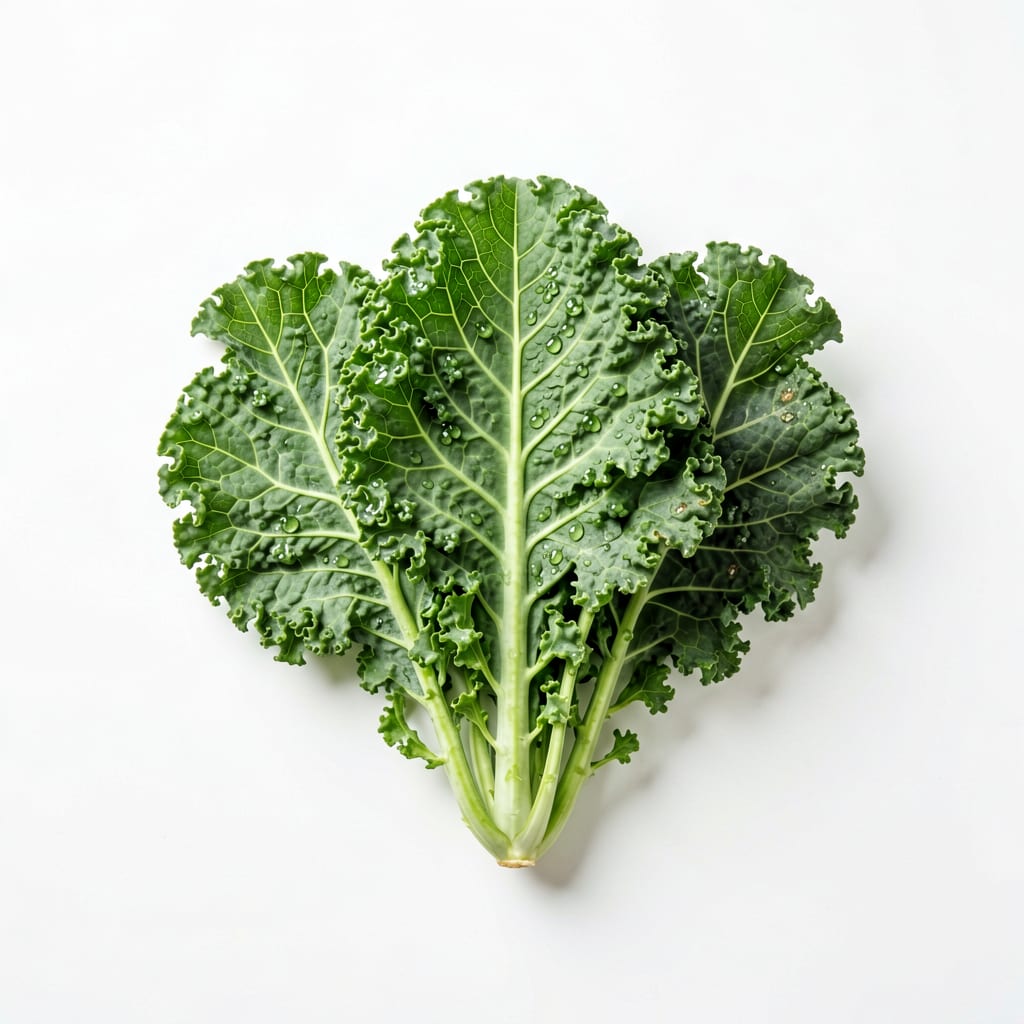
Compare with
Kale
Kale is milder and more versatile, while dandelion greens offer more vitamin K and digestive bitters.
Dandelion greens provide more vitamin K and digestive benefits, while kale is milder and slightly better for sustained energy.
This food
Dandelion Greens
VS80% alike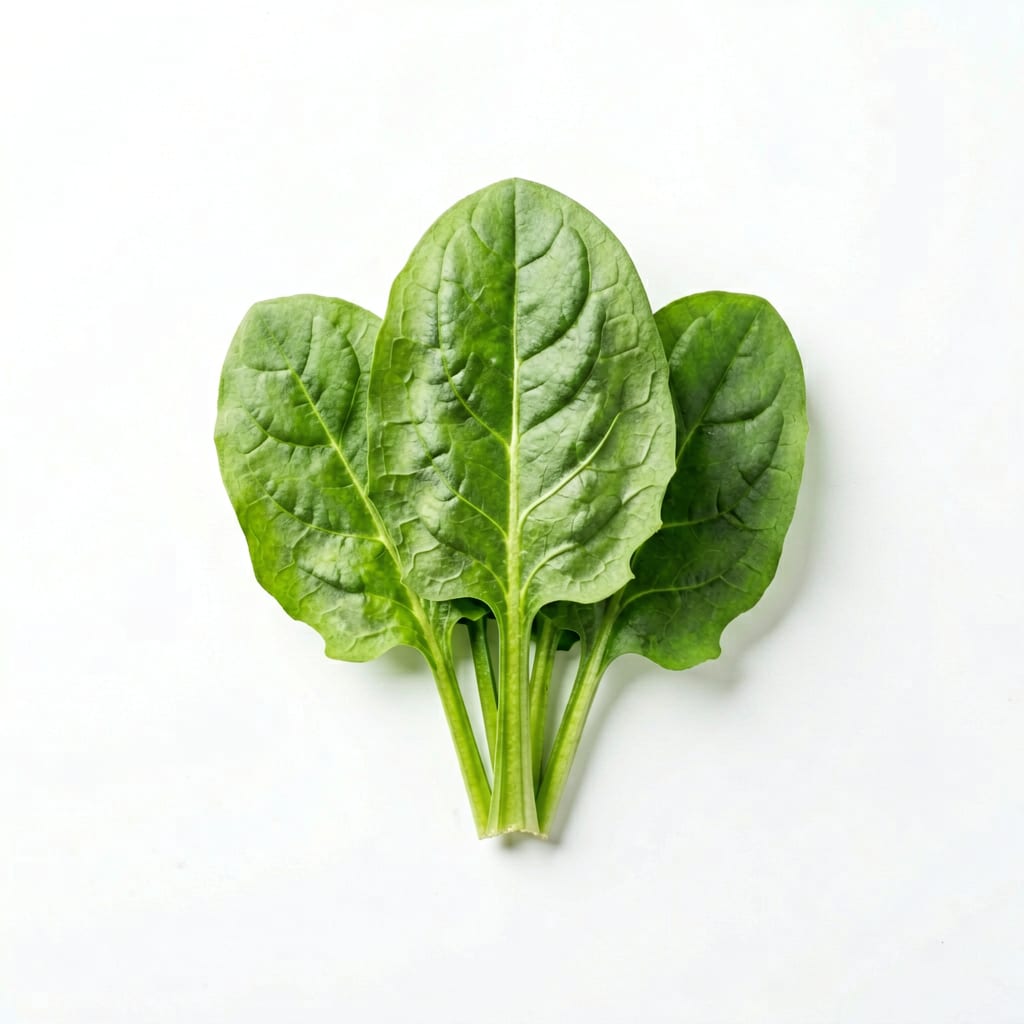
Compare with
Spinach
Spinach is milder and higher in folate, while dandelion greens are much higher in vitamin K and prebiotic fiber.
Dandelion greens are lower in calories and higher in fiber than spinach, but spinach is milder and more versatile for cooking.
This food
Dandelion Greens
VS75% alike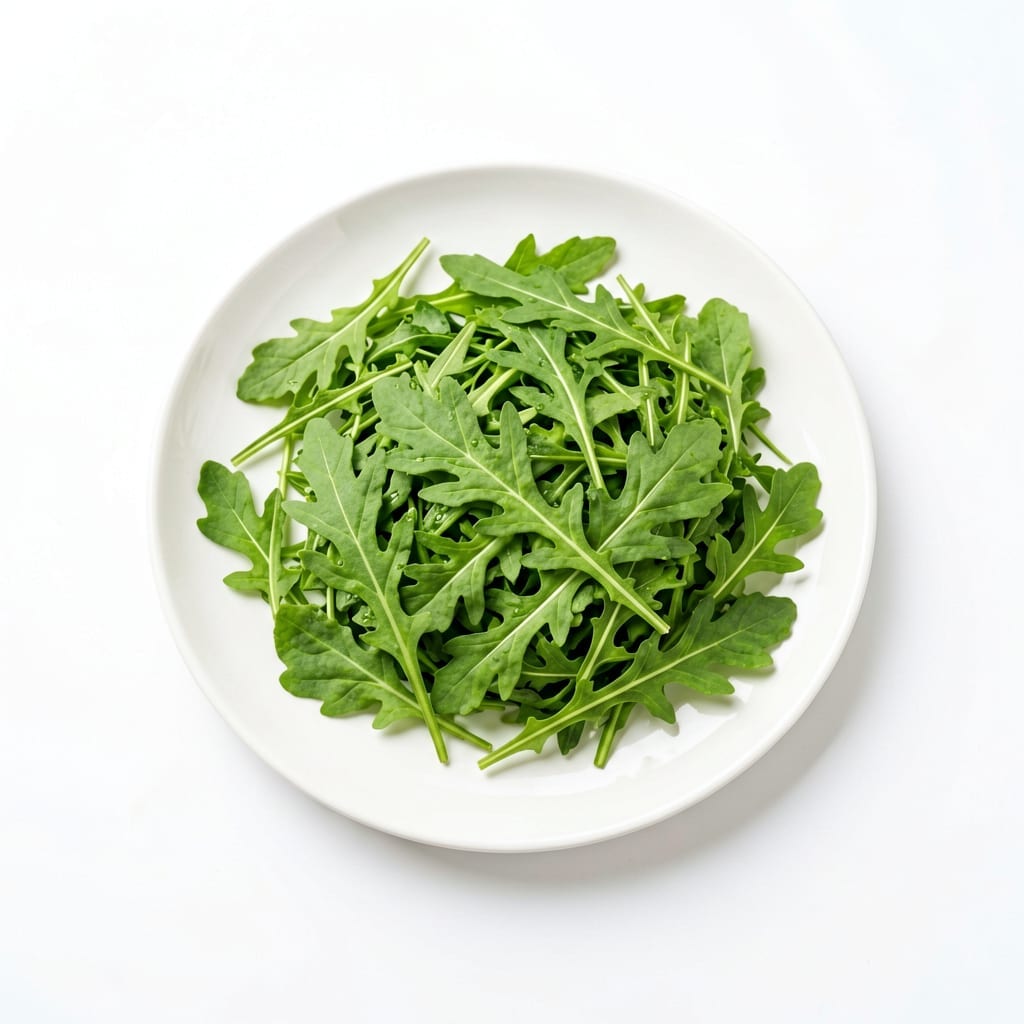
Compare with
Arugula
Arugula is lighter and peppery, while dandelion greens are heartier, more bitter, and far richer in vitamin K.
Dandelion greens offer more fiber and vitamins than arugula, but arugula provides a milder peppery flavor for salads.
This food
Dandelion Greens
VS70% alike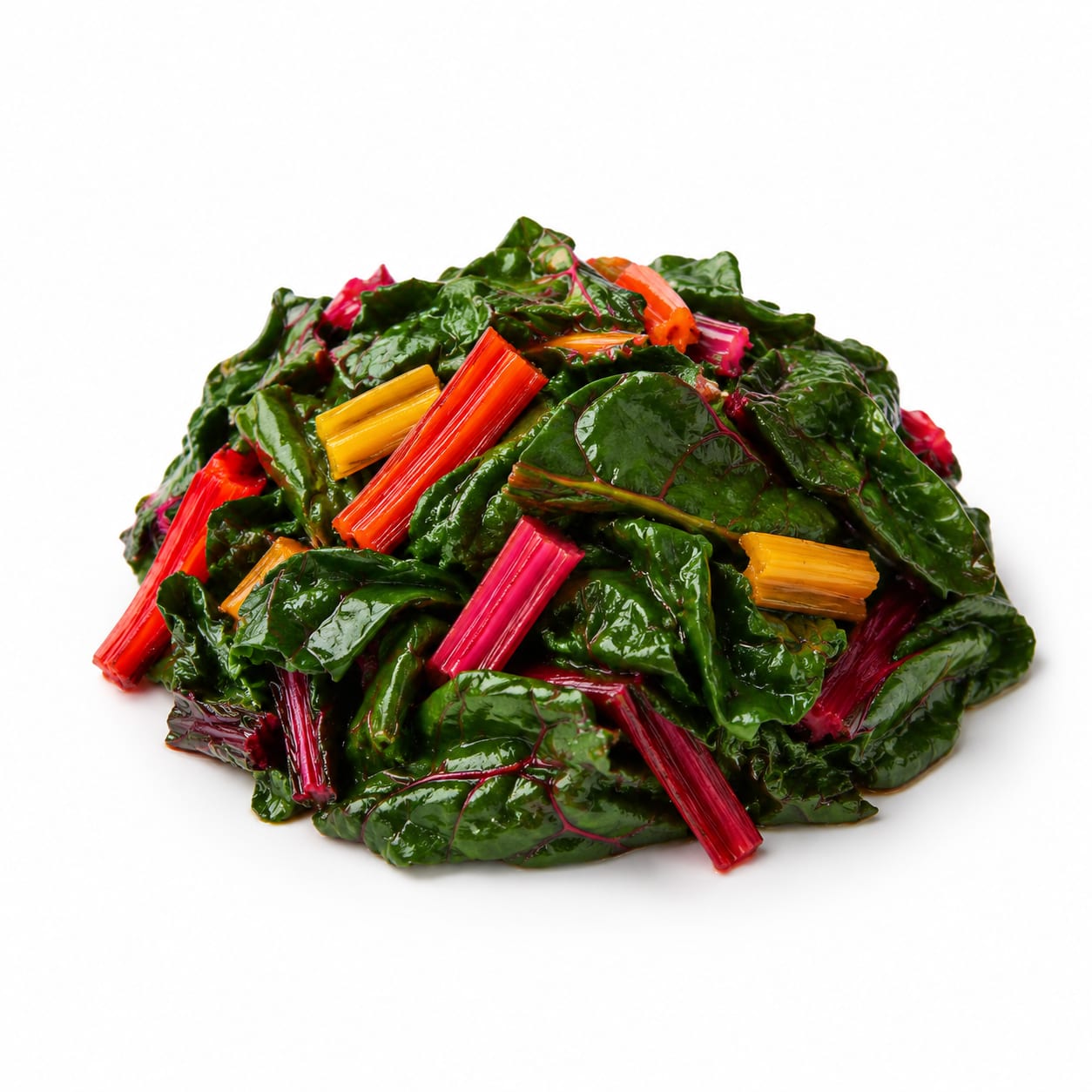
Compare with
Swiss Chard
Swiss chard is milder and has colorful stems, while dandelion greens are significantly higher in vitamin K and gut-healthy bitters.
Dandelion greens are better for digestion and lower in calories, while swiss chard is milder and offers more magnesium.
This food
Dandelion Greens
VS65% alike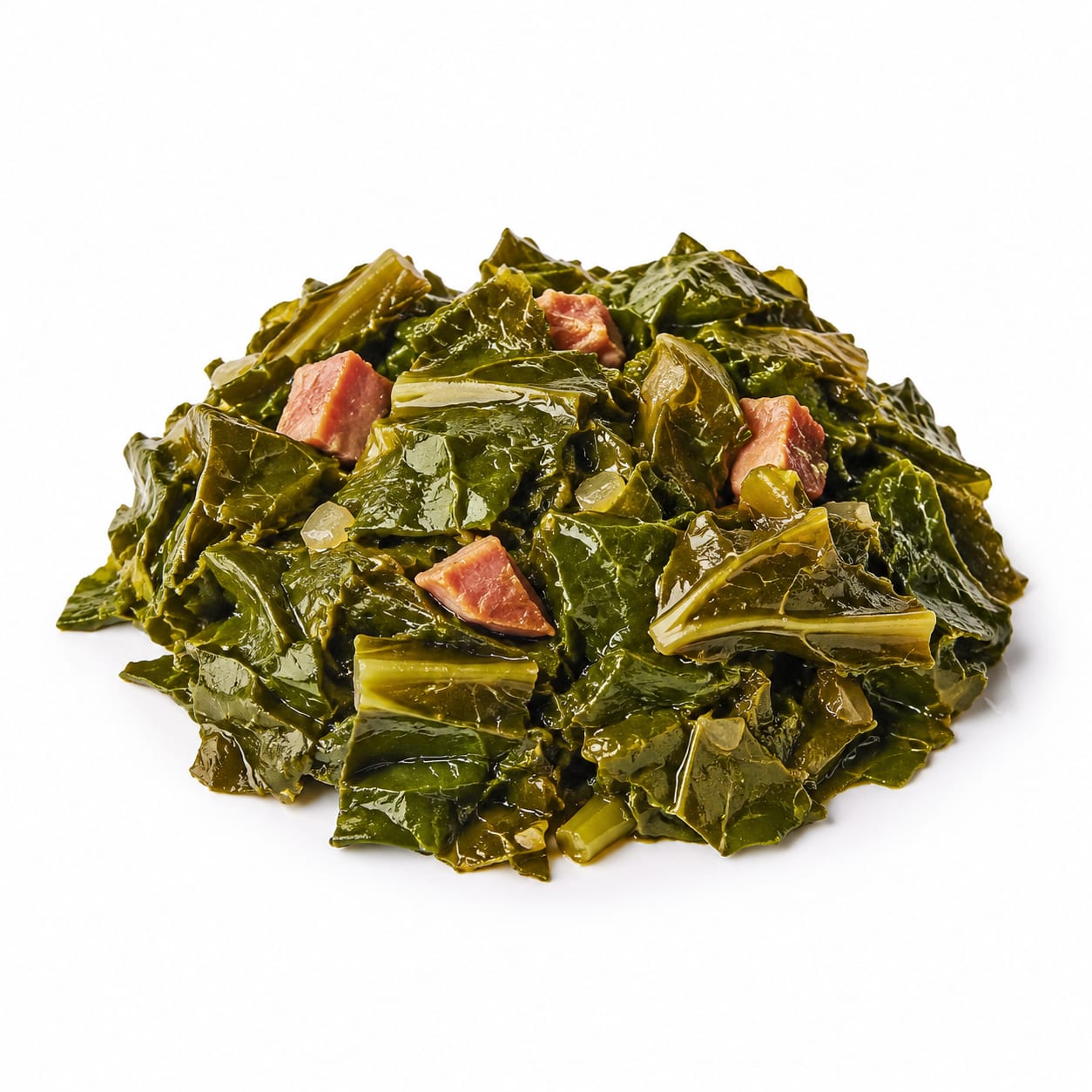
Compare with
Collard Greens
Collards are milder and larger, while dandelion greens are more nutrient-dense per calorie and better for digestion.
Dandelion greens are lower in calories and higher in vitamin K, while collard greens provide more protein and a milder flavor.
This food
Dandelion Greens
VS60% alike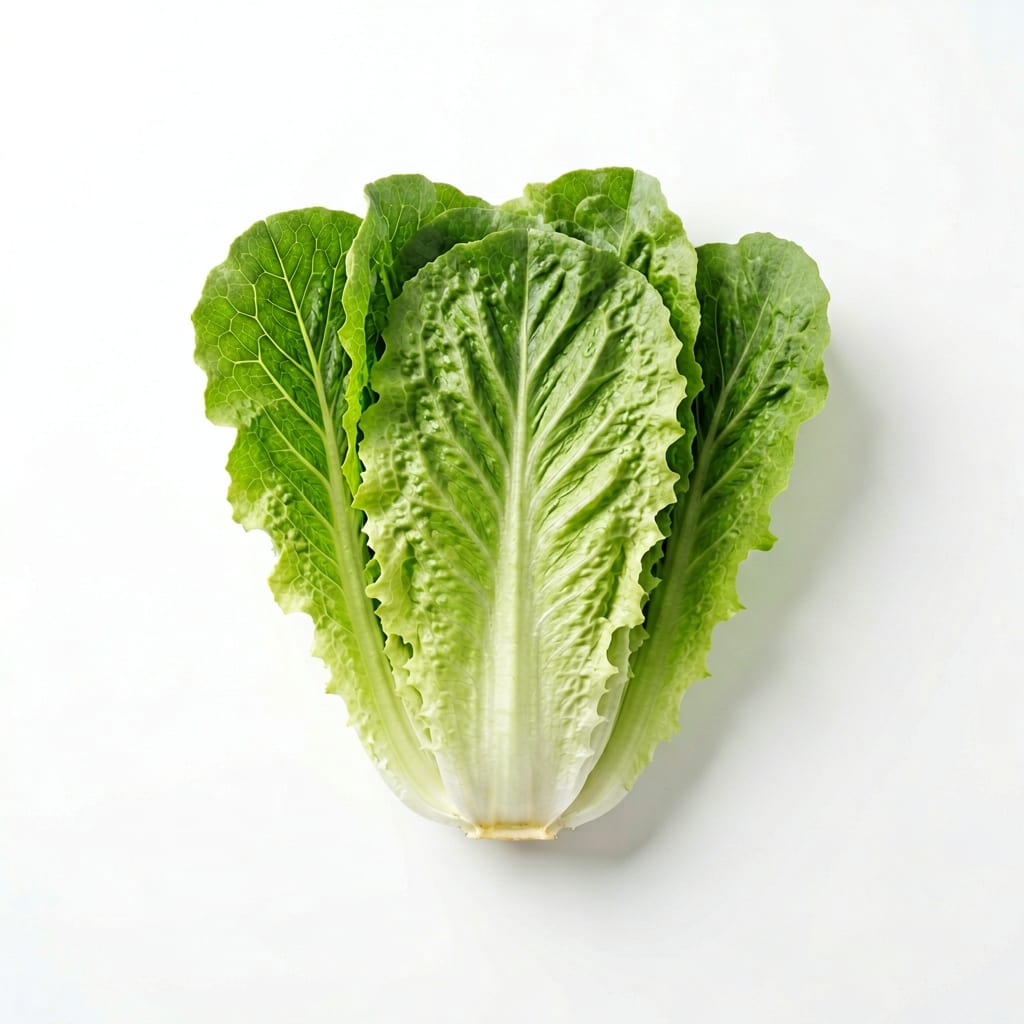
Compare with
Romaine Lettuce
Romaine is crisp and mild, while dandelion greens are bitter and vastly superior in vitamins and fiber.
Dandelion greens are far more nutrient-dense and better for digestion than romaine, but romaine is crispier and milder for salads.
This food
Dandelion Greens
VS75% alike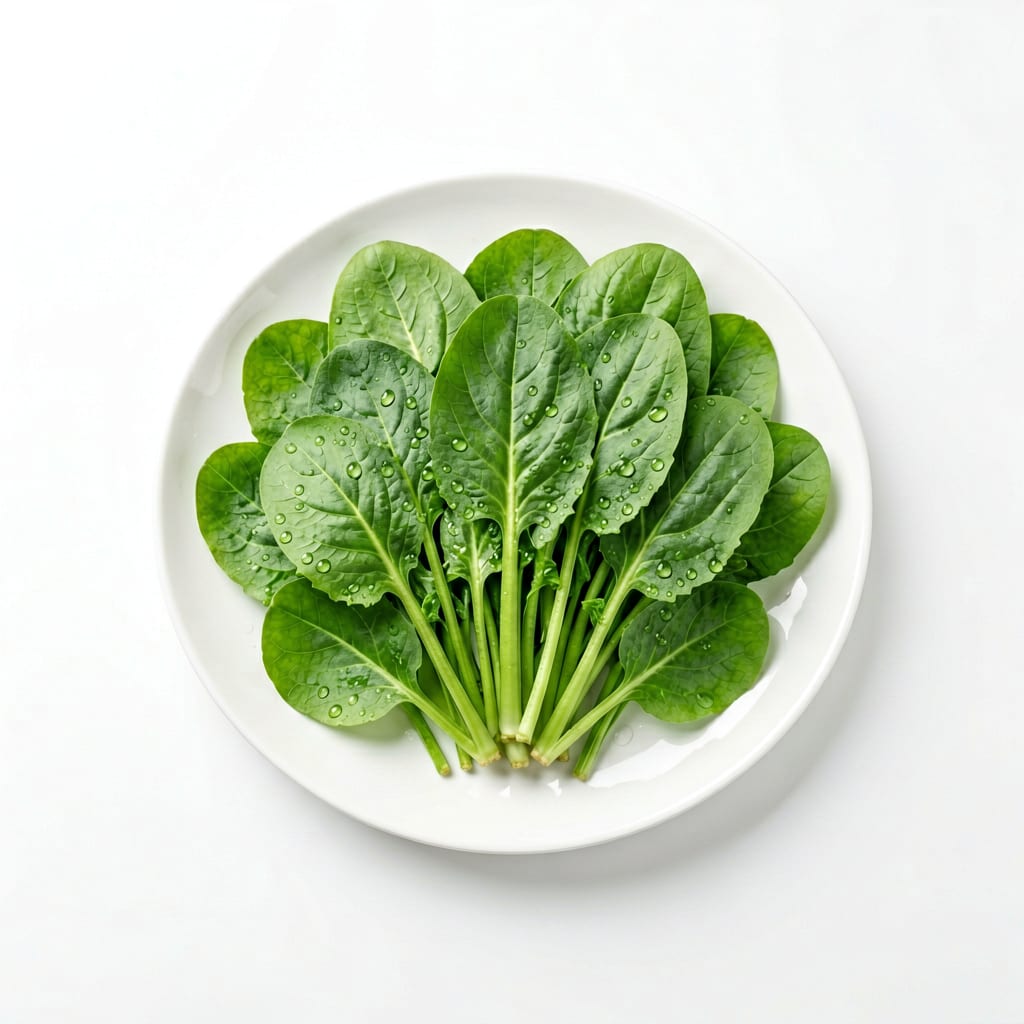
Compare with
Watercress
Watercress is slightly peppery and hydrating, while dandelion greens are distinctly bitter and higher in fiber.
Both are nutrient powerhouses, but dandelion greens offer more fiber and digestive bitters, while watercress is milder and more hydrating.
This food
Dandelion Greens
VS80% alike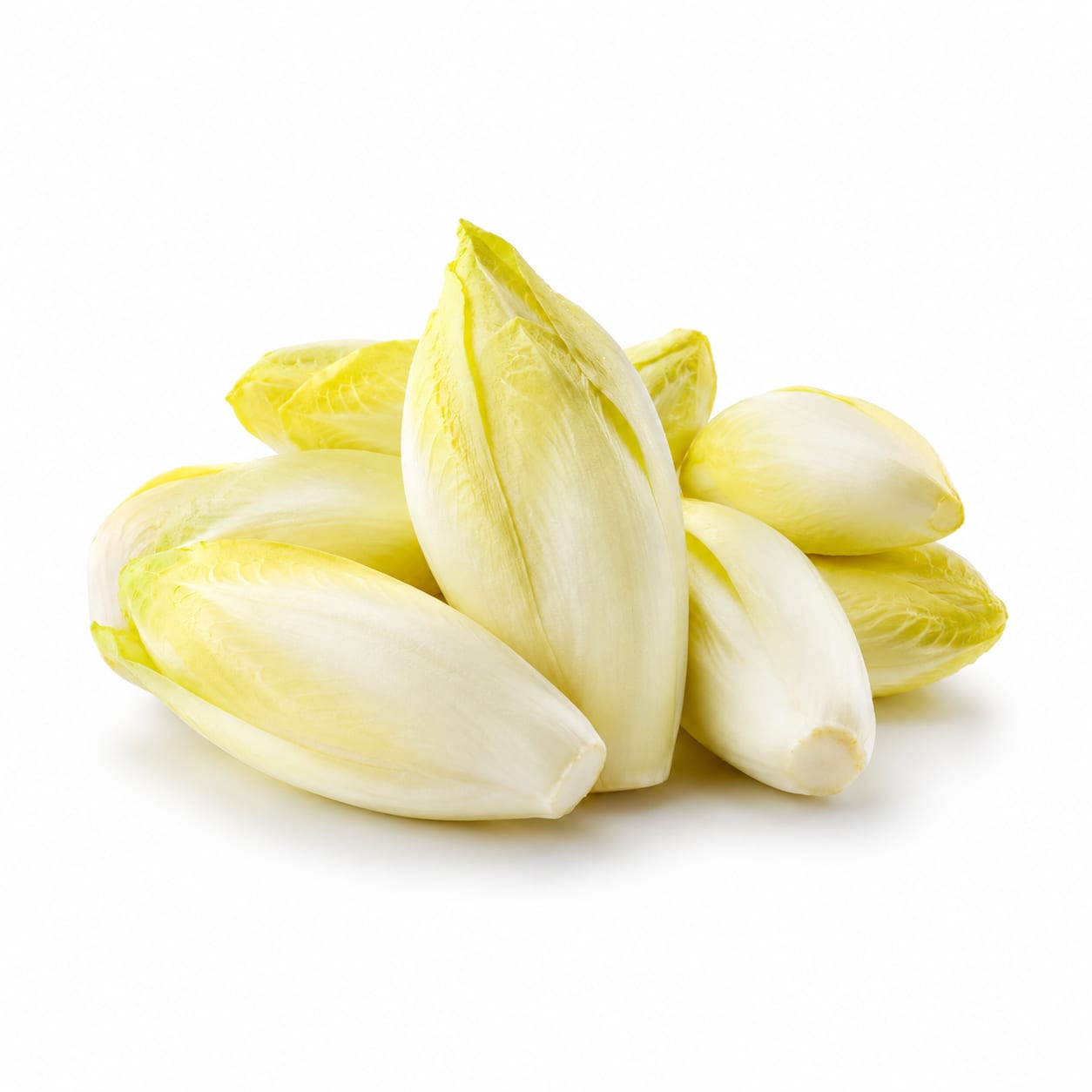
Compare with
Endive
Endive is crisp and mildly bitter, while dandelion greens are leafier, more bitter, and higher in vitamins.
Dandelion greens provide more vitamin K and fiber than endive, but endive offers a satisfying crunch and milder bitterness.
This food
Dandelion Greens
VS70% alike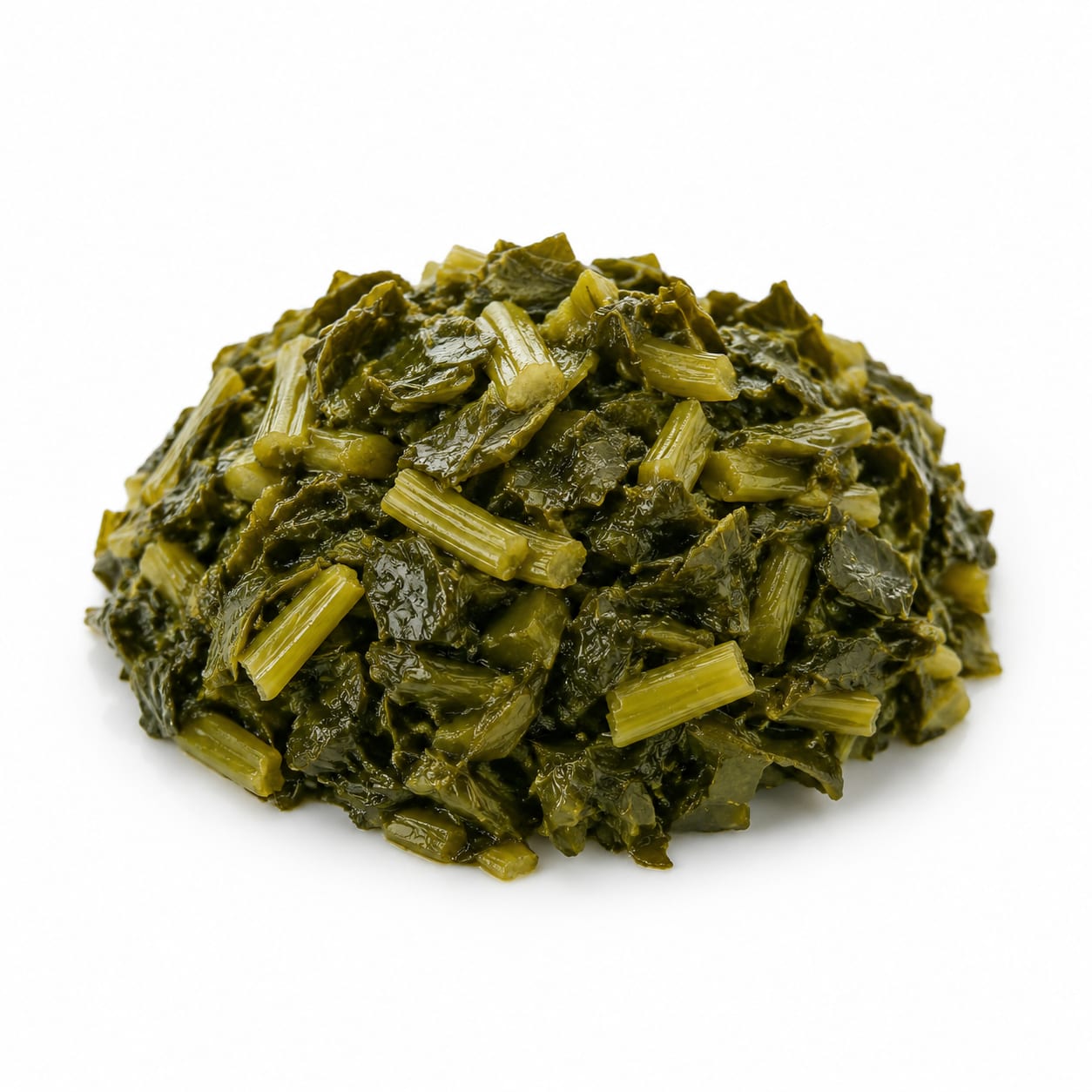
Compare with
Mustard Greens
Mustard greens are spicy and pungent, while dandelion greens are earthy and bitter with more vitamin K.
Dandelion greens are better for blood sugar control and digestion, while mustard greens offer more vitamin C and a spicy kick.
This food
Dandelion Greens
VS65% alike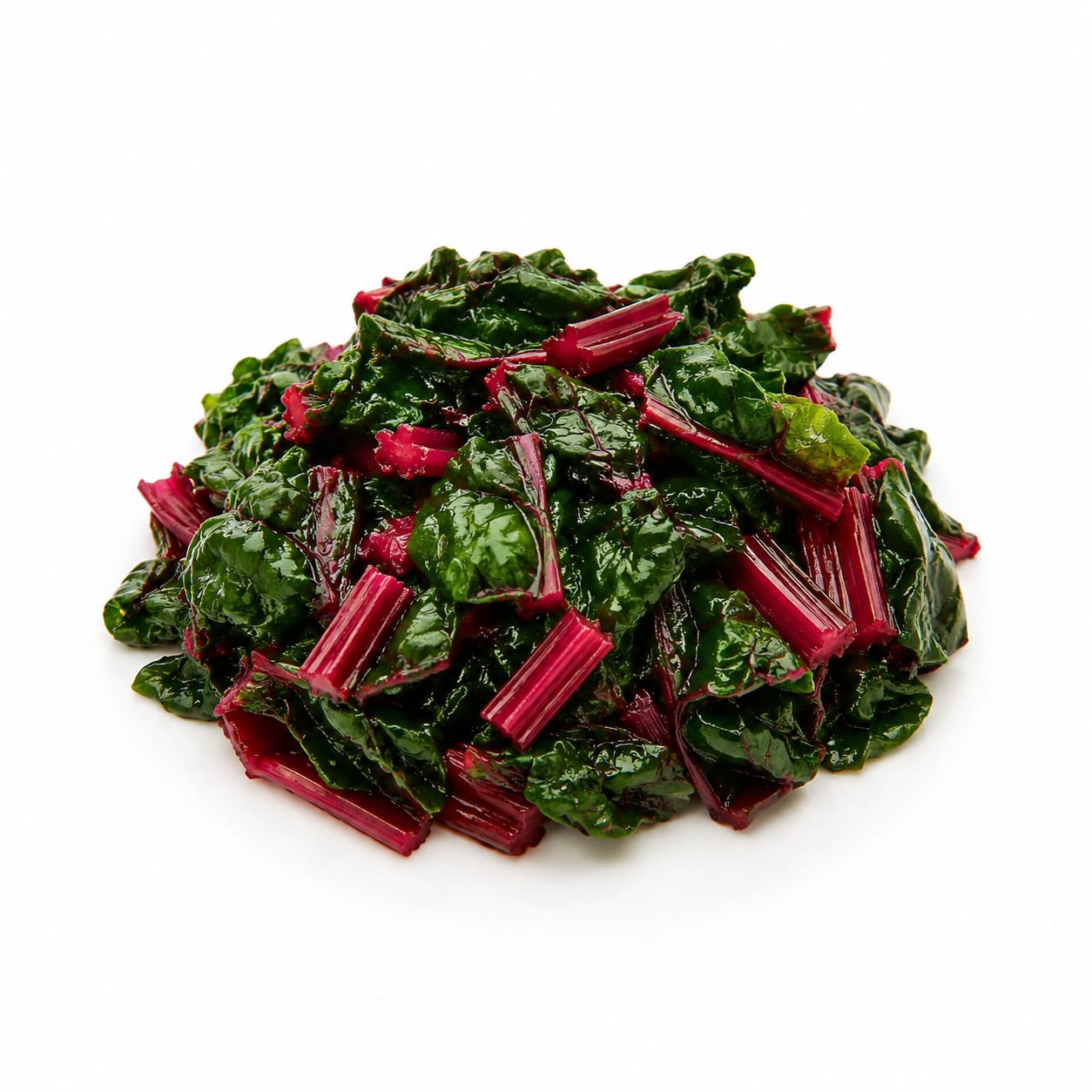
Compare with
Beet Greens
Beet greens are sweeter and higher in iron, while dandelion greens are more bitter and higher in vitamin K.
Dandelion greens are lower in calories and higher in fiber, while beet greens are sweeter and provide more iron for energy.
Common questions
FAQ
Answers aligned with how people search for this food.
Are dandelion greens good for weight loss?
Yes, they are excellent for weight loss. At only 45 calories per 100g with high fiber and water content, they provide high volume and satiety without excess calories.
Can diabetics eat dandelion greens?
Yes, dandelion greens have a very low glycemic index and load. Their fiber content slows digestion, preventing blood sugar spikes, and some compounds may help improve insulin sensitivity.
How do you reduce the bitterness of dandelion greens?
Blanching the greens in boiling water for 1-2 minutes, massaging them with olive oil and salt, or pairing them with sweet and fatty ingredients like balsamic vinegar and nuts can significantly reduce bitterness.
Is it safe to eat dandelion greens from my yard?
Only if you are certain the lawn has not been treated with herbicides, pesticides, or chemical fertilizers, and is away from road traffic. Otherwise, buy cultivated organic greens from the store to avoid contamination.
What are the health benefits of dandelion greens?
They are loaded with vitamins K, A, and C, provide prebiotic inulin for gut health, contain antioxidants, and their bitter compounds stimulate digestion and liver function.
Are dandelion greens healthier than spinach?
Dandelion greens are higher in vitamin K, vitamin A, and prebiotic fiber than spinach, but spinach is higher in iron and folate. Both are highly nutritious, but dandelion greens offer superior digestive benefits.
Do dandelion greens lower blood sugar?
While they do not cure diabetes, their extremely low carbohydrate content and high fiber help stabilize blood sugar levels. Animal studies suggest compounds in dandelion may improve insulin secretion.
How much vitamin K is in dandelion greens?
Dandelion greens are one of the richest sources of vitamin K, providing over 700% of the daily value per 100g serving, which is essential for bone health and blood clotting.
Transparency
Data confidence
Estimated confidence for nutrition data, interpretation, safety notes, and comparisons.
Nutrition data
Health analysis
Food safety
Comparisons