
Nutrition comparison
Dandelion Greens vs Watercress: Which Superfood Green Wins?
Compare Dandelion Greens and Watercress nutrition, taste, health benefits, and safety. Find out which bitter green is better for liver health, gut support, and daily nutrition.
Overall winner · Watercress
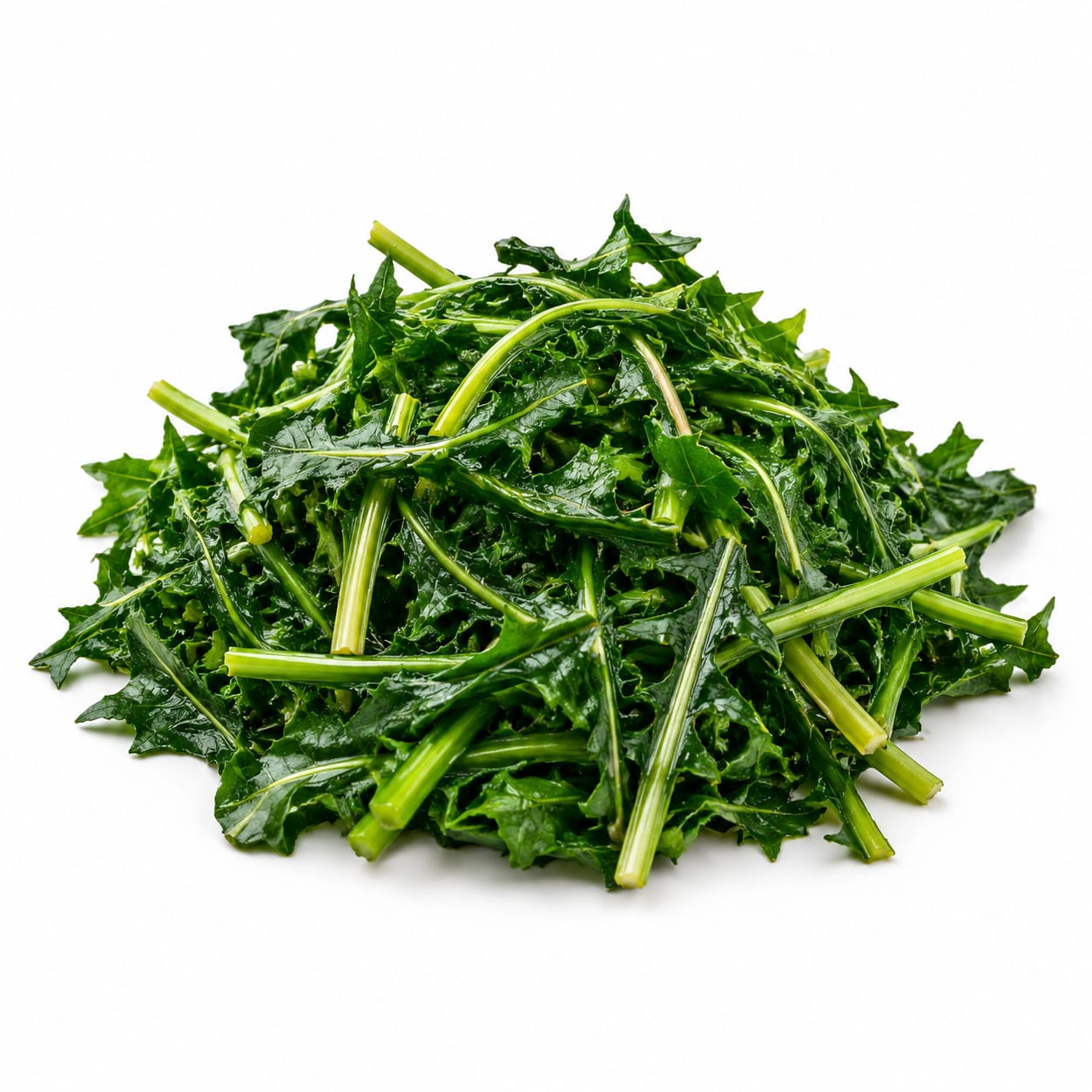
Dandelion Greens
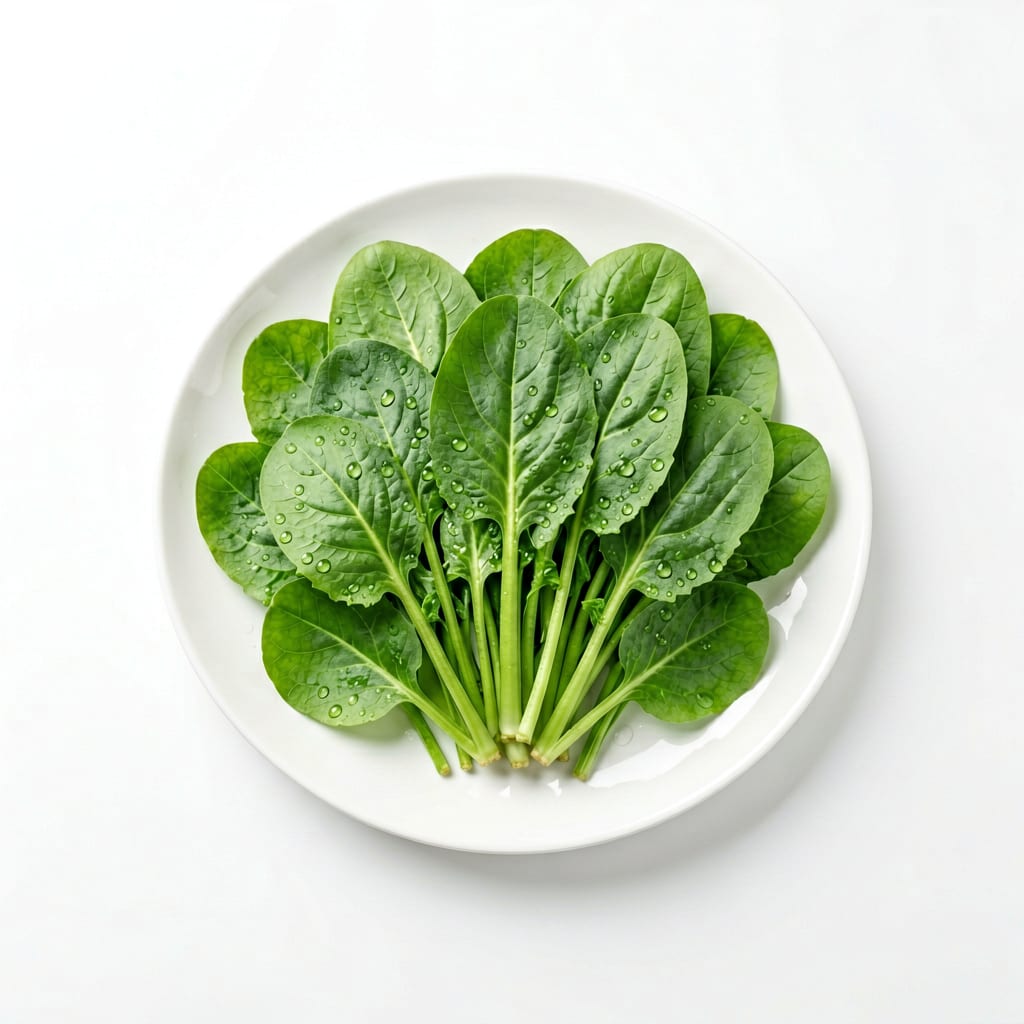
Watercress
Watercress edges out Dandelion Greens thanks to its unmatched nutrient density, milder flavor, and easier integration into everyday meals, though Dandelion Greens offer unique liver-support and prebiotic benefits that Watercress cannot match.
Watercress scores higher primarily due to its CDC-verified nutrient density ranking and superior palatability, but Dandelion Greens remain a strong choice for specific therapeutic goals like liver support and gut health.
Dandelion Greens give you stronger detox support and prebiotic fiber but punish your palate with intense bitterness, while Watercress delivers more total nutrition per bite with a more approachable peppery kick.
At a glance
Executive summary
Overall
Watercress
Healthier
Watercress
More practical
Watercress
Daily use
Watercress
Key comparison lenses
nutrient density supremacy
Watercress ranks #1 on the CDC nutrient density index, making this the central question: can Dandelion Greens compete?
bitterness and palatability
Both greens are notably bitter and peppery, which directly affects whether people will actually eat them regularly
detox and organ support
Dandelion Greens are traditionally used for liver and kidney support, a key differentiator from Watercress
cancer fighting potential
Watercress contains potent glucosinolates linked to cancer risk reduction, a major health consideration
foraging and safety
Both greens can be foraged, but contamination risks differ significantly between soil-based and water-based growing environments
Best choice for
Dandelion Greens
- People seeking liver and kidney support
- Those wanting prebiotic fiber for gut health
- Budget-conscious foragers with access to clean soil
- Anyone needing a natural diuretic
Watercress
- People prioritizing maximum nutrient density per calorie
- Those new to bitter greens who want an easier entry point
- Anyone focused on cancer-risk reduction through diet
- People who want a versatile salad green
Least suitable for
Dandelion Greens
- Pick eaters or those sensitive to bitter flavors
- People on blood thinners who need stable vitamin K intake
- Anyone without access to verified pesticide-free sources
- Those with gallbladder issues triggered by bitter compounds
Watercress
- People in areas where Watercress is unavailable or expensive
- Those with compromised immune systems worried about waterborne pathogens
- Anyone on strict sodium restriction who eats large quantities
Deep comparison
Dimension by dimension
Each lens scores both foods and breaks down who each option suits.
- Dimension 1 · Priority 95Watercress
nutrient_density
Dandelion Greens · 78Watercress · 97Watercress is the most nutrient-dense vegetable ever tested by the CDC, scoring a perfect 100 out of 100. Dandelion Greens are impressive but cannot match that benchmark.
Tradeoff
Dandelion Greens offer more vitamin E and prebiotic fiber, but Watercress delivers more overall vitamins and minerals per calorie consumed.
Why it matters
If you eat small portions, Watercress gives you more nutritional value per forkful, making it ideal for people with small appetites.
Real-world impact
A small handful of Watercress in your sandwich delivers more nutrition than a large serving of many other greens, while Dandelion Greens require larger portions to match.
Dandelion Greens
- Getting more vitamin E per serving
- Obtaining prebiotic inulin fiber
Better for
- Lower total nutrient density score means you need to eat more volume
Worse for
Watercress
- Maximum vitamin K, C, and A per calorie
- Overall micronutrient coverage in small portions
Better for
- Less prebiotic fiber for gut bacteria support
Worse for
- Dimension 2 · Priority 88Watercress
taste_and_palatability
Dandelion Greens · 45Watercress · 68Dandelion Greens are intensely bitter, which limits how much most people can enjoy raw. Watercress has a peppery bite that adds flavor without overwhelming the dish.
Tradeoff
The bitterness in Dandelion Greens signals beneficial compounds but creates a real barrier to consistent consumption, while Watercress is pleasant enough to eat as a salad base.
Why it matters
The healthiest green only works if you actually eat it. Many people buy Dandelion Greens and let them wilt in the fridge because the taste is too harsh.
Real-world impact
Watercress can replace lettuce in most meals effortlessly. Dandelion Greens usually require cooking, mixing with other greens, or adding fat to become enjoyable.
Dandelion Greens
- Adding complex bitter notes to cooked dishes
- Stimulating digestion through bitter compounds
Better for
- Most people cannot eat large quantities raw
- Requires preparation tricks to reduce bitterness
Worse for
Watercress
- Eating raw in salads and sandwiches
- Enjoying as a standalone side without masking flavors
Better for
- Peppery flavor can clash with delicate dishes
Worse for
- Dimension 3 · Priority 85Dandelion Greens
digestive_and_gut_health
Dandelion Greens · 88Watercress · 65Dandelion Greens contain inulin, a powerful prebiotic fiber that feeds beneficial gut bacteria. Watercress provides fiber but lacks this specific gut-nourishing compound.
Tradeoff
Dandelion Greens actively feed your microbiome and stimulate bile production, while Watercress supports gut health indirectly through general nutrition and anti-inflammatory effects.
Why it matters
If gut health is your primary concern, the prebiotic advantage of Dandelion Greens is meaningful and difficult to replicate with other common greens.
Real-world impact
Regular Dandelion Green consumption can improve bowel regularity and support beneficial bacteria, while Watercress contributes more to reducing gut inflammation.
Dandelion Greens
- Feeding beneficial gut bacteria with inulin
- Stimulating bile flow for better fat digestion
- Relieving occasional constipation
Better for
- Bitter compounds can trigger discomfort in people with gallbladder issues
- Excessive consumption may cause loose stools
Worse for
Watercress
- Reducing gut inflammation through antioxidants
- Gentler on sensitive stomachs
Better for
- Lacks targeted prebiotic compounds for microbiome support
Worse for
- Dimension 4 · Priority 82Dandelion Greens
liver_and_detox_support
Dandelion Greens · 90Watercress · 62Dandelion Greens have a long history of traditional use for liver and kidney support, backed by emerging research on their diuretic and bile-stimulating properties.
Tradeoff
Dandelion Greens actively promote liver bile production and kidney flushing, while Watercress supports detoxification pathways more indirectly through antioxidant protection.
Why it matters
For people specifically seeking liver support after medication use, alcohol, or toxin exposure, Dandelion Greens are the more targeted choice.
Real-world impact
A cup of cooked Dandelion Greens with dinner can support overnight liver processing, while Watercress provides more general cellular protection throughout the day.
Dandelion Greens
- Stimulating bile production for fat metabolism
- Acting as a natural diuretic for kidney support
- Traditional liver tonic applications
Better for
- Diuretic effect may interfere with medications
- Not suitable for people with gallstones without medical guidance
Worse for
Watercress
- Protecting liver cells from oxidative damage
- Supporting Phase II detoxification enzymes
Better for
- Less direct impact on bile production and kidney function
Worse for
- Dimension 5 · Priority 78Watercress
cancer_fighting_potential
Dandelion Greens · 68Watercress · 88Watercress is rich in glucosinolates, particularly phenylethyl isothiocyanate, which has shown impressive anti-cancer properties in multiple studies.
Tradeoff
Watercress provides more directly studied cancer-fighting compounds, while Dandelion Greens offer antioxidant protection and liver support that indirectly reduce cancer risk.
Why it matters
If you have a family history of cancer or are proactively reducing risk, Watercress offers more evidence-backed chemopreventive compounds per serving.
Real-world impact
Studies show Watercress can reduce DNA damage in white blood cells within hours of consumption, a measurable anti-cancer effect that Dandelion Greens have not demonstrated as clearly.
Dandelion Greens
- Reducing toxin load through liver support
- Providing antioxidant protection against cellular damage
Better for
- Less research on direct anti-cancer mechanisms
Worse for
Watercress
- Directly inhibiting carcinogen activation
- Reducing DNA damage measurable in blood tests
- Containing higher levels of glucosinolates
Better for
- Benefits are strongest with regular, consistent consumption
Worse for
- Dimension 6 · Priority 70Dandelion Greens
availability_and_cost
Dandelion Greens · 75Watercress · 55Dandelion Greens can be foraged for free if you have access to clean, pesticide-free land, while Watercress is typically a specialty store item with a higher price tag.
Tradeoff
Free Dandelion Greens require foraging knowledge and contamination awareness, while store-bought Watercress costs more but offers guaranteed safety and convenience.
Why it matters
For budget-conscious consumers, the ability to harvest Dandelion Greens from your own yard makes them accessible regardless of income level.
Real-world impact
A bag of Watercress often costs four to six dollars at specialty grocers, while Dandelion Greens grow in most lawns from spring through fall at zero cost.
Dandelion Greens
- Free foraging potential in clean environments
- Available in many farmers markets at low cost
- Grows abundantly in most temperate climates
Better for
- Foraging carries contamination risk from pesticides and pollutants
- Not always available in conventional grocery stores
Worse for
Watercress
- Consistent quality and safety from commercial sources
- Available year-round in well-stocked grocers
Better for
- Expensive relative to other greens
- Limited availability in budget grocery stores
Worse for
Timeline
Health impact over time
Short-term
Hours to days
Dandelion Greens
- Stimulates digestion through bitter compounds within minutes of eating
- May increase urination within hours due to diuretic properties
- Can cause stomach discomfort if eaten in large quantities raw
Watercress
- Provides noticeable energy lift from iron and B vitamins
- Peppery flavor clears sinuses slightly, similar to mild mustard
- Gentle on the stomach even when eaten raw in moderate amounts
Long-term
Months to years
Dandelion Greens
- Supports liver function and bile production with regular consumption
- Improves gut microbiome diversity through prebiotic inulin fiber
- May help maintain healthy blood pressure through potassium and diuretic effects
- Requires awareness of vitamin K content if taking blood thinners
Watercress
- Reduces oxidative stress and DNA damage with consistent intake
- Supports cardiovascular health through nitrate content and folate
- May lower cancer risk through glucosinolate compounds
- Contributes to skin health through high vitamin C and beta-carotene
Risk profile
Safety & processing
Both Dandelion Greens and Watercress are whole, unprocessed foods typically sold fresh with no additives. The main concern is agricultural contamination rather than processing, with Dandelion Greens carrying pesticide risk from foraging and Watercress carrying potential waterborne contaminants from aquatic growing conditions.
Dandelion Greens
Pesticide and herbicide residue from foraging
highDandelion Greens grow in lawns and roadsides that are frequently treated with chemicals. Never forage near roads, treated lawns, or agricultural fields without confirming chemical-free status.
Soil-borne parasites and bacteria
mediumSoil contact increases exposure to Toxoplasma, E. coli, and other pathogens. Thorough washing and cooking significantly reduce this risk.
Vitamin K interaction with blood thinners
mediumDandelion Greens are very high in vitamin K, which can interfere with warfarin and other anticoagulant medications. Consistent intake patterns are essential.
Watercress
Waterborne contamination from growing conditions
highWatercress grows in flowing water that can harbor liver flukes, Giardia, and harmful bacteria. Commercially grown Watercress is monitored, but wild-harvested Watercress carries significant parasite risk.
Potential for bacterial contamination in packaging
mediumAquatic greens can carry higher bacterial loads. Always wash pre-packaged Watercress thoroughly, even if labeled pre-washed.
Oxalate content for kidney stone formers
lowWatercress contains moderate oxalates, which may be a concern for people prone to calcium oxalate kidney stones, though levels are lower than spinach.
Who wins for whom
Audience fit
Same foods, different winners depending on your goal.
children
WatercressWatercress has a milder, more interesting peppery flavor that children may accept better than the intense bitterness of Dandelion Greens, and its nutrient density supports growing bodies.
daily consumption
WatercressWatercress is easier to incorporate into daily meals due to its more versatile flavor profile and wider availability in stores, making consistent consumption more realistic.
diabetes
Dandelion GreensDandelion Greens contain inulin fiber which slows glucose absorption and improves insulin sensitivity, while their bitter compounds may help regulate blood sugar more directly.
elderly
WatercressWatercress provides exceptional vitamin K for bone health, is easier to chew and digest, and its cardiovascular benefits are particularly valuable for older adults.
muscle gain
It dependsNeither green is a significant protein source. Dandelion Greens offer slightly more iron for oxygen transport during exercise, while Watercress provides nitrates that may improve exercise performance.
weight loss
WatercressWatercress provides more nutrition per calorie with a flavor that encourages larger portion consumption, making it easier to fill up on very few calories.
Your move
Decision guide
Choose Dandelion Greens
- You want targeted liver and kidney support
- You are focused on improving gut bacteria diversity
- You have access to safe foraging spots and want free nutrition
- You enjoy or can tolerate bitter flavors
- You need a natural diuretic for fluid retention
Choose Watercress
- You want the most nutrient-dense green available
- You are new to bitter greens and want an approachable starting point
- Cancer risk reduction is a priority for you
- You want a versatile green for salads, sandwiches, and garnishes
- You prefer something you can eat raw without cooking
Either works if
- You want to boost your greens intake beyond basic lettuce and spinach
- You are looking for natural vitamin K sources
- You want anti-inflammatory foods in your diet
- You enjoy peppery and bitter flavor profiles
Avoid both if
- You are on warfarin or other blood thinners without medical guidance on vitamin K
- You have severe oxalate sensitivity or a history of kidney stones
- You cannot verify safe growing conditions for either green
Final recommendation
Eat Watercress as your daily green for maximum nutrition and enjoyment, and add Dandelion Greens a few times per week when you want targeted liver and gut support. Rotating between both gives you the broadest spectrum of beneficial compounds without over-relying on either one.
Practical
Consumer tips
- 1
If Dandelion Greens are too bitter raw, try sautéing them with garlic and olive oil, which mellows the bitterness significantly.
- 2
Add Watercress to sandwiches and wraps as a direct replacement for lettuce for an instant nutrient upgrade.
- 3
Never forage Watercress from wild streams due to liver fluke risk. Only eat commercially grown Watercress.
- 4
If foraging Dandelion Greens, harvest from areas at least fifty feet from roads and never from treated lawns.
- 5
Blanch Dandelion Greens for thirty seconds before adding to salads to reduce bitterness while preserving nutrients.
- 6
Store both greens in damp paper towels inside plastic bags in the crisper drawer. Watercress keeps for about three days, Dandelion Greens for about five.
- 7
If you take blood thinners, maintain consistent intake of either green rather than eating large amounts sporadically.
- 8
Blend Watercress into smoothies with pineapple and ginger for a nutrient-packed drink that masks any peppery harshness.