
Nutrition comparison
Dandelion Greens vs Beet Greens: Nutrition, Oxalates, and Health Benefits
Compare Dandelion Greens vs Beet Greens. Learn which leafy green is better for kidney health, liver support, and daily nutrition based on oxalate risk and mineral density.
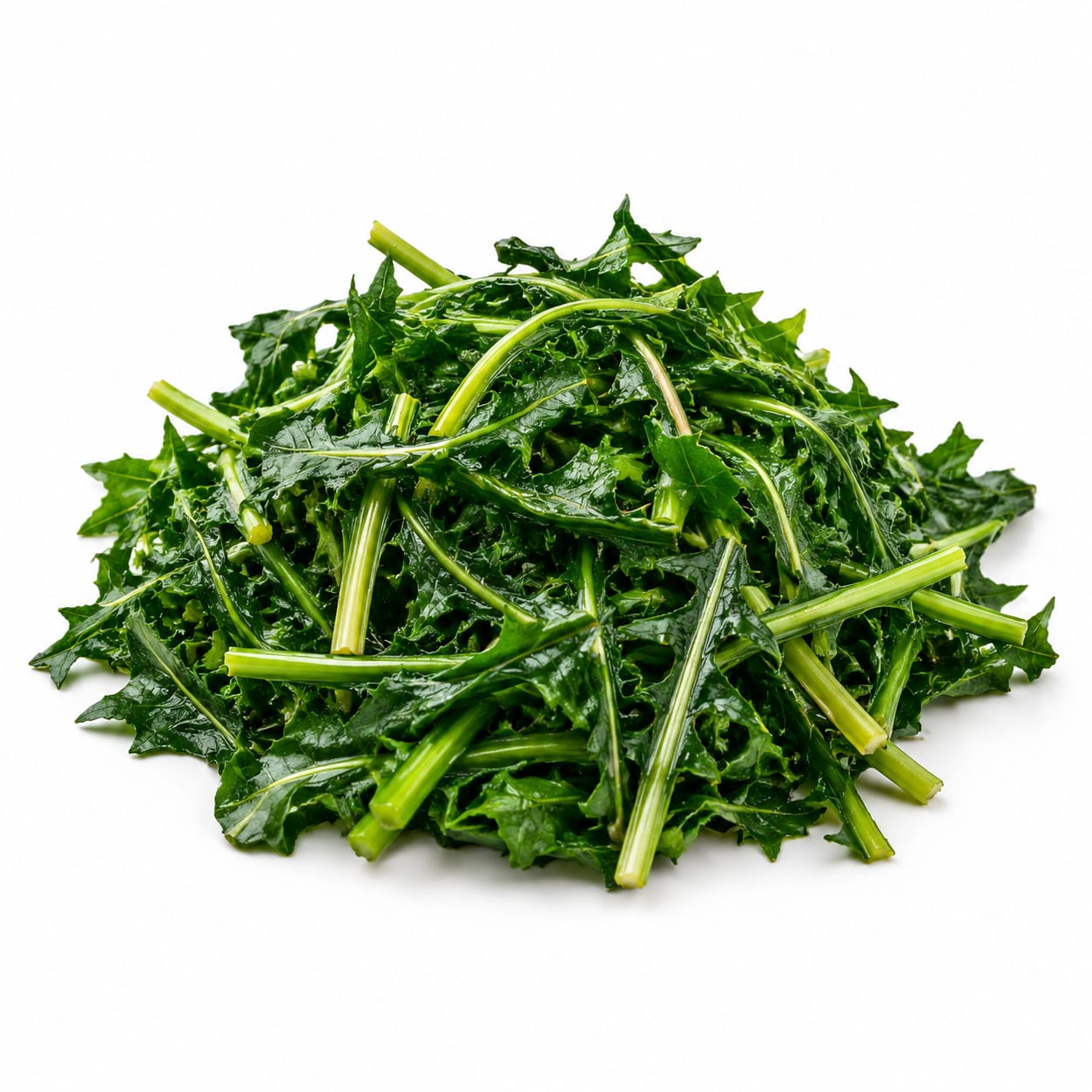
Dandelion Greens
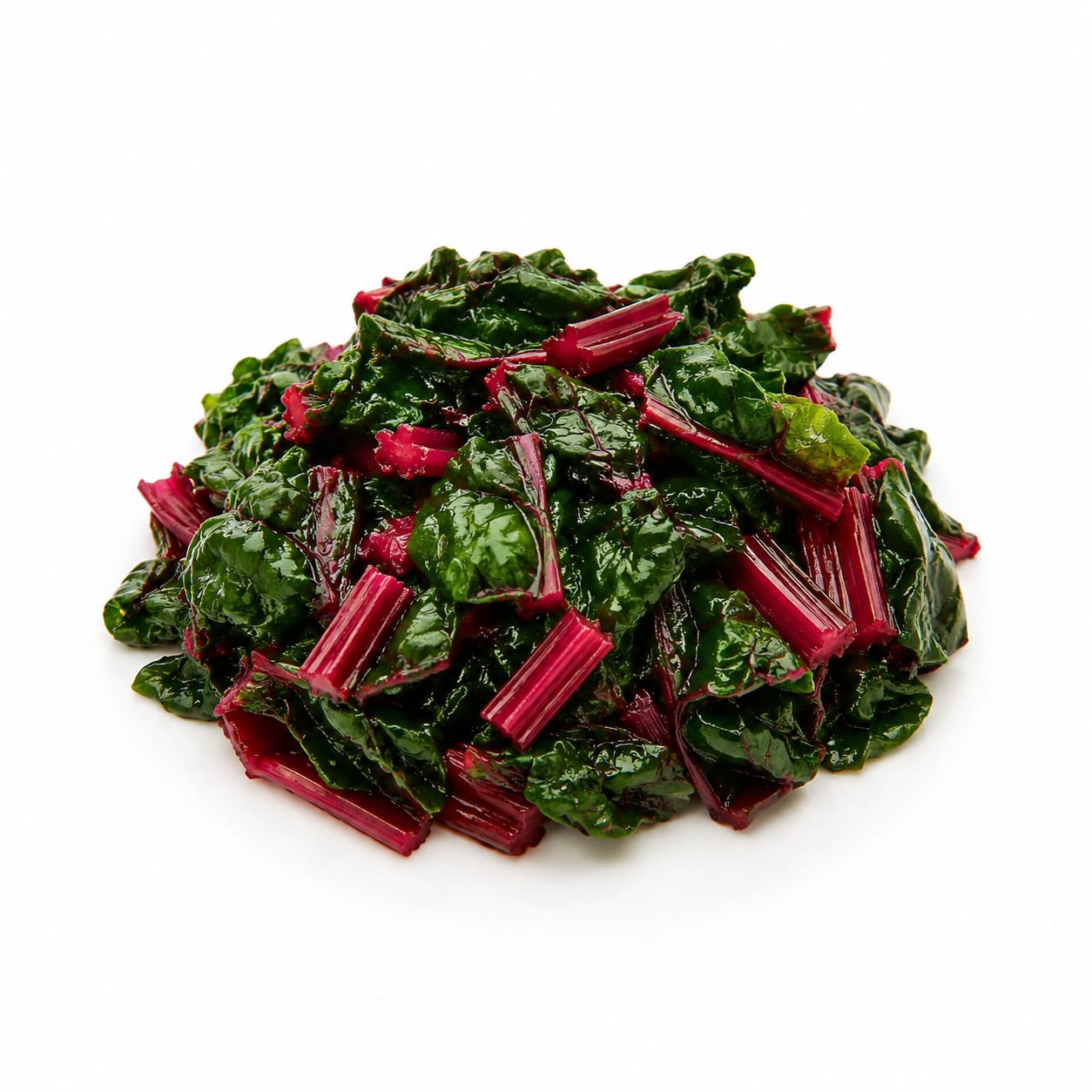
Beet Greens
Dandelion Greens edge out Beet Greens for liver support and kidney safety, but Beet Greens offer a milder flavor and superior potassium if oxalates aren't a concern.
Dandelion Greens score higher due to superior liver support and zero oxalate risk, making them safer for regular consumption despite their intense bitterness.
Medicinal liver benefits and zero oxalates versus better taste and higher potassium with a kidney stone tradeoff.
At a glance
Executive summary
Overall
It depends
Healthier
Dandelion Greens
More practical
Beet Greens
Daily use
Dandelion Greens
Key comparison lenses
Kidney health and oxalate load
Beet Greens are extremely high in oxalates which pose kidney stone risks, whereas Dandelion Greens are virtually oxalate-free.
Liver and digestive support
Dandelion Greens are renowned for stimulating bile and acting as a liver tonic, a benefit Beet Greens lack.
Mineral density and electrolytes
Both are nutrient powerhouses, but Dandelion Greens excel in calcium and iron, while Beet Greens offer more potassium and magnesium.
Taste and culinary practicality
Dandelion Greens are intensely bitter and require specific cooking techniques, while Beet Greens are milder and easier to swap for spinach.
Best choice for
Dandelion Greens
- Kidney stone prevention
- Liver detox and bile stimulation
- Bone density support via high calcium
- Low-oxalate diets
Beet Greens
- Blood pressure management via potassium
- Muscle cramp prevention
- Zero-waste cooking when buying beets
- People who dislike bitter greens
Least suitable for
Dandelion Greens
- People on blood thinners like Warfarin
- Those with gallbladder obstruction
- Anyone highly sensitive to bitter flavors
Beet Greens
- History of calcium oxalate kidney stones
- Low-oxalate diets
- People prone to gout
Deep comparison
Dimension by dimension
Each lens scores both foods and breaks down who each option suits.
- Dimension 1 · Priority 95Dandelion Greens
Kidney Safety & Oxalate Load
Dandelion Greens · 98Beet Greens · 35Dandelion Greens are virtually oxalate-free, while Beet Greens are loaded with them.
Tradeoff
You avoid kidney stone risks with Dandelion Greens, but miss out on the milder taste of Beet Greens.
Why it matters
High oxalate foods can trigger kidney stones in susceptible people and block mineral absorption.
Real-world impact
Eating Beet Greens daily might land you in the ER with a kidney stone; Dandelion Greens won't.
Dandelion Greens
- Kidney stone formers
- Mineral absorption optimization
Better for
- No specific kidney risk
Worse for
Beet Greens
- People with perfectly healthy kidney function who tolerate oxalates well
Better for
- Recurrent kidney stone sufferers
- Those needing calcium absorption
Worse for
- Dimension 2 · Priority 90Dandelion Greens
Liver & Digestive Support
Dandelion Greens · 95Beet Greens · 55Dandelion Greens contain bitter compounds that stimulate bile and digestion, acting as a natural liver tonic.
Tradeoff
The intense bitterness that makes Dandelion Greens medicinal also makes them harder to enjoy eating.
Why it matters
Sluggish digestion and poor bile flow are common causes of bloating and fatigue after heavy meals.
Real-world impact
A side of Dandelion Greens with a rich meal can prevent that heavy, sluggish feeling better than Beet Greens.
Dandelion Greens
- Bloating after meals
- Liver health support
- Stimulating appetite
Better for
- Gallbladder obstruction (stimulates bile)
Worse for
Beet Greens
- Gentle everyday fiber intake
Better for
- Noticeable liver detox effect
Worse for
- Dimension 3 · Priority 80Beet Greens
Taste & Culinary Versatility
Dandelion Greens · 45Beet Greens · 85Beet Greens are milder, sweeter, and cook down beautifully, making them an easy substitute for spinach or chard.
Tradeoff
You get a more enjoyable eating experience with Beet Greens, but less targeted digestive benefits.
Why it matters
A healthy food only works if you actually eat it; extreme bitterness can be a major barrier.
Real-world impact
Sautéing Beet Greens with garlic is an effortless side dish; Dandelion Greens often require blanching and heavy seasoning to be palatable.
Dandelion Greens
- Adventurous eaters
- Bitter flavor enthusiasts
Better for
- Casual weeknight sides
- Kid-friendly meals
Worse for
Beet Greens
- Picky eaters
- Easy weeknight cooking
- Smoothie blending
Better for
- Complex culinary profiles requiring bitter notes
Worse for
- Dimension 4 · Priority 85It depends
Mineral Density & Electrolytes
Dandelion Greens · 88Beet Greens · 90Dandelion Greens win on calcium and iron, while Beet Greens provide significantly more potassium and magnesium.
Tradeoff
Choosing between bone-building calcium and blood-pressure-lowering potassium depends on your specific dietary gaps.
Why it matters
Most people fall short on both potassium and magnesium, which are critical for heart and muscle function.
Real-world impact
Beet Greens can help with muscle cramps and blood pressure, while Dandelion Greens better support bone density.
Dandelion Greens
- Bone health and osteoporosis prevention
- Iron-deficiency anemia support
Better for
- Quick electrolyte replenishment after sweating
Worse for
Beet Greens
- Blood pressure regulation
- Post-workout muscle recovery
Better for
- Highly bioavailable calcium sources
Worse for
Timeline
Health impact over time
Short-term
Hours to days
Dandelion Greens
- Increased urination due to natural diuretic effect
- Stimulated digestion and reduced bloating after meals
- Intense bitter taste that may take getting used to
Beet Greens
- Quick potassium boost helping with hydration
- Potential stomach upset if eaten raw in massive amounts due to oxalates
- Mild, pleasant earthy flavor that satisfies vegetable cravings
Long-term
Months to years
Dandelion Greens
- Improved liver function and bile flow
- Better calcium absorption for bone density
- Safe long-term kidney health due to lack of oxalates
Beet Greens
- Risk of developing kidney stones if consumed heavily and regularly
- Better long-term blood pressure management from potassium
- Consistent magnesium intake supporting sleep and mood
Risk profile
Safety & processing
Both Dandelion Greens and Beet Greens are whole, unprocessed vegetables typically sold fresh or foraged, making them exceptionally clean choices.
Dandelion Greens
Pesticide and herbicide exposure
highIf foraged from lawns or public parks, Dandelion Greens may carry toxic chemical residues. Always forage from verified organic areas or buy cultivated organic bunches.
Beet Greens
Calcium oxalate kidney stones
highBeet Greens are extremely high in oxalates. For individuals with a history of kidney stones, consuming them regularly can significantly increase stone formation.
Who wins for whom
Audience fit
Same foods, different winners depending on your goal.
children
Beet GreensBeet Greens are milder and sweeter, making them far easier to sneak into meals for kids who reject bitter flavors.
daily consumption
Dandelion GreensThe lack of oxalates makes Dandelion Greens a safer daily staple, whereas Beet Greens should be rotated to avoid mineral absorption issues and kidney stone buildup.
diabetes
Dandelion GreensThe bitterness in Dandelion Greens stimulates digestion and helps stabilize blood sugar more effectively after carbohydrate-heavy meals.
elderly
Dandelion GreensDandelion Greens provide highly bioavailable calcium for aging bones without the kidney stone risk that older adults are more vulnerable to.
muscle gain
It dependsNeither is a significant protein source, but Beet Greens offer more magnesium for muscle recovery, while Dandelion Greens offer more iron for oxygen transport.
weight loss
Dandelion GreensDandelion Greens act as a natural diuretic, reducing water retention, and their intense bitterness naturally limits overeating.
Your move
Decision guide
Choose Dandelion Greens
- You have a history of kidney stones or are on a low-oxalate diet
- You want to stimulate digestion and liver function after heavy meals
- You are foraging or buying organic and want a medicinal green
- You need a dairy-free calcium boost for bone health
Choose Beet Greens
- You are buying beets and want to use the leafy tops sustainably
- You need more potassium to help manage blood pressure or cramps
- You find bitter greens unpleasant and want a milder spinach alternative
- You have healthy kidney function and no oxalate concerns
Either works if
- You just want to rotate nutrient-dense leafy greens into your diet
- You are on a blood thinner and already managing your Vitamin K intake carefully
Avoid both if
- You are actively trying to lower your Vitamin K intake due to blood thinner medications like Warfarin
Final recommendation
Make Dandelion Greens your go-to if you value long-term kidney safety and digestive benefits, but keep Beet Greens in the rotation for their potassium and ease of cooking—just boil and drain them to reduce oxalates if you're concerned.
Practical
Consumer tips
- 1
Blanch Dandelion Greens in boiling water for 30 seconds to soften their intense bitterness before sautéing.
- 2
Boil Beet Greens and discard the water to significantly reduce their oxalate content before eating.
- 3
If foraging Dandelion Greens, only pick from areas you are certain are free from pesticides and dog traffic.
- 4
Pair both greens with a healthy fat like olive oil to absorb their massive amounts of fat-soluble Vitamins A and K.
- 5
Squeeze lemon juice over Dandelion Greens; the acid cuts the bitterness and makes them far more palatable.