
Nutrition comparison
Dandelion Greens vs Collard Greens: Nutrition, Taste, and Which to Choose
Compare dandelion greens and collard greens side by side. Learn which is more nutritious, which tastes better, and which green fits your health goals and lifestyle.
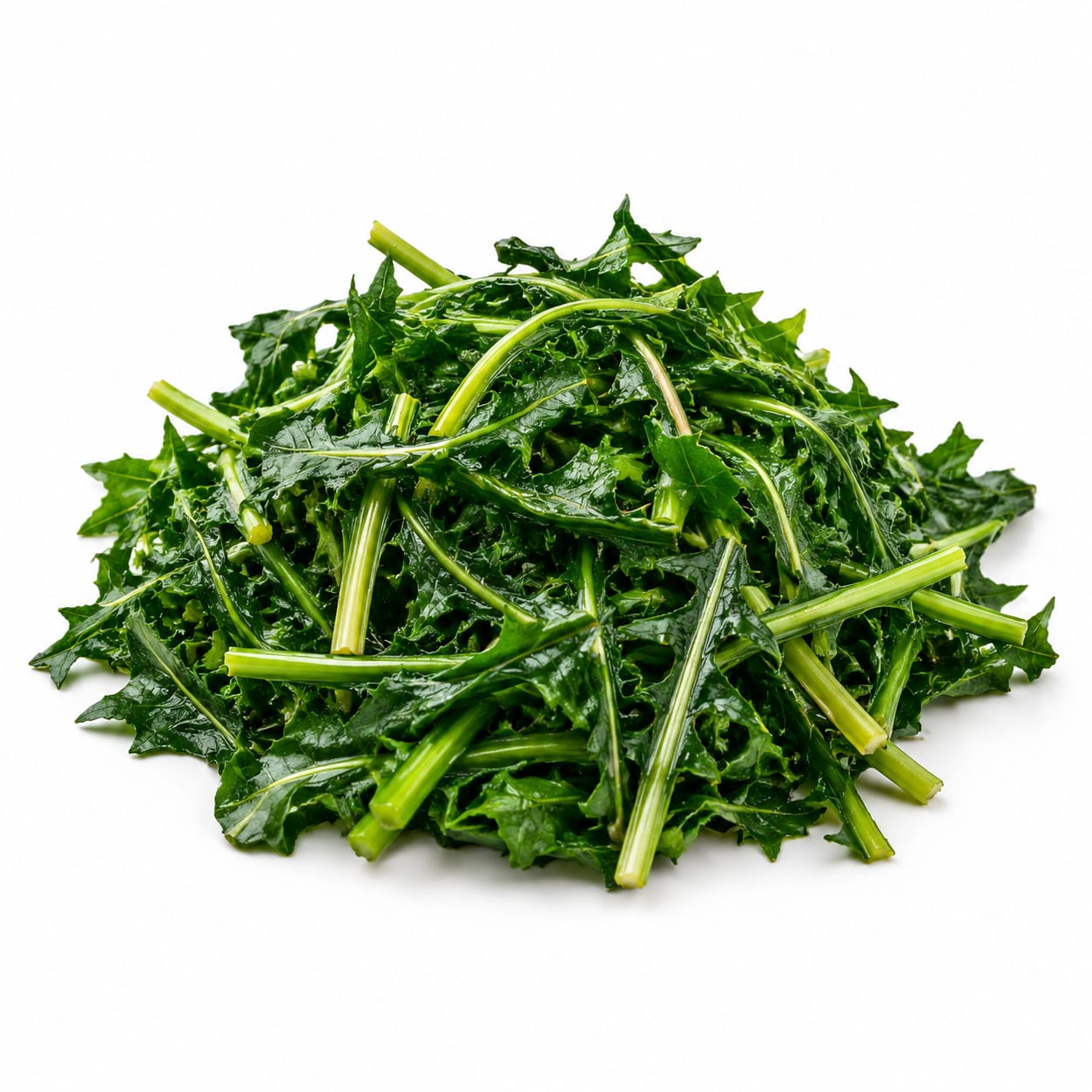
Dandelion Greens
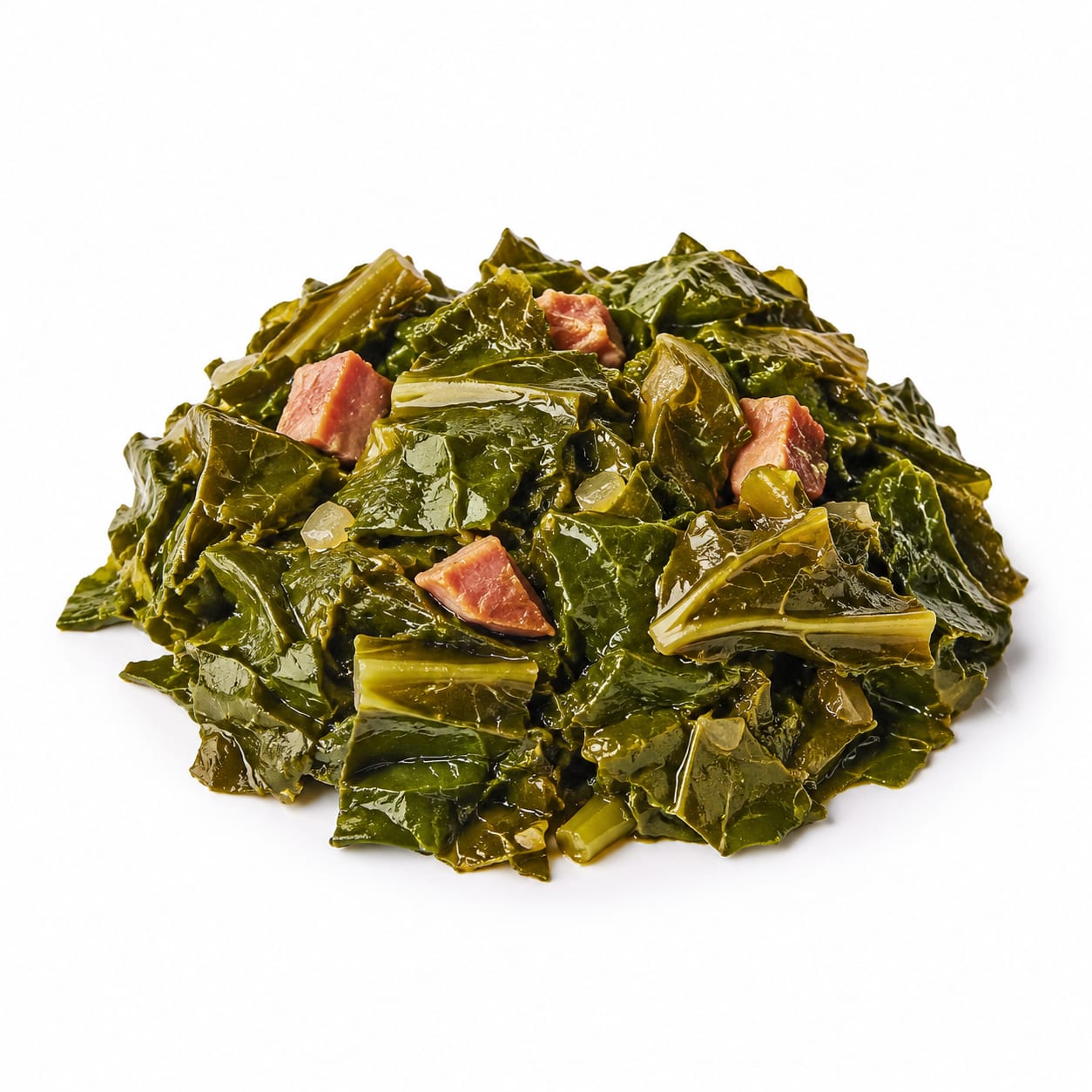
Collard Greens
Dandelion greens edge out collard greens in raw nutrient density and liver-supporting compounds, but collard greens win on taste, availability, and everyday practicality.
Dandelion greens score slightly higher for sheer nutrient density and unique liver-supporting compounds, but collard greens stay close thanks to superior practicality, calcium content, and culinary flexibility. The small gap reflects that nutrition alone rarely drives daily food choices.
Maximum nutrition and bitterness versus milder flavor and easier daily use.
At a glance
Executive summary
Overall
It depends
Healthier
Dandelion Greens
More practical
Collard Greens
Daily use
Collard Greens
Key comparison lenses
nutrient density comparison
Both are powerhouse leafy greens, so users want to know which packs more nutrition per bite
taste and culinary versatility
Dandelion greens are notably bitter while collard greens are milder, which heavily impacts daily use
accessibility and practicality
Dandelion greens are harder to find in stores and often foraged, while collard greens are widely available
detox and liver health
Dandelion greens are traditionally used for liver support, a key differentiator
bone health support
Both are rich in calcium and vitamin K but in different proportions relevant to bone health
Best choice for
Dandelion Greens
- People seeking maximum antioxidant and liver-supporting compounds
- Bitter greens enthusiasts who enjoy assertive flavors
- Those with access to fresh foraged or farmers market dandelion
- Anyone targeting vitamin K and prebiotic fiber specifically
Collard Greens
- Families needing a mild, crowd-pleasing green
- Meal preppers wanting a versatile cooking green
- Shoppers relying on standard grocery stores
- People new to leafy greens who find bitterness off-putting
Least suitable for
Dandelion Greens
- Pick eaters or anyone sensitive to bitter flavors
- People on blood thinners who must limit vitamin K
- Those without reliable access to specialty produce
Collard Greens
- People seeking strong liver-detox or diuretic effects
- Anyone looking for raw salad greens with bold flavor
- Those wanting maximum prebiotic fiber per serving
Deep comparison
Dimension by dimension
Each lens scores both foods and breaks down who each option suits.
- Dimension 1 · Priority 95Dandelion Greens
nutrient density
Dandelion Greens · 93Collard Greens · 85Dandelion greens deliver more vitamin K, vitamin A, and unique bitter compounds per calorie than collard greens.
Tradeoff
That nutrient edge comes with a flavor most people need to acquire.
Why it matters
If you eat greens primarily for maximum micronutrient impact, dandelion greens give you more per bite.
Real-world impact
A cup of raw dandelion greens covers over 500% of your daily vitamin K needs versus about 260% from raw collard greens.
Dandelion Greens
- Maximizing vitamin K intake
- Boosting antioxidant variety
- Getting more prebiotic fiber
Better for
- Anyone watching oxalate intake
- People who struggle to eat enough volume due to bitterness
Worse for
Collard Greens
- Getting more calcium per serving
- Achieving balanced mineral intake without supplements
Better for
- Those wanting the highest possible vitamin A and K per calorie
Worse for
- Dimension 2 · Priority 88Collard Greens
taste and culinary versatility
Dandelion Greens · 52Collard Greens · 84Collard greens are milder and work in soups, stews, wraps, and sautés. Dandelion greens are distinctly bitter and need careful pairing.
Tradeoff
Bitterness signals potent phytonutrients but makes dandelion greens harder to enjoy regularly.
Why it matters
The best green nutritionally is the one you actually eat consistently. Collard greens are far easier to incorporate into meals.
Real-world impact
Collard greens can replace tortillas as wraps or simmer for hours in broth. Dandelion greens work best in small amounts mixed with other greens or quickly sautéed with garlic and lemon.
Dandelion Greens
- Adding complex bitter notes to salads
- Stimulating digestion before a heavy meal
Better for
- Salads for kids or bitter-sensitive adults
- Recipes requiring a neutral green base
Worse for
Collard Greens
- Family dinners where everyone needs to enjoy the dish
- Batch cooking and meal prep
- Using as a low-carb wrap or tortilla substitute
Better for
- Anyone specifically wanting bitter compounds for digestive stimulation
Worse for
- Dimension 3 · Priority 82Collard Greens
availability and cost
Dandelion Greens · 38Collard Greens · 88Collard greens are in nearly every grocery store year-round. Dandelion greens are specialty items often found only at farmers markets or health food stores.
Tradeoff
Foraging dandelion greens is free but carries contamination risk from pesticides and polluted soil.
Why it matters
Consistency in healthy eating depends on easy access. Hard-to-find greens tend to drop out of rotation.
Real-world impact
Most people can grab collard greens any day of the week. Dandelion greens may require a special trip or seasonal foraging knowledge.
Dandelion Greens
- Home gardeners or foragers with clean land access
- Farmers market regulars in temperate climates
Better for
- Urban dwellers without foraging access
- People who need reliable weekly meal planning
Worse for
Collard Greens
- Anyone shopping at conventional grocery stores
- Budget-conscious shoppers needing affordable greens
Better for
- Those who enjoy foraging and want free, wild nutrition
Worse for
- Dimension 4 · Priority 78It depends
bone health support
Dandelion Greens · 86Collard Greens · 84Dandelion greens offer more vitamin K while collard greens provide more bioavailable calcium. Both are excellent for bones but through different pathways.
Tradeoff
Vitamin K directs calcium to bones rather than arteries, but you still need adequate calcium intake for the K to work with.
Why it matters
Bone health requires both calcium and vitamin K working together. Neither green fully dominates this category.
Real-world impact
A serving of cooked collard greens provides about 260mg of calcium versus roughly 150mg from dandelion greens. But dandelion greens supply significantly more vitamin K to activate bone-building proteins.
Dandelion Greens
- Those already getting adequate calcium from other sources
- People focused on vitamin K for bone protein activation
Better for
- People relying on this green as a primary calcium source
Worse for
Collard Greens
- Anyone needing a dairy-free calcium boost
- Older adults at risk for both low calcium and bone loss
Better for
- Those who need maximum vitamin K beyond what collard greens offer
Worse for
- Dimension 5 · Priority 78Dandelion Greens
digestive and liver support
Dandelion Greens · 91Collard Greens · 68Dandelion greens contain unique bitter compounds and prebiotic inulin that actively stimulate digestion and support liver function. Collard greens provide fiber but lack these targeted compounds.
Tradeoff
The liver-supporting bitterness is exactly what makes dandelion greens harder to eat.
Why it matters
If you are specifically choosing greens for gut and liver health, dandelion greens have a meaningful pharmacological edge.
Real-world impact
Traditional herbal medicine uses dandelion root and leaves as a gentle liver tonic and diuretic. Eating the greens gives you similar benefits in food form.
Dandelion Greens
- Supporting liver detoxification pathways
- Stimulating bile production for fat digestion
- Feeding beneficial gut bacteria with inulin
Better for
- People with gallbladder issues who cannot tolerate bile stimulation
- Anyone with sensitive digestion triggered by bitter foods
Worse for
Collard Greens
- Gentle fiber support without digestive stimulation
- Post-illness recovery when the gut needs mild foods
Better for
- Those seeking active liver support from their greens
Worse for
- Dimension 6 · Priority 70Collard Greens
satiety and meal satisfaction
Dandelion Greens · 62Collard Greens · 80Collard greens have thicker, sturdier leaves that feel more substantial in meals. Dandelion greens are delicate and less filling.
Tradeoff
Heartier greens keep you fuller but take longer to cook and eat.
Why it matters
If greens are a main dish component rather than a garnish, collard greens provide more physical satisfaction.
Real-world impact
A bowl of braised collard greens feels like a real side dish. Dandelion greens tend to wilt down to almost nothing, leaving you wanting more food.
Dandelion Greens
- Light meals where you want flavor without heaviness
- Stimulating appetite rather than suppressing it
Better for
- Using as a standalone side dish for hungry eaters
Worse for
Collard Greens
- Main dish salads or hearty side portions
- Keeping full between meals without extra calories
Better for
- Light snacking or appetite stimulation before dinner
Worse for
Timeline
Health impact over time
Short-term
Hours to days
Dandelion Greens
- May stimulate digestion and bile flow within 30 minutes of eating
- Bitter taste can reduce appetite briefly or enhance it depending on the person
- Mild diuretic effect may increase urination
Collard Greens
- Provides steady fiber that supports comfortable digestion
- Substantial enough to prevent hunger between meals
- Unlikely to cause any digestive discomfort unless eaten in very large quantities
Long-term
Months to years
Dandelion Greens
- Consistent vitamin K intake supports bone density and cardiovascular health
- Prebiotic inulin may improve gut microbiome diversity over months
- Potent antioxidants from bitter compounds may reduce oxidative stress markers
- Diuretic effect could affect electrolyte balance if consumed in large daily amounts
Collard Greens
- High calcium intake from a plant source supports bone mineral density long-term
- Regular fiber consumption promotes consistent bowel habits and gut health
- Glucosinolates in collard greens support natural detoxification enzyme systems
- Sustained vitamin K intake contributes to arterial flexibility and bone strength
Risk profile
Safety & processing
Both greens are whole, unprocessed foods. Dandelion greens may be slightly closer to a wild food state since they are often foraged rather than cultivated, but both are as natural as produce gets.
Dandelion Greens
Foraging contamination
highWild-harvested dandelion greens may absorb pesticides, heavy metals, or pollutants from soil and roadside areas. Only forage from verified clean land.
Oxalate content
mediumDandelion greens contain moderate oxalates which can contribute to kidney stones in susceptible people, especially when eaten raw in large amounts.
Diuretic interaction
mediumThe natural diuretic effect may amplify prescription diuretic medications, potentially causing dehydration or electrolyte imbalance.
Collard Greens
Goitrogenic compounds
lowRaw collard greens contain glucosinolates that can interfere with thyroid function in very large amounts. Cooking largely deactivates these compounds.
Pesticide residue
mediumCollard greens appear on the EWG Dirty Dozen list due to pesticide residue concerns. Choose organic when possible or wash thoroughly.
Traditional preparation sodium
mediumSouthern-style collard greens are often cooked with ham hocks or large amounts of salt, which can turn a healthy green into a high-sodium dish.
Who wins for whom
Audience fit
Same foods, different winners depending on your goal.
children
Collard GreensCollard greens are milder and can be hidden in soups or casseroles. Most children reject the intense bitterness of dandelion greens.
daily consumption
Collard GreensMilder flavor, wider availability, and greater culinary versatility make collard greens easier to eat every day without fatigue.
diabetes
Dandelion GreensDandelion greens have slightly more fiber per calorie and contain chicoric acid, which early research suggests may improve insulin sensitivity.
elderly
Collard GreensCollard greens provide more bioavailable calcium for bone health and are easier to chew when cooked. The diuretic effect of dandelion greens may complicate medication management in older adults.
muscle gain
It dependsNeither green is a significant protein source. Both support overall health during muscle-building phases equally.
weight loss
Collard GreensCollard greens are more filling per calorie and easier to eat in satisfying portions, which helps with adherence to a calorie deficit.
Your move
Decision guide
Choose Dandelion Greens
- You enjoy or want to develop a taste for bitter greens
- Liver support and digestive stimulation are primary health goals
- You have reliable access to organic or safely foraged dandelion greens
- You want maximum vitamin K and antioxidant variety per calorie
Choose Collard Greens
- You need a versatile green the whole household will eat
- Convenience and grocery store availability matter for your routine
- You want a hearty green that feels satisfying as a main dish component
- Calcium intake from a dairy-free source is a priority
Either works if
- You simply want more leafy greens in your diet and both are available
- You rotate greens regularly to diversify your nutrient intake
- Bone health is a goal since both support it through different pathways
Avoid both if
- You take blood thinners like warfarin and must strictly limit vitamin K intake
- You have a history of calcium oxalate kidney stones and need to restrict oxalates
Final recommendation
Eat both when you can. Use dandelion greens in small amounts mixed into salads or quickly sautéed as a digestive tonic. Rely on collard greens as your everyday workhorse green for bigger portions, meal prep, and family meals. The ideal approach is rotating between them to get the bitter compounds and prebiotic fiber from dandelion greens alongside the calcium and satisfying bulk of collard greens.
Practical
Consumer tips
- 1
If new to dandelion greens, start by mixing a handful into a salad with sweeter greens and a lemon vinaigrette to balance the bitterness.
- 2
Choose organic collard greens whenever possible since they rank high for pesticide residue on conventional farms.
- 3
Never forage dandelion greens from lawns treated with chemicals, roadsides, or industrial areas. Stick to your own clean yard or trusted farmers market sources.
- 4
Massaging raw dandelion greens with olive oil and salt for a few minutes mellows the bitterness significantly.
- 5
Use collard green leaves as wraps for sandwiches or burritos — they hold up remarkably well and add nutrition without carbs.
- 6
If collard greens taste tough, remove the center stem and slice leaves into ribbons before cooking for better texture.
- 7
Blanching dandelion greens for 30 seconds reduces bitterness while retaining most nutrients.