
Nutrition comparison
Dandelion Greens vs Endive: Which Bitter Green is Healthier?
Comparing Dandelion Greens vs Endive? Discover which leafy green offers more vitamins, which is easier to eat raw, and the best uses for each.
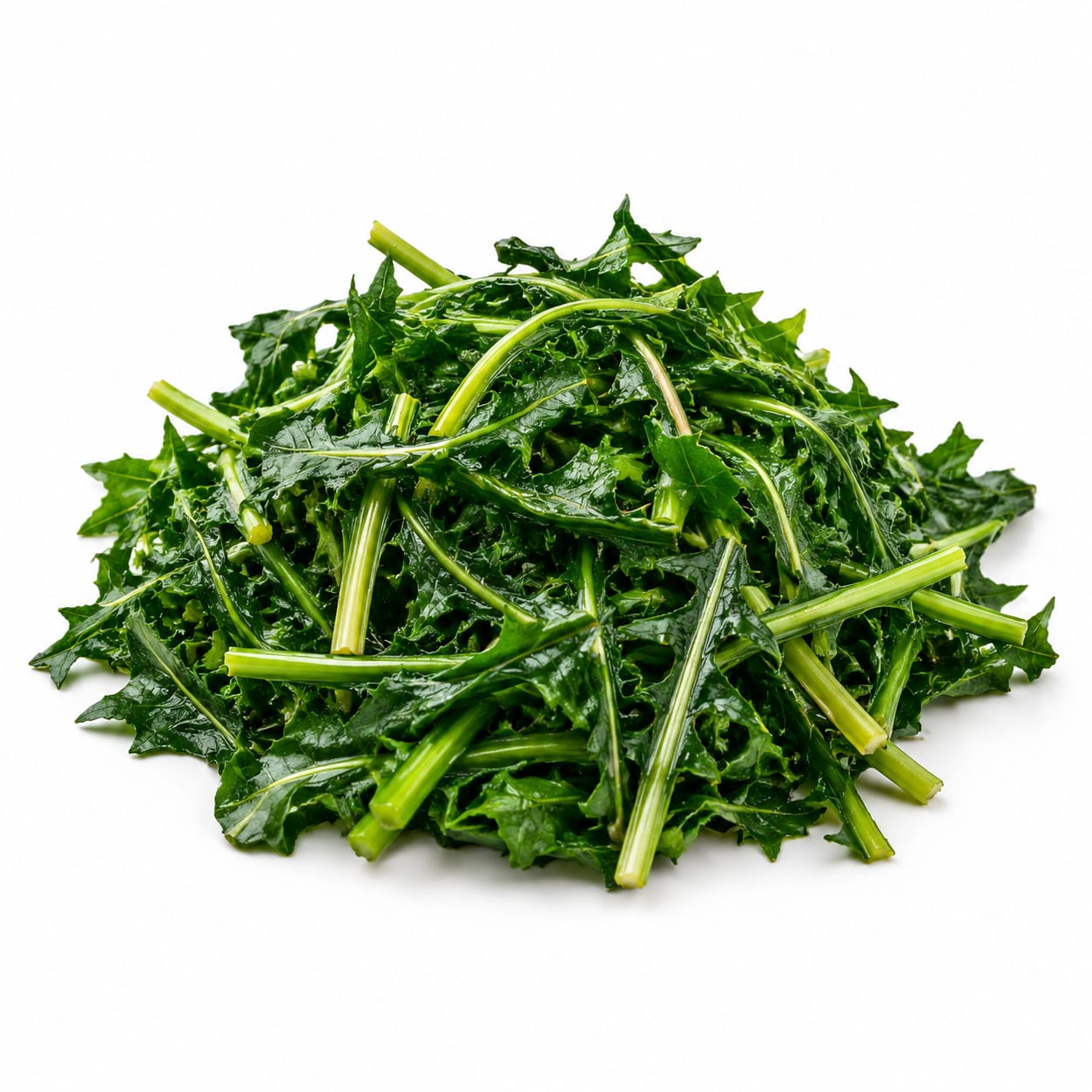
Dandelion Greens
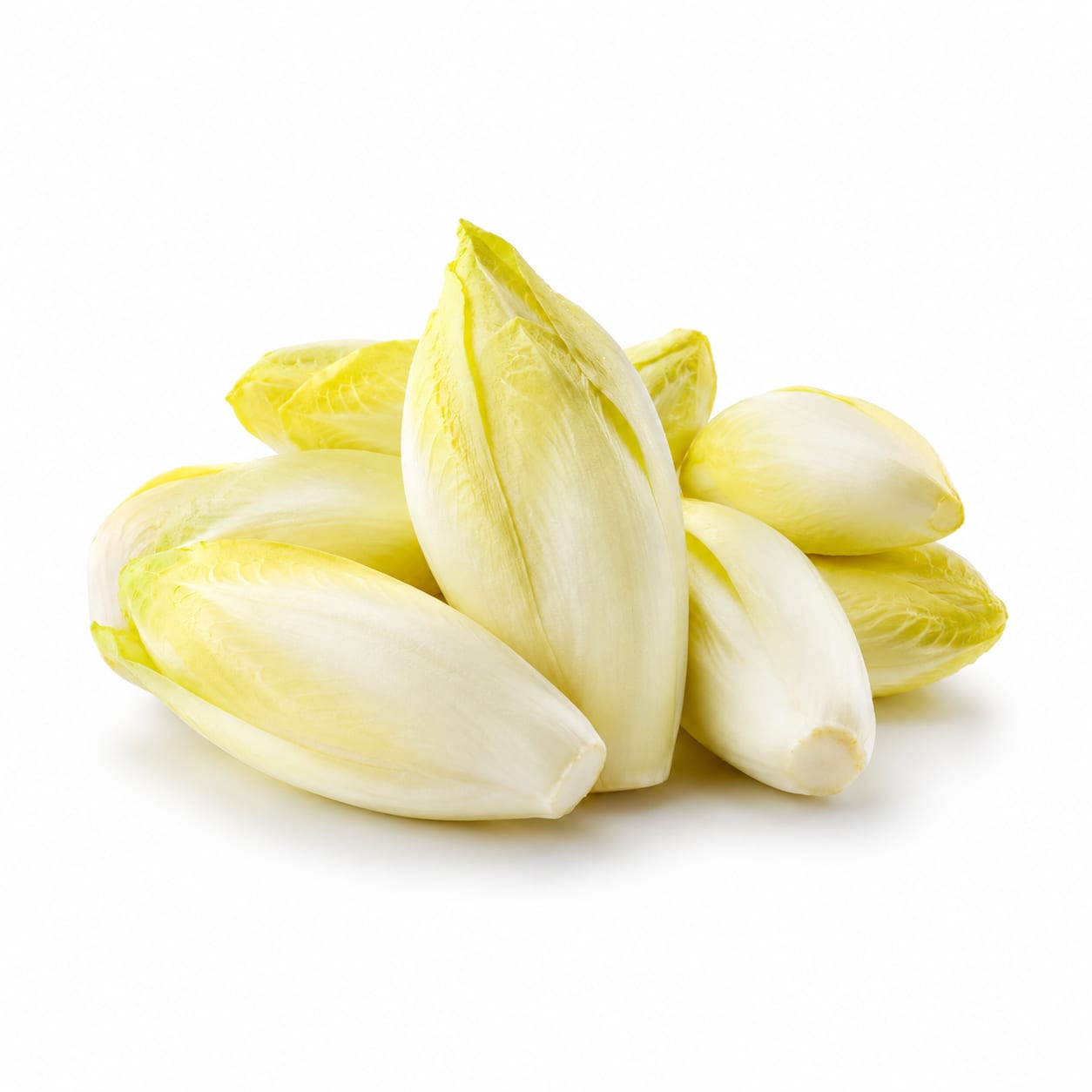
Endive
Dandelion Greens are nutritional powerhouses, but Endive is far easier to eat daily.
Dandelion Greens score higher for sheer nutritional impact, but Endive closes the gap through superior palatability, culinary versatility, and safer sourcing.
You trade massive vitamin and mineral density for culinary ease and mild flavor.
At a glance
Executive summary
Overall
It depends
Healthier
Dandelion Greens
More practical
Endive
Daily use
Endive
Key comparison lenses
Nutrient density and vitamin load
Dandelion Greens are famously nutrient-dense, offering significantly more vitamins and minerals than most other leafy greens, including Endive.
Palatability and raw consumption
Endive is crisp, mild, and easy to eat raw, while Dandelion Greens can be intensely bitter and tough, requiring cooking or special preparation.
Foraging vs cultivated safety
Dandelion Greens are often foraged, introducing contamination risks, whereas Endive is reliably cultivated and generally safer to source.
Digestive and liver support
Both are bitter greens that aid digestion, but Dandelion Greens have a stronger historical use as a liver tonic and natural diuretic.
Best choice for
Dandelion Greens
- Maximizing vitamin K and calcium intake
- Natural liver and kidney support
- Cooked side dishes where bitterness mellows
Endive
- Crisp, refreshing raw salads
- Elegant low-carb appetizer scoops
- Gentle introduction to bitter greens
Least suitable for
Dandelion Greens
- Picky eaters averse to bitter flavors
- Raw salad bases requiring delicate texture
- Those on blood thinners needing stable vitamin K
Endive
- Correcting iron or calcium deficiencies
- Those seeking strong detoxifying effects
- Hearty cooked dishes like stews
Deep comparison
Dimension by dimension
Each lens scores both foods and breaks down who each option suits.
- Dimension 1 · Priority 95Dandelion Greens
Vitamin & Mineral Density
Dandelion Greens · 98Endive · 60Dandelion Greens completely outclass Endive in micronutrients, especially calcium, iron, and vitamins A and K.
Tradeoff
You get vastly more nutrition per bite with Dandelion Greens, but you have to endure a much stronger flavor.
Why it matters
If you are eating greens primarily for bone health, blood health, or immune support, Dandelion Greens deliver significantly more active compounds.
Real-world impact
A single serving of Dandelion Greens provides over 500% of your daily vitamin K needs, whereas Endive provides a solid but much lower amount.
Dandelion Greens
- Building strong bones
- Boosting iron levels naturally
- Filling nutritional gaps on a restrictive diet
Better for
Endive
- Treating or preventing micronutrient deficiencies
- Getting the most nutrition out of a small portion
Worse for
- Dimension 2 · Priority 90Endive
Raw Palatability & Culinary Ease
Dandelion Greens · 35Endive · 90Endive is crisp, refreshing, and mildly bitter, making it a joy to eat raw. Dandelion Greens are tough and intensely bitter.
Tradeoff
Endive is far more pleasant to eat raw, but you sacrifice the deep nutritional payload that comes with the stronger green.
Why it matters
The healthiest green is the one you actually enjoy eating. Endive's mild crunch makes it a versatile staple for everyday meals.
Real-world impact
Endive leaves make perfect edible boats for hummus or guacamole, while raw Dandelion Greens often sit wilting in the fridge because they are too harsh to eat alone.
Dandelion Greens
- Enjoying a light, refreshing raw salad
- Serving as a neutral base for delicate dressings
Worse for
Endive
- Quick, no-cook meal prep
- Entertaining and making appetizers
- Getting kids or picky eaters to eat greens
Better for
- Dimension 3 · Priority 80Dandelion Greens
Digestive & Liver Support
Dandelion Greens · 92Endive · 70Both greens stimulate digestion through bitter compounds, but Dandelion Greens act as a stronger natural diuretic and liver tonic.
Tradeoff
Dandelion Greens offer more potent detox and digestive stimulation, but can cause stomach upset if you overdo it.
Why it matters
Bitter flavors trigger digestive enzymes. If you struggle with sluggish digestion or bloating, Dandelion Greens are a stronger natural remedy.
Real-world impact
Eating Dandelion Greens before a heavy meal can significantly reduce that overly full, bloated feeling, acting like a natural digestive supplement.
Dandelion Greens
- Reducing water retention naturally
- Stimulating bile production for fat digestion
- Combating sluggish digestion after heavy meals
Better for
- Those with sensitive stomachs or IBS
- People already taking diuretic medications
Worse for
Endive
- Light, gentle digestive support without urgency
Better for
- Dimension 4 · Priority 85Endive
Sourcing & Contamination Safety
Dandelion Greens · 55Endive · 95Endive is reliably cultivated in controlled environments. Dandelion Greens are often foraged, carrying higher contamination risks.
Tradeoff
Foraging Dandelion Greens is free and connects you to nature, but it carries real risks of pesticide and heavy metal exposure.
Why it matters
Eating greens contaminated with lawn chemicals or animal waste completely negates their health benefits and can make you sick.
Real-world impact
Grabbing Dandelion Greens from a local park might expose you to chemical runoff, whereas grocery store Endive is consistently safe and clean.
Dandelion Greens
- Urban foraging
- People unfamiliar with safe harvesting zones
Worse for
Endive
- Worry-free meal prep
- Consistent quality and cleanliness
- Avoiding accidental poisoning or chemical ingestion
Better for
Timeline
Health impact over time
Short-term
Hours to days
Dandelion Greens
- Strong diuretic effect increasing urination
- Rapid stimulation of digestive juices
- Potential stomach upset if eaten in large raw quantities
Endive
- Refreshing crunch that encourages mindful eating
- Very gentle hydration
- Mild digestive stimulation without urgency
Long-term
Months to years
Dandelion Greens
- Exceptional bone density support from massive vitamin K and calcium
- Improved iron status preventing fatigue
- Consistent liver support and natural detoxification
Endive
- Sustainable low-calorie volume eating for weight management
- Steady folate intake for cellular repair
- Comfortable, regular digestion from gentle fiber
Risk profile
Safety & processing
Both Dandelion Greens and Endive are whole, raw vegetables with no artificial additives. The main concern is agricultural chemicals, not food processing.
Dandelion Greens
Pesticide and herbicide contamination
highWild-harvested Dandelion Greens often grow in lawns treated with weed killers, making unverified foraging highly risky.
Soil-borne pathogens and pet waste
mediumGreens growing close to the ground in public areas can be exposed to animal feces and harmful bacteria like E. coli.
Endive
Standard agricultural residue
lowEndive is commercially grown and washed, carrying only the standard low risk of pesticide residue found on conventional produce.
Who wins for whom
Audience fit
Same foods, different winners depending on your goal.
children
EndiveEndive has a milder flavor and a fun, boat-like shape that holds dips, making it far more appealing to kids than the harsh bitterness of Dandelion Greens.
daily consumption
EndiveEndive is gentle, easy to add to any salad, and lacks the palate fatigue or stomach upset that daily consumption of Dandelion Greens might cause.
diabetes
Dandelion GreensDandelion Greens contain more fiber and specific compounds that help regulate blood sugar, while also containing chicoric acid which may improve insulin sensitivity.
elderly
Dandelion GreensThe extremely high vitamin K and calcium in Dandelion Greens are crucial for preventing fractures and maintaining bone density in older adults, provided they are cooked soft.
muscle gain
It dependsNeither is a significant protein source, but Dandelion Greens provide more iron to support oxygen delivery to working muscles.
weight loss
Dandelion GreensDandelion Greens offer slightly more fiber and a stronger appetite-suppressing bitter quality, plus a natural diuretic effect to shed water weight.
Your move
Decision guide
Choose Dandelion Greens
- You want the absolute maximum nutritional return per calorie
- You are cooking a savory sauté where the bitterness will mellow
- You need a natural remedy for bloating or water retention
Choose Endive
- You want a crisp, refreshing base for a raw salad
- You are making elegant appetizers for a gathering
- You find strong bitter flavors unpleasant
Either works if
- You need low-calorie volume to fill your plate and keep you full
- You want to add more bitter greens to your diet for digestive health
Avoid both if
- You are on blood thinners like Warfarin, as the high vitamin K in both greens can interfere with your medication
Final recommendation
Choose Dandelion Greens when you want a nutritional powerhouse and are willing to cook them to tame the bitterness. Choose Endive when you want a crisp, mild, and elegant green that is easy to eat raw every day.
Practical
Consumer tips
- 1
If foraging Dandelion Greens, only harvest from verified organic areas far from roads and treated lawns, or simply buy cultivated ones at the store.
- 2
Boiling Dandelion Greens for two minutes and draining the water removes a significant amount of their intense bitterness.
- 3
Use Endive leaves as a sturdy, low-carb replacement for crackers or tortilla chips when eating dips.
- 4
Pair Dandelion Greens with rich, healthy fats like olive oil or avocado to balance their astringency and help absorb their fat-soluble vitamins.