
Nutrition comparison
Dandelion Greens vs Mustard Greens: Which Bitter Green Is Healthier?
Compare Dandelion Greens and Mustard Greens on nutrition, taste, safety, and cooking versatility. Find out which bitter green is better for your health goals and daily meals.
Overall winner · Mustard Greens
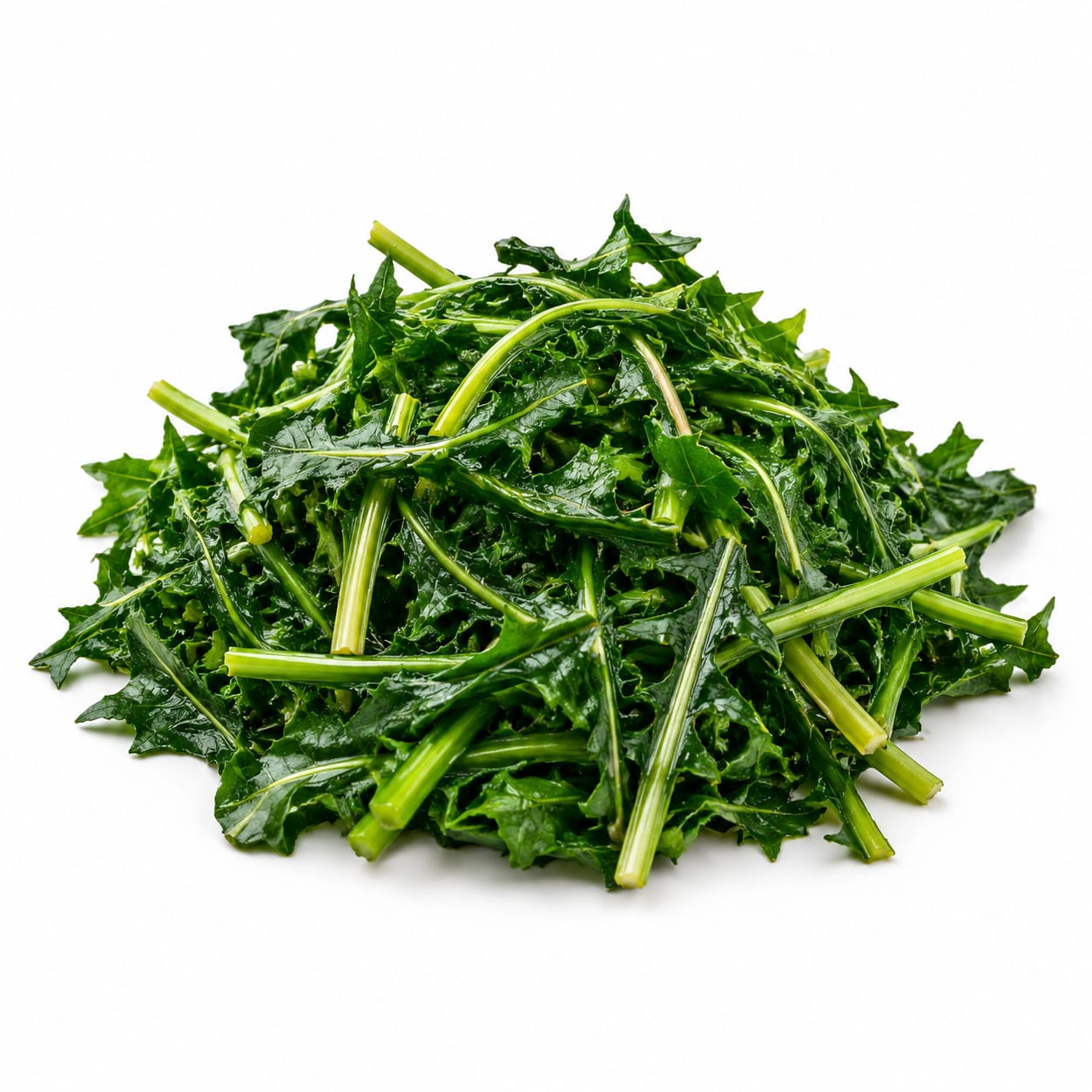
Dandelion Greens
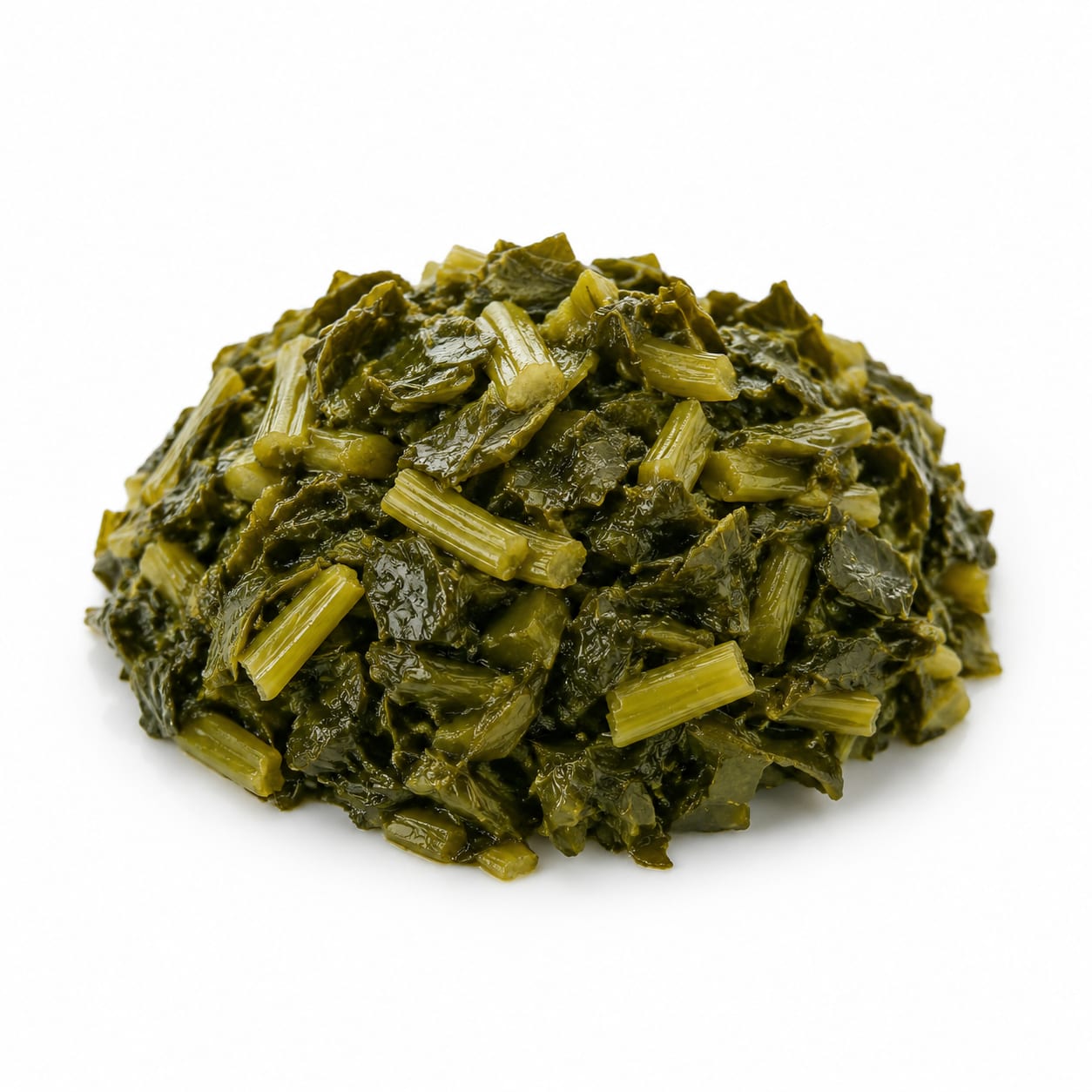
Mustard Greens
Mustard Greens edge ahead thanks to better palatability, easier sourcing, and strong cancer-fighting compounds, though Dandelion Greens win on calcium, prebiotic fiber, and liver-support properties.
Mustard Greens score higher primarily on practicality and palatability. Nutritionally both are exceptional, but Dandelion Greens' extreme bitterness and sourcing challenges reduce real-world adherence. The gap would narrow significantly for experienced foragers and bitter green enthusiasts.
Dandelion Greens offer superior mineral content and unique prebiotic fiber but punish your taste buds, while Mustard Greens deliver nearly the same nutritional punch with far more culinary flexibility.
At a glance
Executive summary
Overall
Mustard Greens
Healthier
It depends
More practical
Mustard Greens
Daily use
Mustard Greens
Key comparison lenses
nutrient density comparison between bitter leafy greens
Both are nutritional powerhouses but excel in different micronutrients, making the tradeoff meaningful
palatability and ease of incorporating into meals
Dandelion greens are notoriously bitter, which affects real-world adherence and enjoyment
digestive and detoxification benefits
Dandelion greens are traditionally used for liver and kidney support, while mustard greens offer glucosinolate benefits
foraging safety and sourcing concerns
Dandelion greens are commonly foraged, raising contamination and pesticide exposure questions
cooking versatility and recipe compatibility
Mustard greens integrate more easily into diverse recipes, while dandelion greens require more skill to make palatable
Best choice for
Dandelion Greens
- People seeking prebiotic fiber for gut health
- Those wanting maximum calcium from a plant source
- Anyone interested in traditional liver and kidney support
- Foragers with access to clean, untreated land
- Individuals who enjoy or can handle very bitter flavors
Mustard Greens
- Families needing a nutrient-dense green everyone will actually eat
- Home cooks wanting versatility across cuisines
- People focused on cancer-fighting glucosinolates
- Anyone shopping at regular grocery stores
- Those new to bitter greens who want a gentler entry point
Least suitable for
Dandelion Greens
- Pick eaters or anyone sensitive to bitter flavors
- People on blood thinners who need stable vitamin K intake
- Anyone foraging from areas treated with herbicides or pesticides
- Those with gallbladder issues sensitive to bitter compounds
Mustard Greens
- People on blood thinners who need stable vitamin K intake
- Those with thyroid concerns who are sensitive to goitrogenic foods when consumed raw
- Anyone seeking the specific prebiotic benefits of inulin fiber
Deep comparison
Dimension by dimension
Each lens scores both foods and breaks down who each option suits.
- Dimension 1 · Priority 95Dandelion Greens
Nutrient Density
Dandelion Greens · 92Mustard Greens · 86Dandelion Greens pack slightly more nutrition per calorie, especially in calcium, iron, and prebiotic fiber.
Tradeoff
You get more minerals and unique fiber from Dandelion Greens, but Mustard Greens still deliver excellent vitamin K, A, and folate with far less culinary struggle.
Why it matters
When eating greens specifically for health, maximizing nutrient density per bite is the whole point — but only if you actually eat them consistently.
Real-world impact
A cup of cooked Dandelion Greens provides about 10% more calcium and double the iron of Mustard Greens, which matters for plant-based eaters tracking minerals.
Dandelion Greens
- Calcium intake on dairy-free diets
- Iron needs for menstruating women
- Prebiotic fiber for gut microbiome diversity
Better for
- Getting enough folate compared to Mustard Greens
- Vitamin E content is lower
Worse for
Mustard Greens
- Folate intake during pregnancy
- Vitamin E needs
- Manganese for bone and connective tissue health
Better for
- Calcium content falls short of Dandelion Greens
- Iron content is roughly half that of Dandelion Greens
Worse for
- Dimension 2 · Priority 88Mustard Greens
Palatability and Enjoyment
Dandelion Greens · 45Mustard Greens · 72Mustard Greens are peppery and pleasantly sharp, while Dandelion Greens are intensely bitter and challenging for most palates.
Tradeoff
Dandelion Greens' bitterness signals potent phytonutrients but makes consistent consumption harder. Mustard Greens hit a sweeter spot between health benefits and actual enjoyment.
Why it matters
The healthiest green is the one you eat regularly. Bitterness fatigue is real and leads people to abandon nutrient-dense foods.
Real-world impact
Most people can happily eat Mustard Greens multiple times per week. Dandelion Greens often require masking with bacon, garlic, or lemon, which adds calories and prep complexity.
Dandelion Greens
- Developing a taste for bitter foods may expand your palate long-term
- Bitter compounds stimulate digestive enzymes before meals
Better for
- High bitterness makes raw consumption unpleasant for most people
- Often requires cooking techniques that reduce some heat-sensitive nutrients
Worse for
Mustard Greens
- Easier to serve to family members including children
- Works raw in salads or cooked in soups, stews, and stir-fries
- Less need for heavy seasoning or fat to make palatable
Better for
- Peppery bite can still be too strong for some when raw
- Slightly less phytonutrient diversity than Dandelion Greens
Worse for
- Dimension 3 · Priority 82Dandelion Greens
Digestive and Detoxification Benefits
Dandelion Greens · 88Mustard Greens · 74Dandelion Greens are a traditional remedy for liver and kidney support, and their inulin fiber feeds beneficial gut bacteria directly.
Tradeoff
Mustard Greens support detox through glucosinolates that activate liver enzymes, but Dandelion Greens offer a more direct prebiotic and diuretic effect.
Why it matters
If you are specifically eating greens to support digestion or liver function, the mechanism matters for matching your goal.
Real-world impact
Dandelion Greens act like a gentle daily detox — stimulating bile, reducing water retention, and feeding gut bacteria. Mustard Greens work more indirectly through compound activation.
Dandelion Greens
- Prebiotic inulin fiber directly feeds beneficial gut bacteria
- Traditional use for liver bile stimulation and kidney flushing
- Mild diuretic effect reduces bloating and water retention
Better for
- Bitter compounds can aggravate gallbladder issues in sensitive individuals
- Diuretic effect may interfere with certain medications
Worse for
Mustard Greens
- Glucosinolates activate Phase II liver detox enzymes
- Sulfur-containing compounds support cellular antioxidant systems
Better for
- Goitrogenic compounds when raw may affect thyroid in vulnerable people
- No significant prebiotic fiber compared to Dandelion Greens
Worse for
- Dimension 4 · Priority 78Mustard Greens
Cancer-Fighting Potential
Dandelion Greens · 72Mustard Greens · 85Mustard Greens belong to the cruciferous family and are rich in glucosinolates, which break down into compounds with well-documented anti-cancer properties.
Tradeoff
Dandelion Greens have potent antioxidants but lack the specific glucosinolate pathway that makes cruciferous vegetables famous for cancer prevention.
Why it matters
For people with family history of cancer or proactive prevention goals, cruciferous vegetables are a dietary cornerstone with strong epidemiological support.
Real-world impact
Regular consumption of cruciferous vegetables like Mustard Greens is associated with reduced risk of several cancers. Dandelion Greens contribute antioxidants but through less targeted mechanisms.
Dandelion Greens
- High polyphenol content provides broad antioxidant coverage
- Chlorogenic acid and luteolin have emerging anti-cancer research
Better for
- Lacks the glucosinolate family of compounds most studied for cancer prevention
- Less research specifically on dandelion and cancer outcomes
Worse for
Mustard Greens
- Glucosinolates convert to sulforaphane and related compounds with strong anti-cancer evidence
- Cruciferous vegetable intake is consistently linked to lower cancer rates in population studies
Better for
- Boiling reduces glucosinolate content significantly, requiring careful cooking methods
Worse for
- Dimension 5 · Priority 75Mustard Greens
Sourcing and Food Safety
Dandelion Greens · 55Mustard Greens · 82Mustard Greens are widely available in grocery stores with regulated farming practices. Dandelion Greens are harder to find commercially and carry foraging contamination risks.
Tradeoff
Foraging Dandelion Greens is free and connects you to local food systems, but carries real contamination risk. Store-bought Dandelion Greens exist but are less common and more expensive.
Why it matters
Contamination from lawn chemicals, roadside pollution, or animal waste can turn a healthy green into a health hazard quickly.
Real-world impact
A friend's untreated backyard might seem safe for foraging Dandelion Greens, but drift from neighbor's herbicide use or historic soil contamination is invisible and impossible to verify.
Dandelion Greens
- Free if foraged from verified clean land
- Connects you to wild food traditions and local ecosystems
Better for
- Foraged greens may contain herbicide, pesticide, or heavy metal residues
- Roadside and park foraging carries pollution and animal waste risk
- Commercially sold Dandelion Greens are expensive and less available
Worse for
Mustard Greens
- Consistently available at mainstream grocery stores
- Regulated agricultural practices reduce contamination risk
- No ambiguity about pesticide exposure when buying organic
Better for
- Conventional farming may use more pesticides than small-scale foraging
- Less connection to wild food traditions
Worse for
- Dimension 6 · Priority 70Mustard Greens
Cooking Versatility
Dandelion Greens · 50Mustard Greens · 80Mustard Greens work across Southern, Asian, and Mediterranean cooking traditions. Dandelion Greens are more limited and often need specific preparation methods.
Tradeoff
Dandelion Greens shine in specific preparations like Italian sautés with garlic and olive oil, but Mustard Greens adapt to nearly any cuisine or cooking method.
Why it matters
Versatility determines how often a food actually makes it onto your plate. Single-use ingredients tend to rot in the crisper drawer.
Real-world impact
Mustard Greens can go into a smoothie, a stir-fry, a soup, or a salad with minimal adjustment. Dandelion Greens pretty much need to be sautéed or blanched to be enjoyable.
Dandelion Greens
- Excellent in traditional Italian and French country cooking
- Pairs beautifully with rich ingredients like eggs, bacon, and olive oil
Better for
- Very limited raw applications due to bitterness
- Does not substitute well in recipes calling for milder greens
Worse for
Mustard Greens
- Works in Southern braised greens, Asian stir-fries, Indian curries, and raw salads
- Can be substituted for kale or collards in most recipes
- Stems are edible and tender when cooked, reducing waste
Better for
- Peppery flavor can clash with delicate dishes
- Requires blanching before freezing for storage
Worse for
Timeline
Health impact over time
Short-term
Hours to days
Dandelion Greens
- May cause increased urination due to natural diuretic properties
- Bitter taste can stimulate digestive enzyme production before meals
- Could cause mild stomach upset if eaten in large quantities by those unaccustomed to bitter foods
Mustard Greens
- Peppery flavor may clear sinuses and stimulate appetite
- Raw consumption in large amounts may cause thyroid discomfort in sensitive individuals
- Generally well-tolerated and gentle on the digestive system when cooked
Long-term
Months to years
Dandelion Greens
- Consistent prebiotic fiber intake supports diverse gut microbiome over time
- High vitamin K contributes to bone density maintenance
- Traditional use suggests liver and kidney support, though clinical evidence is still emerging
- Risk of contaminant exposure if foraging from unverified sources over years
Mustard Greens
- Regular glucosinolate intake associated with reduced cancer risk in population studies
- High folate supports cardiovascular health and healthy aging
- Vitamin K and calcium work together for long-term bone strength
- Goitrogen exposure from raw consumption could affect thyroid if intake is very high and iodine is low
Risk profile
Safety & processing
Both greens are whole foods typically sold fresh and unprocessed. Neither carries meaningful additive concerns. The main naturalness distinction is that Dandelion Greens are often foraged wild while Mustard Greens are almost always cultivated, but both are equally clean whole foods when sourced from reputable suppliers.
Dandelion Greens
Herbicide and pesticide contamination from foraging
highDandelions grow prolifically in lawns and roadsides treated with chemicals. Foraged greens from unknown land may carry glyphosate or other herbicide residues that are difficult to wash off.
Heavy metal accumulation from contaminated soil
mediumDandelions are effective bioaccumulators, meaning they pull minerals and heavy metals from soil. Old industrial sites, busy roadsides, and treated lawns can produce greens with elevated lead or cadmium.
Animal waste contamination from wild foraging
mediumParks and open spaces where dogs or wildlife roam may contaminate greens with bacteria like E. coli or Salmonella. Thorough washing and cooking reduces but does not eliminate this risk.
Mustard Greens
Pesticide residues from conventional farming
mediumLeafy greens frequently appear on the Dirty Dozen list. Mustard Greens from conventional farms may carry pesticide residues, though washing helps. Choosing organic significantly reduces this concern.
Goitrogenic compounds affecting thyroid function
lowRaw Mustard Greens contain goitrogens that can interfere with thyroid hormone production. Cooking largely deactivates these compounds. Risk is minimal for people with adequate iodine intake who cook their greens.
Who wins for whom
Audience fit
Same foods, different winners depending on your goal.
children
Mustard GreensChildren are especially sensitive to bitter flavors. Mustard Greens have a milder, peppery taste that kids are more likely to accept, especially when cooked with familiar seasonings.
daily consumption
Mustard GreensMustard Greens are easier to source, prepare, and enjoy day after day without palate fatigue. Consistency matters more than marginal nutrient differences for daily use.
diabetes
Dandelion GreensDandelion Greens contain inulin fiber, which slows glucose absorption and improves insulin sensitivity. Their slightly stronger blood sugar stabilization effect gives them a narrow edge.
elderly
Dandelion GreensDandelion Greens provide more calcium and prebiotic fiber, both critical for bone density and gut health in older adults. The diuretic effect may also help with mild fluid retention, though medication interactions should be monitored.
muscle gain
It dependsNeither green is a significant protein source. Dandelion Greens offer slightly more iron for oxygen transport during exercise, while Mustard Greens provide more folate for cell repair. Choose based on which you will actually eat consistently.
weight loss
Mustard GreensBoth are extremely low calorie, but Mustard Greens are easier to eat in larger volumes without fatigue, making them more practical for filling up without overeating.
Your move
Decision guide
Choose Dandelion Greens
- You have access to verified clean foraging land or a reliable organic supplier
- Gut health and prebiotic fiber are your top priority
- You want maximum calcium and iron from a plant source
- You enjoy bitter flavors or want to develop your palate
- You are interested in traditional herbal approaches to liver and kidney support
Choose Mustard Greens
- You want a nutrient-dense green the whole household will actually eat
- Cancer prevention through glucosinolates is a priority
- You shop at regular grocery stores and want easy availability
- You cook across multiple cuisines and want a versatile green
- You are new to bitter greens and want a more approachable starting point
Either works if
- You rotate greens regularly and want variety in your diet
- You are generally healthy and just want to eat more leafy greens
- You cook them into dishes with strong flavors that mask differences
Avoid both if
- You take blood thinners like warfarin and cannot maintain consistent vitamin K intake
- You have severe oxalate sensitivity, though both are moderate rather than high in oxalates
Final recommendation
Start with Mustard Greens as your daily driver — they are easier to find, cook, and enjoy consistently. Add Dandelion Greens as a specialty green when you can source them safely, treating them like a concentrated supplement for calcium, iron, and gut health. Rotating both gives you the broadest phytonutrient coverage, but if you must pick one for regular use, Mustard Greens will serve you better in the real world.
Practical
Consumer tips
- 1
If foraging Dandelion Greens, only harvest from land you know has been chemical-free for at least three years, and avoid roadsides entirely
- 2
Blanch Dandelion Greens for 30 seconds before sautéing to reduce bitterness without losing too many nutrients
- 3
Choose organic Mustard Greens whenever possible — leafy greens are among the most pesticide-contaminated produce categories
- 4
Pair Dandelion Greens with lemon juice or vinegar — acid balances bitterness and improves iron absorption
- 5
Lightly steam or sauté Mustard Greens rather than boiling to preserve glucosinolate content for cancer-fighting benefits
- 6
If you find Dandelion Greens too bitter, mix them half-and-half with Mustard Greens for a more balanced flavor profile
- 7
Store both greens unwashed in a damp paper towel inside a bag — they last about 3 to 5 days refrigerated