
Nutrition comparison
Dandelion Greens vs Swiss Chard: Which Leafy Green Is Better for You?
Compare dandelion greens and Swiss chard on nutrition, taste, kidney stone risk, and daily practicality. Find out which green fits your health goals and lifestyle.
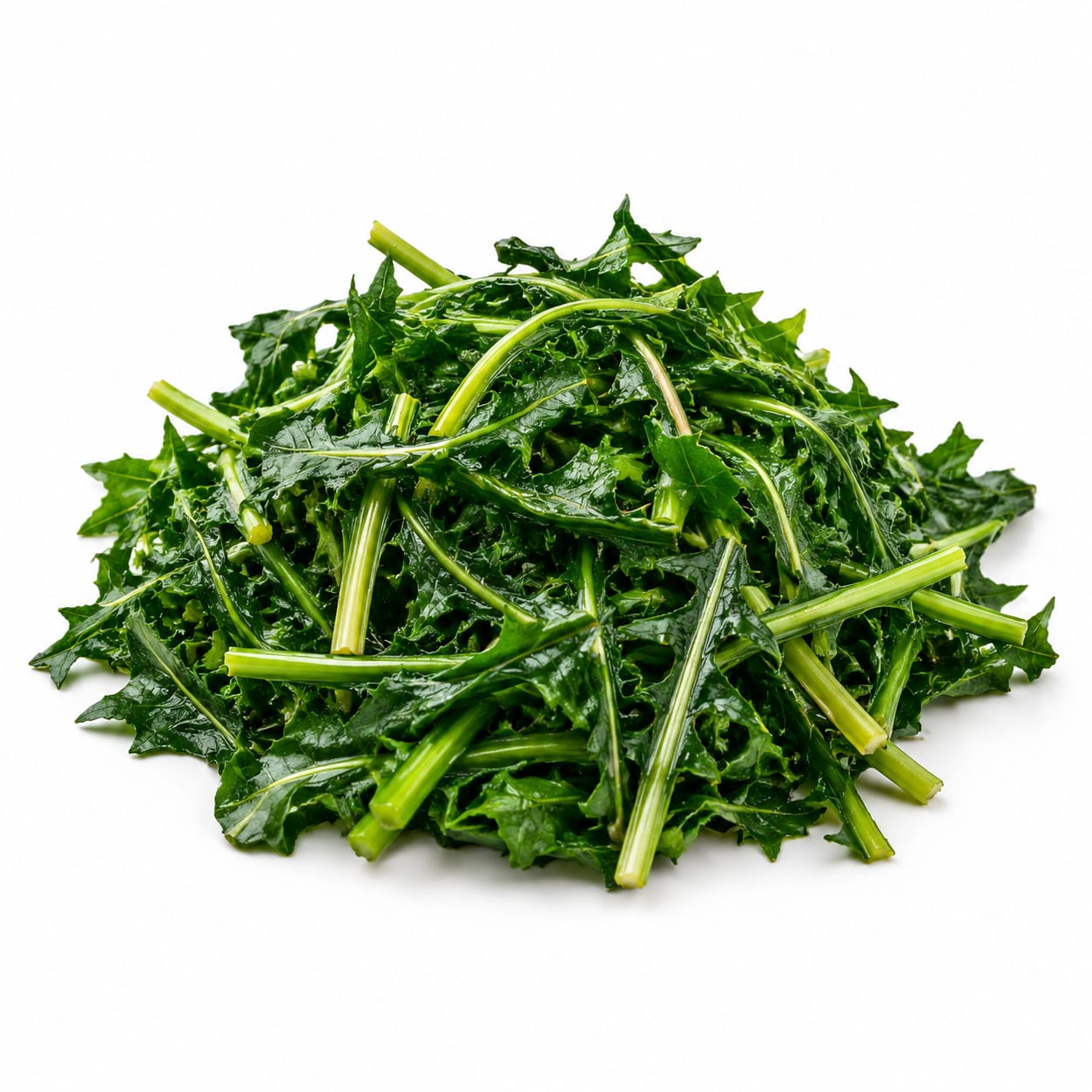
Dandelion Greens
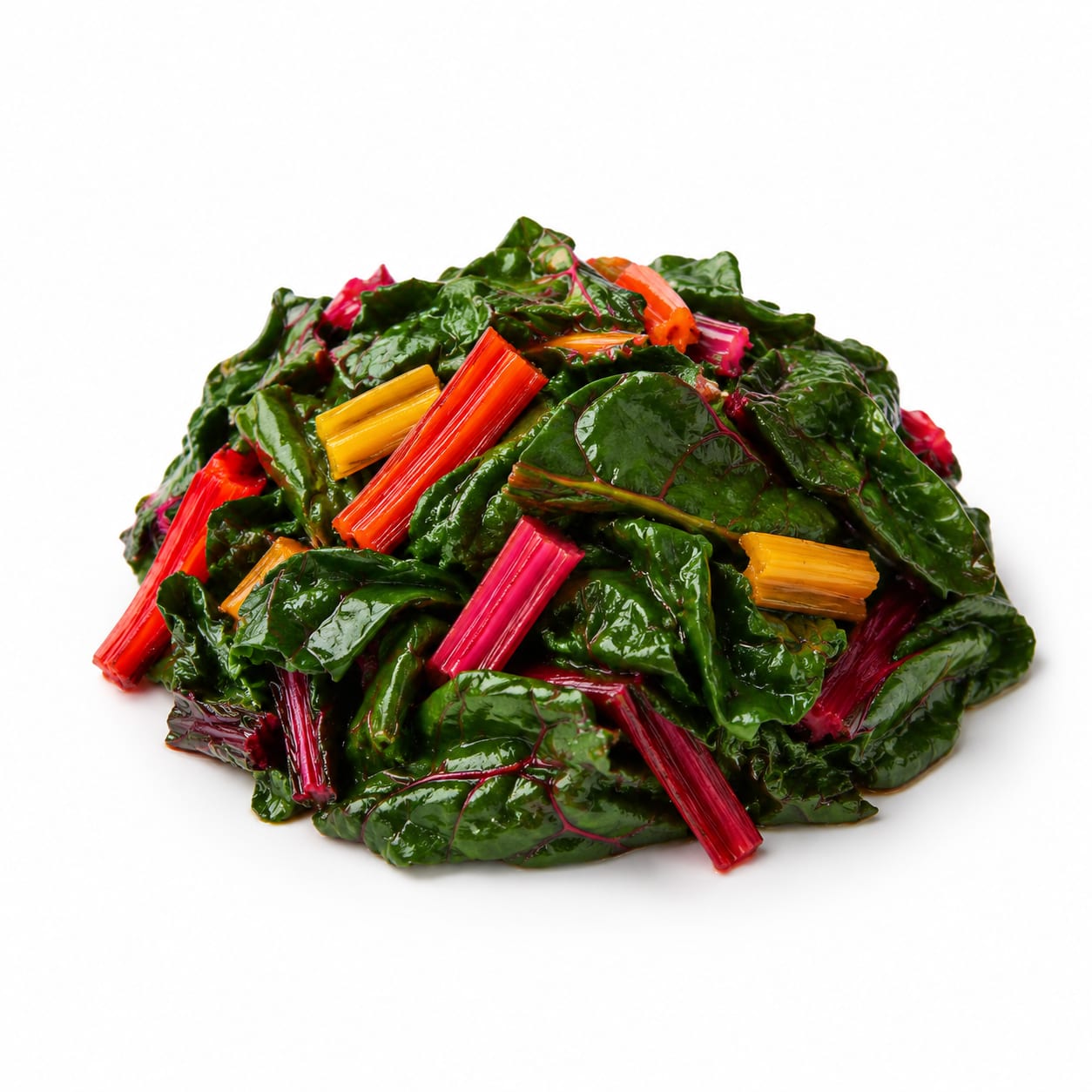
Swiss Chard
Dandelion greens win on raw nutrient density and liver support, but Swiss chard wins on taste, availability, and everyday eatability.
Dandelion greens score slightly higher for sheer nutritional potency and lower oxalate risk, but Swiss chard is close behind and far more enjoyable to eat regularly.
Maximum nutrition with challenging bitterness versus slightly less nutrition with far more pleasant eating experience.
At a glance
Executive summary
Overall
It depends
Healthier
Dandelion Greens
More practical
Swiss Chard
Daily use
Swiss Chard
Key comparison lenses
nutrient density comparison
Both are nutrient powerhouses but with different vitamin and mineral profiles that matter for daily food choices
taste and palatability
Dandelion greens are notably bitter while Swiss chard is milder, directly affecting whether people will actually eat them
everyday practicality
Availability, ease of preparation, and recipe versatility differ significantly between these greens
kidney stone risk
Swiss chard is high in oxalates while dandelion greens are not, a critical factor for susceptible individuals
liver and detox support
Dandelion greens have traditional use and evidence for liver support that Swiss chard does not match
Best choice for
Dandelion Greens
- People seeking maximum vitamin K and liver support
- Those with kidney stone concerns who need low-oxalate greens
- Nutrition optimizers who enjoy or tolerate bitter flavors
- Foragers wanting free, wild nutrition
Swiss Chard
- Families needing a palatable nutrient-dense green
- Home cooks wanting versatile recipe options
- People new to eating dark leafy greens
- Anyone prioritizing magnesium and potassium intake
Least suitable for
Dandelion Greens
- Children and picky eaters who reject bitterness
- People on blood thinners who need stable vitamin K intake
- Those who want an easy, everyday cooking green
Swiss Chard
- People with a history of calcium oxalate kidney stones
- Anyone needing to limit oxalate intake for other health reasons
Deep comparison
Dimension by dimension
Each lens scores both foods and breaks down who each option suits.
- Dimension 1 · Priority 95Dandelion Greens
Nutrient Density
Dandelion Greens · 94Swiss Chard · 86Dandelion greens pack more vitamins K, A, and C per calorie than almost any other green, including Swiss chard.
Tradeoff
That nutrient edge comes with a bitterness that makes it harder to consume in large quantities, potentially negating the advantage.
Why it matters
Higher nutrient density means you get more health benefits per bite, but only if you actually eat enough of it.
Real-world impact
A cup of cooked dandelion greens delivers over 500% of your vitamin K needs versus about 300% from Swiss chard.
Dandelion Greens
- Maximizing vitamin K for bone health
- Boosting vitamin A for immune function
- Getting the most nutrition per calorie
Better for
- Situations where you need to eat large volumes of greens
Worse for
Swiss Chard
- Eating larger portions comfortably
- Getting more magnesium and potassium
- Sustaining long-term intake because it tastes better
Better for
- Maximizing vitamin K intake specifically
Worse for
- Dimension 2 · Priority 90Swiss Chard
Taste and Palatability
Dandelion Greens · 45Swiss Chard · 78Swiss chard offers a mild, slightly earthy flavor most people enjoy. Dandelion greens are intensely bitter, which many find unpleasant.
Tradeoff
The bitterness in dandelion greens signals potent phytonutrients, but if you cannot stomach them, those nutrients go uneaten.
Why it matters
The healthiest green is the one you will actually eat consistently. Taste determines long-term adherence.
Real-world impact
Swiss chard can be sautéed, added to soups, or used raw in salads with minimal adjustment. Dandelion greens often require blanching, mixing with fats, or hiding in smoothies.
Dandelion Greens
- Adventurous eaters who appreciate bitter flavors
- Culinary traditions that highlight bitterness like Italian or Korean cooking
Better for
- Salads for picky eaters
- Quick meals where bitterness would clash
Worse for
Swiss Chard
- Introducing leafy greens to children
- Meal prep where you want a reliable, crowd-pleasing green
- Simple weeknight cooking without extra steps
Better for
- Dishes where you specifically want bitter complexity
Worse for
- Dimension 3 · Priority 85Dandelion Greens
Kidney Stone Safety
Dandelion Greens · 90Swiss Chard · 35Dandelion greens are low in oxalates, making them safe for kidney stone formers. Swiss chard is one of the highest-oxalate foods available.
Tradeoff
Swiss chard's oxalates reduce calcium bioavailability and pose real risks for susceptible people, while dandelion greens avoid this problem entirely.
Why it matters
For the roughly 10% of people who form kidney stones, high-oxalate foods can trigger painful and dangerous episodes.
Real-world impact
A single serving of Swiss chard can contain over 700mg of oxalates. Most stone formers are advised to stay under 100mg per day.
Dandelion Greens
- Anyone with a history of calcium oxalate kidney stones
- People prone to kidney stones who still want nutrient-dense greens
Better for
- No significant downside here
Worse for
Swiss Chard
- People without oxalate concerns who want easy nutrition
Better for
- Kidney stone formers
- People with compromised kidney function
Worse for
- Dimension 4 · Priority 80Dandelion Greens
Liver and Detox Support
Dandelion Greens · 92Swiss Chard · 55Dandelion greens have a long history of use as a liver tonic and natural diuretic, supported by emerging research. Swiss chard offers no specific liver benefit.
Tradeoff
The diuretic effect that supports liver function can also increase urination and potentially affect medication absorption.
Why it matters
Your liver processes everything you consume. Foods that actively support liver function provide compounding health benefits over time.
Real-world impact
Dandelion greens stimulate bile production and have been shown to support liver detoxification pathways in ways Swiss chard simply does not.
Dandelion Greens
- Post-holiday or post-indulgence recovery meals
- People seeking gentle, food-based liver support
- Traditional herbal remedy enthusiasts
Better for
- People on diuretic medications who need to avoid compounding effects
Worse for
Swiss Chard
- General healthy eating without specific liver focus
Better for
- Targeted liver support protocols
Worse for
- Dimension 5 · Priority 88Swiss Chard
Availability and Convenience
Dandelion Greens · 40Swiss Chard · 88Swiss chard is available year-round in nearly every grocery store. Dandelion greens are harder to find and often seasonal.
Tradeoff
You can forage dandelion greens for free, but that requires knowledge, safe harvesting locations, and effort.
Why it matters
A green you cannot find at the store is a green you will not eat regularly, regardless of its nutritional merits.
Real-world impact
Swiss chard sits next to kale and spinach in most produce sections. Dandelion greens may require specialty stores, farmers markets, or foraging.
Dandelion Greens
- Foragers with access to clean, pesticide-free land
- Shoppers near well-stocked natural food stores
Better for
- Suburban grocery stores with limited produce
- People without foraging knowledge or safe foraging areas
Worse for
Swiss Chard
- One-stop grocery shopping
- Consistent meal planning without specialty trips
- Year-round availability
Better for
- No significant downside here
Worse for
- Dimension 6 · Priority 75Swiss Chard
Cooking Versatility
Dandelion Greens · 50Swiss Chard · 85Swiss chard works in soups, stir-fries, gratins, pasta, and even raw salads. Dandelion greens are more limited due to their bitterness.
Tradeoff
Dandelion greens shine in specific preparations like Italian sautés with garlic and olive oil, but they do not adapt as widely.
Why it matters
More versatile greens get used more often and waste less, making them more practical and cost-effective.
Real-world impact
Swiss chard stems can be cooked separately like celery, and the leaves work anywhere spinach does. Dandelion greens mostly need to be the star or hidden.
Dandelion Greens
- Traditional bitter green recipes
- Dishes where bitterness is a feature not a bug
Better for
- Smoothies unless paired with strong sweet fruits
- Delicate dishes where bitterness overwhelms
Worse for
Swiss Chard
- Family dinners with diverse tastes
- Batch cooking and meal prep
- Replacing spinach or kale in any recipe
Better for
- Recipes specifically calling for bitter greens
Worse for
Timeline
Health impact over time
Short-term
Hours to days
Dandelion Greens
- Increased urination due to natural diuretic properties
- Potential digestive stimulation from bitter compounds
- Quick vitamin K boost supporting blood clotting
- Possible stomach upset if eaten in large amounts raw
Swiss Chard
- Quick magnesium and potassium replenishment
- Possible mouth tingling from raw oxalates in sensitive individuals
- Gentle digestive regularity from fiber content
- Satisfying fullness from volume and fiber
Long-term
Months to years
Dandelion Greens
- Enhanced liver function and bile production with regular consumption
- Strong bone density support from exceptional vitamin K levels
- Reduced kidney stone risk compared to high-oxalate greens
- Potential medication interactions requiring monitoring
Swiss Chard
- Improved cardiovascular health from magnesium and potassium
- Strong antioxidant protection from betalains and carotenoids
- Possible kidney stone development in susceptible individuals
- Better long-term adherence due to palatability
Risk profile
Safety & processing
Both greens are whole, unprocessed foods. Dandelion greens can be foraged wild for maximum naturalness, while Swiss chard is always cultivated. Neither carries processing concerns.
Dandelion Greens
Foraging contamination
highWild-harvested dandelion greens may absorb pesticides, herbicides, or heavy metals from lawns and roadsides. Only forage from verified clean areas.
Blood thinner interaction
mediumExtremely high vitamin K content can interfere with warfarin and other anticoagulants. Consistent intake matters more than avoiding it, but fluctuations are risky.
Diuretic medication interaction
mediumNatural diuretic effects can compound prescription diuretics, potentially causing dehydration or electrolyte imbalance.
Swiss Chard
Oxalate kidney stones
highSwiss chard is among the highest-oxalate foods. For kidney stone formers, regular consumption significantly increases recurrence risk.
Calcium absorption interference
mediumOxalates bind to calcium, reducing its absorption. This matters less if you consume adequate calcium from other sources throughout the day.
Pesticide residue
lowConventionally grown Swiss chard can carry moderate pesticide residue. Washing thoroughly or choosing organic reduces this concern.
Who wins for whom
Audience fit
Same foods, different winners depending on your goal.
children
Swiss ChardSwiss chard is far more palatable for kids. The bitterness of dandelion greens is a hard sell to most children, and the high vitamin K content requires more careful portion control.
daily consumption
Swiss ChardConsistency beats intensity. Swiss chard is enjoyable enough to eat daily, widely available, and versatile enough to prevent meal fatigue. Dandelion greens are better as an occasional nutritional boost.
diabetes
Dandelion GreensDandelion greens have slightly more fiber and less natural sugar per serving, plus research suggests compounds in dandelion may help regulate blood sugar. Both are excellent low-glycemic choices.
elderly
Swiss ChardSwiss chard offers easier chewing when cooked, better magnesium for bone and heart health, and more potassium for blood pressure. The oxalate risk is manageable for most seniors without stone history.
muscle gain
Swiss ChardSwiss chard provides more magnesium, which supports muscle function and recovery. Neither green is a significant protein source, so the difference is modest.
weight loss
Swiss ChardSwiss chard is easier to eat in larger volumes with fewer calories, providing more filling fiber per enjoyable bite. Dandelion greens are equally low-calorie but harder to consume in quantity.
Your move
Decision guide
Choose Dandelion Greens
- You have a history of kidney stones and need low-oxalate greens
- You want maximum liver support and detoxification benefits
- You enjoy bitter flavors or cook in traditions that celebrate them
- You have access to clean foraging areas and want free nutrition
- You need the highest possible vitamin K intake for bone health
Choose Swiss Chard
- You want a nutrient-dense green you will actually look forward to eating
- You cook for a family with varying taste preferences
- You need magnesium and potassium for heart or muscle health
- You want one versatile green for soups, sautés, salads, and sides
- You are new to cooking dark leafy greens and want an easy entry point
Either works if
- You rotate greens for broad nutrient coverage, which is ideal
- You want to reduce reliance on spinach due to oxalates or taste fatigue
- You are generally healthy and just need more dark leafy greens in your life
Avoid both if
- You are on blood thinners and have not discussed vitamin K intake with your doctor
- You have severe kidney disease requiring strict mineral management
Final recommendation
Eat Swiss chard as your everyday green and add dandelion greens when you can find them and want a nutritional upgrade. The best approach is rotation: Swiss chard for pleasure and consistency, dandelion greens for targeted potency. If kidney stones are a concern, make dandelion greens your primary green and skip the Swiss chard entirely.
Practical
Consumer tips
- 1
Blanch dandelion greens for 30 seconds to reduce bitterness before sautéing or adding to dishes
- 2
Pair dandelion greens with lemon, garlic, and olive oil to balance their bitterness classically and deliciously
- 3
Swiss chard stems are edible and delicious when chopped and cooked like celery, so do not discard them
- 4
If you have kidney stone concerns, boil Swiss chard and discard the water to reduce oxalate content by up to 87%
- 5
Never forage dandelion greens from lawns treated with chemicals or near roadsides with heavy traffic
- 6
Massage raw dandelion greens with olive oil and salt to soften their texture and mellow bitterness for salads
- 7
Swiss chard pairs beautifully with beans, lentils, and grains for complete, satisfying meals
- 8
Start with small portions of dandelion greens and increase gradually to let your palate adjust to the bitterness