
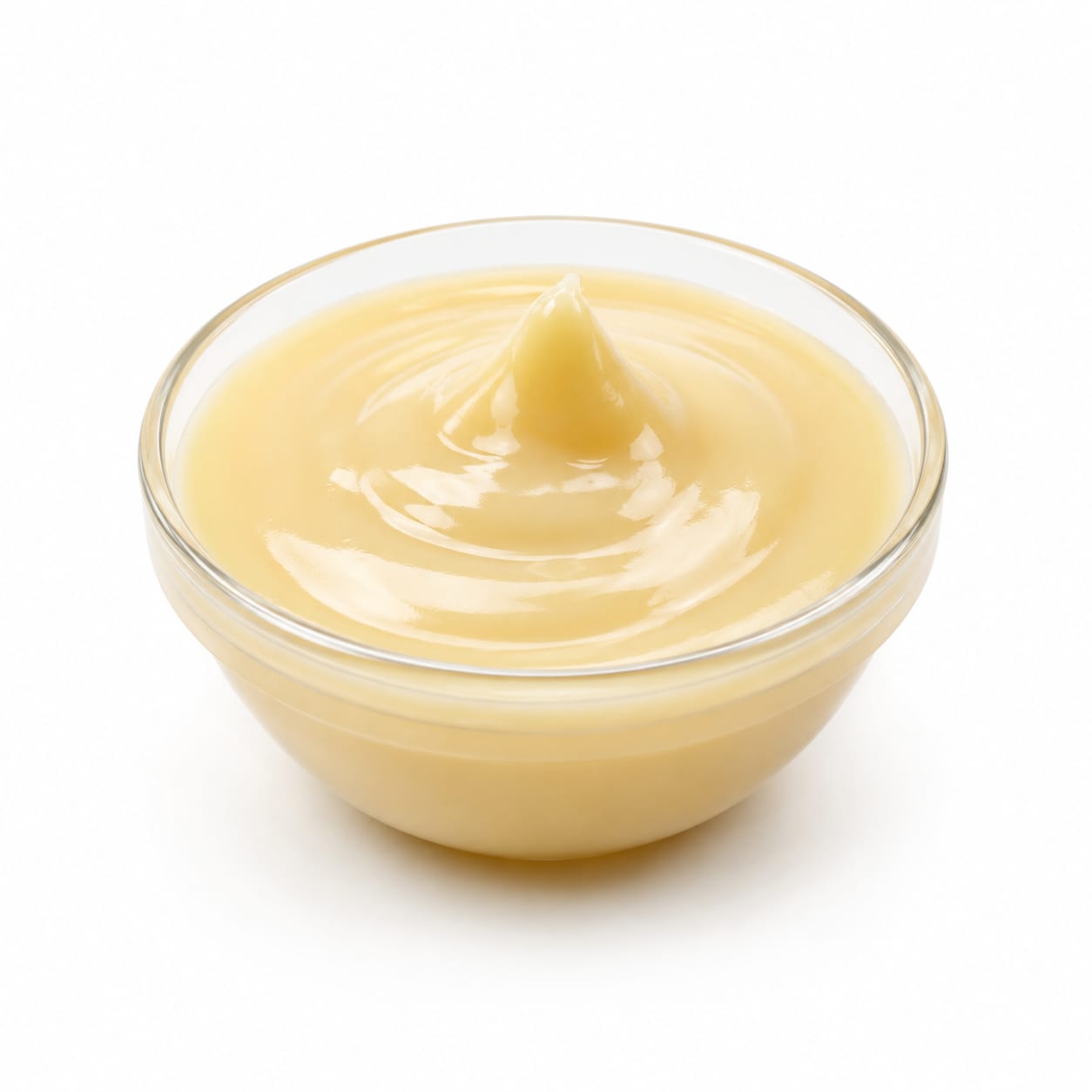
Dairy
Condensed Milk
A thick, sweetened dairy product made by removing water from milk and adding sugar.
Sweetened condensed milk is cow's milk from which water has been removed and sugar added, resulting in a thick, sweet product commonly used in baking and desserts.
sugar-dense dairy ingredient
Typical serving · 30g
Common varieties · sweetened condensed milk, fat-free sweetened condensed milk, dulce de leche, vegan condensed coconut milk, low-sugar condensed milk
Overall context score across nutrition, safety, and diet fit
The story
What makes it unique
A highly concentrated fluid consisting of milk solids, milk fat, and sucrose. The high osmotic pressure from the sugar acts as a preservative. Digestion is rapid due to the high simple carbohydrate content, leading to low satiety relative to caloric density. The macronutrient profile is heavily skewed toward sugar.
Varieties: sweetened condensed milk · fat-free sweetened condensed milk · dulce de leche · vegan condensed coconut milk · low-sugar condensed milk
Per 100g
Nutrition breakdown
Macro balance and key metrics at a glance.
Energy
Density 3.21 kcal/g
Protein
Carbs
Fat
Fiber
Sugar
54.4 g
Sodium
80 mg
Potassium
303 mg
Glycemic index
61
Glycemic load
33
Water content
27%
Standout compounds
Nutrient highlights
Calcium
highSupports bone health and muscle function
Sugar
highProvides rapid energy but spikes blood glucose
Saturated Fat
moderateConcentrated energy source
Phosphorus
moderateWorks with calcium for bone strength
Protein
moderateSupports tissue repair
Wellness map
Health scores & processing
NOVA processing scale
moderately processed · Whole food
Water is evaporated from milk and high amounts of sugar are added as a preservative and sweetener, creating a shelf-stable product.
Diet compatibility
- Weight loss
- Muscle gain
- Diabetes
- Gut health
- Low carb
- High protein
- Heart health
Relative standing
Food rankings
Qualitative ranks compared to similar whole foods.
- Satietypoor
- Blood sugarpoor
- Nutrient densitypoor
- Fitness fuelpoor
- Processing qualitymoderate
Eat with confidence
Food safety profile
Shelf-stable and safe from microbial contamination due to high sugar concentration and sealed canning. Conventional dairy sourcing may carry trace antibiotic or hormone residues.
Evidence confidence 90%
- Pesticideslow
- Antibioticsmoderate
- Heavy metalslow
- Contaminationlow
Watch for
- bovine growth hormones
- antibiotic residues
Safer choices
Organic sweetened condensed milk to avoid synthetic hormones and antibiotics.
Prep tips
No washing needed. Refrigerate after opening and consume within one week.
Standard dairy industry concerns regarding antibiotic and hormone use in cattle apply to the raw milk sourced for production.
Deep dive
Health analysis
How this food may fit different goals and preparation choices.
Weight loss
Highly unsuitable due to extreme energy density and sugar content, which promotes fat storage and overrides satiety signals.
Blood sugar
Causes rapid blood sugar spikes because of the high sucrose and lactose concentration, making it a poor choice for insulin management.
Fitness & energy
Provides quick carbohydrates, but the lack of fiber and high fat content make it a sluggish energy source compared to whole foods.
Gut health
High sugar feeds undesirable gut bacteria and lacks fiber to support microbiome diversity.
Processing quality
Made by heating milk to evaporate water and adding large amounts of sugar, which strips volume and concentrates calories.
Food safety
Canned format ensures long shelf life and low microbial risk. Dairy sourcing remains the primary variable for hormone and antibiotic exposure.
Common mistakes
Using it as a coffee creamer without accounting for the massive sugar and calorie addition compared to regular milk or cream.
Best preparation
Use sparingly as a dessert ingredient rather than a daily dairy staple. Mix with unsweetened options to cut sugar.
Practical guide
Best use cases
When and how this food fits real eating patterns.
Dessert Baking
Essential ingredient for fudge, flan, and pie fillings due to its thick texture and caramel-like sweetness.
Coffee Sweetener
Traditional base for Vietnamese iced coffee, acting as both creamer and sugar.
Weight Gain Shakes
Calorie-dense addition to smoothies for individuals needing to increase caloric intake rapidly.
Balance sheet
Pros & cons
Upsides
- Long shelf life without refrigeration
- Provides concentrated calcium and phosphorus
- Useful for high-calorie weight gain diets
- Creates unique textures in desserts
Trade-offs
- Extremely high in added sugar
- Very calorie-dense with low satiety
- Causes rapid blood sugar spikes
- High in saturated fat
- Unsuitable for lactose-intolerant individuals
Fit check
Who is it for?
Great match
- high-calorie weight gain
- dessert recipes
- long-term pantry storage
Consider alternatives
- weight loss
- diabetes management
- low-carb or keto diets
- daily dairy consumption
Side by side
How it compares
Open the full head-to-head analysis for nutrition, safety, and practical tradeoffs.
This food
Condensed Milk
VS85% alike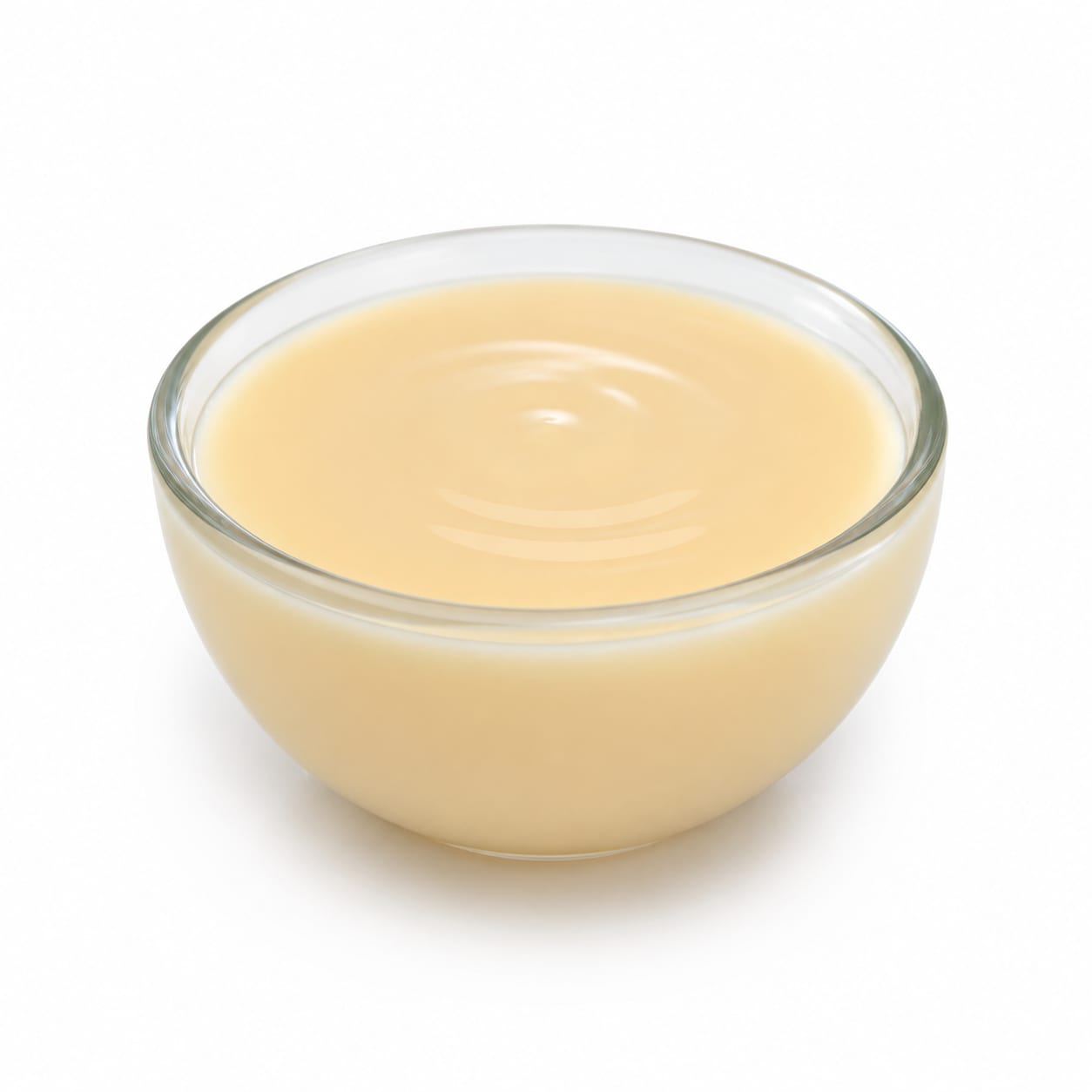
Compare with
Evaporated Milk
Evaporated milk is unsweetened concentrated milk, while condensed milk is heavily sweetened.
Evaporated milk provides the same creamy texture without the massive sugar load of condensed milk.
This food
Condensed Milk
VS70% alike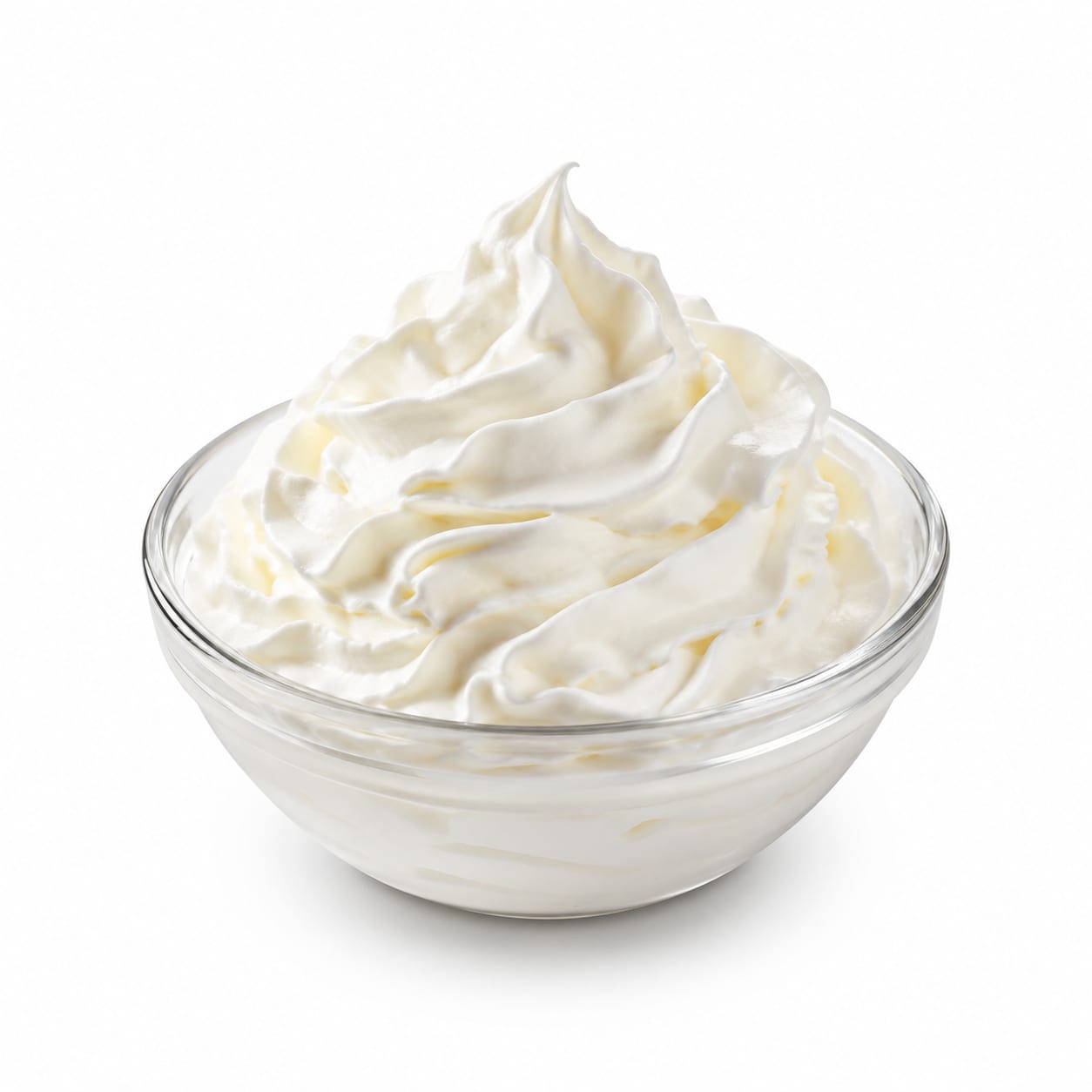
Compare with
Heavy Cream
Heavy cream is higher in fat but much lower in sugar than condensed milk.
Heavy cream adds richness with zero sugar, whereas condensed milk is primarily sugar and milk solids.
This food
Condensed Milk
VS65% alike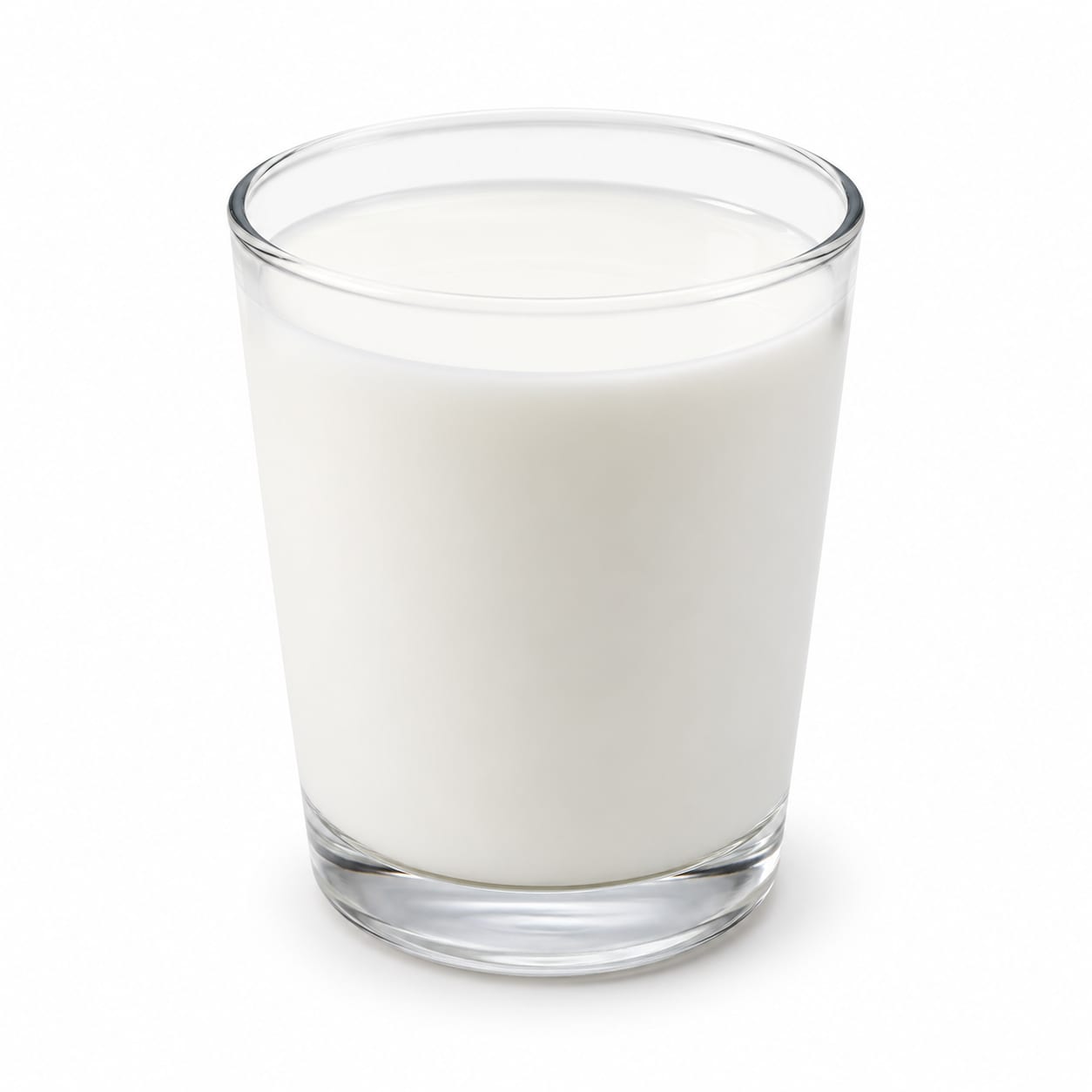
Compare with
Whole Milk
Whole milk is the original fluid form, while condensed milk is concentrated and sweetened.
Whole milk offers hydration and balanced macros, while condensed milk is a dense, sugary syrup.
This food
Condensed Milk
VS90% alike
Compare with
Dulce de Leche
Dulce de leche is caramelized condensed milk, offering a deeper flavor but similar nutrition.
Both are extremely high in sugar and calories, but dulce de leche provides a richer caramel flavor.
This food
Condensed Milk
VS80% alike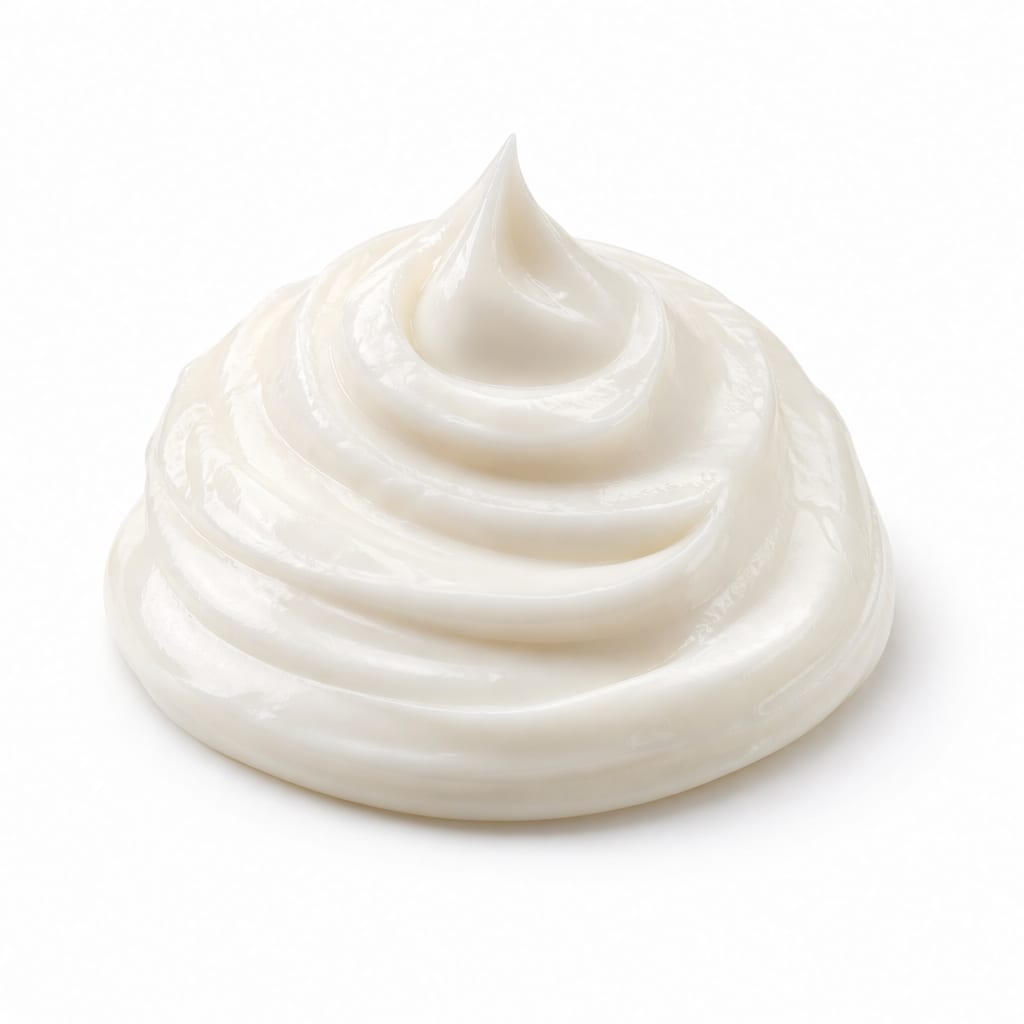
Compare with
Sweetened Condensed Coconut Milk
Coconut version swaps dairy fat for plant fat but retains the high sugar content.
Both are sugar-dense dessert ingredients, with the coconut version being dairy-free but equally high in calories.
This food
Condensed Milk
VS50% alike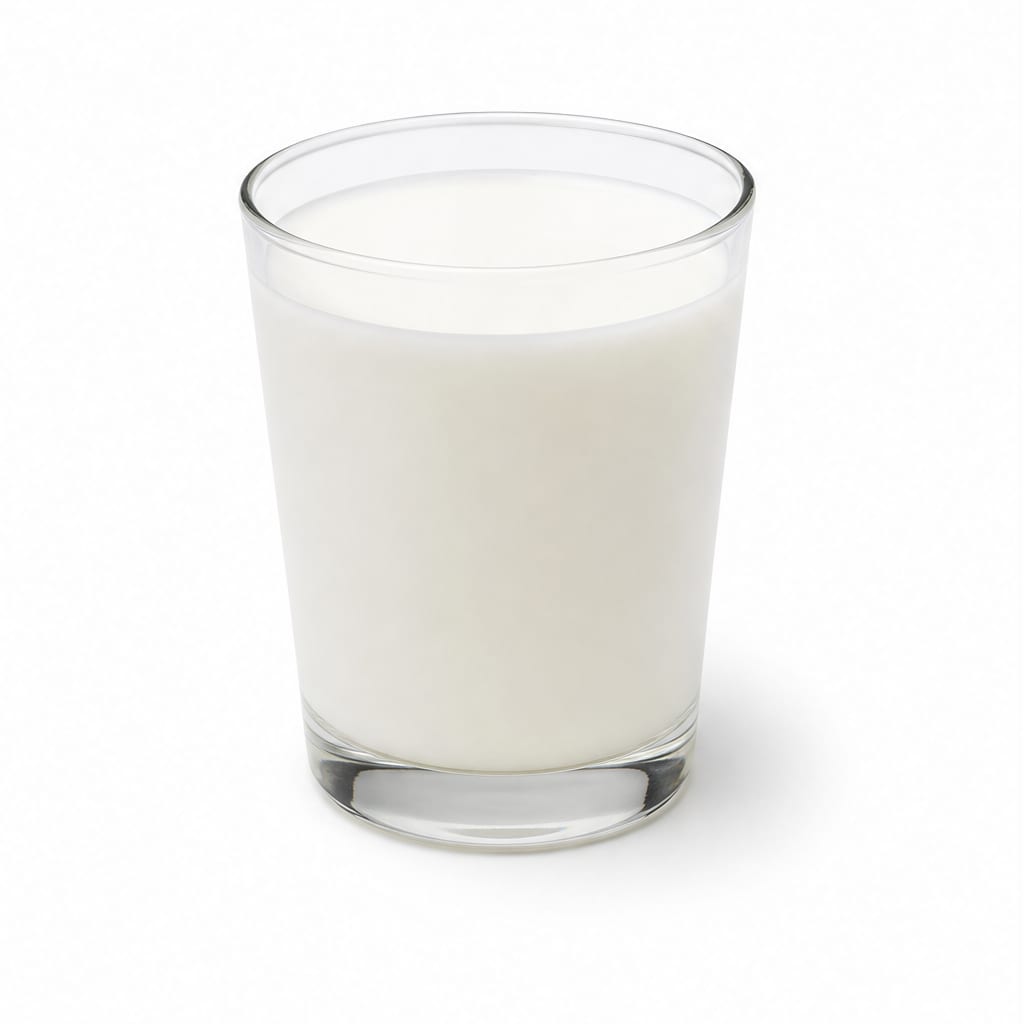
Compare with
Skim Milk
Skim milk is fat-free and unsweetened, the opposite of dense, sweet condensed milk.
Skim milk is a low-calorie, high-protein daily drink, while condensed milk is a high-sugar baking ingredient.
This food
Condensed Milk
VS40% alike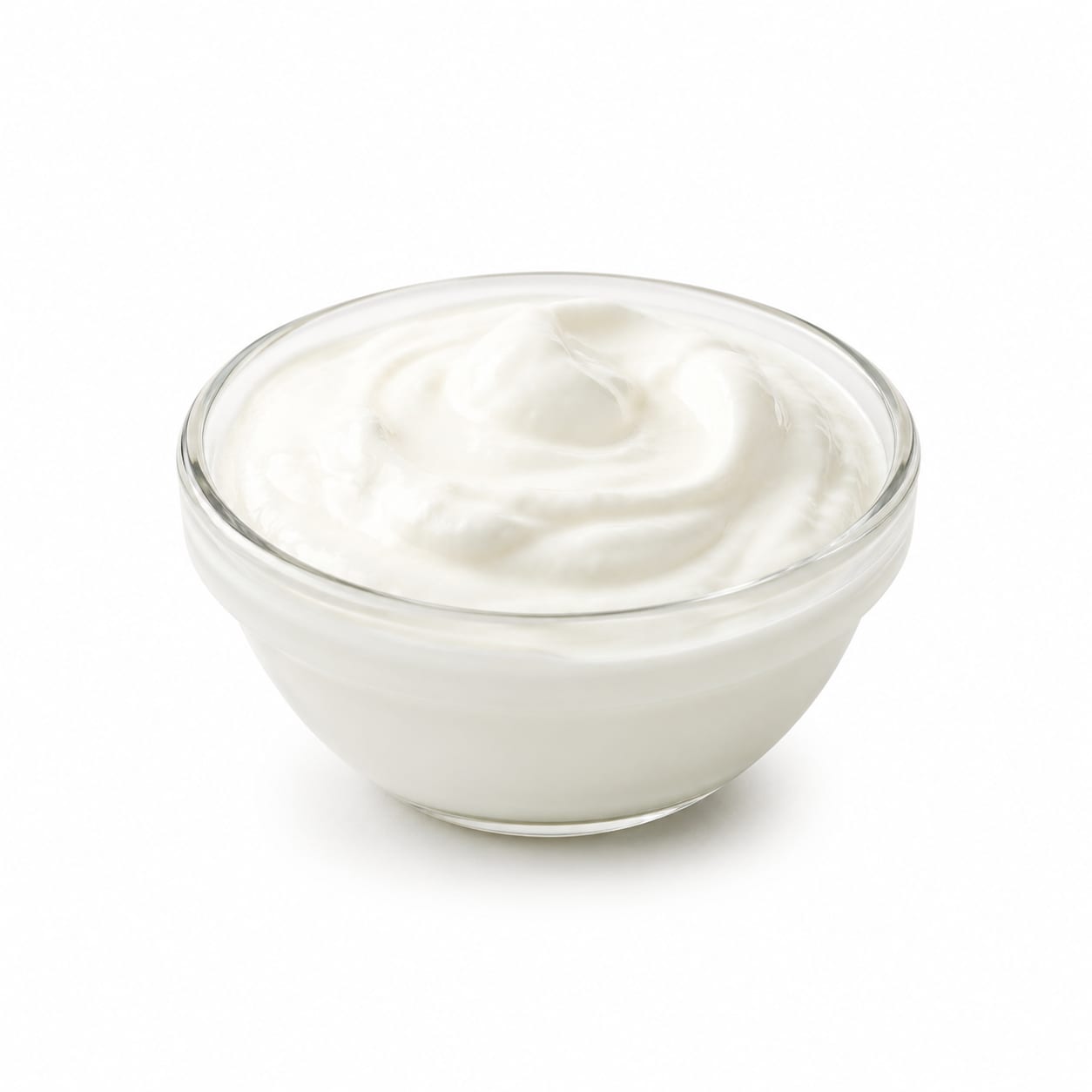
Compare with
Greek Yogurt
Greek yogurt is thick, high-protein, and unsweetened, contrasting the sugary condensed milk.
Greek yogurt provides satiety and protein with no added sugar, whereas condensed milk is a low-protein sugar source.
This food
Condensed Milk
VS45% alike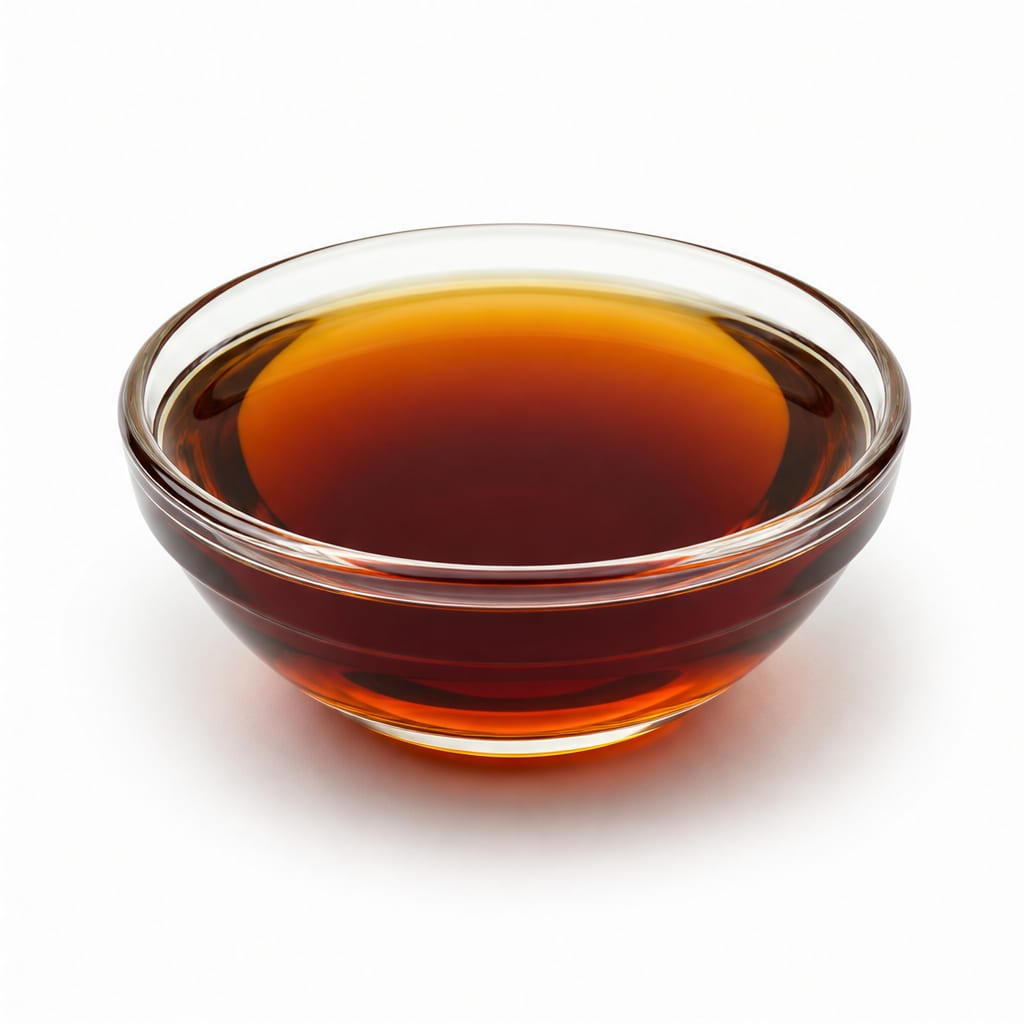
Compare with
Maple Syrup
Both are thick, sweet toppings, but maple syrup is plant-based and condensed milk is dairy-based.
Maple syrup offers pure carbohydrate sweetness, while condensed milk adds dairy fat and protein along with sugar.
This food
Condensed Milk
VS55% alike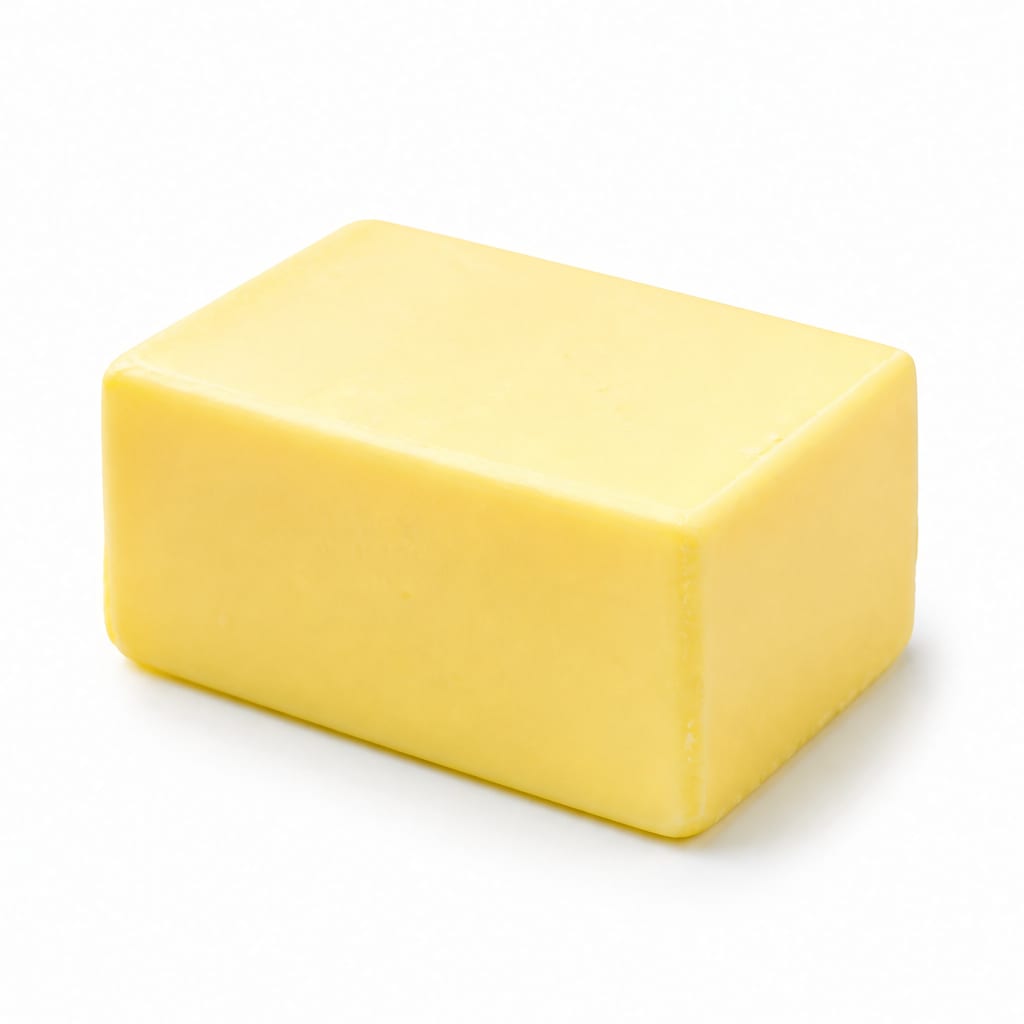
Compare with
Butter
Butter is pure milk fat, while condensed milk is milk solids and sugar.
Butter is pure fat for cooking, while condensed milk is a sugary dairy syrup; butter has less blood sugar impact.
This food
Condensed Milk
VS60% alike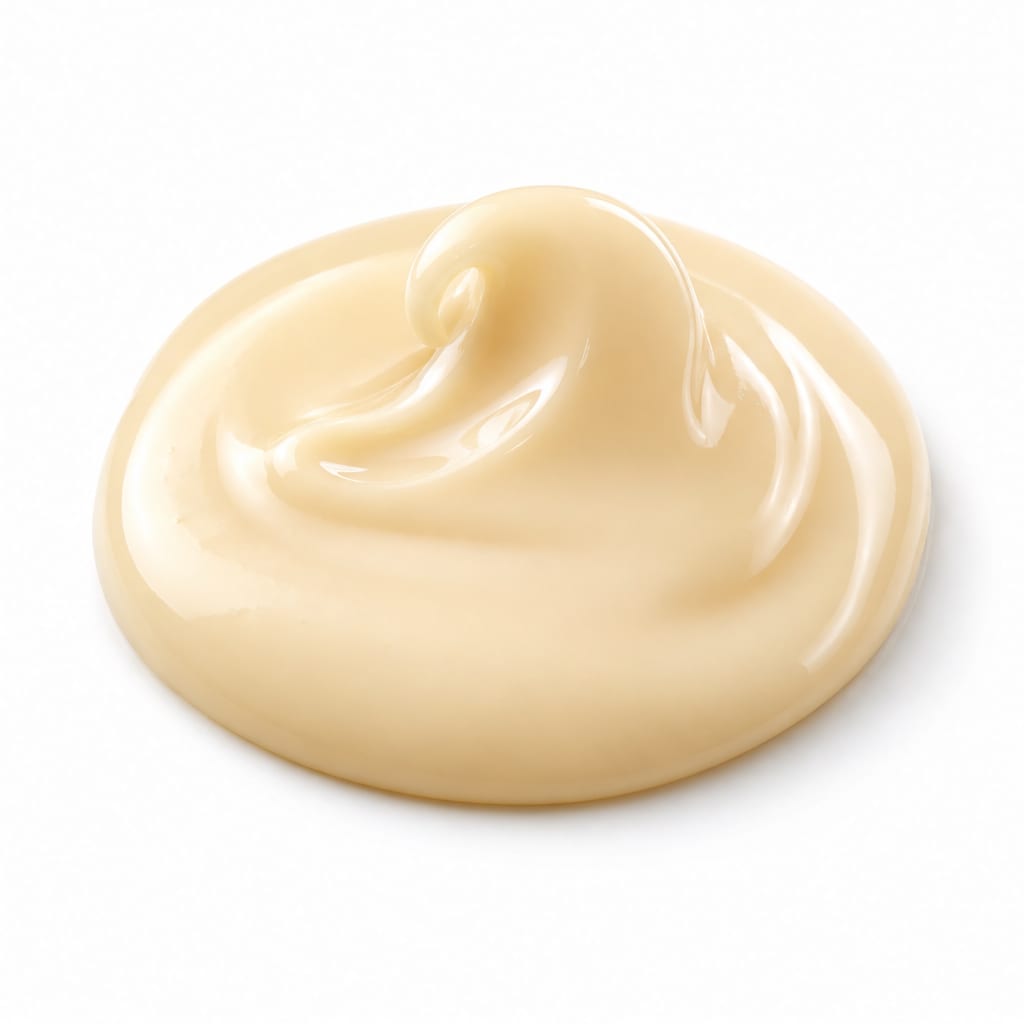
Compare with
Coffee Creamer
Both are used to sweeten coffee, but creamers are often more processed with artificial ingredients.
Condensed milk uses real milk and sugar, while many coffee creamers use oils and corn syrup, making condensed milk slightly less processed.
Common questions
FAQ
Answers aligned with how people search for this food.
Is condensed milk healthy?
Condensed milk provides calcium and protein, but it is extremely high in added sugar and calories. It is not considered healthy for daily consumption and is best reserved for occasional desserts.
What is the difference between condensed milk and evaporated milk?
Condensed milk is sweetened with a large amount of added sugar and is thick, while evaporated milk is unsweetened, concentrated milk with a lighter texture.
Can diabetics eat condensed milk?
No, condensed milk is very high in sugar and causes rapid blood sugar spikes, making it unsuitable for diabetes management.
How many calories are in a tablespoon of condensed milk?
There are about 60 to 65 calories in a single tablespoon of sweetened condensed milk, mostly from sugar.
Is condensed milk good for weight gain?
Yes, its high calorie and sugar density can help underweight individuals gain weight quickly if consumed regularly.
Can I substitute condensed milk for regular milk?
No, it is far too sweet and thick. Substituting it for regular milk will drastically alter the flavor, sweetness, and consistency of the dish.
Does condensed milk have lactose?
Yes, it contains lactose from the concentrated milk, plus added sucrose, making it unsuitable for lactose-intolerant individuals.
Why is condensed milk so sweet?
Sugar is added during processing both as a sweetener and as a preservative to extend shelf life without refrigeration.
Transparency
Data confidence
Estimated confidence for nutrition data, interpretation, safety notes, and comparisons.
Nutrition data
Health analysis
Food safety
Comparisons