
Nutrition comparison
Condensed Milk vs Skim Milk: Which Is Healthier for Daily Use?
Compare Condensed Milk and Skim Milk on sugar, calories, protein, and health impact. Discover which milk is better for weight loss, diabetes, and everyday drinking.
Overall winner · Skim Milk
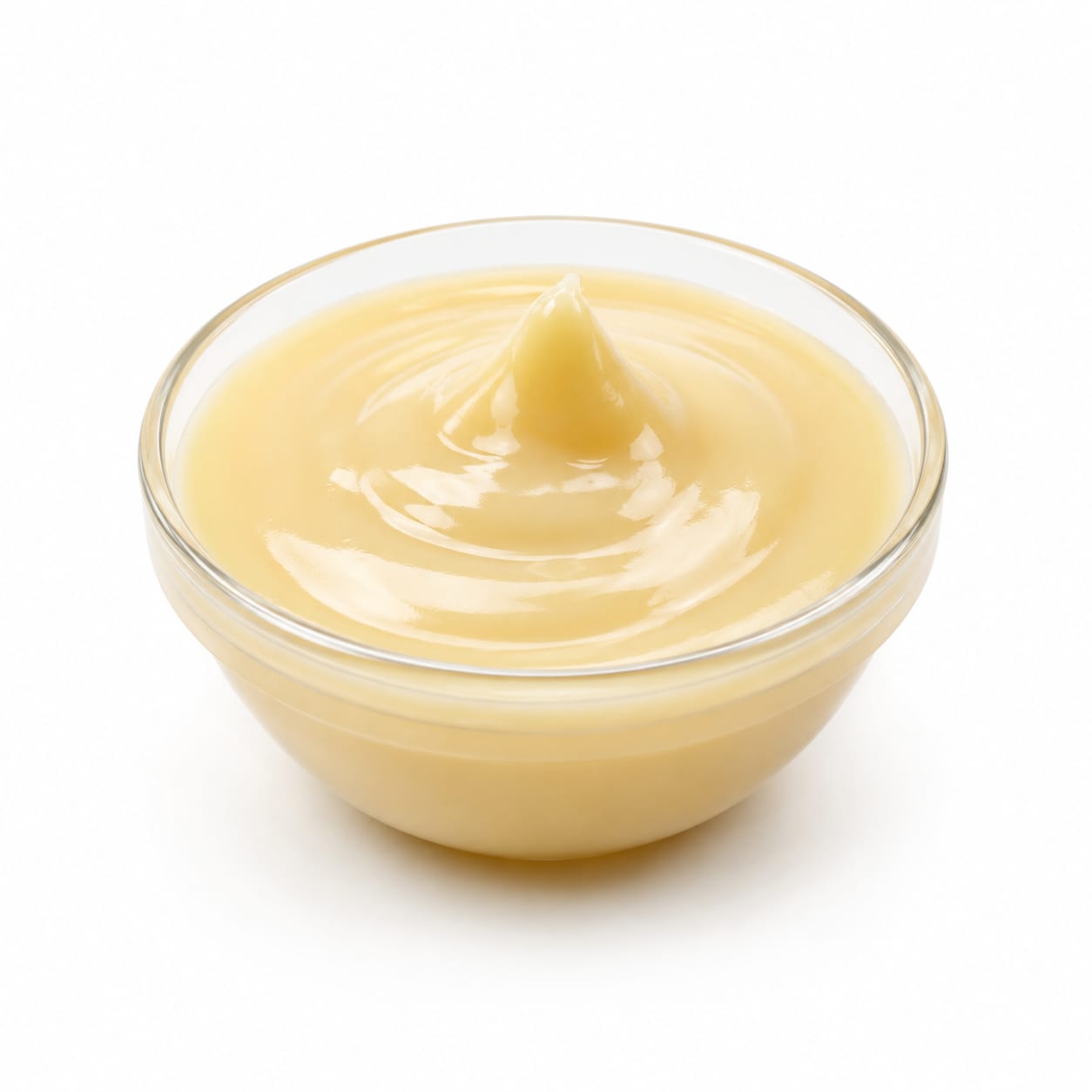
Condensed Milk
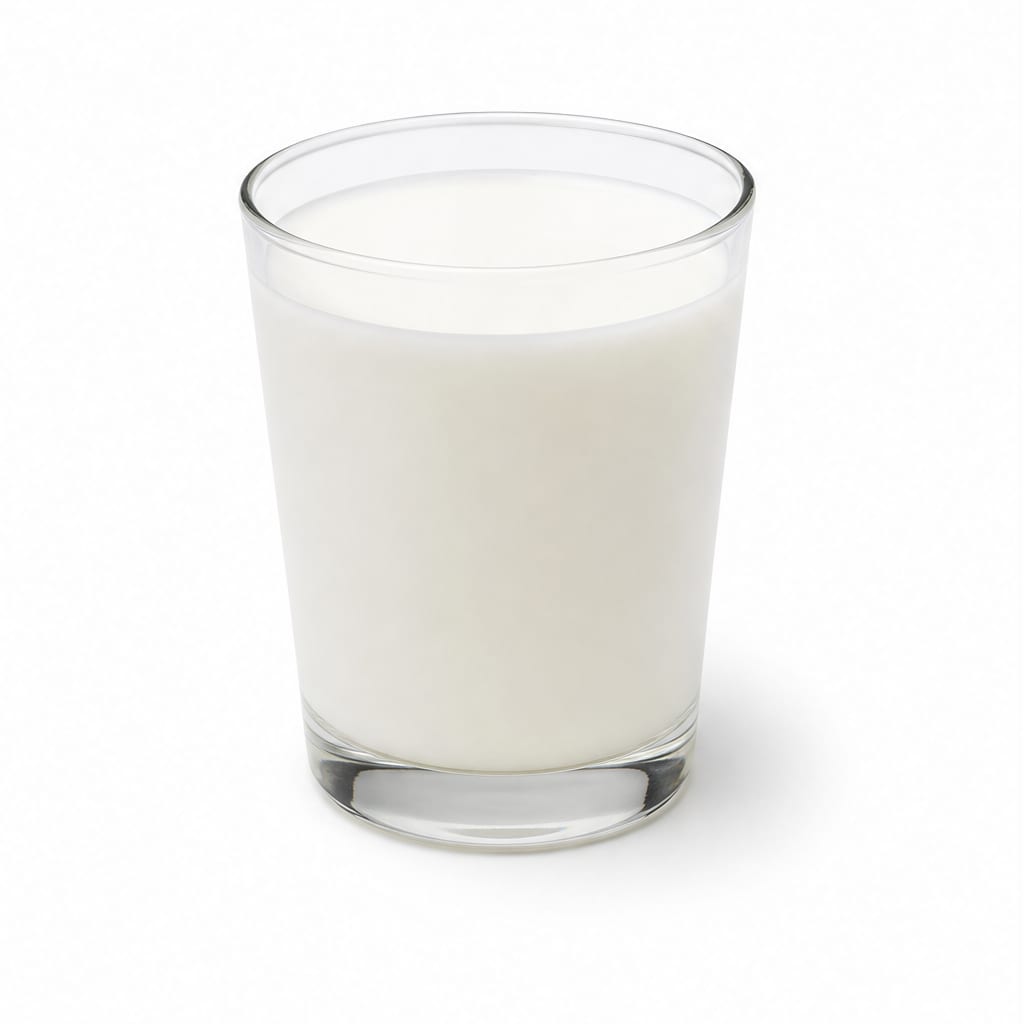
Skim Milk
Skim Milk is the clear everyday choice for health and hydration, while Condensed Milk is a dessert ingredient that should be used sparingly.
Skim Milk scores dramatically higher because it functions as a healthy daily staple with strong protein and calcium content. Condensed Milk is penalized heavily for extreme sugar density and lack of everyday drinkability. The gap is large because these foods occupy completely different nutritional tiers despite both being dairy products.
You gain intense sweetness and richness with Condensed Milk but sacrifice blood sugar stability and calorie control entirely. Skim Milk gives you lean protein and hydration with almost no sugar cost.
At a glance
Executive summary
Overall
Skim Milk
Healthier
Skim Milk
More practical
Skim Milk
Daily use
Skim Milk
Key comparison lenses
sugar and calorie comparison
Condensed Milk is extremely sugar-dense while Skim Milk is one of the lowest-calorie dairy options available
daily beverage vs occasional ingredient
These two foods serve fundamentally different roles in a kitchen and comparing them requires clarifying use-case expectations
weight management and metabolic impact
The calorie and sugar gap between these two makes weight-related outcomes dramatically different
diabetes and blood sugar safety
Condensed Milk is essentially a sugar delivery system while Skim Milk has moderate natural lactose only
calcium and bone nutrition
Both are dairy-based calcium sources but the nutritional package surrounding that calcium differs enormously
Best choice for
Condensed Milk
- Baking desserts and sweet recipes
- Making Vietnamese iced coffee or Thai tea
- Occasional rich indulgence when small portions satisfy
- Adding creamy sweetness to a single serving of oatmeal
Skim Milk
- Daily drinking and hydration
- Post-workout protein without the sugar crash
- Cereal or smoothies on a weight loss plan
- Anyone monitoring blood sugar or heart health
Least suitable for
Condensed Milk
- People with diabetes or insulin resistance
- Anyone actively trying to lose weight
- Daily beverage drinkers who consume milk multiple times
- Those managing metabolic syndrome or fatty liver
Skim Milk
- Recipes requiring rich creamy sweetness
- Anyone wanting a satisfying dessert base
- People who find non-fat dairy unpalatable and would skip milk entirely
- Those needing high-calorie supplementation during illness recovery
Deep comparison
Dimension by dimension
Each lens scores both foods and breaks down who each option suits.
- Dimension 1 · Priority 95Skim Milk
Sugar and Blood Sugar Impact
Condensed Milk · 8Skim Milk · 82Condensed Milk packs roughly 55 grams of added sugar per 100 grams, making it closer to syrup than a beverage. Skim Milk contains only natural lactose at around 5 grams per 100 grams.
Tradeoff
That sweetness makes Condensed Milk irreplaceable in certain desserts but dangerous as a regular dietary component. Skim Milk keeps blood sugar steady but will never satisfy a sweet craving.
Why it matters
Frequent blood sugar spikes from concentrated sugar drive fat storage, energy crashes, and long-term metabolic damage. This single dimension makes the two foods worlds apart for daily health.
Real-world impact
A single can of Condensed Milk can exceed your entire recommended daily sugar intake. A glass of Skim Milk barely moves the needle.
Condensed Milk
- Quick energy during prolonged endurance activity
- Satisfying a sweet tooth in small controlled amounts
Better for
- Blood sugar spikes followed by crashes
- Insulin resistance risk with regular use
- Cravings triggered by the sugar rush cycle
Worse for
Skim Milk
- Stable energy through the afternoon
- Diabetes-safe daily nutrition
- Avoiding the sugar crash that hits 30 minutes after sweetness
Better for
- Will not satisfy sweet cravings at all
- May feel unsatisfying if you expect richness from milk
Worse for
- Dimension 2 · Priority 90Skim Milk
Calorie Density and Weight Management
Condensed Milk · 12Skim Milk · 88Condensed Milk delivers over 320 calories per 100 grams while Skim Milk provides just 34 calories per 100 grams. That is nearly a tenfold difference.
Tradeoff
Condensed Milk makes it very easy to accidentally consume hundreds of calories in a small pour. Skim Milk lets you drink freely without calorie anxiety.
Why it matters
Calorie density is the strongest predictor of unintentional weight gain. Foods that pack hundreds of calories into small volumes bypass your natural fullness signals.
Real-world impact
Two tablespoons of Condensed Milk in your coffee adds over 120 calories. An entire tall glass of Skim Milk costs only about 80 calories.
Condensed Milk
- Weight gain during illness or recovery when every calorie helps
- Backpacking or situations requiring calorie-dense compact food
Better for
- Stealth calorie accumulation that undermines diet efforts
- Portion control is extremely difficult with sweet concentrated foods
Worse for
Skim Milk
- Cutting calories without cutting volume or satisfaction
- Maintaining weight loss without feeling deprived
- Drinking milk freely throughout the day
Better for
- Not enough calories if you are underweight and trying to gain
- May leave you hungry if used as a meal replacement without additions
Worse for
- Dimension 3 · Priority 80Skim Milk
Protein Quality and Satiety
Condensed Milk · 45Skim Milk · 78Both contain complete dairy protein, but Skim Milk delivers it without the sugar payload that undermines satiety. Condensed Milk has slightly more protein per 100 grams due to concentration, but the sugar overwhelms the fullness benefit.
Tradeoff
Condensed Milk offers concentrated protein but pairs it with so much sugar that the satiety effect gets blunted. Skim Milk gives you clean protein that actually keeps you full.
Why it matters
Protein only helps with fullness when it is not accompanied by a sugar spike that triggers hunger again shortly after.
Real-world impact
A Skim Milk smoothie after a workout refuels without the crash. A Condensed Milk-based drink would leave you hungry again within an hour despite more calories.
Condensed Milk
- Situations where concentrated nutrition in small volume matters
- Recipes where protein density alongside sweetness is useful
Better for
- Sugar-driven hunger returns quickly despite protein content
- Hard to consume enough protein from Condensed Milk without massive sugar intake
Worse for
Skim Milk
- Post-workout recovery without sugar interference
- Breakfast protein that sustains you until lunch
- Managing hunger between meals
Better for
- Lower total protein per serving compared to concentrated dairy
- May need pairing with other protein sources for athletes
Worse for
- Dimension 4 · Priority 85Skim Milk
Daily Drinkability and Practical Use
Condensed Milk · 15Skim Milk · 92Skim Milk is designed as an everyday beverage. Condensed Milk is a cooking ingredient that most people would not drink straight.
Tradeoff
You can pour Skim Milk over cereal, into coffee, or drink a glass with dinner without thinking. Condensed Milk requires recipe context and portion discipline every single time.
Why it matters
The food you can use easily and consistently will always beat the food that requires special effort and restraint. Daily habits shape health more than occasional choices.
Real-world impact
Skim Milk is a fridge staple you reach for automatically. Condensed Milk sits in the pantry for the occasional dessert recipe.
Condensed Milk
- Specific recipes that require its unique texture and sweetness
- Making specialty coffee drinks at home
Better for
- Cannot be used as a casual beverage
- Every use requires measuring and restraint
- Opens a can that tempts overuse
Worse for
Skim Milk
- Pouring a quick glass with any meal
- Adding to cereal or oatmeal daily without planning
- Using as a smoothie base every morning
Better for
- Lacks the richness some people expect from milk
- Can taste watery compared to whole milk alternatives
Worse for
- Dimension 5 · Priority 82Skim Milk
Heart Health and Cardiovascular Risk
Condensed Milk · 20Skim Milk · 80Skim Milk is essentially fat-free and low in sugar, making it heart-friendly. Condensed Milk combines saturated fat with massive sugar content, a rough combination for cardiovascular health.
Tradeoff
The saturated fat in Condensed Milk is moderate but the sugar load is the bigger cardiovascular concern. Skim Milk avoids both risk factors entirely.
Why it matters
Sugar and saturated fat together create a worse cardiovascular profile than either alone. Regular consumption of both simultaneously raises triglycerides and inflammatory markers.
Real-world impact
Switching from sweetened rich dairy to Skim Milk is one of the simplest heart-healthy swaps you can make in a daily routine.
Condensed Milk
- Occasional use in recipes where the amount per serving is small
Better for
- Sugar and saturated fat together raise heart disease risk markers
- Regular use would concern any cardiologist
Worse for
Skim Milk
- Daily cholesterol-conscious nutrition
- Blood pressure management with calcium support
- Reducing triglyceride-driving sugar intake
Better for
- Some studies suggest full-fat dairy may have heart benefits skim lacks, though the evidence is mixed
Worse for
- Dimension 6 · Priority 70It depends
Bone Health and Calcium Density
Condensed Milk · 72Skim Milk · 75Both are solid calcium sources. Condensed Milk has more calcium per 100 grams due to concentration, but you would need to consume an unhealthy amount of sugar to get that benefit. Skim Milk delivers calcium efficiently with minimal drawbacks.
Tradeoff
Condensed Milk technically wins on calcium density but loses on delivery method. Skim Milk provides calcium in a package your body can actually use daily without collateral damage.
Why it matters
Calcium only supports bone health when consumed consistently over years. The source that is sustainable to consume daily always wins over the source that is theoretically denser but practically unusable.
Real-world impact
A glass of Skim Milk a day for decades builds bone. A daily dose of Condensed Milk for decades builds bone problems along with metabolic ones.
Condensed Milk
- Small amounts in recipes contribute meaningful calcium alongside other foods
- Useful when concentrated nutrition in tiny volume is needed
Better for
- Cannot realistically be your primary calcium source due to sugar content
- High sugar may actually undermine bone health through inflammation
Worse for
Skim Milk
- Consistent daily calcium intake without health tradeoffs
- Vitamin D fortified options enhance absorption
- Long-term bone support that is actually sustainable
Better for
- Lower calcium per serving than concentrated dairy forms
- Needs consistent daily intake for bone benefits
Worse for
Timeline
Health impact over time
Short-term
Hours to days
Condensed Milk
- Rapid blood sugar spike within 15 to 30 minutes of consumption
- Energy surge followed by a crash that leaves you tired and craving more sweets
- Thirst and dehydration from the concentrated sugar load
- Potential digestive discomfort if consumed in large amounts due to sugar and fat density
Skim Milk
- Steady energy with no crash risk
- Mild satiety from protein content
- Comforting hydration without blood sugar disruption
- May feel less satisfying than richer milk if you are used to whole milk
Long-term
Months to years
Condensed Milk
- Weight gain from consistent calorie surplus if used regularly
- Increased risk of insulin resistance and type 2 diabetes with frequent consumption
- Higher triglyceride levels from chronic high sugar intake
- Dental decay risk from concentrated sugar exposure
Skim Milk
- Improved bone density from consistent calcium and protein intake
- Better weight maintenance due to low calorie density and high satiety per calorie
- Cardiovascular benefit from replacing higher-fat dairy options
- Stable blood sugar patterns supporting long-term metabolic health
Risk profile
Safety & processing
Both are relatively clean from an additive standpoint. Condensed Milk is processed through water evaporation and has substantial added sugar but typically avoids artificial preservatives. Skim Milk undergoes fat removal but remains close to its natural state. The concern with Condensed Milk is not artificial additives but the sheer quantity of added sugar.
Condensed Milk
Sugar-driven overconsumption
highThe combination of sweetness and concentrated calories makes it very easy to consume far more than intended, especially straight from the can.
Dental caries
mediumSticky concentrated sugar adheres to teeth and feeds decay-causing bacteria more aggressively than liquid milk.
Spoilage after opening
mediumOnce opened, Condensed Milk must be refrigerated and used within a few days despite its high sugar content acting as a partial preservative.
Skim Milk
Lactose intolerance reactions
mediumSkim Milk contains the same lactose as regular milk and will cause bloating, gas, or discomfort in lactose-intolerant individuals.
Perishability
lowFresh Skim Milk spoils within a week of opening and requires consistent refrigeration, unlike shelf-stable Condensed Milk before opening.
Who wins for whom
Audience fit
Same foods, different winners depending on your goal.
children
It dependsSkim Milk is appropriate for children over two who need daily calcium and protein. Condensed Milk should be limited to occasional treats as it trains a high sweetness threshold early.
daily consumption
Skim MilkSkim Milk is designed for daily use across multiple servings. Condensed Milk is a recipe ingredient that becomes harmful if consumed daily.
diabetes
Skim MilkSkim Milk has low glycemic impact from natural lactose only. Condensed Milk is essentially contraindicated for anyone managing blood sugar.
elderly
Skim MilkOlder adults need bone-supporting calcium and protein without the cardiovascular and metabolic risks that regular Condensed Milk consumption would bring.
muscle gain
Skim MilkSkim Milk provides clean protein without sugar that interferes with body composition goals. Condensed Milk adds empty calories that would need to be burned off.
weight loss
Skim MilkAt 34 calories per 100 grams with strong satiety from protein, Skim Milk is one of the most weight-loss-friendly beverages available. Condensed Milk is the opposite.
Your move
Decision guide
Choose Condensed Milk
- You are baking a specific dessert that requires its unique caramel-like sweetness and thick texture
- You are making Vietnamese coffee, Thai tea, or another specialty drink where it is essential
- You need concentrated calories during illness recovery and cannot eat large volumes
- You are an endurance athlete needing quick sugar energy during a long event
Choose Skim Milk
- You want a daily milk for drinking, cereal, or smoothies
- You are managing your weight, blood sugar, or heart health
- You need post-workout protein without the sugar crash
- You want to stay hydrated and satisfied between meals
- You are looking for a bone-health supporting habit you can maintain for decades
Either works if
- You are adding a splash to coffee and can control the amount of either
- You need calcium from dairy and can moderate your Condensed Milk portion to a teaspoon
Avoid both if
- You have a dairy allergy or severe lactose intolerance
- You are following a strict vegan diet
- You have galactosemia or any condition requiring dairy avoidance entirely
Final recommendation
Keep Skim Milk in your fridge as your everyday milk and treat Condensed Milk like you would chocolate syrup: a small-batch ingredient for occasional recipes, not a dietary staple. If you currently use Condensed Milk daily in coffee, try gradually reducing the amount and transitioning to Skim Milk or unsweetened alternatives. Your blood sugar, waistline, and long-term health will thank you.
Practical
Consumer tips
- 1
A single can of Condensed Milk contains over 1000 calories and 160 grams of sugar. Plan your recipe portions before opening.
- 2
If you love the sweetness of Condensed Milk in coffee, try using half the amount and blending with Skim Milk for similar creaminess with far less sugar.
- 3
Freeze leftover Condensed Milk in ice cube trays so you can use small portions later without waste.
- 4
Choose Skim Milk fortified with vitamin D for better calcium absorption and bone health benefits.
- 5
If Skim Milk tastes too thin, try warming it slightly or adding a dash of vanilla extract for more perceived richness without calories.
- 6
Read labels on Condensed Milk carefully as some brands add even more sugar than others. Look for the lowest sugar option if you must use it.