
Nutrition comparison
Condensed Milk vs Maple Syrup: Nutrition, Uses, and Health Tradeoffs
Compare condensed milk and maple syrup to find out which sweetener is healthier. Discover the nutritional differences, fat content, and best uses for each.
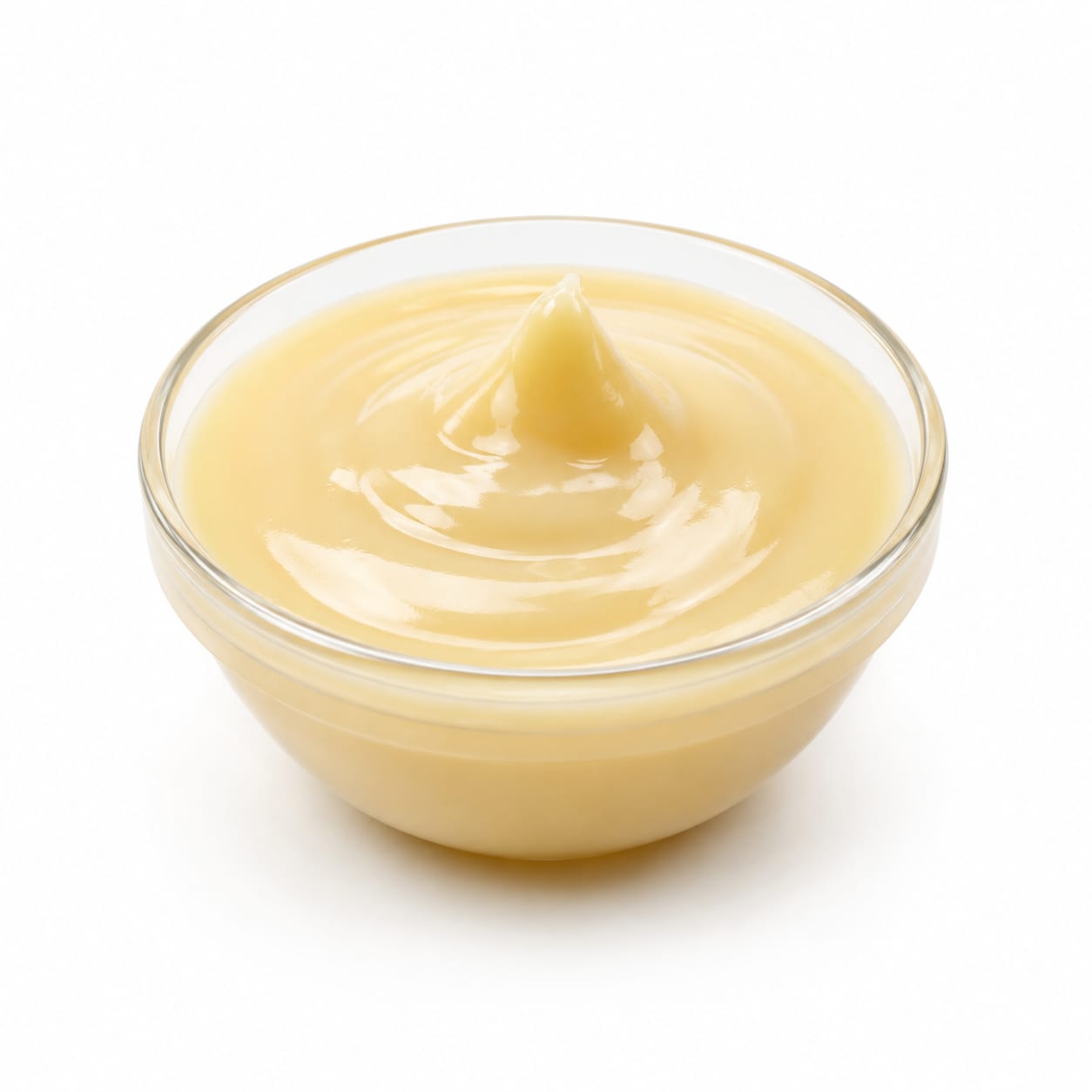
Condensed Milk
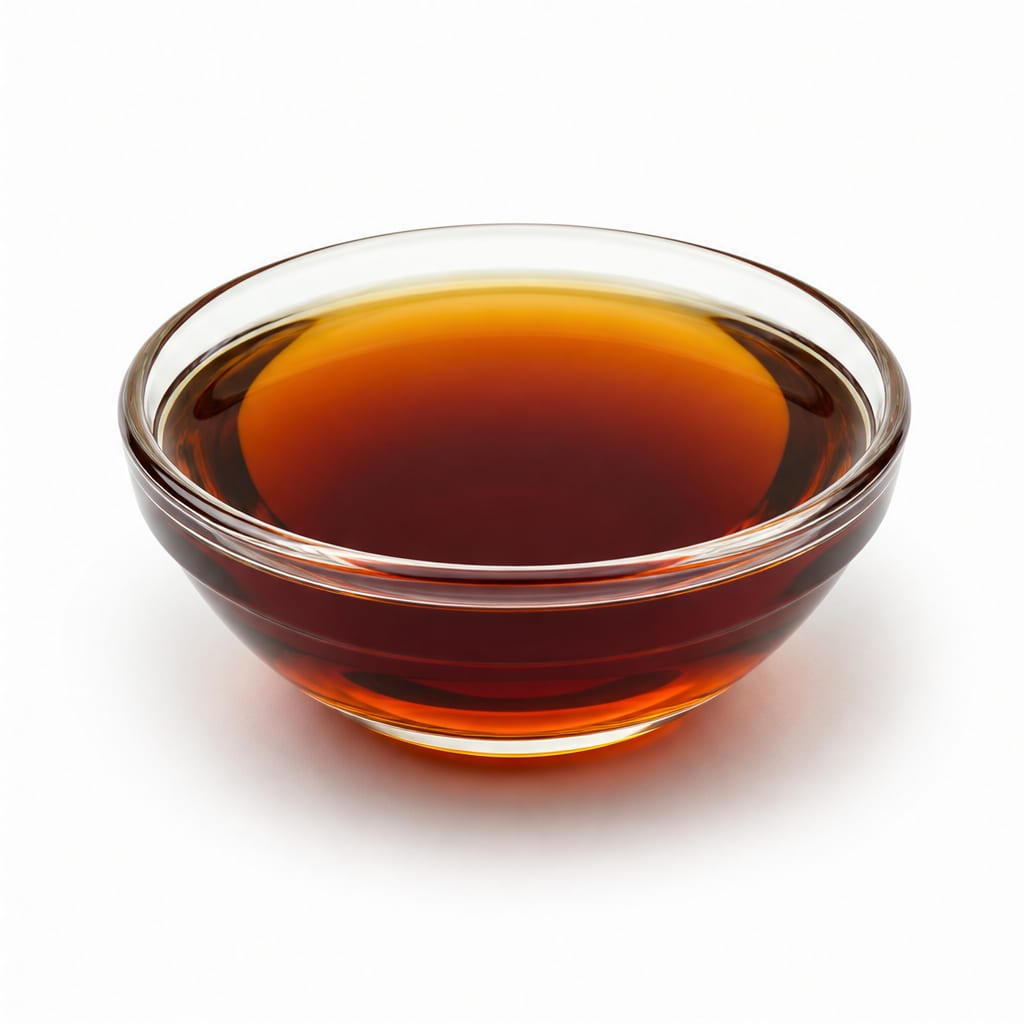
Maple Syrup
Condensed milk offers dairy protein and calcium but packs heavy saturated fat, while maple syrup is a fat-free natural sweetener with trace minerals but zero protein.
Neither is a health food due to high sugar, but maple syrup scores slightly higher for being fat-free, less processed, and easier to use in small, controlled amounts. Condensed milk takes a hit for its high saturated fat content.
Dairy nutrition and creamy texture versus cleaner, fat-free plant-based sweetness.
At a glance
Executive summary
Overall
It depends
Healthier
It depends
More practical
Maple Syrup
Daily use
Maple Syrup
Key comparison lenses
Choosing a sweetener for baking or beverages
Both are primarily used to add sweetness and distinct flavor to recipes, coffee, or desserts.
Comparing dairy-based vs plant-based sugar sources
Condensed milk brings fat and protein from dairy, while maple syrup is a fat-free, vegan sap reduction.
Evaluating nutritional tradeoffs in dessert ingredients
Users often wonder if the calcium in condensed milk or the minerals in maple syrup make either a 'healthier' sweet choice.
Best choice for
Condensed Milk
- Adding creamy richness to coffee
- Baking desserts that require a dense, fudgy texture
- Those needing a calcium and protein boost alongside calories
Maple Syrup
- Drizzling over pancakes and waffles
- Vegan and dairy-free diets
- Sweetening oatmeal or yogurt without adding fat
Least suitable for
Condensed Milk
- Lactose intolerant individuals
- Those strictly limiting saturated fat
- Vegan diets
Maple Syrup
- Low-carb or keto diets
- Those needing sustained energy without a blood sugar crash
- Recipes requiring a creamy, dairy-rich consistency
Deep comparison
Dimension by dimension
Each lens scores both foods and breaks down who each option suits.
- Dimension 1 · Priority 95It depends
Sugar and Blood Sugar Impact
Condensed Milk · 25Maple Syrup · 30Both are sugar-heavy, but maple syrup has a slightly lower glycemic index and lacks the fat that slows sugar absorption in condensed milk.
Tradeoff
Condensed milk's fat blunts the immediate blood sugar spike, but maple syrup's simpler sugar profile is easier for the body to process without a heavy sluggish feeling.
Why it matters
Both will cause a blood sugar rise, but the crash feels different depending on the fat content.
Real-world impact
Maple syrup gives a quicker energy burst for morning pancakes, while condensed milk in coffee leads to a heavier, longer-lasting sugar hangover.
Condensed Milk
- Slower immediate glucose spike due to dairy fat
Better for
- High combined load of sugar and saturated fat
Worse for
Maple Syrup
- Slightly lower glycemic index
- Less sluggish feeling after eating
Better for
- Rapid blood sugar spike if consumed alone
Worse for
- Dimension 2 · Priority 80Condensed Milk
Nutritional Density
Condensed Milk · 55Maple Syrup · 35Condensed milk provides actual macronutrients like protein and calcium, whereas maple syrup only offers trace minerals.
Tradeoff
You get real nutrition with condensed milk, but it comes tethered to a massive dose of saturated fat and sugar.
Why it matters
If you are consuming calories anyway, getting some protein and calcium is better than empty carbs, but the context matters.
Real-world impact
A tablespoon of condensed milk in coffee contributes a small amount of calcium and protein, while a tablespoon of maple syrup is purely energy with virtually no nutritional payload.
Condensed Milk
- Contains bone-supporting calcium
- Provides a small amount of filling protein
Better for
- Nutritional benefits are overshadowed by sugar and fat
Worse for
Maple Syrup
- Contains antioxidant compounds
- Supplies trace minerals like manganese and zinc
Better for
- Essentially empty calories with no macronutrients
Worse for
- Dimension 3 · Priority 85Maple Syrup
Fat Profile and Heart Health
Condensed Milk · 15Maple Syrup · 90Maple syrup is completely fat-free, while condensed milk is rich in saturated fat, which is a concern for cardiovascular health.
Tradeoff
Choosing condensed milk means accepting a significant dose of heart-unfriendly saturated fat in exchange for a creamy mouthfeel.
Why it matters
Regular consumption of saturated fat raises LDL cholesterol, making condensed milk a risky daily habit.
Real-world impact
Using condensed milk daily in coffee can quietly push your saturated fat intake over recommended limits, whereas maple syrup only adds sugar to your daily budget.
Condensed Milk
- High in saturated fat
- Can raise LDL cholesterol with regular use
Worse for
Maple Syrup
- Zero fat content
- No cholesterol
- No cardiovascular risk from saturated fat
Better for
- Dimension 4 · Priority 70Maple Syrup
Processing and Naturalness
Condensed Milk · 30Maple Syrup · 80Maple syrup is simply boiled tree sap, while condensed milk is a highly concentrated dairy product with added refined sugar.
Tradeoff
Maple syrup offers a cleaner label and less industrial processing, while condensed milk is a manufactured product designed for shelf stability and sweetness.
Why it matters
People seeking whole-food or clean-label diets generally prefer less processing and fewer additives.
Real-world impact
Maple syrup fits easily into a 'clean eating' lifestyle, whereas condensed milk feels more like a processed pantry staple.
Condensed Milk
- Contains added refined sugar
- Heavily processed to concentrate and preserve
Worse for
Maple Syrup
- Single-ingredient product
- Minimally processed
- No added refined sugars
Better for
Timeline
Health impact over time
Short-term
Hours to days
Condensed Milk
- Quick energy followed by a heavy, sluggish feeling
- High satiety due to fat and protein content
- Potential digestive discomfort for lactose-sensitive individuals
Maple Syrup
- Rapid energy spike suitable for quick pre-workout fuel
- Low satiety leading to quick return of hunger
- Unlikely to cause digestive distress unless fructose intolerant
Long-term
Months to years
Condensed Milk
- Increased risk of elevated LDL cholesterol from saturated fat
- Potential weight gain from high calorie and fat density
- Improved bone density if consumed regularly due to calcium
Maple Syrup
- Increased risk of insulin resistance if overconsumed
- Dental decay risk from sticky, concentrated sugar
- Minimal cardiovascular risk from fat, but metabolic risk from sugar
Risk profile
Safety & processing
Condensed milk is processed by adding a large amount of refined sugar to milk and evaporating water, while maple syrup is simply tree sap reduced by heat. Neither contains artificial preservatives, but maple syrup is closer to a whole food.
Condensed Milk
Lactose intolerance and dairy allergy
highContains dairy proteins and lactose, which can cause severe digestive issues or allergic reactions in sensitive individuals.
Spoilage after opening
mediumOnce opened, it must be refrigerated and used within a week or it can harbor harmful bacteria.
Maple Syrup
Lead contamination
lowOlder or improper boiling equipment can sometimes leach lead into the sap, though this is rare with modern commercial production.
Mold growth
lowIf not stored properly after opening, maple syrup can develop mold, though it can often be safely skimmed and boiled.
Who wins for whom
Audience fit
Same foods, different winners depending on your goal.
children
Condensed MilkThe calcium and protein in condensed milk support growing bones and bodies, provided the child tolerates dairy and intake is moderated to avoid excess sugar.
daily consumption
Maple SyrupMaple syrup is easier to use in tiny amounts daily without accumulating excessive saturated fat in the diet.
diabetes
It dependsNeither is good for diabetes. Both will spike blood sugar significantly. Maple syrup has a slightly lower glycemic index, but both should be strictly limited.
elderly
Condensed MilkOlder adults often need extra calcium and protein to prevent muscle wasting and osteoporosis, making condensed milk marginally more useful if they can digest it.
muscle gain
Condensed MilkCondensed milk provides a small amount of protein alongside its calories, which is slightly more useful for muscle building than pure sugar.
weight loss
Maple SyrupMaple syrup is fat-free and lower in calories per serving, making it easier to fit into a calorie-controlled diet.
Your move
Decision guide
Choose Condensed Milk
- You are making a dessert that requires a rich, creamy texture like flan or fudge
- You want a sweet coffee creamer that adds a bit of protein and calcium
- You are trying to increase calorie intake and need dense, palatable energy
Choose Maple Syrup
- You are topping breakfast foods like pancakes, waffles, or oatmeal
- You follow a vegan or dairy-free diet
- You want a clean-label sweetener without saturated fat
Either works if
- You simply need to add sweetness to a recipe and a few grams of fat or trace minerals don't matter to your goals
Avoid both if
- You are managing diabetes or insulin resistance
- You are on a strict low-carb or keto diet
- You are trying to eliminate added sugars from your diet
Final recommendation
Let the recipe dictate your choice. Use maple syrup for light, clean sweetness and breakfast foods. Reserve condensed milk for baking where its unique creamy density is essential. For daily sweetening, maple syrup is the lighter, more sustainable choice.
Practical
Consumer tips
- 1
Use grade A dark maple syrup for baking, as its robust flavor holds up better than delicate golden syrup.
- 2
If using condensed milk in coffee, try halving the amount and adding a dash of cinnamon to satisfy the sweet tooth with less sugar and fat.
- 3
Freeze leftover condensed milk in ice cube trays to prevent spoilage and make it easy to grab small portions later.
- 4
Always refrigerate maple syrup after opening to prevent mold growth.