
Nutrition comparison
Condensed Milk vs Whole Milk: Which Is Healthier?
Condensed Milk vs Whole Milk comparison covering sugar, calories, and health impact. Whole Milk wins for daily drinking while Condensed Milk is a dessert ingredient with over 10x the sugar.
Overall winner · Whole Milk
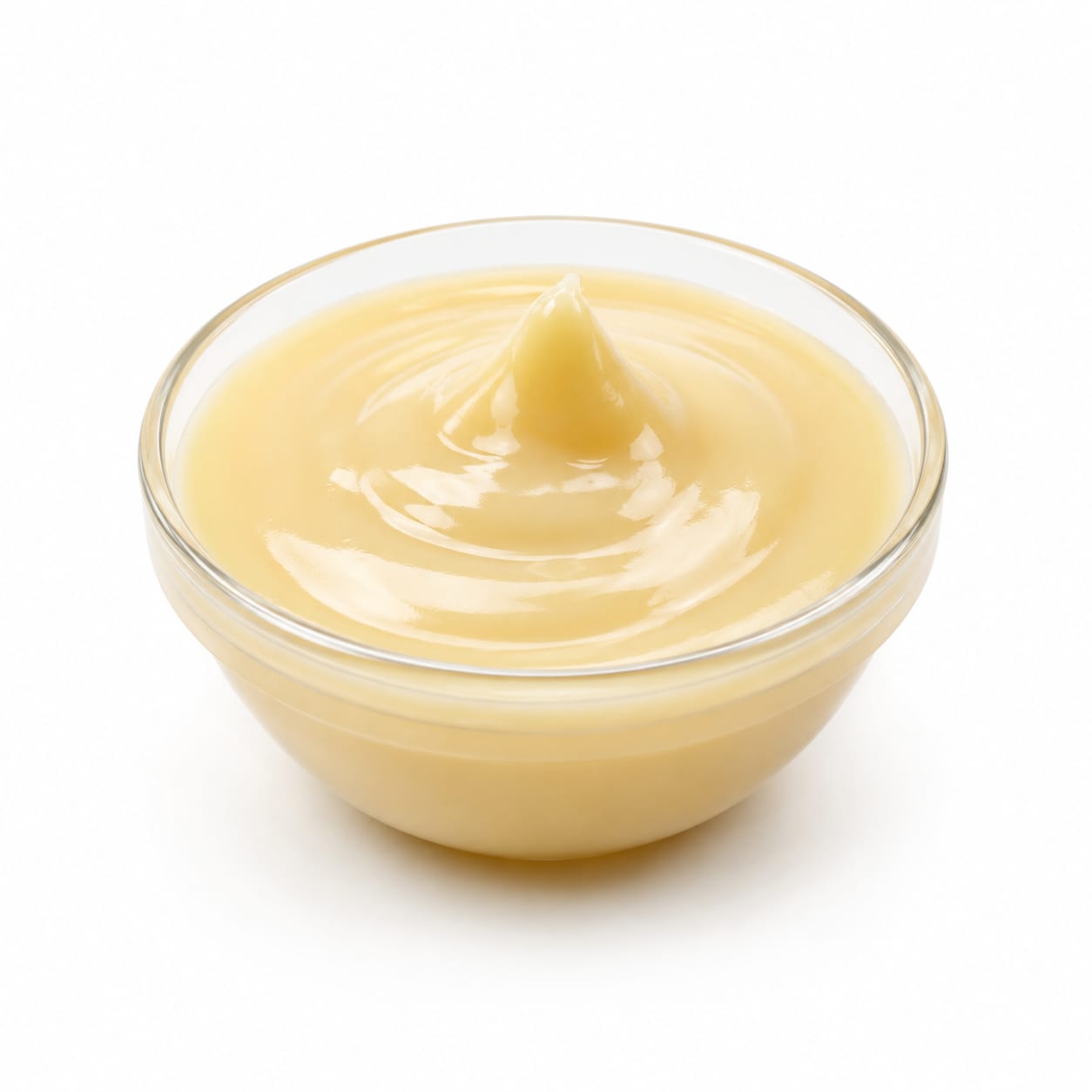
Condensed Milk
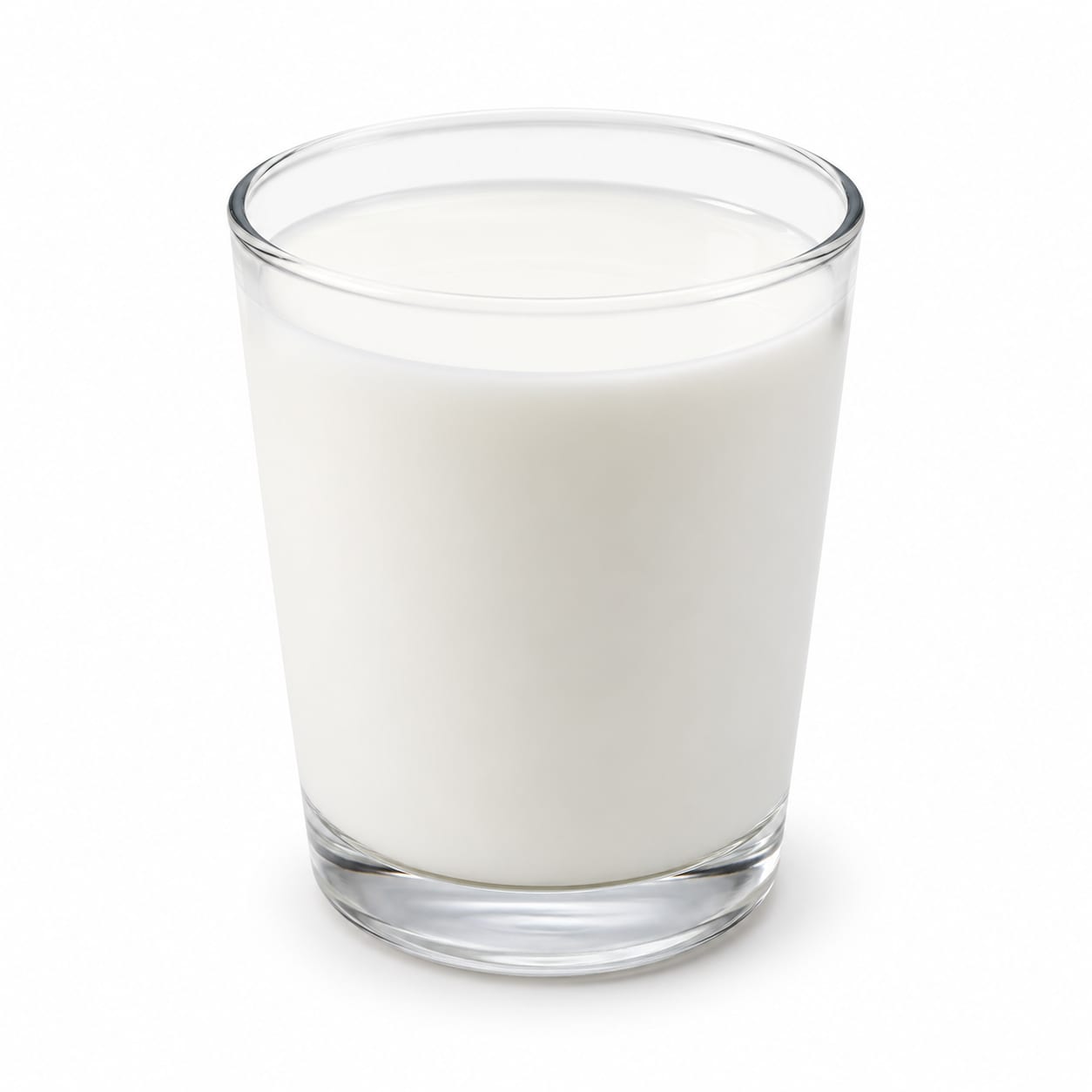
Whole Milk
Whole Milk is the clear winner for daily drinking and health, while Condensed Milk is essentially a dessert ingredient disguised as milk.
Whole Milk scores dramatically higher due to low sugar, moderate calories, and daily drinkability. Condensed Milk scores low because its extreme sugar content and calorie density make it a dessert ingredient rather than a health food, despite some concentrated nutrients.
Condensed Milk delivers concentrated sweetness and richness for recipes, but at the cost of extreme sugar and calorie density that makes it unsuitable as a regular beverage.
At a glance
Executive summary
Overall
Whole Milk
Healthier
Whole Milk
More practical
Whole Milk
Daily use
Whole Milk
Key comparison lenses
sugar and calorie comparison
Condensed Milk contains massive added sugar while Whole Milk has only natural lactose, making this the most critical difference
daily drinkability
Users often wonder if condensed milk can substitute for regular milk in daily use
weight management impact
Calorie density difference is enormous and directly affects weight goals
blood sugar stability
Added sugar in condensed milk creates significant glycemic concerns
culinary vs beverage use
These foods serve fundamentally different purposes in the kitchen
processing and naturalness
Condensed Milk is heavily processed with added sugar while Whole Milk is minimally processed
Best choice for
Condensed Milk
- Dessert recipes and baking
- Making dulce de leche or fudge
- Vietnamese coffee and sweet drinks
- Occasional sweet treats
- Emergency calorie-dense nutrition in survival situations
Whole Milk
- Daily drinking and hydration
- Cereal and oatmeal
- Smoothies and protein shakes
- Cooking savory dishes
- Families with children as a staple beverage
Least suitable for
Condensed Milk
- Anyone managing diabetes or blood sugar
- Weight loss diets
- Daily beverage consumption
- People avoiding added sugars
- Lactose-intolerant individuals
Whole Milk
- Lactose-intolerant individuals
- Vegan diets
- Those avoiding dairy fat
- People seeking very long shelf life without refrigeration
Deep comparison
Dimension by dimension
Each lens scores both foods and breaks down who each option suits.
- Dimension 1 · Priority 95Whole Milk
Sugar Content
Condensed Milk · 8Whole Milk · 75Condensed Milk packs roughly 55g of sugar per 100g, most of it added. Whole Milk contains only about 5g of naturally occurring lactose per 100g.
Tradeoff
Condensed Milk's sweetness makes it perfect for desserts but dangerous as a daily drink. Whole Milk's mild natural sweetness won't spike blood sugar.
Why it matters
Added sugar drives cravings, energy crashes, and long-term metabolic issues. This single factor makes Condensed Milk unsuitable for regular consumption.
Real-world impact
One can of condensed milk contains over 200g of sugar — roughly 50 teaspoons. Drinking that would be like eating an entire cake's worth of sugar.
Condensed Milk
- Sweet dessert recipes where sugar is desired anyway
- Making caramel-based treats efficiently
Better for
- Diabetes risk and blood sugar spikes
- Sugar addiction and cravings
- Energy crashes after consumption
Worse for
Whole Milk
- Steady energy without afternoon crashes
- Blood sugar management
- Reducing daily added sugar intake
- Avoiding sugar-driven cravings
Better for
- Not useful when you need sweetness in a recipe
Worse for
- Dimension 2 · Priority 88Whole Milk
Calorie Density
Condensed Milk · 15Whole Milk · 70Condensed Milk delivers roughly 320 calories per 100g compared to Whole Milk's 60 calories per 100g — over five times more calorie-dense.
Tradeoff
Condensed Milk provides concentrated energy for recipes or extreme calorie needs, but portion control becomes nearly impossible for casual drinking.
Why it matters
High calorie density without satiety signals leads to accidental overconsumption. You can drink hundreds of calories without feeling full.
Real-world impact
Adding just 2 tablespoons of condensed milk to your coffee adds about 130 calories. The same amount of whole milk adds roughly 15 calories.
Condensed Milk
- Gaining weight quickly when medically needed
- Compact calorie source for hiking or emergencies
Better for
- Unintended weight gain from hidden calories
- Difficulty controlling portions
Worse for
Whole Milk
- Maintaining healthy weight
- Feeling satisfied without overeating
- Controlling portions easily
Better for
- Not enough calories if you need to gain weight rapidly
Worse for
- Dimension 3 · Priority 90Whole Milk
Daily Drinkability
Condensed Milk · 10Whole Milk · 88Whole Milk is designed as a daily beverage. Condensed Milk is overwhelmingly sweet and thick, making it impractical to drink straight.
Tradeoff
Condensed Milk's syrupy texture works beautifully in recipes but makes it nearly undrinkable as a beverage. Whole Milk pours easily and refreshes.
Why it matters
A food you can actually drink daily matters more than one that sits in your pantry for occasional baking.
Real-world impact
Most people can comfortably drink a glass of whole milk. Try drinking a glass of condensed milk and you'll likely feel nauseous from the sweetness.
Condensed Milk
- Stirring into coffee for instant sweetness and cream
- One-ingredient dessert sauces
Better for
- Too sweet and thick for casual drinking
- Causes digestive discomfort if consumed in beverage quantities
Worse for
Whole Milk
- Morning glass of milk with breakfast
- Post-workout hydration with protein
- Comforting warm milk before bed
- Easy drinking any time of day
Better for
- Needs refrigeration after opening
- Shorter shelf life than canned condensed milk
Worse for
- Dimension 4 · Priority 82Whole Milk
Nutrient Density Per Calorie
Condensed Milk · 30Whole Milk · 78Both contain calcium, protein, and B vitamins, but Whole Milk delivers these nutrients with far fewer calories. Condensed Milk's added sugar dilutes its nutritional value per calorie.
Tradeoff
Condensed Milk has concentrated minerals and vitamins, but you pay for them with a massive sugar toll. Whole Milk gives you the nutrients cleanly.
Why it matters
Getting more nutrition per calorie is the foundation of healthy eating. Sugar calories crowd out the nutritional benefit.
Real-world impact
To get the same calcium from condensed milk, you also consume 10 times the sugar. That's a poor nutritional bargain.
Condensed Milk
- Getting calories and nutrients together in survival situations
Better for
- Nutrients come bundled with excessive sugar
- Poor nutrient-to-calorie ratio
Worse for
Whole Milk
- Efficient calcium delivery without sugar penalty
- Protein intake without excess calories
- Vitamin D and B12 without added sugar
Better for
- Lower absolute nutrient concentration per volume
Worse for
- Dimension 5 · Priority 85Whole Milk
Blood Sugar Stability
Condensed Milk · 12Whole Milk · 72Condensed Milk causes rapid blood sugar spikes due to its high added sugar content. Whole Milk's lactose digests slowly alongside protein and fat, creating steadier energy.
Tradeoff
Condensed Milk gives quick energy but guarantees a crash. Whole Milk provides sustained, gentle energy without the roller coaster.
Why it matters
Blood sugar stability affects mood, focus, hunger, and long-term diabetes risk. This is where condensed milk does real damage.
Real-world impact
Eating condensed milk leads to a sugar rush followed by a crash within an hour. Whole Milk keeps you feeling stable and satisfied for hours.
Condensed Milk
- Quick energy during endurance events if needed
Better for
- Severe blood sugar spikes and crashes
- Increased diabetes risk with regular consumption
- Triggering hunger cycles
Worse for
Whole Milk
- Avoiding afternoon energy crashes
- Managing prediabetes or diabetes
- Sustained focus and stable mood
- Reducing cravings between meals
Better for
- Still contains lactose which affects some blood sugar
Worse for
- Dimension 6 · Priority 70It depends
Culinary Versatility
Condensed Milk · 65Whole Milk · 75Whole Milk is more versatile across both sweet and savory dishes. Condensed Milk excels in a narrower sweet dessert niche but does so brilliantly.
Tradeoff
Condensed Milk makes incredible desserts but fails in savory applications. Whole Milk works everywhere from mashed potatoes to smoothies to soups.
Why it matters
A staple ingredient should work across meals. Whole Milk earns its fridge space daily. Condensed Milk earns pantry space occasionally.
Real-world impact
Whole Milk goes in cereal, coffee, pasta sauces, and baking. Condensed Milk makes flan, fudge, and Vietnamese coffee — delicious but specialized.
Condensed Milk
- No-fudge recipes and quick desserts
- Making dulce de leche by simply heating the can
- Sweet Asian coffee and tea drinks
Better for
- Ruins savory dishes with unwanted sweetness
- Limited to dessert applications
Worse for
Whole Milk
- Savory cooking like béchamel sauce
- Everyday baking both sweet and savory
- Smoothies and shakes
- Cereal and oatmeal base
Better for
- Cannot replicate condensed milk's unique caramel-like sweetness in desserts
Worse for
- Dimension 7 · Priority 55Condensed Milk
Shelf Stability and Storage
Condensed Milk · 85Whole Milk · 40Unopened condensed milk lasts months to years at room temperature. Whole Milk requires refrigeration and spoils within days of opening.
Tradeoff
Condensed Milk wins on shelf life but you pay with added sugar. Whole Milk needs fridge space and frequent shopping trips.
Why it matters
For remote locations, emergency preparedness, or infrequent shopping, shelf stability matters. For daily use, refrigeration is assumed.
Real-world impact
Keep condensed milk in your pantry for months until a dessert emergency. Whole Milk needs to be bought weekly and consumed within a week of opening.
Condensed Milk
- Pantry storage without refrigeration
- Emergency food supplies
- Camping and off-grid situations
- Less food waste from spoilage
Better for
- Once opened, still needs refrigeration and spoils quickly
Worse for
Whole Milk
- Always fresh when you need it
- No can opener required
Better for
- Short shelf life even refrigerated
- Spoils quickly if left out
- Requires consistent refrigeration access
Worse for
Timeline
Health impact over time
Short-term
Hours to days
Condensed Milk
- Rapid blood sugar spike within 15-30 minutes of consumption
- Burst of energy followed by crash and fatigue
- Possible queasiness if consumed in large quantities due to extreme sweetness
- Thirst and dehydration from high sugar load
Whole Milk
- Steady energy with no crash
- Mild satiety from protein and fat content
- Comforting and filling as a beverage
- Possible bloating if lactose intolerant
Long-term
Months to years
Condensed Milk
- Increased risk of insulin resistance and type 2 diabetes with regular consumption
- Weight gain from consistent calorie surplus
- Dental decay from high sugar exposure
- Potential fatty liver from excess fructose consumption
- Habituation to extreme sweetness distorting taste preferences
Whole Milk
- Improved bone density from consistent calcium and vitamin D intake
- Better muscle maintenance from regular protein consumption
- Possible reduced cardiovascular risk with moderate dairy intake
- Potential for weight maintenance when consumed as part of balanced diet
- Possible dairy sensitivity development in some individuals
Risk profile
Safety & processing
Condensed Milk is processed by removing water and adding substantial sugar, but contains no artificial additives. Whole Milk is pasteurized and homogenized but remains close to its natural state. Neither contains concerning artificial ingredients, but Condensed Milk's added sugar is itself a processing concern.
Condensed Milk
Botulism from dented or damaged cans
lowCanned condensed milk can harbor botulism if the can is severely damaged, though this is rare with modern canning standards.
Sugar-related health deterioration
highRegular consumption of the high added sugar content poses the most significant health risk over time, including diabetes and metabolic syndrome.
Whole Milk
Bacterial contamination if improperly stored
mediumWhole Milk spoils quickly at room temperature and can cause foodborne illness if consumed after spoilage.
Lactose intolerance reactions
lowNot a safety issue per se, but causes significant digestive discomfort for lactose-intolerant individuals.
Who wins for whom
Audience fit
Same foods, different winners depending on your goal.
children
Whole MilkChildren benefit from Whole Milk's balanced nutrition for growth. Condensed Milk's extreme sugar content risks dental decay and taste preference distortion.
daily consumption
Whole MilkWhole Milk is a daily staple food. Condensed Milk is a specialty ingredient for occasional use.
diabetes
Whole MilkWhole Milk's low sugar content and moderate glycemic impact make it manageable for diabetes. Condensed Milk is essentially contraindicated.
elderly
Whole MilkOlder adults need calcium and protein without blood sugar disruption. Whole Milk supports bone density and muscle maintenance safely.
muscle gain
Whole MilkWhole Milk provides quality protein without the sugar burden. Many bodybuilders drink whole milk specifically for muscle building.
weight loss
Whole MilkWhole Milk has one-fifth the calories per serving and no added sugar, making it far easier to fit into a calorie-controlled diet.
Your move
Decision guide
Choose Condensed Milk
- You are making a specific dessert recipe that calls for it
- You want to make dulce de leche or fudge
- You need a shelf-stable milk product for camping or emergencies
- You are intentionally gaining weight and need calorie density
- You are making Vietnamese iced coffee or Thai tea
Choose Whole Milk
- You want a daily beverage milk
- You are pouring cereal or oatmeal
- You need milk for cooking savory dishes
- You care about blood sugar stability
- You want calcium and protein without sugar
- You are managing your weight
- You are feeding children as a regular drink
Either works if
- You need milk for a sweet baking recipe where either could work with adjustments
- You want creaminess in coffee and will adjust sugar accordingly
Avoid both if
- You are lactose intolerant without lactase supplements
- You follow a vegan diet
- You have a dairy allergy
Final recommendation
Keep Whole Milk in your fridge as a daily staple. Keep Condensed Milk in your pantry as an occasional dessert ingredient. They are not interchangeable — Condensed Milk is closer to syrup than to milk. If you are choosing one for health, daily drinking, or nutrition, Whole Milk wins decisively. Save Condensed Milk for the desserts that make life worth enjoying, then close the can and walk away.
Practical
Consumer tips
- 1
A standard can of condensed milk contains over 200g of sugar — read the label before using it casually
- 2
If a recipe calls for condensed milk, there is no healthy substitute — just make the dessert and enjoy it occasionally
- 3
You can make dulce de leche by simmering an unopened can of condensed milk in water for 3 hours — but never let the can boil dry
- 4
Evaporated milk is not the same as condensed milk — evaporated milk has no added sugar
- 5
Whole Milk can be frozen for up to 3 months if you need to extend its shelf life
- 6
If you want sweetness in coffee without condensed milk's sugar load, try a splash of Whole Milk plus a small amount of honey or maple syrup
- 7
Shake condensed milk cans before opening — the sugar can settle
- 8
One tablespoon of condensed milk contains about 60 calories and 10g of sugar — measure carefully