
Nutrition comparison
Condensed Milk vs Butter: Which Is Healthier for Cooking and Baking?
Compare Condensed Milk and Butter on sugar, fat, calories, and health impact. Learn which is better for diabetes, weight loss, baking, and daily use.
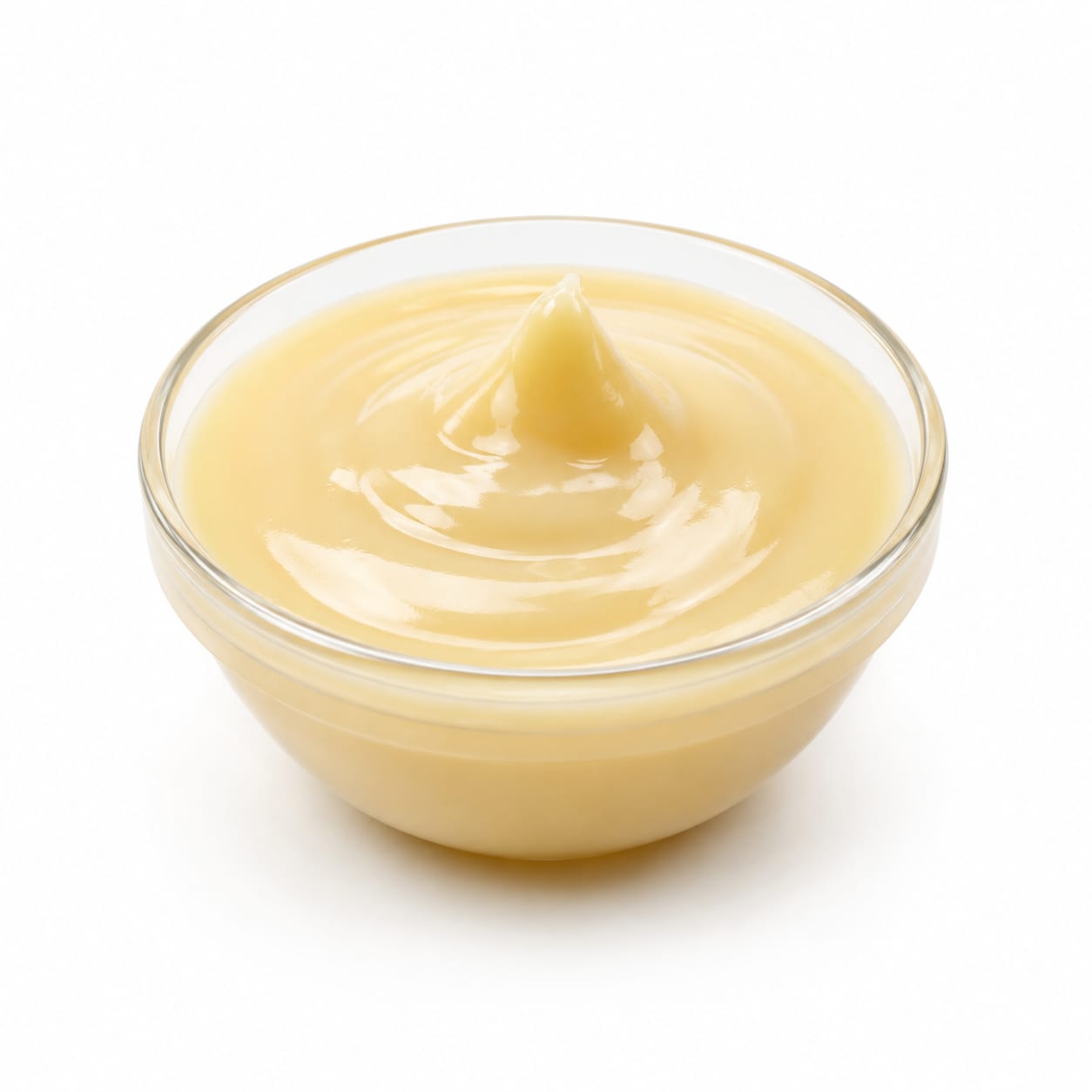
Condensed Milk
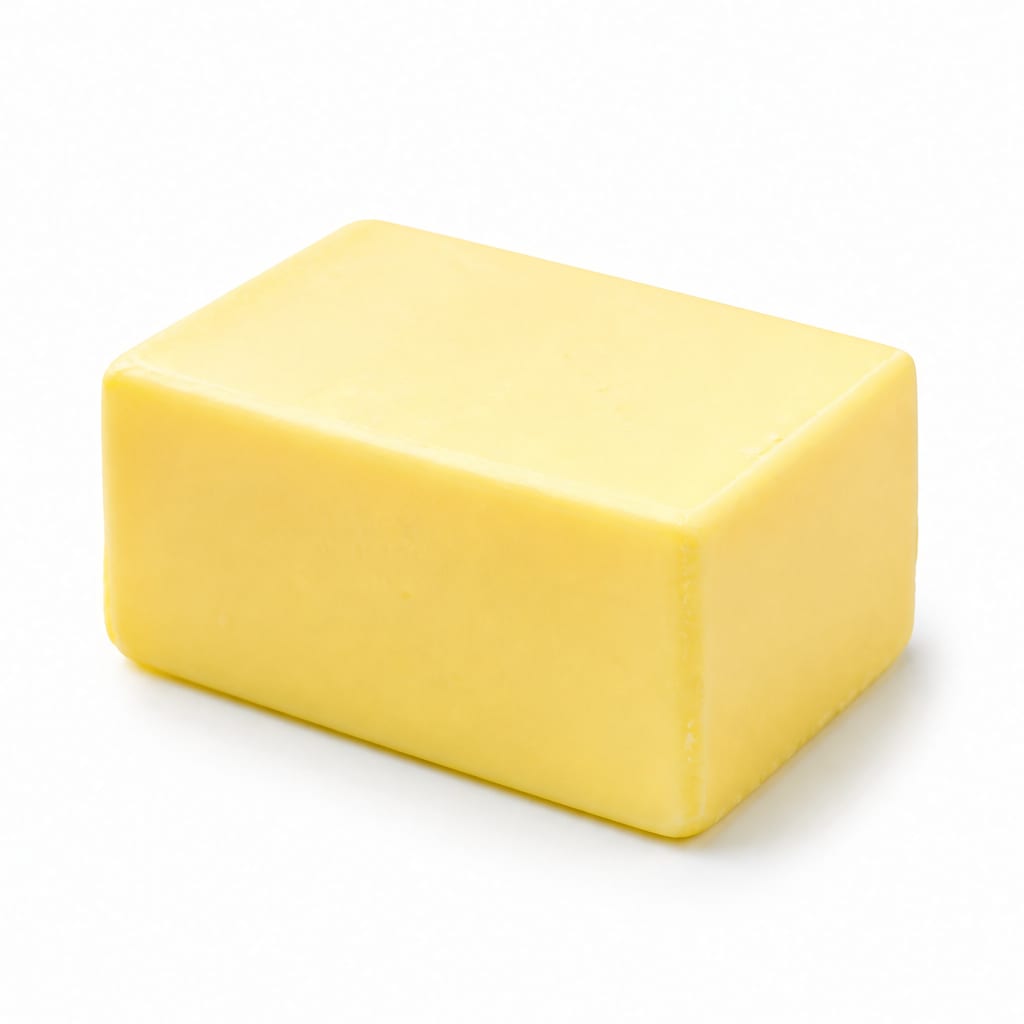
Butter
Condensed Milk offers some protein and calcium but drowns them in sugar; Butter provides fat-soluble vitamins but packs dense saturated fat with zero protein.
Butter scores slightly higher because it avoids the massive sugar load of Condensed Milk and offers fat-soluble vitamins, though both are calorie-dense ingredients best used sparingly rather than as dietary staples.
Sugar-driven calories with modest nutrition versus fat-driven calories with minimal nutrition — neither is a health food, but they harm you differently.
At a glance
Executive summary
Overall
It depends
Healthier
It depends
More practical
Butter
Daily use
Butter
Key comparison lenses
sugar vs fat calorie sources
Condensed Milk delivers calories primarily through sugar while Butter delivers them through saturated fat — fundamentally different metabolic impacts
baking and cooking ingredient selection
Both are pantry staples for cooking and baking but serve completely different culinary roles
blood sugar and metabolic impact
Condensed Milk causes significant blood sugar spikes; Butter has virtually zero glycemic impact
heart health and saturated fat concerns
Butter's saturated fat content raises cardiovascular questions, while Condensed Milk's sugar poses different heart risks
nutritional value beyond calories
Condensed Milk retains some calcium and protein from milk; Butter offers fat-soluble vitamins but little else
Best choice for
Condensed Milk
- Adding creamy sweetness to coffee or desserts
- Recipes requiring caramel-like richness and sweetness combined
- Situations where you need both dairy flavor and sugar in one ingredient
- People who tolerate sugar better than high fat
Butter
- Cooking and sautéing where fat is needed
- Low-carb or ketogenic eating styles
- Adding richness without sweetness
- People managing blood sugar who can moderate saturated fat
Least suitable for
Condensed Milk
- People with diabetes or insulin resistance
- Anyone monitoring sugar intake
- Low-carb dieters
- Frequent daily use as a spread or cooking fat
Butter
- People with high cholesterol or heart disease risk
- Vegan or dairy-free diets
- Anyone seeking protein or calcium from dairy
- High-volume eating due to extreme calorie density
Deep comparison
Dimension by dimension
Each lens scores both foods and breaks down who each option suits.
- Dimension 1 · Priority 95Butter
sugar_and_blood_sugar_impact
Condensed Milk · 8Butter · 92Condensed Milk is roughly 55% sugar by weight; Butter contains essentially zero carbohydrates.
Tradeoff
Choosing Condensed Milk means accepting a significant blood sugar spike every time you use it, while Butter keeps blood sugar stable but delivers heavy saturated fat.
Why it matters
Frequent sugar spikes drive insulin resistance, cravings, and energy crashes — Butter avoids this entirely but creates different cardiovascular concerns.
Real-world impact
A couple tablespoons of Condensed Milk in your coffee can spike blood sugar similarly to a candy bar; Butter in the same amount has zero glycemic effect.
Condensed Milk
- Quick energy for athletes who need fast carbs post-workout
- Situations where caloric surplus is genuinely desired
Better for
- Anyone with blood sugar concerns
- People prone to afternoon energy crashes
- Those trying to reduce sugar cravings
Worse for
Butter
- Steady energy without crashes
- Diabetes and prediabetes management
- Ketogenic and low-carb diets
Better for
- Situations requiring quick accessible energy
- Endurance athletes needing carbohydrate fuel
Worse for
- Dimension 2 · Priority 85Condensed Milk
fat_quality_and_heart_health
Condensed Milk · 45Butter · 30Butter is about 80% fat, heavily saturated; Condensed Milk has far less total fat and a better fat profile per serving.
Tradeoff
Condensed Milk spares you the saturated fat load but replaces it with sugar — trading one cardiovascular risk for another.
Why it matters
High saturated fat intake raises LDL cholesterol, but excessive sugar drives triglycerides and inflammation. Both paths can harm your heart differently.
Real-world impact
Spreading Butter on toast daily can nudge LDL cholesterol up over months; sweetening coffee with Condensed Milk daily can push triglycerides and liver fat up instead.
Condensed Milk
- People specifically monitoring saturated fat intake
- Those with high LDL cholesterol
Better for
- People with high triglycerides or fatty liver
- Anyone at risk for metabolic syndrome
Worse for
Butter
- People with high triglycerides from sugar consumption
- Those already limiting saturated fat elsewhere in their diet
Better for
- People with existing heart disease
- Those with genetically high LDL cholesterol
Worse for
- Dimension 3 · Priority 72Condensed Milk
micronutrient_density
Condensed Milk · 50Butter · 38Condensed Milk retains meaningful calcium, phosphorus, and some B vitamins from milk; Butter offers vitamins A, D, E, and K but in small absolute amounts per serving.
Tradeoff
Condensed Milk gives you more total micronutrients but packages them with sugar; Butter's fat-soluble vitamins come with heavy saturated fat calories.
Why it matters
If you're using small amounts occasionally, neither is a meaningful nutrient source. The micronutrient edge only matters if consumption is frequent — which brings other problems.
Real-world impact
Two tablespoons of Condensed Milk provide about 10% of daily calcium; the same amount of Butter gives roughly 8% of vitamin A but almost no calcium.
Condensed Milk
- People who need extra calcium and do not consume other dairy
- Growing teens who can afford the calories
Better for
- People who already get calcium from other dairy sources
- Anyone avoiding sugar
Worse for
Butter
- People needing fat-soluble vitamin absorption support
- Those eating vegetables rich in vitamins A, D, E, K who need fat to absorb them
Better for
- People seeking protein or calcium from dairy
- Those on very low-fat diets
Worse for
- Dimension 4 · Priority 78Butter
calorie_density_and_portion_control
Condensed Milk · 35Butter · 40Both are extremely calorie-dense, but Butter is slightly harder to overconsume because it's not sweet — Condensed Milk's sugar drives cravings for more.
Tradeoff
Butter's richness makes you stop sooner; Condensed Milk's sweetness can push you to keep eating beyond what you planned.
Why it matters
Calorie density alone does not determine overeating — palatability and reward value matter. Sweet foods bypass natural fullness signals more easily than rich fatty ones.
Real-world impact
It's easier to accidentally pour too much Condensed Milk into coffee or over a dessert than to accidentally spread too much Butter on toast.
Condensed Milk
- Underweight individuals needing easy calories
- Recovery from illness when appetite is low
Better for
- Anyone trying to lose or maintain weight
- People prone to sugar cravings and binge eating
Worse for
Butter
- People who find it easier to stop eating rich non-sweet foods
- Those cooking where fat can be measured precisely
Better for
- Mindless snacking on buttered foods
- People who underestimate liquid fat calories in cooking
Worse for
- Dimension 5 · Priority 70Butter
culinary_versatility_and_practicality
Condensed Milk · 42Butter · 78Butter works for sautéing, baking, spreading, and finishing dishes; Condensed Milk is mostly limited to sweet recipes and beverages.
Tradeoff
Butter is a kitchen workhorse you reach for daily; Condensed Milk is a specialty ingredient you use occasionally for specific recipes.
Why it matters
An ingredient you use more often has a bigger cumulative health impact, but also more opportunity to substitute healthier alternatives.
Real-world impact
Butter is in nearly every savory recipe and most baked goods; Condensed Milk appears mainly in desserts, Vietnamese coffee, and a few specific sauces.
Condensed Milk
- Making dulce de leche, flan, or fudge
- Sweetening coffee drinks without separate sugar
- Specific cultural and traditional dessert recipes
Better for
- Savory cooking applications
- Any recipe where sweetness would be unwanted
- High-temperature cooking
Worse for
Butter
- General cooking and baking versatility
- Making sauces, sautéing vegetables, finishing pasta
- Everyday spread for bread and toast
Better for
- Dairy-free or vegan cooking
- Recipes requiring liquid or pourable dairy
- Desserts needing sweet creamy texture
Worse for
- Dimension 6 · Priority 68Butter
satiety_and_fullness
Condensed Milk · 30Butter · 48Butter's fat content slows digestion and provides some satiety signal; Condensed Milk's sugar digests quickly and can leave you hungry again soon.
Tradeoff
Butter keeps you fuller per calorie but is so calorie-dense that the portion needed for fullness is enormous; Condensed Milk barely fills you at all.
Why it matters
Neither food is a good satiety choice on its own — both are toppings or ingredients, not meals. But fat at least delays hunger while sugar accelerates the hunger cycle.
Real-world impact
Butter on toast slows down the carb absorption from bread slightly; Condensed Milk on toast would just add a sugar rush on top of the bread's carbs.
Condensed Milk
- Not applicable — Condensed Milk is not a satiety food
Better for
- Anyone eating for sustained fullness
- People trying to avoid between-meal snacking
Worse for
Butter
- Pairing with carbohydrates to slow glucose absorption
- Adding to meals to increase satisfaction and richness
Better for
- Large portions where calorie load becomes excessive
- People who find high-fat meals heavy or uncomfortable
Worse for
Timeline
Health impact over time
Short-term
Hours to days
Condensed Milk
- Rapid blood sugar spike within 15-30 minutes of consumption
- Energy crash and renewed hunger 1-2 hours after eating
- Potential for triggering sugar cravings in the hours following
Butter
- Slower digestion when paired with other foods
- Feeling of richness or heaviness after consumption
- Minimal blood sugar impact
Long-term
Months to years
Condensed Milk
- Increased risk of insulin resistance with frequent consumption
- Higher triglycerides and potential for non-alcoholic fatty liver
- Dental cavity risk from concentrated sugar exposure
- Weight gain if used regularly due to calorie-sugar combination
Butter
- Elevated LDL cholesterol with regular high intake
- Potential increased cardiovascular disease risk if saturated fat intake is already high
- Possible contribution to weight gain due to extreme calorie density
- Anti-inflammatory butyrate from butterfat may offer some gut benefits
Risk profile
Safety & processing
Butter is essentially cream with the water removed — a traditional food with minimal processing. Condensed Milk requires water evaporation and added sugar, making it more processed, though it still contains relatively few ingredients and no artificial additives.
Condensed Milk
Sugar-driven metabolic harm
highRegular consumption of concentrated sugar significantly raises risk for type 2 diabetes, fatty liver, and metabolic syndrome over time.
Dental decay
mediumSticky, sugary Condensed Milk coats teeth and feeds cavity-causing bacteria, especially when consumed in sweet beverages sipped slowly.
Spoilage after opening
lowOnce opened, Condensed Milk should be refrigerated and consumed within a few days, though its high sugar content provides some natural preservation.
Butter
Saturated fat and cardiovascular strain
highRegular high intake of butter's saturated fat raises LDL cholesterol, a well-established cardiovascular risk factor.
Oxidized cholesterol from high-heat cooking
mediumHeating Butter to very high temperatures can oxidize cholesterol and create compounds that may promote inflammation.
Dairy allergy or sensitivity
lowButter contains trace milk proteins that can trigger reactions in highly sensitive individuals, though far less than other dairy products.
Who wins for whom
Audience fit
Same foods, different winners depending on your goal.
children
Condensed MilkChildren benefit from the calcium and calories in Condensed Milk more than from Butter's saturated fat, but both should be occasional treats, not daily staples.
daily consumption
ButterSmall amounts of Butter for cooking are easier to incorporate daily without metabolic disruption compared to the sugar hit from Condensed Milk.
diabetes
ButterButter has zero carbohydrates and will not raise blood sugar, making it the clearly safer choice for people managing diabetes — though saturated fat intake should still be moderated.
elderly
ButterOlder adults often need to manage blood sugar and cardiovascular risk more carefully; Butter in moderation avoids the sugar load, though heart health still requires portion control.
muscle gain
Condensed MilkCondensed Milk provides a small amount of protein alongside fast-digesting carbs that can support post-workout recovery, though neither is an ideal muscle-building food.
weight loss
ButterNeither helps with weight loss, but Butter's lack of sugar means fewer insulin spikes that promote fat storage. Still, both should be minimized during weight loss.
Your move
Decision guide
Choose Condensed Milk
- You are making a specific dessert that requires its unique sweet creamy texture
- You need quick calories and carbs after intense exercise
- You want calcium and some protein and can afford the sugar
- You are preparing cultural recipes like Vietnamese coffee, flan, or dulce de leche
Choose Butter
- You need a cooking fat for sautéing, baking, or finishing dishes
- You are following a low-carb or ketogenic diet
- You want to add richness without sweetness to a meal
- You are managing blood sugar and can moderate saturated fat elsewhere
Either works if
- You are baking and the recipe calls for one specifically — they are not interchangeable
- You only use these ingredients occasionally in small amounts
Avoid both if
- You have both diabetes and high cholesterol — both foods work against you
- You are trying to lose weight and these are not essential to your meals
- You have a dairy allergy or are strictly vegan
Final recommendation
Think of Butter as a cooking tool and Condensed Milk as a dessert ingredient — use Butter in small amounts for everyday cooking, save Condensed Milk for occasional sweet treats, and reach for neither when you want something truly nourishing.
Practical
Consumer tips
- 1
Measure both — eyeballing Butter or pouring Condensed Milk easily doubles what you intended
- 2
Use Condensed Milk only in recipes that specifically require it; do not substitute it for regular milk
- 3
If sweetening coffee, try a splash of regular milk or cream instead of Condensed Milk to cut sugar dramatically
- 4
Clarified butter (ghee) offers Butter's cooking benefits with slightly less saturated fat concern and higher smoke point
- 5
Freeze leftover Condensed Milk in ice cube trays to avoid waste and control portions
- 6
Grass-fed Butter provides more omega-3s and vitamin K2 than conventional Butter for a modest price difference
- 7
When baking, you can sometimes reduce Condensed Milk by a third and add a little regular milk without ruining the recipe