
Nutrition comparison
Condensed Milk vs Dulce de Leche: Which Is Healthier?
Compare Condensed Milk and Dulce de Leche on sugar, calories, protein, and health impact. Learn which caramelized treat is the lesser indulgence and when to choose each.
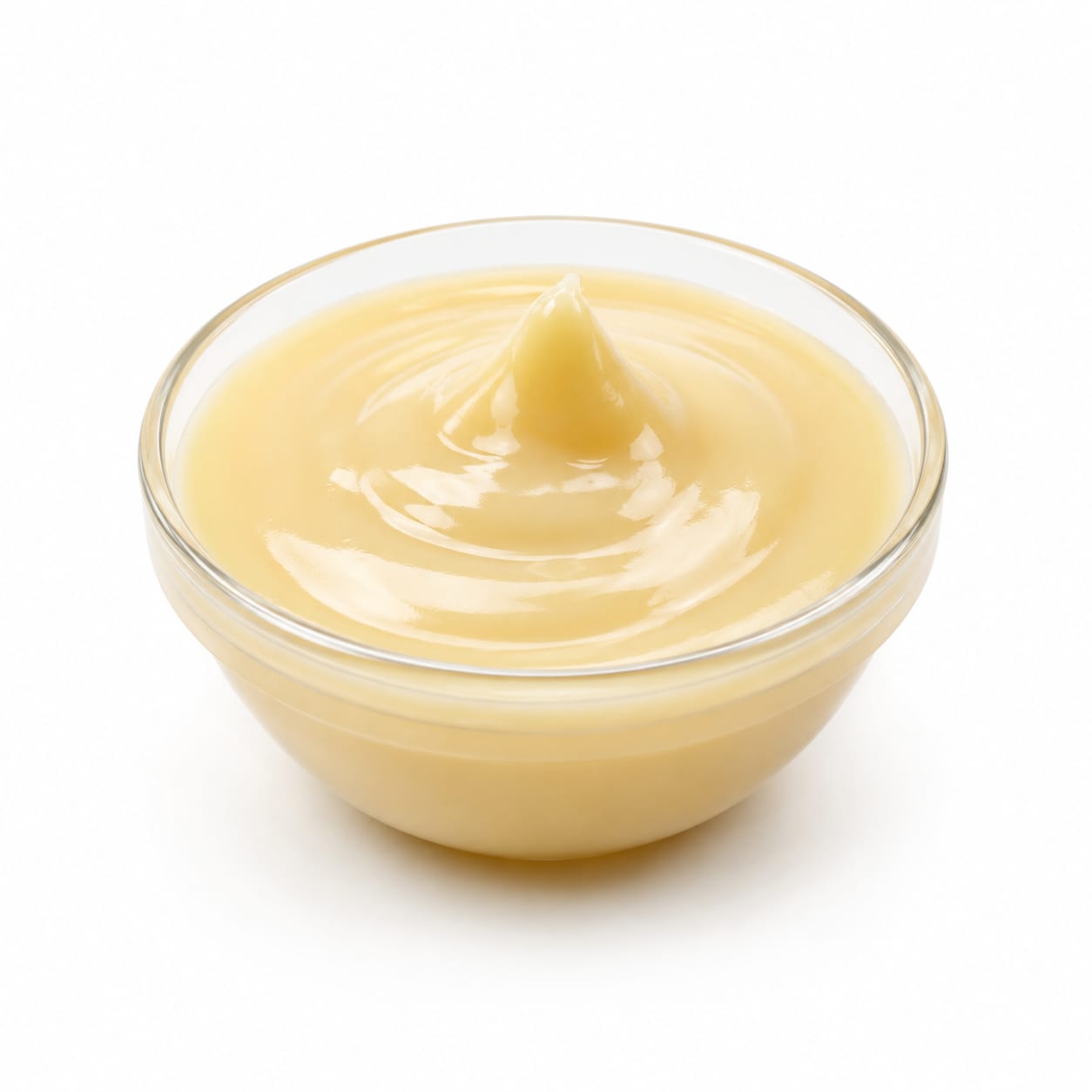
Condensed Milk

Dulce de Leche
Neither is a health food — both are sugar-heavy indulgences. Condensed Milk retains slightly more protein and calcium, while Dulce de Leche offers deeper flavor with less volume needed per serving.
Both score low due to extreme sugar density. Condensed Milk edges ahead because it retains more usable protein and calcium, and its liquid form at least allows easier portion measurement. Dulce de Leche loses points for caramelization byproducts and slightly worse nutrient degradation.
Condensed Milk preserves more dairy nutrients but is easier to overconsume in liquid form. Dulce de Leche delivers more satisfaction per spoonful but carries caramelization byproducts.
At a glance
Executive summary
Overall
It depends
Healthier
Condensed Milk
More practical
Condensed Milk
Daily use
It depends
Key comparison lenses
sugar and calorie comparison
Both are intensely sweet, calorie-dense treats — sugar load is the dominant health concern
blood sugar impact
Both spike blood sugar heavily, but subtle glycemic differences matter for diabetics
cooking and baking versatility
Users typically choose between these for recipes, not as standalone foods
processing and naturalness
Dulce de Leche involves extended caramelization, raising questions about advanced glycation end products
nutrient retention
Longer heating in Dulce de Leche may reduce heat-sensitive vitamins and alter protein quality
Best choice for
Condensed Milk
- Coffee sweetening where you want dairy creaminess too
- Baking recipes requiring pourable sweetness
- Quick calorie boosts for underweight individuals
- Recipes where you need milk solids and sugar combined
Dulce de Leche
- Spread on toast or crackers as a treat
- Latin American dessert traditions
- When small amounts of intense flavor satisfy cravings better
- Dipping fruit or pastry where thickness is preferred
Least suitable for
Condensed Milk
- Anyone monitoring blood sugar closely
- Weight loss diets — too easy to pour generously
- Lactose-intolerant individuals
- Those avoiding liquid calories
Dulce de Leche
- Diabetics — concentrated sugar with minimal protein buffer
- Anyone concerned about AGEs and inflammatory compounds
- Portion control challenges — tastes too good to stop
- Those seeking any nutritional benefit from dairy
Deep comparison
Dimension by dimension
Each lens scores both foods and breaks down who each option suits.
- Dimension 1 · Priority 95Condensed Milk
sugar_and_calorie_density
Condensed Milk · 25Dulce de Leche · 20Both are sugar bombs, but Dulce de Leche is marginally more concentrated per gram due to moisture loss during cooking.
Tradeoff
Condensed Milk has slightly fewer calories per gram, but its pourable consistency makes accidental overportioning more likely.
Why it matters
A two-tablespoon serving of either delivers 20-25g of sugar — half your daily limit. The difference is real but not dramatic.
Real-world impact
Drizzling Condensed Milk over dessert feels light but adds up fast. Spreading Dulce de Leche feels indulgent immediately, which can actually help you stop sooner.
Condensed Milk
- Measurable pouring for recipes
- Slightly lower calorie density per gram
Better for
- Liquid form disguises how much you're actually consuming
Worse for
Dulce de Leche
- Thicker texture signals richness, potentially triggering satiety sooner
Better for
- More concentrated sugar per bite
- Harder to use just a little — flavor demands more
Worse for
- Dimension 2 · Priority 75Condensed Milk
protein_and_calcium_retention
Condensed Milk · 55Dulce de Leche · 40Condensed Milk retains more intact dairy protein and calcium. The prolonged heating for Dulce de Leche denatures proteins and reduces bioavailable calcium.
Tradeoff
You get modest but real dairy nutrition from Condensed Milk. Dulce de Leche sacrifices most of that for caramel depth.
Why it matters
If you're using either as a coffee additive, Condensed Milk at least contributes some protein alongside the sugar hit.
Real-world impact
A tablespoon of Condensed Milk in coffee gives roughly 1.5g protein. Not life-changing, but not nothing. Dulce de Leche offers less.
Condensed Milk
- More intact whey and casein proteins
- Better calcium bioavailability
- Some B-vitamin retention
Better for
- Still far from a meaningful protein source
Worse for
Dulce de Leche
- Maillard reaction products add antioxidant compounds
Better for
- Significant protein denaturation from extended heat
- Reduced calcium absorption
Worse for
- Dimension 3 · Priority 70Condensed Milk
caramelization_byproducts_and_inflammation
Condensed Milk · 50Dulce de Leche · 30Dulce de Leche's long cooking creates advanced glycation end products (AGEs) that Condensed Milk largely avoids.
Tradeoff
That toasty, complex flavor comes with inflammatory compounds. Condensed Milk is sweeter but cleaner from an inflammatory standpoint.
Why it matters
Regular AGEs consumption is linked to faster aging, vascular damage, and worsened insulin resistance over time.
Real-world impact
Occasional Dulce de Leche won't hurt you. But if caramelized foods are a daily habit, the inflammatory load compounds quietly.
Condensed Milk
- Minimal AGEs formation
- Less inflammatory potential per serving
Better for
- Still high in sugar, which is independently inflammatory
Worse for
Dulce de Leche
- Maillard compounds include some antioxidants
Better for
- Significant AGEs content from prolonged heating
- Compounds may worsen insulin resistance over time
Worse for
- Dimension 4 · Priority 80Dulce de Leche
flavor_satisfaction_and_portion_control
Condensed Milk · 45Dulce de Leche · 60Dulce de Leche delivers more flavor intensity per bite, which can actually help with portion awareness.
Tradeoff
Its richness signals indulgence immediately, while Condensed Milk's milder sweetness can sneak past your fullness cues.
Why it matters
Foods that feel intensely rewarding often require less volume to satisfy a craving.
Real-world impact
A thin spread of Dulce de Leche on toast feels like a complete treat. Condensed Milk drizzled on the same toast might leave you reaching for more.
Condensed Milk
- Easier to blend into beverages smoothly
- Milder flavor works in more recipes without dominating
Better for
- Bland sweetness can drive overconsumption
- Doesn't feel like a treat — feels like an ingredient
Worse for
Dulce de Leche
- Higher flavor payoff per small serving
- Thick texture creates stronger satisfaction signal
Better for
- Can be cloying if you don't stop at a small amount
Worse for
- Dimension 5 · Priority 55Condensed Milk
digestive_tolerance
Condensed Milk · 40Dulce de Leche · 35Both are tough on lactose-sensitive stomachs, but Condensed Milk is slightly gentler due to less concentrated lactose per gram.
Tradeoff
Neither is a good choice if dairy bothers you. Condensed Milk is marginally less concentrated, but the difference is small.
Why it matters
If you're lactose intolerant, both will cause bloating and discomfort. The sugar load also feeds gut bacteria in ways that can worsen gas.
Real-world impact
A spoonful of either might be tolerable. A few tablespoons will remind you why you usually avoid dairy.
Condensed Milk
- Slightly less concentrated lactose per gram
- More familiar digestive profile
Better for
- Liquid form makes it easy to consume larger volumes quickly
Worse for
Dulce de Leche
- Sometimes easier to eat tiny amounts due to richness
Better for
- More concentrated lactose per serving
- Sugar density compounds digestive discomfort
Worse for
Timeline
Health impact over time
Short-term
Hours to days
Condensed Milk
- Rapid blood sugar spike within 15-30 minutes
- Quick energy burst followed by a crash
- Possible bloating if lactose sensitive
- Thirst from high sugar concentration
Dulce de Leche
- Similar blood sugar spike, potentially slightly faster due to concentration
- Stronger satiety signal from richness, but still a sugar crash
- More likely to cause digestive heaviness
- Cloying aftertaste may reduce desire for more food temporarily
Long-term
Months to years
Condensed Milk
- Regular use contributes to insulin resistance
- Weight gain from liquid calorie habit
- Dental decay risk from sticky sugar residue
- Modest calcium intake if used regularly, but not worth the sugar cost
Dulce de Leche
- Higher AGEs exposure linked to vascular aging
- Similar insulin resistance and weight gain risks
- Greater inflammatory burden from caramelization compounds
- Potential acceleration of skin aging from glycation
Risk profile
Safety & processing
Both are processed foods made from just milk and sugar, with no artificial additives in traditional versions. Dulce de Leche undergoes more intense thermal processing, but both are fundamentally simple ingredient lists. The concern isn't additives — it's the sheer sugar density and what heating does to dairy proteins.
Condensed Milk
Listeria in unpasteurized versions
lowCommercial Condensed Milk is pasteurized, but homemade or artisanal versions using raw milk carry rare but serious listeria risk.
Botulism in improper home canning
mediumHome-canned Condensed Milk can harbor botulism toxin if not processed correctly. Commercial cans are safe.
Dulce de Leche
Scorching and acrylamide formation
lowIf Dulce de Leche is cooked at too high a temperature, acrylamide can form. Traditional slow cooking minimizes this.
Botulism in home-canned versions
mediumSame canning risk as Condensed Milk. Commercial products are regulated; homemade requires strict pressure canning protocols.
Who wins for whom
Audience fit
Same foods, different winners depending on your goal.
children
Condensed MilkCondensed Milk in small amounts in oatmeal or fruit is more controllable. Dulce de Leche's sticky texture is worse for dental health and harder to portion for kids.
daily consumption
It dependsNeither should be consumed daily. If you must, Condensed Milk in coffee (one teaspoon) is the lesser evil. Dulce de Leche as a daily habit accelerates AGEs accumulation.
diabetes
It dependsNeither is appropriate for diabetics. Both will spike blood sugar severely. If forced to choose, Condensed Milk has slightly more protein to blunt the glycemic hit, but the difference is clinically negligible.
elderly
Condensed MilkOlder adults needing calorie density and calcium get marginally more benefit from Condensed Milk, and its smoother texture is easier to swallow.
muscle gain
Condensed MilkCondensed Milk retains more intact protein and is easier to add to shakes for hard-gainers needing calorie surplus.
weight loss
It dependsNeither supports weight loss. Dulce de Leche's richness might help you eat less total volume, but Condensed Milk is easier to measure precisely. Both are lose-lose for fat loss goals.
Your move
Decision guide
Choose Condensed Milk
- You need a pourable sweetener with dairy creaminess for coffee or baking
- You want slightly more protein and calcium alongside the sugar
- You're measuring portions carefully for a recipe
- You prefer cleaner sweetness without caramel complexity
Choose Dulce de Leche
- You're making a traditional Latin American dessert where authenticity matters
- You want maximum flavor impact from a small amount
- You're treating yourself and want it to feel like a real indulgence
- You prefer spreading over drizzling
Either works if
- You're adding sweetness to a recipe and either texture works
- The sugar content is your main concern and you're keeping portions tiny
- You're using it as a rare treat, not a daily habit
Avoid both if
- You have diabetes or prediabetes
- You're actively trying to lose weight
- You're lactose intolerant
- You're following a low-sugar or anti-inflammatory protocol
- You have a history of emotional or binge eating around sweets
Final recommendation
Use Condensed Milk when you need functional sweetness with a bit of dairy nutrition. Choose Dulce de Leche when flavor experience matters more than marginal health differences. In both cases, treat them as occasional indulgences — not pantry staples. A tablespoon either way is plenty. Your blood sugar, your waistline, and your skin will all thank you for keeping these as sometimes foods.
Practical
Consumer tips
- 1
Refrigerate after opening — both spoil quickly at room temperature
- 2
Measure with a tablespoon rather than pouring freely — visual portion distortion is real
- 3
Try mixing a teaspoon of Condensed Milk into plain Greek yogurt for a controlled sweetness boost
- 4
If making Dulce de Leche at home, cook low and slow to minimize AGEs and scorching
- 5
Freeze Dolce de Leche in small portions for portion-controlled treats
- 6
Check labels — some commercial versions add vegetable oils or preservatives you don't want
- 7
Consider evaporated milk plus your own sweetener as a more controllable alternative to Condensed Milk
- 8
Rinse your mouth after eating either — the sticky sugar residue is brutal on tooth enamel