
Nutrition comparison
Condensed Milk vs Evaporated Milk: Which Is Healthier?
Condensed milk vs evaporated milk comparison — sugar, calories, nutrition, and cooking uses explained. Find out which canned milk is better for your health and recipes.
Overall winner · Evaporated Milk
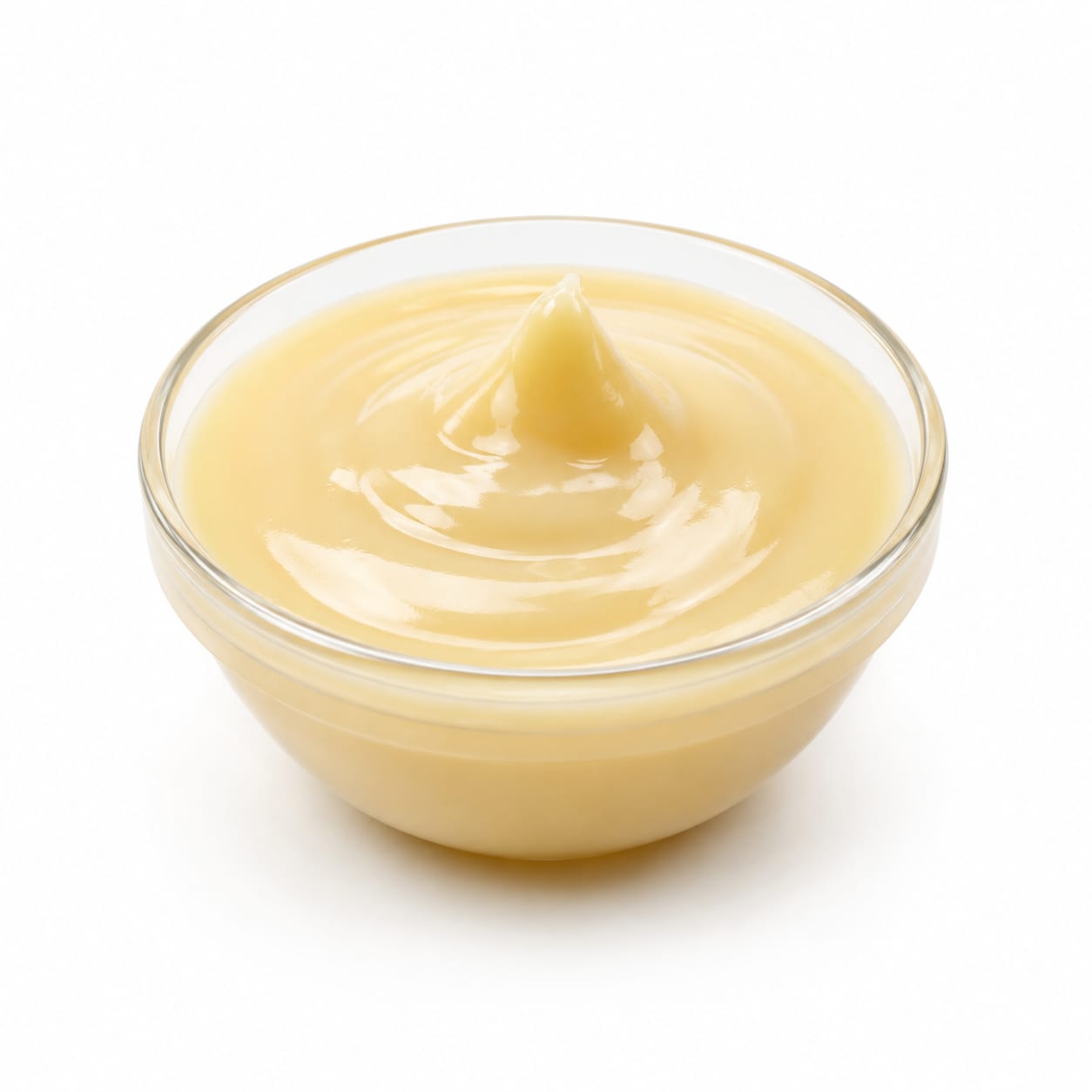
Condensed Milk
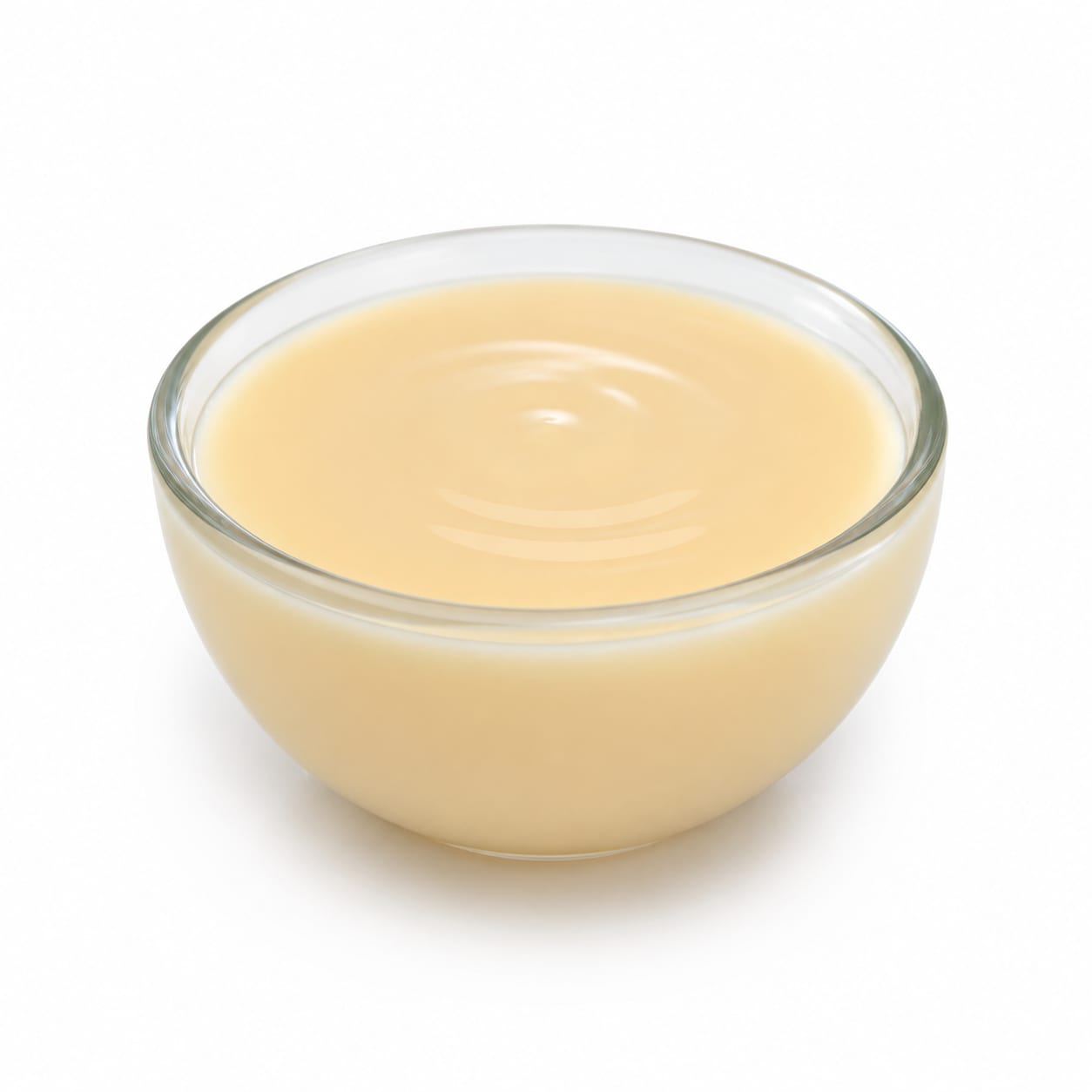
Evaporated Milk
Evaporated milk delivers the same concentrated dairy nutrition without the sugar overload, making it the clearly healthier choice for regular use.
Evaporated milk scores significantly higher because it provides the same concentrated dairy benefits without the enormous added sugar burden. Condensed milk is not inherently toxic but is essentially a dessert ingredient, not a daily dairy staple.
Condensed milk brings rich sweetness and caramel-like depth to desserts, but you pay for it with roughly 55g of added sugar per 100g — evaporated milk skips the sugar entirely.
At a glance
Executive summary
Overall
Evaporated Milk
Healthier
Evaporated Milk
More practical
Evaporated Milk
Daily use
Evaporated Milk
Key comparison lenses
sugar and calorie comparison
Condensed milk contains roughly 55% added sugar by weight, while evaporated milk has none — this is the single most important difference driving all health outcomes
blood sugar and diabetes risk
The massive sugar gap makes this comparison critical for anyone monitoring glucose or managing insulin resistance
cooking and baking versatility
Users often choose between these two for recipes, and picking the wrong one ruins a dish completely
weight management calorie density
Condensed milk is extremely calorie-dense due to sugar, making portion control very difficult
daily dairy nutrition
Both offer concentrated dairy nutrients like calcium and protein, but evaporated milk delivers them without the sugar penalty
Best choice for
Condensed Milk
- Making desserts like flan, fudge, or Vietnamese coffee
- Recipes specifically calling for sweet, rich caramel notes
- Occasional indulgent baking projects
Evaporated Milk
- Savory recipes like mac and cheese or creamy soups
- Coffee creamer replacement with no added sugar
- Anyone watching blood sugar, calories, or daily sugar intake
- Everyday cooking where you control the sweetness yourself
Least suitable for
Condensed Milk
- People with diabetes or insulin resistance
- Daily coffee or tea creamer use
- Anyone managing weight or reducing added sugar
- Savory dishes where sweetness tastes wrong
Evaporated Milk
- Dessert recipes requiring the thick, sweet texture of condensed milk
- Anyone who cannot tolerate any dairy lactose
Deep comparison
Dimension by dimension
Each lens scores both foods and breaks down who each option suits.
- Dimension 1 · Priority 95Evaporated Milk
sugar_and_metabolic_impact
Condensed Milk · 8Evaporated Milk · 85Condensed milk packs around 55g of sugar per 100g — almost all added. Evaporated milk contains only the natural lactose, roughly 7-10g per 100g.
Tradeoff
You get irresistible sweetness from condensed milk, but at the cost of a massive blood sugar spike and crash cycle.
Why it matters
A single 2-tablespoon serving of condensed milk hits you with about 22g of added sugar — nearly the WHO daily limit in one small pour.
Real-world impact
Using condensed milk daily in coffee quietly adds over 1,500 calories and 300g of sugar per week to your diet without you feeling full.
Condensed Milk
- Quick energy for endurance activities if you need fast carbs
Better for
- Triggers sugar cravings and overeating cycles
- Spikes insulin rapidly
Worse for
Evaporated Milk
- Steady energy without the sugar crash
- Diabetes management and blood sugar stability
- Reducing hidden added sugar in your diet
Better for
- No quick carbohydrate energy for intense physical activity
Worse for
- Dimension 2 · Priority 85Evaporated Milk
calorie_density_and_weight_management
Condensed Milk · 15Evaporated Milk · 65Condensed milk delivers about 321 calories per 100g compared to roughly 134 calories for evaporated milk — more than double the calorie load.
Tradeoff
Condensed milk is so calorie-dense that small portions easily exceed your budget, while evaporated milk lets you add creaminess without the caloric penalty.
Why it matters
Liquid calories are the easiest to overconsume because they barely register as fullness. Condensed milk amplifies this problem dramatically.
Real-world impact
Swapping condensed milk for evaporated milk in your daily coffee saves about 100 calories per cup — that adds up to 10 pounds of weight difference over a year.
Condensed Milk
- Backpacking or situations where you need maximum calories in minimum volume
Better for
- Very easy to over-pour and blow past calorie targets
- Liquid sugar does not trigger satiety signals effectively
Worse for
Evaporated Milk
- Sustainable weight management
- Adding creaminess without calorie overload
- Portion control — easier to stay within limits
Better for
- Lower calorie density means less useful for intentional weight gain
Worse for
- Dimension 3 · Priority 80Evaporated Milk
nutrient_density_per_calorie
Condensed Milk · 25Evaporated Milk · 72Both deliver concentrated calcium, protein, and B vitamins from milk. But evaporated milk gives you those nutrients with far fewer empty calories from sugar.
Tradeoff
Condensed milk still has real dairy nutrition, but you have to consume a lot of sugar to access it — a poor nutritional bargain.
Why it matters
Per calorie, evaporated milk is a much more efficient delivery system for protein and calcium because sugar is not diluting the nutrient ratio.
Real-world impact
A quarter cup of evaporated milk gives you about 4g protein and 15% of your daily calcium for only 50 calories. The same calories in condensed milk get you mostly sugar.
Condensed Milk
- Slightly higher absolute calcium per serving due to concentration
Better for
- Sugar crowds out the nutritional value per calorie
Worse for
Evaporated Milk
- Much better protein-to-calorie ratio
- Calcium without the sugar tax
- More efficient nutrient delivery per calorie consumed
Better for
- Slightly lower total mineral content per volume than condensed milk
Worse for
- Dimension 4 · Priority 82Evaporated Milk
cooking_versatility
Condensed Milk · 45Evaporated Milk · 80Evaporated milk works in both sweet and savory dishes. Condensed milk is locked into sweet applications — put it in mac and cheese and you will regret it.
Tradeoff
Condensed milk creates unmatched caramel and toffee flavors in desserts, but it is a one-trick ingredient. Evaporated milk handles soups, sauces, coffee, baking, and more.
Why it matters
If you can only keep one canned milk in your pantry, evaporated milk covers dramatically more recipes without forcing sweetness where it does not belong.
Real-world impact
Evaporated milk makes a great emergency coffee creamer, creamy soup base, or mashed potato enhancer. Condensed milk only makes sense when the recipe explicitly calls for it.
Condensed Milk
- No-simmer caramel and fudge recipes that rely on its sugar content
- Desserts where its thick texture replaces multiple ingredients
Better for
- Ruins savory dishes with unwanted sweetness
- Cannot substitute for evaporated milk in most recipes
Worse for
Evaporated Milk
- Savory cream sauces and soups
- Coffee and tea creamer
- Mashed potatoes and casseroles
- Pumpkin pie and custards where you control the sugar
Better for
- Cannot replicate the thick, sweet caramel texture of condensed milk in desserts
Worse for
- Dimension 5 · Priority 60Evaporated Milk
digestive_tolerance
Condensed Milk · 30Evaporated Milk · 55Both are concentrated dairy with similar lactose content, but the high sugar load in condensed milk can worsen digestive discomfort for sensitive people.
Tradeoff
Neither is ideal for lactose-intolerant individuals, but evaporated milk is slightly gentler because it does not add sugar fermentation on top of lactose digestion issues.
Why it matters
High sugar combined with lactose can create a double-hit of bloating and gas for sensitive digestive systems.
Real-world impact
If regular milk bothers your stomach, condensed milk will likely feel worse — the sugar feeds gut bacteria that produce extra gas alongside the lactose issue.
Condensed Milk
- No specific digestive advantage
Better for
- Sugar plus lactose doubles the digestive challenge
- More likely to trigger IBS-like symptoms
Worse for
Evaporated Milk
- Slightly easier on sensitive stomachs without the sugar load
- Less likely to cause bloating from sugar fermentation
Better for
- Still contains lactose — not suitable for lactose-intolerant individuals
Worse for
Timeline
Health impact over time
Short-term
Hours to days
Condensed Milk
- Rapid blood sugar spike within 15-30 minutes of consumption
- Brief energy surge followed by a crash that increases fatigue and cravings
- Potential digestive discomfort from combined sugar and lactose load
Evaporated Milk
- Steady energy with minimal blood sugar disruption
- Mild satiety from protein and fat content
- Possible mild lactose symptoms in sensitive individuals
Long-term
Months to years
Condensed Milk
- Regular use significantly increases risk of insulin resistance and type 2 diabetes
- Contributes to weight gain and visceral fat accumulation when used daily
- High added sugar intake linked to increased cardiovascular risk over time
- Dental decay risk from frequent sugar exposure
Evaporated Milk
- Supports bone density through consistent calcium intake without sugar penalty
- Neutral to positive for metabolic health when used as a dairy supplement
- Moderate saturated fat intake worth monitoring for heart health
Risk profile
Safety & processing
Both are processed by water removal and heat treatment, but neither contains artificial preservatives or emulsifiers. The key difference is that condensed milk adds a large amount of refined sugar during processing — evaporated milk does not. From a clean-label perspective, evaporated milk is closer to whole food with one processing step, while condensed milk is essentially a dairy-based candy.
Condensed Milk
Canned dairy spoilage after opening
mediumOnce opened, condensed milk must be refrigerated and used within 5-7 days. Its high sugar content provides some antimicrobial protection but not enough to leave it out.
Dental health impact
mediumThe sticky, sugary consistency clings to teeth and feeds cavity-causing bacteria more aggressively than most foods.
Evaporated Milk
Canned dairy spoilage after opening
mediumMust be refrigerated after opening and consumed within 3-5 days. Slightly shorter safe window than condensed milk because it lacks the sugar's preservative effect.
BPA exposure from can lining
lowMost canned milks use BPA-free linings now, but older or discount brands may still use BPA-based coatings. Worth checking labels if this concerns you.
Who wins for whom
Audience fit
Same foods, different winners depending on your goal.
children
Evaporated MilkKids already get too much added sugar. Evaporated milk in oatmeal or mashed potatoes adds nutrition without training their palate toward excessive sweetness.
daily consumption
Evaporated MilkEvaporated milk works as an everyday pantry staple for cooking and coffee. Condensed milk is a treat ingredient, not a daily driver.
diabetes
Evaporated MilkNo added sugar means no insulin spike. Condensed milk is essentially off-limits for anyone managing blood glucose.
elderly
Evaporated MilkOlder adults need calcium and protein without the blood sugar and inflammatory risks that come with high added sugar intake.
muscle gain
Evaporated MilkEvaporated milk provides more protein per calorie, making it a better fit for muscle-building diets where you want nutrients without empty sugar calories.
weight loss
Evaporated MilkEvaporated milk adds creaminess and dairy nutrition at less than half the calories of condensed milk, with zero added sugar sabotaging your deficit.
Your move
Decision guide
Choose Condensed Milk
- You are making a specific dessert that requires condensed milk — flan, fudge, key lime pie, or Vietnamese iced coffee
- You want a thick, sweet caramel-like ingredient that cannot be replicated easily
- You are in a calorie-surplus situation and need dense energy
Choose Evaporated Milk
- You want a versatile pantry milk for cooking, coffee, or baking
- You are watching your sugar intake, weight, or blood sugar
- You need a creamer or soup base that does not add unwanted sweetness
- You want dairy nutrition without the sugar penalty
Either works if
- You are making a custard or pie where you can adjust sugar separately — evaporated milk plus your own sweetener often works better
- You need shelf-stable milk for emergency preparedness
Avoid both if
- You are lactose intolerant and do not have lactase enzyme supplements
- You are strictly avoiding all dairy for allergy or vegan reasons
- You have severe milk protein allergy
Final recommendation
Keep evaporated milk as your everyday canned milk — it handles 90% of what you need from a pantry dairy product without sneaking in massive sugar. Save condensed milk for the occasional dessert recipe where its sweetness and thickness are the whole point. If you are using condensed milk in your coffee every morning, switching to evaporated milk is one of the easiest sugar cuts you will ever make.
Practical
Consumer tips
- 1
Never substitute condensed milk for evaporated milk in savory recipes — the sweetness will ruin the dish
- 2
You can substitute evaporated milk for condensed milk in many desserts by adding sugar yourself, giving you control over sweetness levels
- 3
Check labels carefully — some brands sell unsweetened condensed milk, which is actually just evaporated milk under a confusing name
- 4
Freeze leftover evaporated milk in ice cube trays for future small-portion use — it thaws well
- 5
If a recipe calls for condensed milk and you only have evaporated milk, mix 1 cup evaporated milk with 1.25 cups sugar and heat gently until dissolved as a rough substitute
- 6
Both products last months unopened in the pantry, but always transfer to a glass container after opening — the can imparts a metallic taste over time