
Nutrition comparison
Condensed Milk vs Heavy Cream: Which Is Healthier for Cooking, Coffee, and Baking?
Compare Condensed Milk and Heavy Cream on sugar, fat, calories, and health impact. Learn which is better for keto, diabetes, weight loss, and everyday cooking.

Condensed Milk
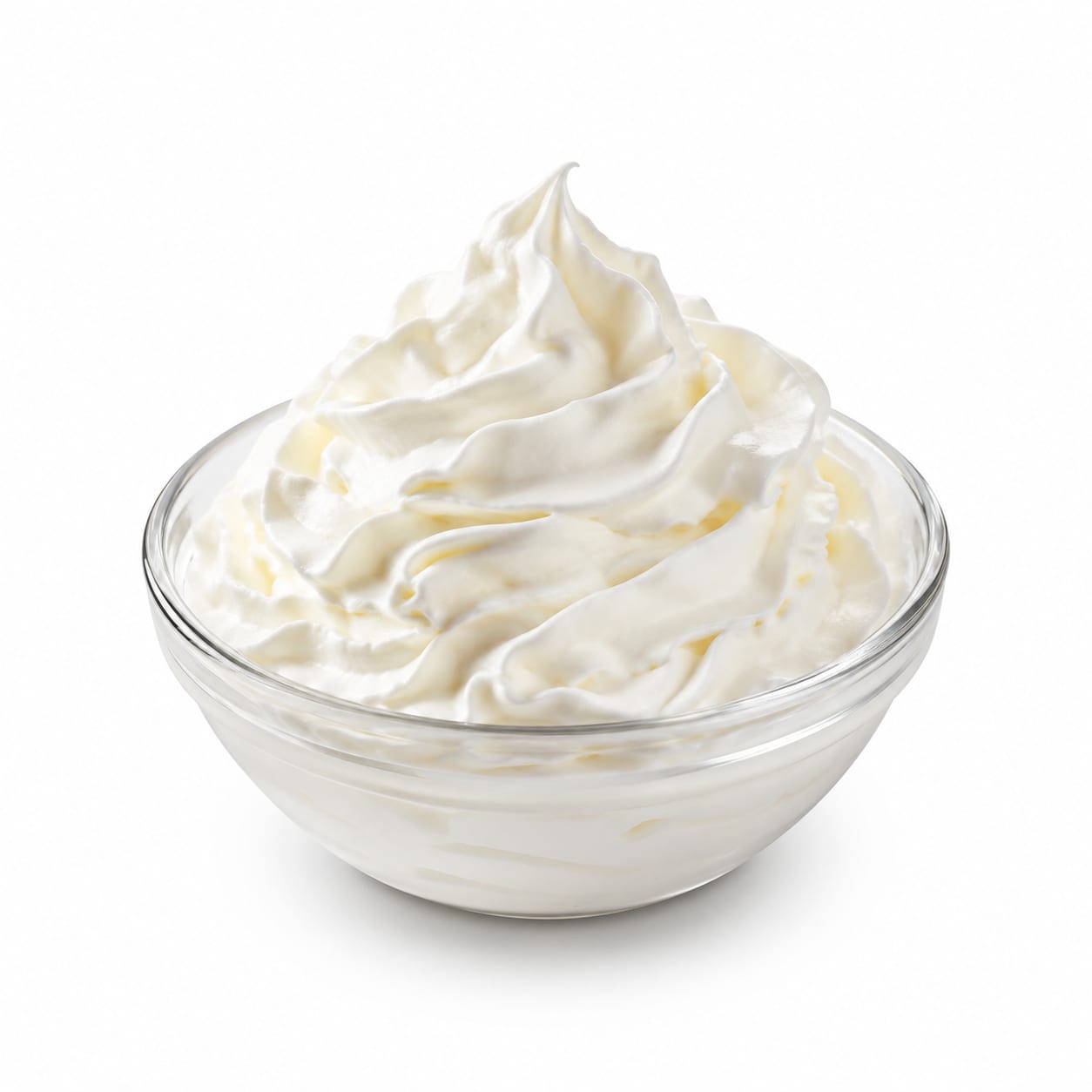
Heavy Cream
Heavy Cream wins for metabolic health and low-sugar diets, but Condensed Milk offers more protein and calcium when you need a sweet dairy base.
Heavy Cream scores higher primarily due to zero added sugar and minimal processing. Condensed Milk loses significant ground from its massive sugar content, though it earns points for protein and calcium density.
Sugar load versus fat load — Condensed Milk hits your blood sugar hard, while Heavy Cream loads you with saturated fat but keeps sugar minimal.
At a glance
Executive summary
Overall
It depends
Healthier
Heavy Cream
More practical
It depends
Daily use
Heavy Cream
Key comparison lenses
sugar vs fat tradeoff
Condensed Milk is sugar-dominant while Heavy Cream is fat-dominant, making this the core decision axis
blood sugar impact
Massive difference in sugar content directly affects metabolic health and diabetes risk
cooking and baking use
Both are pantry staples chosen primarily for recipes, not eaten alone
weight management strategy
Users often wonder whether sugar calories or fat calories are worse for weight goals
processing and naturalness
Condensed Milk is more processed with added sugar, while Heavy Cream is closer to its natural state
Best choice for
Condensed Milk
- People making desserts that require sweetness and body
- Anyone needing concentrated calories for weight gain
- Recipes like flan, fudge, or Vietnamese coffee
- Those wanting dairy protein and calcium in a sweet format
Heavy Cream
- Low-carb and keto dieters
- People managing blood sugar or diabetes
- Home cooks making savory sauces and soups
- Anyone wanting rich texture without the sugar spike
Least suitable for
Condensed Milk
- People with diabetes or insulin resistance
- Anyone on a low-sugar or low-carb diet
- Those trying to lose weight through sugar reduction
- People avoiding highly processed foods
Heavy Cream
- People strictly limiting saturated fat intake
- Anyone with dairy fat intolerance
- Those on low-calorie diets who find high-fat foods trigger overeating
- People with gallbladder issues
Deep comparison
Dimension by dimension
Each lens scores both foods and breaks down who each option suits.
- Dimension 1 · Priority 95Heavy Cream
sugar_and_metabolic_impact
Condensed Milk · 12Heavy Cream · 88Condensed Milk contains roughly 55g of sugar per 100g — over 11 teaspoons. Heavy Cream has only about 3g of naturally occurring lactose sugar.
Tradeoff
Choosing Condensed Milk means accepting a significant blood sugar spike; choosing Heavy Cream means avoiding that spike but consuming more saturated fat.
Why it matters
Frequent sugar spikes drive insulin resistance, cravings, and fat storage. Heavy Cream barely registers on the glycemic index.
Real-world impact
A couple tablespoons of Condensed Milk in your coffee can trigger an afternoon energy crash. Heavy Cream in the same coffee provides steady richness without the crash.
Condensed Milk
- Post-workout recovery when quick carbs are actually wanted
- Endurance athletes needing fast glycogen replenishment
Better for
- Insulin-resistant individuals
- Children at risk for metabolic issues
- Anyone monitoring triglycerides
Worse for
Heavy Cream
- Diabetics managing blood sugar
- Keto and low-carb dieters
- Anyone prone to sugar cravings
- People trying to break the sugar crash cycle
Better for
- Those who overconsume fat calories easily
- People with familial hypercholesterolemia
Worse for
- Dimension 2 · Priority 85Heavy Cream
fat_profile_and_satiety
Condensed Milk · 30Heavy Cream · 78Heavy Cream delivers about 37g of fat per 100g, mostly saturated. Condensed Milk has only about 9g of fat. Fat provides lasting fullness that sugar cannot match.
Tradeoff
Heavy Cream keeps you satisfied longer but packs more fat calories. Condensed Milk leaves you hungry again sooner due to its sugar-without-fiber structure.
Why it matters
Satiety determines whether you reach for a second helping. Fat triggers fullness signals; sugar often bypasses them.
Real-world impact
A sauce made with Heavy Cream feels rich and satisfying, so you eat less. A Condensed Milk-based dessert can disappear quickly because sugar overrides your fullness cues.
Condensed Milk
- Low-fat diet followers who prioritize fat avoidance over sugar avoidance
- Recipes where a lighter mouthfeel is preferred
Better for
- People who find sugary foods trigger binge eating
- Those needing sustained energy without crashes
Worse for
Heavy Cream
- Intermittent fasters breaking a fast with stable energy
- Anyone who finds high-fat meals reduce snacking
- Low-carb meal builders
Better for
- Anyone tracking saturated fat for heart health concerns
- People with fat malabsorption issues
Worse for
- Dimension 3 · Priority 75Condensed Milk
protein_and_micronutrients
Condensed Milk · 72Heavy Cream · 35Condensed Milk retains more milk solids, delivering about 7-8g of protein and significant calcium per 100g. Heavy Cream has minimal protein at around 2g.
Tradeoff
You get more nutrition per calorie from Condensed Milk, but you pay for it with sugar. Heavy Cream is nutritionally sparse beyond fat-soluble vitamins.
Why it matters
Protein supports muscle maintenance and satiety. Calcium matters for bone health. Condensed Milk actually contributes meaningfully to daily intake of both.
Real-world impact
Adding Condensed Milk to a smoothie gives you a protein and calcium boost, but it also turns a healthy smoothie into a sugar bomb. Heavy Cream adds almost no protein but also no sugar.
Condensed Milk
- Growing children who need calcium and can handle the sugar
- Underweight individuals needing nutrient-dense calories
- Bakers needing both sweetness and dairy solids for texture
Better for
- People who assume the protein justifies the sugar load
- Those tracking macros carefully
Worse for
Heavy Cream
- Those already meeting protein needs from other sources
- Anyone prioritizing fat-soluble vitamin absorption
Better for
- Elderly individuals who need every protein opportunity
- Anyone relying on dairy as a protein source
Worse for
- Dimension 4 · Priority 70Heavy Cream
processing_and_additives
Condensed Milk · 35Heavy Cream · 80Heavy Cream is simply separated milk fat with minimal intervention. Condensed Milk is heated, concentrated, and loaded with added sugar.
Tradeoff
Heavy Cream is closer to a whole food. Condensed Milk is a processed product designed for shelf stability and sweetness.
Why it matters
Less processing generally means fewer surprises for your metabolism and fewer hidden additives.
Real-world impact
Heavy Cream has one or two ingredients. Condensed Milk always includes added sugar as a primary ingredient, making it a processed food by definition.
Condensed Milk
- Emergency preparedness — Condensed Milk lasts months unopened
- Situations requiring shelf-stable dairy
Better for
- Anyone following a whole-foods philosophy
- Those concerned about added sugars in processed foods
Worse for
Heavy Cream
- Clean-eating advocates
- Those avoiding ultra-processed foods
- People who want to control their own sweetening level
Better for
- People without reliable refrigeration
- Those who need long-shelf-life pantry staples
Worse for
- Dimension 5 · Priority 75It depends
calorie_density_and_portion_control
Condensed Milk · 40Heavy Cream · 45Both are calorie-dense at roughly 320-340 calories per 100g. Neither is a low-calorie food. The difference is how those calories affect your appetite afterward.
Tradeoff
Condensed Milk calories come from sugar and drive more hunger. Heavy Cream calories come from fat and suppress hunger. Same calories, very different outcomes.
Why it matters
Calorie quality matters as much as quantity. Sugar calories often lead to eating more later. Fat calories tend to reduce subsequent intake.
Real-world impact
Two tablespoons of Heavy Cream in coffee might keep you full until lunch. Two tablespoons of Condensed Milk might leave you craving something savory an hour later.
Condensed Milk
- Active individuals who burn through sugar quickly
- Hard gainers needing easy calorie surplus
Better for
- Emotional eaters triggered by sweet foods
- Anyone who struggles to stop at one serving of sweet things
Worse for
Heavy Cream
- Portion-conscious eaters who benefit from built-in satiety
- Those who find fat-rich foods naturally limit themselves
Better for
- People who find high-fat foods too easy to over-pour
- Those who do not measure portions and assume cream is light
Worse for
- Dimension 6 · Priority 80It depends
culinary_versatility
Condensed Milk · 60Heavy Cream · 70Heavy Cream works in both sweet and savory dishes. Condensed Milk is locked into sweet applications unless used in very specific cultural recipes.
Tradeoff
Heavy Cream can become whipped cream, butter, or a savory pan sauce. Condensed Milk is essentially a one-trick ingredient for sweet recipes.
Why it matters
A more versatile ingredient gets used more often and in healthier contexts, like vegetable-based soups and sauces.
Real-world impact
Heavy Cream can finish a pasta sauce, top a soup, or whip into dessert. Condensed Milk basically makes desserts and sweet drinks — that is its whole identity.
Condensed Milk
- Specific dessert traditions like key lime pie, brigadeiros, or dulce de leche
- Sweet coffee drinks like Vietnamese iced coffee
- No-churn ice cream recipes
Better for
- Home cooks looking to reduce sugar across all meals
- People who want a multipurpose fridge staple
Worse for
Heavy Cream
- Cooks who want one dairy ingredient for multiple uses
- Savory cooking enthusiasts
- Anyone making Alfredo, chowder, or ganache
Better for
- Bakers who need built-in sweetness and thickness
- Those making no-bake desserts that rely on Condensed Milk's unique texture
Worse for
Timeline
Health impact over time
Short-term
Hours to days
Condensed Milk
- Rapid blood sugar spike within 15-30 minutes of consumption
- Short energy burst followed by a crash
- Potential for increased thirst due to high sugar concentration
- Mild digestive discomfort if lactose intolerant, though less likely than regular milk due to lower lactose relative to sugar
Heavy Cream
- Slow, steady energy release with minimal blood sugar impact
- Quick feeling of fullness due to high fat content
- Possible digestive heaviness if consuming large amounts
- Minimal blood sugar fluctuation
Long-term
Months to years
Condensed Milk
- Regular consumption significantly increases risk of insulin resistance
- High added sugar intake linked to elevated triglycerides and fatty liver risk
- Dental decay risk from concentrated sugar exposure
- Potential weight gain driven by sugar's effect on appetite dysregulation
Heavy Cream
- High saturated fat intake may raise LDL cholesterol in sensitive individuals
- Neutral to beneficial effect on HDL cholesterol for most people
- Low sugar content means minimal metabolic disruption long-term
- Potential cardiovascular concern if consumed excessively alongside a poor overall diet
Risk profile
Safety & processing
Neither product contains concerning artificial additives. The key difference is that Condensed Milk has sugar added as a primary ingredient and undergoes significant heat processing, while Heavy Cream is simply the fat layer separated from milk with minimal intervention.
Condensed Milk
spoilage_after_opening
mediumOnce opened, Condensed Milk must be refrigerated and consumed within a week. Its high sugar content provides some preservation, but contamination can still occur.
caramelization_compounds
lowThe high-heat processing during production creates some Maillard reaction products. While not acutely dangerous, frequent intake of heavily caramelized dairy is not ideal.
Heavy Cream
spoilage_and_rancidity
mediumHeavy Cream spoils quickly once opened, typically within 5-7 days. Rancid cream can cause foodborne illness if consumed.
raw_cream_exposure
lowIf purchasing unpasteurized Heavy Cream, there is a risk of bacterial contamination including Listeria and Salmonella. Most commercial cream is pasteurized.
Who wins for whom
Audience fit
Same foods, different winners depending on your goal.
children
It dependsCondensed Milk offers calcium and protein growing kids need, but the sugar content is excessive. Heavy Cream in moderate amounts adds healthy fats for development without the sugar bomb. Neither should be a daily staple for children.
daily consumption
Heavy CreamSmall amounts of Heavy Cream in coffee or cooking fit reasonably into a daily diet. Daily Condensed Milk consumption would mean chronic high sugar intake, which is difficult to justify nutritionally.
diabetes
Heavy CreamHeavy Cream has minimal impact on blood sugar. Condensed Milk is essentially a concentrated sugar delivery system and is strongly discouraged for anyone managing diabetes.
elderly
Heavy CreamOlder adults often need to manage blood sugar and cardiovascular risk. Heavy Cream provides calories without metabolic disruption. Condensed Milk's sugar load poses more risk than benefit in this population.
muscle gain
Condensed MilkCondensed Milk provides more protein per serving and the sugar can serve as a post-workout insulin spike that supports nutrient uptake, though neither is an ideal protein source.
weight loss
Heavy CreamHeavy Cream's fat content provides satiety that helps control overall intake. Condensed Milk's sugar drives hunger and cravings, making portion control much harder.
Your move
Decision guide
Choose Condensed Milk
- You are making a specific dessert that requires its unique sweet, thick texture
- You need concentrated calories for weight gain and can tolerate the sugar
- You are an endurance athlete looking for quick carbs alongside dairy protein
- You are preparing traditional recipes from Latin American, Southeast Asian, or Eastern European cuisines where substitution would ruin the dish
Choose Heavy Cream
- You want richness without sugar in your coffee, tea, or cooking
- You are following a low-carb, keto, or diabetic-friendly eating plan
- You need a versatile dairy ingredient that works in both sweet and savory dishes
- You want to control your own sweetness level rather than having it built in
- You prioritize minimal processing and fewer ingredients
Either works if
- You only use small amounts occasionally as a cooking ingredient
- Your overall diet is well-balanced and neither product is a daily staple
- You are making a dessert where either could work with recipe adjustments
Avoid both if
- You have a dairy allergy or severe lactose intolerance
- You are on a strict calorie-restricted diet and cannot afford liquid calories
- You have both severe cardiovascular risk and diabetes, making both saturated fat and sugar problematic
Final recommendation
For most people, Heavy Cream is the better everyday choice because it adds richness without the metabolic cost of added sugar. Save Condensed Milk for the desserts and cultural recipes where it truly shines — not as a daily dairy staple. If you want sweetness, add your own controlled amount of sugar to Heavy Cream rather than letting Condensed Milk dictate the dose.
Practical
Consumer tips
- 1
A tablespoon of Heavy Cream in coffee adds about 50 calories and zero sugar. A tablespoon of Condensed Milk adds about 60 calories and over 8 grams of sugar.
- 2
If a recipe calls for Condensed Milk and you want less sugar, try simmering Heavy Cream with a controlled amount of your preferred sweetener until it thickens.
- 3
Condensed Milk can be transformed into dulce de leche by simmering the unopened can in water for 3-4 hours — but monitor carefully to prevent the can from boiling dry.
- 4
Heavy Cream whips best when very cold. Condensed Milk will never whip no matter how long you beat it — its sugar structure prevents aeration.
- 5
Freeze leftover Heavy Cream in ice cube trays for future use. Condensed Milk also freezes well but may separate slightly upon thawing.
- 6
Check labels on Condensed Milk — some brands add palm oil or other fillers. The best versions contain only milk and sugar.
- 7
Organic Heavy Cream avoids antibiotic and hormone exposure from conventional dairy farming, which is worth the premium if you consume it regularly.