
Indian Curry
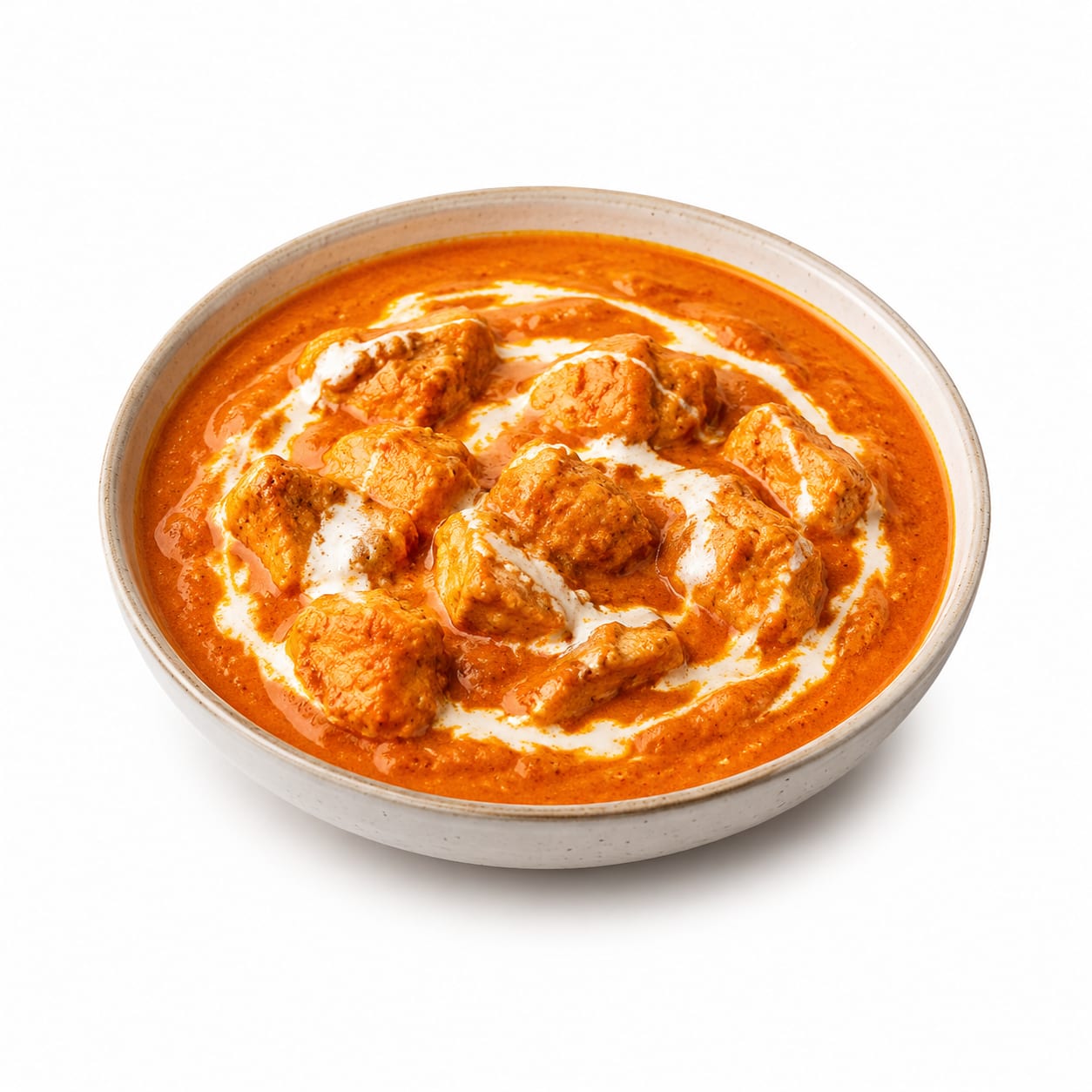
Butter Chicken
A high-calorie, creamy Indian curry made with chicken, tomatoes, butter, and cream.
A rich, creamy Indian curry made with marinated chicken cooked in a spiced tomato-butter-cream sauce, known for its mild, sweet, and savory flavor profile.
high-fat moderate-protein curry dish
Typical serving · 240g
Common varieties · restaurant-style butter chicken, homemade butter chicken, jarred butter chicken sauce, low-fat butter chicken, paneer makhani +1 more
Overall context score across nutrition, safety, and diet fit
At a glance
Quick facts
Simple indicators based on nutrition, processing, and diet fit.
The story
What makes it unique
Butter chicken provides a high-protein, high-fat macronutrient profile with minimal carbohydrates. The high fat content from butter and cream significantly slows gastric emptying and digestion, leading to prolonged satiety but also high caloric density. Commercial preparations often contain added sugars and emulsifiers, increasing the processing level compared to homemade versions.
Varieties: restaurant-style butter chicken · homemade butter chicken · jarred butter chicken sauce · low-fat butter chicken · paneer makhani · slow cooker butter chicken
Per 100g
Nutrition breakdown
Macro balance and key metrics at a glance.
Energy
Density 2.30 kcal/g
Protein
Carbs
Fat
Fiber
Sugar
3 g
Sodium
420 mg
Potassium
310 mg
Glycemic index
35
Glycemic load
2
Water content
60%
Standout compounds
Nutrient highlights
Protein
highSupports muscle repair and satiety
Saturated Fat
highProvides dense energy but can impact heart health
Selenium
moderateSupports thyroid function and antioxidant defense
Vitamin B6
moderateAids in protein metabolism and cognitive development
Vitamin A
moderateSupports vision and immune function from tomato and dairy
Wellness map
Health scores & processing
NOVA processing scale
highly processed · Ultra-processed
Restaurant and commercial versions typically contain added sugars, industrial thickeners, and high amounts of refined dairy, classifying them as ultra-processed. Homemade versions using whole ingredients fall closer to Nova 3.
Diet compatibility
- Weight loss
- Muscle gain
- Diabetes
- Gut health
- Low carb
- High protein
- Heart health
Relative standing
Food rankings
Qualitative ranks compared to similar whole foods.
- Satietymoderate
- Blood sugargood
- Nutrient densitymoderate
- Fitness fuelmoderate
- Processing qualitypoor
Eat with confidence
Food safety profile
Primary risks come from raw chicken handling and dairy spoilage. Spice quality can also be a concern with imported commercial mixes.
Evidence confidence 85%
- Pesticidesmoderate
- Antibioticsmoderate
- Heavy metalslow
- Contaminationmoderate
Watch for
- campylobacter
- salmonella
- spice adulterants
Safer choices
Organic, free-range chicken and organic tomato puree significantly reduce antibiotic and pesticide exposure.
Prep tips
Ensure chicken is cooked to an internal temperature of 165°F (74°C). Refrigerate leftovers promptly due to dairy content.
Conventional poultry farming often uses antibiotics; tomato-based sauces can harbor pesticide residues unless organic.
Deep dive
Health analysis
How this food may fit different goals and preparation choices.
Weight loss
High energy density makes it easy to overconsume calories; not ideal for a calorie deficit unless portions are strictly controlled.
Blood sugar
Low glycemic index and load due to high fat and low carbohydrate content, but hidden sugars in restaurant recipes can cause unexpected spikes.
Fitness & energy
Provides high-quality protein for muscle repair, but the high fat content slows digestion, making it a poor choice for immediate post-workout recovery.
Gut health
Lacks dietary fiber and the high saturated fat content can negatively impact gut microbiome diversity if consumed as a dietary staple.
Processing quality
Commercial versions often rely on refined seed oils, added sugars, and emulsifiers rather than traditional whole dairy and spices.
Food safety
Safe when chicken is properly cooked and dairy is kept at safe temperatures; spice adulteration is a minor risk in some commercial mixes.
Common mistakes
Assuming it is a healthy low-carb staple, eating large portions, and pairing it with excessive amounts of refined carbs like naan bread.
Best preparation
Homemade using Greek yogurt instead of cream, reducing butter by half, and adding pureed cashews or cauliflower for sauce thickness.
Practical guide
Best use cases
When and how this food fits real eating patterns.
High-calorie bulking phase
Useful for athletes or bodybuilders in a caloric surplus who need dense energy and high protein.
Low-carb indulgence
Fits into ketogenic or low-carb diets when paired with low-carb vegetables instead of rice.
Occasional comfort meal
A satisfying option for occasional dining out or comfort food cravings without strict dietary restrictions.
Balance sheet
Pros & cons
Upsides
- High in complete protein from chicken
- Low in carbohydrates and glycemic load
- Rich in flavor, making diet compliance easier for low-carb dieters
- Contains beneficial spices like turmeric and ginger with anti-inflammatory properties
- Good source of B vitamins and selenium
Trade-offs
- Very high in saturated fat and calories from butter and cream
- Restaurant versions often contain hidden added sugars
- Low in dietary fiber
- High sodium content in commercial preparations
- Not suitable for dairy-free or vegan diets without major modifications
Fit check
Who is it for?
Great match
- low-carb diets
- caloric surplus bulking
- occasional comfort dining
Consider alternatives
- weight loss
- heart-healthy diets
- low-fat diets
- daily meal prep
Side by side
How it compares
Open the full head-to-head analysis for nutrition, safety, and practical tradeoffs.
This food
Butter Chicken
VS95% alike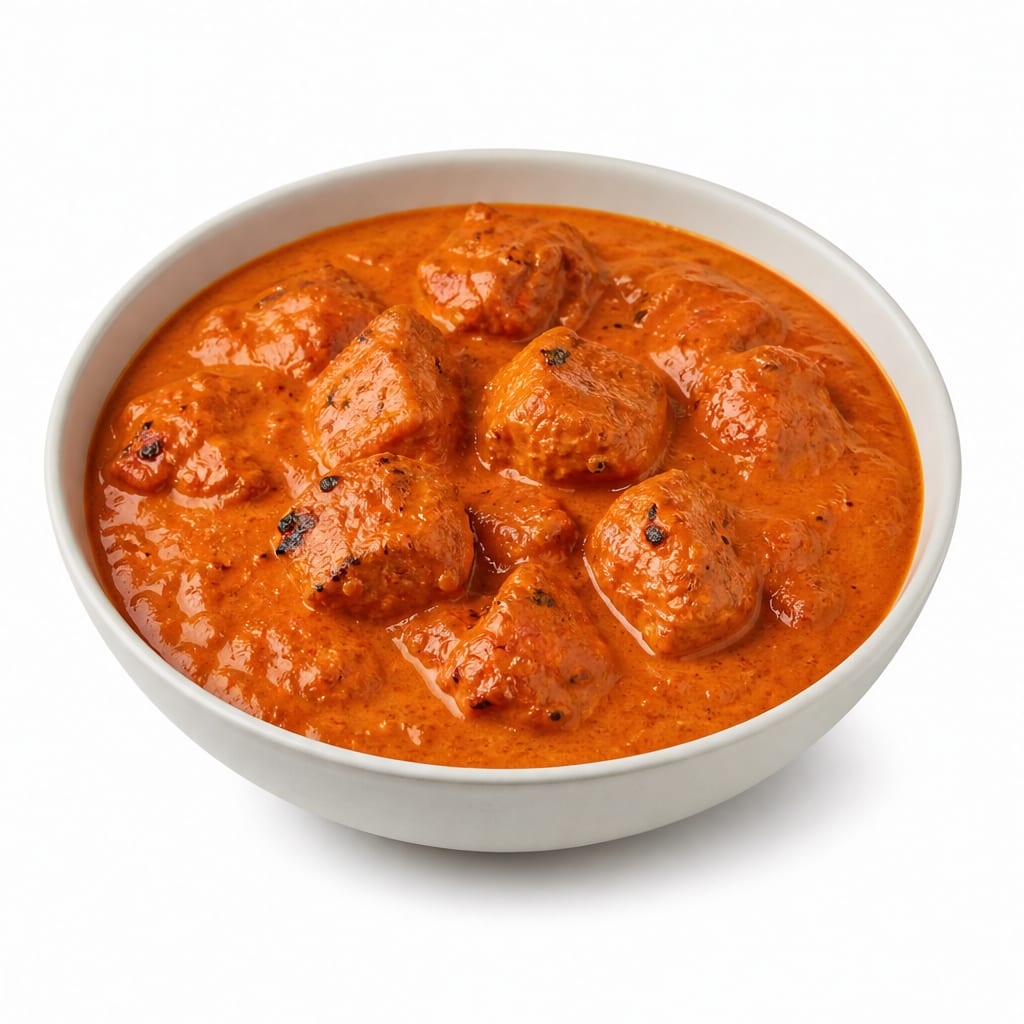
Compare with
Chicken Tikka Masala
Tikka masala has a slightly spicier, more robust tomato flavor, while butter chicken is creamier and sweeter.
Chicken tikka masala is slightly lower in fat and calories than butter chicken, making it the better choice for weight loss, though both are high-protein creamy curries.
This food
Butter Chicken
VS80% alike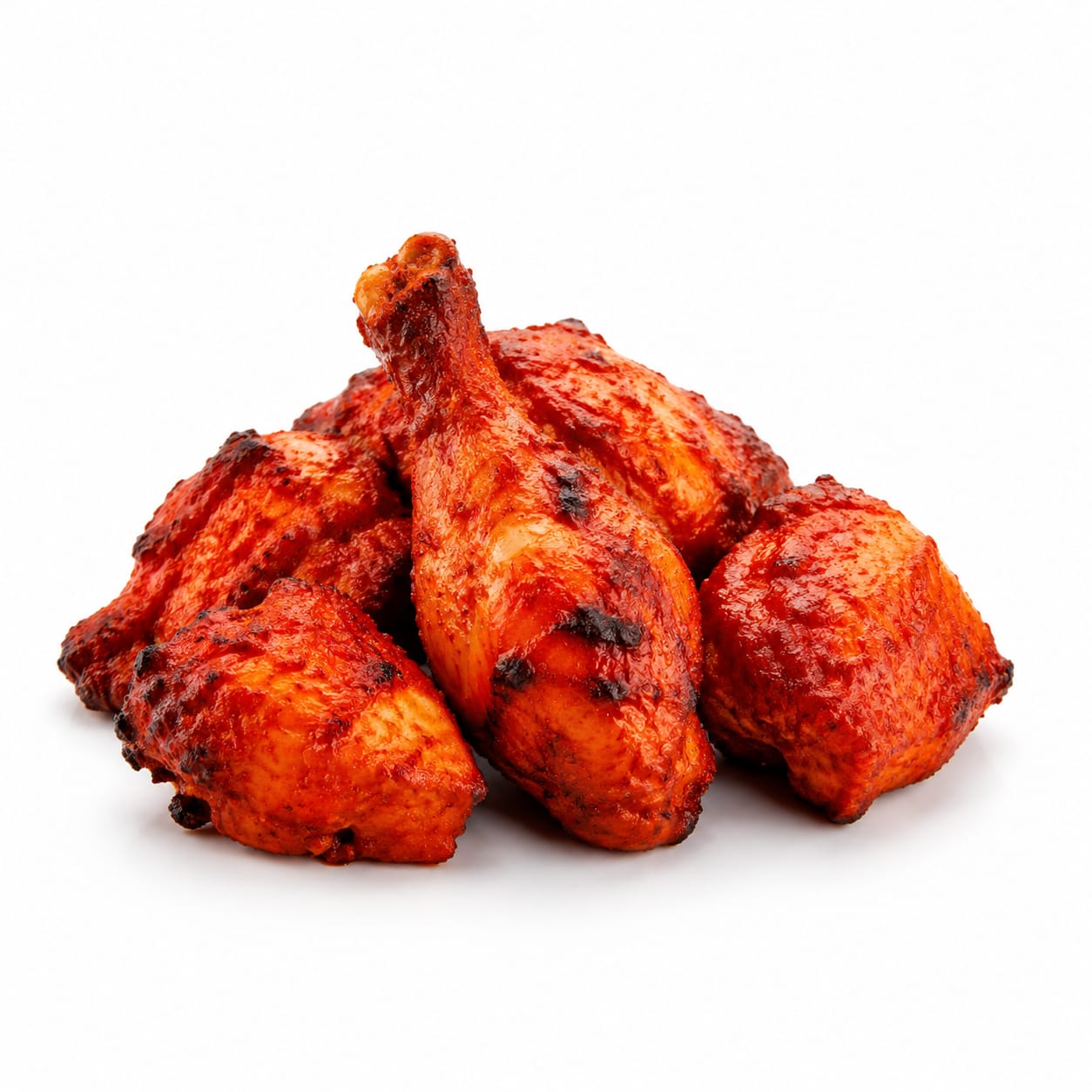
Compare with
Tandoori Chicken
Tandoori chicken is dry-roasted without creamy sauce, making it significantly lower in fat and calories.
Tandoori chicken beats butter chicken for weight loss and fitness because it skips the heavy cream and butter, offering pure high-protein, low-fat nutrition.
This food
Butter Chicken
VS85% alike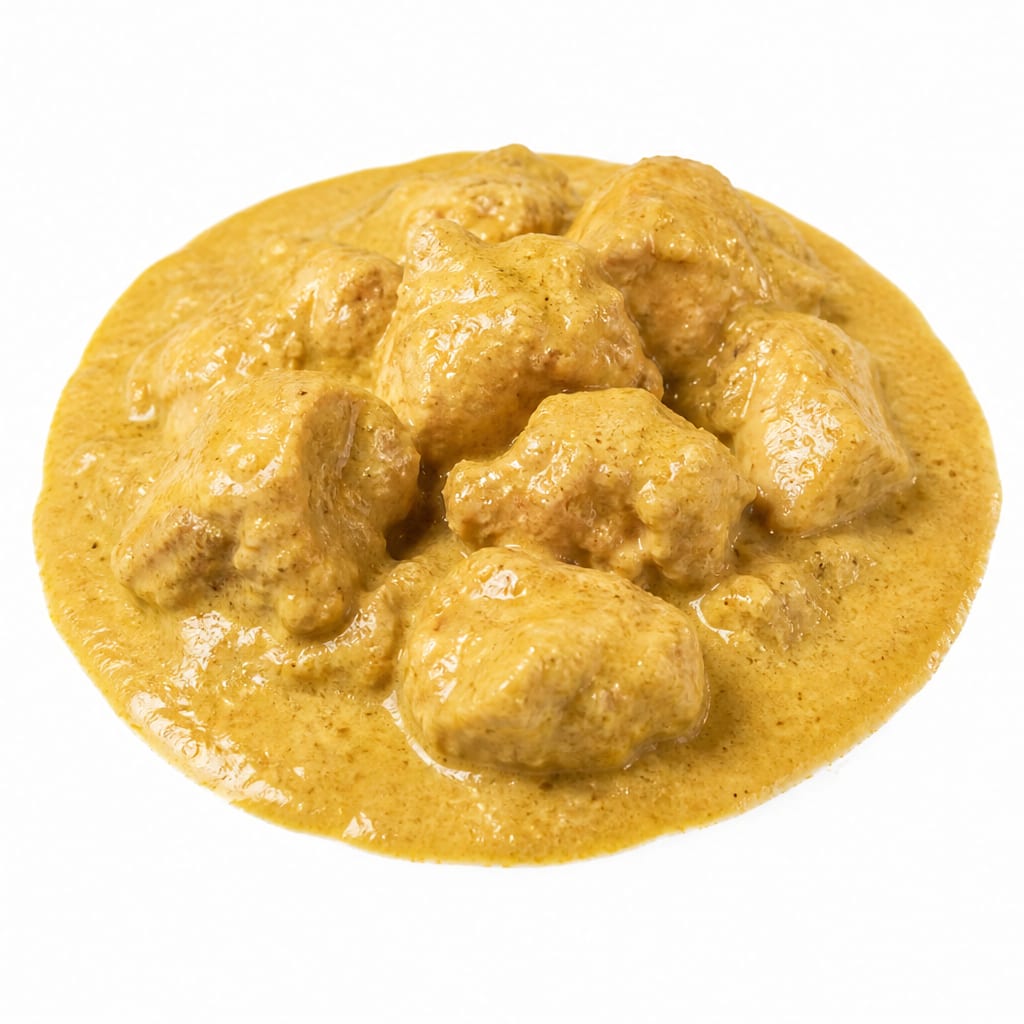
Compare with
Chicken Korma
Korma uses a yogurt and nut base with less tomato, often making it higher in carbs and calories than butter chicken.
Butter chicken is generally lower in carbohydrates than chicken korma, making it a slightly better option for blood sugar control and low-carb diets.
This food
Butter Chicken
VS60% alike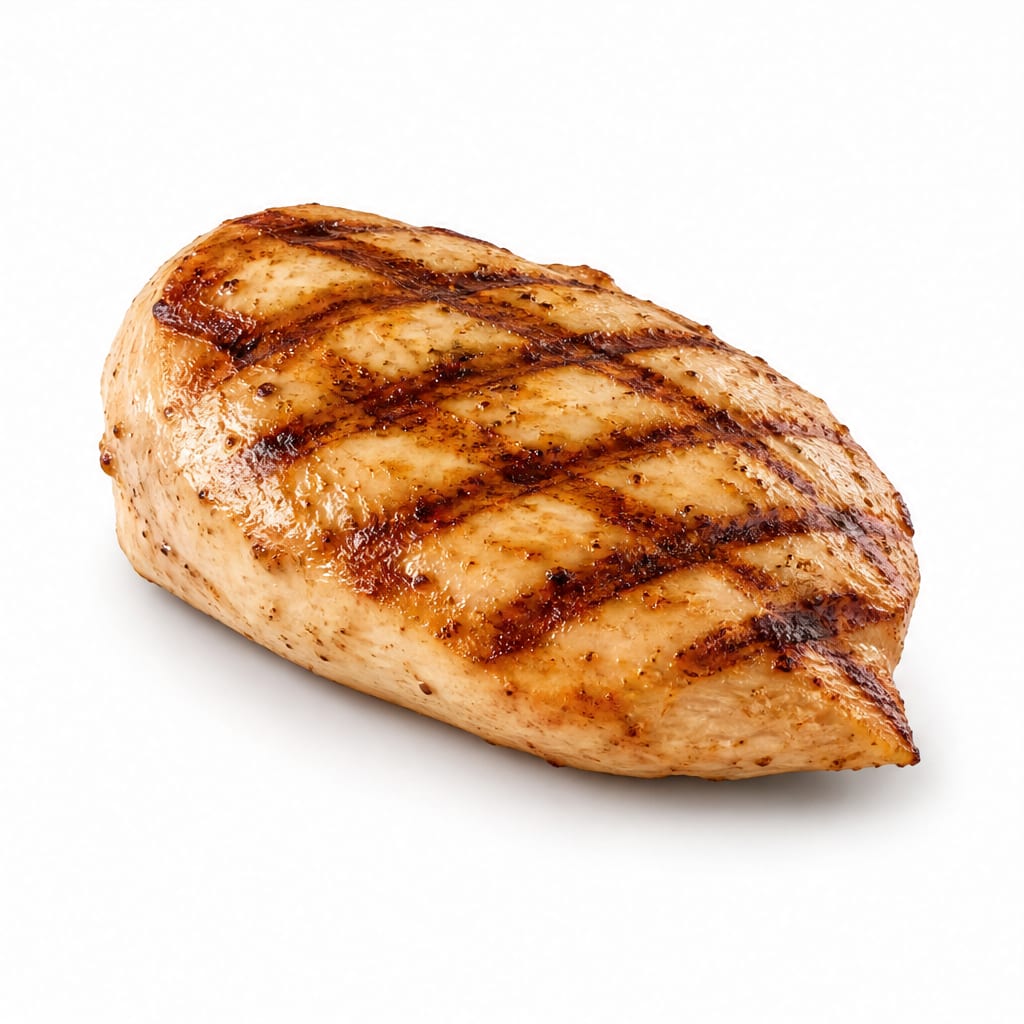
Compare with
Grilled Chicken Breast
Grilled chicken breast provides the same protein without the high fat, calories, and sodium of the curry sauce.
Grilled chicken breast is far superior for weight loss and fitness, offering high protein with minimal fat, unlike the calorie-dense butter chicken.
This food
Butter Chicken
VS75% alike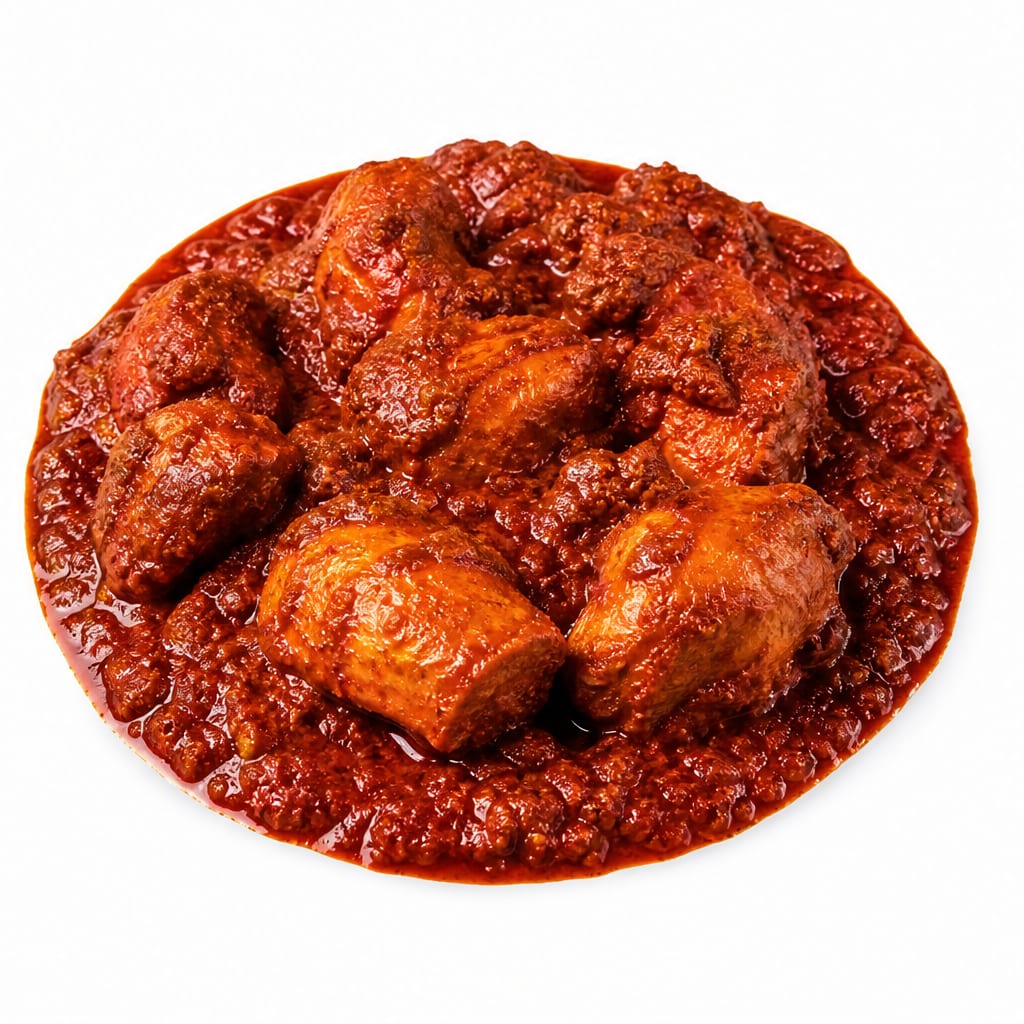
Compare with
Chicken Vindaloo
Vindaloo is a spicy, vinegar-based curry with little to no cream, making it much lower in fat.
Chicken vindaloo is much lower in fat and calories than butter chicken because it lacks the creamy base, making it better for weight loss.
This food
Butter Chicken
VS70% alike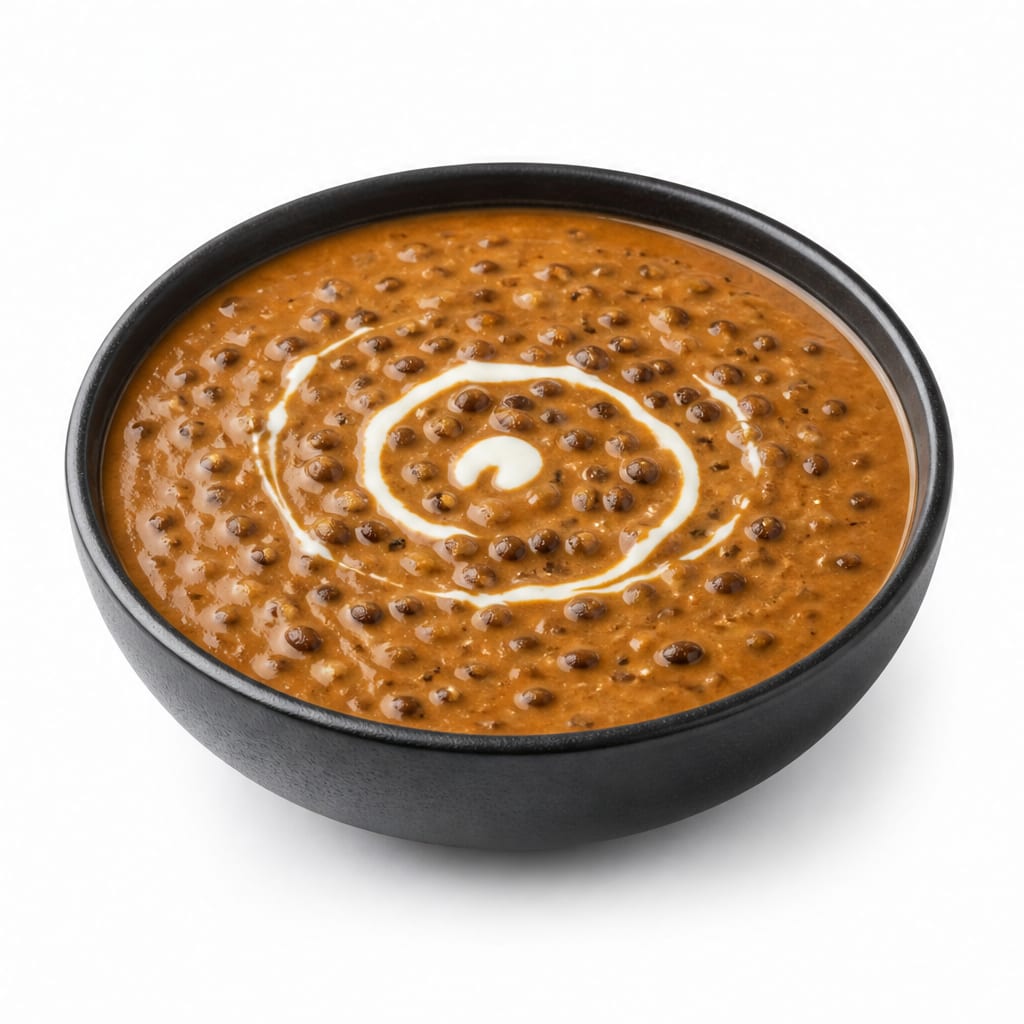
Compare with
Dal Makhani
Dal makhani uses lentils instead of chicken, offering more fiber but less protein per calorie.
Dal makhani provides more gut-friendly fiber than butter chicken, but butter chicken offers significantly more protein for muscle support.
This food
Butter Chicken
VS65% alike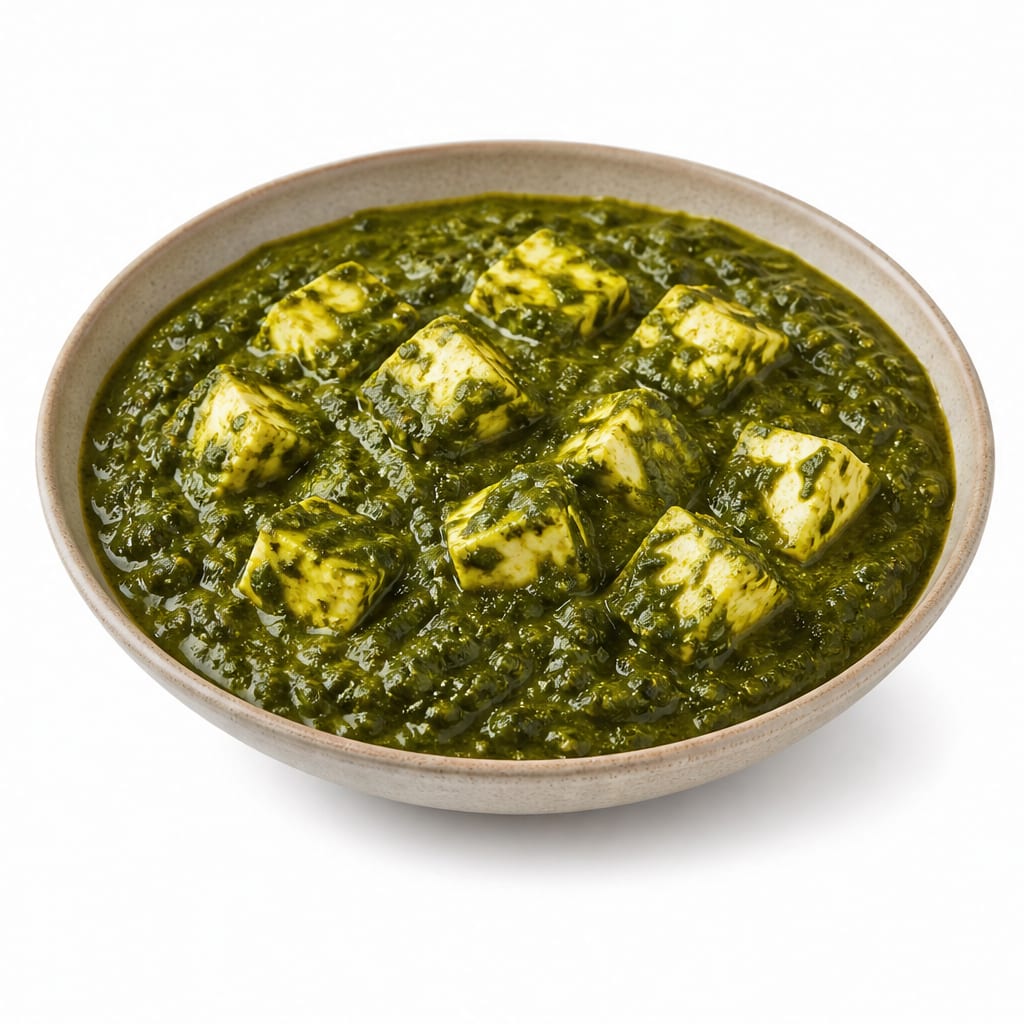
Compare with
Palak Paneer
Palak paneer uses spinach and cheese, offering iron and fiber but less complete protein than chicken.
Butter chicken provides higher-quality protein for fitness, while palak paneer offers more fiber and micronutrients from spinach for the same creamy curry experience.
This food
Butter Chicken
VS70% alike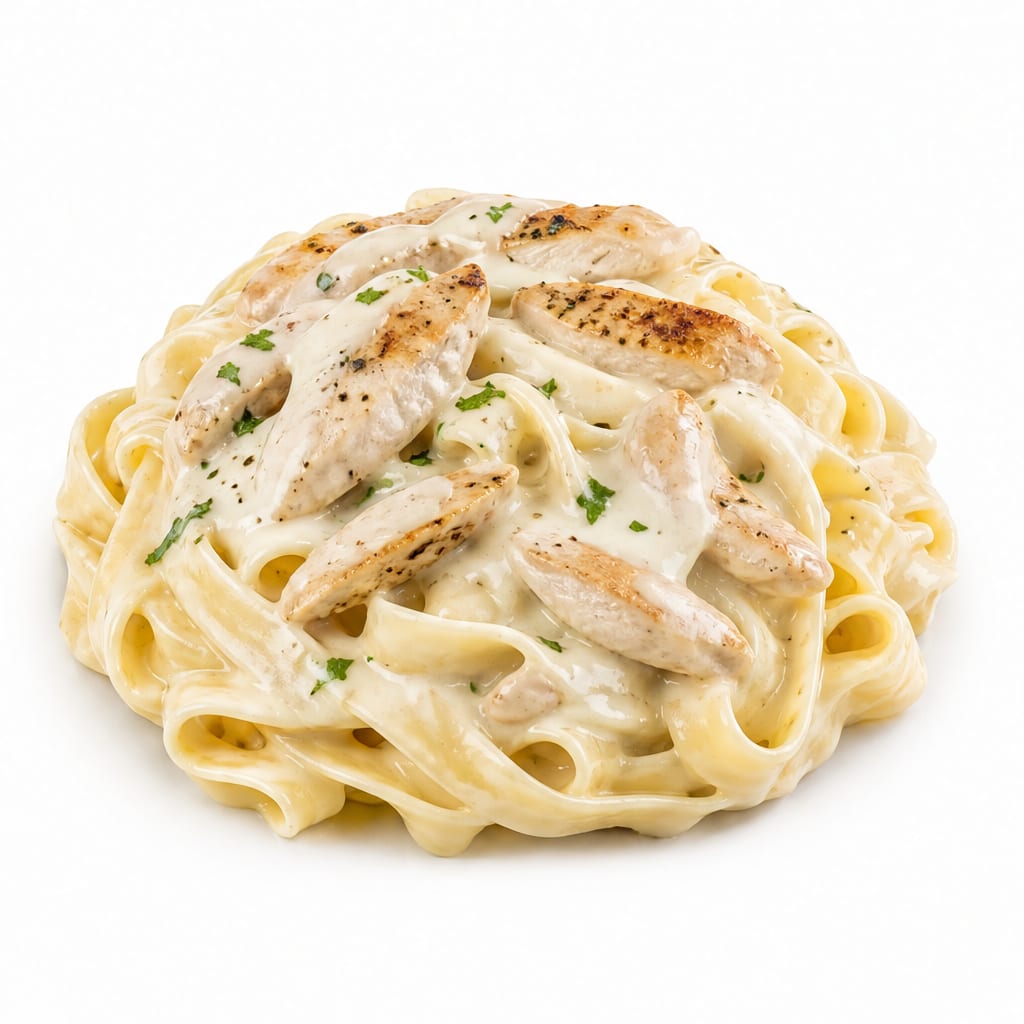
Compare with
Chicken Alfredo
Both are high-fat, creamy chicken dishes, but Alfredo relies on a cheese-cream base rather than tomato-butter.
Butter chicken is slightly lower in calories and fat than chicken alfredo, and its tomato base provides more micronutrients than the heavy cheese sauce of alfredo.
This food
Butter Chicken
VS65% alike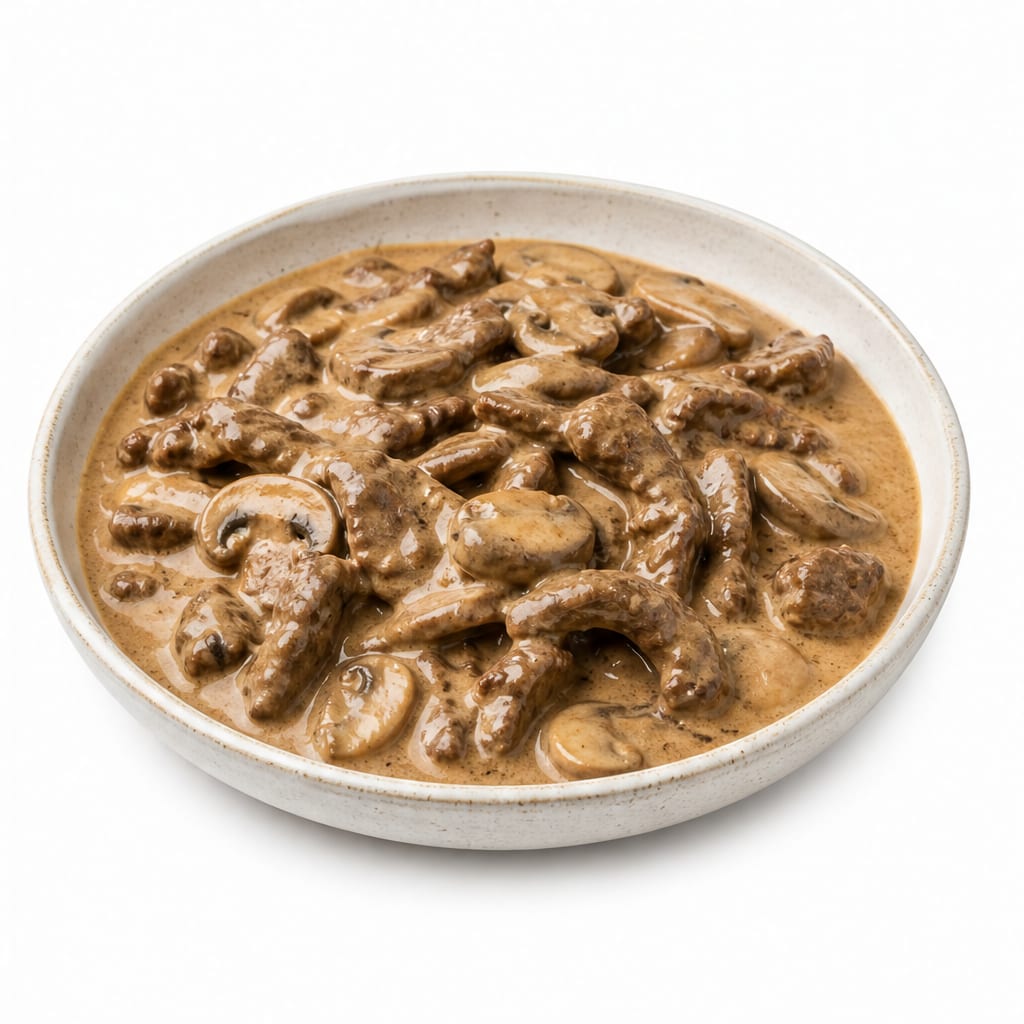
Compare with
Beef Stroganoff
Both feature meat in a rich, creamy sauce, but stroganoff uses sour cream and beef.
Butter chicken is slightly lower in saturated fat and calories than beef stroganoff, making it the better option for weight management.
This food
Butter Chicken
VS80% alike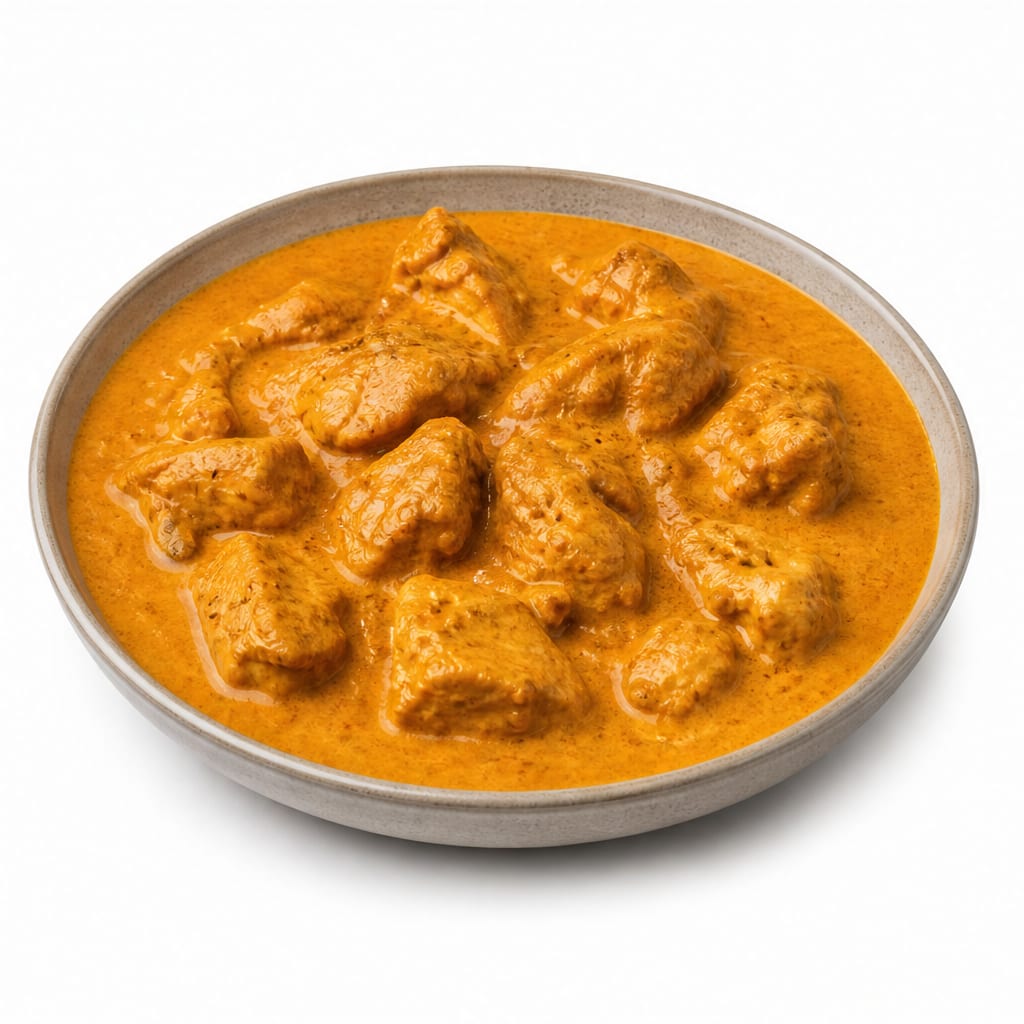
Compare with
Coconut Curry Chicken
Coconut curry uses coconut milk instead of dairy cream, offering different fat profiles but similar calorie density.
Butter chicken and coconut curry are similarly high in calories and fat, but butter chicken offers more protein, while coconut curry provides medium-chain triglycerides from coconut milk.
Common questions
FAQ
Answers aligned with how people search for this food.
Is butter chicken good for weight loss?
Butter chicken is not ideal for weight loss due to its high calorie and saturated fat content from butter and cream. It is easy to overconsume, making it difficult to maintain a calorie deficit.
How many calories are in butter chicken?
A standard 100g serving of butter chicken contains approximately 230 calories, but a typical restaurant portion can range from 400 to 600 calories before adding rice or naan.
Can diabetics eat butter chicken?
The dish itself is low in carbohydrates and has a low glycemic load, which helps blood sugar control. However, diabetics should be cautious of hidden sugars in restaurant sauces and avoid pairing it with high-carb sides like naan.
Is butter chicken keto friendly?
Yes, butter chicken is generally keto-friendly because it is high in fat and low in net carbs. Just ensure the recipe does not include added sugar, and avoid eating it with rice or traditional flour-based naan.
What is the difference between butter chicken and chicken tikka masala?
Butter chicken is creamier, milder, and slightly sweeter, made with a tomato-butter-cream base. Chicken tikka masala has a more robust, spicy, and complex tomato-based sauce with less cream and butter.
Does butter chicken have a lot of sugar?
Traditional homemade butter chicken has minimal sugar, coming naturally from tomatoes. However, restaurant and jarred versions often add significant amounts of sugar or honey to balance the acidity.
Is butter chicken high in protein?
Yes, butter chicken provides a good amount of protein, typically around 18g per 100g serving, mainly from the chicken breast or thigh meat.
How to make butter chicken healthier?
Make it at home using less butter, substituting heavy cream with Greek yogurt or coconut milk, and adding pureed nuts or vegetables to thicken the sauce instead of relying on dairy.
Can I eat butter chicken on a low carb diet?
Yes, the curry itself is low in carbohydrates. To keep it low carb, serve it over cauliflower rice instead of basmati rice and skip the naan bread.
Is butter chicken spicy?
Butter chicken is typically very mild and slightly sweet, making it one of the least spicy Indian curries. The heat level is generally very tolerable for sensitive palates.
Transparency
Data confidence
Estimated confidence for nutrition data, interpretation, safety notes, and comparisons.
Nutrition data
Health analysis
Food safety
Comparisons