
Nutrition comparison
Butter Chicken vs Chicken Korma: Which Creamy Curry Is Healthier?
Compare Butter Chicken and Chicken Korma on calories, fat, digestion, and nutrients. Find out which Indian curry is the smarter choice for your health goals.
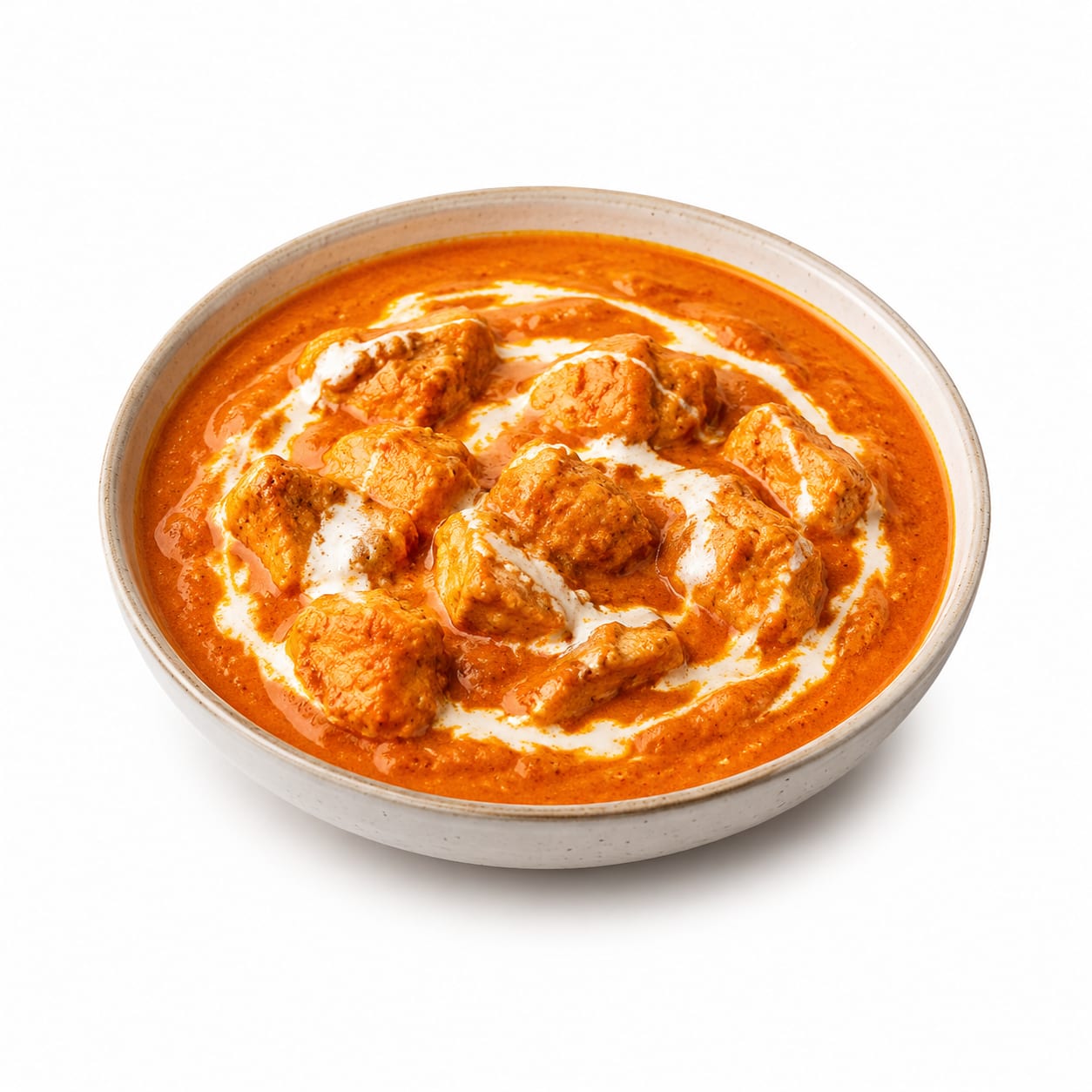
Butter Chicken
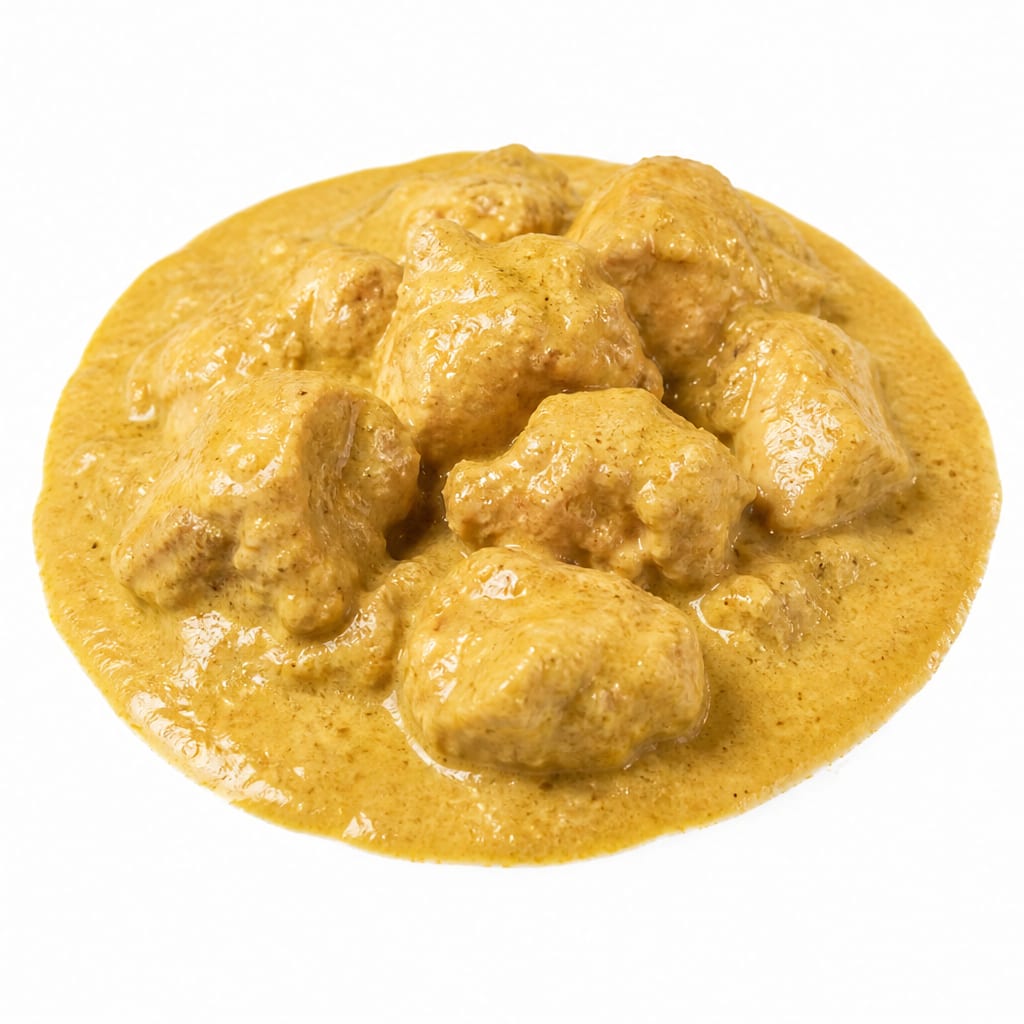
Chicken Korma
Chicken Korma edges ahead on nutrient diversity and digestibility, while Butter Chicken offers more satisfying flavor intensity but heavier saturated fat load.
Chicken Korma scores moderately higher due to nut-based micronutrients and easier digestibility, but both dishes are heavy restaurant-style curries with significant calorie and saturated fat loads that limit overall scores.
Butter Chicken delivers richer taste through more butter and tomato acidity, whereas Chicken Korma provides gentler digestion and some nut-based nutrients at a similar calorie cost.
At a glance
Executive summary
Overall
It depends
Healthier
Chicken Korma
More practical
It depends
Daily use
Chicken Korma
Key comparison lenses
calorie and fat density comparison
Both dishes are cream-heavy Indian curries, so fat and calorie load is the primary concern for most diners
heart health and saturated fat impact
Butter and cream content makes saturated fat a major differentiator between these two dishes
nutrient density from base ingredients
Korma's nut and yogurt base offers different micronutrients than Butter Chicken's tomato base
digestive comfort and spice tolerance
Korma is milder and often easier on sensitive stomachs compared to the tangier Butter Chicken
blood sugar and diabetes suitability
Both dishes can contain hidden sugars, but the sources and amounts differ meaningfully
Best choice for
Butter Chicken
- Those craving bold, tangy flavor who want a more satisfying indulgence
- People who tolerate tomatoes well and enjoy richer spice profiles
- Diners seeking a more filling meal that reduces snacking later
Chicken Korma
- People with sensitive stomachs or acid reflux concerns
- Those wanting milder flavor with slightly better micronutrient diversity
- Diners looking for a creamy curry that's gentler on digestion
Least suitable for
Butter Chicken
- People managing high cholesterol or heart disease risk
- Those with tomato sensitivity or acid reflux
- Anyone strictly limiting saturated fat intake
Chicken Korma
- People with tree nut allergies (cashew/almond base)
- Those watching calorie intake closely, as nut pastes are calorie-dense
- Diners avoiding dairy entirely
Deep comparison
Dimension by dimension
Each lens scores both foods and breaks down who each option suits.
- Dimension 1 · Priority 92Chicken Korma
saturated fat and heart health
Butter Chicken · 28Chicken Korma · 42Butter Chicken typically contains more butter and cream, driving saturated fat higher than Chicken Korma's yogurt and nut-based richness.
Tradeoff
Korma still contains cream and nut fats, so it's only relatively better — not heart-healthy by any standard.
Why it matters
Regular high saturated fat intake raises LDL cholesterol over time, increasing cardiovascular risk.
Real-world impact
Eating Butter Chicken frequently could meaningfully impact cholesterol numbers within months, especially paired with naan or rice.
Butter Chicken
- Those unconcerned about saturated fat who prioritize flavor intensity
Better for
- Anyone with elevated LDL or metabolic syndrome
Worse for
Chicken Korma
- People monitoring cholesterol or with family history of heart disease
Better for
- Those who assume all creamy curries are equally heavy — Korma is still indulgent
Worse for
- Dimension 2 · Priority 80Chicken Korma
nutrient density and micronutrients
Butter Chicken · 38Chicken Korma · 55Chicken Korma's cashew and almond base provides magnesium, vitamin E, and healthy monounsaturated fats that Butter Chicken's tomato-butter base lacks.
Tradeoff
Tomatoes in Butter Chicken offer lycopene and vitamin C, but the sheer amount of butter dilutes the nutrient-to-calorie ratio.
Why it matters
Micronutrient density determines whether a calorie is just energy or also delivers health value.
Real-world impact
A serving of Chicken Korma contributes small but meaningful amounts of magnesium and vitamin E, supporting nerve and immune function over time.
Butter Chicken
- Those specifically seeking lycopene benefits from cooked tomatoes
Better for
- Diners expecting significant vitamin or mineral content from the tomato base
Worse for
Chicken Korma
- People wanting more mineral diversity from their indulgent meals
- Those who occasionally want treats that still offer some nutritional upside
Better for
- People with nut allergies who cannot access those micronutrient benefits
Worse for
- Dimension 3 · Priority 75Chicken Korma
digestive comfort
Butter Chicken · 35Chicken Korma · 58Chicken Korma's milder spice profile and yogurt base are gentler on the stomach, while Butter Chicken's tomato acidity and heavier butter content can trigger reflux.
Tradeoff
Korma's richness from nuts and cream can still feel heavy, just in a different way — more from density than acidity.
Why it matters
Digestive comfort affects sleep quality, next-day energy, and whether you actually enjoy the meal or regret it.
Real-world impact
Eating Butter Chicken for dinner may cause heartburn that disrupts sleep, while Chicken Korma is less likely to trigger that pattern.
Butter Chicken
- Those with strong digestion who enjoy tangy, acidic flavors
Better for
- Anyone who experiences heartburn from tomato-based dishes
Worse for
Chicken Korma
- People prone to acid reflux or GERD
- Diners with sensitive stomachs who still want a rich curry experience
Better for
- Those who find very rich, dense meals cause bloating even without acidity
Worse for
- Dimension 4 · Priority 85It depends
calorie density and portion control
Butter Chicken · 40Chicken Korma · 40Both dishes are calorie-dense restaurant preparations, typically ranging 400-600 calories per serving before rice or naan.
Tradeoff
Butter Chicken may have slightly more fat calories from butter, while Chicken Korma's nut paste adds concentrated calories too — the difference is marginal.
Why it matters
Calorie density determines how easily a meal fits into daily intake without conscious restriction.
Real-world impact
Either curry with naan and rice can easily exceed 1000 calories in a single meal, making both occasional treats rather than regular choices.
Butter Chicken
- Those who find Butter Chicken's stronger flavor more satisfying with smaller portions
Better for
- Anyone tracking calories closely — the butter content adds up fast
Worse for
Chicken Korma
- Diners who feel satisfied with less when the curry is milder and creamier
Better for
- People who underestimate calories from nut-based sauces
Worse for
- Dimension 5 · Priority 70It depends
blood sugar impact
Butter Chicken · 42Chicken Korma · 45Both curries have low glycemic load on their own, but restaurant versions often contain added sugar, and the real issue is what they're paired with.
Tradeoff
Butter Chicken sometimes has more added sugar to balance tomato acidity, while some Korma recipes add sugar for sweetness — it varies widely by preparation.
Why it matters
Hidden sugars in savory dishes can spike blood sugar unexpectedly, especially combined with white rice.
Real-world impact
A restaurant Butter Chicken or Korma with basmati rice can cause a significant blood sugar rise, particularly for diabetics.
Butter Chicken
- Home-cooked versions where you control sugar content
Better for
- Restaurant versions that may contain several teaspoons of added sugar
Worse for
Chicken Korma
- Slightly lower chance of added sugar in traditional recipes
Better for
- Some commercial Korma sauces that add sugar for mass-market sweetness
Worse for
- Dimension 6 · Priority 72It depends
protein quality and satiety
Butter Chicken · 48Chicken Korma · 48Both provide similar chicken protein content, but Butter Chicken's higher fat may delay hunger longer while Korma's nut protein adds minor variety.
Tradeoff
More fat in Butter Chicken means longer satiety but more calories; Korma's nut protein is a small bonus but doesn't meaningfully change the protein profile.
Why it matters
Satiety determines whether you reach for snacks an hour later or feel content until the next meal.
Real-world impact
Both dishes are filling enough that you're unlikely to feel hungry soon after, but the calorie cost of that fullness is high either way.
Butter Chicken
- Those who find higher-fat meals keep them fuller longer
Better for
- Diners who find very rich meals cause sluggishness instead of satisfaction
Worse for
Chicken Korma
- People who prefer feeling satisfied without as much greasiness
Better for
- Those expecting significantly more protein from the nut content
Worse for
Timeline
Health impact over time
Short-term
Hours to days
Butter Chicken
- Heavy fullness and potential sluggishness from high butter content
- Possible heartburn or acid reflux from tomato acidity combined with fat
- Satisfied energy for 3-4 hours due to high fat and protein
Chicken Korma
- Comfortable fullness without as much acidic discomfort
- Milder post-meal heaviness, though still a dense meal
- Less likely to cause reflux, making it a better evening choice
Long-term
Months to years
Butter Chicken
- Regular consumption may raise LDL cholesterol due to high saturated fat intake
- Lycopene from cooked tomatoes offers some antioxidant benefit if eaten occasionally
- High calorie density contributes to weight gain if consumed frequently with naan and rice
Chicken Korma
- Nut-based fats provide some cardiovascular benefit despite overall dish richness
- Magnesium and vitamin E from nuts support nerve and immune function over time
- Still calorie-dense enough to contribute to weight gain as a frequent choice
Risk profile
Safety & processing
Both are traditionally cooked with whole ingredients, but restaurant and packaged versions often add stabilizers, food coloring, and excess cream. Home-cooked versions of either are significantly more natural than takeout.
Butter Chicken
Dairy spoilage from cream and butter
mediumImproperly stored Butter Chicken can harbor bacterial growth in dairy components, especially when left at room temperature.
Food coloring additives in restaurant versions
lowSome establishments add artificial orange coloring to achieve the signature Butter Chicken hue.
Chicken Korma
Tree nut allergen from cashew or almond paste
highKorma's nut base poses a serious risk for those with tree nut allergies, and cross-contamination in restaurants is common.
Dairy spoilage from yogurt and cream
mediumSimilar to Butter Chicken, the dairy components require proper refrigeration and carry spoilage risk.
Who wins for whom
Audience fit
Same foods, different winners depending on your goal.
children
Chicken KormaKorma's milder spice profile is more kid-friendly, though nut allergy risk must be assessed first.
daily consumption
It dependsNeither should be eaten daily due to calorie density and saturated fat content, but lighter home-cooked versions of either could work occasionally.
diabetes
Chicken KormaChicken Korma is slightly less likely to contain added sugar and is gentler on blood sugar when portion-controlled, though both require caution with rice.
elderly
Chicken KormaEasier digestion and lower acidity make Chicken Korma more suitable for older adults with sensitive stomachs.
muscle gain
It dependsBoth provide similar chicken protein content; the choice doesn't meaningfully affect muscle-building outcomes.
weight loss
It dependsNeither is ideal for weight loss, but home-cooked portions of either with cauliflower rice can work occasionally.
Your move
Decision guide
Choose Butter Chicken
- You crave bold, tangy flavors and find them more satisfying than mild dishes
- You have no concerns about cholesterol or acid reflux
- You're eating occasionally as a treat and want the most flavorful experience
Choose Chicken Korma
- You're prone to heartburn or have a sensitive stomach
- You want some nutritional upside from nuts alongside the indulgence
- You're cooking for kids or others who prefer milder flavors
- You have no tree nut allergies
Either works if
- You're eating at an Indian restaurant and both sound appealing — pick based on mood
- You're cooking at home with lighter ingredient swaps like less cream and lean chicken
Avoid both if
- You're strictly limiting saturated fat or calories
- You have dairy intolerance that prevents enjoying cream-based curries
- You're managing diabetes and cannot control the rice or naan portion that comes with it
Final recommendation
For most people, Chicken Korma is the slightly smarter choice — it's easier on digestion, offers minor nutritional benefits from nuts, and tends to have less saturated fat. But the real decision should be based on how your body handles tomato acidity versus nut density, and how often you're eating these dishes. Either one is an occasional indulgence, not a weekly staple.
Practical
Consumer tips
- 1
Ask restaurants to go easy on cream — most will accommodate and it cuts calories significantly
- 2
Pair either curry with cauliflower rice instead of basmati to reduce the blood sugar impact by half
- 3
Home-cooked versions using Greek yogurt instead of cream can cut saturated fat by 60% while keeping the creamy texture
- 4
Start with half a portion and wait 15 minutes — both dishes are dense enough that a full serving often exceeds actual hunger
- 5
If ordering takeout, check whether the Korma contains nuts before sharing with anyone who has allergies
- 6
Freeze individual portions of home-cooked curry for controlled servings rather than eating restaurant quantities