
Nutrition comparison
Butter Chicken vs Chicken Tikka Masala: Which Is Healthier?
Butter Chicken and Chicken Tikka Masala both deliver rich, creamy comfort — but one has significantly less saturated fat and more protein per calorie. Find out which curry to order.
Overall winner · Chicken Tikka Masala
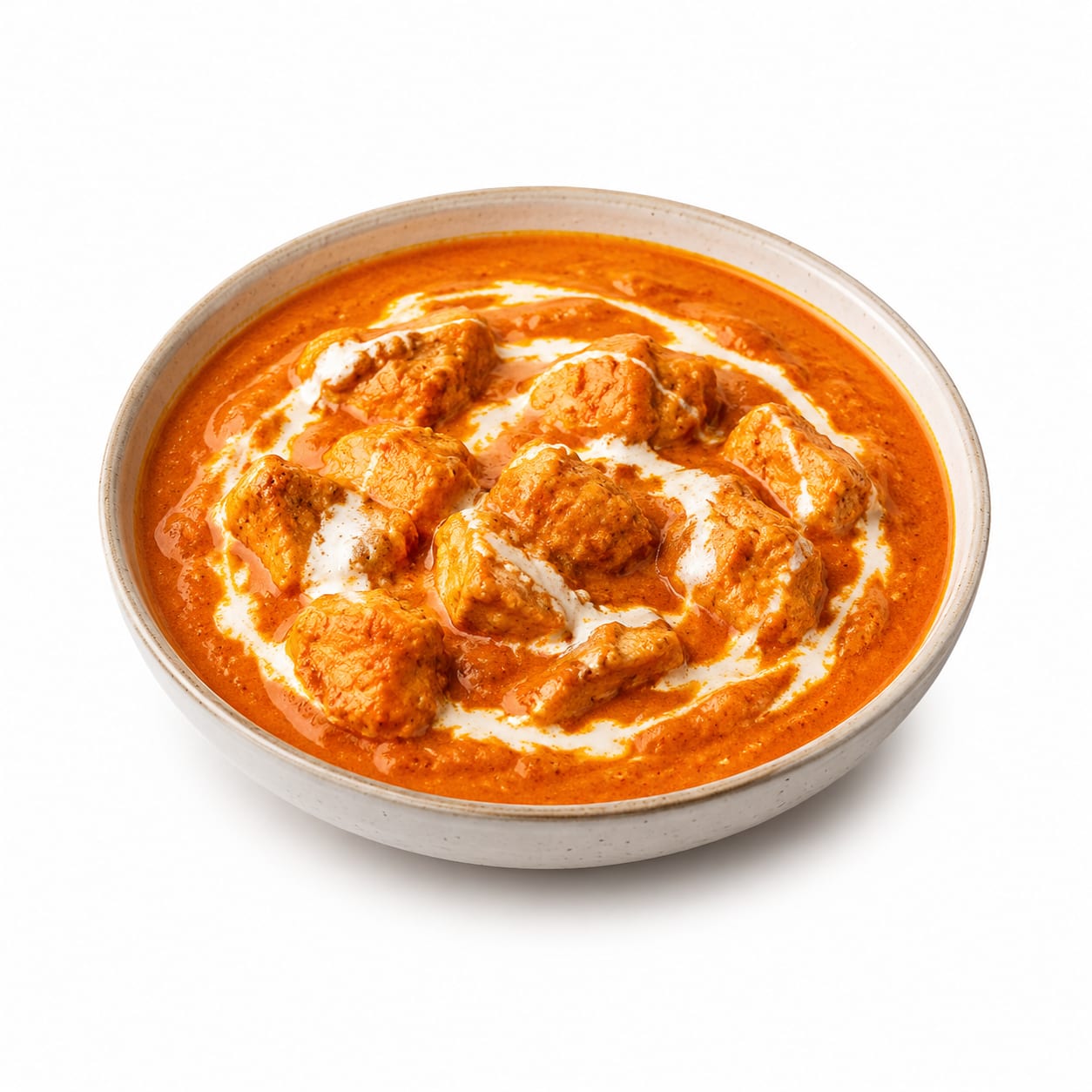
Butter Chicken
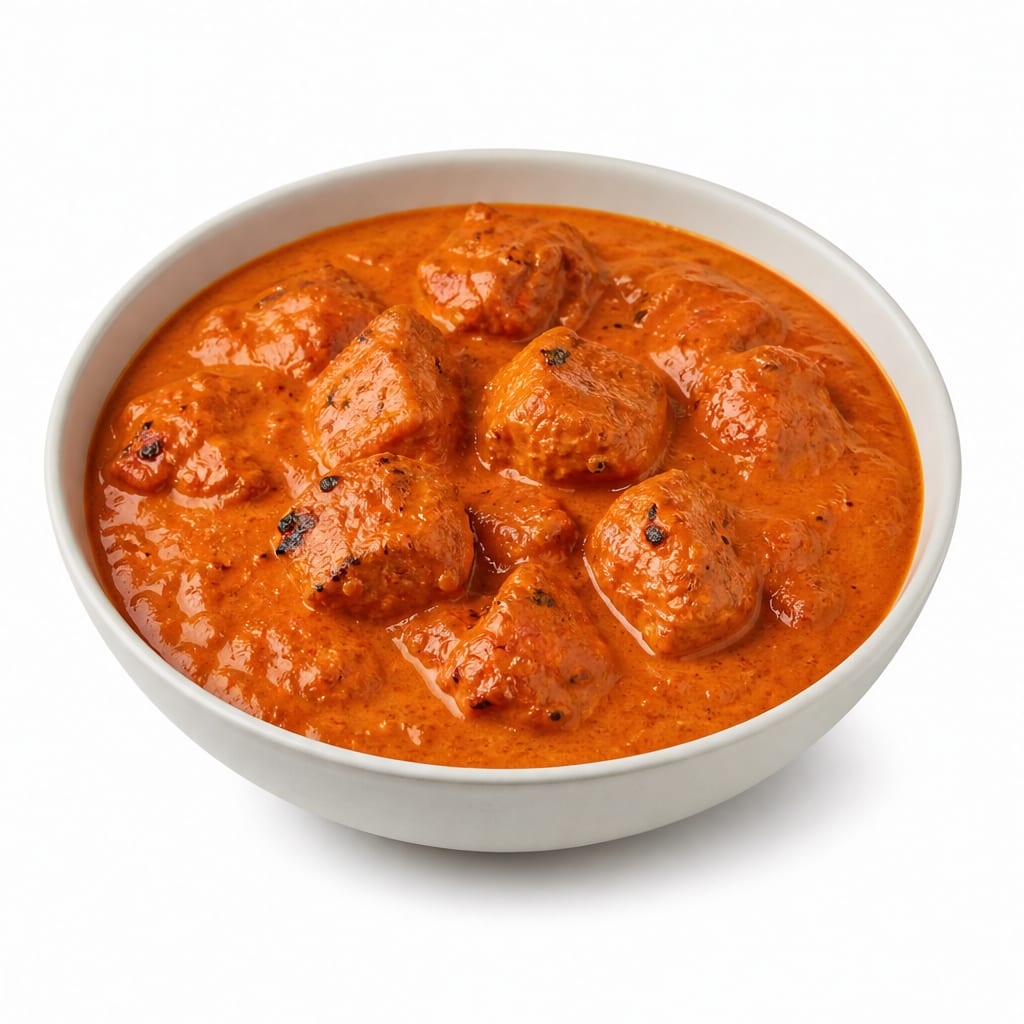
Chicken Tikka Masala
Chicken Tikka Masala edges out Butter Chicken thanks to a better protein-to-calorie ratio and less saturated fat, though both are heavy restaurant indulgences.
Neither dish is a health food, but Chicken Tikka Masala scores higher due to its better macronutrient balance and lower saturated fat load. The gap would narrow significantly with homemade versions of both.
Butter Chicken delivers a richer, more comforting mouthfeel but costs you significantly more saturated fat and calories per bite. Chicken Tikka Masala sacrifices some creaminess for a spicier, more protein-forward experience.
At a glance
Executive summary
Overall
Chicken Tikka Masala
Healthier
Chicken Tikka Masala
More practical
Chicken Tikka Masala
Daily use
Chicken Tikka Masala
Key comparison lenses
Which creamy Indian chicken curry is healthier for regular consumption
Both dishes are beloved comfort foods with similar appearances but meaningfully different nutritional profiles, and users often order one thinking it's the lighter option
Saturated fat and calorie comparison between two creamy curries
The butter vs cream distinction drives the biggest health tradeoff between these dishes
Protein-to-calorie ratio for fitness-focused diners
Both are chicken-based protein sources but the sauce load varies significantly
Restaurant vs homemade authenticity and health impact
Both dishes are dramatically different when made at home versus ordered at restaurants
Best choice for
Butter Chicken
- Comfort-seeking diners wanting maximum richness
- Those eating smaller portions as a treat
- Fans of mild, sweet, creamy flavor profiles
Chicken Tikka Masala
- Fitness-focused eaters wanting more protein per calorie
- Those watching saturated fat intake
- Spice lovers who prefer bolder, more complex flavors
Least suitable for
Butter Chicken
- Anyone strictly managing heart disease risk
- People counting calories for weight loss
- Those sensitive to high-fat meals
Chicken Tikka Masala
- People avoiding spicy food
- Those sensitive to nightshades or tomatoes
- Anyone on a strict low-sodium diet
Deep comparison
Dimension by dimension
Each lens scores both foods and breaks down who each option suits.
- Dimension 1 · Priority 95Chicken Tikka Masala
Saturated Fat & Heart Health
Butter Chicken · 25Chicken Tikka Masala · 45Butter Chicken lives up to its name — the butter and cream load makes it significantly higher in saturated fat than Chicken Tikka Masala.
Tradeoff
That velvety Butter Chicken texture comes from copious butter, which directly raises saturated fat intake. Chicken Tikka Masala uses cream too, but typically less butter, giving it a lighter fat profile.
Why it matters
Regular high saturated fat intake raises LDL cholesterol and heart disease risk over time. If you eat Indian curries weekly, this difference compounds.
Real-world impact
A single restaurant serving of Butter Chicken can pack 25-40g saturated fat — near or exceeding your daily limit. Chicken Tikka Masala usually lands closer to 15-25g.
Butter Chicken
- Maximum flavor indulgence on rare occasions
Better for
- Cardiovascular health with regular consumption
- Cholesterol management
Worse for
Chicken Tikka Masala
- Heart-conscious diners
- Anyone eating Indian food more than twice a month
Better for
- Still not a low-fat dish by any measure
Worse for
- Dimension 2 · Priority 85Chicken Tikka Masala
Protein-to-Calorie Ratio
Butter Chicken · 40Chicken Tikka Masala · 58Chicken Tikka Masala delivers more protein per calorie because the chicken is often more prominent and the sauce is less butter-laden.
Tradeoff
Butter Chicken's sauce-to-chicken ratio tends to be higher, meaning more calories from fat relative to protein. Tikka Masala's grilled chicken pieces often make up a larger portion of the dish.
Why it matters
If you're eating curry after a workout or trying to stay full without overeating calories, protein density matters more than total calories.
Real-world impact
A typical Chicken Tikka Masala serving might give you 35g protein for 450 calories. Butter Chicken often delivers 28g protein for 500+ calories.
Butter Chicken
- Calorie-conscious eaters
- Macro trackers
Worse for
Chicken Tikka Masala
- Post-workout meals
- High-protein diet followers
- Anyone tracking macros
Better for
- Dimension 3 · Priority 80Butter Chicken
Flavor Satisfaction & Emotional Eating
Butter Chicken · 88Chicken Tikka Masala · 78Butter Chicken is the ultimate comfort curry — sweeter, creamier, and more soothing. Chicken Tikka Masala satisfies differently with smoky, spiced depth.
Tradeoff
Butter Chicken's mild sweetness and buttery richness make it more craveable but also easier to overeat. Tikka Masala's bolder spice profile can be more satiating with less food.
Why it matters
Emotional satisfaction determines whether you feel deprived after a meal. A smaller portion of Butter Chicken might satisfy you more than a larger portion of something less indulgent.
Real-world impact
Butter Chicken is the dish most people crave when they want Indian takeout. That emotional pull is real and valid — just plan portion sizes accordingly.
Butter Chicken
- Stress-eating or comfort food nights
- Picky eaters who avoid spice
- Special occasion indulgence
Better for
- Overeating risk due to high palatability
Worse for
Chicken Tikka Masala
- Adventurous eaters wanting complex flavor
- People who feel satisfied by spice rather than richness
Better for
- Spice-sensitive diners
Worse for
- Dimension 4 · Priority 70It depends
Sodium Load
Butter Chicken · 35Chicken Tikka Masala · 35Both dishes are sodium bombs at restaurants — typically 800-1500mg per serving. Neither wins here.
Tradeoff
Restaurant versions of both curries rely heavily on salt for flavor. The difference is negligible and depends more on the chef than the dish.
Why it matters
If you have hypertension or are salt-sensitive, both dishes are equally problematic when dining out.
Real-world impact
One serving of either curry can deliver half your daily sodium allowance. Add naan bread and you're well over.
Butter Chicken
- Blood pressure management
Worse for
Chicken Tikka Masala
- Blood pressure management
Worse for
- Dimension 5 · Priority 65Chicken Tikka Masala
Blood Sugar Impact
Butter Chicken · 35Chicken Tikka Masala · 48Butter Chicken often contains more added sugar and honey, giving it a slightly higher glycemic impact than the more savory Chicken Tikka Masala.
Tradeoff
That slight sweetness in Butter Chicken comes from sugar or honey, which adds both calories and blood sugar impact. Tikka Masala's spice-forward profile typically uses less sweetener.
Why it matters
For diabetics or anyone managing energy crashes, the sugar difference matters even though neither dish is sweet in the dessert sense.
Real-world impact
Butter Chicken can contain 8-15g added sugar per serving versus 3-8g in Chicken Tikka Masala. Not huge, but noticeable if you're tracking.
Butter Chicken
- Diabetics
- Those prone to post-meal energy crashes
Worse for
Chicken Tikka Masala
- Blood sugar management
- Steadier afternoon energy
Better for
- Dimension 6 · Priority 75Chicken Tikka Masala
Home Cooking Health Potential
Butter Chicken · 45Chicken Tikka Masala · 60Both dishes become dramatically healthier when homemade, but Chicken Tikka Masala is easier to lighten up without losing its character.
Tradeoff
You can reduce cream in Tikka Masala and rely on spices and tomato for flavor. Butter Chicken without butter loses its defining identity — it's harder to make a convincing light version.
Why it matters
If you cook at home, the health gap between these dishes can widen or narrow based on your recipe choices.
Real-world impact
Homemade Chicken Tikka Masala with yogurt instead of cream and grilled chicken can be a genuinely balanced meal. Light Butter Chicken often tastes like a disappointing compromise.
Butter Chicken
- Hard to make a satisfying low-calorie version
Worse for
Chicken Tikka Masala
- Meal preppers
- Home cooks wanting healthier Indian food
- Batch cooking for the week
Better for
Timeline
Health impact over time
Short-term
Hours to days
Butter Chicken
- Heavy fullness and potential sluggishness after eating due to high fat content
- Possible heartburn from rich, creamy sauce
- More pronounced food coma effect
Chicken Tikka Masala
- Satisfying fullness with slightly less heaviness
- Possible mild sweating from spice (capsaicin thermogenesis)
- Better sustained energy post-meal due to higher protein ratio
Long-term
Months to years
Butter Chicken
- Higher cardiovascular risk with frequent consumption due to saturated fat load
- Weight gain more likely if eaten regularly as the fat calories add up fast
- Potential LDL cholesterol increase with weekly restaurant servings
Chicken Tikka Masala
- More sustainable for occasional weekly inclusion without major health tradeoffs
- Still contributes to saturated fat intake but at a more manageable level
- Spice compounds may offer mild anti-inflammatory benefits
Risk profile
Safety & processing
Both dishes use whole-food ingredients at their core — chicken, tomatoes, spices, dairy. The processing concern comes from restaurant versions that may use food coloring, preservatives in pre-made curry bases, and stabilizers in cream sauces. Homemade versions of both are clean and whole-food based.
Butter Chicken
Dairy spoilage
mediumCream and butter-based sauces spoil quickly at room temperature. Leftovers must be refrigerated within 2 hours and consumed within 3 days.
Restaurant food coloring
lowSome restaurants add artificial orange food coloring to achieve the classic Butter Chicken hue. Ask if you're sensitive to food dyes.
Chicken Tikka Masala
Dairy spoilage
mediumSame cream-based sauce spoilage concern as Butter Chicken. Handle leftovers with care.
Undercooked tandoori chicken
mediumIf the chicken isn't fully cooked in the tandoor before being added to sauce, there's a foodborne illness risk. More relevant at restaurants with poor food safety practices.
Who wins for whom
Audience fit
Same foods, different winners depending on your goal.
children
Butter ChickenButter Chicken's mild, sweet, creamy profile is far more kid-friendly. Most children prefer it over the spicier Tikka Masala.
daily consumption
Chicken Tikka MasalaNeither should be eaten daily, but if forced to choose, Chicken Tikka Masala's better nutritional profile makes it the less harmful regular option.
diabetes
Chicken Tikka MasalaLess added sugar and a slightly better macronutrient balance make Chicken Tikka Masala the marginally safer choice, though both require portion control.
elderly
Chicken Tikka MasalaLower saturated fat and higher protein density make Chicken Tikka Masala better for older adults managing heart health and muscle maintenance.
muscle gain
Chicken Tikka MasalaHigher protein density per calorie makes Chicken Tikka Masala the better post-workout option. Pair it with rice for a solid muscle-building meal.
weight loss
Chicken Tikka MasalaChicken Tikka Masala has a better protein-to-calorie ratio and less saturated fat, making it easier to fit into a calorie deficit while still feeling satisfied.
Your move
Decision guide
Choose Butter Chicken
- You're ordering takeout as a rare treat and want maximum comfort
- You're eating with kids or spice-averse friends
- You crave that signature sweet, buttery richness nothing else matches
Choose Chicken Tikka Masala
- You eat Indian food more than twice a month
- You're tracking calories, protein, or saturated fat
- You prefer bold, spiced flavors over creamy sweetness
- You're meal prepping and want leftovers that reheat well
Either works if
- You're ordering for a group and want variety — get both and share
- You're making it at home with lightened recipes — the gap narrows significantly
Avoid both if
- You have severe dairy intolerance or a milk allergy
- You're on a strict low-sodium or low-fat diet prescribed by a doctor
- You're trying to lose weight and can't control portion sizes with rich foods
Final recommendation
For most people making a regular dinner choice, Chicken Tikka Masala is the smarter pick — more protein, less saturated fat, and bolder flavor that satisfies with smaller portions. Save Butter Chicken for when comfort is the entire point, and you're willing to pay the caloric price. Either way, portion control and pairing with vegetables instead of extra naan makes a bigger difference than which curry you choose.
Practical
Consumer tips
- 1
Ask for half the sauce when ordering either dish — you'll cut 200+ calories and barely notice
- 2
Pair either curry with cauliflower rice or extra vegetables instead of a second naan
- 3
Make Chicken Tikka Masala at home using Greek yogurt instead of cream — it's nearly as good with half the fat
- 4
Butter Chicken is worth making from scratch because you control the butter — try 2 tablespoons instead of a whole stick
- 5
Order a side of dal or saag with your curry to add fiber and reduce how much creamy sauce you eat
- 6
Refrigerate leftover curry and skim the solidified fat off the top before reheating — easy calorie savings
- 7
If the restaurant offers a 'light' version of either dish, it's usually Chicken Tikka Masala — ask