
Nutrition comparison
Butter Chicken vs Chicken Alfredo: Which Creamy Dish Is Healthier?
Compare Butter Chicken and Chicken Alfredo on calories, saturated fat, blood sugar impact, and anti-inflammatory benefits. Find out which indulgent dish does less damage and when to choose each.
Overall winner · Butter Chicken
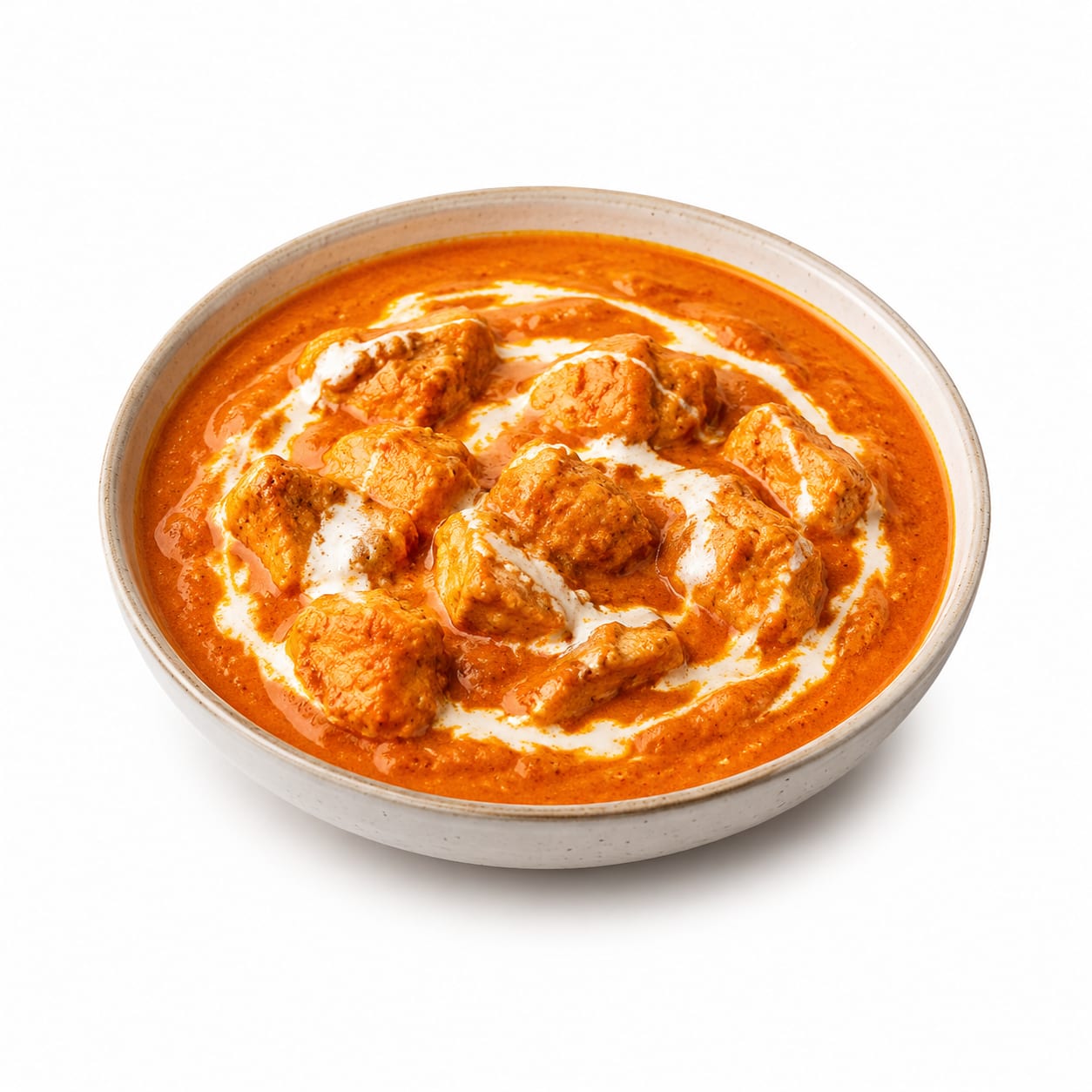
Butter Chicken
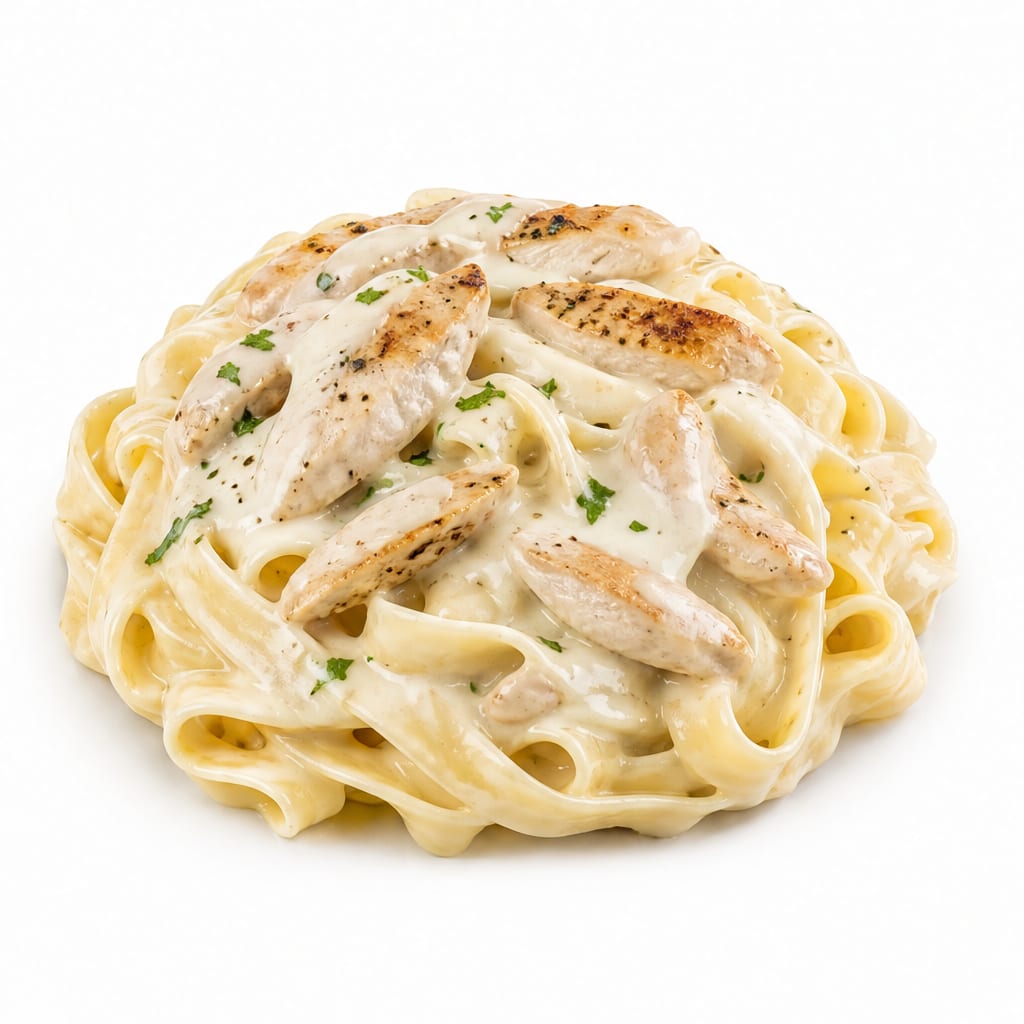
Chicken Alfredo
Butter Chicken edges out Chicken Alfredo thanks to anti-inflammatory spices and a tomato-based sauce, but both are indulgent dishes best enjoyed occasionally.
Butter Chicken scores moderately higher due to its tomato-lycopene content and turmeric-driven anti-inflammatory properties. Chicken Alfredo loses ground from refined pasta carbs and heavier saturated fat density. Neither scores well overall — both are indulgent dishes, not daily staples.
You trade refined pasta carbs and heavier cream for turmeric-powered spices and tomato antioxidants — neither is a health food.
At a glance
Executive summary
Overall
Butter Chicken
Healthier
Butter Chicken
More practical
It depends
Daily use
It depends
Key comparison lenses
creamy comfort food comparison
Both are rich, indulgent, sauce-heavy dishes people choose for comfort over health
heart health and saturated fat concerns
Both dishes are loaded with butter and cream, making cardiovascular impact a primary worry
anti inflammatory vs refined carb tradeoff
Butter Chicken offers spice-based anti-inflammatory benefits while Chicken Alfredo piles on refined pasta carbs
weight management and calorie density
Both are calorie bombs, but users want to know which does less damage to their waistline
cultural nutrition advantage
Traditional spice profiles in Indian cuisine give Butter Chicken hidden health perks that Italian-American Alfredo lacks
Best choice for
Butter Chicken
- People seeking anti-inflammatory spice benefits
- Those who prefer rice over pasta as a carb base
- Anyone wanting lycopene from tomato-based sauces
- Fans of flavorful food who eat smaller portions naturally
Chicken Alfredo
- Those needing a filling post-workout meal with simple carbs
- Picky eaters who avoid bold spices
- People who find pasta more satiating than rice
- Anyone craving cheesy, mild comfort food
Least suitable for
Butter Chicken
- People with severe dairy intolerance
- Those watching saturated fat strictly
- Anyone sensitive to spicy food or nightshades
- People on low-sodium diets eating restaurant versions
Chicken Alfredo
- People managing blood sugar or insulin resistance
- Those avoiding refined carbohydrates
- Anyone tracking saturated fat and cholesterol
- People with gluten sensitivity unless using alternative pasta
Deep comparison
Dimension by dimension
Each lens scores both foods and breaks down who each option suits.
- Dimension 1 · Priority 90Butter Chicken
calorie_density_and_weight_management
Butter Chicken · 40Chicken Alfredo · 32Both are calorie-heavy, but Butter Chicken is slightly easier to portion-control with rice versus a giant pasta bowl.
Tradeoff
Butter Chicken has less inherent carb loading, though the butter content keeps calories high in both.
Why it matters
When eating comfort food, slight differences in calorie density determine whether you accidentally overeat by 300 or 600 calories.
Real-world impact
A typical restaurant Butter Chicken with rice runs 600-800 calories. Chicken Alfredo with pasta often hits 800-1200 calories per plate.
Butter Chicken
- Smaller portions feel satisfying due to bold spices
- Rice portions are easier to control than pasta mounds
Better for
- Still easy to overeat when naan is added
Worse for
Chicken Alfredo
- Higher calorie load can benefit those actively bulking
Better for
- Pasta portions in restaurants are typically 2-3 servings
- Refined carbs trigger faster hunger return
Worse for
- Dimension 2 · Priority 88It depends
heart_health_and_saturated_fat
Butter Chicken · 35Chicken Alfredo · 30Both dishes are saturated fat bombs. Butter Chicken uses butter and cream, while Chicken Alfredo adds heavy cream and Parmesan on top of butter.
Tradeoff
Butter Chicken has slightly less saturated fat per typical serving, but the difference is marginal and preparation-dependent.
Why it matters
Frequent consumption of either dish can raise LDL cholesterol meaningfully over time.
Real-world impact
Eating either dish twice a week could contribute 20-30g of saturated fat weekly from just one meal — most guidelines cap daily intake at 13g.
Butter Chicken
- Tomato base provides some heart-protective antioxidants
- Turmeric may help counteract some inflammatory effects
Better for
- Restaurant versions often use excessive ghee or butter
Worse for
Chicken Alfredo
- Can be made lighter at home with less cream and butter
Better for
- Triple saturated fat hit: butter, heavy cream, and Parmesan
- Refined carbs compound heart risk by raising triglycerides
Worse for
- Dimension 3 · Priority 82Butter Chicken
anti_inflammatory_potential
Butter Chicken · 65Chicken Alfredo · 20Butter Chicken contains turmeric, cumin, coriander, and ginger — all with documented anti-inflammatory properties. Chicken Alfredo offers essentially zero anti-inflammatory benefit.
Tradeoff
The spices in Butter Chicken partially offset the inflammatory effects of saturated fat and cream, while Alfredo has no such buffer.
Why it matters
Chronic inflammation drives heart disease, joint pain, and fatigue. Small dietary anti-inflammatory inputs compound over years.
Real-world impact
Regular consumption of turmeric-containing dishes is associated with lower inflammatory markers in population studies, even when dishes are indulgent.
Butter Chicken
- Turmeric provides curcumin, a potent anti-inflammatory compound
- Ginger aids digestion and reduces inflammation
- Cumin supports healthy gut bacteria
Better for
- High saturated fat still promotes inflammation despite spices
Worse for
Chicken Alfredo
- No meaningful anti-inflammatory spices present
Better for
- No spice-based inflammation counterbalance at all
- Refined carbs promote inflammatory spikes
Worse for
- Dimension 4 · Priority 78Butter Chicken
blood_sugar_stability
Butter Chicken · 45Chicken Alfredo · 30Butter Chicken with moderate rice causes a slower blood sugar rise than Chicken Alfredo with refined pasta.
Tradeoff
The protein and fat in both dishes slow carb absorption, but pasta's higher glycemic load still hits harder.
Why it matters
Blood sugar crashes after meals drive afternoon fatigue, cravings, and long-term insulin resistance.
Real-world impact
After Chicken Alfredo, you are more likely to feel sleepy and crave sweets two hours later compared to Butter Chicken with rice.
Butter Chicken
- Basmati rice has a lower glycemic index than regular pasta
- Spices like fenugreek may help moderate blood sugar
Better for
- Naan bread alongside spikes blood sugar significantly
Worse for
Chicken Alfredo
- High fat content slows gastric emptying somewhat
Better for
- Refined white pasta causes rapid blood sugar elevation
- Large pasta portions amplify the glycemic load
Worse for
- Dimension 5 · Priority 75Butter Chicken
nutrient_density
Butter Chicken · 50Chicken Alfredo · 28Butter Chicken delivers lycopene from tomatoes, iron from spices, and various micronutrients. Chicken Alfredo is mostly empty calories from refined carbs and fat.
Tradeoff
You get real micronutrients alongside the indulgence with Butter Chicken, while Alfredo is nutritionally hollow beyond protein.
Why it matters
Even comfort meals can contribute something useful to your nutrient intake rather than being purely caloric.
Real-world impact
The tomato base in Butter Chicken provides absorbable lycopene, which supports prostate and heart health — Alfredo's cream sauce provides no such benefit.
Butter Chicken
- Lycopene from cooked tomatoes is highly bioavailable
- Iron from cumin and coriander adds trace mineral value
- Vitamin A from tomato and spice content
Better for
- High heat can degrade some heat-sensitive vitamins
Worse for
Chicken Alfredo
- Parmesan provides calcium and some B vitamins
Better for
- Refined pasta strips away fiber and B vitamins
- Cream sauce dilutes any nutritional contribution
Worse for
- Dimension 6 · Priority 72It depends
satiety_and_fullness
Butter Chicken · 60Chicken Alfredo · 62Chicken Alfredo feels heavier and more filling initially, but Butter Chicken's spice-driven satisfaction lasts longer with less food.
Tradeoff
Alfredo gives you physical fullness while Butter Chicken delivers flavor satisfaction — they satisfy hunger differently.
Why it matters
Feeling stuffed is not the same as feeling satisfied. Spice-driven satiety often prevents overeating better than volume-driven fullness.
Real-world impact
After Alfredo you may feel physically stuffed yet still reach for dessert. After Butter Chicken, you are more likely to feel genuinely done eating.
Butter Chicken
- Bold spices increase meal satisfaction with less volume
- Aromatic complexity signals the brain to stop eating sooner
Better for
- Less physically filling if portions are small
Worse for
Chicken Alfredo
- Dense pasta and cream create strong physical fullness
- Higher calorie load extends satiety duration for some people
Better for
- Refined carb fullness fades quickly, leading to snacking
Worse for
- Dimension 7 · Priority 68It depends
sodium_load
Butter Chicken · 38Chicken Alfredo · 35Both dishes are sodium-heavy in restaurant form. Butter Chicken gets salt from spice blends and marinades, while Alfredo gets it from cheese and salted pasta water.
Tradeoff
Restaurant Butter Chicken often has more sodium than homemade, while Alfredo's Parmesan is consistently salty regardless of preparation.
Why it matters
A single restaurant serving of either dish can contain 1000-2000mg sodium — most of your daily allowance in one meal.
Real-world impact
If you have blood pressure concerns, both dishes are risky at restaurants. Home preparation gives you control over both.
Butter Chicken
- Homemade versions can use less salt with spice compensation
Better for
- Restaurant marinades and spice mixes are often very salty
Worse for
Chicken Alfredo
- Slightly more predictable sodium from cheese content
Better for
- Parmesan and pasta water add hidden sodium
- Cream sauces in restaurants often contain added salt
Worse for
- Dimension 8 · Priority 60Chicken Alfredo
digestive_tolerance
Butter Chicken · 42Chicken Alfredo · 55Chicken Alfredo is gentler on sensitive stomachs. Butter Chicken's spices can trigger heartburn or irritation in some people.
Tradeoff
Mild flavors are easier to digest, but Butter Chicken's ginger can actually aid digestion for those who tolerate spices well.
Why it matters
If you have GERD, IBS, or a sensitive stomach, spice level matters more than nutritional profile for meal enjoyment.
Real-world impact
After Butter Chicken, some people experience heartburn or bloating. After Alfredo, the main complaint is feeling overly stuffed.
Butter Chicken
- Ginger in the spice blend aids digestion for tolerant stomachs
- Smaller portions are easier to digest
Better for
- Spices commonly trigger heartburn and GERD symptoms
- Chili and black pepper irritate sensitive stomachs
Worse for
Chicken Alfredo
- Mild flavors rarely trigger acid reflux
- Bland profile is safer for sensitive digestion
Better for
- Heavy cream can cause bloating in lactose-sensitive people
- Large pasta portions create physical discomfort
Worse for
Timeline
Health impact over time
Short-term
Hours to days
Butter Chicken
- Quick satisfaction from bold flavors with moderate portions
- Possible heartburn or warmth from spices within an hour
- Steadier energy compared to pasta-heavy meals due to lower glycemic load
Chicken Alfredo
- Heavy physical fullness that may cause drowsiness
- Blood sugar spike followed by energy crash within 2-3 hours
- Bloating from cream and large pasta volume
Long-term
Months to years
Butter Chicken
- Regular consumption raises cardiovascular risk from saturated fat despite spice benefits
- Anti-inflammatory spice intake may partially offset some damage
- Higher sodium intake contributes to blood pressure concerns if eaten frequently
Chicken Alfredo
- Frequent refined carb intake worsens insulin sensitivity over time
- Consistent high saturated fat intake raises LDL cholesterol meaningfully
- Low nutrient density means lost opportunities for beneficial compounds
Risk profile
Safety & processing
Both dishes use whole-food ingredients like chicken, cream, and butter, but restaurant versions often include stabilizers, color enhancers, and pre-made sauce bases. Butter Chicken sometimes gets artificial food coloring in restaurants. Chicken Alfredo relies on refined pasta, which is heavily processed. Homemade versions of both are significantly cleaner.
Butter Chicken
spice_contamination
mediumImported spice blends can occasionally contain adulterants or heavy metals, especially turmeric from unverified sources
cream_spoilage
lowCream-based sauces are perishable and require proper refrigeration; buffet-style Butter Chicken is a common food safety concern
artificial_coloring
mediumSome restaurants add synthetic orange food dye to achieve the signature color, which is unnecessary and potentially harmful
Chicken Alfredo
raw_egg_in_homemade_sauce
mediumTraditional Alfredo recipes sometimes use raw egg yolks, creating salmonella risk if not properly handled
cream_spoilage
lowHeavy cream and butter in Alfredo sauce are perishable and can harbor bacteria if left at room temperature
cheese_aging_byproducts
lowAged Parmesan contains histamine and tyramine, which can trigger headaches in sensitive individuals
Who wins for whom
Audience fit
Same foods, different winners depending on your goal.
children
Chicken AlfredoMild, cheesy flavors are more kid-friendly than complex spice profiles. Most children accept pasta and cream sauce readily while rejecting unfamiliar spices.
daily consumption
It dependsNeither should be eaten daily due to high saturated fat and calorie density. If forced to choose, homemade Butter Chicken with light cream and measured rice is the less damaging regular option.
diabetes
Butter ChickenBasmati rice has a lower glycemic index than refined pasta, and the spice blend in Butter Chicken includes fenugreek, which may help glucose metabolism. Both require strict portion control.
elderly
Butter ChickenAnti-inflammatory spices support joint health and cognitive function in aging. Softer chicken in sauce is easy to chew, and smaller portions are more appropriate for lower calorie needs.
muscle gain
Chicken AlfredoChicken Alfredo provides more total calories and simple carbs that support glycogen replenishment after intense training. The higher calorie density is an advantage when bulking.
weight loss
Butter ChickenButter Chicken's bold spices increase satisfaction with smaller portions, and rice is easier to measure than tangled pasta. Neither is ideal, but Butter Chicken gives you more flavor per calorie.
Your move
Decision guide
Choose Butter Chicken
- You want anti-inflammatory spice benefits alongside indulgence
- Blood sugar stability matters more to you than maximum fullness
- You prefer rice over pasta as your carb base
- You find bold flavors more satisfying than heavy richness
- You are eating Indian food and want a protein-forward option
Choose Chicken Alfredo
- You need a high-calorie post-workout meal with simple carbs
- Spices upset your stomach or trigger heartburn
- You are cooking for picky eaters or children
- You crave cheesy, mild comfort rather than complex spice
- You want maximum physical fullness from one plate
Either works if
- You are treating yourself to an occasional indulgent meal
- Both fit your calorie budget for the day
- You are eating at a restaurant and both options appeal equally
- Saturated fat intake is not a concern for your health profile
Avoid both if
- You have active heart disease or very high LDL cholesterol
- You are on a strict low-sodium diet for blood pressure
- You are trying to lose weight and cannot control portions
- You have severe lactose intolerance or dairy sensitivity
- Your doctor has advised limiting saturated fat strictly
Final recommendation
Choose Butter Chicken when you want flavor complexity and slight nutritional advantages from spices and tomatoes. Choose Chicken Alfredo when you need mild comfort and simple carbs after intense exercise. For both, homemade versions with less cream and butter transform these indulgences into much more reasonable meals. Neither belongs on your plate more than once or twice a month if you care about long-term heart health.
Practical
Consumer tips
- 1
Ask for Butter Chicken with light cream or tomato-forward preparation at restaurants — many will accommodate
- 2
Order Chicken Alfredo with half the pasta and double the chicken to improve the protein-to-carb ratio
- 3
Make Butter Chicken at home using Greek yogurt instead of heavy cream for a dramatically lighter version
- 4
Use whole wheat pasta for Chicken Alfredo to add fiber and slow blood sugar impact
- 5
Skip the naan with Butter Chicken — it adds 300+ calories of refined carbs on top of rice
- 6
Request sauce on the side for either dish to control how much you actually consume
- 7
Add steamed vegetables to either plate to increase volume and nutrients without many calories
- 8
Freeze individual portions of homemade Butter Chicken — it reheats well and prevents overeating