
Nutrition comparison
Butter Chicken vs Chicken Vindaloo: Which Is Healthier?
Compare Butter Chicken and Chicken Vindaloo on calories, fat, heart health, and digestion. Find out which curry is better for weight loss, daily eating, and your specific health goals.
Overall winner · Chicken Vindaloo
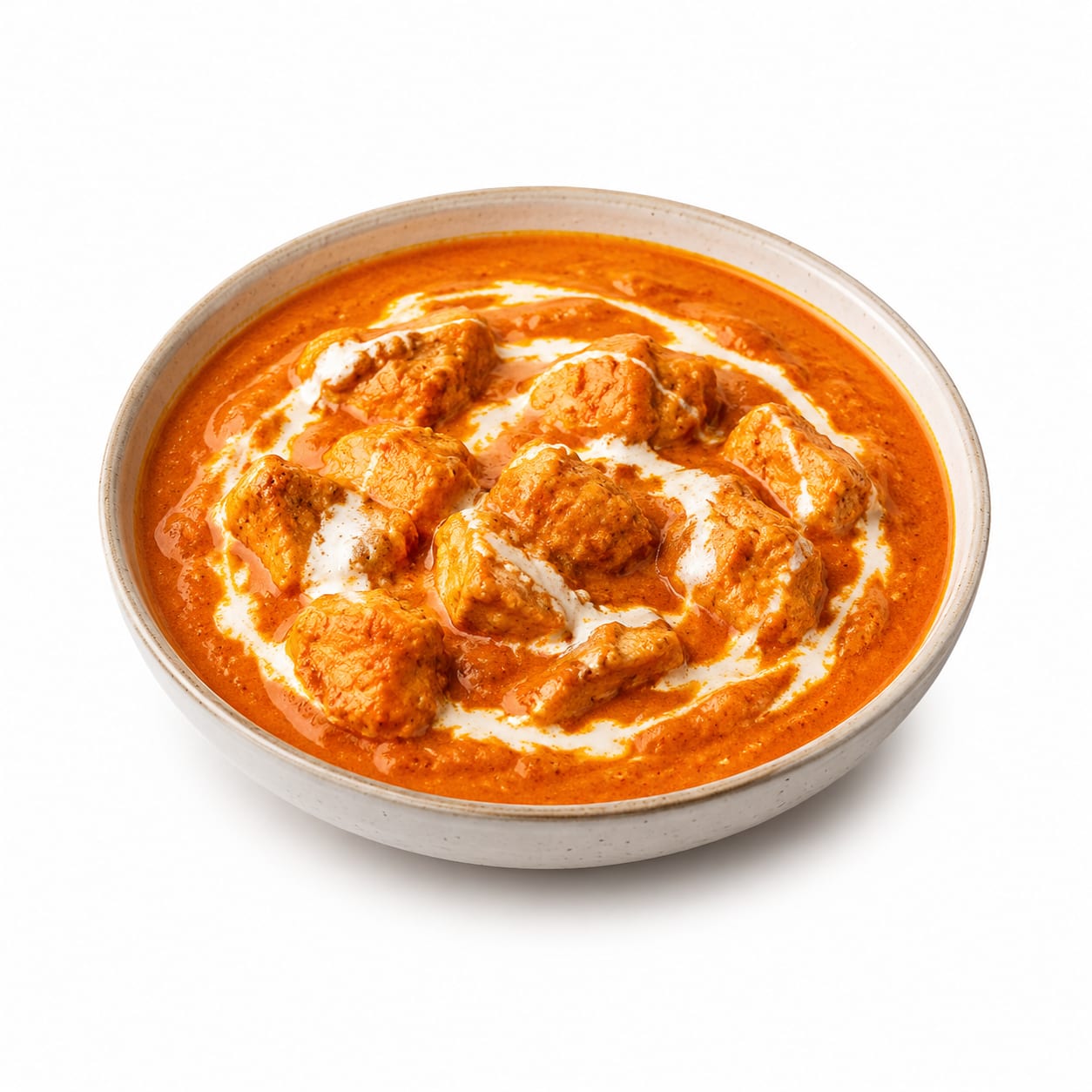
Butter Chicken
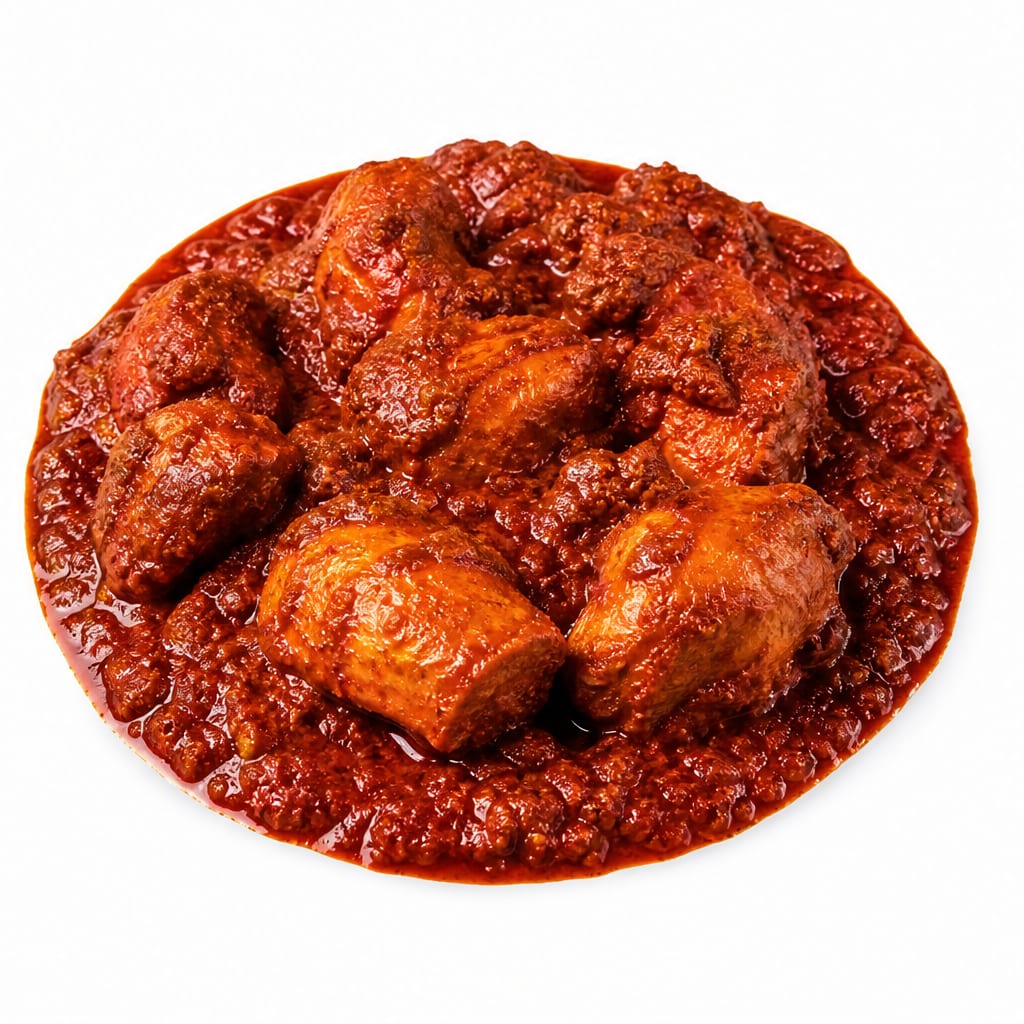
Chicken Vindaloo
Chicken Vindaloo is the healthier choice with far fewer calories and metabolism-boosting spices, but Butter Chicken wins on comfort and digestibility.
Chicken Vindaloo scores significantly higher due to its lower calorie density, minimal saturated fat, and beneficial spice compounds. Butter Chicken loses ground primarily on heart health and weight management, though it remains the better choice for digestive comfort.
Creamy indulgence versus spicy leanness — Butter Chicken satisfies the soul, Vindaloo serves the body.
At a glance
Executive summary
Overall
Chicken Vindaloo
Healthier
Chicken Vindaloo
More practical
Butter Chicken
Daily use
Chicken Vindaloo
Key comparison lenses
Calorie and fat comparison for weight management
Butter Chicken's cream and butter base makes it dramatically more calorie-dense than vinegar-based Vindaloo, which is often the deciding factor for health-conscious diners
Heart health and saturated fat impact
Butter Chicken delivers a heavy saturated fat load from dairy, while Vindaloo's spice profile may actually support cardiovascular function
Digestive tolerance and spice sensitivity
Vindaloo's intense heat can cause discomfort for many, while Butter Chicken's mild creaminess is gentler on the stomach
Anti-inflammatory and metabolic benefits
Vindaloo's capsaicin and vinegar offer genuine metabolic advantages, while Butter Chicken's dairy fat can be pro-inflammatory in excess
Satiety and overeating risk
Butter Chicken's richness makes it easy to overconsume, while Vindaloo's heat naturally limits portion size
Best choice for
Butter Chicken
- People with sensitive stomachs or acid reflux
- Anyone seeking comfort food on a stressful day
- Those who cannot tolerate spicy food
- Diners wanting a mild introduction to Indian cuisine
- People needing calorie-dense meals for weight gain
Chicken Vindaloo
- Weight-conscious diners watching calories
- Those seeking metabolic and anti-inflammatory benefits
- Spice lovers who enjoy bold flavors
- People monitoring heart health and saturated fat intake
- Anyone wanting flavorful food without heavy cream
Least suitable for
Butter Chicken
- People managing high cholesterol or heart disease
- Anyone actively trying to lose weight
- Those on low-fat or calorie-restricted diets
- People with lactose intolerance or dairy sensitivity
Chicken Vindaloo
- People with IBS, ulcers, or acid reflux
- Children unaccustomed to spicy food
- Those with nightshade sensitivities
- Anyone taking anticoagulant medications without medical advice
Deep comparison
Dimension by dimension
Each lens scores both foods and breaks down who each option suits.
- Dimension 1 · Priority 95Chicken Vindaloo
Calorie Density and Weight Management
Butter Chicken · 25Chicken Vindaloo · 75Butter Chicken can pack 400-500 calories per serving from cream and butter alone, while Vindaloo typically lands around 250-300 calories.
Tradeoff
You sacrifice rich mouthfeel for a significantly lighter meal that leaves room for other foods.
Why it matters
If you eat Indian food weekly, this calorie difference compounds into several pounds over a year.
Real-world impact
A Butter Chicken dinner with naan can easily hit 1000+ calories. The same meal with Vindaloo stays closer to 600-700.
Butter Chicken
- Bulking up when calories are hard to get
- Recovering from illness with appetite loss
Better for
- Anyone tracking calories
- People prone to overeating rich foods
Worse for
Chicken Vindaloo
- Sustained weight loss without giving up curry
- Eating Indian food more frequently without gaining
Better for
- Those who need calorie-dense meals
- People who find low-fat meals unsatisfying
Worse for
- Dimension 2 · Priority 90Chicken Vindaloo
Heart Health and Saturated Fat
Butter Chicken · 20Chicken Vindaloo · 70Butter Chicken's butter and cream deliver a heavy dose of saturated fat, while Vindaloo uses virtually no dairy fat at all.
Tradeoff
Creamy texture comes at a real cardiovascular cost, while Vindaloo's spice may actually improve circulation.
Why it matters
Regular saturated fat intake from cream-based curries raises LDL cholesterol over time, especially eaten with ghee-coated naan.
Real-world impact
One Butter Chicken serving can contain 20-30g of saturated fat — your entire daily limit in a single dish.
Butter Chicken
- Not applicable for heart health
Better for
- People with family history of heart disease
- Anyone with elevated LDL cholesterol
Worse for
Chicken Vindaloo
- Managing cholesterol levels
- Reducing cardiovascular risk long-term
Better for
- Not a significant concern here
Worse for
- Dimension 3 · Priority 85Butter Chicken
Digestive Tolerance
Butter Chicken · 80Chicken Vindaloo · 35Butter Chicken's mild, creamy sauce is soothing to most stomachs, while Vindaloo's intense heat and vinegar can trigger irritation.
Tradeoff
Gentle digestion comes with a heavy calorie price tag, while Vindaloo's health benefits come with real GI risk for sensitive people.
Why it matters
If you have IBS, reflux, or a sensitive gut, Vindaloo can cause hours of discomfort that outweighs any nutritional advantage.
Real-world impact
A Vindaloo dinner can mean heartburn by bedtime. Butter Chicken rarely causes that problem.
Butter Chicken
- Acid reflux sufferers
- People with IBS or sensitive digestion
- Post-surgery recovery when spice is contraindicated
Better for
- Not a significant concern here
Worse for
Chicken Vindaloo
- Those with robust digestion who tolerate heat well
Better for
- Anyone with GERD or ulcers
- People taking NSAIDs regularly
- Those prone to heartburn after spicy meals
Worse for
- Dimension 4 · Priority 80Chicken Vindaloo
Anti-Inflammatory and Metabolic Benefits
Butter Chicken · 30Chicken Vindaloo · 85Vindaloo's chili, turmeric, garlic, and vinegar deliver genuine anti-inflammatory and metabolism-boosting compounds. Butter Chicken's dairy fat can promote inflammation.
Tradeoff
You endure the heat to gain real physiological benefits — capsaicin, curcumin, and acetic acid all work in your favor.
Why it matters
Capsaicin modestly boosts metabolic rate and reduces appetite. Vinegar improves insulin sensitivity. These effects accumulate.
Real-world impact
Regular Vindaloo eaters may notice better energy and less bloating compared to the sluggishness that follows heavy cream-based curries.
Butter Chicken
- Not applicable for metabolic benefits
Better for
- Those with inflammatory conditions
- People fighting metabolic syndrome
Worse for
Chicken Vindaloo
- Boosting metabolic rate naturally
- Reducing chronic inflammation
- Improving insulin sensitivity
Better for
- Not a significant concern here
Worse for
- Dimension 5 · Priority 75Chicken Vindaloo
Satiety and Overeating Risk
Butter Chicken · 35Chicken Vindaloo · 72Butter Chicken's creamy richness makes it dangerously easy to overeat, while Vindaloo's heat naturally puts the brakes on portion size.
Tradeoff
Butter Chicken feels more satisfying per bite but less controllable overall. Vindaloo forces moderation through spice.
Why it matters
The combination of fat and mild flavor in Butter Chicken bypasses fullness signals. Vindaloo's heat makes you stop sooner.
Real-world impact
Most people naturally eat 30-40% less Vindaloo than Butter Chicken without trying — the spice does the portion control for you.
Butter Chicken
- Situations where you need to eat more calories easily
Better for
- Emotional eaters who gravitate toward rich foods
- People who eat until the plate is empty regardless of hunger
Worse for
Chicken Vindaloo
- Anyone who struggles with portion control
- Mindful eating without counting calories
Better for
- Those who find very spicy food unpleasant and end up under-eating
Worse for
- Dimension 6 · Priority 70Chicken Vindaloo
Blood Sugar Stability
Butter Chicken · 40Chicken Vindaloo · 68Vindaloo's vinegar content slows gastric emptying and blunts blood sugar spikes. Butter Chicken's cream adds calories without stabilizing glucose.
Tradeoff
Both are protein-forward chicken dishes, but Vindaloo's acetic acid gives it an extra edge for blood sugar control.
Why it matters
When eaten with rice or naan, the vinegar in Vindaloo helps moderate the glycemic impact of those carbs.
Real-world impact
After a Butter Chicken and naan meal, you are more likely to feel sleepy and crave sweets. Vindaloo with rice produces steadier energy.
Butter Chicken
- Not applicable for blood sugar management
Better for
- Insulin-resistant individuals
- Those who experience food comas after Indian meals
Worse for
Chicken Vindaloo
- Pre-diabetics managing blood sugar
- Avoiding the post-curry energy crash
Better for
- Not a significant concern here
Worse for
Timeline
Health impact over time
Short-term
Hours to days
Butter Chicken
- Heavy fullness and potential sluggishness after eating
- Minimal digestive discomfort for most people
- Possible bloating from high fat content combined with naan or rice
Chicken Vindaloo
- Potential heartburn or stomach warmth within hours
- Temporary metabolic boost from capsaicin
- Natural appetite suppression from spice intensity
Long-term
Months to years
Butter Chicken
- Elevated LDL cholesterol with frequent consumption
- Weight gain risk if eaten weekly without portion control
- Increased cardiovascular risk when combined with other high-saturated-fat foods
Chicken Vindaloo
- Improved insulin sensitivity from regular vinegar and spice intake
- Modest metabolic benefits from habitual capsaicin consumption
- Potential GI irritation if consumed excessively by sensitive individuals
Risk profile
Safety & processing
Both dishes are restaurant-style cooked meals with multiple ingredients. Butter Chicken loses naturalness points because restaurant versions often use heavy cream, butter, and sometimes food coloring. Vindaloo's ingredient list — vinegar, spices, chili — is closer to whole food.
Butter Chicken
Dairy spoilage risk
mediumCream-based sauces spoil faster at room temperature and require careful reheating to food-safe temperatures.
Restaurant oil quality
mediumMany restaurants use cheap vegetable oils or reused butter/ghee, which can introduce oxidized fats.
Chicken Vindaloo
Spice adulteration
lowCommercial spice blends can occasionally contain contaminants or artificial colors, especially in pre-made Vindaloo pastes.
GI irritation from excessive heat
mediumVery spicy Vindaloo can cause acute gastritis in susceptible individuals, particularly on an empty stomach.
Who wins for whom
Audience fit
Same foods, different winners depending on your goal.
children
Butter ChickenButter Chicken's mild, creamy flavor is far more kid-friendly than Vindaloo's intense heat.
daily consumption
Chicken VindalooVindaloo's lower calorie and fat profile makes it more sustainable for regular eating without health consequences.
diabetes
Chicken VindalooVindaloo's vinegar improves insulin sensitivity and the lower fat content reduces insulin resistance risk.
elderly
Butter ChickenOlder adults often have more sensitive digestion and lower spice tolerance, making Butter Chicken the safer choice.
muscle gain
Butter ChickenButter Chicken provides more calories and fat for bulking, though both deliver solid protein from chicken.
weight loss
Chicken VindalooChicken Vindaloo has roughly half the calories and a fraction of the saturated fat, plus capsaicin naturally curbs appetite.
Your move
Decision guide
Choose Butter Chicken
- You have acid reflux, IBS, or a sensitive stomach
- You are ordering for kids or spice-averse friends
- You are actively trying to gain weight
- It has been a rough day and you need comfort food
- You rarely eat Indian food and want the classic experience
Choose Chicken Vindaloo
- You are watching your weight or calorie intake
- You want anti-inflammatory and metabolic benefits from spices
- You enjoy bold, spicy flavors
- Heart health is a priority for you
- You eat Indian food frequently and need a leaner option
Either works if
- You are ordering for a group with mixed preferences
- You plan to balance the meal with lots of vegetables and salad
- You are eating a small portion as part of a larger spread
Avoid both if
- You have a chicken allergy or vegetarian diet
- You are on a strict low-sodium diet, as both can be salt-heavy in restaurants
- You have severe gallbladder issues that require very low fat
Final recommendation
For most health-conscious adults, Chicken Vindaloo is the better regular choice — it delivers bold flavor with fewer calories and genuine metabolic benefits. Save Butter Chicken for occasional indulgence or when your stomach demands something gentle. If you love Butter Chicken but want a healthier version, ask for it made with less cream or try a tomato-based variant.
Practical
Consumer tips
- 1
Ask restaurants to go light on cream in Butter Chicken — you will save 100-150 calories without losing the essence.
- 2
Order Vindaloo medium-spice if you want the flavor benefits without GI distress.
- 3
Pair either dish with cauliflower rice or a side of vegetables instead of naan to dramatically improve the meal's nutritional profile.
- 4
Restaurant portions are often two servings — split it or save half for tomorrow.
- 5
If making Butter Chicken at home, substitute Greek yogurt for heavy cream to cut calories while keeping creaminess.
- 6
Vindaloo's vinegar content means it reheats well and often tastes better the next day as flavors meld.