
Nutrition comparison
Butter Chicken vs Palak Paneer: Which Indian Curry Is Healthier?
Compare Butter Chicken and Palak Paneer on calories, protein, fat, fiber, and health impact. Discover which curry is better for weight loss, heart health, and daily eating.
Overall winner · Palak Paneer
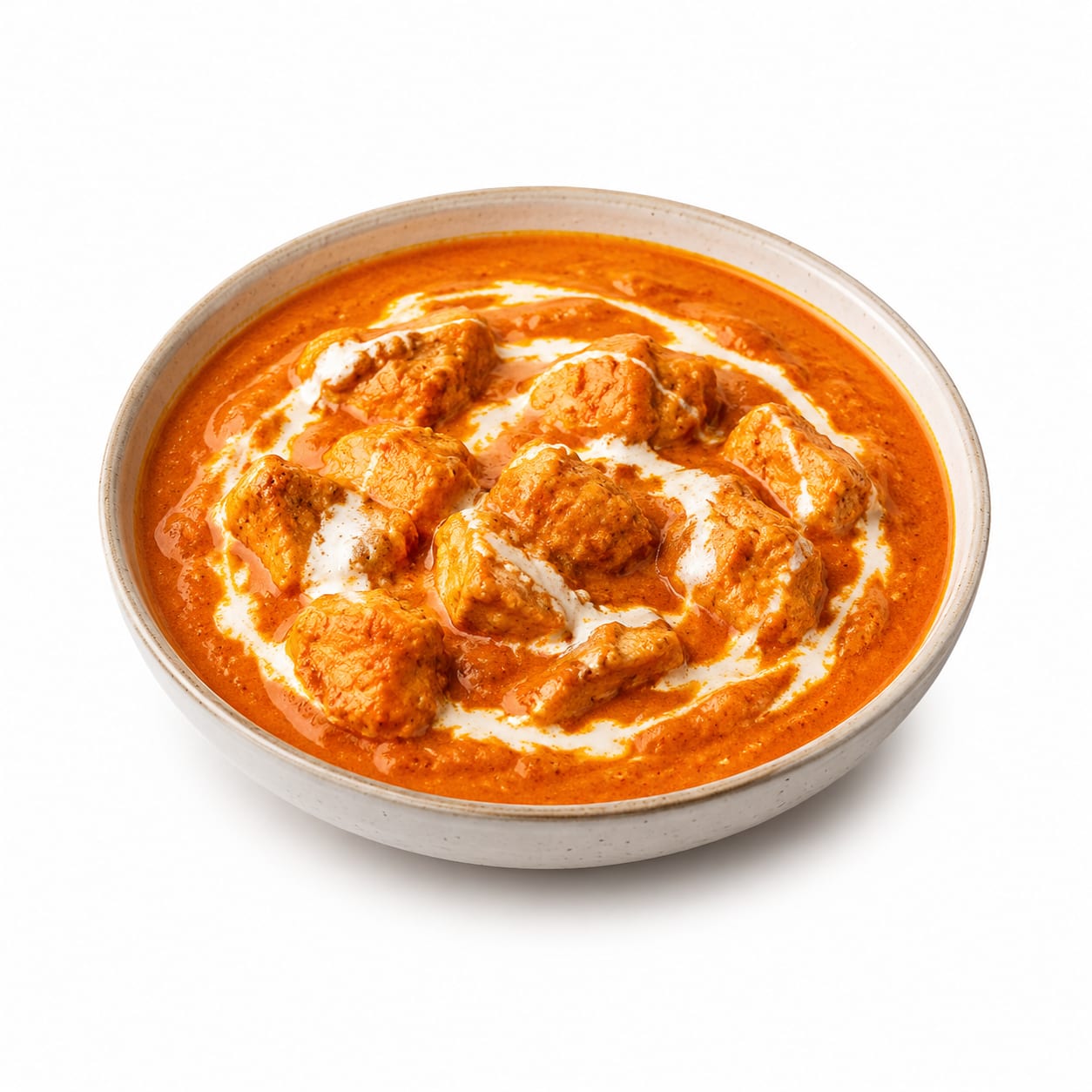
Butter Chicken
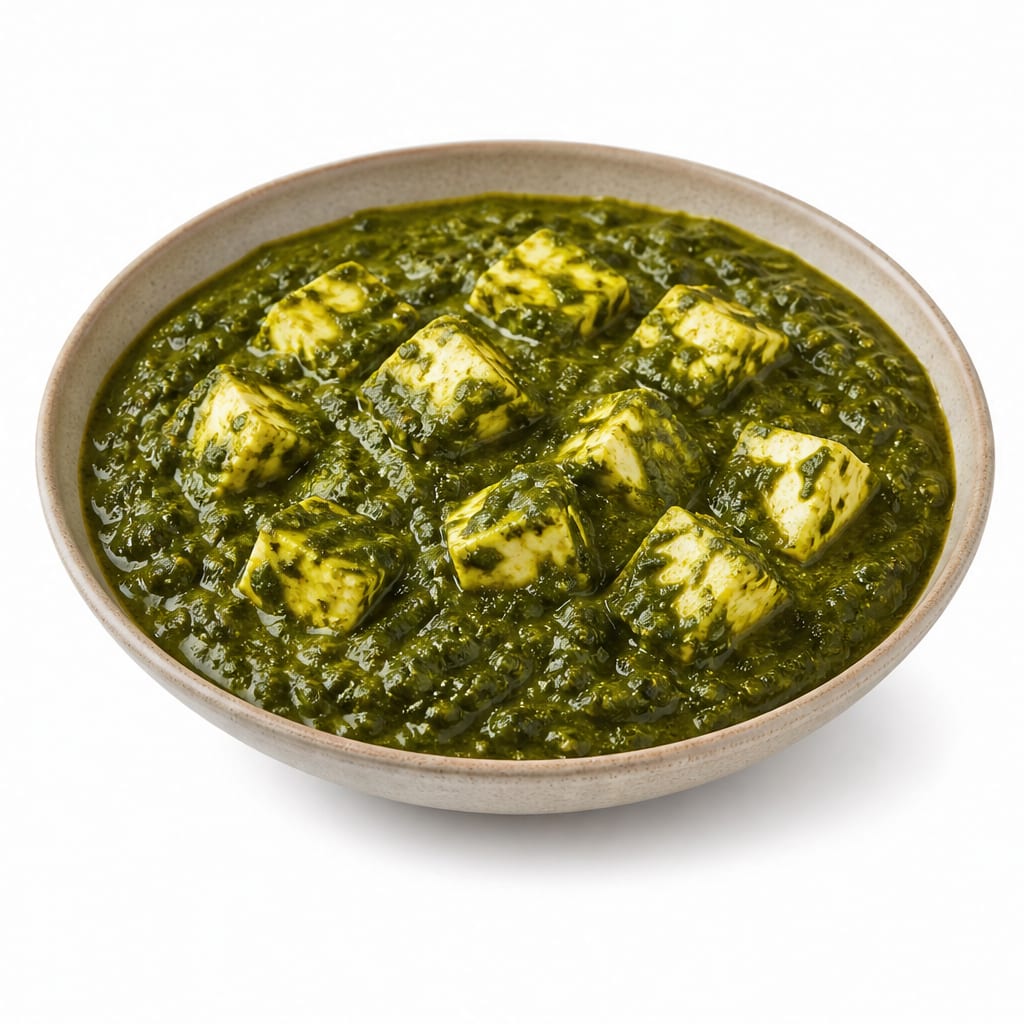
Palak Paneer
Palak Paneer wins on nutritional density and lower calorie load, but Butter Chicken delivers superior protein quality and more satisfying flavor for many eaters.
Palak Paneer scores notably higher due to its superior micronutrient density, lower calorie load, and fiber content. Butter Chicken remains competitive on protein quality and taste satisfaction but loses ground on heart health and weight management. The gap is meaningful but not overwhelming—both are indulgent restaurant-style dishes.
You trade complete lean protein and richer taste in Butter Chicken for fewer calories, more fiber, and significantly more micronutrients in Palak Paneer.
At a glance
Executive summary
Overall
Palak Paneer
Healthier
Palak Paneer
More practical
It depends
Daily use
Palak Paneer
Key comparison lenses
Calorie and fat load comparison for weight management
Both dishes are rich Indian curries, but Butter Chicken's cream-butter base makes it significantly more calorie-dense, which is the primary concern for most diners choosing between them.
Micronutrient density and vegetable content
Palak Paneer delivers substantial iron, folate, and vitamin K from spinach, while Butter Chicken offers minimal micronutrient advantage beyond B vitamins from chicken.
Protein quality and satiety comparison
Chicken provides complete, lean protein while paneer offers slower-digesting casein protein with higher fat content, creating different satiety profiles.
Heart health and saturated fat concerns
Both dishes contain saturated fat, but Butter Chicken typically packs more due to the double hit of butter and cream, raising cardiovascular considerations.
Vegetarian vs non-vegetarian dietary alignment
For vegetarians, this is not a choice at all. For flexible eaters, the decision hinges on health tradeoffs rather than dietary restrictions.
Best choice for
Butter Chicken
- Active individuals needing high-quality complete protein
- Those recovering from illness who need calorie-dense, appealing food
- People prioritizing iron absorption from heme sources
- Anyone finding vegetarian meals unsatisfying and prone to overeating later
Palak Paneer
- Weight-conscious diners wanting rich flavor without excessive calories
- People needing more fiber and digestive regularity
- Those focused on micronutrient intake, especially iron and folate
- Vegetarians seeking a satisfying, protein-rich curry option
Least suitable for
Butter Chicken
- People managing high cholesterol or heart disease risk
- Those on calorie-restricted diets
- Anyone with dairy sensitivity due to heavy cream content
- Vegetarians and vegans
Palak Paneer
- Those with severe dairy intolerance or allergy
- People needing high-quality complete protein in every meal
- Anyone on a low-oxalate diet due to kidney stone risk from spinach
Deep comparison
Dimension by dimension
Each lens scores both foods and breaks down who each option suits.
- Dimension 1 · Priority 95Palak Paneer
Calorie Density and Weight Management
Butter Chicken · 35Palak Paneer · 60Butter Chicken typically delivers 400-500 calories per serving compared to Palak Paneer's 250-350 calories, making the spinach dish significantly lighter.
Tradeoff
You sacrifice the richer, more indulgent mouthfeel of Butter Chicken's cream sauce for a meal that leaves room in your daily calorie budget.
Why it matters
If you eat Indian curries regularly, the calorie difference compounds fast. A 150-calorie gap per meal adds up to over 1,000 calories per week.
Real-world impact
Choosing Palak Paneer means you can have a satisfying curry dinner without automatically going over your calorie target, or you can pair it with rice and still stay reasonable.
Butter Chicken
- Underweight individuals needing calorie-dense meals
- Athletes in bulking phases
- People who struggle to eat enough calories
Better for
- Consistent weight gain if eaten frequently
- Feeling sluggish after meals due to heavy fat load
Worse for
Palak Paneer
- Anyone tracking calories for weight loss
- People who want a filling meal without the food coma
- Those eating Indian food multiple times per week
Better for
- May not feel substantial enough for very active people without larger portions
Worse for
- Dimension 2 · Priority 85Butter Chicken
Protein Quality and Satiety
Butter Chicken · 78Palak Paneer · 62Chicken provides complete, bioavailable protein with all essential amino acids, while paneer's casein protein digests slower but comes wrapped in more saturated fat.
Tradeoff
Butter Chicken gives you better protein per calorie, but the high fat content means you are getting protein in a calorie-expensive package.
Why it matters
For muscle maintenance and genuine satiety, protein quality matters. Chicken protein is more efficiently used by the body than paneer protein.
Real-world impact
After Butter Chicken, you will likely stay full longer due to the combined protein and fat load. After Palak Paneer, you may feel satisfied initially but hungry again sooner.
Butter Chicken
- Post-workout meals where protein quality matters
- Older adults needing efficient protein absorption
- Anyone prioritizing muscle maintenance
Better for
- The protein comes with a heavy saturated fat price tag
Worse for
Palak Paneer
- Sustained slow-release energy from casein protein
- Vegetarians who have limited complete protein sources
Better for
- Lower total protein per serving compared to chicken
- Paneer protein is less bioavailable than animal protein
Worse for
- Dimension 3 · Priority 90Palak Paneer
Micronutrient Density
Butter Chicken · 38Palak Paneer · 82Palak Paneer is a micronutrient powerhouse thanks to spinach, delivering iron, folate, vitamin K, magnesium, and potassium in meaningful amounts. Butter Chicken offers B vitamins and zinc but far less overall nutritional breadth.
Tradeoff
You give up the broad vitamin and mineral profile of spinach for the heme iron and B12 that only chicken can provide.
Why it matters
Most people do not get enough leafy greens. Palak Paneer sneaks a serious serving of spinach into a meal that actually tastes good.
Real-world impact
Regularly choosing Palak Paneer can meaningfully improve your iron stores, bone health through vitamin K, and energy levels through folate and magnesium.
Butter Chicken
- People with B12 deficiency who need heme iron sources
- Those who do not eat red meat and rely on chicken for B vitamins
Better for
- Essentially zero fiber and minimal vitamin content beyond B vitamins
Worse for
Palak Paneer
- Women of reproductive age needing iron and folate
- Anyone falling short on daily vegetable intake
- People concerned about bone health and vitamin K
Better for
- Spinach oxalates can reduce mineral absorption and pose kidney stone risk for susceptible individuals
Worse for
- Dimension 4 · Priority 80Palak Paneer
Heart Health and Saturated Fat
Butter Chicken · 30Palak Paneer · 48Neither dish is heart-healthy by clinical standards, but Butter Chicken's double dose of butter and cream pushes saturated fat significantly higher than Palak Paneer's moderate cream content.
Tradeoff
Both are indulgent choices, but Palak Paneer is the lesser of two evils for cardiovascular health while still feeling like a treat.
Why it matters
If you have elevated cholesterol or a family history of heart disease, regularly choosing the lower-saturated-fat option matters more than occasional indulgence.
Real-world impact
After a Butter Chicken meal, your saturated fat intake for the day is likely maxed out. Palak Paneer leaves some room for other meals without pushing past recommended limits.
Butter Chicken
- Healthy, active individuals who can handle higher fat intake without concern
Better for
- Can easily exceed daily saturated fat limits in a single serving
- Regular consumption raises LDL cholesterol meaningfully
Worse for
Palak Paneer
- People managing cholesterol or blood lipid levels
- Anyone with family history of heart disease
- Those who eat rich foods frequently and need a lighter option
Better for
- Paneer itself is high in saturated fat, so this is not a low-fat choice either
Worse for
- Dimension 5 · Priority 75Palak Paneer
Digestive Health and Fiber
Butter Chicken · 15Palak Paneer · 65Palak Paneer provides 3-5 grams of fiber per serving from spinach, while Butter Chicken is essentially fiber-free unless you count what little tomato remains in the sauce.
Tradeoff
The fiber in Palak Paneer supports digestion and steadier blood sugar, while Butter Chicken's lack of fiber means faster digestion and potential blood sugar spikes when eaten with rice.
Why it matters
Fiber is the missing nutrient in most Indian restaurant meals. Getting any meaningful amount from your curry itself is a genuine advantage.
Real-world impact
Palak Paneer with rice will give you steadier energy and better digestion than Butter Chicken with rice, which can cause a quicker blood sugar rise and crash.
Butter Chicken
- People with acute digestive issues who need low-fiber meals temporarily
Better for
- Zero fiber means no digestive support and faster gastric emptying
- Can contribute to constipation if eaten regularly without other fiber sources
Worse for
Palak Paneer
- Anyone struggling with constipation or irregular digestion
- People managing blood sugar who need fiber to slow carbohydrate absorption
- Those trying to increase daily fiber intake without eating salads
Better for
- Spinach fiber can cause bloating in sensitive individuals
Worse for
- Dimension 6 · Priority 70Palak Paneer
Blood Sugar Stability
Butter Chicken · 40Palak Paneer · 58Palak Paneer's fiber content slows glucose absorption when eaten with rice or naan, while Butter Chicken's high fat can delay but ultimately deliver a heavy calorie load that complicates insulin response.
Tradeoff
Neither curry alone spikes blood sugar significantly, but the typical accompaniments matter. Palak Paneer gives you a better fiber buffer against the carbs you pair it with.
Why it matters
For prediabetics and anyone monitoring blood sugar, the fiber-to-carb ratio of your entire meal matters more than the curry alone.
Real-world impact
Eating Palak Paneer with one roti will give you a gentler blood sugar curve than Butter Chicken with the same roti, simply because the spinach fiber slows everything down.
Butter Chicken
- The high fat content can slow gastric emptying, which delays glucose absorption initially
Better for
- High saturated fat can impair insulin sensitivity over time
- No fiber to buffer accompanying carbohydrates
Worse for
Palak Paneer
- Fiber provides a more reliable and consistent blood sugar stabilizing effect
- Better pairing with grains for sustained energy
Better for
- Paneer's fat content still adds caloric load that requires insulin management
Worse for
Timeline
Health impact over time
Short-term
Hours to days
Butter Chicken
- Heavy fullness and potential sluggishness after eating due to high fat and calorie density
- Sustained satiety for 4-5 hours from the protein-fat combination
- Possible heartburn or acid reflux from the rich cream-based sauce
Palak Paneer
- Comfortable fullness without the heavy, weighted feeling that Butter Chicken creates
- Moderate satiety lasting 3-4 hours, potentially needing a snack sooner
- Better digestive comfort due to fiber content aiding gastric motility
Long-term
Months to years
Butter Chicken
- Regular consumption increases saturated fat intake substantially, raising cardiovascular risk over time
- Higher calorie density makes weight management more difficult if eaten frequently
- Heme iron from chicken supports healthy iron stores, particularly beneficial for women and athletes
Palak Paneer
- Consistent spinach intake supports bone density, blood health, and immune function through vitamin K, iron, and folate
- Fiber contribution aids long-term digestive health and reduces constipation risk
- Oxalate load from regular spinach consumption may increase kidney stone risk in susceptible individuals
Risk profile
Safety & processing
Both dishes are restaurant-style preparations involving multiple cooking steps, cream, and butter. Restaurant versions of both often contain food coloring and stabilizers. Home-cooked versions of either can be significantly cleaner. Paneer itself is a minimally processed fresh cheese, while the chicken in Butter Chicken is unprocessed protein. The real concern is restaurant preparation methods, which are comparable for both dishes.
Butter Chicken
Foodborne illness from undercooked chicken
mediumChicken must be cooked thoroughly. Restaurant preparation is generally reliable, but improper holding temperatures or cross-contamination can occur.
Antibiotic and hormone residues in conventionally raised chicken
mediumConventionally raised poultry may carry antibiotic residues. Choosing organic or antibiotic-free chicken reduces this concern significantly.
Palak Paneer
Oxalate accumulation and kidney stone formation
mediumSpinach is high in oxalates. For people with a history of calcium oxalate kidney stones, regular Palak Paneer consumption could increase recurrence risk.
Dairy contamination and spoilage
lowPaneer is a fresh cheese with shorter shelf life than aged cheeses. Proper refrigeration is essential, but restaurant preparation typically manages this well.
Pesticide residues on spinach
mediumSpinach consistently appears on the Environmental Working Group's Dirty Dozen list for pesticide residues. Washing helps but does not eliminate all residues.
Who wins for whom
Audience fit
Same foods, different winners depending on your goal.
children
It dependsButter Chicken's milder, sweeter taste often appeals more to children, and the high-quality protein supports growth. However, Palak Paneer sneaks in vegetables and calcium. It depends on what the child will actually eat willingly.
daily consumption
Palak PaneerPalak Paneer's lower saturated fat, higher fiber, and better micronutrient profile make it more suitable as a regular meal. Butter Chicken is better reserved as an occasional indulgence.
diabetes
Palak PaneerThe fiber in Palak Paneer slows carbohydrate absorption when paired with rice or bread, creating a gentler blood sugar response. Butter Chicken's high saturated fat can worsen insulin resistance over time.
elderly
Palak PaneerOlder adults benefit more from the fiber, vitamin K for bone health, and folate in Palak Paneer. The lower calorie density also matches typically reduced calorie needs.
muscle gain
Butter ChickenChicken provides more bioavailable, complete protein per serving, which is more effective for muscle protein synthesis than paneer's casein-dominant profile.
weight loss
Palak PaneerPalak Paneer delivers rich curry satisfaction at roughly 60-70% of the calorie cost of Butter Chicken, making it the more sustainable choice for calorie-controlled eating.
Your move
Decision guide
Choose Butter Chicken
- You are highly active and need calorie-dense, protein-rich meals to support your training
- You have low iron stores and benefit from heme iron sources
- You are eating Indian food as an occasional treat and want the most satisfying experience
- You find vegetarian meals leave you hungry and prone to snacking later
Choose Palak Paneer
- You are watching your weight or eating Indian food multiple times per week
- You want to increase your vegetable and fiber intake without eating a salad
- You have elevated cholesterol or cardiovascular risk factors
- You are vegetarian or trying to eat more plant-forward meals
- You want sustained energy without the heavy, sluggish feeling after meals
Either works if
- You are healthy, active, and eating Indian food occasionally as a treat
- You are ordering for a group and want variety rather than optimizing one dish
- You plan to balance the meal with a light side dish and skip the heavy breads
Avoid both if
- You have severe dairy intolerance or allergy, as both contain significant cream and dairy
- You are on a strict low-fat diet for medical reasons such as gallbladder issues
- You are following a whole-food plant-based protocol and avoiding all animal products
Final recommendation
For most people eating Indian food regularly, Palak Paneer is the smarter default. It delivers genuine vegetable nutrition, more fiber, and fewer calories while still feeling like a proper curry. Save Butter Chicken for when you truly want the indulgent experience, not as your weekly order. If you do choose Butter Chicken, consider asking for less cream or butter, and pair it with a vegetable side to balance the meal.
Practical
Consumer tips
- 1
Ask for less cream or butter in either dish at restaurants—most kitchens will accommodate this without dramatically changing the flavor
- 2
Pair Palak Paneer with whole wheat roti instead of naan to maximize the fiber advantage
- 3
If choosing Butter Chicken, skip the naan and have it with a small portion of rice to manage the calorie load
- 4
Home-cooked versions of both dishes can cut 30-40% of the calories by using less cream and substituting part of the butter with olive oil
- 5
For Palak Paneer, blanching spinach before blending reduces oxalate content, which is important if you are prone to kidney stones
- 6
If you are sensitive to dairy, both dishes can be made with coconut cream instead, though this changes the flavor profile significantly
- 7
Adding a side of raita to either dish provides probiotics and helps digestion, especially with the heavier Butter Chicken