
Nutrition comparison
Butter Chicken vs Dal Makhani: Which Is Healthier?
Compare Butter Chicken and Dal Makhani on protein, heart health, calories, and daily sustainability. Find out which North Indian classic is better for your goals.
Overall winner · Dal Makhani
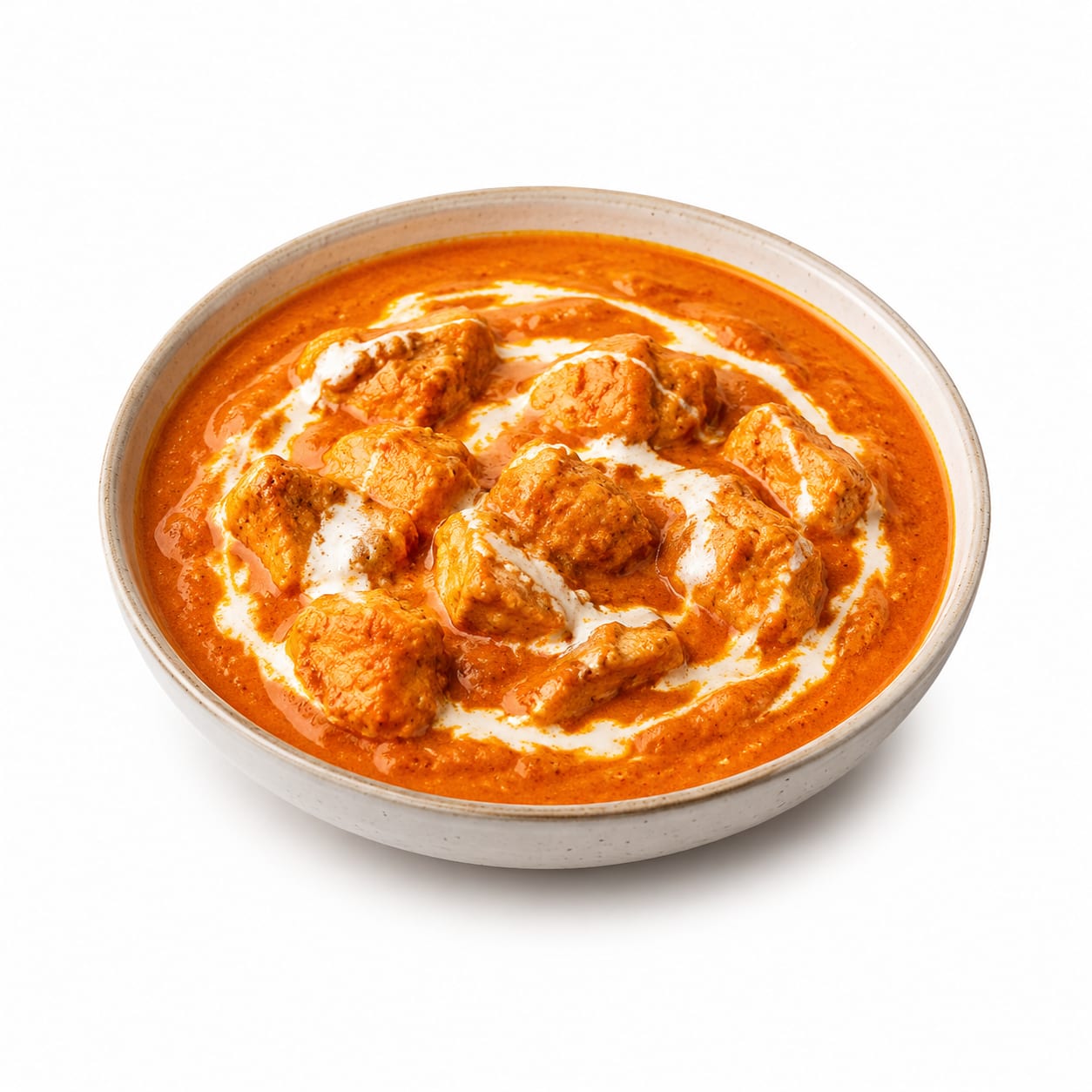
Butter Chicken
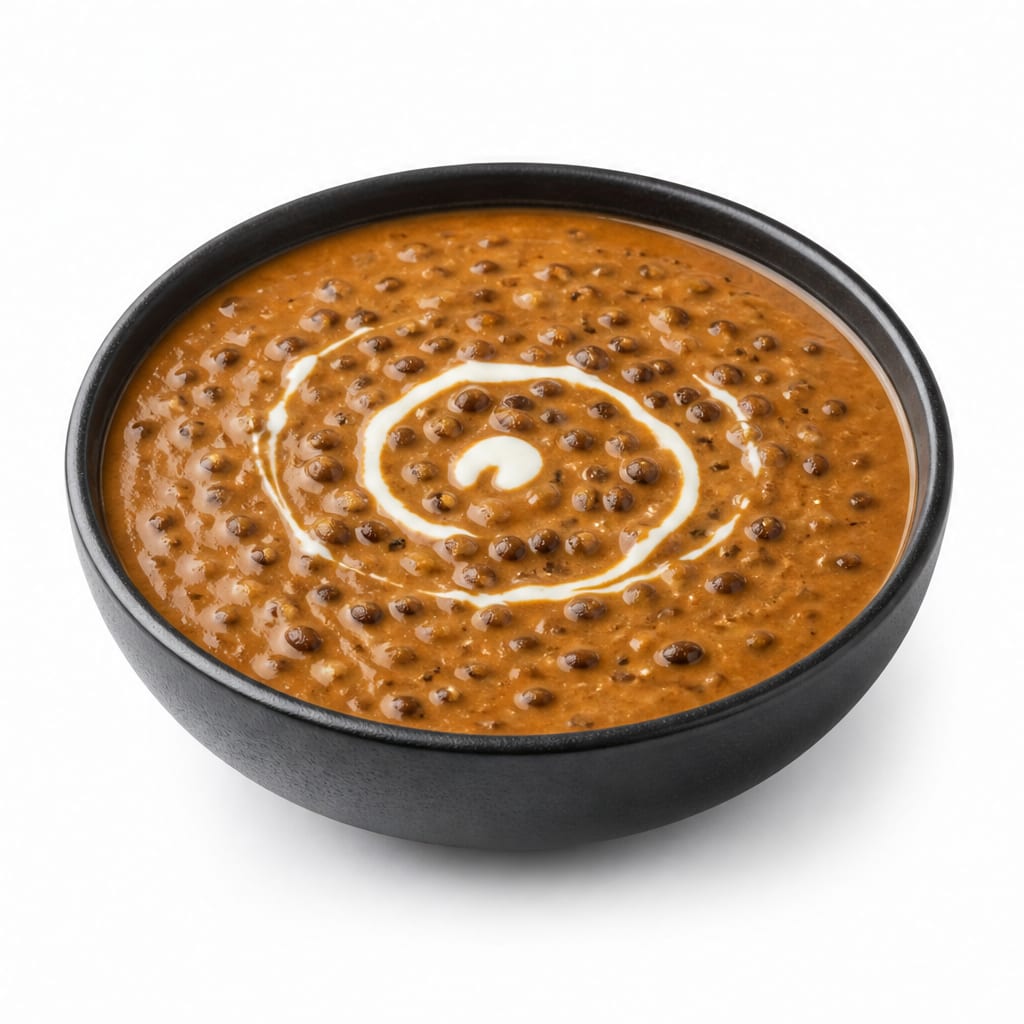
Dal Makhani
Dal Makhani edges out Butter Chicken for regular consumption thanks to its fiber, plant protein, and lower cholesterol, though both are indulgent dishes that should be enjoyed mindfully.
Dal Makhani scores noticeably higher due to fiber content, zero cholesterol, and better long-term health alignment. Butter Chicken is not a poor food, but its saturated fat and cholesterol load make it better suited for occasional enjoyment rather than routine eating.
Butter Chicken delivers more complete protein and a richer mouthfeel, while Dal Makhani offers better heart health metrics, steadier energy, and more digestive comfort.
At a glance
Executive summary
Overall
Dal Makhani
Healthier
Dal Makhani
More practical
Dal Makhani
Daily use
Dal Makhani
Key comparison lenses
Heart health and saturated fat comparison
Both dishes are cream-laden North Indian classics, but one is poultry-based and the other legume-based, creating a critical fat and cholesterol divergence
Protein source quality: animal vs plant
Users choosing between these dishes are often weighing complete animal protein against fiber-rich plant protein with different satiety profiles
Weight management and calorie density
Both are rich restaurant-style dishes, but calorie density differs significantly due to ingredient composition
Daily eating sustainability
People want to know which comfort food they can eat more often without health consequences stacking up
Blood sugar and diabetes suitability
Carbohydrate and fiber differences make these two foods behave very differently for glycemic control
Best choice for
Butter Chicken
- High-protein meals after strength training
- Occasional indulgent dining experiences
- Iron-deficient individuals needing heme iron
- Those prioritizing complete amino acid profiles
Dal Makhani
- Weekly comfort meals without guilt
- Plant-forward eaters seeking hearty options
- Anyone managing cholesterol or heart risk
- People wanting sustained energy without heaviness
Least suitable for
Butter Chicken
- Daily or frequent consumption
- Anyone with high LDL cholesterol
- Those monitoring saturated fat strictly
- People prone to acid reflux from rich foods
Dal Makhani
- Those needing high complete protein per serving
- People strictly limiting carbohydrates
- Anyone with legume sensitivity or intolerance
Deep comparison
Dimension by dimension
Each lens scores both foods and breaks down who each option suits.
- Dimension 1 · Priority 95Dal Makhani
Heart Health & Cardiovascular Impact
Butter Chicken · 35Dal Makhani · 65Butter Chicken brings cholesterol from chicken and heavy saturated fat from butter and cream. Dal Makhani also contains butter and cream, but the lentils provide soluble fiber that actively helps lower LDL cholesterol.
Tradeoff
You sacrifice some protein completeness with Dal Makhani but gain a dish that works with your heart rather than against it.
Why it matters
Heart disease is the leading killer globally, and frequent saturated fat and cholesterol intake from rich meat dishes compounds risk silently over years.
Real-world impact
Eating Butter Chicken multiple times a week can nudge LDL cholesterol upward within months. Dal Makhani, while still rich, gives your body fiber that helps counterbalance the fat.
Butter Chicken
- Recovering from illness needing calorie-dense nourishment
Better for
- Daily eaters with sedentary lifestyles
- People already on cholesterol medication
Worse for
Dal Makhani
- Anyone with family history of heart disease
- People with elevated LDL cholesterol
- Long-term cardiovascular risk reduction
Better for
- Those who need calorie-dense recovery meals and already have low cholesterol
Worse for
- Dimension 2 · Priority 90Butter Chicken
Protein Quality & Quantity
Butter Chicken · 82Dal Makhani · 62Butter Chicken provides complete protein with all essential amino acids from chicken. Dal Makhani offers plant protein from lentils and kidney beans, which is slightly less bioavailable but still substantial.
Tradeoff
Chicken protein is more efficiently used by the body, but Dal Makhani pairs two legumes that complement each other's amino acid profiles reasonably well.
Why it matters
Protein quality affects muscle maintenance, satiety signaling, and how satisfied you feel after eating.
Real-world impact
After Butter Chicken, you feel full in a heavier, more immediate way. After Dal Makhani, fullness builds gradually and lasts longer due to the fiber-protein combination.
Butter Chicken
- Post-workout muscle recovery
- Older adults preventing muscle loss
- Growing teenagers needing complete protein
Better for
- Those eating protein-heavy diets already and not needing more
Worse for
Dal Makhani
- Sustained protein intake throughout the afternoon
- Vegetarians getting the most from legumes
Better for
- Anyone needing maximum protein efficiency per calorie
Worse for
- Dimension 3 · Priority 85Dal Makhani
Digestive Comfort & Gut Health
Butter Chicken · 40Dal Makhani · 78Dal Makhani is rich in fiber from lentils and kidney beans, feeding gut bacteria and promoting regularity. Butter Chicken is essentially fiber-free and the high fat content can trigger reflux in sensitive people.
Tradeoff
Dal Makhani may cause bloating in those unaccustomed to legumes, while Butter Chicken sits heavy without offering any digestive benefit.
Why it matters
Gut health affects everything from immunity to mood, and fiber is the single most underconsumed nutrient in modern diets.
Real-world impact
A Dal Makhani meal keeps your digestion moving the next day. Butter Chicken can leave you feeling sluggish and constipated if eaten frequently.
Butter Chicken
- Those with severe IBS who cannot tolerate legumes
Better for
- Acid reflux sufferers
- Anyone already eating low-fiber diets
Worse for
Dal Makhani
- Anyone needing more daily fiber
- People prone to constipation
- Gut microbiome support
Better for
- People with legume intolerance or FODMAP sensitivity
Worse for
- Dimension 4 · Priority 80Dal Makhani
Blood Sugar Stability
Butter Chicken · 45Dal Makhani · 72Dal Makhani's complex carbohydrates and high fiber slow glucose absorption significantly. Butter Chicken has minimal carbs but the heavy fat load can delay gastric emptying, causing unpredictable blood sugar patterns when eaten with rice or naan.
Tradeoff
Butter Chicken is nearly carb-free on its own, but in real life it is almost always paired with refined carbs. Dal Makhani's built-in fiber buffers the entire meal better.
Why it matters
Blood sugar spikes and crashes drive cravings, fatigue, and long-term metabolic damage.
Real-world impact
Eating Dal Makhani with rice gives you steadier energy for hours. Butter Chicken with naan can lead to a heavier feeling followed by an afternoon crash once the fat slows everything down.
Butter Chicken
- Very low-carb eaters who skip the naan and rice
Better for
- Anyone eating it with large portions of naan or rice
Worse for
Dal Makhani
- Prediabetics and diabetics
- Anyone wanting to avoid the post-lunch energy dip
- Steady energy throughout the afternoon
Better for
- Strict ketogenic dieters avoiding all legumes
Worse for
- Dimension 5 · Priority 82Dal Makhani
Calorie Density & Weight Management
Butter Chicken · 38Dal Makhani · 60Both dishes are calorie-dense by nature, but Butter Chicken packs more calories per bite due to higher fat content from chicken skin, butter, and cream. Dal Makhani's fiber helps you feel full on slightly fewer calories.
Tradeoff
Neither dish is a weight loss food, but Dal Makhani lets you eat a satisfying portion with less caloric penalty.
Why it matters
Calorie density determines how much you can eat before feeling full, which directly drives overconsumption.
Real-world impact
A standard restaurant serving of Butter Chicken can easily exceed 500 calories before rice. Dal Makhani typically lands around 350-400 calories for a similar portion, with more filling fiber.
Butter Chicken
- Underweight individuals needing calorie surplus
- Endurance athletes with high energy needs
Better for
- Regular diners trying to maintain or lose weight
Worse for
Dal Makhani
- Anyone watching their weight but wanting comfort food
- Portion-conscious eaters
Better for
- Those who need maximum calories per serving
Worse for
- Dimension 6 · Priority 75Dal Makhani
Nutrient Density & Micronutrients
Butter Chicken · 50Dal Makhani · 74Dal Makhani delivers folate, iron, magnesium, potassium, and B vitamins from lentils and kidney beans. Butter Chicken provides B12, zinc, and selenium from chicken but lacks the broad micronutrient spread of legumes.
Tradeoff
Butter Chicken excels at nutrients only found in animal foods like B12, while Dal Makhani covers more of the minerals most people are deficient in.
Why it matters
Micronutrient deficiencies drive fatigue, poor immunity, and slow recovery even in people eating enough calories.
Real-world impact
Regular Dal Makhani consumption helps close common gaps in folate, iron, and magnesium. Butter Chicken is more targeted, mainly useful for B12 and zinc.
Butter Chicken
- B12-deficient individuals, especially vegetarians transitioning
- Zinc supplementation through food
Better for
- Those already eating meat regularly and not needing extra B12
Worse for
Dal Makhani
- Iron-deficient women of reproductive age
- Anyone needing more folate and magnesium
- Broader micronutrient coverage from a single dish
Better for
- Strict B12-deficient individuals who need animal sources
Worse for
- Dimension 7 · Priority 72Dal Makhani
Inflammatory Potential
Butter Chicken · 38Dal Makhani · 62Butter Chicken's high saturated fat and arachidonic acid from chicken promote inflammatory pathways. Dal Makhani's legumes provide anti-inflammatory fiber and polyphenols, though the butter and cream add some inflammatory fat too.
Tradeoff
Both dishes carry inflammatory fat from dairy, but Dal Makhani partially offsets this with legume compounds that actively reduce inflammation.
Why it matters
Chronic low-grade inflammation is linked to joint pain, fatigue, and virtually every lifestyle disease.
Real-world impact
If your joints ache or you feel puffy after rich meals, Butter Chicken will amplify that more than Dal Makhani.
Butter Chicken
- Those without inflammatory conditions eating occasionally
Better for
- Regular consumers with inflammatory conditions
Worse for
Dal Makhani
- People with arthritis or chronic inflammation
- Anyone trying to reduce systemic inflammation through diet
Better for
- Those sensitive to dairy who should minimize butter and cream
Worse for
Timeline
Health impact over time
Short-term
Hours to days
Butter Chicken
- Heavy, satisfying fullness that can border on uncomfortable
- Potential acid reflux or heartburn due to high fat content
- Quick protein satisfaction but possible sluggishness within an hour
Dal Makhani
- Gradual, comfortable fullness that builds over 20-30 minutes
- Possible mild bloating if unaccustomed to high-fiber meals
- Sustained energy without the heavy sinking feeling
Long-term
Months to years
Butter Chicken
- Elevated LDL cholesterol with frequent consumption
- Increased cardiovascular risk if eaten multiple times weekly
- Potential for weight gain due to high calorie density and low satiety fiber
Dal Makhani
- Improved cholesterol markers from soluble fiber intake
- Better gut health and regularity from consistent fiber consumption
- Lower long-term cardiovascular risk despite the butter and cream content
Risk profile
Safety & processing
Both are traditionally cooked dishes, not ultra-processed foods. However, restaurant Butter Chicken often uses food coloring, flavor enhancers, and excessive cream. Dal Makhani is typically closer to its traditional recipe with fewer additives, though commercial versions may use preservatives.
Butter Chicken
Antibiotic and hormone residues in chicken
mediumConventionally raised poultry may carry antibiotic residues. Opt for organic or trusted sources when possible.
Foodborne illness from undercooked chicken
mediumSalmonella and campylobacter risks exist if chicken is not cooked to safe internal temperatures.
Artificial food coloring in restaurant versions
lowSome establishments use synthetic orange-red dyes to achieve the signature color.
Dal Makhani
Lectin content from undercooked kidney beans
highImproperly cooked kidney beans contain phytohaemagglutinin, which can cause severe gastrointestinal illness. Always ensure thorough cooking.
Pesticide residues on conventionally grown lentils
lowLentils can carry pesticide residues, though washing and cooking reduce this significantly.
Who wins for whom
Audience fit
Same foods, different winners depending on your goal.
children
Butter ChickenChildren benefit from complete protein and B12 for growth, and Butter Chicken's milder flavor profile is often more appealing to young palates. Dal Makhani's spice level and legume texture can be harder for kids to enjoy.
daily consumption
Dal MakhaniDal Makhani's fiber, plant protein, and lower cholesterol make it a more sustainable everyday option. Butter Chicken is better reserved for once-a-week enjoyment at most.
diabetes
Dal MakhaniThe fiber in Dal Makhani slows glucose absorption and creates more predictable blood sugar responses. Butter Chicken's fat content can cause delayed and erratic glucose spikes when paired with carbs.
elderly
Dal MakhaniOlder adults need fiber for digestion, heart-protective nutrients, and easier-to-digest meals. Dal Makhani supports all three, while Butter Chicken's saturated fat poses greater cardiovascular risk with age.
muscle gain
Butter ChickenButter Chicken delivers more complete, bioavailable protein per serving, which is more effective for muscle repair and growth, especially post-workout.
weight loss
Dal MakhaniDal Makhani provides more volume and fiber per calorie, making it easier to eat a satisfying portion without overconsuming. Neither dish is ideal for aggressive weight loss, but Dal Makhani is the lesser indulgence.
Your move
Decision guide
Choose Butter Chicken
- You had an intense workout and need complete protein for recovery
- You are eating out occasionally and want the richer, more indulgent experience
- You have low B12 or iron and need animal-based nutrient sources
- You are underweight or recovering from illness and need calorie-dense nourishment
Choose Dal Makhani
- You want comfort food you can eat weekly without health anxiety
- You are managing cholesterol, blood sugar, or heart risk factors
- You need more fiber in your diet and want it to taste good
- You prefer plant-forward eating but still want something rich and satisfying
Either works if
- You are eating a balanced diet overall and neither dish is a daily staple
- You are sharing with a group and want variety on the table
- You are dining at an Indian restaurant and want to enjoy the experience mindfully
Avoid both if
- You are on a strict low-fat diet for gallbladder or pancreatic conditions
- You have severe dairy intolerance and cannot handle butter or cream
- You are following a very low-calorie weight loss protocol
Final recommendation
Make Dal Makhani your regular comfort dish and save Butter Chicken for special occasions. You get the emotional satisfaction of rich, hearty food more often with Dal Makhani, while keeping your heart and gut happier in the long run. When you do eat Butter Chicken, enjoy it fully without guilt, just not every week.
Practical
Consumer tips
- 1
Ask restaurants to go easy on cream in either dish to cut saturated fat by 30-40%
- 2
Pair Butter Chicken with a side of vegetables instead of naan to add missing fiber
- 3
Make Dal Makhani at home with less butter to get most of the flavor with half the fat
- 4
If ordering both for a group, take a larger portion of Dal Makhani and a smaller taste of Butter Chicken
- 5
Soak and cook kidney beans thoroughly for Dal Makhani to eliminate lectin risk completely
- 6
Choose brown rice or roti over naan with either dish to improve the overall meal's glycemic profile