
Nutrition comparison
Butter Chicken vs Coconut Curry Chicken: Which Is Healthier?
Compare Butter Chicken and Coconut Curry Chicken on calories, fat, sugar, and digestion. Find out which curry is better for weight loss, diabetes, and daily eating.
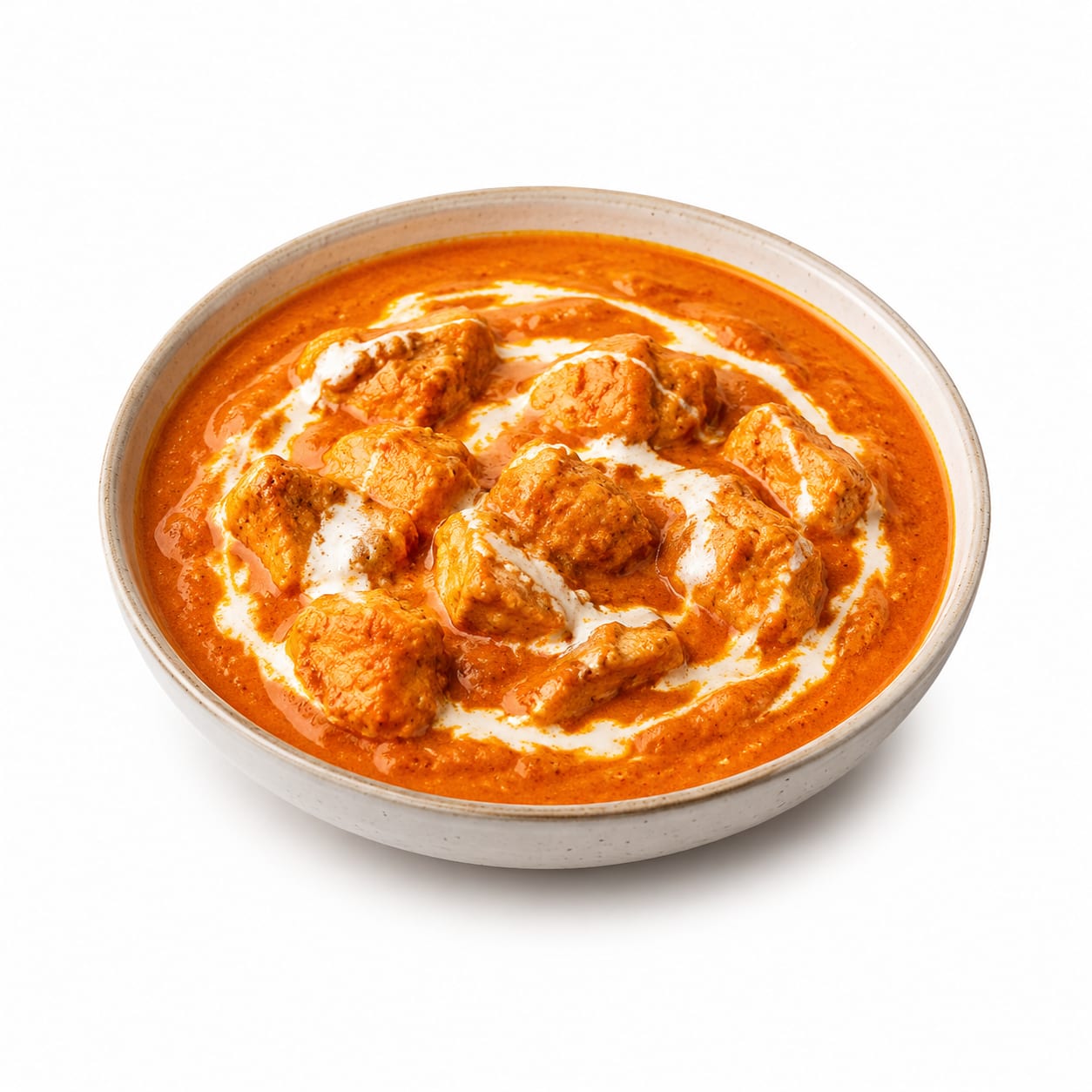
Butter Chicken
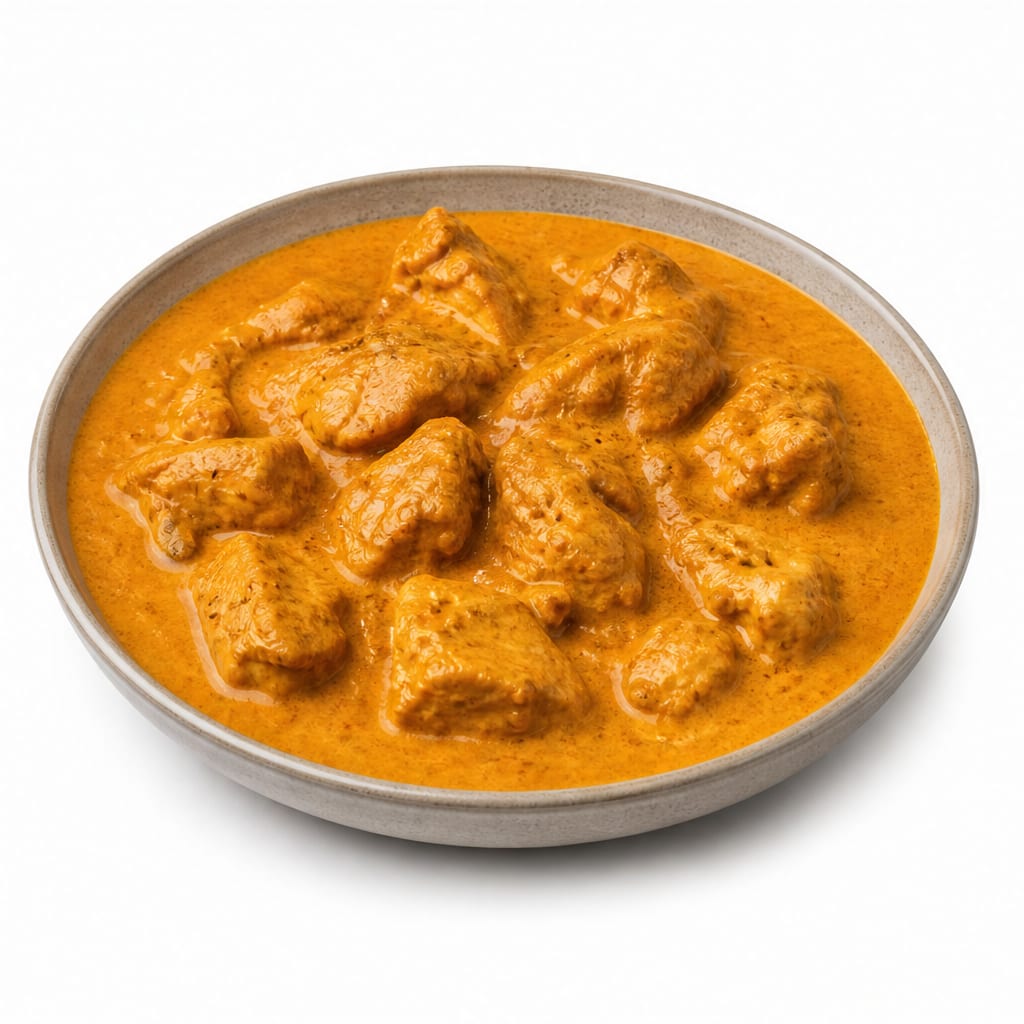
Coconut Curry Chicken
Coconut Curry Chicken edges ahead for most health goals due to being dairy-free and typically lower in sugar, but Butter Chicken wins on protein density and comfort satisfaction.
Coconut Curry Chicken scores moderately higher due to being dairy-free, typically lower in added sugar, and easier on digestion. Butter Chicken remains a satisfying option but carries more saturated fat from dairy and hidden sugar, making it better as an occasional indulgence than a regular meal.
Dairy richness and higher protein in Butter Chicken versus dairy-free digestion friendliness and lower sugar in Coconut Curry Chicken.
At a glance
Executive summary
Overall
It depends
Healthier
Coconut Curry Chicken
More practical
Coconut Curry Chicken
Daily use
Coconut Curry Chicken
Key comparison lenses
Saturated fat source comparison
Both dishes are rich and creamy but from different fat sources — dairy vs coconut — which impacts heart health, digestion, and dietary restrictions very differently
Calorie and weight management tradeoffs
Both are calorie-dense comfort foods, but Butter Chicken tends to be heavier due to butter and cream, making portion control more critical
Dairy tolerance and allergy considerations
Coconut Curry Chicken is naturally dairy-free, making it the clear choice for lactose-intolerant or dairy-avoiding eaters
Inflammatory profile comparison
Dairy saturated fat and added sugar in Butter Chicken may be more inflammatory than coconut-based MCTs in Coconut Curry Chicken
Blood sugar impact
Butter Chicken often contains added sugar or honey in the sauce, while Coconut Curry Chicken is typically savory with less sugar
Best choice for
Butter Chicken
- People who tolerate dairy well and want maximum protein per bite
- Those seeking the most comforting, indulgent meal experience
- Anyone bulking or needing calorie-dense meals
- Dairy-inclusive diets like standard keto
Coconut Curry Chicken
- Lactose-intolerant or dairy-sensitive individuals
- Anyone watching sugar intake or managing blood sugar
- People following dairy-free, paleo, or Whole30 approaches
- Those wanting a lighter but still satisfying curry
Least suitable for
Butter Chicken
- Lactose-intolerant individuals
- People managing cholesterol or heart conditions
- Anyone strictly limiting saturated fat from dairy
- Those watching sugar intake
Coconut Curry Chicken
- People with tree nut or coconut allergies
- Anyone on a strict low-fat diet
- Those who find spicy food irritating to their stomach
Deep comparison
Dimension by dimension
Each lens scores both foods and breaks down who each option suits.
- Dimension 1 · Priority 95Coconut Curry Chicken
Saturated Fat Quality
Butter Chicken · 35Coconut Curry Chicken · 58Both dishes are saturated-fat-heavy, but coconut fat contains MCTs that are metabolized differently than the dairy saturated fat in Butter Chicken.
Tradeoff
Butter Chicken delivers butter and cream saturated fat linked to LDL cholesterol concerns, while Coconut Curry Chicken provides coconut MCTs that are more readily used for energy and less likely to store as body fat.
Why it matters
The type of saturated fat affects how your body processes it — MCTs from coconut go straight to the liver for energy, while dairy saturated fat tends to circulate longer and impact cholesterol more.
Real-world impact
After eating Butter Chicken, you may feel heavier for longer. Coconut Curry Chicken tends to feel rich but slightly less sluggish afterward.
Butter Chicken
- Those on keto who prioritize dairy fat sources
Better for
- People with high LDL cholesterol
- Anyone with dairy fat sensitivity
Worse for
Coconut Curry Chicken
- People concerned about cholesterol
- Anyone wanting quicker energy from fats
- Those who find dairy fat harder to digest
Better for
- Those with coconut allergy
- People on strict low-saturated-fat diets
Worse for
- Dimension 2 · Priority 85Coconut Curry Chicken
Sugar and Blood Sugar Impact
Butter Chicken · 38Coconut Curry Chicken · 62Butter Chicken sauce typically contains added sugar or honey to balance tomato acidity, while Coconut Curry Chicken is traditionally savory with minimal sugar.
Tradeoff
The sweetness in Butter Chicken makes it more craveable but adds hidden sugar that can spike blood sugar and trigger cravings later.
Why it matters
Hidden sugar in savory dishes is one of the biggest contributors to overeating and blood sugar instability, especially when paired with refined carbs like naan or rice.
Real-world impact
A Butter Chicken meal with rice can easily deliver 8-12g of added sugar, while Coconut Curry Chicken typically stays under 3g. That difference shows up in afternoon energy crashes.
Butter Chicken
- Those who prefer sweeter, milder flavor profiles
Better for
- Diabetics or insulin-resistant individuals
- People prone to sugar cravings and overeating
Worse for
Coconut Curry Chicken
- People managing diabetes or prediabetes
- Anyone trying to reduce sugar cravings
- Those eating late at night who want steadier blood sugar
Better for
- Those who find purely savory curries less satisfying
Worse for
- Dimension 3 · Priority 88Coconut Curry Chicken
Digestive Tolerance
Butter Chicken · 32Coconut Curry Chicken · 70Coconut Curry Chicken is naturally dairy-free, making it significantly easier on digestion for a large portion of the population.
Tradeoff
Butter Chicken combines dairy fat and tomato acidity, a common trigger for acid reflux and bloating, while Coconut Curry Chicken avoids dairy entirely.
Why it matters
Roughly 65% of the global population has some degree of lactose malabsorption. Even small amounts of cream can cause bloating, gas, or discomfort.
Real-world impact
If you've ever felt uncomfortably full or bloated after Indian takeout, the cream in Butter Chicken is likely a major contributor. Coconut Curry Chicken tends to sit lighter.
Butter Chicken
- People with no dairy sensitivity who digest cream well
Better for
- Lactose-intolerant individuals
- People with dairy-triggered skin breakouts
- Those prone to post-meal bloating
Worse for
Coconut Curry Chicken
- Anyone with lactose intolerance
- People prone to acid reflux or heartburn
- Those with IBS or dairy-triggered bloating
Better for
- People with coconut sensitivity or allergy
Worse for
- Dimension 4 · Priority 75Butter Chicken
Protein Density
Butter Chicken · 68Coconut Curry Chicken · 60Butter Chicken typically uses a higher ratio of chicken to sauce and often includes yogurt marinade, delivering slightly more protein per serving.
Tradeoff
The denser protein in Butter Chicken comes wrapped in more calories and saturated fat, while Coconut Curry Chicken offers slightly less protein but in a lighter overall package.
Why it matters
If you're prioritizing protein intake for muscle or satiety, Butter Chicken gives you more per bite — but the calorie cost is real.
Real-world impact
A typical Butter Chicken serving provides around 30-35g protein versus 25-30g in Coconut Curry Chicken. The difference matters most for athletes or those tracking macros closely.
Butter Chicken
- Athletes needing higher protein intake
- Anyone on a bulk who wants calorie-dense protein
- People who find higher-protein meals more filling
Better for
- Those counting calories who want leaner protein sources
Worse for
Coconut Curry Chicken
- Those who want adequate protein with fewer calories
- People prioritizing protein quality over quantity
Better for
- Athletes or bodybuilders needing maximum protein per meal
Worse for
- Dimension 5 · Priority 82Coconut Curry Chicken
Calorie Density and Portion Control
Butter Chicken · 35Coconut Curry Chicken · 55Butter Chicken is one of the most calorie-dense curry options due to butter, cream, and sometimes cashew paste. Coconut Curry Chicken is rich but typically lighter per serving.
Tradeoff
Both dishes are indulgent, but Butter Chicken makes it much easier to accidentally consume 800+ calories in a single restaurant serving.
Why it matters
Calorie density is the single biggest factor in unintentional overeating. Rich, creamy dishes with butter and cream can silently deliver an entire day's worth of calories.
Real-world impact
A restaurant portion of Butter Chicken with rice can easily hit 900-1100 calories. The same size portion of Coconut Curry Chicken typically lands around 650-850 calories.
Butter Chicken
- People intentionally gaining weight
- Those who struggle to eat enough calories
Better for
- People trying to lose or maintain weight
- Anyone prone to overeating rich foods
Worse for
Coconut Curry Chicken
- Anyone managing weight
- People who want to feel full without overconsuming calories
- Those who prefer lighter dinners
Better for
- Those needing calorie-dense meals for weight gain
Worse for
- Dimension 6 · Priority 70Coconut Curry Chicken
Anti-Inflammatory Potential
Butter Chicken · 40Coconut Curry Chicken · 62Coconut Curry Chicken typically features turmeric, ginger, lemongrass, and galangal — all potent anti-inflammatory ingredients. Butter Chicken's spice profile is milder and often offset by dairy and sugar.
Tradeoff
The anti-inflammatory spices in Coconut Curry Chicken are more bioavailable without dairy, since some compounds in dairy can blunt spice absorption and add inflammatory saturated fat.
Why it matters
Chronic inflammation drives most lifestyle diseases. Choosing curry preparations that maximize anti-inflammatory spices while minimizing pro-inflammatory ingredients matters long-term.
Real-world impact
Regular Coconut Curry Chicken consumption may contribute to lower joint pain and better recovery, while frequent Butter Chicken may contribute to systemic low-grade inflammation.
Butter Chicken
- Those who find anti-inflammatory spices irritating to their stomach
Better for
- People with arthritis or chronic inflammation
- Those whose skin breaks out from dairy
Worse for
Coconut Curry Chicken
- People managing inflammatory conditions
- Athletes focused on recovery
- Anyone wanting functional benefits from their meal
Better for
- People sensitive to spicy or strongly spiced foods
Worse for
Timeline
Health impact over time
Short-term
Hours to days
Butter Chicken
- Heavy fullness and potential bloating from cream and butter
- Possible sugar crash 1-2 hours after eating due to hidden sugar in sauce
- Acid reflux risk from tomato-butter combination
- High satiety immediately after eating but may feel sluggish
Coconut Curry Chicken
- Comfortable fullness without the heavy, weighted feeling
- Steadier energy after eating due to lower sugar content
- Possible mild warming sensation from anti-inflammatory spices
- Easier digestion for most people, especially those avoiding dairy
Long-term
Months to years
Butter Chicken
- Regular consumption may raise LDL cholesterol from dairy saturated fat
- Hidden sugar contributes to insulin resistance risk over time
- Dairy consumption linked to increased acne in susceptible individuals
- Higher calorie density makes weight creep more likely if eaten frequently
Coconut Curry Chicken
- MCTs from coconut may support better fat metabolism with regular consumption
- Anti-inflammatory spices contribute to long-term joint and cardiovascular health
- Dairy-free nature eliminates a common source of chronic low-grade inflammation
- Still calorie-dense enough that portion control matters for weight management
Risk profile
Safety & processing
Both dishes are restaurant-style preparations with processed elements. Butter Chicken often contains added sugar, food coloring, and cream stabilizers in restaurant versions. Coconut Curry Chicken may contain canned coconut milk with guar gum or other thickeners. Homemade versions of either can be much cleaner.
Butter Chicken
Dairy spoilage and contamination
mediumCream and butter in Butter Chicken are perishable and can harbor bacteria if not stored or reheated properly. Leftovers should be consumed within 2-3 days.
Restaurant food coloring additives
lowSome restaurants use artificial orange food coloring to achieve the signature Butter Chicken hue, which may cause sensitivity in some individuals.
Coconut Curry Chicken
Canned coconut milk concerns
lowSome canned coconut milk contains BPA from can linings or guar gum as a thickener. Choosing BPA-free cans or carton coconut milk reduces this risk.
Coconut allergy
mediumThough rare, coconut allergy exists and can cause serious reactions. Coconut is classified as a tree nut by the FDA despite being a drupe.
Who wins for whom
Audience fit
Same foods, different winners depending on your goal.
children
Butter ChickenButter Chicken's milder, sweeter flavor profile is more appealing to most children, and the dairy provides calcium. Just watch portion sizes due to calorie density.
daily consumption
Coconut Curry ChickenLower sugar, dairy-free, and lighter calorie load make Coconut Curry Chicken more sustainable as a regular meal without accumulating health drawbacks.
diabetes
Coconut Curry ChickenCoconut Curry Chicken has significantly less added sugar and a lower glycemic impact, making it safer for blood sugar management.
elderly
Coconut Curry ChickenCoconut Curry Chicken is easier to digest, dairy-free, and the anti-inflammatory spices support joint health — all more relevant concerns for older adults.
muscle gain
Butter ChickenButter Chicken delivers slightly more protein per serving and the extra calories support a caloric surplus needed for muscle building.
weight loss
Coconut Curry ChickenCoconut Curry Chicken is typically 150-250 calories lighter per serving and contains less sugar, making it easier to fit into a calorie deficit without feeling deprived.
Your move
Decision guide
Choose Butter Chicken
- You have no dairy sensitivity and want the most indulgent, protein-rich curry experience
- You're actively bulking or need calorie-dense meals
- You're eating out occasionally and want maximum comfort food satisfaction
- You prefer sweeter, milder curry flavors over spicy ones
Choose Coconut Curry Chicken
- You're lactose-intolerant or avoiding dairy for any reason
- You want a rich curry that won't leave you feeling sluggish or bloated
- You're managing blood sugar, weight, or inflammatory conditions
- You prefer savory, spice-forward flavors over sweet and creamy
Either works if
- You're eating curry as an occasional treat rather than a staple
- You have no specific dietary restrictions and just want a satisfying meal
- You're ordering takeout and both options sound equally appealing
Avoid both if
- You're on a strict low-fat or low-calorie diet
- You have severe sodium restrictions, as both dishes can be very high in salt
- You're sensitive to nightshades, as both typically contain tomatoes or peppers
- You're following a whole-food plant-based diet
Final recommendation
For most people eating curry regularly, Coconut Curry Chicken is the smarter default — it's dairy-free, lower in sugar, and easier on your body while still being deeply satisfying. Save Butter Chicken for when you truly want the indulgent experience, not as your weekly go-to. If you love Butter Chicken, try making it at home with less butter and cream, or substitute half the cream with coconut milk for a lighter hybrid.
Practical
Consumer tips
- 1
Ask for Butter Chicken with half the cream or on the side — restaurants often use far more than necessary
- 2
Choose brown rice or cauliflower rice with either curry to reduce the blood sugar impact of the meal
- 3
Make Coconut Curry Chicken at home using light coconut milk to cut calories by 40% while keeping the flavor
- 4
Check restaurant nutrition menus when available — Butter Chicken can vary from 400 to 900 calories per serving depending on preparation
- 5
Add extra vegetables to either curry to increase volume and fiber without significantly changing the flavor
- 6
If ordering Butter Chicken, consider skipping naan and choosing a lighter side to balance the calorie density
- 7
Freeze leftover curry in portions — both dishes reheat well and portioning prevents overeating