
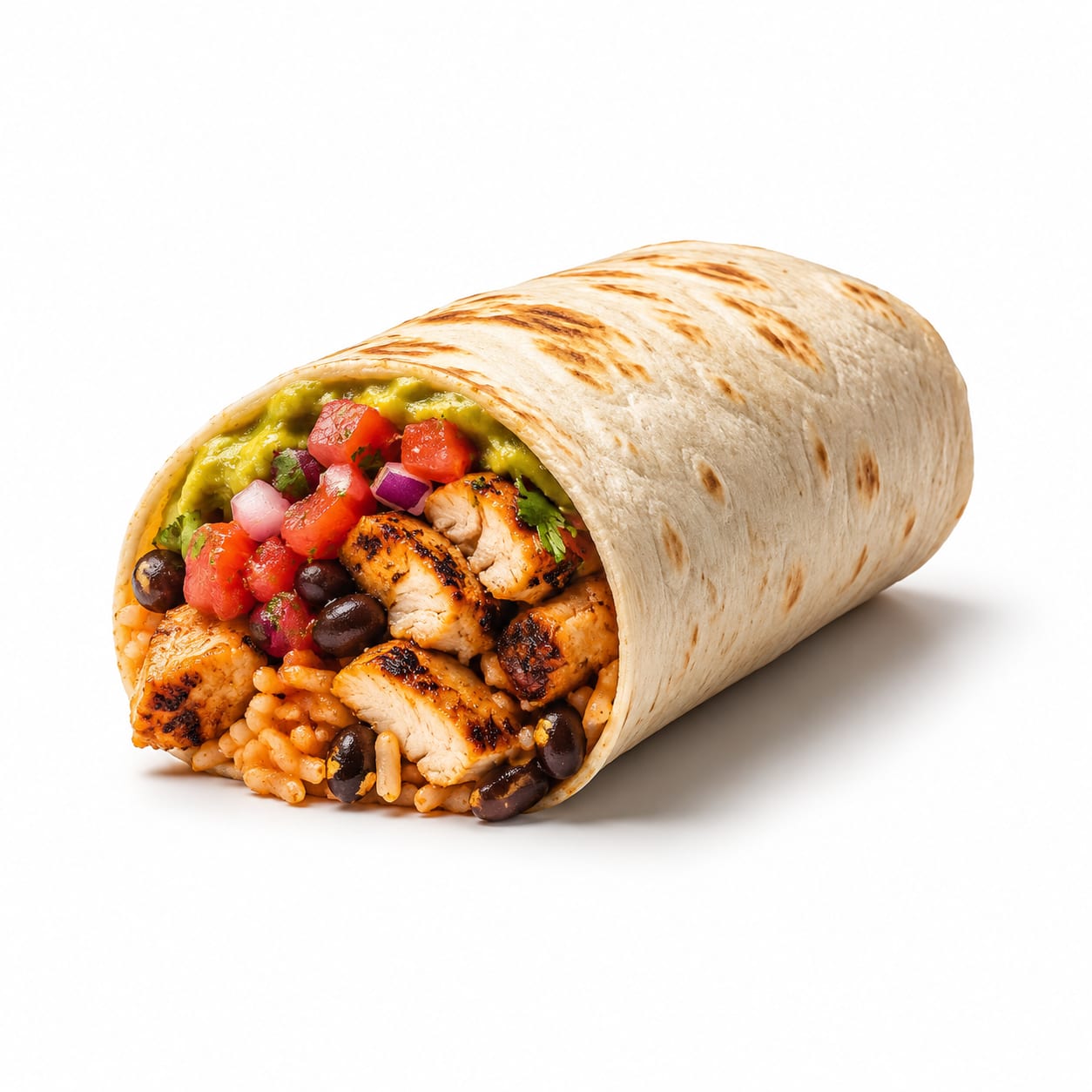
Mixed Dish
Burrito
A flour tortilla wrapped around savory fillings like meat, beans, and rice.
A flour tortilla wrapped around a filling typically composed of meat, beans, rice, cheese, and salsa, originating from Mexican cuisine.
high-energy mixed-macronutrient meal
Typical serving · 250g
Common varieties · bean and cheese, carne asada, chicken, breakfast, vegan
Overall context score across nutrition, safety, and diet fit
At a glance
Quick facts
Simple indicators based on nutrition, processing, and diet fit.
The story
What makes it unique
A mixed-macronutrient composite food with variable digestion speed depending on fat and fiber content. Satiety is moderate to high due to volume and protein, but energy density is typically high. Macronutrient profile is balanced but often skewed towards high carbohydrates and sodium in commercial preparations.
Varieties: bean and cheese · carne asada · chicken · breakfast · vegan
Per 100g
Nutrition breakdown
Macro balance and key metrics at a glance.
Energy
Density 2.06 kcal/g
Protein
Carbs
Fat
Fiber
Sugar
1.5 g
Sodium
450 mg
Potassium
180 mg
Glycemic index
55
Glycemic load
13
Water content
55%
Standout compounds
Nutrient highlights
Protein
highSupports muscle repair and satiety
Dietary Fiber
moderatePromotes digestive regularity from beans
Sodium
highElectrolyte but often excessive in commercial types
Carbohydrates
highProvides quick energy from tortilla and rice
Iron
moderateSupports oxygen transport from meat and beans
Wellness map
Health scores & processing
NOVA processing scale
highly processed · Ultra-processed
Commercial burritos often use ultra-processed flour tortillas, processed meats, and additive-containing salsas and cheeses. Homemade versions can be processed culinary foods.
Diet compatibility
- Weight loss
- Muscle gain
- Diabetes
- Gut health
- Low carb
- High protein
- Heart health
Relative standing
Food rankings
Qualitative ranks compared to similar whole foods.
- Satietygood
- Blood sugarpoor
- Nutrient densitymoderate
- Fitness fuelgood
- Processing qualitypoor
Eat with confidence
Food safety profile
Primary risks stem from improper holding temperatures for rice and undercooked meats. Sourcing antibiotic-free meat reduces exposure risk.
Evidence confidence 85%
- Pesticideslow
- Antibioticsmoderate
- Heavy metalslow
- Contaminationmoderate
Watch for
- bacillus cereus
- salmonella
- e. coli
Safer choices
Homemade burritos with organic beans and pasture-raised meats
Prep tips
Ensure rice is refrigerated promptly and cook meats to safe internal temperatures.
Sodium levels in fast-food burritos often exceed recommended daily limits.
Deep dive
Health analysis
How this food may fit different goals and preparation choices.
Weight loss
Challenging for weight loss due to high energy density and large serving sizes; a single burrito can contain a full day's worth of calories.
Blood sugar
The combination of a flour tortilla and white rice creates a high glycemic load, though beans and fat slow digestion slightly.
Fitness & energy
Excellent for providing sustained energy and protein for muscle recovery, particularly for bulking diets.
Gut health
Beans provide fermentable fiber beneficial for microbiota, but high fat and spice can trigger reflux or IBS symptoms in sensitive individuals.
Processing quality
Commercial versions rely on refined flour tortillas and sodium-laden processed meats, reducing overall nutritional quality.
Food safety
Rice and meat mixtures are prone to bacterial growth if not kept at correct temperatures, making foodborne illness a moderate risk.
Common mistakes
Assuming all burritos are equal; restaurant versions often contain hidden oils, sour cream, and extra cheese that drastically increase calories.
Best preparation
Use whole wheat or low-carb tortillas, lean proteins, extra beans, and skip the white rice to improve the nutritional profile.
Practical guide
Best use cases
When and how this food fits real eating patterns.
post-workout recovery
Provides a balanced mix of carbs to replenish glycogen and protein for muscle repair.
caloric surplus bulking
Easy to consume high calories and macros in a single palatable meal.
portable meal prep
Wraps securely for an easy, on-the-go meal that holds various food groups.
Balance sheet
Pros & cons
Upsides
- Highly customizable for different macronutrient goals
- Beans provide beneficial soluble fiber and plant protein
- Convenient and portable complete meal
- Good source of energy for active individuals
- Can easily incorporate vegetables like peppers and onions
Trade-offs
- Very high calorie density in standard restaurant portions
- Flour tortillas and white rice spike blood sugar
- Often contains excessive sodium from processed fillings
- High fat content from cheese, sour cream, and oils
- Portion sizes typically exceed standard nutritional needs
Fit check
Who is it for?
Great match
- post-workout recovery
- caloric surplus bulking
- active individuals needing high energy
- convenient on-the-go meals
Consider alternatives
- strict calorie restriction
- low carb or ketogenic diets
- blood sugar management
- low sodium diets
Side by side
How it compares
Open the full head-to-head analysis for nutrition, safety, and practical tradeoffs.
This food
Burrito
VS90% alike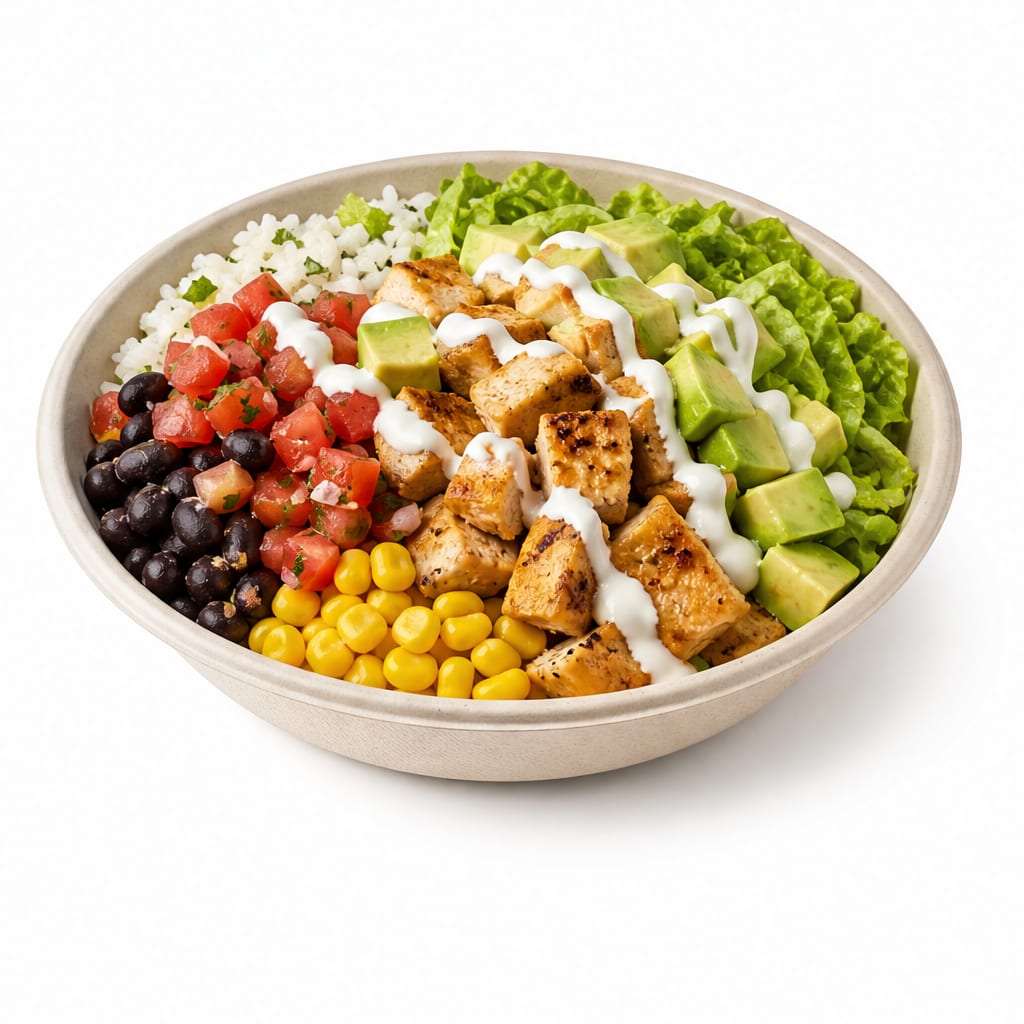
Compare with
Burrito Bowl
Burrito bowls save 200+ calories and 30g+ carbs by dropping the tortilla, making them far better for weight loss and blood sugar control.
Burrito bowls save hundreds of calories and carbs by dropping the tortilla, making them better for weight loss, while wrapped burritos offer more portable satiety.
This food
Burrito
VS85% alike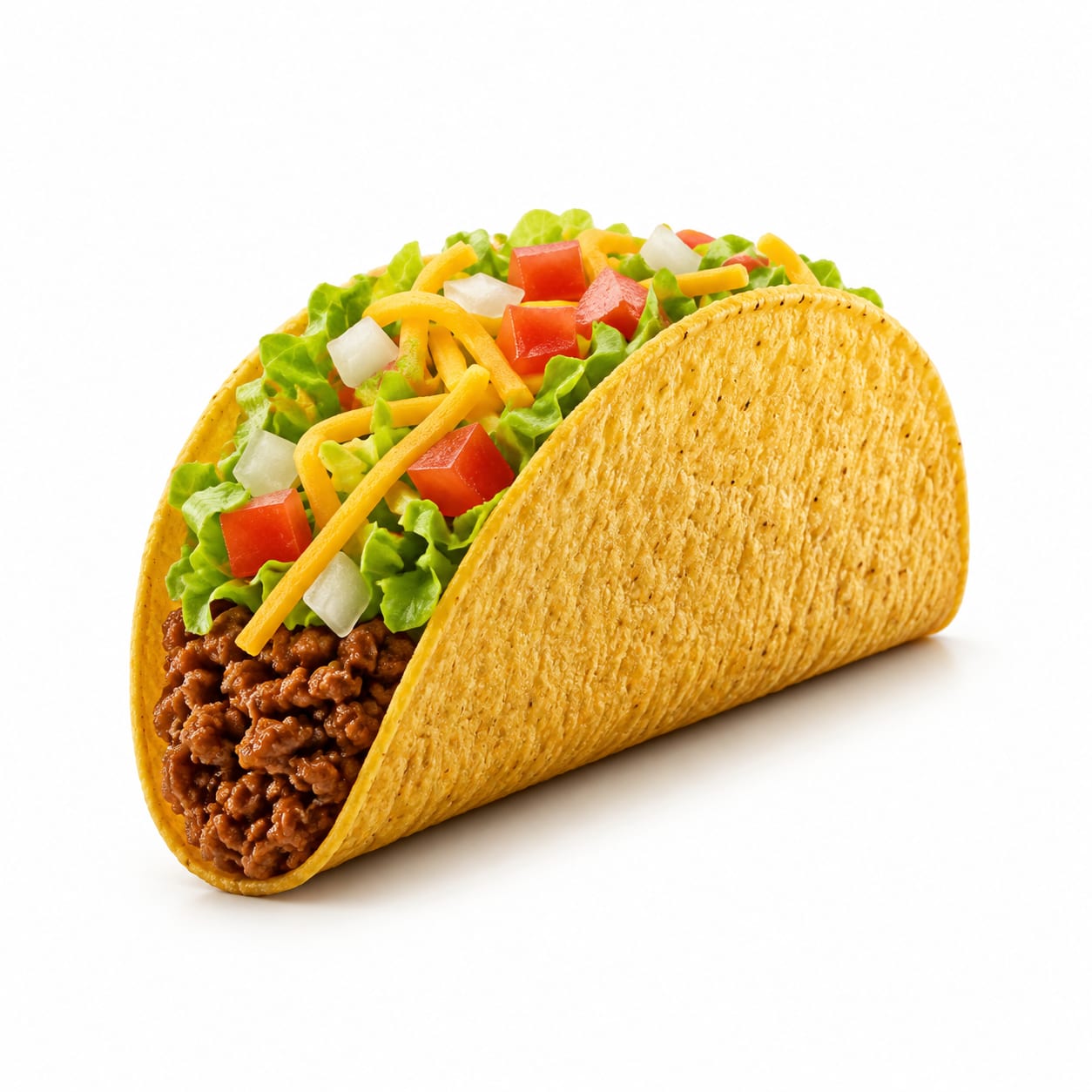
Compare with
Taco
Tacos offer better portion control than a massive burrito, resulting in lower calorie and carb intake per serving.
Tacos provide better portion control and fewer carbs for weight loss, whereas burritos deliver more protein and volume for post-workout satiety.
This food
Burrito
VS80% alike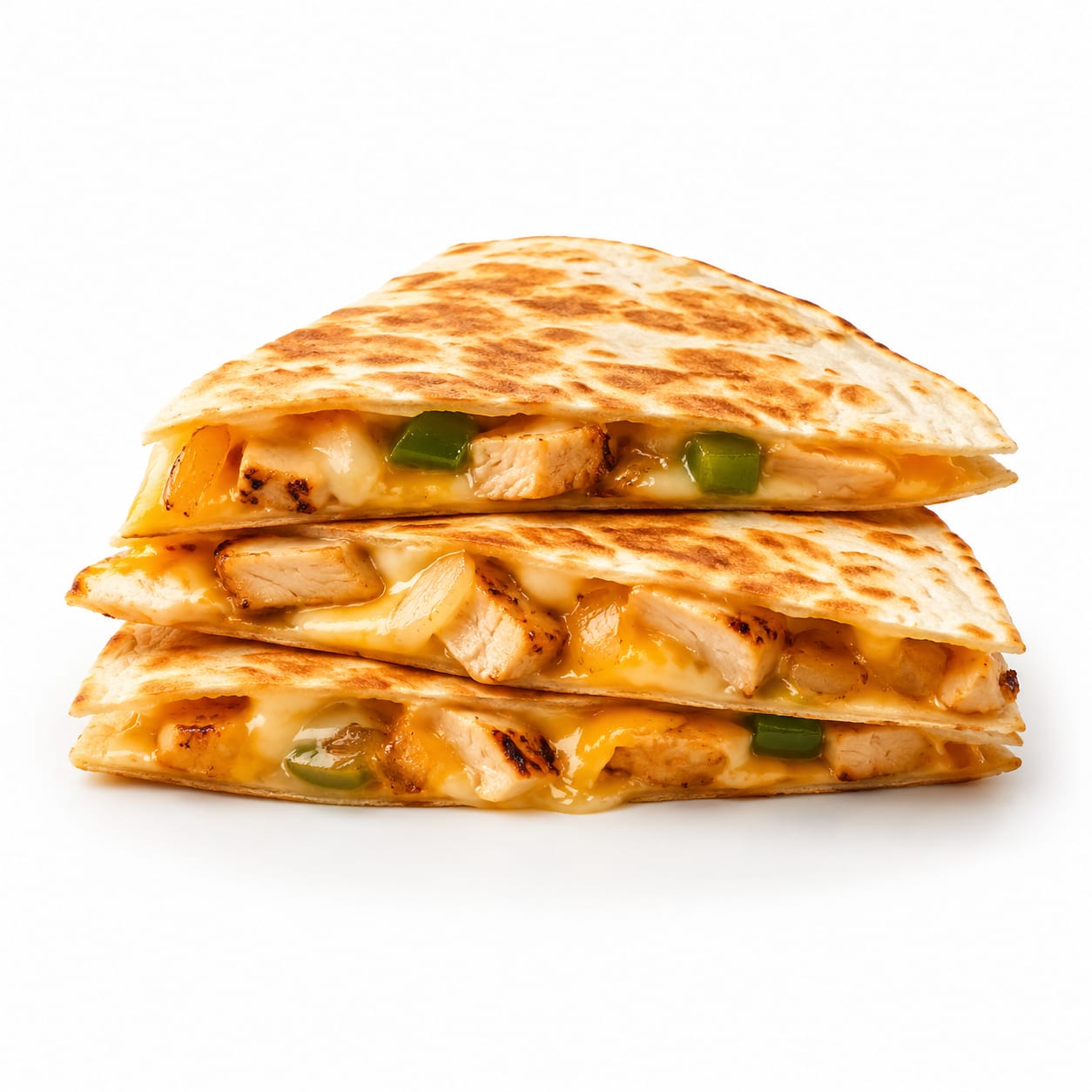
Compare with
Quesadilla
Burritos provide more fiber and protein from beans and rice, whereas quesadillas are higher in saturated fat from cheese.
Burritos win over quesadillas by offering more fiber and protein from beans, making them more satiating and better for blood sugar than cheese-heavy quesadillas.
This food
Burrito
VS70% alike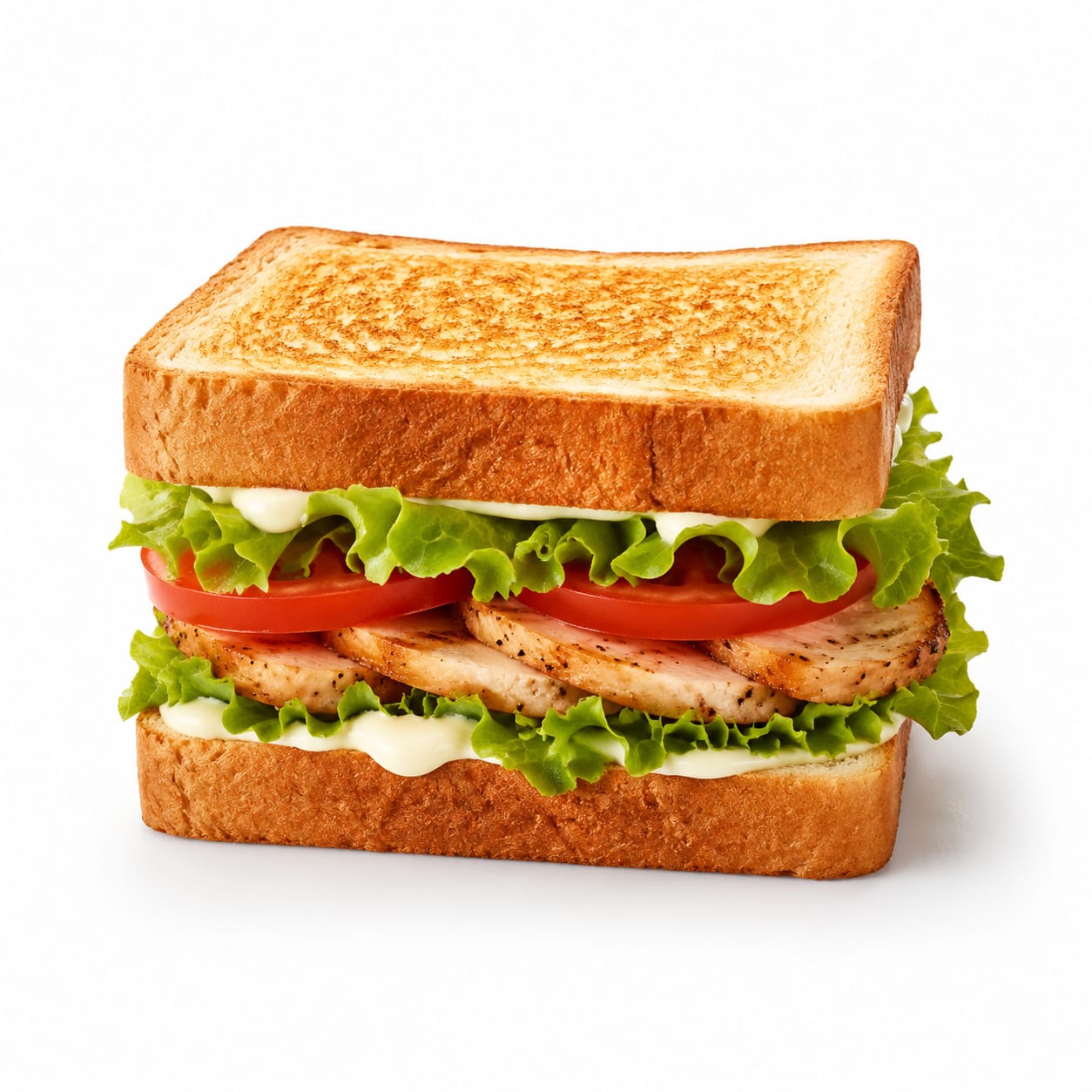
Compare with
Sandwich
Sandwiches using whole grain bread can be lower in calories and higher in fiber than heavy flour-tortilla burritos.
Whole grain sandwiches are lower in calories and better for blood sugar than heavy burritos, but burritos provide more protein and energy for fitness recovery.
This food
Burrito
VS75% alike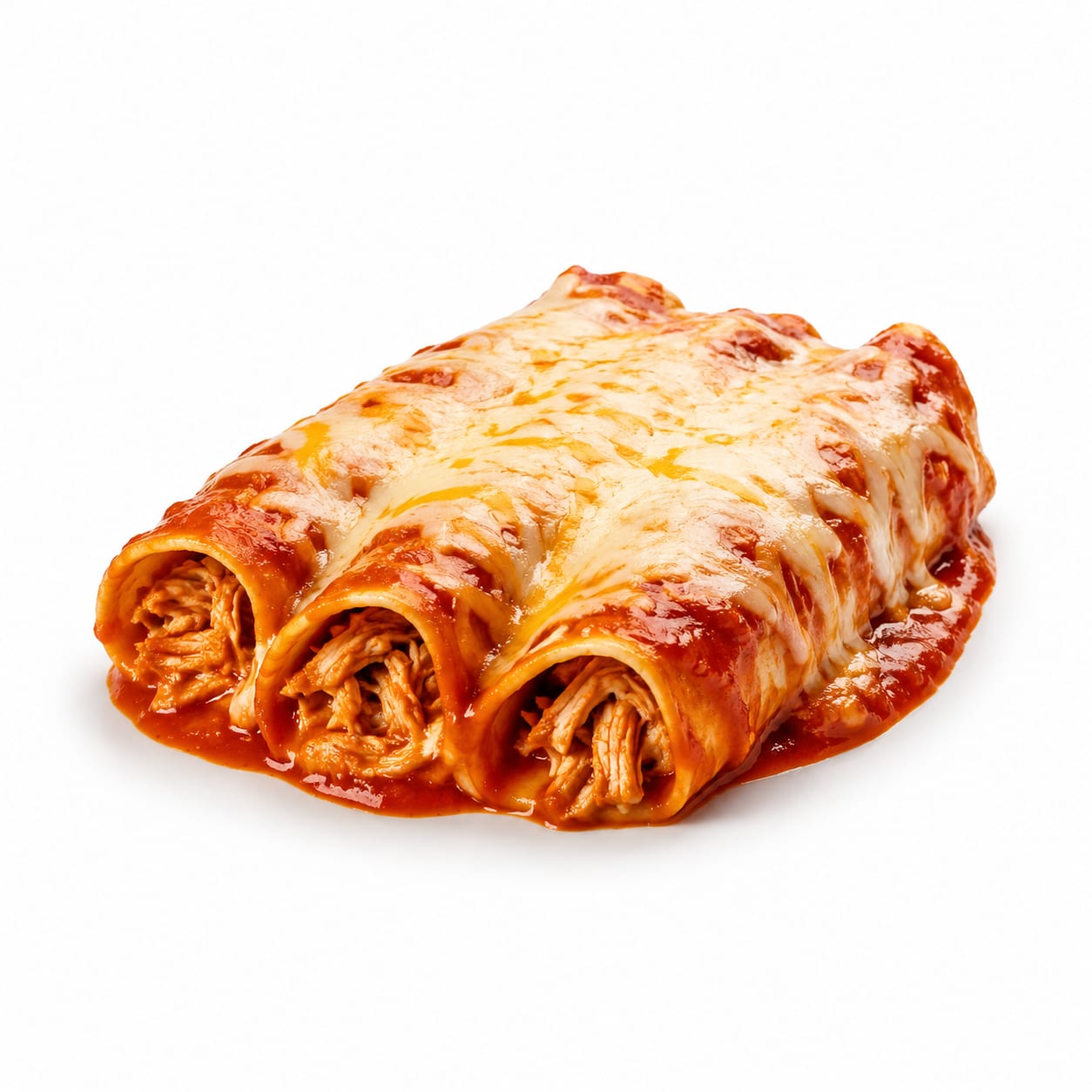
Compare with
Enchilada
Burritos are larger and contain more rice, making them higher in calories and carbs than sauce-drenched enchiladas.
Enchiladas are typically lower in carbs and calories than massive burritos, but burritos offer more volume and protein for muscle fuel.
This food
Burrito
VS90% alike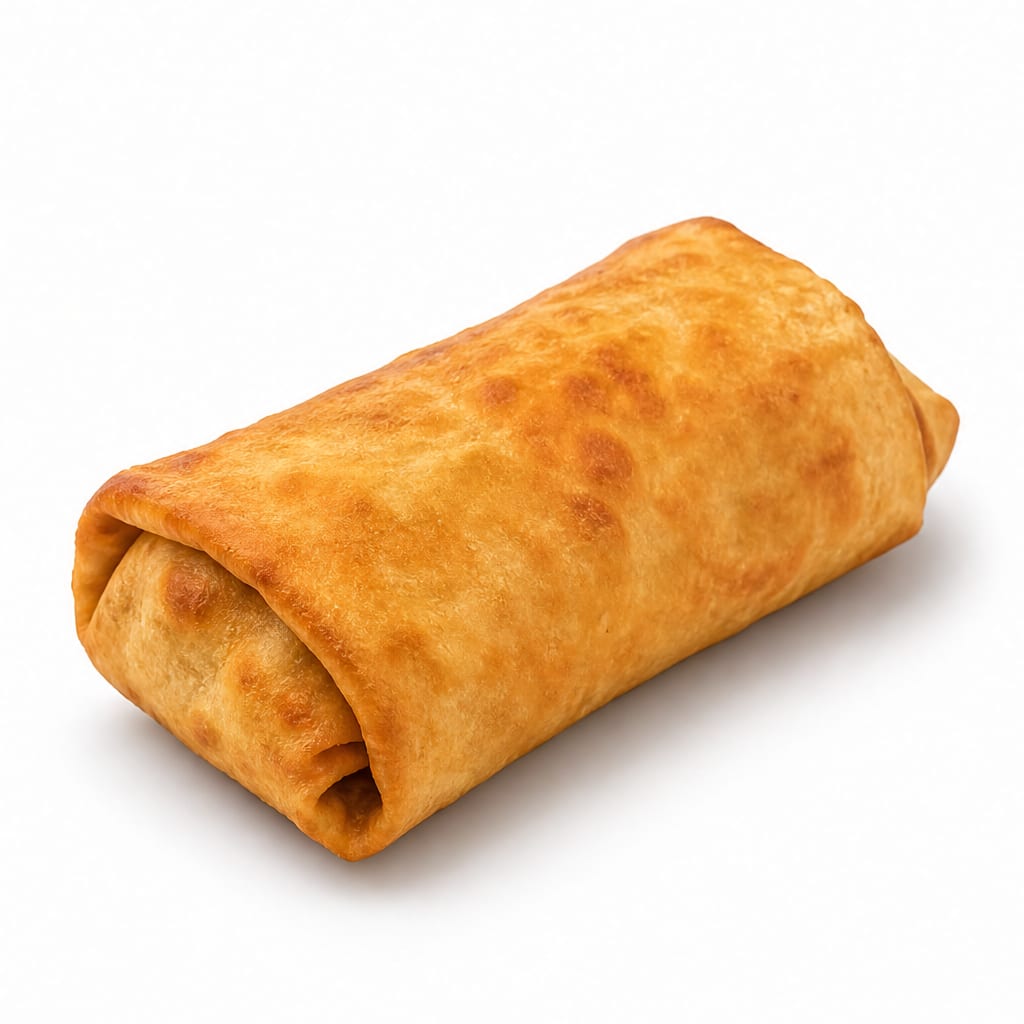
Compare with
Chimichanga
Chimichangas are significantly higher in fat and calories than standard burritos due to deep frying.
Burritos are far healthier than chimichangas, avoiding the massive fat and calorie spike caused by deep frying the tortilla.
This food
Burrito
VS65% alike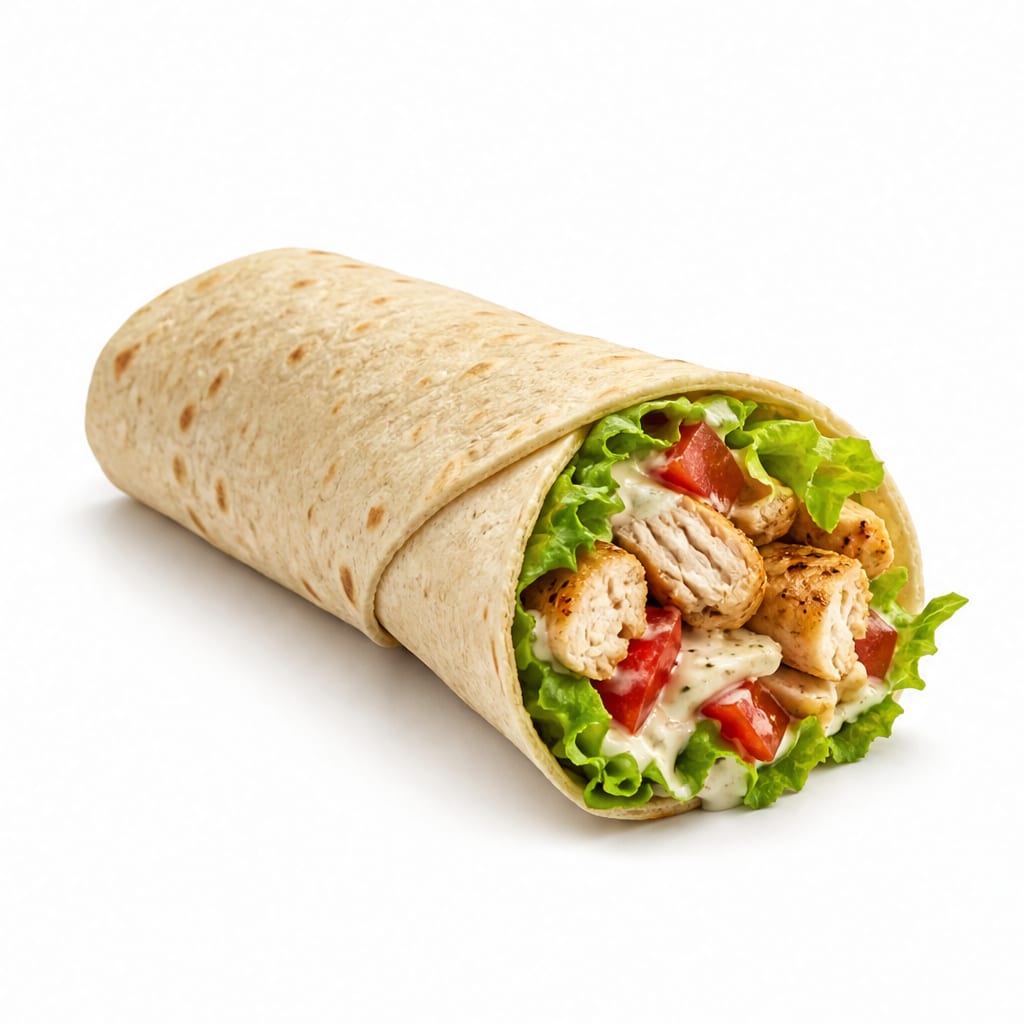
Compare with
Wrap
Wraps are generally lower in calories and carbs than burritos due to thinner tortillas and lighter fillings.
Wraps are lighter and lower in carbs for weight loss, while burritos pack more protein and calories for fitness fuel.
This food
Burrito
VS60% alike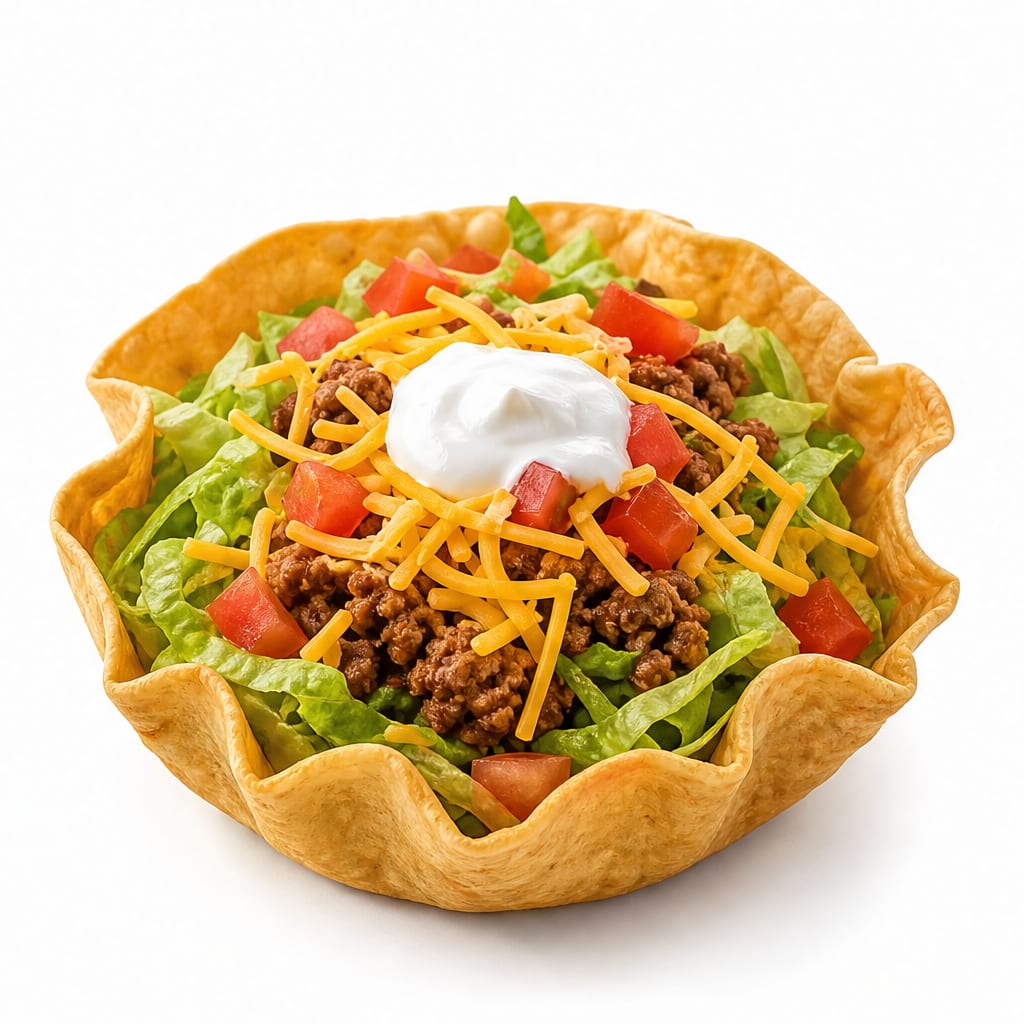
Compare with
Taco Salad
Taco salads in edible shells can be as caloric as burritos, but shell-less versions are far superior for weight loss.
A shell-less taco salad beats a burrito for weight loss and blood sugar, but burritos provide better sustained energy for workouts.
This food
Burrito
VS55% alike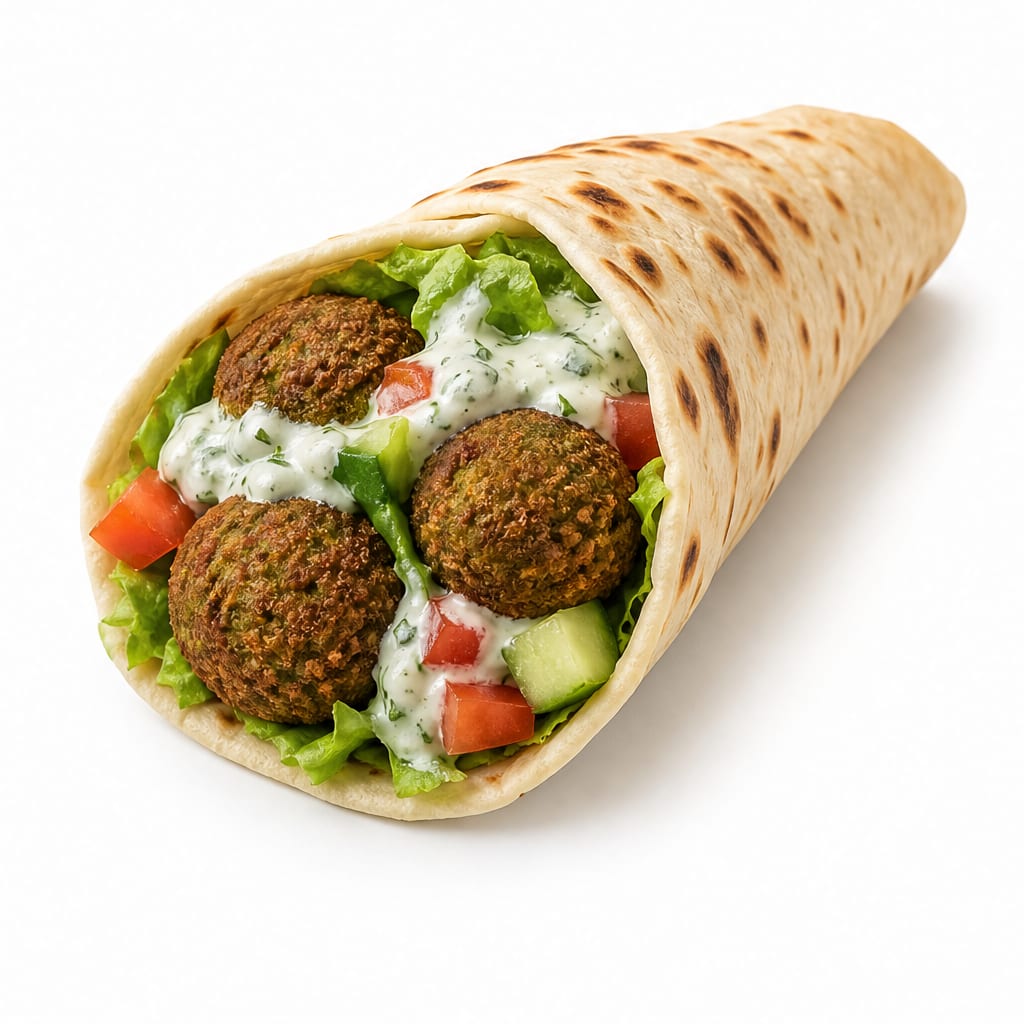
Compare with
Falafel Wrap
Falafel wraps offer more plant-based fiber but can be similarly high in carbs from pita and falafel batter.
Falafel wraps offer plant-based fiber and slightly better blood sugar control, while meat burritos provide higher complete protein for fitness.
This food
Burrito
VS50% alike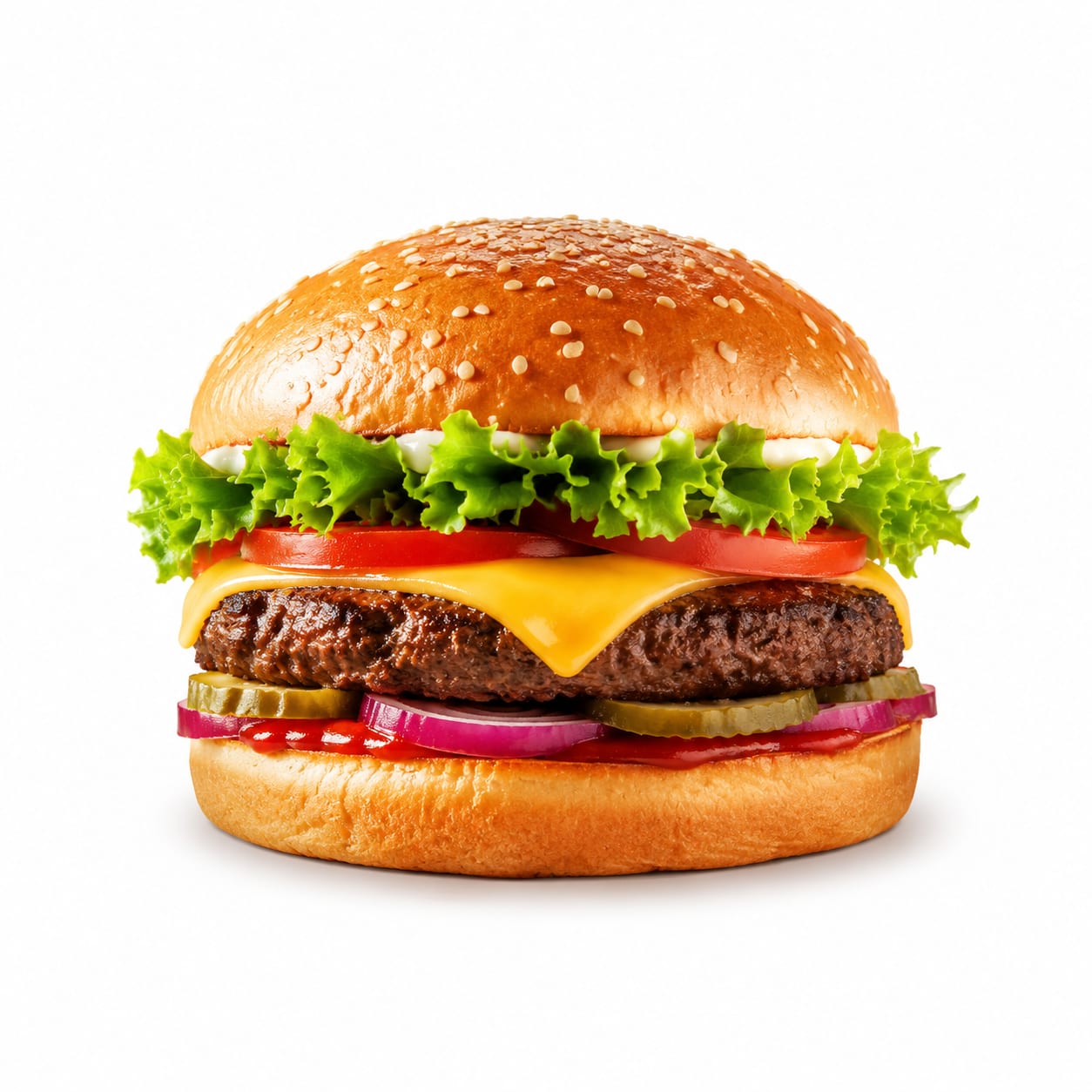
Compare with
Burger
Burgers lack the fiber of bean-filled burritos, but can be lower in carbohydrates if buns are standard size.
Burgers are lower in carbs than rice-stuffed burritos, but burritos provide more satiety and fitness fuel from bean fiber and complex carbs.
Common questions
FAQ
Answers aligned with how people search for this food.
Are burritos good for weight loss?
Standard burritos are challenging for weight loss due to high calorie density from rice, cheese, and large tortillas. Opting for a bowl or a half-tortilla can reduce calories significantly.
How many calories are in a typical restaurant burrito?
A standard restaurant-sized burrito ranges from 800 to 1,200 calories depending on fillings like sour cream, guacamole, and meat types.
Can diabetics eat burritos?
Traditional flour tortillas and white rice cause rapid blood sugar spikes. Diabetics should choose whole wheat tortillas, skip the rice, and load up on beans and lean proteins.
Is a bean burrito healthy?
Bean burritos provide excellent fiber and plant protein, making them a nutritious choice, especially if made with whole grain tortillas and minimal cheese.
Are burritos considered ultra-processed?
Fast-food and packaged burritos are typically ultra-processed due to refined flour tortillas and additive-containing fillings. Homemade burritos using whole foods are minimally processed.
How can I make a healthy burrito at home?
Use whole wheat or almond flour tortillas, lean chicken or black beans, extra vegetables, and skip the white rice and sour cream to save hundreds of calories.
Why are restaurant burritos so high in sodium?
Restaurant burritos use seasoned meats, canned beans, cheese, and salsas that are heavily salted for flavor and preservation, often exceeding 1,500mg of sodium per serving.
Transparency
Data confidence
Estimated confidence for nutrition data, interpretation, safety notes, and comparisons.
Nutrition data
Health analysis
Food safety
Comparisons