
Nutrition comparison
Burrito vs Sandwich: Nutrition, Calories, and Health Comparison
Compare burrito vs sandwich to see which is healthier. Learn about calories, protein, satiety, and which is better for weight loss or muscle gain.
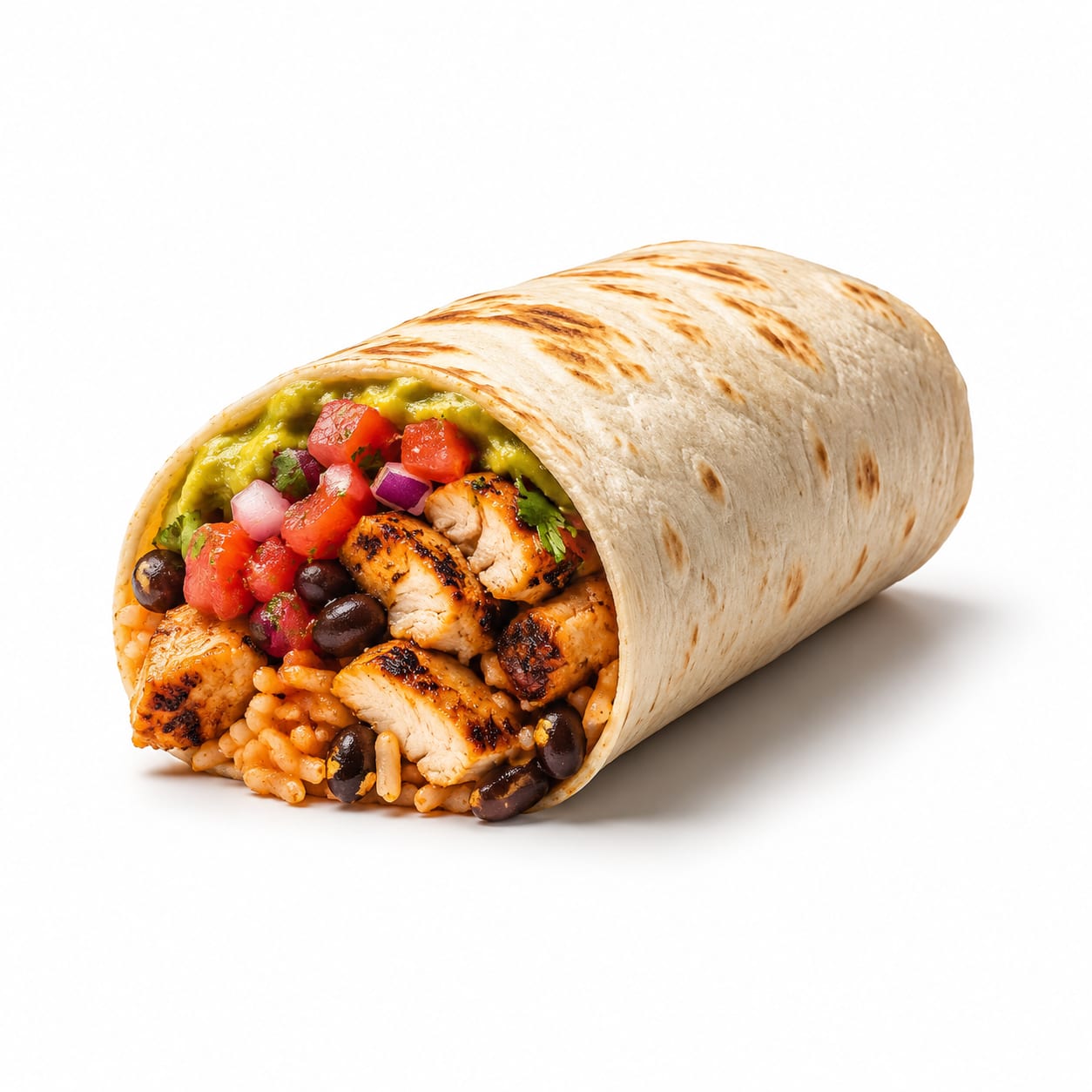
Burrito
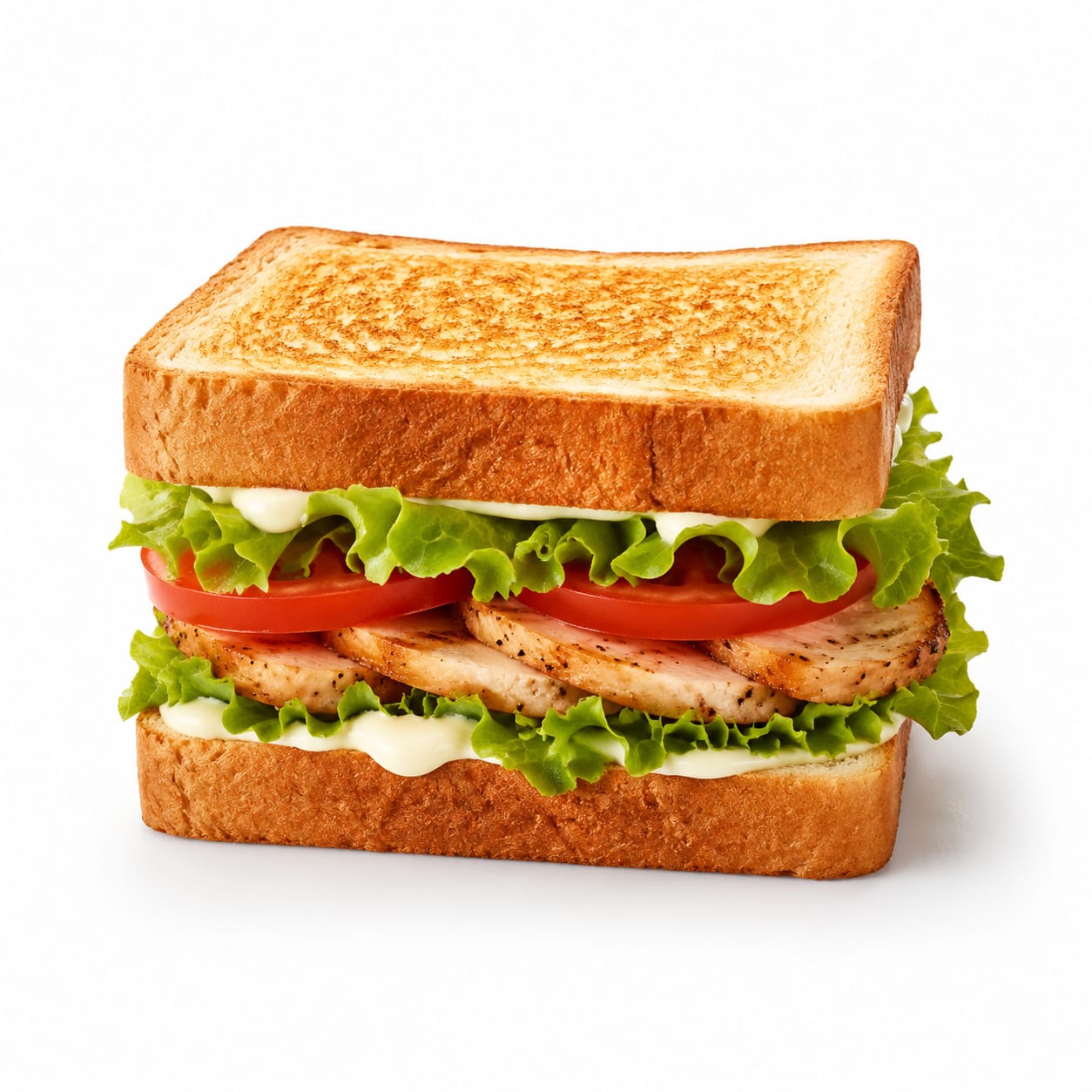
Sandwich
Burritos offer more protein and fiber for sustained energy, while sandwiches provide better portion control and on-the-go convenience.
Sandwiches edge out slightly due to better portion control and everyday practicality, though burritos win for sheer satiety and macronutrient density when calories are needed.
Hearty, filling, and calorie-dense versus lighter, more portable, and easier to portion.
At a glance
Executive summary
Overall
It depends
Healthier
It depends
More practical
Sandwich
Daily use
Sandwich
Key comparison lenses
Calorie density and portion control
Burritos are notoriously calorie-dense, while sandwiches offer easier portion management.
Satiety and macronutrient balance
Users want to know which lunch will keep them full longer without crashing.
Convenience and portability
Both are popular handheld lunches, but structural integrity and messiness differ greatly.
Sodium load and processing
Restaurant and deli versions of both foods can be sodium bombs.
Best choice for
Burrito
- heavy workout days
- high-calorie needs
- sustained energy for long shifts
Sandwich
- light lunches
- eating at your desk
- quick meals between meetings
Least suitable for
Burrito
- low-calorie diets
- eating while walking or driving
- sodium-sensitive diets
Sandwich
- massive calorie needs
- high-protein diets without heavy fillings
Deep comparison
Dimension by dimension
Each lens scores both foods and breaks down who each option suits.
- Dimension 1 · Priority 90Burrito
Satiety & Fullness
Burrito · 88Sandwich · 70Burritos are typically packed with beans, rice, and meat, making them extremely filling and satisfying for hours.
Tradeoff
That fullness comes with a high calorie price tag that can easily exceed daily needs.
Why it matters
Staying full longer prevents afternoon snacking and energy crashes.
Real-world impact
A burrito at lunch will likely keep you full until dinner, while a sandwich might leave you reaching for a snack by 3 PM.
Burrito
- long shifts without breaks
- post-workout recovery
- active individuals
Better for
- people who get sleepy after heavy lunches
Worse for
Sandwich
- light eaters
- people who prefer smaller frequent meals
Better for
- anyone needing lasting energy on minimal food
Worse for
- Dimension 2 · Priority 92Sandwich
Calorie Density & Portion Control
Burrito · 45Sandwich · 80Sandwiches are far easier to keep within a reasonable calorie range, whereas burritos often pack 800-1200 calories in a single wrap.
Tradeoff
You get more food volume per bite with a burrito, but it is much harder to track your intake.
Why it matters
Unintended calorie surplus leads to gradual weight gain over time.
Real-world impact
Grabbing a sandwich for a quick lunch rarely ruins your daily calorie budget, but a restaurant-style burrito easily can.
Burrito
- bulking
- athletes burning thousands of calories
Better for
- sedentary office workers
- anyone cutting weight
Worse for
Sandwich
- weight management
- calorie counting
- flexible dieting
Better for
- people struggling to eat enough
Worse for
- Dimension 3 · Priority 85Burrito
Macronutrient Balance
Burrito · 82Sandwich · 68Burritos naturally combine protein, complex carbs, and fats, while sandwiches can be carb-heavy if loaded with bread and light on protein.
Tradeoff
The balanced macros in a burrito are delivered in a massive caloric package.
Why it matters
Balanced macros stabilize blood sugar and support muscle maintenance.
Real-world impact
A chicken and bean burrito delivers steady energy, while a turkey sandwich on thick bread might cause a quicker energy dip.
Burrito
- balanced energy over 4-5 hours
- muscle recovery
Better for
- strict low-carb or keto diets
Worse for
Sandwich
- low-carb diets if using lettuce wraps
- lighter protein focus
Better for
- endurance athletes needing dense carb-protein mixes
Worse for
- Dimension 4 · Priority 88Sandwich
Convenience & Portability
Burrito · 60Sandwich · 90Sandwiches are the ultimate grab-and-go food, while burritos can be messy and fragile if not perfectly wrapped.
Tradeoff
A burrito's structural integrity depends heavily on the cook, whereas a sandwich is reliably contained.
Why it matters
A messy meal ruins the convenience of eating while working or commuting.
Real-world impact
You can easily eat a sandwich while driving or typing; a burrito often requires two hands and a napkin.
Burrito
- sit-down meals
- leisurely lunches
Better for
- eating while walking
- wearing nice clothes
Worse for
Sandwich
- commuting
- desk lunches
- picnics
Better for
- meals where you want to feel deeply satisfied
Worse for
- Dimension 5 · Priority 75It depends
Sodium Load
Burrito · 40Sandwich · 45Both can be sodium bombs, but seasoned meats, cheese, and sauces in burritos often push sodium levels extremely high. Deli meats in sandwiches are also notoriously salty.
Tradeoff
Choosing fresh fillings over processed ones is the only way to lower sodium in either.
Why it matters
High sodium intake raises blood pressure and causes bloating.
Real-world impact
You might feel puffy and thirsty after either option if you choose processed fillings like deli ham or seasoned carnitas.
Burrito
- homemade burritos with unseasoned beans and grilled chicken
Better for
- restaurant burritos with seasoned rice and salsa
Worse for
Sandwich
- sandwiches with fresh roasted turkey instead of deli meat
Better for
- deli meat sandwiches with cheese and condiments
Worse for
Timeline
Health impact over time
Short-term
Hours to days
Burrito
- High satiety and reduced snacking
- Potential food coma due to high calorie and carb content
- Bloating from beans and heavy carbs
Sandwich
- Quick and manageable energy
- Possible hunger returning within 2-3 hours
- Less likely to cause afternoon sluggishness
Long-term
Months to years
Burrito
- Risk of weight gain if eaten frequently due to high calories
- Good fiber intake from beans supporting digestion
- High sodium intake risk from restaurant versions
Sandwich
- Easier weight maintenance with portion control
- Risk of processed meat consumption if eating deli sandwiches daily
- Variable fiber depending on bread choice
Risk profile
Safety & processing
Both rely on processed components like tortillas or bread and deli or seasoned meats. Making either at home drastically reduces artificial additives and preservatives.
Burrito
Foodborne illness from improper rice/bean storage
mediumBacillus cereus can grow in improperly stored rice, and beans can cause illness if not held at safe temperatures.
Contamination from fresh produce
lowLettuce, tomatoes, and cilantro can carry bacteria like E. coli or Salmonella if not washed properly.
Sandwich
Listeria from deli meats
highDeli meats are a well-known source of Listeria, especially dangerous for pregnant women and the elderly.
Contamination from fresh produce
lowLettuce and tomatoes carry similar risks as in burritos.
Who wins for whom
Audience fit
Same foods, different winners depending on your goal.
children
SandwichSandwiches are less messy, easier for small hands to hold, and portion-appropriate for kids.
daily consumption
SandwichSandwiches offer more flexibility for lighter, varied daily nutrition without excessive calorie accumulation.
diabetes
It dependsA whole wheat sandwich with lean protein causes a smaller blood sugar spike, but a burrito bowl without the tortilla can also be low-glycemic. The standard flour tortilla is very high in refined carbs.
elderly
SandwichSandwiches are easier to chew, lower in calories to match lower metabolic needs, and avoid the high sodium that often affects older adults.
muscle gain
BurritoBurritos provide a massive dose of protein and carbs in one sitting, ideal for building muscle and replenishing glycogen.
weight loss
SandwichSandwiches are much easier to keep under 500 calories, while burritos often exceed 800-1000 calories.
Your move
Decision guide
Choose Burrito
- You had a heavy workout and need serious recovery calories
- You want one massive meal to keep you full for six hours
- You are trying to gain weight or build muscle
Choose Sandwich
- You need a quick, portable lunch at your desk
- You are watching your calorie intake
- You want something light that will not put you in a food coma
Either works if
- You are meal-prepping for the week with fresh, whole ingredients
- You need a reliable vehicle for leftover proteins and veggies
Avoid both if
- You are on a strict low-sodium diet and eating at restaurants
- You have severe gluten intolerance and cannot find corn tortillas or gluten-free bread
Final recommendation
Choose a sandwich for everyday convenience and portion control, and save the burrito for heavy training days or when you need a massive, satisfying meal.
Practical
Consumer tips
- 1
Ask for a burrito bowl to skip the 300-calorie flour tortilla.
- 2
Choose whole grain bread for your sandwich to add fiber and steady your energy.
- 3
Skip the rice in a burrito to lower the calorie count and make room for more protein and veggies.
- 4
Use avocado or hummus on a sandwich instead of mayo for healthier fats.