
Nutrition comparison
Burrito vs Burger: Which Is Actually Healthier?
Compare burritos and burgers on nutrition, calories, protein, fiber, and health impact. Find out which one is better for weight loss, muscle gain, and daily eating.
Overall winner · Burrito
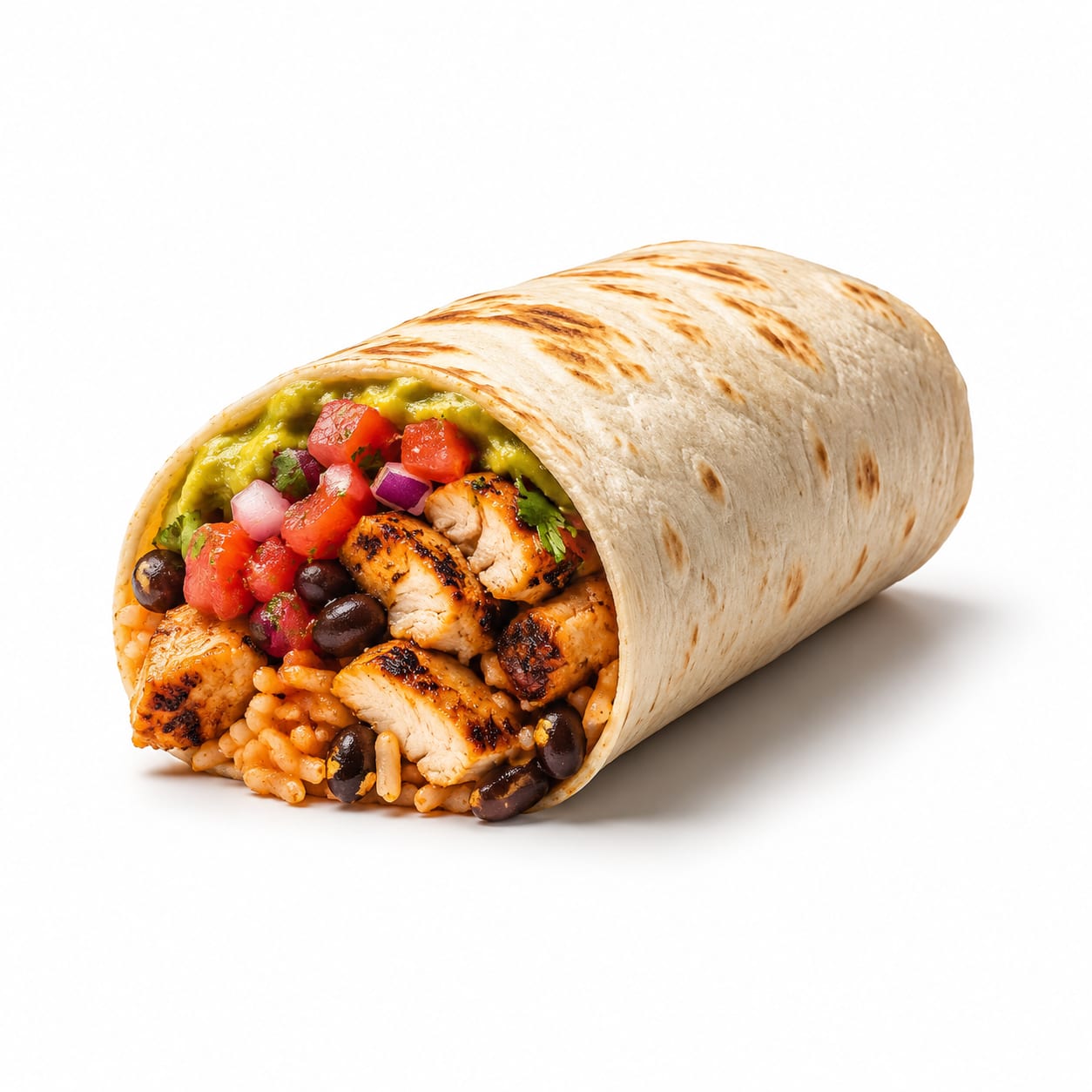
Burrito
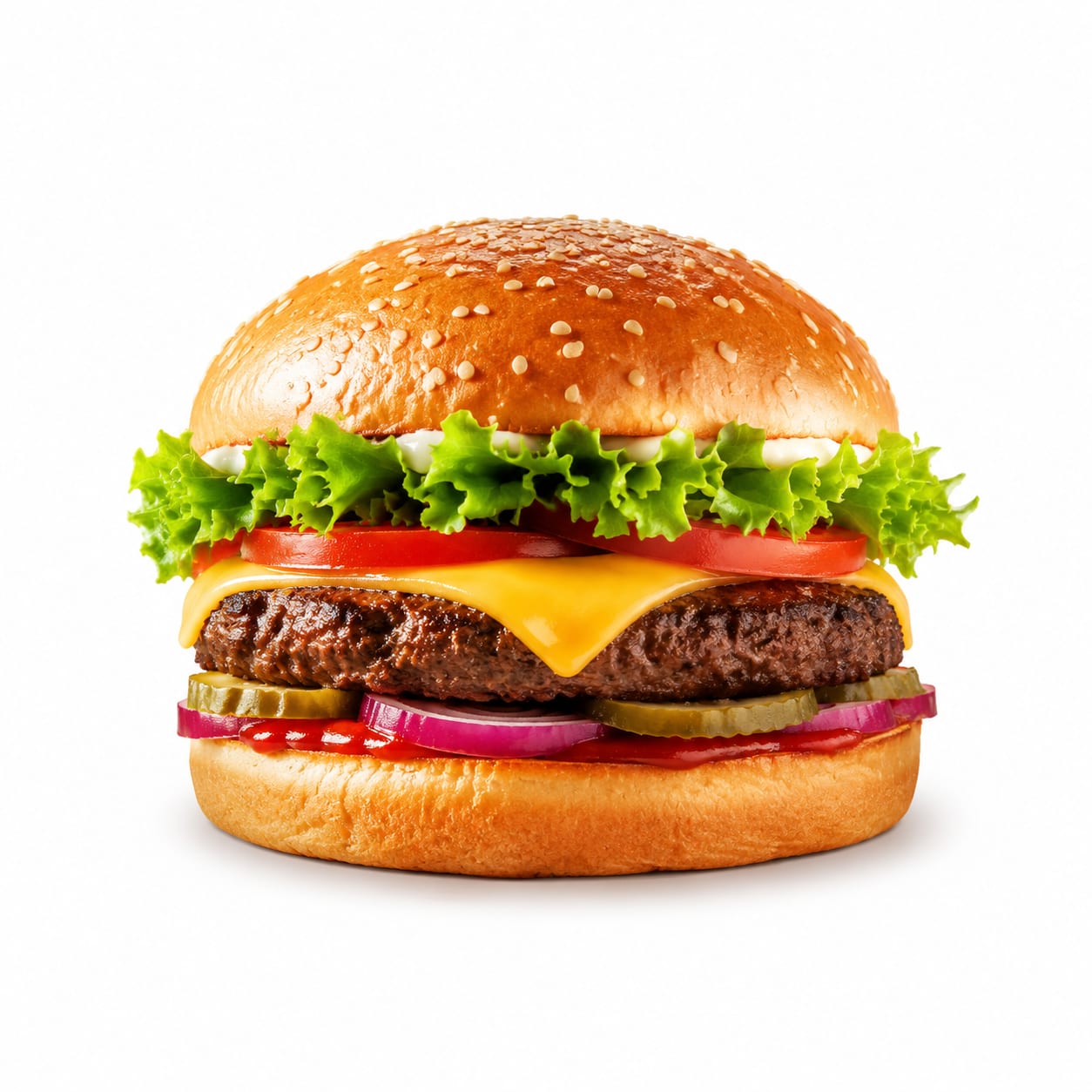
Burger
Burritos generally edge out burgers thanks to more fiber, micronutrients, and easier customization — but both can be calorie bombs if you're not careful.
Burritos score moderately above burgers due to fiber, micronutrient diversity, and customizability. Burgers lose ground on saturated fat, low fiber, and ultra-processing. Neither is a health food, but burritos offer more room to make smart choices.
Burritos offer better nutritional balance and fiber, while burgers deliver more protein density with fewer carbs but less micronutrient diversity.
At a glance
Executive summary
Overall
Burrito
Healthier
Burrito
More practical
It depends
Daily use
Burrito
Key comparison lenses
Which is healthier for regular meals?
Both are popular everyday meal choices, so long-term health impact matters most
Which keeps me fuller longer?
Both are substantial meals, but satiety differences affect overeating and snacking later
Which is better for blood sugar control?
Carb-heavy burritos vs refined-bun burgers create very different glycemic responses
Which has fewer concerning additives?
Burger buns and processed cheese raise ultra-processing flags; burrito fillings vary widely
Which is easier to customize for health goals?
Burrito bowls and burger modifications offer very different flexibility
Best choice for
Burrito
- People prioritizing fiber and digestive health
- Anyone wanting vegetables built into the meal
- Active individuals needing sustained energy
- Those watching cholesterol who choose lean fillings
- Meal preppers who want reheatable leftovers
Burger
- Low-carb or keto dieters
- People focused on maximum protein per bite
- Those who want a simpler, fewer-ingredient meal
- Anyone needing a quick high-protein post-workout option
- Picky eaters who avoid complex flavor mixes
Least suitable for
Burrito
- Low-carb dieters (rice and tortilla are carb-heavy)
- People with severe gluten intolerance (flour tortillas)
- Anyone closely monitoring sodium (restaurant burritos are very salty)
- People who struggle with portion control (burritos can top 1,000 calories)
Burger
- Anyone managing heart disease risk (saturated fat and cholesterol)
- People avoiding ultra-processed foods (bun, cheese, sauces)
- Those needing fiber in their diet
- Anyone watching sodium intake (fast food burgers are extremely salty)
Deep comparison
Dimension by dimension
Each lens scores both foods and breaks down who each option suits.
- Dimension 1 · Priority 90Burrito
Satiety and Fullness
Burrito · 78Burger · 65Burritos keep you fuller longer thanks to beans, rice, and fiber-rich fillings that slow digestion.
Tradeoff
Burgers fill you up fast with protein and fat but the lack of fiber means hunger returns sooner.
Why it matters
Meals that keep you satisfied for 4+ hours reduce snacking and make it easier to maintain a healthy weight.
Real-world impact
A burrito at noon likely carries you to dinner. A burger at noon often has you reaching for chips by 3pm.
Burrito
- Long work shifts without snack breaks
- Anyone trying to eat fewer meals per day
- Hikers and outdoor adventurers needing sustained energy
Better for
- Right before intense exercise (too heavy and slow-digesting)
Worse for
Burger
- Right after heavy lifting when you want fast protein
- When you need a quick meal before a short activity window
Better for
- Long gaps between meals (hunger returns faster)
Worse for
- Dimension 2 · Priority 88Burrito
Nutritional Completeness
Burrito · 75Burger · 42Burritos typically include beans, rice, salsa, and veggies — covering more micronutrient bases than a burger ever will.
Tradeoff
Burgers are protein-centric but lack fiber, vitamin C, potassium, and folate that burrito fillings naturally provide.
Why it matters
Eating meals that cover multiple nutrient groups reduces the need for supplements and supports overall health passively.
Real-world impact
A burrito with beans, pico de gallo, and guacamole gives you fiber, vitamin C, potassium, and healthy fats in one meal. A burger gives you protein, iron, and B12 — but almost nothing else.
Burrito
- Anyone eating one or two meals a day who needs nutrient density
- Vegetarians getting protein from beans
- People who rarely eat vegetables otherwise
Better for
- People who already eat fiber-rich diets and don't need more
Worse for
Burger
- Iron-deficient individuals needing heme iron
- Those who get their veggies from other meals
Better for
- Anyone relying on this as their main daily meal
Worse for
- Dimension 3 · Priority 82It depends
Blood Sugar Stability
Burrito · 55Burger · 52Neither is great for blood sugar. Burritos have more carbs but also more fiber to slow absorption. Burgers have fewer carbs but the refined bun causes a quick spike.
Tradeoff
A burrito with beans and no rice is actually decent for blood sugar. A burger with no bun is better still. In their standard forms, both are problematic.
Why it matters
Blood sugar crashes after meals cause fatigue, cravings, and over time increase diabetes risk.
Real-world impact
A standard burrito with rice can spike blood sugar and cause an afternoon energy dip. A standard burger on a white bun does the same thing faster but with a lower total carb load.
Burrito
- Choose a burrito bowl (no tortilla) with extra beans and no rice for steadier energy
Better for
- Standard flour tortilla burritos with white rice are a double carb hit
Worse for
Burger
- Choose a bunless burger or lettuce wrap for minimal blood sugar impact
Better for
- Burgers with sugary sauces and a refined white bun spike blood sugar quickly
Worse for
- Dimension 4 · Priority 85It depends
Calorie Density and Portion Control
Burrito · 45Burger · 50Both can easily exceed 800-1,200 calories in restaurant portions. Burgers are slightly easier to portion-control since they come in defined sizes.
Tradeoff
Burritos feel like one item but often contain 2-3 meals worth of calories. Burgers are more visually honest about size, but adding fries makes it worse.
Why it matters
Underestimating calories is the single biggest barrier to weight management for most people.
Real-world impact
A Chipotle-style burrito can quietly hit 1,100 calories. A fast food double burger is around 600-800 calories — but add fries and a drink and you're at the same place.
Burrito
- Burrito bowls make portion control easier since you see every ingredient
Better for
- Mission-style burritos hide enormous calorie counts in a handheld package
Worse for
Burger
- Single-patty burgers without cheese are relatively easy to calorie-count
Better for
- Combo meals with fries and soda double or triple the calorie damage
Worse for
- Dimension 5 · Priority 75It depends
Sodium Load
Burrito · 38Burger · 35Both are sodium bombs. Restaurant burritos and fast food burgers both easily exceed 1,500mg sodium per serving.
Tradeoff
Burritos get sodium from seasoned rice, beans, salsa, and cheese. Burgers get it from the patty, cheese, pickles, and condiments. Neither wins here.
Why it matters
High sodium intake raises blood pressure and is one of the most common dietary risks for heart disease.
Real-world impact
Either option at a restaurant likely delivers a full day's sodium in one meal. If you have hypertension, both require caution.
Burrito
- Homemade burritos with low-sodium beans and light seasoning
Better for
- Restaurant burritos with seasoned everything can hit 2,000mg+ sodium
Worse for
Burger
- Homemade burgers with minimal salt and no processed cheese
Better for
- Fast food burgers with processed cheese and pickles are equally brutal
Worse for
- Dimension 6 · Priority 78Burrito
Processing and Additives
Burrito · 55Burger · 35Burritos can be made with whole-food ingredients (beans, rice, meat, veggies). Burgers almost always involve a processed bun, processed cheese, and condiments with preservatives.
Tradeoff
A burrito from a quality taqueria uses relatively simple ingredients. Even a good burger relies on refined-flour buns and ultra-processed cheese slices.
Why it matters
Ultra-processed food consumption is linked to weight gain, inflammation, and higher disease risk independent of calorie intake.
Real-world impact
A burrito with real beans, fresh salsa, and unprocessed meat is mostly whole food. A burger's bun and cheese alone push it into ultra-processed territory.
Burrito
- Taqueria-style burritos with whole beans and fresh ingredients
- Anyone reducing ultra-processed food intake
Better for
- Fast food breakfast burritos with processed sausage and processed cheese
Worse for
Burger
- Bunless burgers with real cheese avoid the worst processing
Better for
- Standard fast food burgers with processed cheese, refined bun, and condiment packets
Worse for
- Dimension 7 · Priority 80Burger
Protein Quality and Density
Burrito · 62Burger · 78Burgers deliver more concentrated high-quality complete protein from beef. Burritos provide protein from beans and meat combined, but less per bite.
Tradeoff
Beef protein is highly bioavailable and leucine-rich for muscle building. Bean protein is decent but less complete and lower per serving.
Why it matters
Adequate protein supports muscle maintenance, satiety, and metabolic health — especially important as you age.
Real-world impact
After a workout, a burger patty gives you faster, more complete protein for recovery. A burrito gives you adequate protein but with more carbs attached.
Burrito
- Burritos with double meat or chicken provide solid protein with added fiber
Better for
- Vegetarian burritos rely on bean protein which is less complete
Worse for
Burger
- Post-workout meals where fast, complete protein matters most
- Older adults needing leucine-rich protein for muscle preservation
Better for
- Anyone who also needs fiber and micronutrients alongside protein
Worse for
- Dimension 8 · Priority 85Burrito
Heart Health Impact
Burrito · 55Burger · 38Burritos with beans and avocado provide heart-friendly fiber and monounsaturated fats. Burgers deliver saturated fat and cholesterol with almost no fiber to offset it.
Tradeoff
A burrito with steak and cheese can be nearly as bad as a burger for heart health. But the default burrito has more ingredients that actively support cardiovascular health.
Why it matters
Heart disease remains the leading cause of death, and saturated fat plus low fiber is a well-established risk pattern.
Real-world impact
Choosing a chicken burrito with beans and guacamole over a bacon cheeseburger is a meaningful heart health decision, not a trivial one.
Burrito
- Chicken or veggie burritos with beans, salsa, and avocado
- Anyone with family history of heart disease
Better for
- Steak burritos with queso and sour cream approach burger-level saturated fat
Worse for
Burger
- Bunless burgers with lean meat and no cheese are less harmful
Better for
- Bacon cheeseburgers are among the worst fast food items for heart health
Worse for
Timeline
Health impact over time
Short-term
Hours to days
Burrito
- Strong fullness that lasts 4-5 hours due to fiber and complex carbs
- Possible bloating or gas from beans if you're not used to high fiber
- Moderate energy crash if the burrito is very rice-heavy
- Better hydration from salsa and vegetable content
Burger
- Quick satisfaction from fat and protein hitting reward centers
- Hunger returning within 2-3 hours due to low fiber content
- Possible sluggishness from high saturated fat load
- Thirst from high sodium content
Long-term
Months to years
Burrito
- Better digestive health and regularity from consistent fiber intake
- Lower cardiovascular risk if choosing lean proteins and avocado
- Risk of weight gain from calorie-dense restaurant portions
- Improved cholesterol from soluble fiber in beans
Burger
- Higher LDL cholesterol from regular saturated fat intake
- Increased heart disease risk with frequent consumption
- Possible constipation or poor digestion from near-zero fiber
- Higher colorectal cancer risk associated with regular red and processed meat consumption
Risk profile
Safety & processing
Burritos from quality sources use recognizable whole ingredients — beans, rice, meat, vegetables, tortillas. Burgers almost always include a refined-flour bun with preservatives, processed cheese with emulsifiers, and condiments containing added sugars and artificial ingredients. A homemade version of either improves dramatically, but the gap is wider for burgers since their standard components are more processed.
Burrito
Foodborne illness from improper holding temperatures
mediumBurrito ingredients like rice, beans, and meat are often held at warm temperatures for extended periods, creating bacterial growth risk if not managed properly.
Cilantro contamination
lowCilantro has been linked to cyclospora outbreaks. Less common but worth noting for immune-compromised individuals.
Cross-contamination in assembly-line preparation
mediumBurrito assembly lines where ingredients are shared across orders can cross-contaminate allergens and pathogens.
Burger
Undercooked ground beef
highGround beef has higher E. coli risk than whole cuts because surface bacteria get mixed throughout during grinding. Undercooked burgers are a top foodborne illness source.
Processed cheese and nitrite exposure
mediumSome burger toppings and processed cheeses contain preservatives linked to health concerns with regular consumption.
Acrylamide in toasted buns
lowBrowned burger buns contain acrylamide, a probable carcinogen formed during high-heat cooking of refined carbohydrates.
Who wins for whom
Audience fit
Same foods, different winners depending on your goal.
children
BurgerKids generally prefer the simpler taste of burgers, and portion control is easier. Burritos can be overwhelming in size and flavor complexity for young children.
daily consumption
BurritoNeither should be eaten daily, but a varied burrito with different proteins and vegetables offers more nutritional diversity and less long-term health risk than a daily burger.
diabetes
It dependsA bunless burger has minimal carbs. A burrito bowl with no rice is also low-glycemic. In standard form, both are poor choices. The winner depends entirely on modifications.
elderly
BurritoOlder adults benefit greatly from the fiber, potassium, and micronutrients in burritos. The softer texture is also easier to chew than some burger preparations.
muscle gain
BurgerBurgers provide more concentrated complete protein with higher leucine content per calorie, which is the key amino acid for triggering muscle protein synthesis.
weight loss
It dependsA burrito bowl with no rice is excellent for weight loss. A plain single-patty burger without fries is also reasonable. Both fail in their default restaurant forms.
Your move
Decision guide
Choose Burrito
- You want a meal that keeps you full for hours without snacking
- Fiber and digestive health matter to you
- You prefer getting vegetables built into the meal rather than as a side
- You're eating one big meal and need it to cover nutritional bases
- You can customize your order (skip the rice, add extra veggies)
Choose Burger
- You're prioritizing protein intake after a workout
- You're eating low-carb and will skip the bun
- You want something simple with fewer ingredients to digest
- You're eating at a social event where burgers are the main option
- You can control the quality (grass-fed beef, real cheese, whole-grain bun)
Either works if
- You're eating occasionally and neither will impact long-term health
- You can make either at home with quality ingredients
- You're ordering the simplest version of either without extra cheese or sauces
Avoid both if
- You have severe hypertension and need low sodium (both are very salty in restaurants)
- You're trying to lose weight and struggle with portion control
- You eat fast food more than twice a week already
- You have gout (both can be high in purines from meat and cheese)
Final recommendation
If you're choosing between a standard restaurant burrito and a standard restaurant burger, the burrito is the better bet more often — more fiber, more nutrients, more room to make it healthier. But the real move is modifying whichever you choose: burrito bowl instead of a wrapped burrito, or a bunless burger with a side salad. The gap between a smart version and a default version of either food is much bigger than the gap between the two foods themselves.
Practical
Consumer tips
- 1
Order burrito bowls to skip the 300+ calorie flour tortilla and see your portions clearly
- 2
Ask for extra beans and veggies in your burrito — they're the healthiest part and most restaurants will add them for free
- 3
Choose grilled chicken or carnitas over steak or barbacoa to reduce saturated fat
- 4
Get burgers wrapped in lettuce instead of a bun to cut refined carbs and 150+ calories
- 5
Skip the cheese and sour cream on burritos — guacamole adds healthy fat instead
- 6
Ask for burgers with real cheese instead of processed American cheese slices
- 7
Avoid combo meals — the fries and drink add more calories than the burger itself
- 8
Make either at home to control sodium, portion size, and ingredient quality — this single change matters more than which food you pick