
Nutrition comparison
Burrito vs Wrap: Which Is Healthier for Lunch?
Compare burrito vs wrap nutrition, calories, and health impact. Discover which is better for weight loss, daily lunch, and blood sugar control with practical tradeoffs.
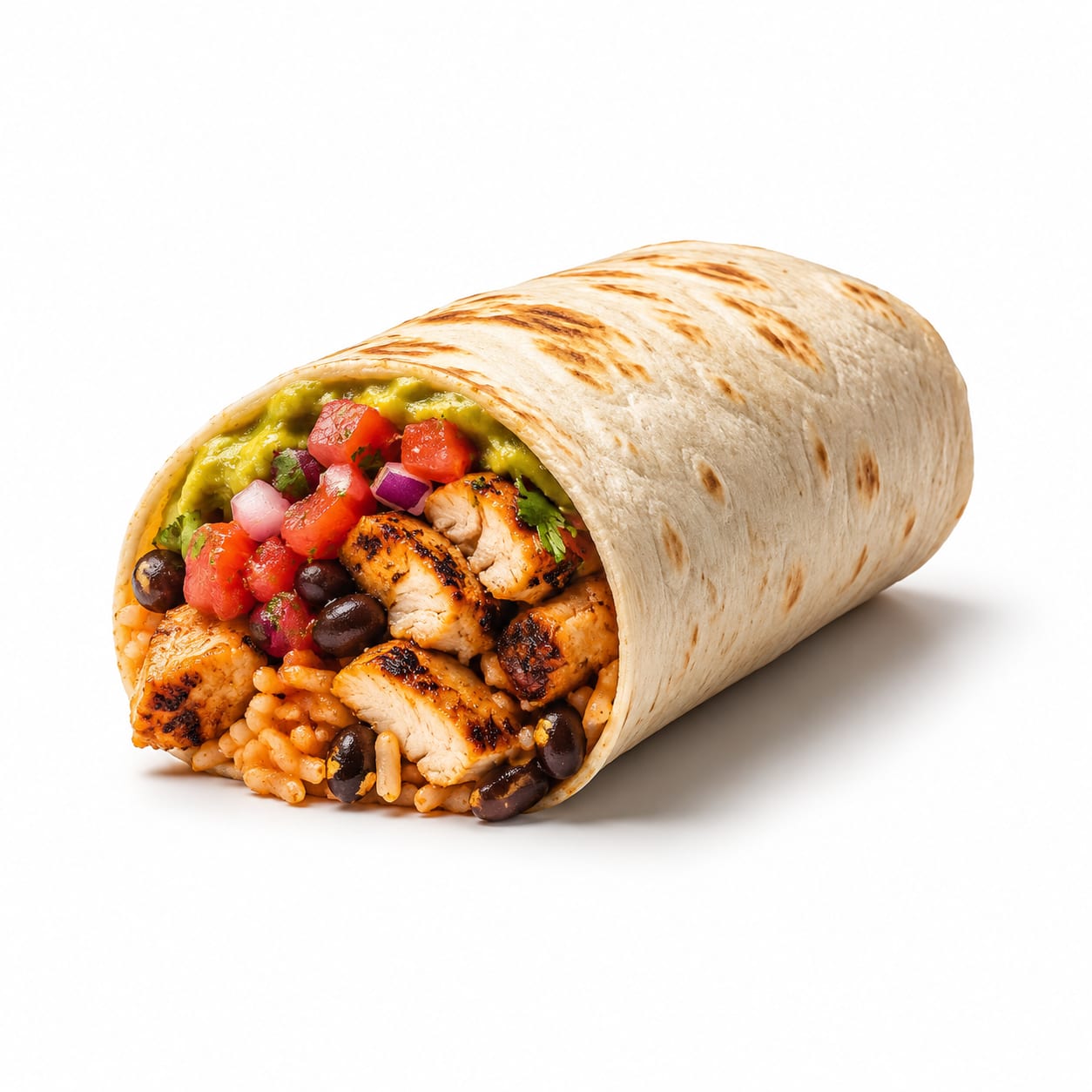
Burrito
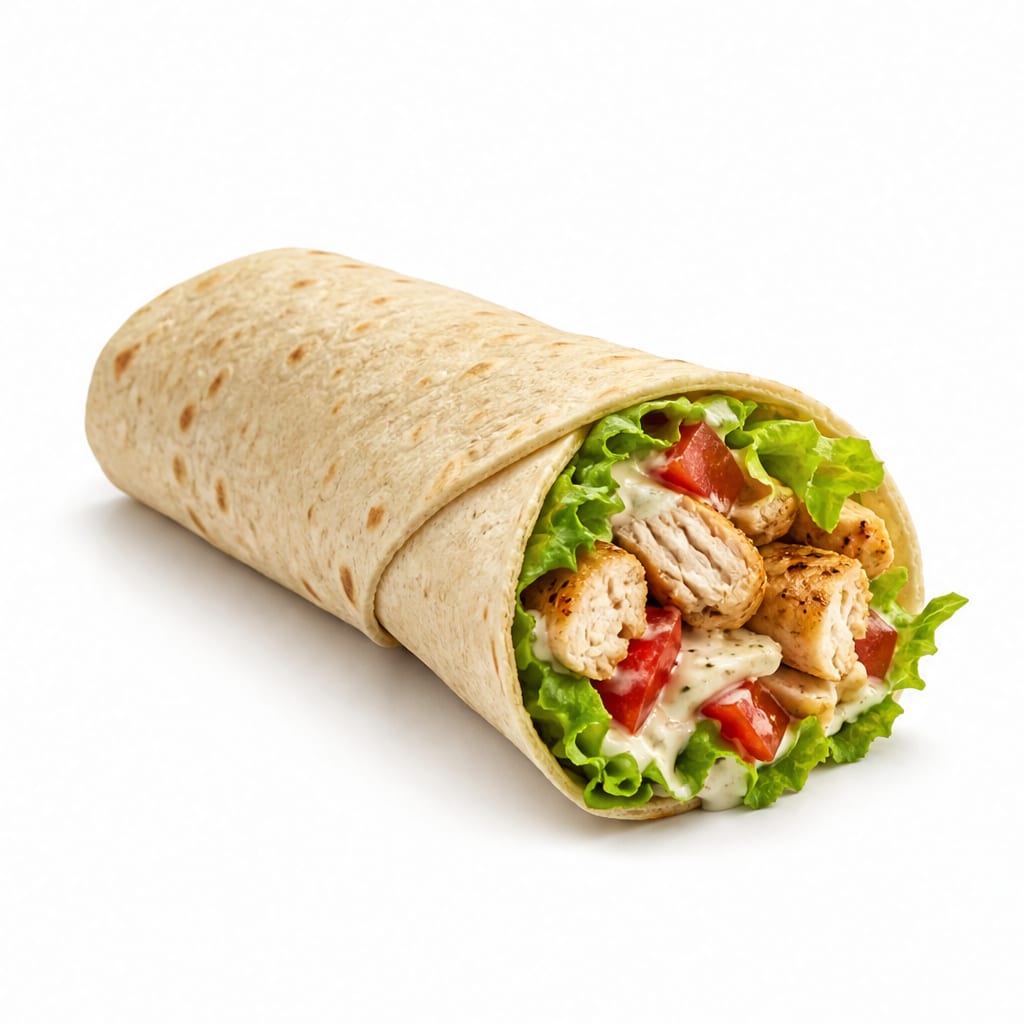
Wrap
Burritos win for full-meal satisfaction and protein; wraps win for calorie control and lighter eating. Your choice depends on whether you need a hearty meal or a light bite.
Wraps score higher overall due to better calorie control, lighter impact on blood sugar, and greater flexibility for clean eating. Burritos score well for satiety and protein but lose points for calorie density and sodium load.
Hearty filling meal vs. lighter calorie-controlled option — burritos nourish but can easily exceed 800 calories, while wraps keep portions in check but may leave you hungry sooner.
At a glance
Executive summary
Overall
It depends
Healthier
Wrap
More practical
Wrap
Daily use
Wrap
Key comparison lenses
calorie control and weight management
Burritos and wraps are often confused as similar, but burritos typically pack 2-3x the calories due to larger tortillas and denser fillings like rice and beans
meal size and satiety
Users choosing between these are often deciding between a full meal (burrito) and a lighter option (wrap), which affects hunger and energy differently
blood sugar impact
Burritos with rice and beans create a different glycemic response than lighter wraps, making this critical for diabetes or energy management
portability and convenience
Both are handheld meals, but wraps are easier to eat on the go without mess, while burritos can be heavy and prone to spilling
clean eating and ingredient control
Wraps lend themselves to lighter, vegetable-forward fillings while burritos tend toward calorie-dense combinations with cheese and sour cream
Best choice for
Burrito
- Post-workout recovery meals
- Active people needing 600+ calories in one sitting
- Anyone wanting sustained energy for 4-5 hours
- Those who skip meals and need one big satisfying one
Wrap
- Weight loss or calorie counting
- Light lunches that won't cause afternoon energy crashes
- People who eat frequent smaller meals
- Anyone wanting more vegetable-forward meals
Least suitable for
Burrito
- Sedentary office workers eating at their desk
- Anyone closely monitoring calorie intake
- People prone to post-meal food coma
- Late-night eating
Wrap
- Athletes needing serious calorie replenishment
- People doing heavy physical labor
- Anyone who gets hungry again within 2 hours of eating
- Those needing sustained energy for long stretches
Deep comparison
Dimension by dimension
Each lens scores both foods and breaks down who each option suits.
- Dimension 1 · Priority 95Wrap
Calorie Density & Portion Control
Burrito · 35Wrap · 78A typical restaurant burrito runs 700-1000 calories, while a wrap stays in the 300-500 range. The larger tortilla alone adds 100+ extra calories before any filling.
Tradeoff
Burritos give you more food for your money but make it remarkably easy to overeat without realizing it.
Why it matters
If you eat out frequently, choosing burritos over wraps could mean consuming 300-500 extra calories per meal without feeling proportionally more satisfied.
Real-world impact
Switching from a daily burrito to a wrap at lunch could translate to losing roughly 0.5-1 pound per week with no other changes.
Burrito
- People who struggle to eat enough calories
- Those who need one meal to last 5+ hours
Better for
- Consistent calorie surplus without feeling like you overate
- Stealthy weight gain from what feels like a normal meal
Worse for
Wrap
- Anyone tracking calories
- People who prefer eating smaller meals more frequently
Better for
- May need a snack within 2-3 hours to stay satisfied
- Can feel insubstantial if you are used to larger meals
Worse for
- Dimension 2 · Priority 90Burrito
Satiety & Fullness
Burrito · 85Wrap · 55Burritos keep you full significantly longer thanks to more protein, fiber from beans, and sheer volume. Wraps can leave you reaching for a snack by mid-afternoon.
Tradeoff
That satisfying fullness comes with a heavy feeling that can kill productivity and motivation for the next hour or two.
Why it matters
If you have a long stretch between meals, a burrito prevents the hunger crash. But if you need mental sharpness after lunch, the lighter wrap is less likely to cause a food coma.
Real-world impact
A burrito at noon might keep you full until 6pm but make you sluggish at 1pm. A wrap at noon keeps you sharp but has you eyeing snacks by 3pm.
Burrito
- Long shifts without break access
- Hiking or outdoor activity days
- Anyone who hates feeling hungry between meals
Better for
- Post-meal drowsiness that hurts afternoon productivity
- Feeling too full for any physical activity
Worse for
Wrap
- Afternoon meetings requiring focus
- Days when you want to stay light on your feet
Better for
- Hunger distractions within 2-3 hours
- Potential overeating at dinner from arriving too hungry
Worse for
- Dimension 3 · Priority 85It depends
Blood Sugar Stability
Burrito · 58Wrap · 65Burritos with beans provide slow-digesting carbs, but the rice and large tortilla create a bigger glycemic load. Wraps have less total carbs but often lack the fiber to slow absorption.
Tradeoff
Beans in burritos help stabilize blood sugar, but the overall carb load is still high. Wraps have less impact per serving but may not sustain you long enough to prevent later crashes.
Why it matters
For diabetes management, the smaller total carb load of a wrap is easier to dose for. But the bean fiber in burritos offers genuine blood sugar benefits if portions are controlled.
Real-world impact
A burrito can cause a bigger initial spike but longer satiety. A wrap causes a smaller spike but may lead to a quicker drop, triggering cravings.
Burrito
- People who tolerate carbs well and need sustained energy
- Those who include beans as a blood sugar-stabilizing ingredient
Better for
- Large carb load can spike blood sugar significantly
- The rice-heavy filling adds fast-digesting carbs without much fiber
Worse for
Wrap
- People with diabetes who count carbs carefully
- Anyone sensitive to post-meal blood sugar swings
Better for
- Less fiber means faster digestion and quicker return of hunger
- Sweet dressings in wraps can cause unexpected sugar spikes
Worse for
- Dimension 4 · Priority 80Burrito
Protein & Nutrient Density
Burrito · 78Wrap · 55Burritos typically contain more protein from beans, meat, and cheese in larger quantities. Wraps can match this but often skimp on protein-heavy fillings to stay light.
Tradeoff
More protein in burritos comes alongside more fat and calories. You can build a high-protein wrap, but it requires deliberate ingredient choices.
Why it matters
If protein is a priority for muscle maintenance or satiety, burritos deliver more by default. Wraps require intentional construction to reach equivalent protein levels.
Real-world impact
A standard burrito delivers 25-40g of protein. A typical wrap provides 15-25g. That gap matters for anyone tracking protein intake.
Burrito
- Athletes and anyone building muscle
- Older adults needing higher protein per meal
- People who rely on one meal for a big protein chunk
Better for
- Protein comes with significant fat and calorie baggage
- Cheese and sour cream add saturated fat alongside protein
Worse for
Wrap
- Those who get protein from other meals throughout the day
- Anyone preferring plant-based lighter protein sources
Better for
- Default protein content may be insufficient for active people
- Lean fillings can make the meal feel unsatisfying
Worse for
- Dimension 5 · Priority 75Wrap
Sodium Load
Burrito · 30Wrap · 55Restaurant burritos frequently exceed 1500mg sodium thanks to seasoned rice, beans, salsa, and cheese. Wraps can also be salty but typically contain less of everything, including sodium.
Tradeoff
Neither is a low-sodium champion, but burritos pack more sodium simply because they pack more of everything. Wraps give you more control over salt intake.
Why it matters
If you have blood pressure concerns, a single burrito can deliver nearly your entire daily sodium allowance. Wraps are easier to keep under 800mg with smart choices.
Real-world impact
A high-sodium burrito can mean puffy fingers, bloating, and thirst for hours. A wrap is less likely to leave you feeling waterlogged.
Burrito
- Athletes who lose significant sodium through sweat
- People with naturally low blood pressure who need more salt
Better for
- Can easily exceed daily sodium limits in a single meal
- Bloating and water retention after eating
Worse for
Wrap
- Anyone with hypertension or sodium sensitivity
- People who eat processed foods frequently and need to reduce sodium where possible
Better for
- Deli meats in wraps can still pack surprising sodium
- Store-bought wrap tortillas often contain hidden sodium
Worse for
- Dimension 6 · Priority 70Wrap
Convenience & Portability
Burrito · 50Wrap · 82Wraps are lighter, less messy, and easier to eat one-handed while working or commuting. Burritos are heavier, prone to dripping, and demand more attention to eat cleanly.
Tradeoff
The burrito's satisfying heft makes it awkward for on-the-go eating. The wrap's convenience comes at the cost of feeling like a complete meal.
Why it matters
If you eat lunch at your desk or in your car, a wrap is far more practical. Burritos work better when you have time to sit and focus on eating.
Real-world impact
A wrap you can eat while walking to a meeting. A burrito requires two hands, a napkin strategy, and probably a table.
Burrito
- Sit-down meals where you can take your time
- Social eating where messiness is not a concern
Better for
- Foil-wrapped burritos are messy to eat while working
- Dripping sauces and falling fillings create cleanup hassle
Worse for
Wrap
- Commuting or driving lunches
- Desk meals during busy workdays
- Picnics and outdoor eating where utensils are limited
Better for
- Can feel too casual for a proper meal experience
- Thin tortillas can tear and create their own mess
Worse for
- Dimension 7 · Priority 70Wrap
Customizability & Clean Eating Potential
Burrito · 55Wrap · 75Wraps naturally lend themselves to vegetable-heavy, lighter fillings. Burritos can be customized too, but their identity is tied to rice, beans, and cheese — making clean versions harder.
Tradeoff
A clean burrito feels like a compromise. A clean wrap feels like the point. The wrap format encourages better choices by default.
Why it matters
If you are trying to eat more vegetables and less processed food, wraps make that easier and more satisfying. Burritos require fighting against their natural design.
Real-world impact
Ordering a wrap with grilled chicken, spinach, and hummus feels normal. Ordering a burrito without rice, cheese, and sour cream feels like you are missing the point.
Burrito
- People who want a complete balanced meal in one package
- Those who like beans as a healthy fiber and protein source
Better for
- Healthy modifications feel like deprivation rather than optimization
- Default ingredients skew heavy and calorie-dense
Worse for
Wrap
- Anyone prioritizing vegetable intake
- People who prefer Mediterranean-style clean eating
Better for
- Can become boring without creative fillings
- Easy to over-rely on deli meats and processed fillings
Worse for
Timeline
Health impact over time
Short-term
Hours to days
Burrito
- Significant fullness that may cause drowsiness within 30-60 minutes
- Possible bloating from beans, cheese, and large portion size
- Higher sodium can cause thirst and mild water retention for hours
Wrap
- Lighter feeling with less post-meal sluggishness
- Hunger may return within 2-3 hours depending on filling choices
- Easier on digestion due to smaller volume and lighter ingredients
Long-term
Months to years
Burrito
- Regular consumption without portion awareness can contribute to gradual weight gain
- High sodium intake may impact blood pressure over time
- Bean content provides excellent fiber for long-term gut health
Wrap
- Easier to maintain calorie balance long-term when used as a lunch staple
- Less sodium exposure reduces cardiovascular risk over years
- May need complementary snacks to meet daily protein and fiber needs
Risk profile
Safety & processing
Both rely on flour tortillas, which are processed foods with preservatives and conditioners. Burritos tend to include more processed components like seasoned rice mixes and pre-made salsas. Wraps often use deli meats or pre-washed greens with dressing. Neither is a whole food, but both can be made cleaner with homemade tortillas and fresh fillings.
Burrito
Foodborne illness from improper holding temperatures
mediumBurritos contain multiple perishable ingredients (meat, dairy, beans) that can harbor bacteria if left at room temperature too long, especially from food trucks or buffets.
Bean-related digestive distress
lowUndercooked beans or high fiber content can cause gas and bloating, particularly for people unaccustomed to regular bean consumption.
Wrap
Deli meat contamination
mediumIf the wrap contains deli meats, listeria risk is a concern, especially for pregnant women and immunocompromised individuals.
Cross-contamination in preparation
lowWraps are often assembled on shared surfaces with multiple ingredients, increasing risk of allergen exposure and bacterial transfer.
Who wins for whom
Audience fit
Same foods, different winners depending on your goal.
children
WrapWraps are easier for small hands to hold, less overwhelming in portion size, and simpler to customize for picky eaters without wasting food.
daily consumption
WrapWraps are easier to vary, lighter on the digestive system, and less likely to contribute to calorie creep when eaten daily as a routine meal.
diabetes
WrapWraps have a lower total carbohydrate load and are easier to portion control. The smaller tortilla means less refined flour impacting blood sugar.
elderly
WrapLighter wraps are easier to digest and less likely to cause uncomfortable fullness. The smaller portion aligns better with reduced caloric needs.
muscle gain
BurritoBurritos deliver more protein and calories per meal, which supports muscle building. The combination of beans, meat, and cheese provides a solid amino acid profile.
weight loss
WrapWraps make calorie control significantly easier. A typical wrap has 300-500 fewer calories than a burrito, and the lighter format naturally encourages vegetable-forward fillings.
Your move
Decision guide
Choose Burrito
- You had a intense workout and need serious refueling
- You have a long stretch ahead with no snack access
- You want one meal to genuinely satisfy you for 5+ hours
- You are trying to gain weight or maintain a high-calorie diet
Choose Wrap
- You want to stay sharp and light after lunch
- You are managing your weight and need predictable calorie counts
- You prefer eating smaller meals more frequently throughout the day
- You want to load up on vegetables without feeling like you are sacrificing a real meal
Either works if
- You are building the meal at home and can control exactly what goes in
- You are eating socially and both options are available from the same kitchen
Avoid both if
- You have celiac disease or gluten sensitivity and cannot find certified gluten-free tortillas
- You are on a strict low-sodium diet and cannot verify sodium content of restaurant versions
- You are sensitive to refined carbohydrates and need to avoid flour tortillas entirely
Final recommendation
For most people eating lunch on a workday, a well-built wrap is the smarter default — it keeps calories in check, avoids the afternoon slump, and still feels like a real meal. Save burritos for active days, post-workout meals, or when you genuinely need the extra fuel. The best strategy: make wraps your daily driver and burritos your occasional heavy hitter.
Practical
Consumer tips
- 1
Ask for a burrito bowl without the tortilla to cut 200+ calories while keeping the satisfying fillings
- 2
Choose whole wheat or spinach wraps for slightly more fiber and nutrients than standard flour tortillas
- 3
Load wraps with hummus instead of mayo-based dressings for more protein and healthier fat
- 4
If ordering a burrito, skip the rice to save 200 calories and reduce the carb load significantly
- 5
Check if your wrap shop offers half-portions or junior burritos — same flavors, better portion control
- 6
Add avocado to either option for healthy fats that increase satiety without the sodium of cheese
- 7
Make either at home to control sodium, portion size, and ingredient quality — the restaurant versions are where both options become problematic