
Nutrition comparison
Burrito vs Falafel Wrap: Which Is Healthier for You?
Compare Burrito vs Falafel Wrap on protein, calories, fiber, and long-term health. Find out which wrapped meal fits your goals better with practical nutrition tradeoffs.
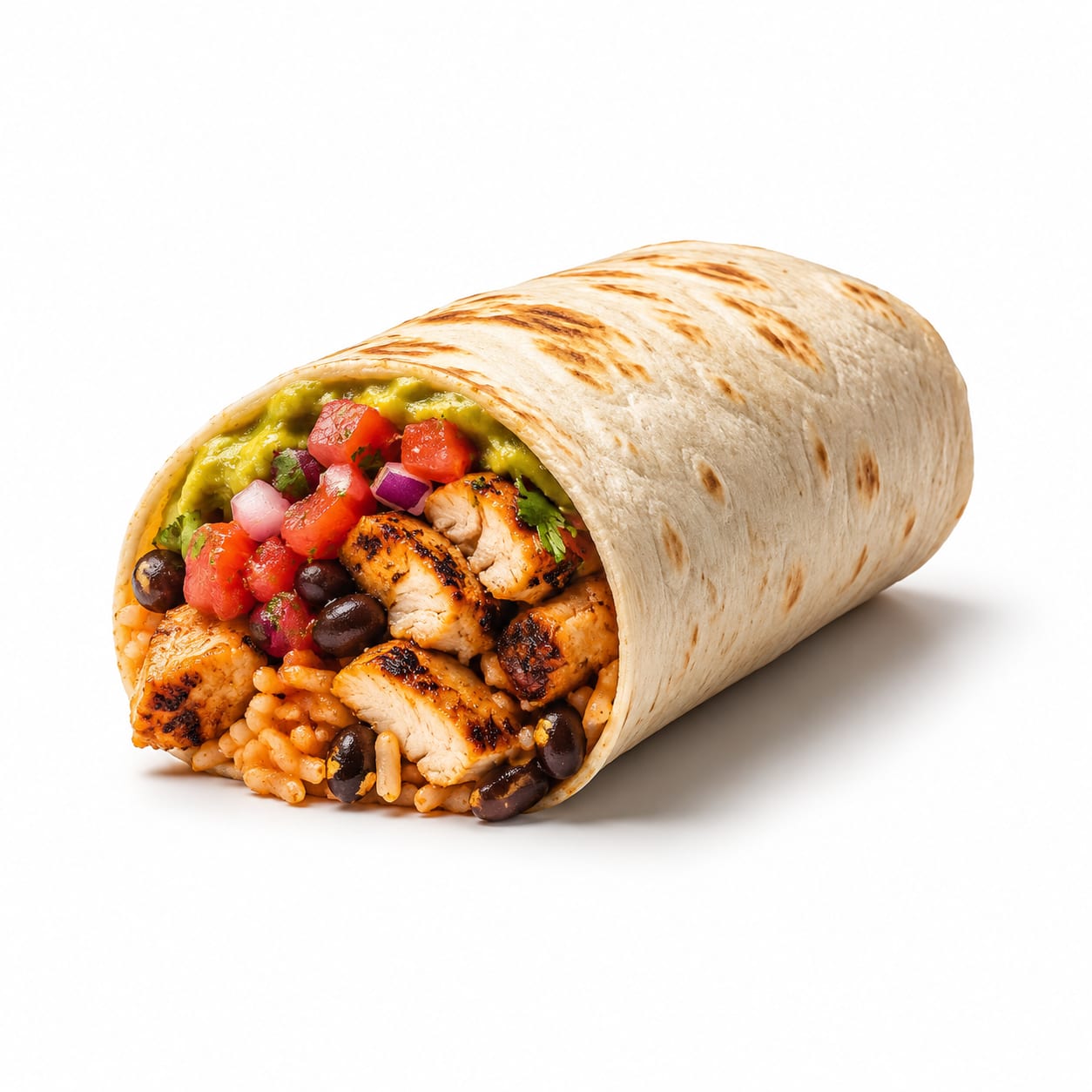
Burrito
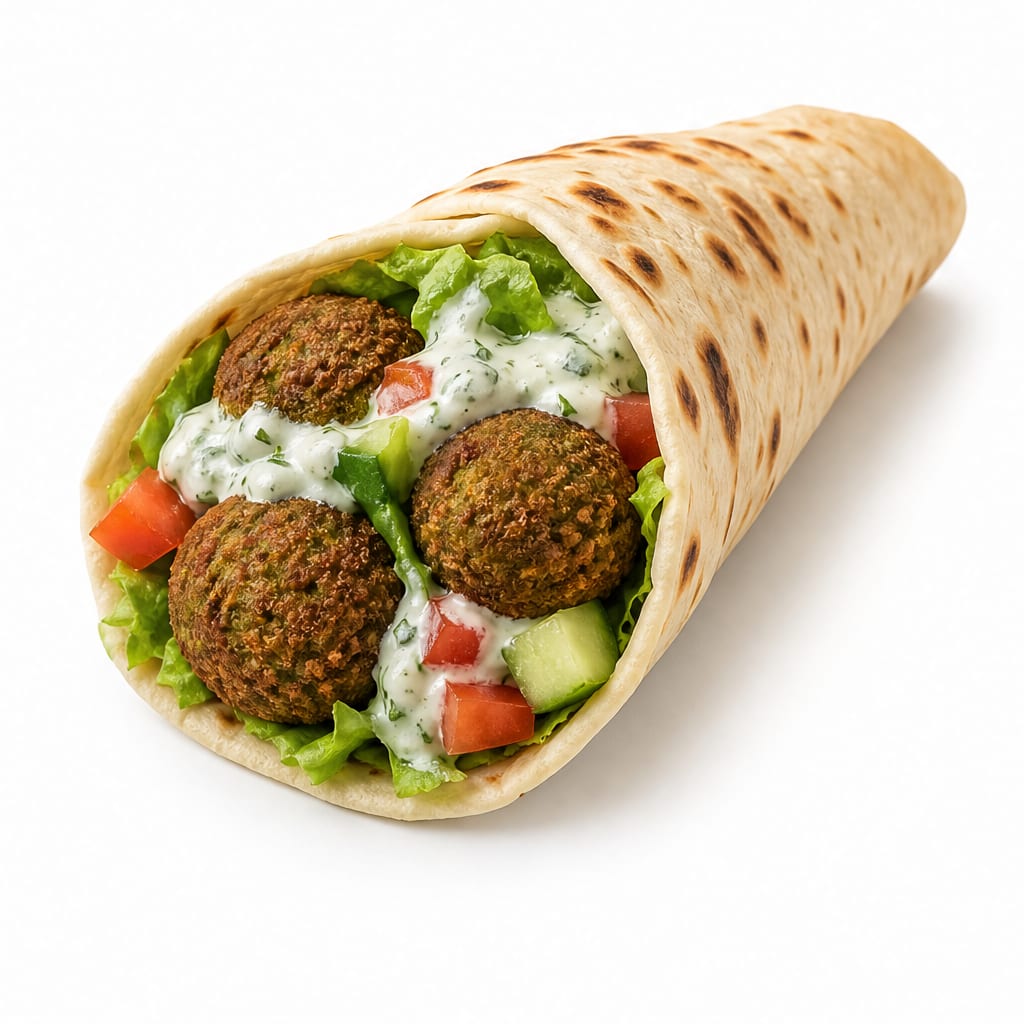
Falafel Wrap
Burritos deliver more protein and longer-lasting fullness, while Falafel Wraps offer a lighter plant-based meal with better fiber density per calorie.
Falafel Wraps edge ahead for everyday health due to lower calorie density and plant-based benefits, but Burritos win for protein and sustained energy. The close scores reflect how context-dependent this choice really is.
Satiety and protein power versus lighter calories and plant-based simplicity.
At a glance
Executive summary
Overall
It depends
Healthier
It depends
More practical
Burrito
Daily use
Falafel Wrap
Key comparison lenses
protein quality and satiety comparison
Animal vs plant protein is the core nutritional dividing line between these two meals
calorie density and weight management
Both are handheld wrapped meals but differ significantly in caloric load and portion satisfaction
plant-based vs omnivore lifestyle alignment
This comparison often reflects a dietary identity choice as much as a nutritional one
digestive tolerance and comfort
Beans and chickpeas both cause bloating for some people, but in different ways
blood sugar stability
Both are carb-forward meals with different glycemic trajectories
Best choice for
Burrito
- Active people needing sustained energy and protein
- Anyone trying to build or maintain muscle
- Those who skip meals and need one to actually hold them over
- Omnivores prioritizing fullness over lightness
Falafel Wrap
- Plant-based eaters and vegetarians
- Anyone watching calorie intake without counting strictly
- People who feel sluggish after heavy meals
- Those preferring Mediterranean-style eating patterns
Least suitable for
Burrito
- People avoiding dairy or gluten
- Anyone sensitive to high-calorie meals
- Those prone to heartburn or acid reflux after heavy eating
- Strict vegetarians and vegans
Falafel Wrap
- People with chickpea or sesame allergies
- Anyone needing high protein per meal
- Those sensitive to fried foods
- People who find bean-heavy meals cause bloating
Deep comparison
Dimension by dimension
Each lens scores both foods and breaks down who each option suits.
- Dimension 1 · Priority 94Burrito
protein content and quality
Burrito · 85Falafel Wrap · 52Burritos typically deliver 25-40g of complete protein from meat, beans, and cheese. Falafel Wraps offer 12-18g of plant protein that lacks some essential amino acids.
Tradeoff
You get significantly more muscle-supporting protein from a Burrito, but it comes with more saturated fat if cheese and sour cream are included.
Why it matters
Protein is the main driver of fullness and metabolic health. A meal under 20g protein often leaves you hungry again within two hours.
Real-world impact
A Burrito at noon likely keeps you full until dinner. A Falafel Wrap may have you reaching for a snack by 3pm.
Burrito
- Post-workout recovery
- Anyone eating only two meals a day
- Older adults needing higher protein intake
Better for
- People reducing saturated fat intake
Worse for
Falafel Wrap
- Lighter lunch before an afternoon meeting
- Anyone already hitting protein targets from other meals
Better for
- Athletes or anyone with high protein needs
- People relying on one meal to carry them for 5+ hours
Worse for
- Dimension 2 · Priority 89Falafel Wrap
calorie density and weight management
Burrito · 48Falafel Wrap · 72A typical restaurant Burrito runs 800-1200 calories. A Falafel Wrap usually lands between 450-650 calories. The difference is substantial for anyone watching weight.
Tradeoff
Falafel Wraps are easier to fit into a calorie budget, but may not feel like a complete meal without sides.
Why it matters
Calorie density determines whether a meal supports weight loss, maintenance, or gain without requiring strict tracking.
Real-world impact
Eating a Burrito five days a week could easily add 1500+ extra calories compared to Falafel Wraps. That is nearly half a pound of weight gain per week.
Burrito
- People trying to gain weight healthily
- Anyone with high caloric needs from physical labor or training
Better for
- Anyone with a sedentary lifestyle
- People trying to lose belly fat
Worse for
Falafel Wrap
- Sustained weight loss efforts
- Anyone who feels better eating lighter at lunch
- People tracking calories loosely
Better for
- Underweight individuals needing calorie density
Worse for
- Dimension 3 · Priority 82Falafel Wrap
fiber and digestive health
Burrito · 65Falafel Wrap · 78Both meals provide solid fiber from beans or chickpeas. Falafel Wraps tend to edge ahead because chickpeas, veggies, and whole wheat pita create a more fiber-dense package per calorie.
Tradeoff
More fiber means better gut health but also more bloating potential, especially if your body is not used to it.
Why it matters
Fiber controls blood sugar, feeds gut bacteria, and keeps digestion regular. Most people fall far short of the 25-30g daily target.
Real-world impact
A Falafel Wrap can deliver nearly a third of your daily fiber in one meal. A Burrito with beans contributes well too, but rice dilutes the fiber density.
Burrito
- People already getting plenty of fiber elsewhere
- Anyone who finds high-fiber meals cause discomfort
Better for
- Those relying on this meal as their main fiber source
Worse for
Falafel Wrap
- Anyone struggling to hit daily fiber goals
- People wanting better gut health without supplements
Better for
- People with IBS or chickpea sensitivity
- Anyone unused to high-fiber meals who needs to adjust gradually
Worse for
- Dimension 4 · Priority 79Burrito
blood sugar stability
Burrito · 62Falafel Wrap · 55Burritos have more protein and fat to slow carb absorption. Falafel Wraps are carb-heavy with less protein buffer, and the fried chickpea balls can spike blood sugar faster than expected.
Tradeoff
Burritos stabilize blood sugar better but the larger portion size means more total glucose to process. Falafel Wraps have less total carbs but less protein to slow them down.
Why it matters
Blood sugar crashes drive afternoon fatigue, cravings, and irritability. The protein-to-carb ratio matters more than total carbs alone.
Real-world impact
After a Falafel Wrap you might feel energized initially but sleepy an hour later. A Burrito creates a slower, steadier energy curve.
Burrito
- Prediabetics needing steadier glucose
- Anyone prone to afternoon energy crashes
- People who get irritable when blood sugar dips
Better for
- People who find large meals cause food coma
Worse for
Falafel Wrap
- Active people burning through carbs quickly
- Anyone eating smaller portions more frequently
Better for
- Insulin-resistant individuals
- People sensitive to carb-heavy meals
Worse for
- Dimension 5 · Priority 76Falafel Wrap
inflammatory potential
Burrito · 45Falafel Wrap · 68Burritos often include inflammatory ingredients like processed cheese, sour cream, and conventionally raised meat. Falafel Wraps rely on anti-inflammatory chickpeas, tahini, and fresh vegetables.
Tradeoff
Falafel is deep-fried, which adds inflammatory oxidized oils. But the base ingredients are still less inflammatory than cheese and sour cream.
Why it matters
Chronic low-grade inflammation drives joint pain, fatigue, and disease risk over years. Meal choices compound over time.
Real-world impact
If you eat Burritos daily, the saturated fat and dairy add up. Falafel Wraps are gentler on your body long-term, especially if baked instead of fried.
Burrito
- Burritos made with grilled chicken, no dairy, and whole beans
Better for
- People with arthritis or chronic inflammation
- Anyone reducing saturated fat for heart health
Worse for
Falafel Wrap
- Anyone with joint pain or inflammatory conditions
- Long-term heart health optimization
- People following anti-inflammatory eating patterns
Better for
- People sensitive to seed oils used in frying
Worse for
- Dimension 6 · Priority 71Falafel Wrap
sodium load
Burrito · 38Falafel Wrap · 55Restaurant Burritos frequently exceed 1500mg sodium from seasoned meat, cheese, salsa, and beans. Falafel Wraps are also salty but typically land between 800-1200mg.
Tradeoff
Neither is a low-sodium choice. But Falafel Wraps give you more room in your daily sodium budget.
Why it matters
High sodium meals cause bloating, thirst, and elevated blood pressure. One salty lunch can use up most of your daily allowance.
Real-world impact
A Burrito at lunch might leave you puffy and reaching for water all afternoon. A Falafel Wrap is less likely to cause that swollen feeling.
Burrito
- Homemade Burritos where you control salt
Better for
- Salt-sensitive individuals
- People with hypertension
Worse for
Falafel Wrap
- Anyone monitoring blood pressure
- People who feel bloated after restaurant meals
Better for
- Anyone assuming falafel is automatically low-sodium
Worse for
Timeline
Health impact over time
Short-term
Hours to days
Burrito
- Heavy fullness that lasts 3-5 hours
- Possible drowsiness from large portion size and carb load
- Higher likelihood of heartburn due to spice, cheese, and portion size
- Sodium-induced thirst and mild bloating
Falafel Wrap
- Lighter initial satisfaction but hunger returns sooner
- Possible gas or bloating from chickpeas if unaccustomed
- Energy boost followed by a moderate crash within 90 minutes
- Less post-meal sluggishness overall
Long-term
Months to years
Burrito
- Higher saturated fat intake if eaten frequently with cheese and sour cream
- Better muscle maintenance due to consistent high protein intake
- Risk of weight gain if portion sizes are not managed
- Potential cardiovascular concern with regular restaurant versions
Falafel Wrap
- Better heart health markers from plant-based eating pattern
- Improved gut microbiome diversity from chickpea fiber
- Possible nutrient gaps if relying on it as a primary protein source
- Lower long-term disease risk overall when part of a varied diet
Risk profile
Safety & processing
Both are assembled from whole-food components, but restaurant Burritos often include processed cheese, pre-made seasoning packets, and preservatives in tortillas. Falafel Wraps use simpler ingredients, though the frying oil and store-bought tahini can introduce additives.
Burrito
Foodborne illness from undercooked meat or cross-contamination
mediumChicken and beef in Burritos are common sources of Salmonella and E. coli if not handled properly. This is primarily a restaurant concern.
Dairy spoilage in takeout scenarios
lowSour cream and cheese can grow bacteria if left warm for extended periods during delivery or transport.
Falafel Wrap
Oxidized frying oil from reused deep-fryer oil
mediumMany restaurants reuse oil for falafel, creating harmful compounds. This is the biggest hidden health risk in Falafel Wraps.
Sesame allergy exposure from tahini
highSesame is a top allergen and tahini is present in nearly every Falafel Wrap. Reactions can be severe and unexpected for those unaware.
Who wins for whom
Audience fit
Same foods, different winners depending on your goal.
children
BurritoKids generally prefer the milder flavor of Burritos and benefit more from the higher protein for growth. Falafel can be too textured or spiced for picky eaters.
daily consumption
Falafel WrapLower calorie density, less saturated fat, and anti-inflammatory ingredients make Falafel Wraps more sustainable as a daily lunch without negative compounding effects.
diabetes
BurritoHigher protein and fat content in Burritos slows glucose absorption more effectively, though portion control remains essential for both.
elderly
Falafel WrapFalafel Wraps are easier to digest, lower in saturated fat, and gentler on aging cardiovascular systems. The fiber also helps with common digestive slowdowns.
muscle gain
BurritoBurritos deliver substantially more complete protein, which is the non-negotiable driver of muscle growth and recovery.
weight loss
Falafel WrapFalafel Wraps provide 40-50% fewer calories on average while still feeling like a real meal, making them far easier to fit into a weight loss plan.
Your move
Decision guide
Choose Burrito
- You need a meal that genuinely holds you for 5+ hours
- You are active, training, or trying to build muscle
- You skip breakfast and need lunch to be your main meal
- You find plant-based meals leave you unsatisfied
Choose Falafel Wrap
- You want a satisfying lunch without the heavy food coma after
- You eat plant-based or are reducing meat intake
- You are watching your weight without wanting to feel deprived
- You prefer Mediterranean flavors and lighter eating patterns
Either works if
- You are customizing at a build-your-own spot where both can be made healthier
- You rotate between meals weekly for variety
- You care more about what you add than the base itself
Avoid both if
- You are on a strict low-sodium diet, as both are salt-heavy at restaurants
- You have severe gluten intolerance and cannot find gluten-free wraps
- You are tracking every macro and need precise control over ingredients
Final recommendation
For most people eating lunch on a workday, the Falafel Wrap is the smarter default. It keeps you lighter, supports long-term health, and fits better into a calorie-aware routine. Choose a Burrito when you genuinely need the protein and staying power, like on training days or when dinner will be late. The best version of either is one you build yourself, skipping the sour cream on Burritos and asking for baked falafel when available.
Practical
Consumer tips
- 1
Ask for baked falafel instead of fried. It cuts inflammatory oils and 100+ calories with minimal flavor loss.
- 2
Skip sour cream and extra cheese on Burritos. You save 200+ calories and most of the saturated fat without losing satisfaction.
- 3
Add extra vegetables to either wrap. Lettuce, tomato, onion, and pickled veggies add volume and nutrients for almost no calories.
- 4
Request whole wheat or whole grain wraps for either option. The fiber upgrade is meaningful for blood sugar control.
- 5
Watch portion sizes at restaurants. A typical Burrito is often two servings disguised as one.
- 6
Make either at home for dramatically better nutrition. You control sodium, oil, and portion size completely.
- 7
If eating a Falafel Wrap for lunch, add a side of protein like hummus with eggs or Greek yogurt to stay full longer.
- 8
Drink extra water with either meal. Both are sodium-heavy and hydration helps with digestion and bloating.