
Nutrition comparison
Burrito vs Chimichanga: Nutrition, Calories & Health Comparison
Burrito or Chimichanga? Discover the nutritional differences, calorie counts, and health impacts of each to make the best choice for your diet.
Overall winner · Burrito
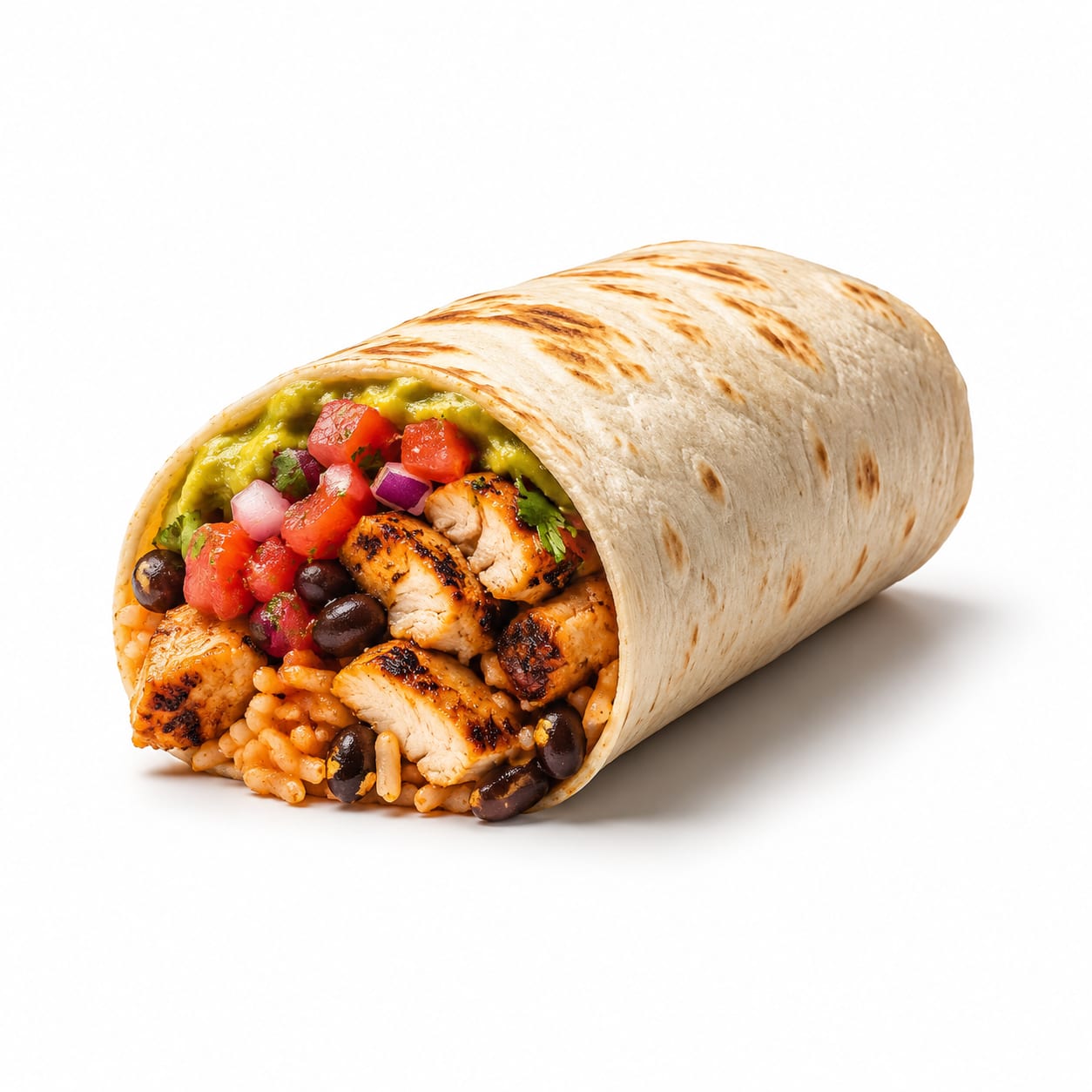
Burrito
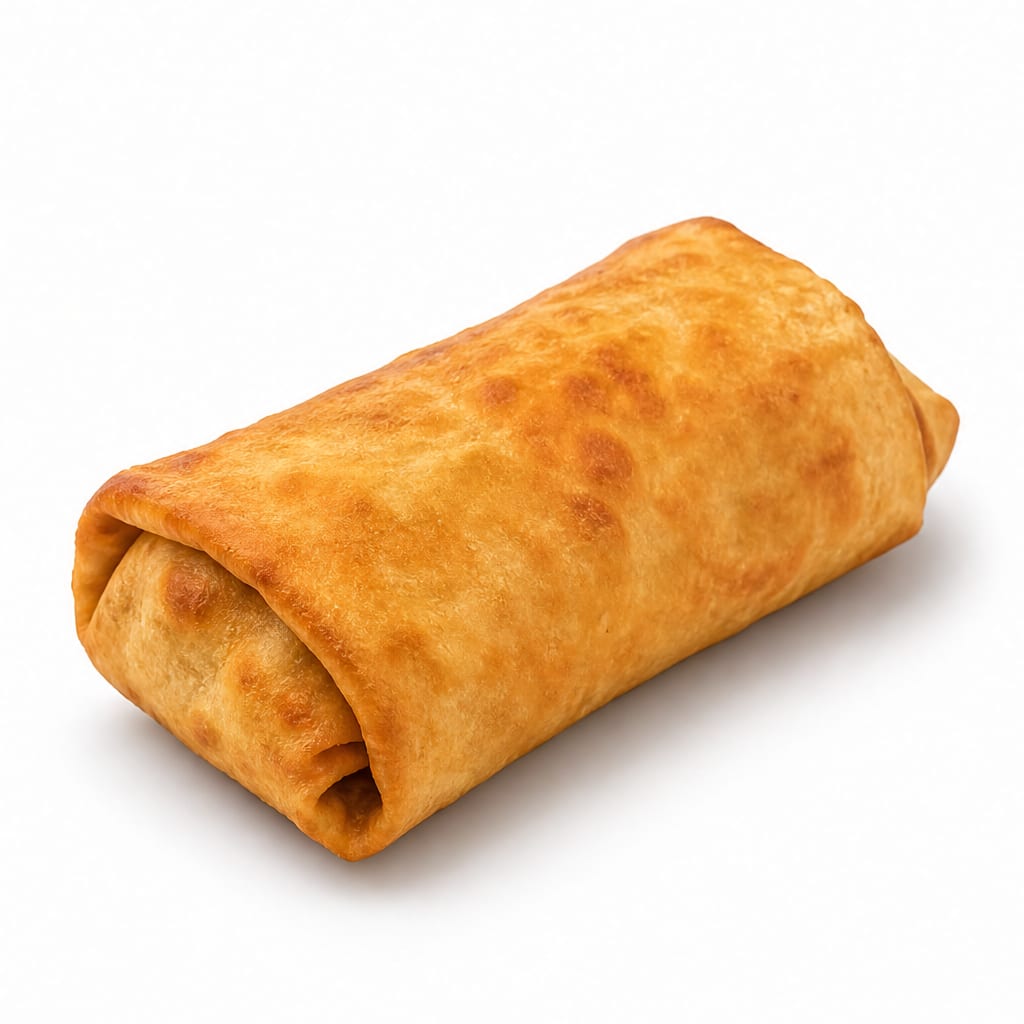
Chimichanga
A burrito delivers the same satisfying flavors as a chimichanga but with far fewer calories and less grease, making it the clearly healthier choice.
The burrito scores significantly higher due to the absence of deep-frying, resulting in a much better nutritional profile for regular consumption.
You trade the crispy texture of a chimichanga for a lighter, more digestible meal that won't leave you sluggish.
At a glance
Executive summary
Overall
Burrito
Healthier
Burrito
More practical
Burrito
Daily use
Burrito
Key comparison lenses
Cooking method impact (fried vs non-fried)
Deep-frying is the defining difference, drastically altering fat, calories, and digestive burden.
Calorie density and weight management
Oil absorption during frying makes chimichangs significantly more calorie-dense than burritos.
Digestive comfort and heartburn risk
Greasy, deep-fried foods are common triggers for acid reflux and indigestion.
Inflammatory potential
Frying in vegetable oils at high temperatures introduces inflammatory compounds and oxidized fats.
Best choice for
Burrito
- Everyday lunches
- Post-workout meals
- Heart-health conscious diners
Chimichanga
- Occasional indulgent cravings
- Celebratory meals
- Those wanting maximum crispy texture
Least suitable for
Burrito
- People wanting a crispy, crunchy texture
- Those seeking maximum calorie density
Chimichanga
- Daily meal prep
- People with sensitive digestion
- Anyone watching their weight
Deep comparison
Dimension by dimension
Each lens scores both foods and breaks down who each option suits.
- Dimension 1 · Priority 90Burrito
Calorie Density & Weight Management
Burrito · 80Chimichanga · 35Burritos are substantially lower in calories since they skip the deep-frying oil bath.
Tradeoff
A chimichanga absorbs significant oil during frying, easily adding 200-300 calories compared to a burrito with identical fillings.
Why it matters
If you eat Mexican food regularly, choosing the burrito prevents stealthy calorie accumulation that leads to weight gain.
Real-world impact
Choosing a burrito over a chimichanga saves you the caloric equivalent of a 30-minute jog.
Burrito
- Weight maintenance
- Calorie tracking
- Cutting phases
Better for
- Those who struggle to get enough calories
Worse for
Chimichanga
- Bulking
- High-calorie needs
Better for
- Fat loss
- Portion control
Worse for
- Dimension 2 · Priority 85Burrito
Fat Quality & Heart Health
Burrito · 75Chimichanga · 30Burritos contain primarily the fats from their fillings, while chimichangas soak up inflammatory frying oils.
Tradeoff
Deep-frying a chimichanga drastically increases saturated fat and potentially trans fats, raising cardiovascular risks.
Why it matters
Regular consumption of deep-fried foods is strongly linked to higher cholesterol and heart disease.
Real-world impact
Eating chimichangas frequently can leave you feeling sluggish and contribute to long-term heart health issues.
Burrito
- Heart health
- Lower cholesterol diets
- Anti-inflammatory eating
Better for
Chimichanga
- Keto diets (if fried in healthy oil)
Better for
- Cardiovascular health
- Low-fat diets
Worse for
- Dimension 3 · Priority 80Burrito
Digestive Comfort
Burrito · 80Chimichanga · 40Burritos are much easier on the stomach, while chimichangas can trigger indigestion and heartburn.
Tradeoff
The heavy grease from deep-frying slows digestion and relaxes the esophageal sphincter, making acid reflux likely.
Why it matters
A heavy, greasy meal can ruin the rest of your day with bloating and discomfort.
Real-world impact
A burrito fuels you for hours; a chimichanga often leads to a food coma and reaching for antacids.
Burrito
- Sensitive stomachs
- Acid reflux sufferers
- Lunch meetings
Better for
Chimichanga
- GERD
- IBS
- Gallbladder issues
Worse for
- Dimension 4 · Priority 75It depends
Satiety & Fullness
Burrito · 75Chimichanga · 70Both are highly filling, but chimichangas provide a heavier, more immediate sense of fullness due to high fat content.
Tradeoff
The burrito offers a steadier, more comfortable fullness, while the chimichanga's fat-induced satiety can quickly turn into uncomfortable heaviness.
Why it matters
Feeling comfortably full versus feeling stuffed changes your productivity and mood for hours.
Real-world impact
A burrito keeps you satisfied through the afternoon; a chimichanga might have you nodding off at your desk.
Burrito
- Sustained energy
- Comfortable fullness
Better for
- When you need massive calorie intake in one sitting
Worse for
Chimichanga
- Extreme hunger
- Craving heavy comfort food
Better for
- Light eating
- Staying alert after lunch
Worse for
Timeline
Health impact over time
Short-term
Hours to days
Burrito
- Sustained energy from complex carbs and protein
- Comfortable fullness without sluggishness
Chimichanga
- High likelihood of post-meal fatigue
- Potential indigestion or heartburn from grease
Long-term
Months to years
Burrito
- Easier weight management
- Better cardiovascular markers
Chimichanga
- Increased risk of weight gain
- Higher cholesterol and inflammation from frequent fried food intake
Risk profile
Safety & processing
While both rely on processed flour tortillas, deep-frying a chimichanga introduces oxidized oils and often more sodium and preservatives from the frying environment.
Burrito
Foodborne illness from improper holding temperatures
mediumRice and meat fillings in burritos can harbor bacteria if not kept hot enough.
Chimichanga
Acrylamide formation
mediumFrying the flour tortilla at high temperatures can create acrylamide, a potential carcinogen.
Oxidized cooking oils
mediumReused frying oils in restaurants can contain harmful compounds and trans fats.
Who wins for whom
Audience fit
Same foods, different winners depending on your goal.
children
BurritoEasier for kids to digest and lacks the excessive grease that can cause stomach aches.
daily consumption
BurritoA burrito fits into a regular diet without the heavy health toll of daily deep-fried food.
diabetes
BurritoLower in fat, which improves insulin sensitivity compared to the high-fat load of a chimichanga.
elderly
BurritoMuch gentler on the digestive system and better for heart health.
muscle gain
BurritoProvides the same protein content as a chimichanga but with less fat, allowing for cleaner bulking.
weight loss
BurritoSkipping the deep-frying oil saves hundreds of calories while providing the same volume of food.
Your move
Decision guide
Choose Burrito
- You want a filling meal without the food coma
- You are watching your calorie or fat intake
- You have a sensitive stomach or are prone to heartburn
Choose Chimichanga
- You are celebrating and want a crispy, indulgent treat
- You are intentionally eating calorie-dense foods
- The craving for that fried crunch cannot be ignored
Either works if
- You need a high-protein meal and can control the fillings
- You are eating at a restaurant that uses high-quality ingredients
Avoid both if
- You are strictly limiting refined carbohydrates (flour tortillas)
- You have celiac disease or severe gluten intolerance
Final recommendation
Choose a burrito for your regular Mexican food fix to save hundreds of calories and avoid heavy grease. Save the chimichanga for rare occasions when the crispy indulgence is truly worth the digestive tradeoff.
Practical
Consumer tips
- 1
Ask for a bowl (no tortilla) to save even more calories and carbs from either option.
- 2
If you really want the chimichanga texture, try pan-frying a burrito in a tiny bit of oil at home for a crispy shell with far less grease.
- 3
Load up on veggies and beans inside your burrito to maximize fiber and satiety.
- 4
Opt for grilled chicken or steak instead of carnitas or barbacoa to keep fat lower in both dishes.