
Nutrition comparison
Taco vs Burrito: Which Is Healthier for You?
Compare tacos and burritos on calories, sodium, blood sugar impact, and satiety. Find out which Mexican favorite fits your health goals and when to choose each.
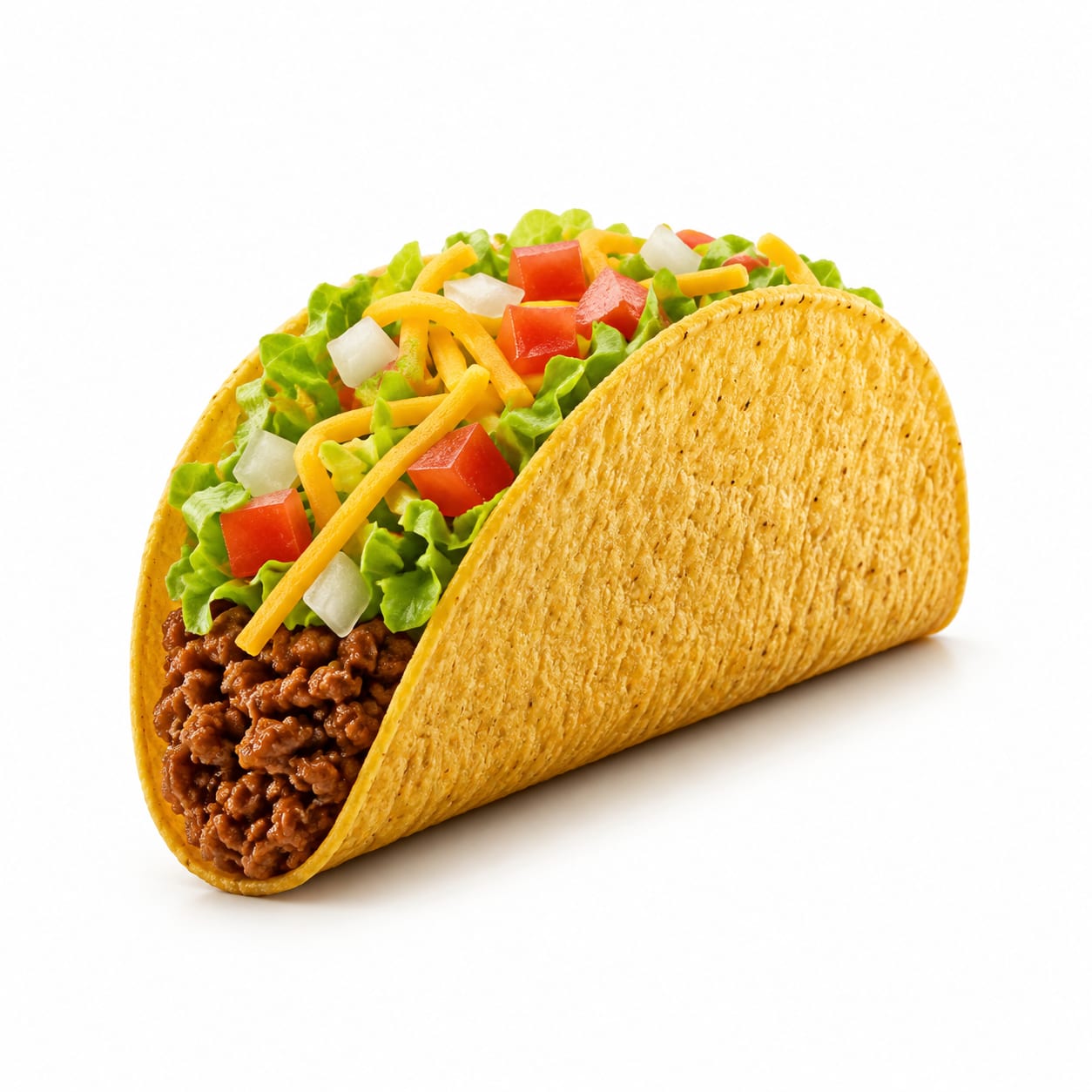
Taco
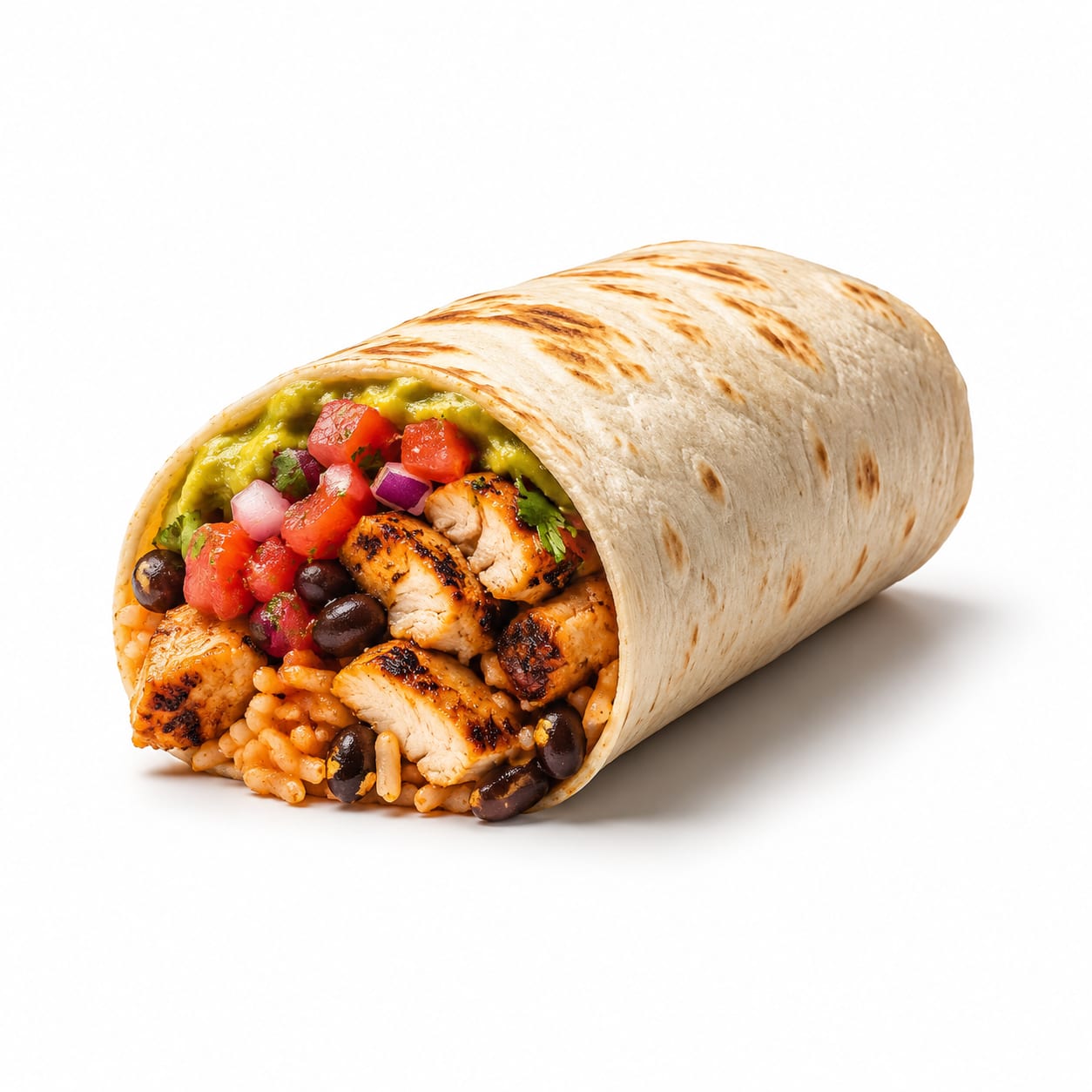
Burrito
Tacos win for portion control and lighter meals; burritos win for fullness and protein in a single package.
Tacos score higher mainly due to built-in portion control and lower calorie density. Burritos lose ground because their size makes overeating almost automatic, and the rice adds refined carbs without much nutritional upside.
You gain satiety and completeness with a burrito but sacrifice calorie control and lightness that tacos offer.
At a glance
Executive summary
Overall
It depends
Healthier
Taco
More practical
Burrito
Daily use
Taco
Key comparison lenses
portion control and calorie management
Burritos are dramatically larger and more calorie-dense, making portion control the single biggest differentiator
satiety and fullness
Burritos are a full meal in one wrap while tacos are typically eaten in multiples, affecting how satisfied you feel
blood sugar impact
Burritos usually contain rice which adds significant refined carbs, while tacos skip rice entirely
everyday meal versatility
People choose between these for lunch, dinner, or late-night eating where format matters as much as nutrition
sodium and heart health
Both can be sodium bombs but burritos pack more salt per serving due to beans, rice, and larger tortillas
Best choice for
Taco
- People tracking calories who want flavor without overeating
- Those who prefer grazing on multiple smaller items
- Anyone wanting a lighter lunch that won't cause an afternoon slump
- Diners who enjoy variety by mixing and matching fillings
Burrito
- Active people needing a calorie-dense meal after training
- Anyone wanting a single filling meal that replaces multiple dishes
- People who struggle with hunger between meals
- Those needing portable fuel for long workdays
Least suitable for
Taco
- People needing a single satisfying meal to stay full for hours
- Anyone trying to gain weight or increase caloric intake easily
Burrito
- People watching their weight or counting calories closely
- Anyone sensitive to large portions or heavy meals before activity
Deep comparison
Dimension by dimension
Each lens scores both foods and breaks down who each option suits.
- Dimension 1 · Priority 95Taco
calorie_control
Taco · 82Burrito · 38A single taco typically runs 170-250 calories while a standard burrito easily hits 600-1000+ calories.
Tradeoff
Tacos let you stop at one or two and feel fine; a burrito commits you to a full heavy meal every time.
Why it matters
Most people underestimate burrito calories by 30-40%, making weight management harder without realizing it.
Real-world impact
Two tacos at lunch leave room for a snack later. One burrito at lunch and you may skip dinner entirely or still feel sluggish.
Taco
- Weight management
- Flexible eating schedules
- Mindful eating patterns
Better for
- Situations requiring maximum calories in one sitting
Worse for
Burrito
- Bulking or calorie surplus goals
- Post-workout recovery meals
Better for
- Anyone trying to maintain or lose weight
- People prone to food coma after lunch
Worse for
- Dimension 2 · Priority 90Burrito
satiety_and_fullness
Taco · 52Burrito · 88Burritos deliver a complete, heavy meal that keeps you full for 4-6 hours. Tacos often leave you reaching for more food within 2-3 hours.
Tradeoff
That fullness comes from sheer volume and calorie density, not necessarily better food quality.
Why it matters
If you need one meal to carry you through a long afternoon, a burrito does the job. Tacos may require a side or snack to match.
Real-world impact
A burrito at noon can carry you to dinner. Two tacos at noon and you are eyeing the vending machine by 3pm.
Taco
- People who prefer eating smaller meals more frequently
Better for
- Situations where you cannot snack between meals
Worse for
Burrito
- Long shifts without meal breaks
- Hikers and outdoor athletes needing sustained energy
- Anyone who hates mid-afternoon hunger
Better for
- People who feel uncomfortably stuffed after heavy meals
Worse for
- Dimension 3 · Priority 85Taco
blood_sugar_stability
Taco · 70Burrito · 45Tacos skip the rice and use smaller tortillas, meaning fewer refined carbs hitting your bloodstream at once.
Tradeoff
Burritos wrap everything in a large flour tortilla plus rice, creating a double carb load that spikes blood sugar harder.
Why it matters
The flour tortilla plus rice combo in burritos is essentially a refined carb sandwich that can cause energy crashes.
Real-world impact
After a burrito you might feel great for 30 minutes then hit a wall. Tacos give steadier, more even energy.
Taco
- People with insulin resistance or prediabetes
- Anyone prone to afternoon energy crashes
- Those following lower-carb eating patterns
Better for
- Situations requiring rapid carb refueling
Worse for
Burrito
- Endurance athletes who need quick glycogen replenishment
Better for
- People monitoring blood sugar
- Those with metabolic syndrome
Worse for
- Dimension 4 · Priority 80Burrito
nutritional_completeness
Taco · 55Burrito · 78Burritos typically include beans and rice, adding fiber, complex carbs, and plant protein that tacos often lack.
Tradeoff
Those added nutrients come packaged with significantly more calories and sodium than a taco.
Why it matters
A burrito can legitimately serve as a balanced meal with protein, carbs, fiber, and fat. Tacos usually need sides to feel complete.
Real-world impact
One burrito can cover your protein and fiber needs for a meal. Two tacos might leave you short on both unless you add sides.
Taco
- Meals where you are eating other dishes alongside
Better for
- Standalone meals without sides
Worse for
Burrito
- One-dish meal situations
- Anyone needing fiber and protein in a single serving
- Budget diners getting maximum nutrition per dollar
Better for
- People already getting plenty of fiber and protein elsewhere
Worse for
- Dimension 5 · Priority 75Taco
sodium_load
Taco · 58Burrito · 35Both are salty, but burritos pack more sodium per serving due to beans, rice seasoning, cheese, and the larger tortilla.
Tradeoff
Even tacos can easily hit 500-800mg of sodium each, so eating three puts you in the same territory as one burrito.
Why it matters
A single burrito can contain 1500-2500mg of sodium, which is most of your daily limit in one item.
Real-world impact
If you have blood pressure concerns, a burrito is basically a sodium bomb. Tacos let you control intake by stopping at one or two.
Taco
- People with hypertension
- Anyone watching salt intake
Better for
- Situations where you eat four or more tacos
Worse for
Burrito
- Athletes who lose significant sodium through sweat
Better for
- Anyone on a low-sodium diet
- People with kidney concerns
Worse for
- Dimension 6 · Priority 72Taco
eating_flexibility
Taco · 85Burrito · 50Tacos let you mix proteins, try different salsas, and stop when satisfied. Burritos lock you into one combination.
Tradeoff
Tacos require ordering multiple items to feel like a full meal, which costs more and takes longer.
Why it matters
Variety keeps meals interesting and makes it easier to eat well long-term without feeling trapped.
Real-world impact
With tacos you can have one chicken, one fish, and one veggie. A burrito forces you to commit to one filling for the whole meal.
Taco
- Adventurous eaters who want variety
- People who like sampling different flavors
- Shared dining experiences
Better for
- People who find ordering multiple items annoying
Worse for
Burrito
- Decision fatigue moments when you just want one thing
- Eating while driving or walking
Better for
- Those who get bored eating the same bite repeatedly
Worse for
Timeline
Health impact over time
Short-term
Hours to days
Taco
- Quick satisfying flavor hit without heavy fullness
- Moderate blood sugar impact depending on tortilla type
- Less post-meal drowsiness compared to a heavy burrito
Burrito
- Strong fullness that can last half a day
- Noticeable food coma risk from the combined carb and calorie load
- Possible bloating from the large flour tortilla and bean fiber together
Long-term
Months to years
Taco
- Easier to maintain healthy weight with built-in portion limits
- Lower cumulative sodium intake if you stick to 2-3 tacos per meal
- Less risk of developing a pattern of oversized meals
Burrito
- Higher risk of gradual weight gain from consistent calorie surplus
- Beans provide heart-protective fiber if burritos are eaten regularly
- Chronic high sodium intake if burritos are a frequent choice
Risk profile
Safety & processing
Both rely on processed tortillas, but burritos use larger flour tortillas that often contain preservatives and dough conditioners. Taco shells or corn tortillas tend to have simpler ingredient lists. The rice in burritos is also a more processed addition compared to the simpler taco fillings.
Taco
Cross-contamination from raw meat toppings
mediumSalsa, cilantro, and onion bars can harbor bacteria if not kept at proper temperature
Stale or rancid frying oil in hard shells
lowRepeatedly used fryer oil can develop harmful compounds over time
Burrito
Improperly stored rice causing bacillus cereus
mediumRice that sits at room temperature too long can grow this heat-resistant toxin-producing bacteria
Undercooked beans with phytohaemagglutinin
lowUndercooked kidney beans can cause gastrointestinal illness, though most restaurants cook them properly
Who wins for whom
Audience fit
Same foods, different winners depending on your goal.
children
TacoSmaller hands and appetites handle tacos more easily, and kids enjoy the interactive eating experience of assembling each bite.
daily consumption
TacoThe lighter calorie and sodium load of tacos makes them more sustainable as a regular meal without accumulating dietary risk.
diabetes
TacoTacos avoid the rice double-carb hit and use smaller tortillas, resulting in a lower glycemic load per meal.
elderly
TacoLighter portions are easier to digest and less likely to cause discomfort, plus lower sodium helps with blood pressure management.
muscle gain
BurritoBurritos deliver more total protein, carbs, and calories in a single meal, which supports muscle building and recovery.
weight loss
TacoTacos offer natural portion control and lower calorie counts per serving, making it far easier to stay within a calorie budget.
Your move
Decision guide
Choose Taco
- You want a satisfying meal without the heavy aftermath
- You are watching your weight, sodium, or blood sugar
- You enjoy variety and mixing different proteins and toppings
- You are eating with others and want a social, shareable experience
- You need a quick bite rather than a full sit-down meal
Choose Burrito
- You just finished a hard workout and need serious refueling
- You have one chance to eat and need it to last all afternoon
- You are trying to gain weight or increase caloric intake
- You want a complete balanced meal in one handheld package
- You are hiking, traveling, or need maximum portable calories
Either works if
- You are eating at a quality restaurant with fresh ingredients
- You can customize either option with lean protein and extra vegetables
- Your main concern is enjoying Mexican food with friends
Avoid both if
- You have severe celiac disease or gluten intolerance from flour tortillas
- You are on a strict low-sodium diet and cannot negotiate the salt content
- You are sensitive to spicy foods or nightshades in the salsas and sauces
Final recommendation
For most people eating Mexican food regularly, tacos are the smarter default. They give you the flavors you want with far less caloric and sodium baggage. Save burritos for days when you genuinely need the extra fuel, not just because they seem like a better deal per calorie. The best burrito is a conscious choice, not an automatic one.
Practical
Consumer tips
- 1
Ask for corn tortillas instead of flour to cut calories and avoid preservatives in either format
- 2
Skip the rice in burritos or ask for it on the side to dramatically reduce the carb load
- 3
Order tacos with grilled fish or chicken instead of fried or braised meats for a leaner meal
- 4
Load up on salsa and vegetables as toppings rather than cheese and sour cream
- 5
If you order a burrito, consider eating half now and half later to avoid the calorie bomb in one sitting
- 6
Ask for beans on the side with tacos to add fiber and protein without the heavy wrap
- 7
Avoid burritos with queso or nacho cheese sauces, which add hundreds of empty calories and significant sodium